I bought an indoor grill because the box said “smoke control system,” and I believed it the way you believe a weather forecast. Technically informed. Practically optimistic.
The first steak I seared set off the smoke alarm. Not a little wisp. The full alarm, the kind that makes the dog leave the room. The smoke control system, it turns out, controls some smoke. It does not control searing a ribeye at high heat in a closed kitchen. Nothing controls that except an actual range hood, which is what the marketing photos always seem to have in the background if you look closely.
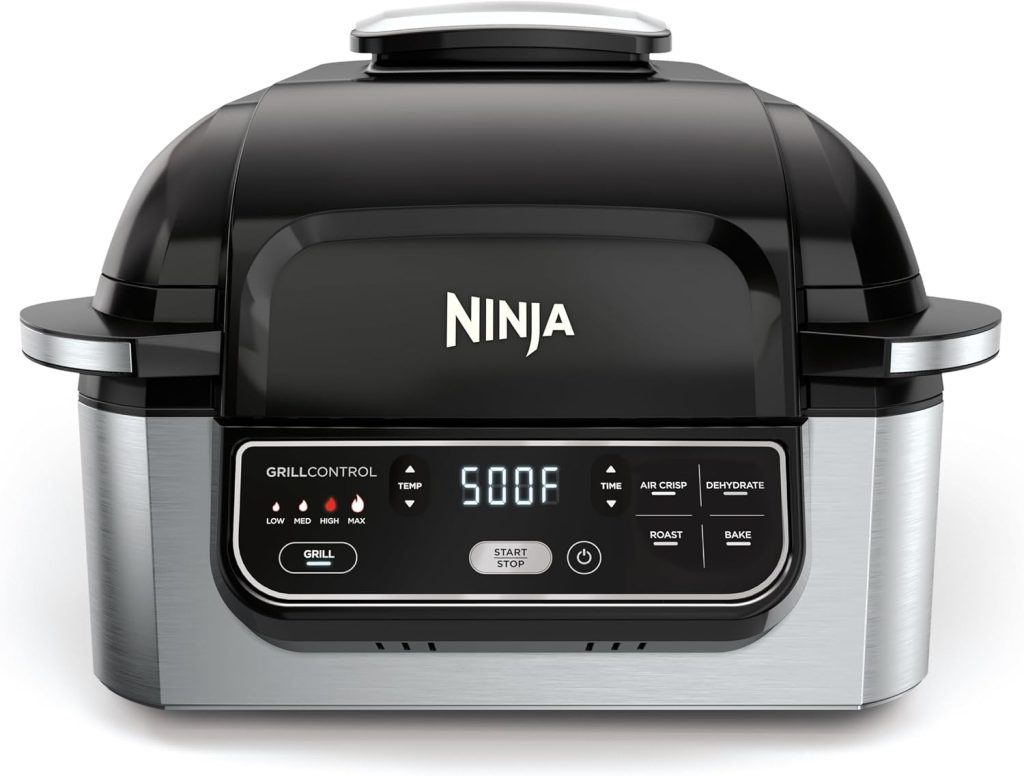
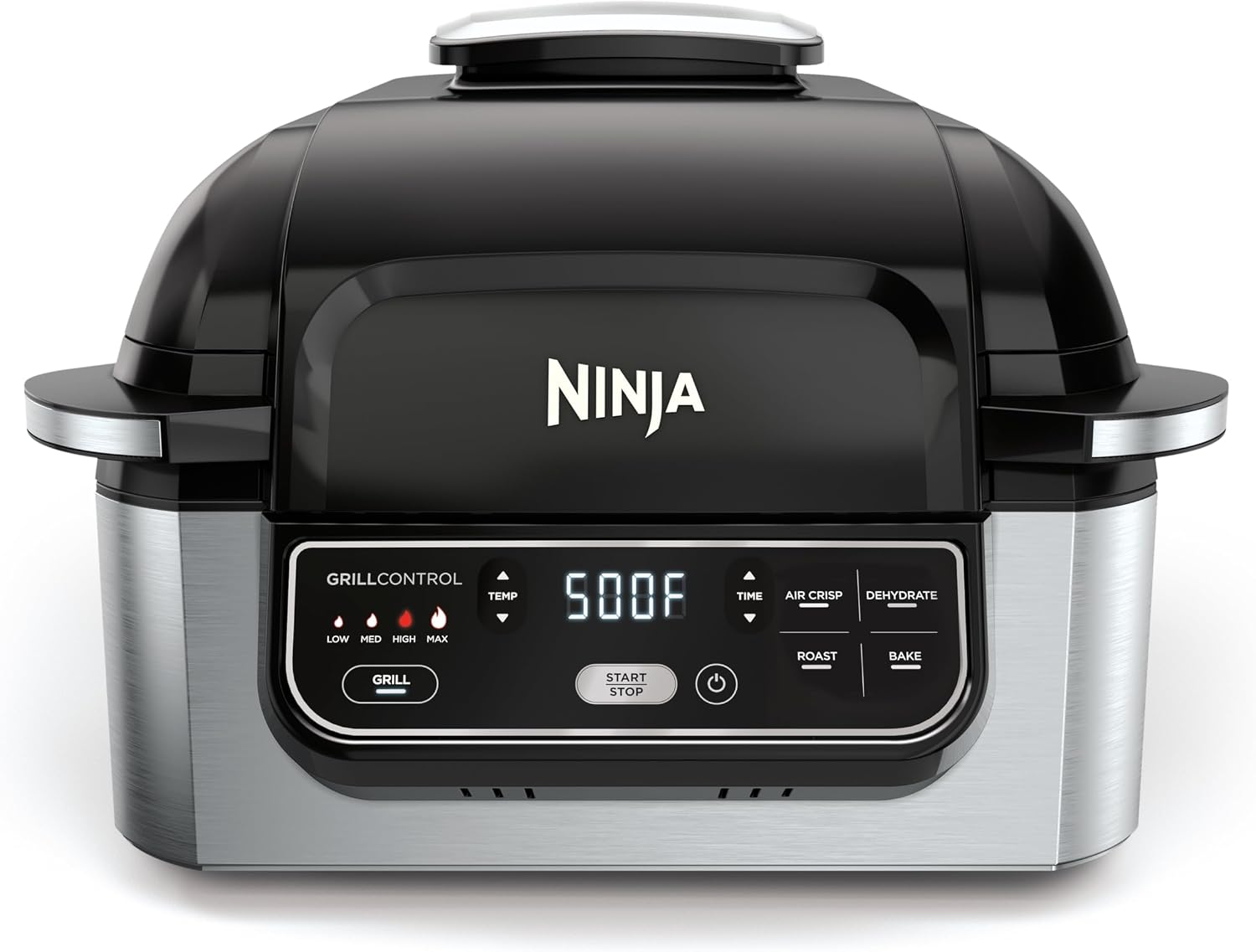
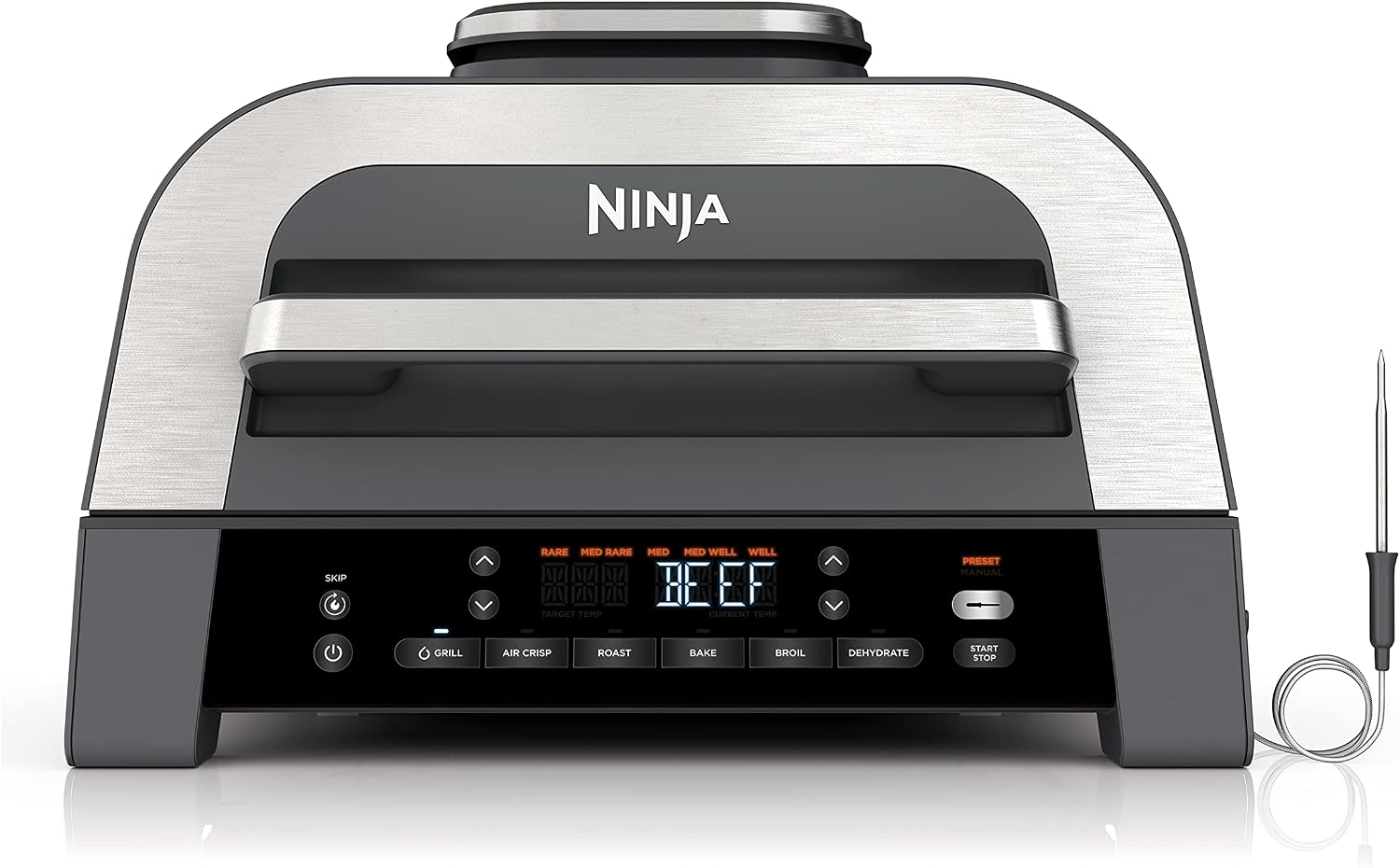
This is the central truth about indoor grills. They grill. Indoors. Those two facts are in tension, and no appliance resolves the tension completely. The Ninja Foodi XL 5-in-1 manages it better than most, which is why it is still on my counter. But “virtually smokeless” is doing a lot of work in that sentence.
Buy it for the grill, not the fryer
This is the decision rule, and it is simple. The Foodi XL’s air frying is good. It is not better than a dedicated basket fryer at the same price. What you are paying for is the grill grate, the high-heat sear, the char marks in February.
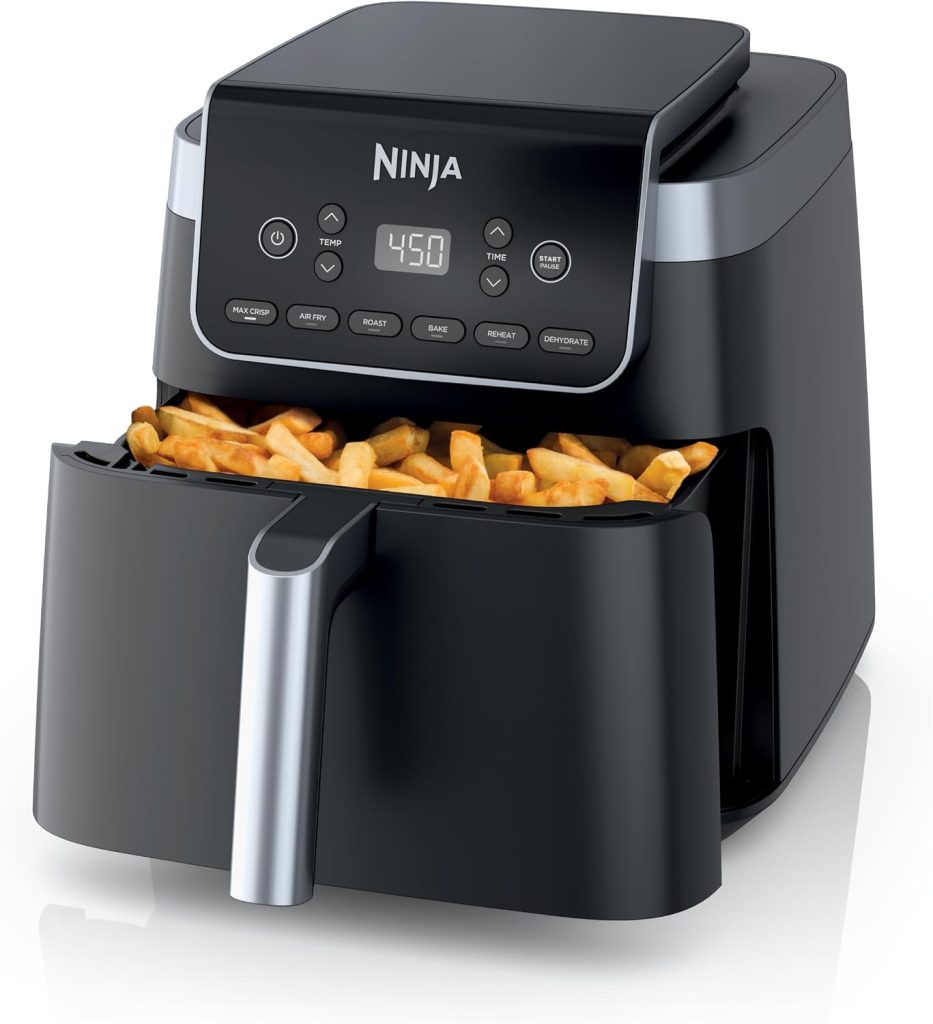
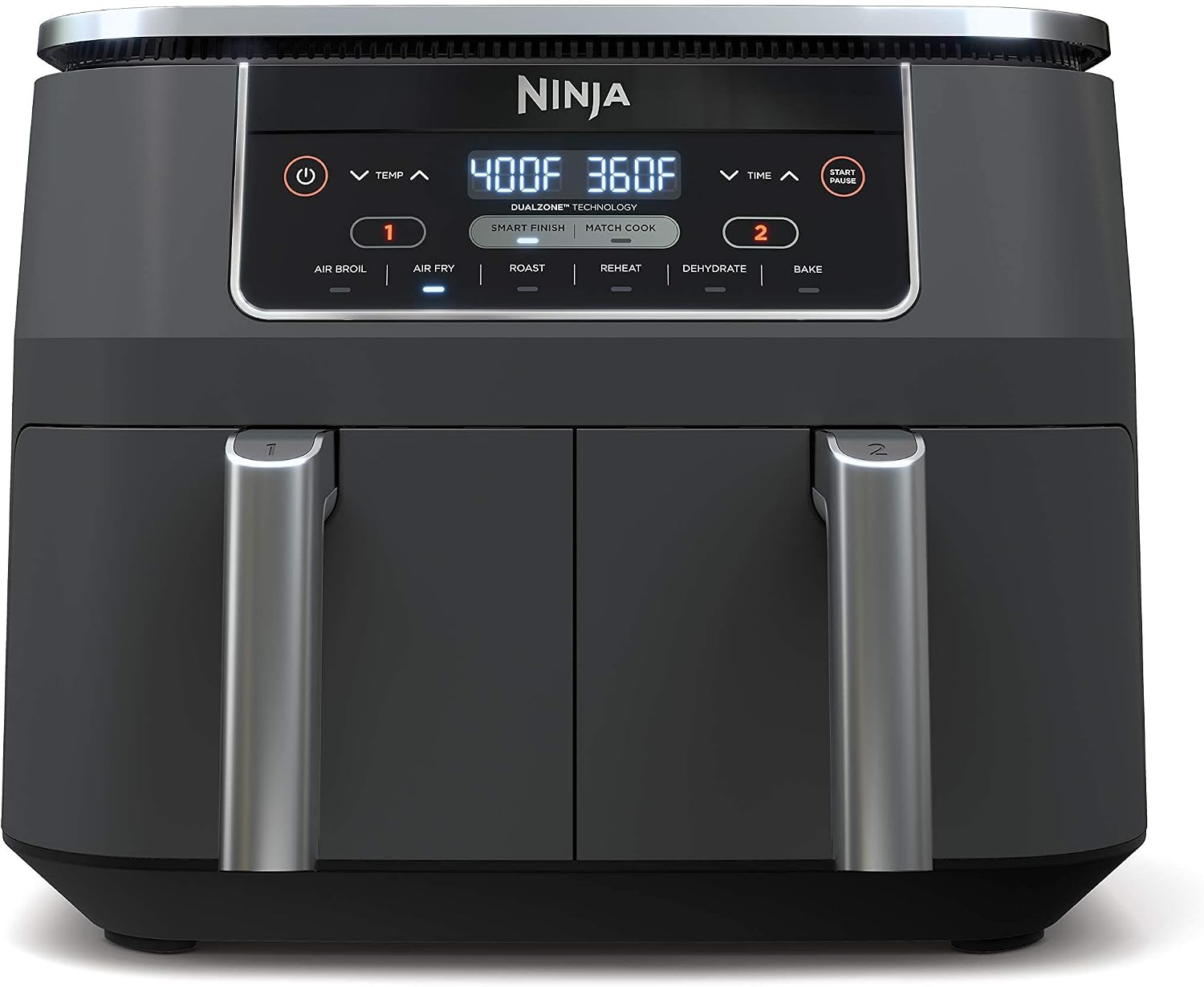
If you will actually grill, steaks, burgers, vegetables with char, the combo earns its counter space and its price. If you only need air frying, a Ninja AF101 is cheaper, lighter, and easier to clean. Decide based on the grill. Everything else is a bonus.
I grill twice a week in winter. That frequency justifies it. Once a month would not. Be honest about your number.
The smoke situation, calibrated
High heat plus fat equals smoke. This is chemistry, not a design flaw. The smoke control system, a combination of temperature management and a splatter shield design, reduces it meaningfully compared to a ripping-hot cast iron pan on the stove. It does not eliminate it.
What actually works: run your range hood if you have one, even though the grill is not under it. Crack a window. Do not cook a fatty ribeye at max sear with the kitchen door closed and expect miracles. Choose leaner cuts for indoor grilling, or accept the alarm as ambiance.
After the learning period, my smoke alarm incidents dropped to roughly zero. Not because the machine changed. Because I changed. Lower sear temps, patted-dry meat, the window cracked. The machine is fine. The user needed calibration.
The grill grate is the chore
Sear marks come at a cost, and the cost is cleaning the grate. Baked-on char does not wipe off. It needs soaking and a stiff non-metal brush, and it needs it promptly, because char that sits becomes char that stays.
This is the maintenance reality that determines whether a grill combo becomes a daily tool or a cupboard ornament. The least-cleaned part of any appliance is the reason it ends up in storage. If you look at a grill grate and feel tired, this category is not for you, and that is useful information to have before spending the money.
The baskets and crisper plates are the easy part. Dishwasher-safe, straightforward. The main unit is wipe-down only, never submersible, which should go without saying but apparently needs saying.
Five functions, one learning curve
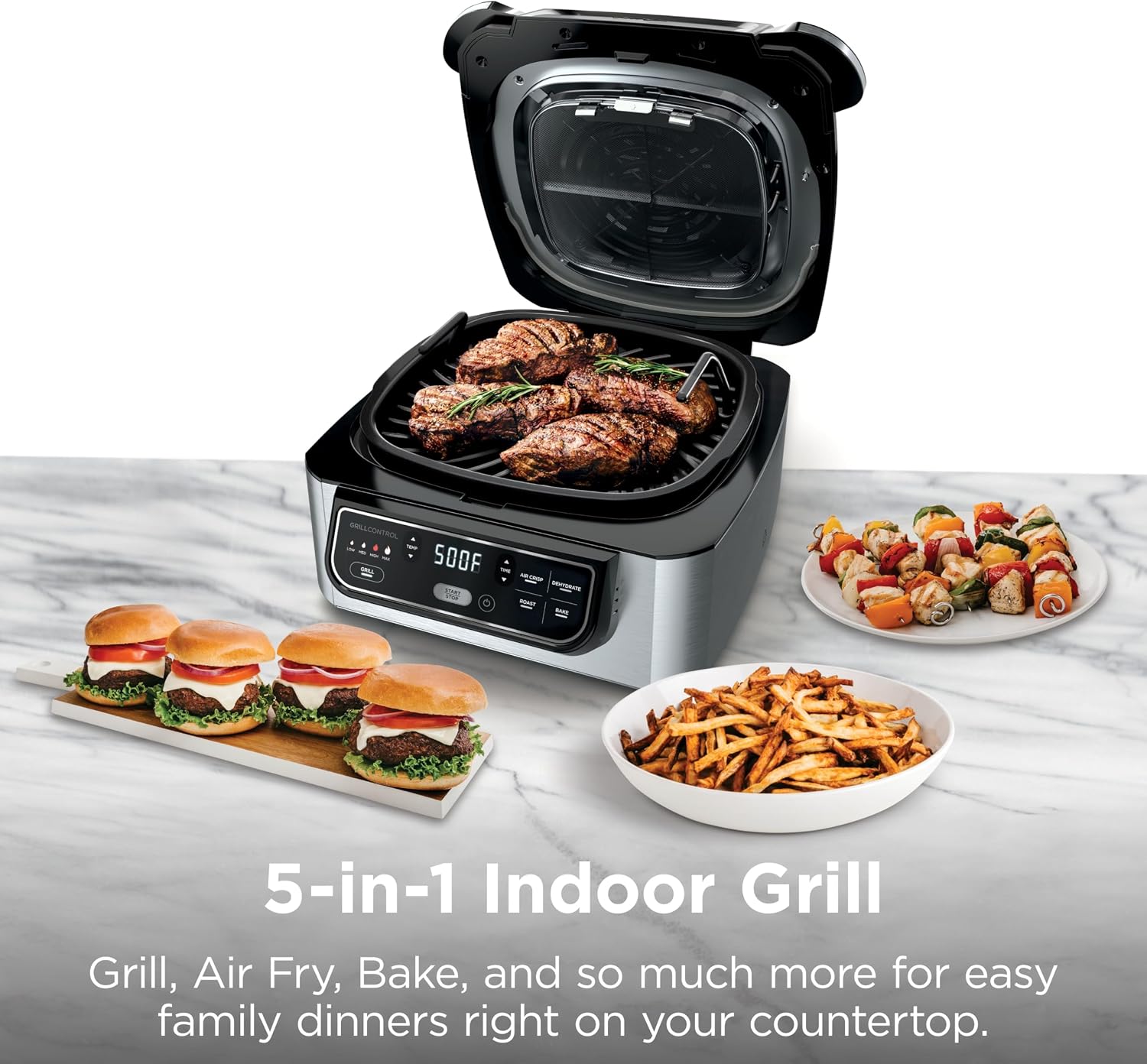
Grill, air fry, roast, bake, dehydrate. The grill is the star. Air fry is the reliable second. Roast handles a chicken. Bake is fine for small things. Dehydrate is decorative, as established.
The learning curve is real. Five functions means five sets of settings, accessories, and cleaning routines. The first few weeks involve consulting the manual, which is humbling for someone who considers themselves a decent cook. Presets help. After a month it is second nature. But if you want push-button simplicity, a single-function basket fryer like the Chefman TurboX will frustrate you less.
1760 watts and the wide footprint
XL means cooking capacity, not compactness. This is a wide, heavy unit that needs a permanent home with clearance around the vents. Heat dissipation is not optional. The vents need space, the sides get warm, and cramming it into a tight spot is how you learn about thermal cutoffs.
1760W is serious power, and it shows in preheat speed and sear performance. It also shows on your electric bill if you run it daily, though less than heating a full oven. For a family of four, the capacity covers main dishes in one round. For one or two people who rarely grill, it is a lot of appliance.
This site contains affiliate links. We may earn a commission on qualifying purchases.
The coating check
Grill grate and crisper plate coatings are standard non-stick. Effective for release. If PFAS is a concern, check the manufacturer’s specific statements, because “non-stick” covers a range of chemistries and the marketing terms are not always precise.
Ceramic alternatives exist in the category, PFAS-free, good release, but they scratch if mistreated. No metal utensils. This rule is universal now. The fork stays in the drawer.
Winter grilling, and the verdict
Here is what the Foodi XL actually gave me. Grilled burgers in January. Charred vegetables in February. Steak with sear marks when it was snowing. Things I would not have cooked otherwise, because firing up an outdoor grill in winter is a commitment I do not make.
That is the value proposition, stripped of marketing. Not smokeless. Not effortless. But grilled food, indoors, in winter, with cleanup that is annoying but manageable.
The smoke alarm has not gone off in months. The dog stays in the room now. The window gets cracked, the meat gets patted dry, and the grill gets its soak while we eat.
I still would not sear a ribeye with the kitchen door closed.