Illuminating the Grind: Your Smart Guide to 100FT Industrial LED String Lights
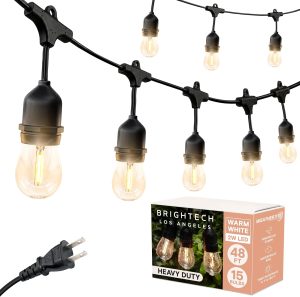
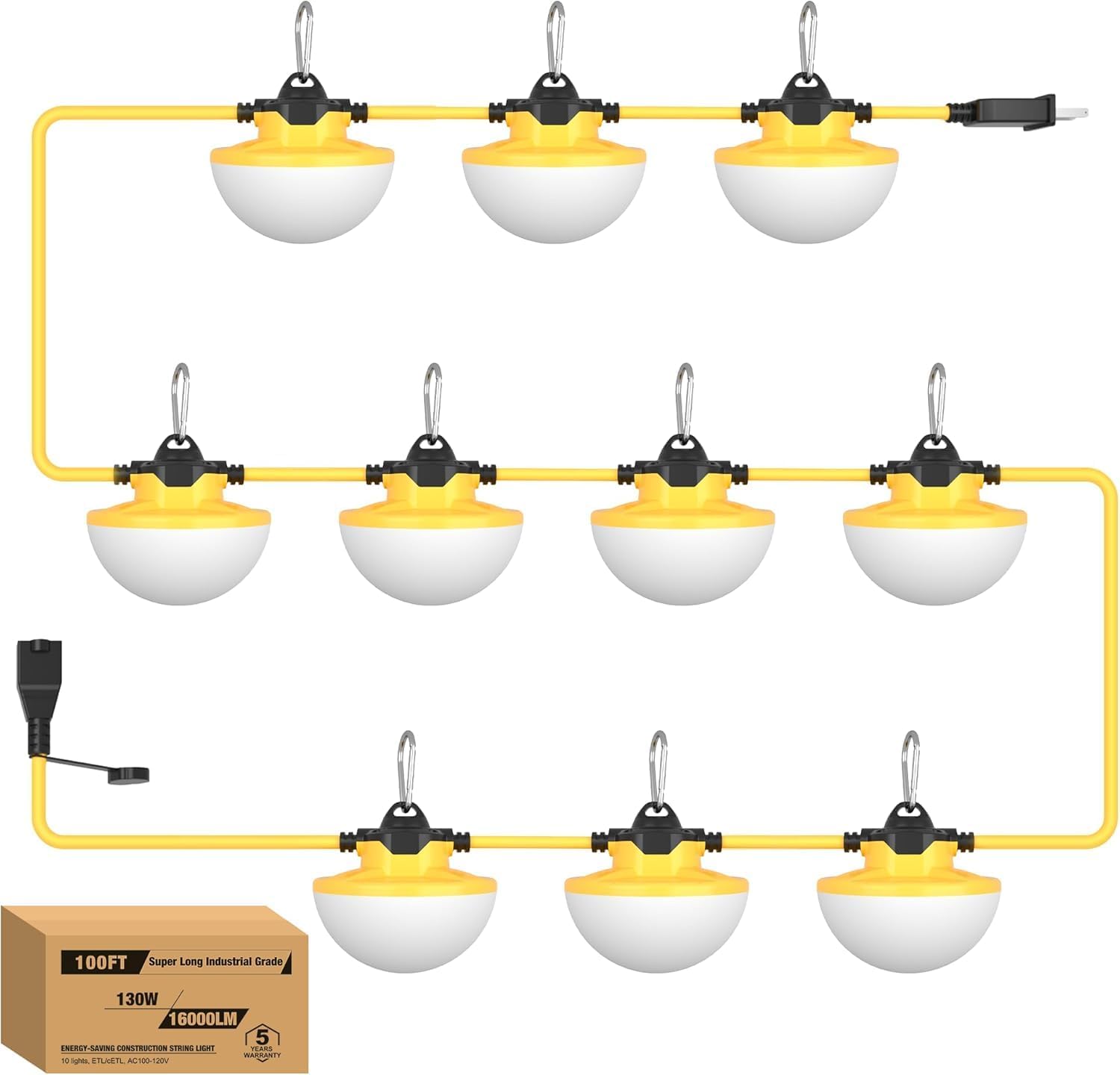
Alright, let’s talk about LED string lights – specifically, those rugged, heavy-duty ones built for serious work. This guide isn’t for folks looking to hang twinkle lights on a patio. No, sir. We’re diving deep into the world of 100FT LED Construction String Lights, the kind rated for 130W and blasting out 16000LM of super bright 5000K light. This is about making smart choices for temporary work jobsites, outdoor lighting where reliability isn’t just a nicety, it’s a necessity.
This isn’t some generic review of every LED string light under the sun. We’re focused on industrial-grade stuff, the kind that features 2-prong plugs and an IP65 waterproof rating, all while sporting robust 18AWG wire. My aim? To cut through the marketing jargon and give you the clear, actionable advice you need to pick the right workhorse for your tough environments.
Quick Answer
For industrial-grade LED string lights, prioritize IP65 waterproofing, a bright 5000K color temperature for clarity, and durable 18AWG wire construction. The key really boils down to matching the light’s resilience and output to the harshness and scale of your temporary jobsite lighting needs, not just grabbing the cheapest thing available. Sometimes a modest bump in investment yields significant returns in longevity and performance.
What to Look For (The Buying Criteria)
Choosing the right 100FT LED construction string lights isn’t as simple as picking the brightest option. You’ve got to consider the environment, the longevity you need, and the practicalities of deployment. Here’s what really matters when you’re shelling out for serious illumination.
Durability and Construction Quality
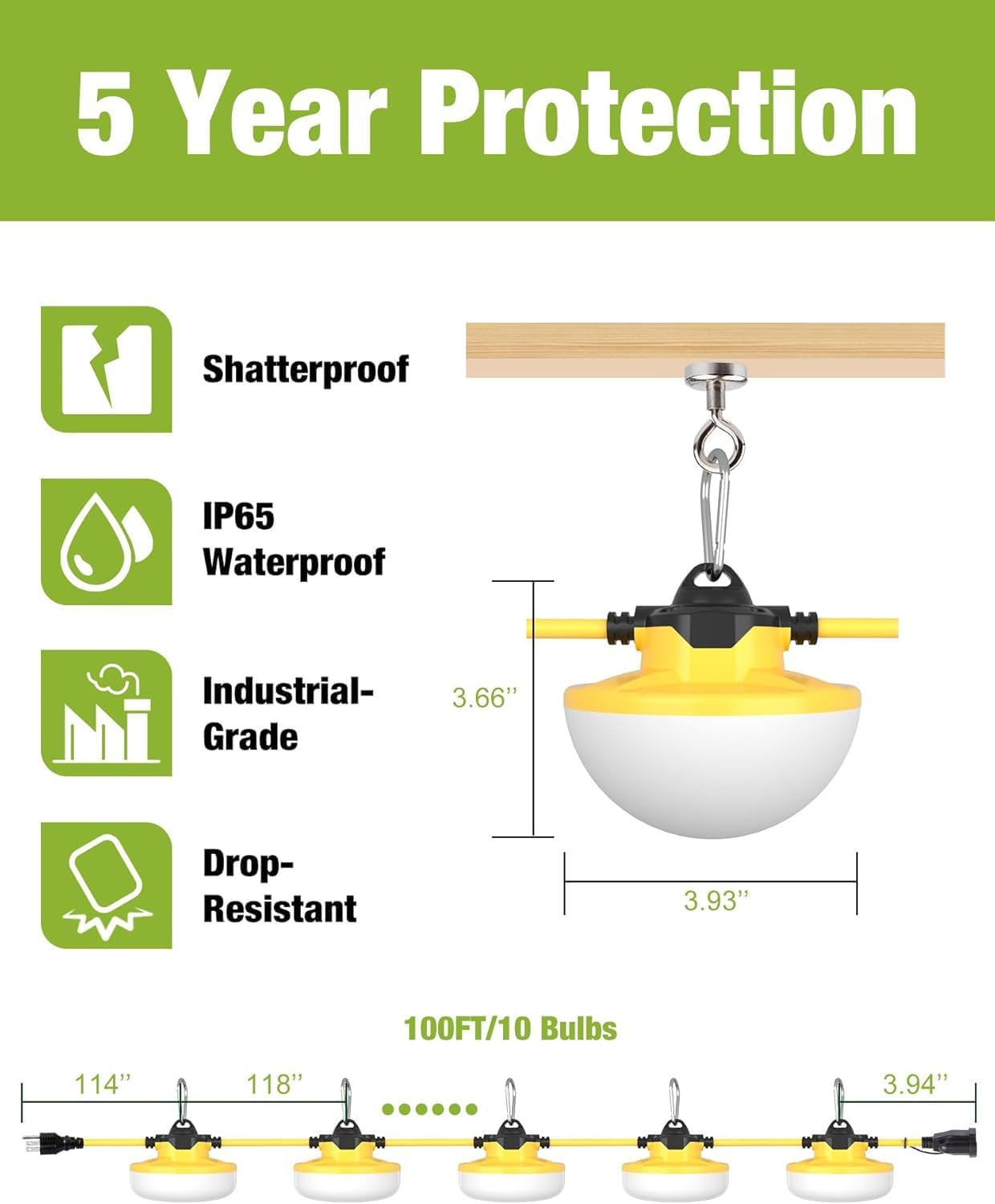
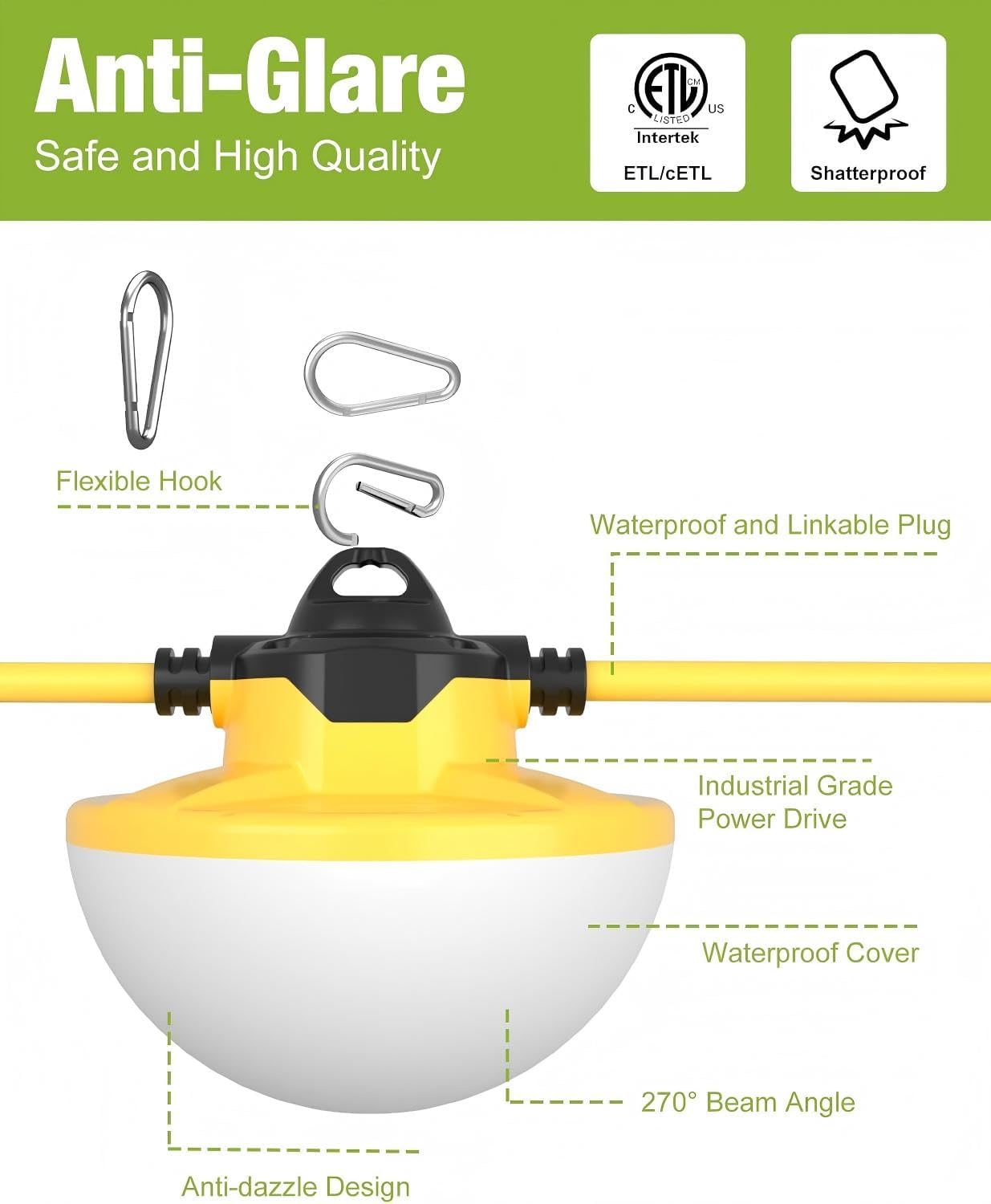
This is probably the biggest differentiator between a consumer-grade string light and one meant for industrial work. We’re talking about lights that get dragged, dropped, stepped on, and generally abused. So, look for impact resistance. The individual LED bulbs should be housed in shatter-resistant, often polycarbonate, cages or domes. You don’t want glass on a jobsite, ever.
The wire itself is crucial. An 18AWG wire is a good baseline for industrial use, offering a decent balance of flexibility and strength. Thinner gauges can fray faster, leading to safety hazards or just dead sections of light. Think about the strain relief at connection points too. That’s where cheap units often fail first. A solid, thick outer jacket on the cable means it can handle being coiled, uncoiled, and subjected to abrasion. The trade-off? More durable materials often make the string heavier and less pliable in very cold conditions, which can be a real pain if you’re trying to string it up solo.
Brightness and Light Quality
When the product specifies 130W and 16000LM, it’s telling you something important: this thing means business. Lumens are your measure of brightness. For construction sites or large outdoor areas, you need a lot of them. We’re talking about illuminating significant square footage for tasks that require detail and safety.
The 5000K super bright rating refers to the color temperature. This is a cool, crisp white light, often described as “daylight.” It’s excellent for task lighting because it enhances visibility, reduces eye strain for detailed work, and makes colors appear truer than warmer, yellower light. You want to see rebar, wiring, and potential hazards clearly, not bask in a soft glow. The downside of extremely bright lights? Glare. Positioning is key to avoid blinding workers, and sometimes too much raw output in a confined space can actually be detrimental.
Weatherproofing and Environmental Resilience
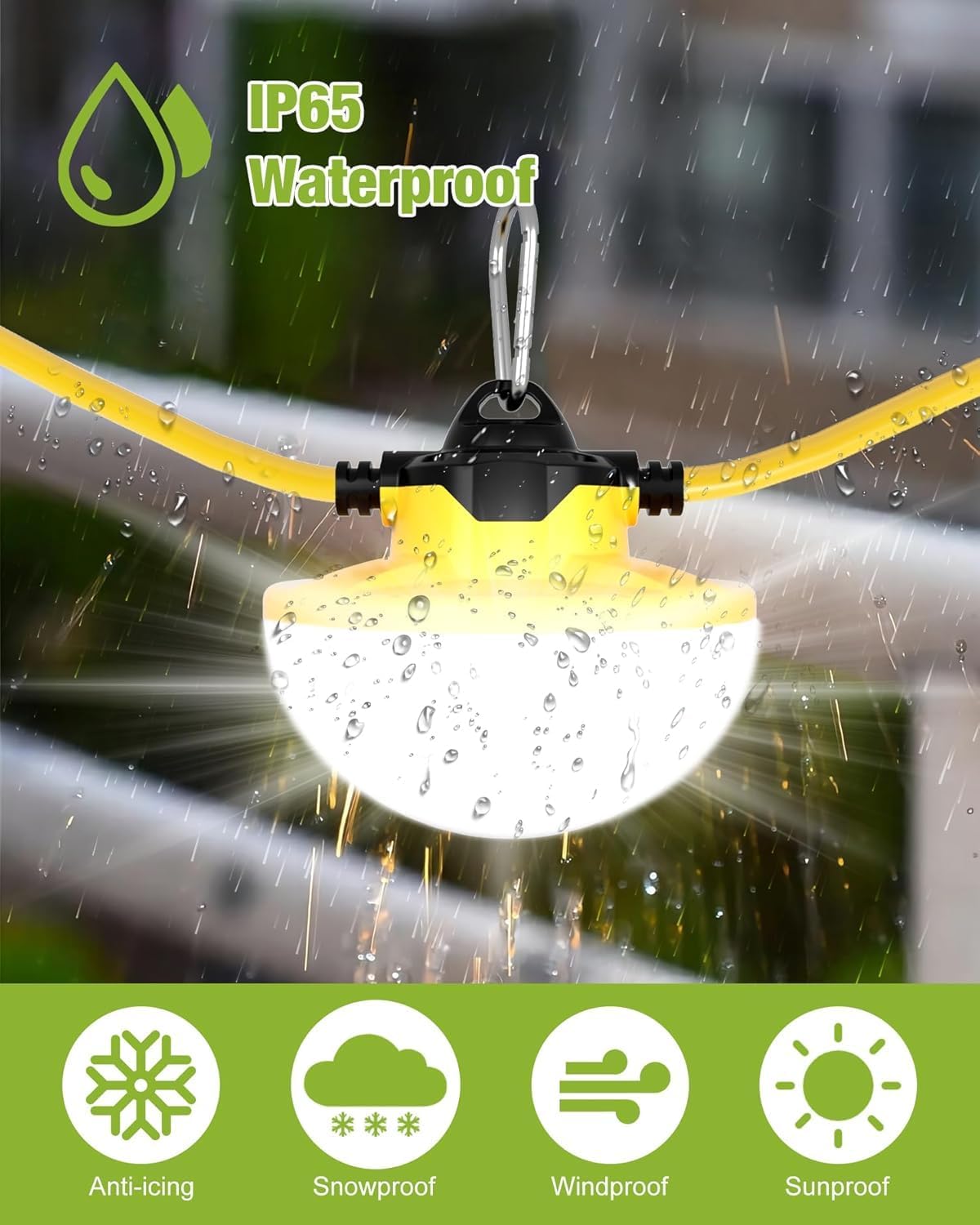
If you’re buying industrial string work lights, they absolutely must handle the elements. An IP65 waterproof rating is a non-negotiable here. That “6” means it’s totally protected against dust ingress – critical on dusty construction sites. The “5” signifies protection against low-pressure water jets from any direction. Rain, splashes, even a washdown with a hose shouldn’t kill these lights.
But it’s not just water and dust. Consider temperature extremes. Some cheaper lights seize up or crack in freezing conditions, or degrade rapidly under intense sun. The connectors, especially, need to be sealed well. That’s another common failure point. A higher IP rating generally means a higher price tag, and sometimes a bulkier, more rigid design that can be less convenient to set up quickly.
Length and Expandability
A 100FT LED construction string light is a solid starting point for many applications. But what if you need more? Or less? Look for daisy chain capability. This means you can link multiple strings end-to-end from a single power source. This feature is a massive time-saver and reduces the number of outlets you need. Knowing how many strings can safely connect without overloading the circuit is important, so check the wattage limits.
While 100 feet is versatile, a single long string can be cumbersome to manage in tighter spots or when only a small area needs lighting. Shorter, linkable segments can sometimes offer more flexibility, though they introduce more connection points, which are always potential vulnerabilities if not well-designed.
Power and Connectivity
These industrial string work lights typically come with a 2-prong plug, meaning they don’t require a ground wire in the circuit. This makes them versatile for older power sources or generators where grounded outlets might be scarce. However, ensure the overall amperage draw of multiple linked strings doesn’t exceed the capacity of your power supply or extension cords. Overloading circuits is a serious safety concern on any jobsite.
The 130W power consumption for 16000LM is pretty efficient, thanks to LED technology, but it’s not zero. You’ll need to factor this into your temporary jobsite power planning, especially if you’re running multiple strings. And always use heavy-duty, outdoor-rated extension cords if you need to extend beyond the light’s integrated cable. Skimping here is just asking for trouble, honestly.
Mounting and Portability
How are you actually going to hang these things? Good LED string lights for work will have integrated mounting points – often hooks, carabiner clips, or sturdy eyelets – molded into the wire or the light housings. This makes setup a breeze, allowing you to quickly suspend them from scaffolding, temporary structures, or even tree branches if you’re on a remote site.
Weight plays into this, as does the overall flexibility of the cable. If it’s too stiff, it’ll fight you every step of the way. Portability means easy coiling and uncoiling without knotting, and integrated handles or reels can be a godsend for managing 100 feet of robust cable. More features, like built-in cord wraps, can add to the bulk, and sometimes those handy clips aren’t quite sturdy enough for truly aggressive use.
How to Match the Product to Your Situation
Picking LED string lights isn’t a one-size-fits-all deal. Your specific needs really dictate what makes a “good” purchase. Let’s look at a few common scenarios.
The Weekend Warrior/DIY Enthusiast
So, you’re tackling big home projects, maybe building a deck, renovating a garage, or doing some serious landscaping. You need decent light, for sure, but probably not something designed to withstand a direct hit from a forklift. You’re looking for dependability and good output without breaking the bank. Focus on mid-range industrial LED strings. They offer a solid IP65 waterproof rating and decent lumens for visibility, but perhaps you don’t need the absolute top-tier, extreme impact resistance. Ease of setup is probably high on your list, too. You want to get the job done, not wrestle with finicky connectors.
The Small Contractor/Tradesperson
For folks running a small painting business, a plumbing outfit, or doing electrical work, your temporary jobsite lighting needs are more demanding. You’re moving between different sites, often daily, and your equipment needs to be portable, reliable, and tough. Durability is key here, as is expandability. You’ll definitely want those daisy chain capabilities to cover varied spaces quickly. The 130W 16000LM 5000K sweet spot is probably ideal. It gives you the clear, bright light you need for detailed tasks and safety, and can stand up to the occasional drop or bump. You’re trying to make money, not constantly replace broken lights.
The Large Scale Operations Manager
Running a major construction project or managing a vast outdoor worksite? Your demands are at the top end of the spectrum. You need heavy-duty construction lighting that can withstand continuous, harsh exposure to the elements and heavy machinery. Think maximum IP65 protection, possibly even higher, with robust cable jackets and reinforced bulb housings. Longevity is paramount, because downtime from failed lighting can be costly. While 100FT is standard, you’ll likely need numerous strings, so consistent daisy chain performance across a large network is critical. You’re not just illuminating; you’re ensuring a safe, productive environment around the clock. Over-specifying here is often a smart move.
Comparing Industrial LED String Light Options
| Type/Tier | Best For | Price Tier | Key Feature | Watch-Out |
|---|---|---|---|---|
| Basic Utility String Lights | Occasional DIY, light garage work | Budget-Friendly | Adequate brightness, easy storage | Limited durability, lower weather resistance |
| Mid-Range Industrial LED Strings | Regular jobsite tasks, varied outdoor projects | Mid-Range | IP65 waterproof, good lumen output, 18AWG wire | May lack extreme impact resistance |
| Premium Heavy-Duty Construction Lighting | Large-scale sites, extreme conditions, daily use | Premium | Maximum durability, high lumens, robust connectors | Can be overkill (and pricey) for lighter duties |
Basic Utility String Lights are fine for folks who need a bit of extra light for a weekend project in the garage or a backyard shed. They’re usually lighter and easier to handle, but don’t expect them to survive a season outdoors exposed to serious weather or heavy-duty use.
Mid-Range Industrial LED Strings hit that sweet spot for many professionals. These lights offer a solid balance of features like the essential IP65 waterproof rating, a strong 18AWG wire, and ample brightness for most work. They’re built to last through more than just a few uses without demanding a top-tier investment.
Finally, Premium Heavy-Duty Construction Lighting is where you go when compromise isn’t an option. These units are engineered for the harshest environments and continuous operation, providing peak 16000LM 5000K illumination with bulletproof construction. Just remember, that kind of resilience comes with a higher cost, and sometimes the sheer weight and rigidity can be more than you actually need.
Scenario-Specific Lighting Needs
Every job’s got its quirks, and your LED string lights should match. What works great in one spot might be a headache in another.
Outdoor Construction Sites
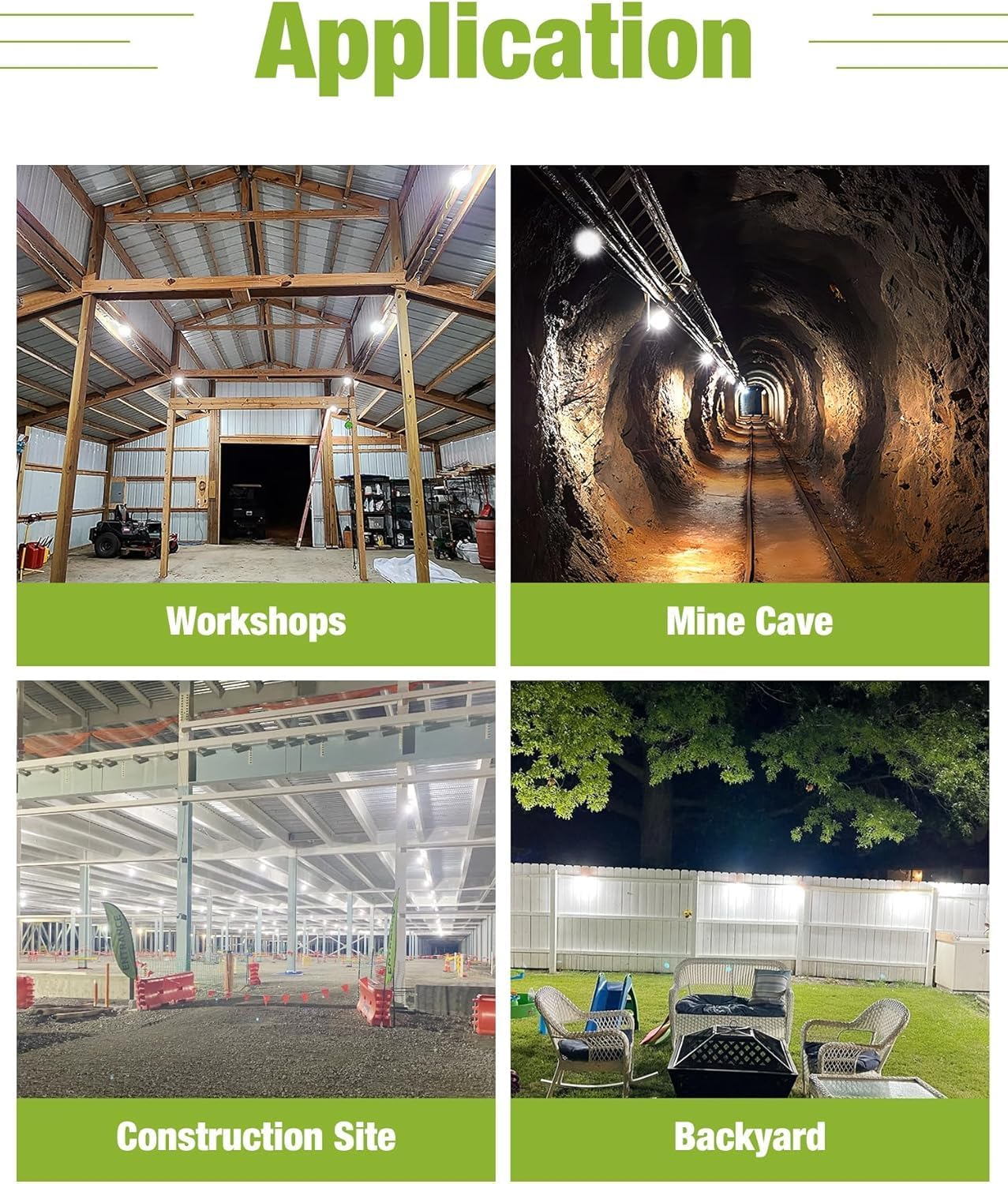
Think mud, rain, dust storms, freezing temperatures, and constant movement of heavy equipment. For these truly rugged scenarios, you need industrial string work lights designed for extreme abuse. The IP65 waterproof rating isn’t just a suggestion; it’s a lifeline. You’ll want robust housing around each LED, a thick 18AWG wire that resists cuts and abrasions, and a color temperature like 5000K for crystal-clear visibility, even on the darkest nights. And make sure those connection points are sealed tight and built to withstand repeated stress. You can’t have lights flickering out when heavy machinery is moving around. Safety first, always.
Indoor Renovation/Temporary Work
Inside a building under construction or renovation, the environment is often less hostile than outdoors, but still demanding. Dust is a major factor, so the “6” in IP65 is still super important. You also need really good, bright light (those 16000LM are a huge plus here) to see details for plumbing, electrical, or finish work. Portability and quick setup become paramount. You’ll likely be moving the lights from room to room, floor to floor. Daisy chain capability really shines here, allowing you to quickly extend coverage without hunting for dozens of outlets. Less emphasis on extreme weatherproofing, perhaps, but still robust.
Emergency & Backup Situations
Sometimes, the power goes out, or you’re working in a remote area without a grid connection. This is where truly versatile temporary jobsite lighting comes into play. You need LED string lights that are generator-compatible, easy to deploy quickly, and tough enough to handle whatever chaotic situation an emergency throws at them. The 2-prong plug configuration often makes them more adaptable to various power sources, including older generators. Compact coiling and integrated hanging options make setup fast, and the inherent durability of construction-grade lights means they won’t fail you when you need them most. Think about a disaster recovery site. You just need light, fast.
Common Mistakes When Buying Industrial LED String Lights
Look, nobody wants buyer’s remorse, especially when safety and productivity are on the line. I’ve seen people spend way too much on features they never use, or worse, skimp on critical elements only to have things fail when they’re really needed. Here are a few traps to avoid.
Underestimating Brightness Needs
A lot of folks grab what looks bright in a showroom or online picture, then realize it’s nowhere near enough for their actual jobsite. A small garage is one thing; illuminating a 100-foot trench at night is another. Always check the lumens – that 16000LM figure for a 100FT string is a solid benchmark for serious work. Skimp on lumens, and you’ll end up with shadowy areas, reducing safety and efficiency. It’s not just about seeing; it’s about seeing well.
Ignoring the IP Rating
Using an indoor-rated string light (or one with a low IP rating) on an outdoor jobsite, even if it’s “mostly dry,” is asking for a short circuit and potentially a shock hazard. Water and dust ingress are silent killers of electronics. If it’s going to see rain, spray, or a lot of dust, that IP65 waterproof rating is non-negotiable. Don’t cheap out on this. Your electrical safety depends on it.
Overlooking Wire Gauge and Quality
The wire carries the juice, right? Too many people focus solely on the bulbs and forget the umbilical cord. A thin, flimsy wire (like 20AWG or higher number) will fray, crack, and potentially overheat, especially if it’s constantly being coiled, uncoiled, and dragged over rough surfaces. The 18AWG wire found in good industrial work lights is a minimum for durability and safe power delivery. Thin wires mean more resistance, more heat, and a higher risk of failure. It’s just not worth the risk.
Skipping Daisy Chain Compatibility
You buy one 100FT string, realize it’s not enough, and then you’re stuck trying to run multiple extension cords from different outlets to cover a larger area. Not only is this messy, but it can also overload circuits if you’re not careful. Invest in LED string lights that are designed to daisy chain. It simplifies setup, reduces cable clutter, and makes scaling your lighting coverage much, much easier. It’s a fundamental feature for flexible jobsite illumination.
Quick Takes: Why, How, What
Why invest in construction-grade LED string lights?
You invest because it’s about more than just light; it’s about safety, productivity, and cost-efficiency. Durable construction lights withstand abuse, reducing replacement costs and downtime. Bright, clear illumination helps workers see hazards, preventing accidents, and allows for precise work, ultimately speeding up projects. It’s not an expense; it’s an operational advantage.
How do I properly store and maintain industrial string lights?
Proper storage and maintenance extend the life of your 100FT LED construction string lights significantly. Always coil them neatly – don’t just bundle them up – to prevent kinks and damage to the 18AWG wire. Clean off dirt and debris, especially from bulb housings and connectors, before storage. Periodically inspect the cable for nicks or exposed wiring, and check the integrity of the seals on the bulbs and connectors.
What are the key safety considerations for temporary work lighting?
Safety first, always. Ensure the lights are properly secured to prevent them from falling and creating trip hazards. Double-check all connections, especially if daisy-chaining, to ensure they’re tight and sealed against moisture. Avoid overloading circuits by understanding the wattage of your 130W lights and the capacity of your power source. And never use damaged lights; exposed wires are an electrocution risk.
FAQ
What does 5000K mean for lighting?
The 5000K rating refers to the color temperature of the light. It’s a cool white light, very similar to natural daylight, which is ideal for task lighting. This spectrum helps improve visibility, minimizes eye strain during detailed work, and ensures colors are rendered accurately.
Are these string lights suitable for all weather?
With an IP65 waterproof rating, these industrial string lights are designed to withstand significant exposure to dust and water, including rain and splashes. They’re generally built to handle a range of outdoor conditions. However, “all weather” can be extreme, so always check the manufacturer’s specific temperature ratings for optimal performance.
Can I link multiple 100FT LED construction string lights together?
Yes, most quality industrial string work lights featuring the 2-prong connection are designed for daisy chaining. This lets you connect several 100FT strings end-to-end from a single power outlet. Always verify the maximum number of strings or total wattage you can link to avoid overloading your power source.
What’s the benefit of 18AWG wire in work lights?
18AWG wire is a heavier gauge than thinner consumer-grade wires, offering greater durability and resistance to damage. It’s crucial for construction string lights that undergo constant handling, dragging, and exposure to rough surfaces. This thicker wire also safely carries the necessary power for 130W lights over longer runs, reducing heat build-up and improving longevity.
How much power do 130W LED string lights typically consume?
A 130W LED string light consumes 130 watts of power, which is quite efficient for the 16000LM of brightness it produces. For reference, running a single 130W string light on a standard 120V circuit draws just over 1 amp. This is a low draw, making them suitable for linking multiple units or using with generators without excessive power drain.
Are industrial string lights hard to install?
Generally, no. Quality LED string lights designed for construction are built for quick and easy deployment. They often feature integrated hooks or eyelets for fast suspension, and their daisy chain capability simplifies extending coverage. The main “difficulty” comes from handling the robust, sometimes heavy, 100FT length of cable, especially in challenging environments.
What’s the difference between temporary and permanent outdoor lighting?
Temporary jobsite lighting like these 100FT LED construction string lights is designed for quick setup, portability, and extreme durability in harsh, short-term applications. Permanent outdoor lighting is typically installed with fixed mounts, often hardwired, and focused on aesthetics or long-term security, usually not built to withstand the same level of abuse as jobsite lights.
Final Recommendation
Choosing the right LED string lights for your heavy-duty needs boils down to honest self-assessment. If you’re a weekend warrior tackling serious DIY projects, a mid-range industrial LED string will serve you exceptionally well, providing the necessary durability and light output without an extravagant spend. You’ll get that crucial IP65 waterproofing and bright 5000K illumination for clear vision.
For contractors and operations managers overseeing demanding temporary work jobsites or large-scale outdoor lighting needs, investing in premium heavy-duty construction lighting is the smart play. The superior build quality, maximum lumen output from a 130W unit, robust 18AWG wire, and seamless daisy chain capability pay dividends in reliability, safety, and productivity. Don’t compromise when your team’s work and well-being depend on it.
#100FT #LED #Construction #String #Lights #130W #16000LM #Industrial #String #Work #Lights #2ProngIP65 #Waterproof #18AWG #Wire #5000K #Super #Bright #Construction #Sites #Temporary #Work #Jobsites #Outdoor #Lighting