Cutting Through the Clutter: Are Reusable Food Wraps (Like OHIYO Beeswax Wraps) Really Worth It?
Navigating the world of reusable food wraps can feel a bit like sifting through a mountain of well-meaning but often confusing advice. Everyone’s talking about cutting down on waste, and for good reason, but what actually works? This guide is for the savvy shopper, the one who wants practical, trustworthy insights into whether a product like the OHIYO Reusable Beeswax Wrap for Food, with its organic cotton and beeswax papers, is truly a smart choice for their kitchen. We’ll dig into the real talk about durability, practicality, and whether these sustainable alternatives truly measure up.
Quick Answer Box
For most kitchens, especially those looking to ditch single-use plastics, reusable food wraps are a solid investment. The OHIYO Reusable Beeswax Wrap, with its mix of sizes and organic cotton base, offers a versatile entry point into plastic-free food storage, particularly for keeping sandwiches, cheese, and bowl contents fresh without the cling film hassle. It’s a genuine step towards a more eco-friendly kitchen, but managing expectations about specific food types and cleaning routines is crucial for long-term satisfaction.
What to Look For (The Buying Criteria)
Alright, so you’re thinking about jumping on the beeswax wrap bandwagon. Smart move. But don’t just grab the first multi-pack you see. There are a few things, subtle things sometimes, that make a huge difference in how much you’ll actually use these things versus letting them languish in a drawer. Let’s break down what truly matters.
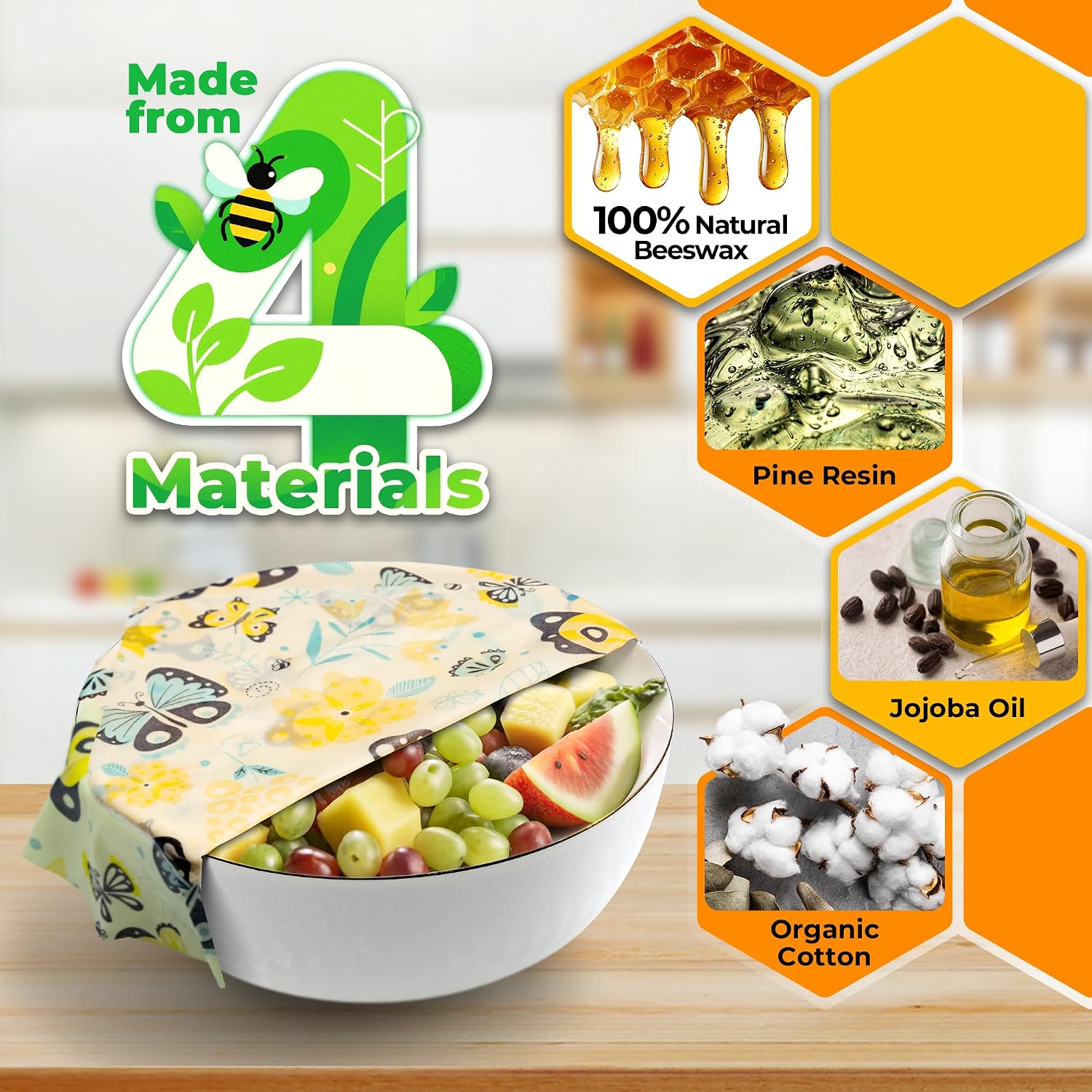
First up, and probably the most critical, is Material Composition. Most reusable food wraps, like the OHIYO set we’re discussing, use an organic cotton fabric infused with beeswax. Sometimes you’ll see jojoba oil or tree resin thrown in, too. These additions aren’t just for show; they impact the wrap’s flexibility, adhesion, and even its anti-bacterial properties. A good blend makes the wrap pliable enough to mold around food or bowls, but firm enough to hold its shape once sealed. Too waxy, and it might crack; not waxy enough, and it won’t cling. The organic cotton part? That speaks to the overall sustainability story, sure, but also often implies a softer, more durable fabric base. What’s the downside? These wraps are sensitive to heat. Boiling water, microwaves, hot food right off the stove – that’s a quick trip to melt-ville, rendering your wrap useless.
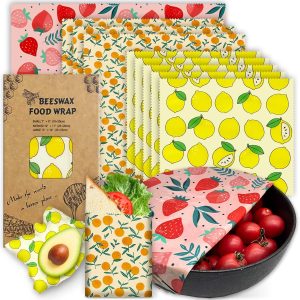
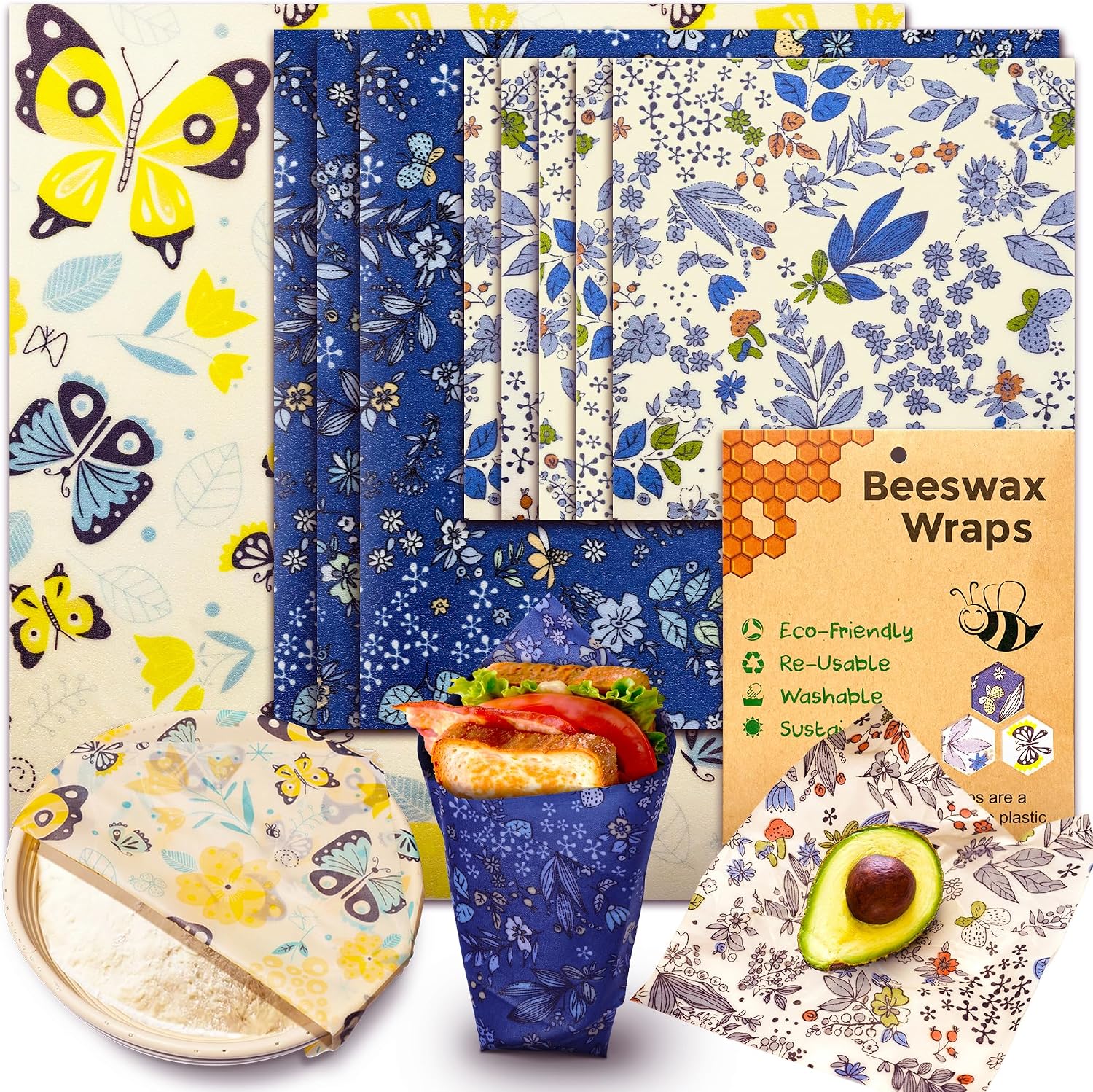
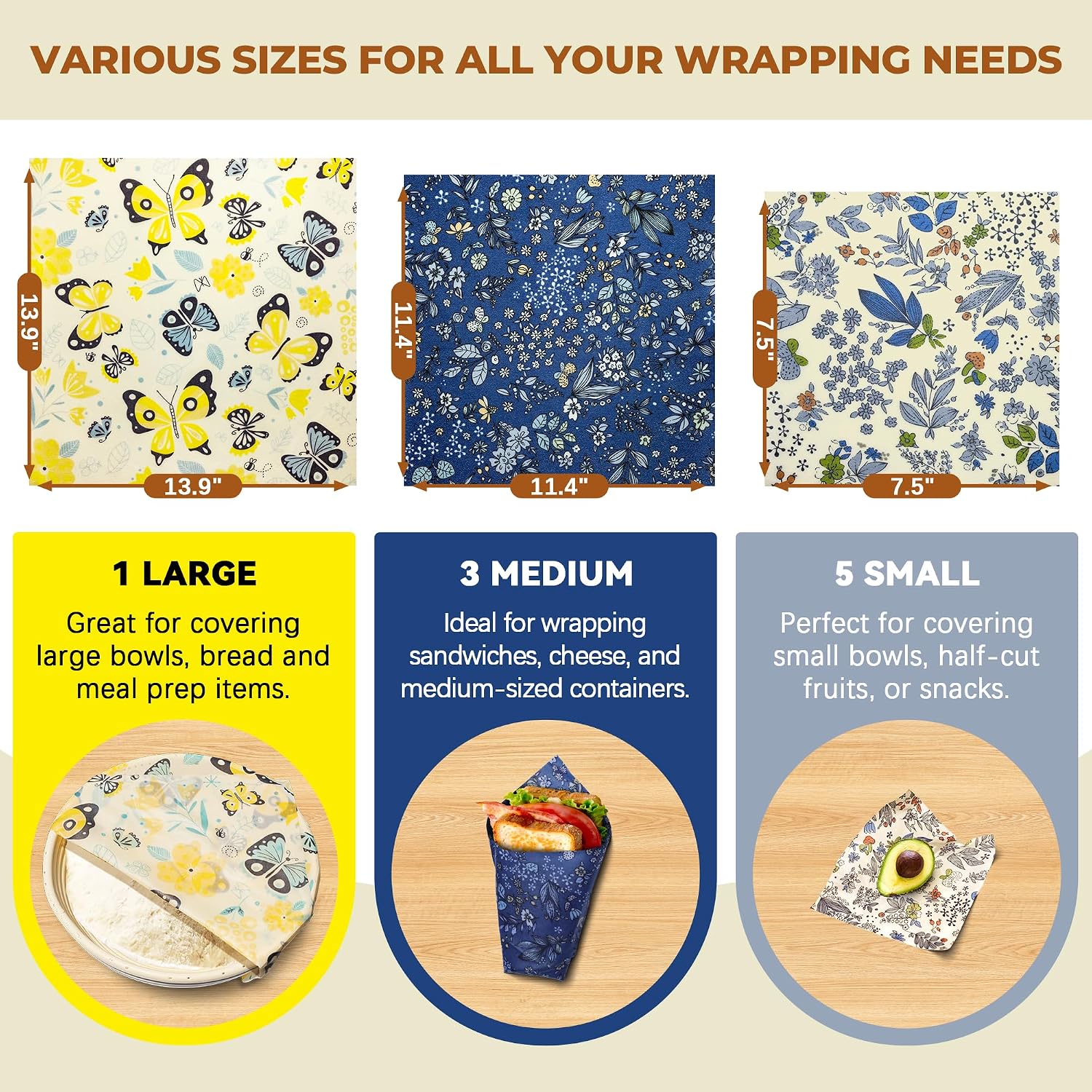
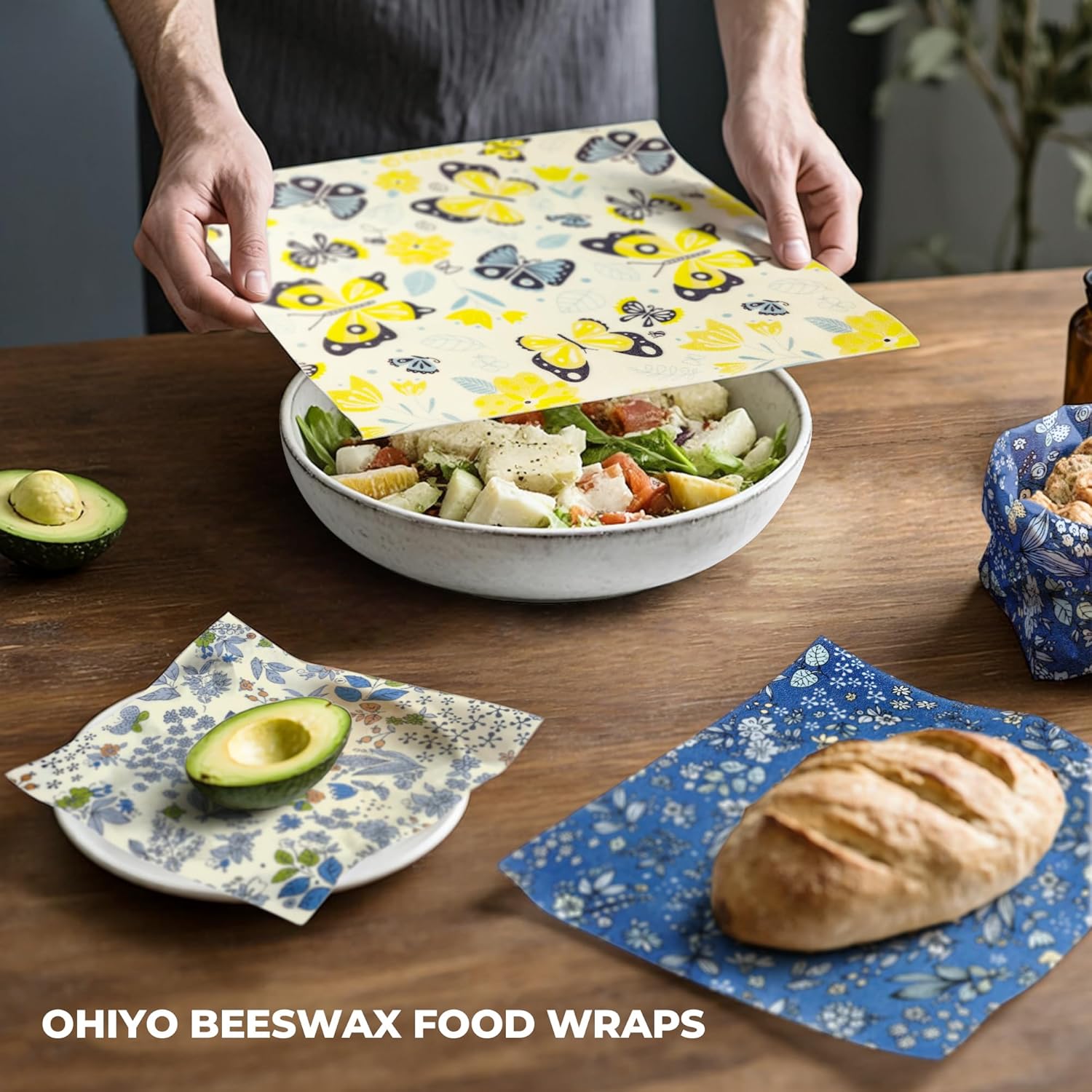
Then there’s the Size and Shape Variety. You’re not just wrapping one thing, right? A lone cucumber half, a block of cheddar, a big loaf of artisan bread, leftovers in a medium bowl – they all need different coverage. That OHIYO 9-pack, for instance, touts an XL, three Mediums, and five Smalls. That’s a thoughtful spread. Too many tiny wraps, and you’ll find yourself reaching for plastic film for anything substantial. Too few large ones, and your bread and bigger bowls are left exposed. Look for a kit that gives you options. You want to cover that avocado, yes, but also a full pie dish.
Adhesion and Seal Strength is another biggie. This is where the beeswax coating really shines, or fails. You want wraps that, with the warmth of your hands, become tacky enough to stick to themselves or the rim of a bowl, forming a decent seal. It shouldn’t feel like you’re fighting it, nor should it flop open thirty minutes later. This tactile experience is paramount. A weak seal means your cheese dries out, your sandwich gets stale, and you’re back to square one. Some brands, frankly, just don’t get the wax-to-fabric ratio right, leaving you frustrated.
Think about Durability and Lifespan, too. You’re buying these to reuse them, which means they need to stand up to repeated washes and folds. A well-made beeswax wrap should last you about a year, sometimes longer, with proper care. What shortens that lifespan? Thin fabric, skimpy wax coating that flakes off, or overly aggressive scrubbing. The initial investment might seem a little higher than a roll of plastic, but if it truly replaces dozens of rolls over time, that’s a win. You might see some natural creasing and fading, which is totally normal, but excessive cracking means it’s time for a refresh or re-wax.
Finally, don’t overlook Ease of Cleaning and Maintenance. This is where the rubber meets the road for daily use. Beeswax wraps are not dishwasher-friendly. You’ll hand-wash them with cool water and mild dish soap, then air dry. Sounds simple, but if you’re someone who hates hand-washing, this could be a dealbreaker. If a wrap becomes too cumbersome to clean, it won’t get used. Period. Keep hot water far away, and avoid harsh scrubbing pads. This limitation is probably the biggest hurdle for people switching over.
How to Match the Product to Your Situation
Choosing the right reusable food wrap isn’t just about the product itself; it’s about how it slots into your life. Different people have different kitchen habits, right? Understanding your own rhythms can make all the difference.
The Everyday Lunch Packer
You’re the kind of person who preps sandwiches, wraps snacks, and packs up a daily lunch for work or school. For you, beeswax wraps are a revelation. Think about the OHIYO pack’s various sizes—those Mediums and Smalls are perfect for an apple, a few crackers, or, of course, that classic sandwich. You need wraps that are flexible, easy to mold, and can handle being tucked into a lunch bag without unfolding. The slight stickiness of beeswax is your friend here, keeping things snug. The challenge? Remembering to bring the wrap home for washing, or having a dedicated spot in your bag for the used ones. It’s a small habit shift, but a real one.
The Sustainable Home Cook
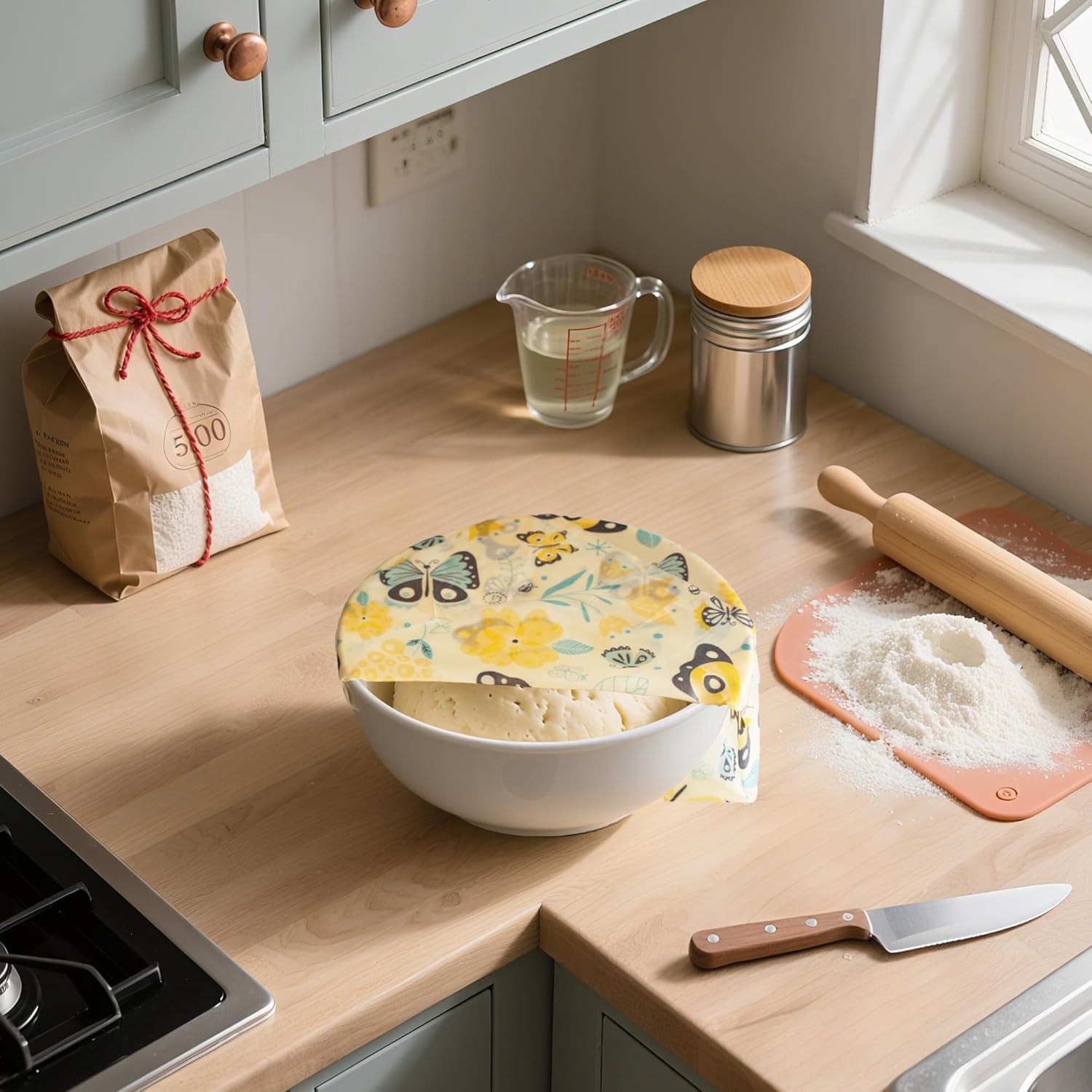
Your kitchen is buzzing. You’re chopping, baking, storing leftovers from dinner, keeping produce fresh in the fridge. For you, a comprehensive set of plastic-free food storage solutions is key. The OHIYO’s larger wraps, including the XL, become invaluable for covering casserole dishes, proofing bread dough, or wrapping a half-eaten melon. You’ll appreciate the ability to cover bowls of salad or leftover pasta directly, avoiding extra containers. The limitation here is variety. While beeswax wraps are excellent for many things, they won’t replace every container. Wet, soupy items, or raw meats, for example, are better off in airtight glass or silicone.
The Occasional Eco-Curious
Maybe you’re just starting your journey towards a more sustainable lifestyle. You want to try out eco-friendly kitchen products but don’t want to overhaul everything at once. A multi-size pack of organic cotton beeswax papers like the OHIYO offering is an ideal starting point. It lets you experiment with different uses—cheese, cut veggies, covering a small bowl—without a huge commitment. You’ll quickly discover what works for you and what doesn’t. Your main goal is getting comfortable with the cleaning process and integrating these into your routine. Don’t expect perfection from day one. It’s about gradual change, after all.
| Type/Tier | Best For | Price Tier | Key Feature | Watch-Out |
|---|---|---|---|---|
| Basic Beeswax Wraps | Beginners, simple food covering, occasional use | Budget-friendly | Simple cotton fabric with beeswax coating | Often less durable, can lose stickiness faster. |
| Premium Beeswax Wraps | Frequent users, specific food needs (bread) | Mid-range | Enhanced wax blend, organic materials, unique patterns | Higher initial cost, still requires hand-washing. |
| Silicone Food Covers | Wet foods, high-heat items, airtight seal | Mid-range | Stretchable, microwave-safe, dishwasher-safe | Not breathable, can be bulky, less aesthetically pleasing. |
| Fabric Bowl Covers | Bread proofing, large bowls, dry goods | Budget-friendly | Breathable cotton or linen, elasticized edges | No airtight seal, not for sticky/wet foods. |
- Basic Beeswax Wraps are typically a good entry point to see if you like the concept without spending much, but don’t expect them to last forever.
- Premium Beeswax Wraps, like the OHIYO Reusable Beeswax Wrap set, usually offer a better wax formulation and more robust fabric, leading to longer life and superior cling.
- Silicone Food Covers are fantastic for covering bowls of soup or microwaving leftovers, as they handle heat and moisture far better than beeswax.
- Fabric Bowl Covers are ideal for keeping dust off a rising dough or covering a salad bowl for a potluck without trapping all the moisture.
Keeping Produce Fresher, Longer
Ever toss a perfectly good half-cucumber because the cut end dried out? Or a block of cheese that developed a sad, hard crust? This is precisely where reusable food wraps truly earn their keep. Unlike plastic film, which often traps too much moisture and encourages spoilage, beeswax wraps offer a gentle, breathable barrier. That’s a game-changer for produce.
Think about cheese. Wrap a wedge of cheddar in a beeswax wrap, and it keeps that lovely, natural moisture level without sweating or drying out. The OHIYO wraps, specifically mentioned for cheese storage, really excel here. They let the cheese breathe just enough, preventing mold while still preserving flavor and texture. It’s a noticeable improvement over plastic.
For cut fruits and veggies – like that aforementioned cucumber, half an onion (though you might want a dedicated onion wrap so the smell doesn’t transfer!), or a bell pepper – these wraps form a protective skin. They help reduce oxidation and moisture loss. You’re not trying to create a vacuum seal; you’re creating a second skin that acts like nature’s own packaging. It just makes sense. You’ll find your produce looking and tasting better for days longer. That’s money saved, less waste. Who doesn’t want that?
Mastering the Art of the Sandwich Wrap
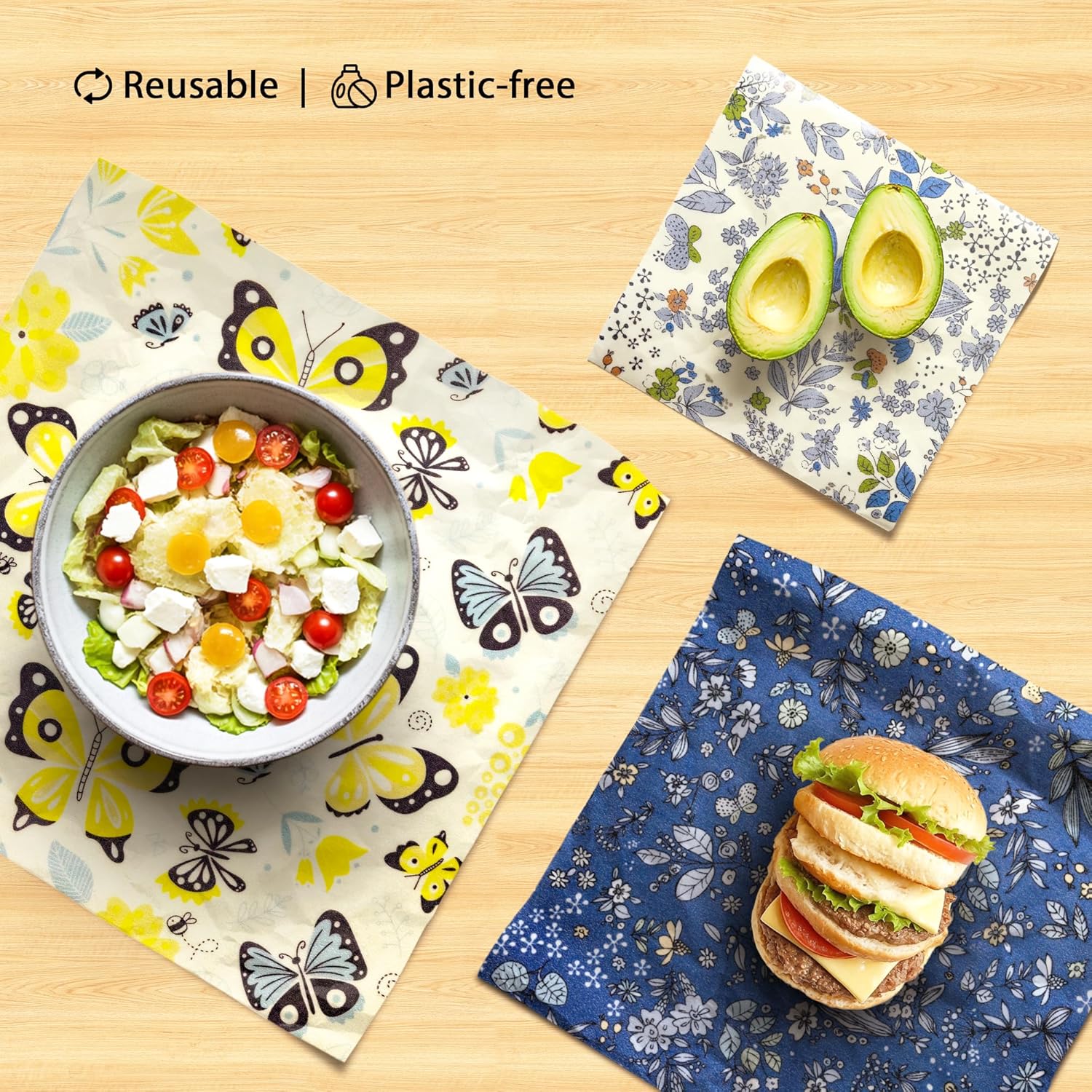
Let’s be honest, the classic sandwich is a staple. But wrapping it in foil or single-use plastic every day adds up, both in cost and environmental impact. That’s why the OHIYO Reusable Beeswax Wrap for Food explicitly mentions its suitability as a sandwich wrapper. This is a prime use case, and it works really well.
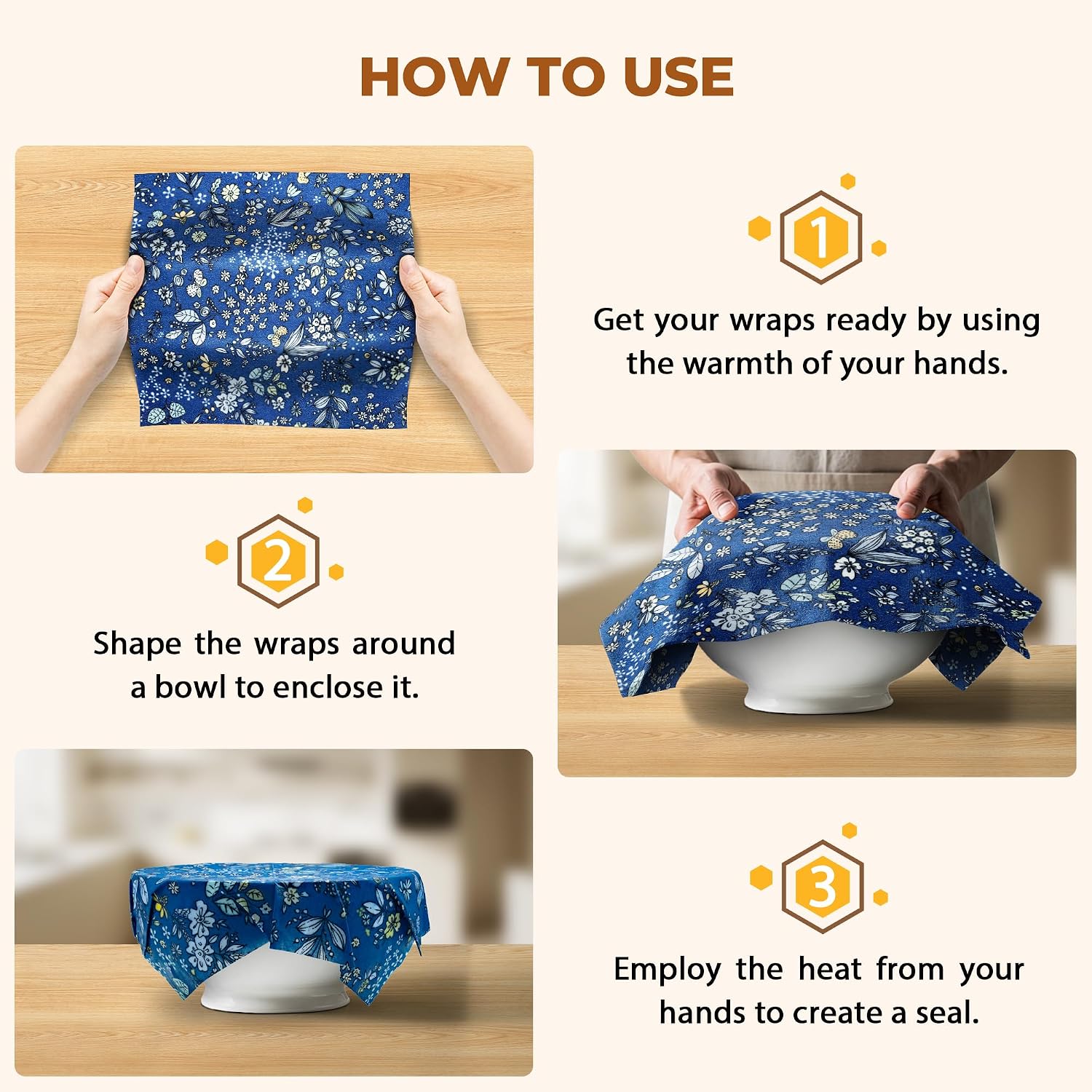
The magic happens when you use the warmth of your hands to activate the wax. Simply place your sandwich in the center of a medium or large wrap, fold the sides over, and press down firmly. The warmth from your fingers softens the wax, creating a temporary seal that holds everything snugly. It prevents your bread from drying out and your fillings from escaping.
There’s a certain satisfaction in unwrapping a sandwich from a beautifully patterned beeswax cloth. It feels more substantial, more intentional. Plus, once you’re done eating, you just fold it up and bring it home for a quick wash. No more crumpled plastic or foil ending up in the landfill. It’s a small, daily ritual that makes a surprisingly big difference.
Beyond the Fridge: The Versatility of Bowl Covers
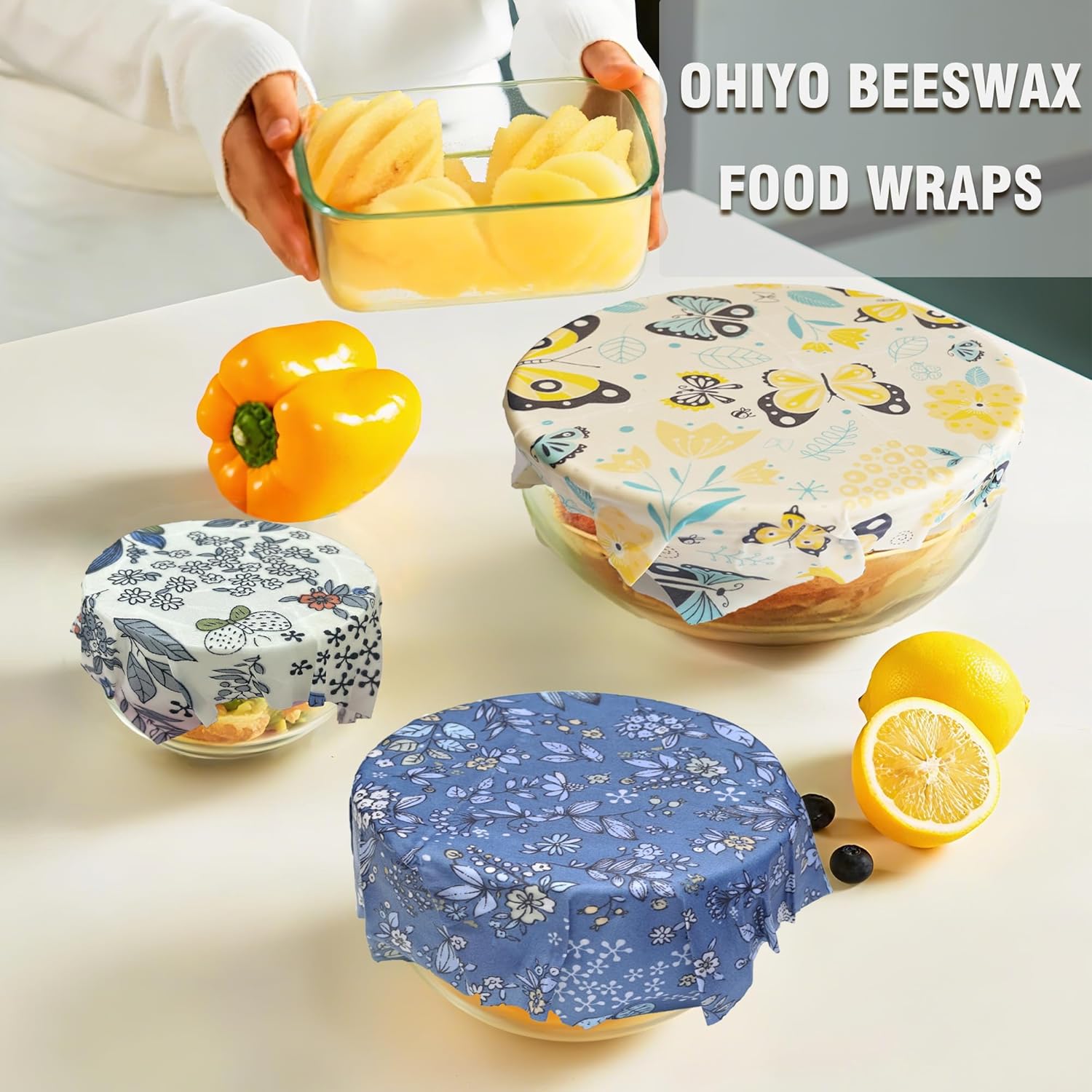
While we often think of these wraps as replacing plastic film, their utility extends far beyond just covering bowls. However, using them as bowl covers is definitely one of their most practical applications. Got a bowl of leftovers? Maybe some prepped veggies? Rather than hunting for the right lid or wrestling with cling film, just grab an OHIYO wrap.
The larger wraps in a set like OHIYO’s are specifically designed for this. You stretch the wrap over the bowl, press the edges down with your hands, and the warmth creates that gentle seal. It’s not airtight like a snap-on plastic lid, but it’s more than enough for most fridge storage. This breathability is actually a bonus for many foods; it helps prevent that soggy, condensed feeling you sometimes get with fully sealed containers.
It’s about simplicity. No more matching lids to containers. Just grab a wrap, press, and you’re done. But be aware: if you’re traveling with a bowl of soup or anything truly liquid, you’ll still want a completely sealed container. These wraps are fantastic for static storage in the fridge, not for jostling around in a picnic basket with wet contents.
Common Mistakes When Buying Reusable Food Wraps
It’s easy to get excited about going plastic-free, but a few missteps can turn that excitement into frustration. I’ve seen people spend way too much on features they never use, or worse, buy wraps that just don’t stand up. Here are some common pitfalls.
One of the biggest mistakes? Underestimating the importance of size variety. People often buy a pack of uniformly sized wraps, usually medium, thinking it’ll cover all bases. It won’t. You’ll quickly find yourself unable to wrap a loaf of artisan bread or cover a large mixing bowl. The OHIYO 9-pack with its XL, M, and S sizes addresses this, thankfully. A bunch of small wraps are great for a lemon half, but utterly useless for a salad bowl. Don’t box yourself in.
Another common slip-up is ignoring cleaning instructions. These aren’t dish towels. Throwing a beeswax wrap in hot water or the dishwasher is a one-way ticket to ruining it. The wax melts, the fabric gets ruined, and you’re out of luck. Always use cool water and mild soap. Some folks try to scrub off dried-on food bits with abrasive sponges. Nope, that’ll strip the wax right off. Gentle hand-washing, always.
Then there’s the expectation that beeswax wraps are a direct 1:1 replacement for all plastic film. They aren’t. As mentioned earlier, very wet, soupy foods, or raw meats, aren’t ideal candidates. The breathable nature, while a benefit for many foods, means liquids can seep out, and potential cross-contamination with raw meat is a no-go. Understand their limitations; they’re part of a sustainable kitchen, not the only solution.
Finally, a mistake often seen is skimping on quality to save a few dollars. A super cheap pack might seem like a good deal, but if the wax is thin, unevenly applied, or flakes off after a few uses, you’ve wasted your money. The wrap won’t stick, it won’t seal, and it won’t last. Look for reputable brands that specify organic materials and a decent wax blend. The OHIYO Reusable Beeswax Wrap for Food hits these notes pretty well, suggesting a thoughtful blend. Sometimes, spending a little more upfront saves you money (and frustration) in the long run.
Why/How/What Mini-Sections
Why choose beeswax wraps over other reusable options?
Beeswax wraps offer a unique balance of breathability and adhesion that many other options simply don’t. Unlike silicone covers which can trap moisture excessively, or fabric covers that don’t seal at all, beeswax lets food breathe while still protecting it. This makes them particularly effective for items like cheese, bread, and many fruits and vegetables. Plus, they’re usually fully compostable at the end of their life, which is a big win.
How do I refresh a beeswax wrap that’s lost its stickiness?
Over time, with repeated washing and use, the wax coating can wear thin, reducing its cling. You can absolutely refresh them! Many companies sell beeswax refresher blocks or pellets. You simply place your old wrap on parchment paper, sprinkle the pellets, and gently melt them in a low oven or with a hairdryer until the wax re-absorbs into the fabric. It’s a neat trick that extends their life considerably.
What kind of foods are best stored in beeswax wraps?
These wraps really shine with drier, solid foods. Think block cheese, bread loaves, half an avocado, sandwiches, muffins, cut vegetables like carrots or celery, and bowls of cooked leftovers. They’re also surprisingly good for covering rising dough. Anything that needs to “breathe” a little to stay fresh, rather than being airtight, is a fantastic candidate.
FAQ
How long do reusable food wraps typically last?
With proper care—cool water washes and air drying—most beeswax wraps will last about one year. Some well-made ones, especially if you refresh them, can go even longer.
Can I use beeswax wraps in the microwave or with hot food?
No, absolutely not. The heat will melt the beeswax coating, ruining the wrap and potentially making a mess. Always wait for food to cool completely before wrapping it.
Do beeswax wraps transfer taste or smell to food?
Initially, some wraps might have a faint beeswax scent. This usually fades quickly. Most quality wraps won’t transfer taste to your food, but it’s best to avoid wrapping highly aromatic foods like raw onions repeatedly in the same wrap.
Are all beeswax wraps organic?
Not necessarily. While many reputable brands, like OHIYO, use organic cotton, you should always check the product description if organic certification is important to you. The beeswax itself may or may not be organic.
What do I do with a reusable food wrap when it’s no longer usable?
Once your wrap is truly worn out and can’t be refreshed, you can compost it! Since they’re made from natural materials (cotton, beeswax, resin), they break down naturally, making them a truly plastic-free food storage option.
Can I wrap raw meat or fish in beeswax wraps?
It’s generally not recommended. While beeswax has some antimicrobial properties, it’s difficult to thoroughly sanitize the wraps after contact with raw meat, posing a food safety risk. Stick to glass or silicone containers for those items.
How do I store my reusable food wraps between uses?
Once clean and dry, simply fold or roll them up. You can keep them in a drawer, a basket on your counter, or even hung from a hook. Just ensure they’re completely dry to prevent mildew.
Final Recommendation
So, when it comes down to it, are reusable food wraps like the OHIYO Reusable Beeswax Wrap for Food truly worth integrating into your routine? For most households looking to cut down on waste and embrace more sustainable alternatives, the answer is a resounding yes. The OHIYO 9-pack, with its thoughtfully chosen sizes (1XL + 3M + 5S) and organic cotton base, provides an excellent foundation for ditching cling film for good. It’s particularly strong for sandwich wrapping, cheese storage, and general bowl covering, offering a breathable barrier that keeps many foods fresher than suffocating plastic.
If you’re the type who values quality, wants a versatile set, and is ready to adopt the simple hand-washing ritual, this specific set offers real value. It’s a tangible step towards a plastic-free food storage system that actually works. While they won’t replace every single item in your kitchen (remember, no hot foods or raw meats!), their utility for everyday items like bread, produce, and leftovers makes them an indispensable part of a mindful, practical kitchen.
#OHIYO #Reusable #Beeswax #Wrap #Food #Pack #Organic #Cotton #Beeswax #Papers #1XL #Bread #Sandwich #Wrapper #Suitable #Bowls #Cheese #Reusable #PlasticFree #Food #Storage #Wrap