Decoding the Basic Silicone Baking Mat: Is it Right for Your Kitchen?
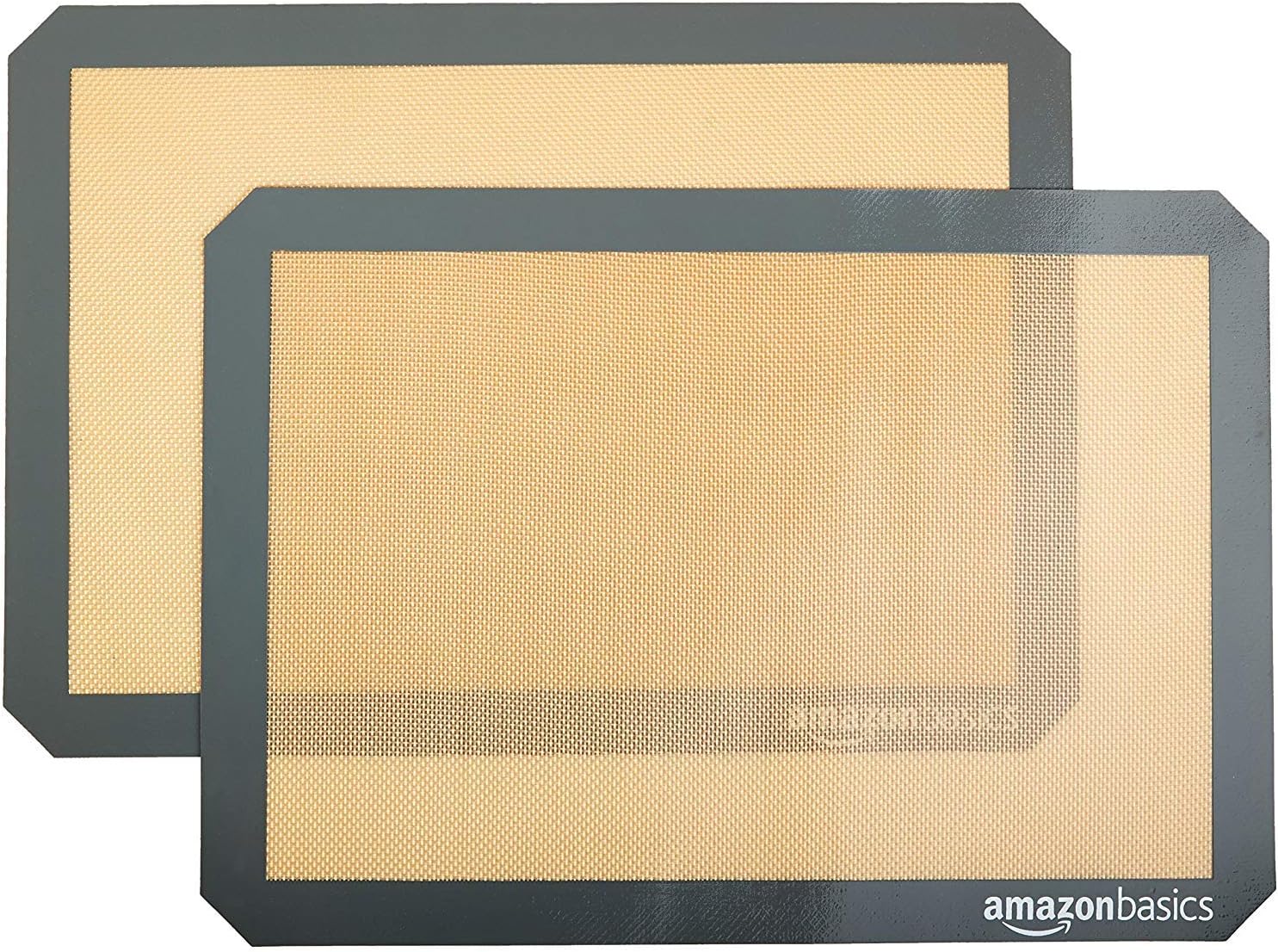
So, you’re eyeing a silicone baking mat, maybe even the specific Amazon Basics Silicone Rectangular Baking Mat, Non-Stick, Reusable, Dishwasher Safe, Food Safe, Heat Resistant, 16.5″ x 11.6″, Beige/Gray, 2-Pack. Smart move. This guide cuts through the noise, telling you exactly what to expect from these widely available mats and whether they truly deliver for everyday baking or more specialized tasks. We’re here to help savvy shoppers find value, understand tradeoffs, and make a smart choice for their kitchen without getting bogged down in marketing fluff.
Quick Answer
For most home bakers, especially those just starting out or looking for a budget-friendly option to replace parchment paper, the Amazon Basics silicone baking mat offers solid utility. It provides a reliable non-stick surface, stands up to typical oven temperatures, and cleans up without much fuss. While it might lack some of the nuances of pricier, professional-grade mats, it’s a perfectly functional entry point that solves many common baking frustrations.
What to Look For (The Buying Criteria)
Navigating the world of silicone baking mats can feel a bit overwhelming, despite their simple appearance. Don’t just grab the first two-pack you see; there are some key factors that really set them apart, influencing everything from your cookies to your cleanup.
First off, Material Quality and Composition is non-negotiable. Look, not all silicone is created equal. You want food-grade silicone – that’s the standard for anything touching your eats. Cheaper mats can sometimes be thinner, feel flimsy, or even worse, leech odd smells or tastes into your food over time. A good mat, like the Amazon Basics one, should be made from silicone that feels substantial, not like a thin, floppy piece of plastic. Often, a higher-quality mat will incorporate a fiberglass core within the silicone layers. This internal weave provides crucial structural integrity, helping the mat lie flat in the oven, distribute heat more evenly, and resist tearing. Without it? You get a saggy, lopsided bake, especially with heavier doughs.
Next, Size and Fit matters more than you might think. A silicone baking mat is pretty useless if it doesn’t fit your cookie sheets. The 16.5″ x 11.6″ dimension of the Amazon Basics model is specifically designed for a standard half-sheet pan, which is probably the most common size in home kitchens. Before you buy anything, measure your existing baking pans. A mat that’s too big will buckle and warp, potentially ruining your bake. Too small, and you lose valuable surface area. It’s a simple check, but it’s often overlooked.
Then there’s the Non-Stick Performance and Heat Resistance. This is where the magic happens, right? A good reusable baking mat promises effortless release, meaning no more stuck cookies or roasted veggies cemented to the pan. The silicone material inherently offers a fantastic non-stick surface, cutting down on the need for extra grease or parchment paper. Crucially, it needs to be heat resistant to typical oven temperatures, generally up to 480-500°F (about 250°C). Exceeding a mat’s stated temperature limit can cause it to degrade, become less effective, and even release unpleasant odors. Even seemingly identical mats can vary slightly here. A true test of its non-stick qualities often comes after many uses – does it hold up, or do you start to see things stick? That’s the rub.
And we absolutely can’t forget Durability and Longevity. You’re buying a silicone baking mat because you want something to last, to reduce waste from single-use parchment. A well-made mat should withstand hundreds, if not thousands, of uses without breaking down, cracking, or losing its non-stick properties. Those thin, flimsy mats? They often fail quickly. They might tear, or the silicone can become brittle after repeated high-heat exposure and washing cycles. The Amazon Basics option aims for this middle ground of durability, making it a reliable parchment paper alternative for everyday use. Still, don’t expect it to last forever if you’re abusing it daily.
Finally, Ease of Cleaning and Storage plays a bigger role than you think in keeping your sanity. One of the major selling points for any reusable baking mat is convenient cleanup. Most are designed to be dishwasher safe, which is a huge bonus. However, sometimes a quick wipe with soapy water is all it takes, especially for lighter baking tasks. Just remember, oily residues can cling to silicone, so a thorough wash is important to prevent build-up. As for storage, most mats roll up easily, taking up minimal space in a drawer. Some folks hang them. The material’s flexibility here is a genuine win. But watch out for creases if you fold them improperly; those can become weak points over time.
How to Match the Product to Your Situation
Finding the right silicone baking mat isn’t about getting the absolute “best” one; it’s about finding the one that fits your kitchen life. Different bakers have different needs, plain and simple.
The Everyday Baker (Think: Cookie Lover, Weeknight Roaster)
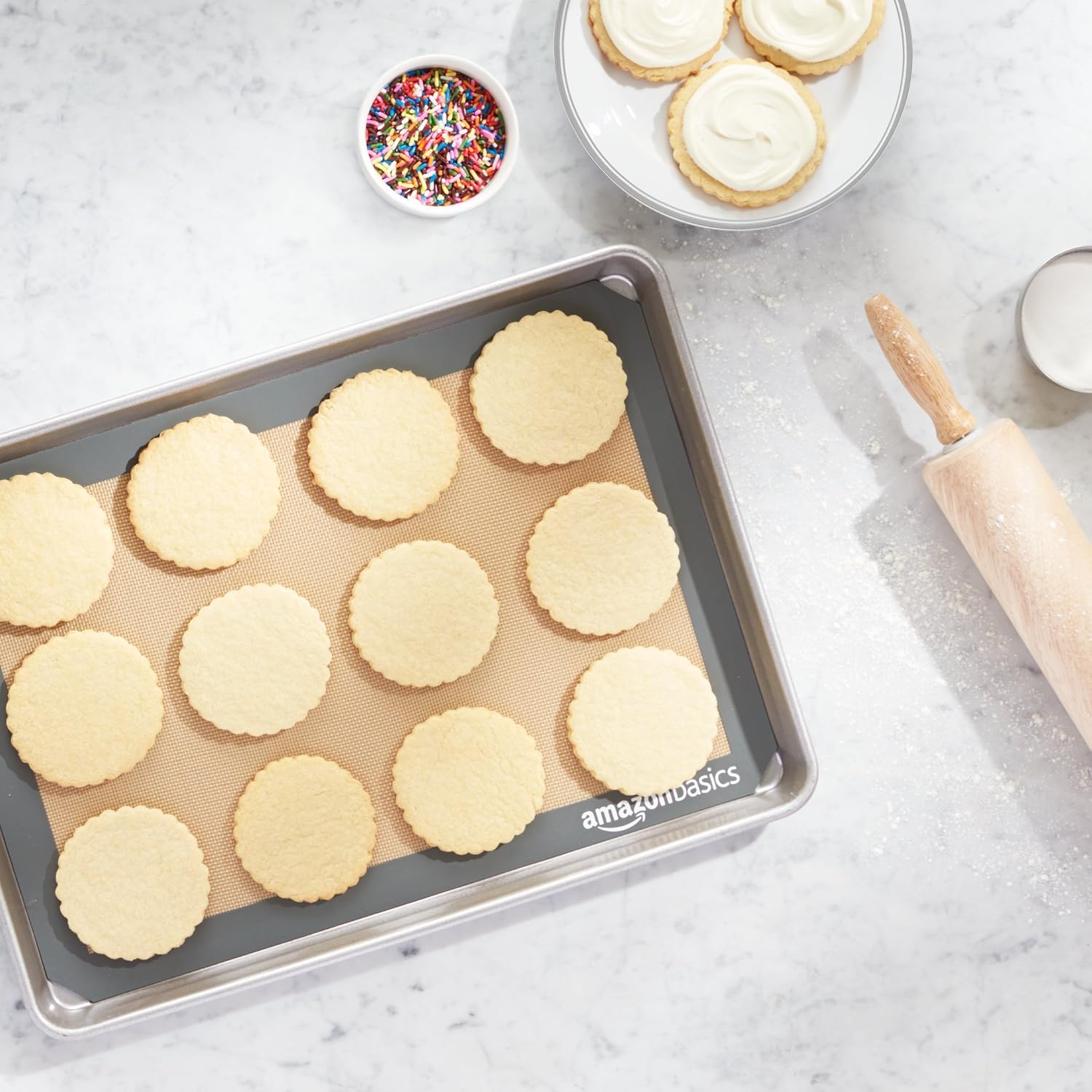
You’re not running a bakery, but your oven sees regular action. Cookies, sheet pan dinners, roasted veggies – these are your jam. For you, the Amazon Basics silicone baking mat is practically tailor-made. It’s a solid, reliable workhorse that won’t break the bank. You need something that consistently prevents sticking, is easy to clean after a busy weeknight meal, and can handle moderate oven temperatures. The standard half-sheet pan size means it’ll likely fit your existing pans, and its durability is plenty for regular, non-industrial use. You value practicality and saving on parchment paper.
The Budget-Conscious Newbie (Think: College Student, First Apartment Chef)
You’re just getting into baking or cooking from scratch, and every dollar counts. You want reliable tools but can’t justify premium prices for something you might only use occasionally or are still learning with. This is precisely where a product like the Amazon Basics silicone baking mat shines. It offers an excellent entry point into the world of non-stick baking without a huge upfront investment. It’s much less intimidating than a bare baking steel, for example. You’ll get the benefits of even baking and easy release, learning the ropes without worrying about damaging an expensive piece of gear. Think of it as your training wheels.
The Occasional “Special Project” Baker (Think: Macaron Enthusiast, Delicate Pastry Maker)
Okay, so maybe you’re not baking every day, but when you do, it’s for something specific, like delicate macarons or intricate pastries. For these tasks, precision and ultra-even heat distribution are paramount. While the Amazon Basics mat will certainly work, you might find yourself wishing for a mat with more specific markings (like macaron templates) or one known for exceptional thermal stability, often found in higher-end professional-grade mats. These specific mats are designed to prevent even the slightest temperature fluctuations that can ruin delicate bakes. The standard mat will get you by, but for truly finicky items, a specialized mat might be a better bet if you pursue such projects often.
Comparison of Silicone Baking Mat Tiers
Let’s break down the general landscape of silicone baking mats so you can see where a product like the Amazon Basics offering fits in.
| Type/Tier | Best For | Price Tier | Key Feature | Watch-Out |
|---|---|---|---|---|
| Entry-Level/Basic | Everyday baking, casual cooks, budget-focused | Budget-friendly | Simple non-stick, widely available, easy cleanup | May be thinner, less consistent heat distribution |
| Mid-Range/Standard | Regular home bakers, good durability, variety | Mid-range | Fiberglass core, good heat resistance, reliable | Can still have some hot spots, not always for delicate work |
| Premium/Pro-Grade | Professional kitchens, delicate bakes, longevity | Premium | Advanced fiberglass weave, superior thermal stability, consistency | Significant investment, perhaps overkill for many home kitchens |
| Specialty Mats | Specific tasks (e.g., macarons, bread proofing) | Mid-to-Premium | Templated designs, specific textures, unique shapes | Limited versatility for other baking tasks, niche use |
Let’s unpack that a bit.
Entry-Level/Basic mats, like our focus silicone baking mat, are fantastic for starting out. They deliver on the core promise of non-stick and reusability, replacing parchment paper alternative effectively. But sometimes, they can be a bit thinner, which might lead to slightly less even baking if your pans are prone to hot spots.
Mid-Range/Standard mats often step up by incorporating a better internal fiberglass core. This makes them more robust and usually results in better heat distribution across the non-stick surface. They’re a solid investment for anyone who bakes multiple times a week. Still, they aren’t necessarily designed for the hyper-specific needs of ultra-delicate pastries.
Premium/Pro-Grade mats are usually the ones you see in professional kitchens. They boast incredibly dense fiberglass weaves, ensuring exceptional thermal stability and literally flat surfaces for perfect results every time. These mats are built to withstand heavy daily use, and their longevity often justifies the steeper upfront cost. But honestly? For a batch of cookies, it might be overkill.
And then we have Specialty Mats. These are niche players, often with specific markings or textures for things like macaron mats or artisan bread. They do one thing really, really well. If you only bake macarons, one of these is probably worth it. If you bake everything else, too? They aren’t the most versatile option.
Scenario-Specific Uses
For High-Frequency Use (The Daily Baker)
If your oven is almost always on, churning out roasted vegetables, batch after batch of cookies, or even using a silicone baking mat as an oven liner for drip protection, durability becomes your primary concern. A basic mat will hold up for a while, but its lifespan may be shorter compared to more robust options. You’re putting it through its paces, which means more washing, more heating cycles. The Amazon Basics option, being a reusable baking mat, is certainly up to the task for many uses. But if you’re thinking years of daily use, consider if the budget option will truly withstand that constant demand without showing wear, tear, or a decline in non-stick surface performance. Some professional bakers report better longevity with mats that have a heavier duty fiberglass core.
For Delicate Baking (Macarons, Meringues, Artisan Breads)
Delicate items demand consistency. We’re talking about macarons with perfect “feet,” meringues that don’t weep, or artisan bread that needs a gentle, even heat from underneath. While a standard silicone baking mat provides a non-stick surface and decent heat distribution, some of the premium mats offer a more refined, precise thermal transfer due to their denser fiberglass weave. This can lead to slightly more consistent results for incredibly sensitive recipes. For your basic sugar cookie, it won’t make a difference. For a batch of notoriously finicky macarons, the extra stability from a thicker, denser mat could be the tiny edge you need. It’s a subtle difference, but one that dedicated bakers often notice.
Common Mistakes
Even with a seemingly simple tool like a silicone baking mat, there are a few pitfalls new users often stumble into.
One of the biggest mistakes? Cutting the mat or using sharp utensils on it. I’ve seen people accidentally slice through their brand-new silicone baking mat trying to cut cookies or pizza right on the surface. Don’t do it! The silicone is durable, but it’s not invincible. Any cut compromises the mat’s integrity, potentially exposing the fiberglass core and making it harder to clean. Always transfer food off the mat before slicing.
Another common blunder is using excessively high heat. While most mats are heat resistant to around 480-500°F, pushing past that limit can degrade the silicone over time. You might notice it becoming brittle, changing color, or even emitting strange odors. Always check the manufacturer’s maximum temperature rating. Your oven broiler, for instance, often exceeds these limits. So, don’t use your mat under the broiler unless explicitly stated.
People also often fail to clean the mat thoroughly, especially after oily foods. Silicone can sometimes hold onto oils, leading to a greasy film if not washed properly. That film can eventually affect the non-stick surface performance and even transfer flavors. Even if it’s dishwasher safe, a quick hand wash with warm, soapy water might be better after roasting oily vegetables or fatty meats to ensure all residue is gone. Don’t just rinse it. Scrub it.
Finally, some forget that silicone mats aren’t meant for all applications. While they’re fantastic for cookie sheet liner duty, they aren’t the best choice for achieving a super crispy crust on things like certain breads or pizzas. For that, you often want direct contact with a hot metal or stone surface to encourage browning and crunch. The insulating properties of the silicone, while good for preventing sticking, can hinder crisping.
Why/How/What Mini-Section
Why are silicone baking mats so popular?
They’re incredibly popular because they directly solve a few common baking annoyances: messy pans, stuck food, and the constant need for parchment paper alternative. They offer a reliable non-stick surface and help with even baking, making cleanup a breeze and reducing kitchen waste. It’s a genuine utility upgrade for most home cooks.
How do I clean my silicone baking mat effectively?
For daily use, wash it with warm, soapy water, using a soft sponge to remove any residue. For tougher grease, you can let it soak briefly or even sprinkle a little baking soda on it, scrub gently, then rinse thoroughly. While many are dishwasher safe, a good hand wash often yields the cleanest result, particularly for oily residues.
What are the key benefits of a fiberglass core in a silicone mat?
A fiberglass core provides structural stability, ensuring the mat lies flat and doesn’t sag or ripple during baking. It also helps with more even heat distribution, which can lead to more consistent results, especially with delicate baked goods. This internal reinforcement makes for a more durable, reliable reusable baking mat.
FAQ
Are silicone baking mats truly non-stick?
Yes, they really are. The inherent properties of food-grade silicone create a surface that food doesn’t readily adhere to, making them an excellent non-stick surface for all sorts of baking and roasting. You rarely need to grease them.
Can I use my silicone baking mat under the broiler?
Generally, no. Most silicone baking mats are designed to be heat resistant up to about 480-500°F (250°C). Broilers often exceed these temperatures, which can damage the mat or cause it to emit odors. Always check the specific mat’s temperature rating.
Do silicone mats make food taste different?
High-quality, food-grade silicone mats should not impart any taste or odor to your food. If you notice a strange taste, it might be due to a low-quality mat or one that hasn’t been cleaned thoroughly after previous uses, leaving residue.
How do I store my silicone baking mat?
Most mats can be rolled up and stored in a drawer or cabinet. Some people prefer to lay them flat or hang them. Avoid folding them sharply, as this can create creases that may weaken the material over time.
Are silicone baking mats better than parchment paper?
For many applications, yes. They’re a reusable baking mat solution, cutting down on waste. They also offer a more consistent non-stick surface and can distribute heat more evenly. However, parchment paper is still useful for some tasks, like creating disposable sling handles for heavy cakes.
Will the Amazon Basics silicone baking mat fit my typical cookie sheet?
The 16.5″ x 11.6″ dimension is designed to fit a standard half-sheet pan, which is very common in home kitchens. It’s always a good idea to quickly measure your own pans to ensure a perfect fit before you make a purchase.
Can I use these mats for something other than baking?
Absolutely. Many people use them for roasting vegetables, preparing sticky candies, rolling out dough (as a pastry mat), or even as a clean surface for crafting projects. Their non-stick surface and heat resistant properties make them quite versatile.
Final Recommendation
For the vast majority of home cooks and bakers, especially those looking to reduce waste and simplify cleanup, the Amazon Basics Silicone Rectangular Baking Mat is a remarkably sensible choice. It offers the core benefits of a non-stick surface, heat resistance, and reusability at a budget-friendly option that’s hard to beat. You’re getting a reliable workhorse for cookies, roasted vegetables, and general oven tasks without overspending on features you might not need.
If you’re a beginner, or simply want a dependable parchment paper alternative for everyday baking, don’t hesitate. This silicone baking mat will serve you well. However, if your baking ventures involve delicate, high-stakes items like perfect macarons or specialized artisan breads on a very regular basis, you might eventually want to explore a thicker, premium-grade mat down the line for that extra ounce of precision. But for now? This basic mat delivers on its promise.
#Amazon #Basics #Silicone #Rectangular #Baking #Mat #NonStick #Reusable #Dishwasher #Safe #Food #Safe #Heat #Resistant #BeigeGray #2Pack