
Decoding the BestOffice Ergonomic Office Chair: Is Comfort Worth the Cost?
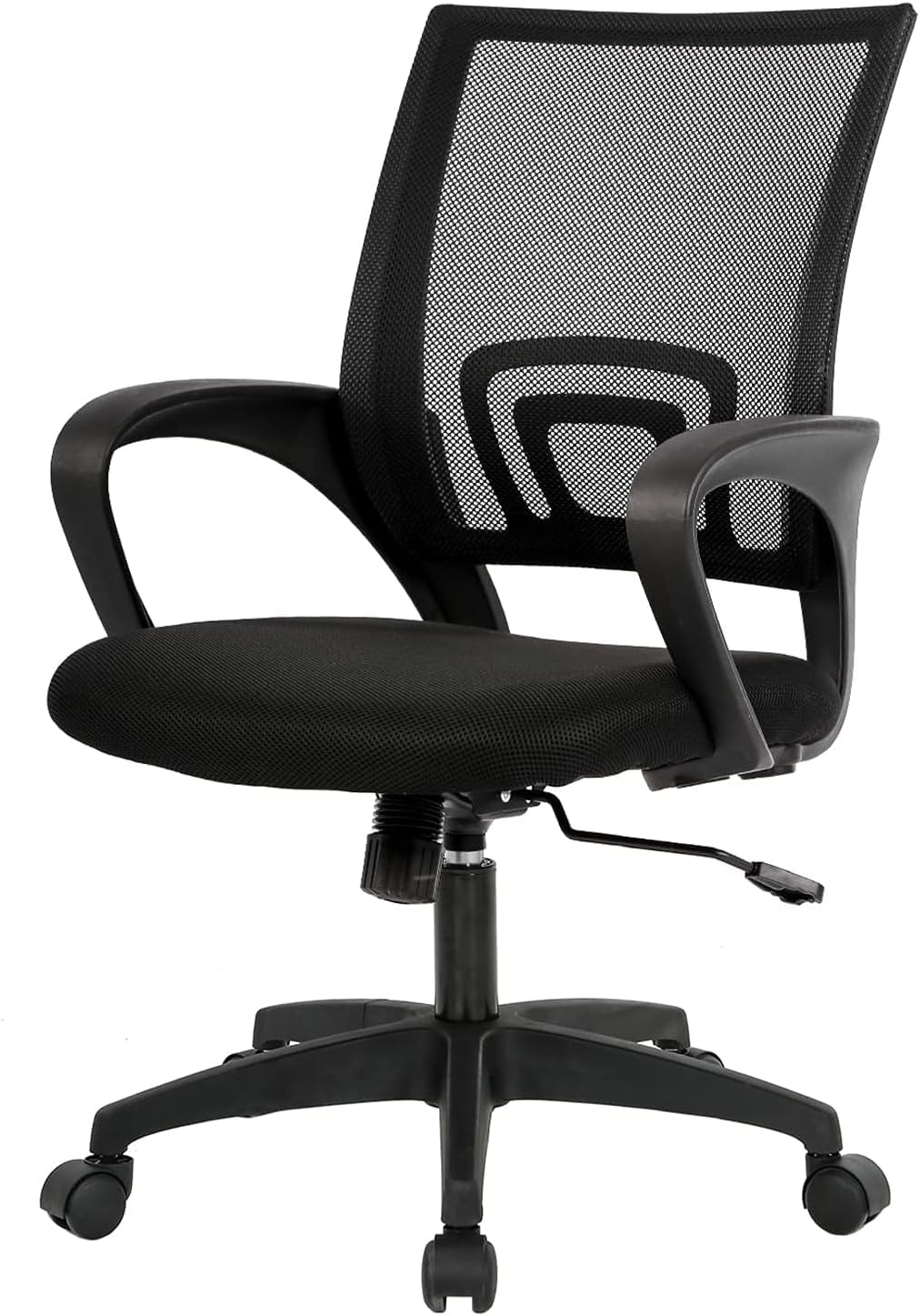
Let’s talk about ergonomic chairs. If you’re spending any real time at a desk, whether for work, gaming, or just catching up on life, a decent ergonomic chair isn’t a luxury; it’s a necessity for your back and overall well-being. This guide cuts through the noise, specifically examining what a model like the BestOffice Ergonomic Office Chair brings to the table and how it stacks up against other options. We’re here to help you figure out if this particular mid-back swivel desk chair, with its dark black finish, lumbar support, and breathable backrest, truly aligns with your needs and budget.
Quick Answer
The BestOffice Ergonomic Office Chair is a solid contender for folks seeking fundamental ergonomic chair features without breaking the bank. It hits the sweet spot for light to moderate daily use, offering crucial adjustability, lumbar support, and a breathable design. While it won’t replace a high-end investment for all-day, every-day demanding office work, it’s a smart pick for improving your home office setup from a basic kitchen chair.
What to Look For (The Buying Criteria)
Choosing an ergonomic chair isn’t just about picking one that looks good. Oh no. There are a few key factors that really determine if you’re getting actual support or just another seat. Pay close attention here, because overlooking these can leave you regretting your purchase down the line.
1. Adjustability: More Than Just Height
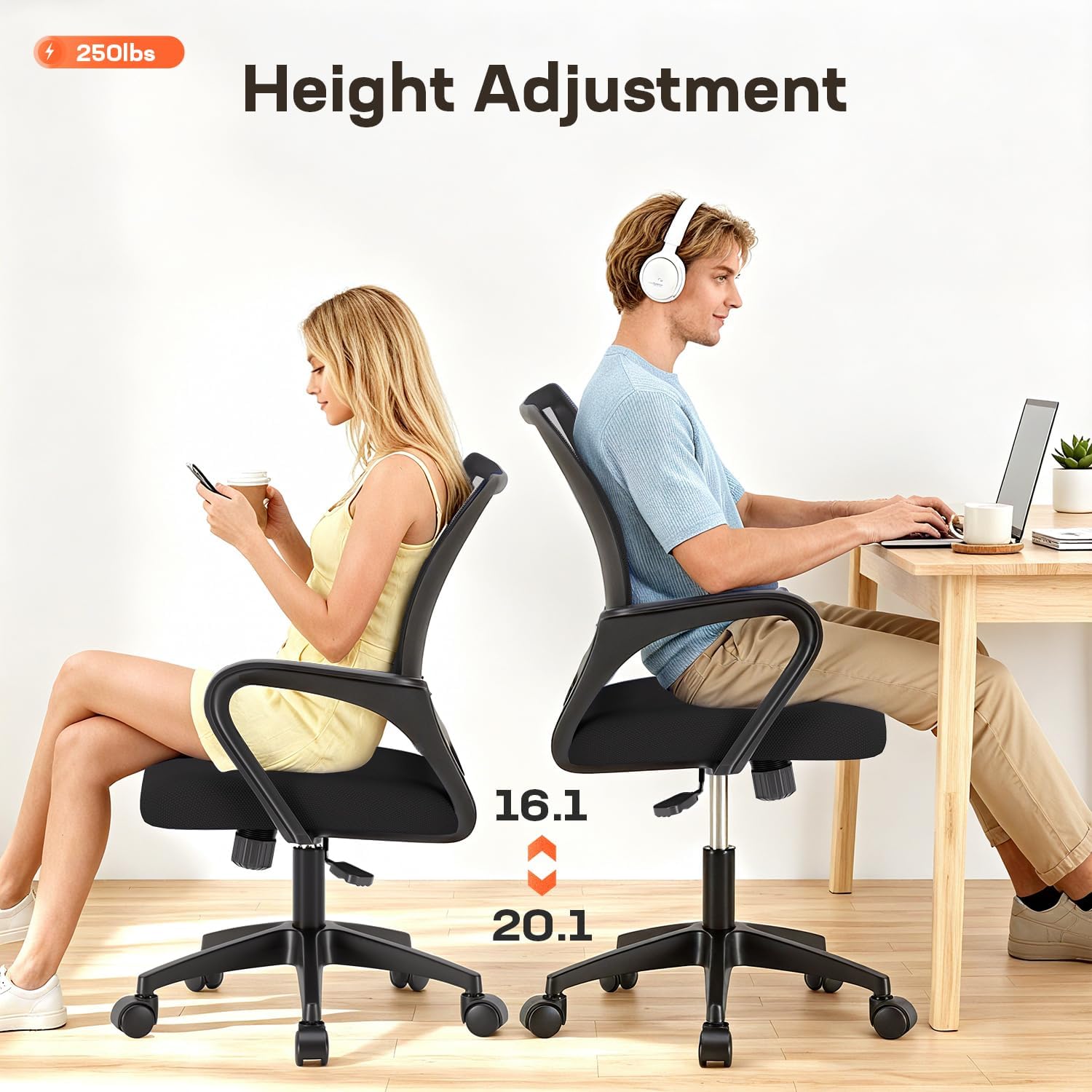
When we talk about an ergonomic chair, adjustability is king. Most people think “chair height.” And yeah, that’s crucial – you need your feet flat on the floor, or slightly elevated, with your hips a touch higher than your knees. But a truly ergonomic experience goes far beyond. Look for independent controls for seat height, of course. Then, check for armrest adjustments. Can they go up and down? Pivot in and out? Are they completely removable? This impacts how close you can get to your desk and helps prevent shoulder strain. Some chairs, like the BestOffice Ergonomic Office Chair, focus on core adjustments, which is often enough for general use, but serious users might crave more refined control over armrest position.
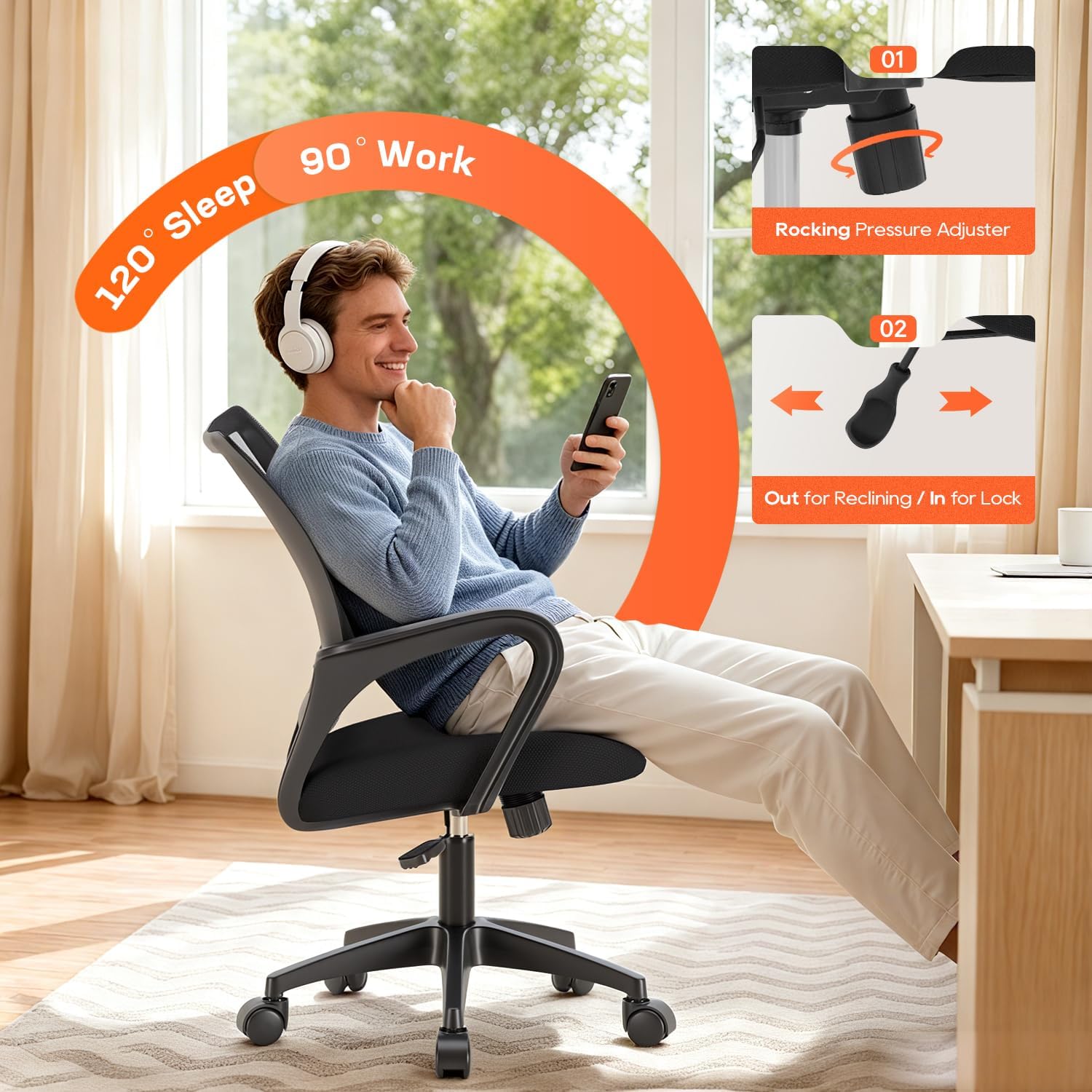
What else? Backrest tilt and tension. You want to be able to recline and lock the backrest at various angles. A good tilt mechanism lets you rock gently, which can relieve pressure during long sitting spells. Then there’s tilt tension — how much force it takes to recline. Some prefer a loose, free-flowing recline; others like it stiffer. A chair that lets you dial that in? Big win. A common trade-off in more budget-friendly chairs is often limited recline angles or a less sophisticated tension mechanism.
2. Lumbar Support: Your Lower Back’s Best Friend
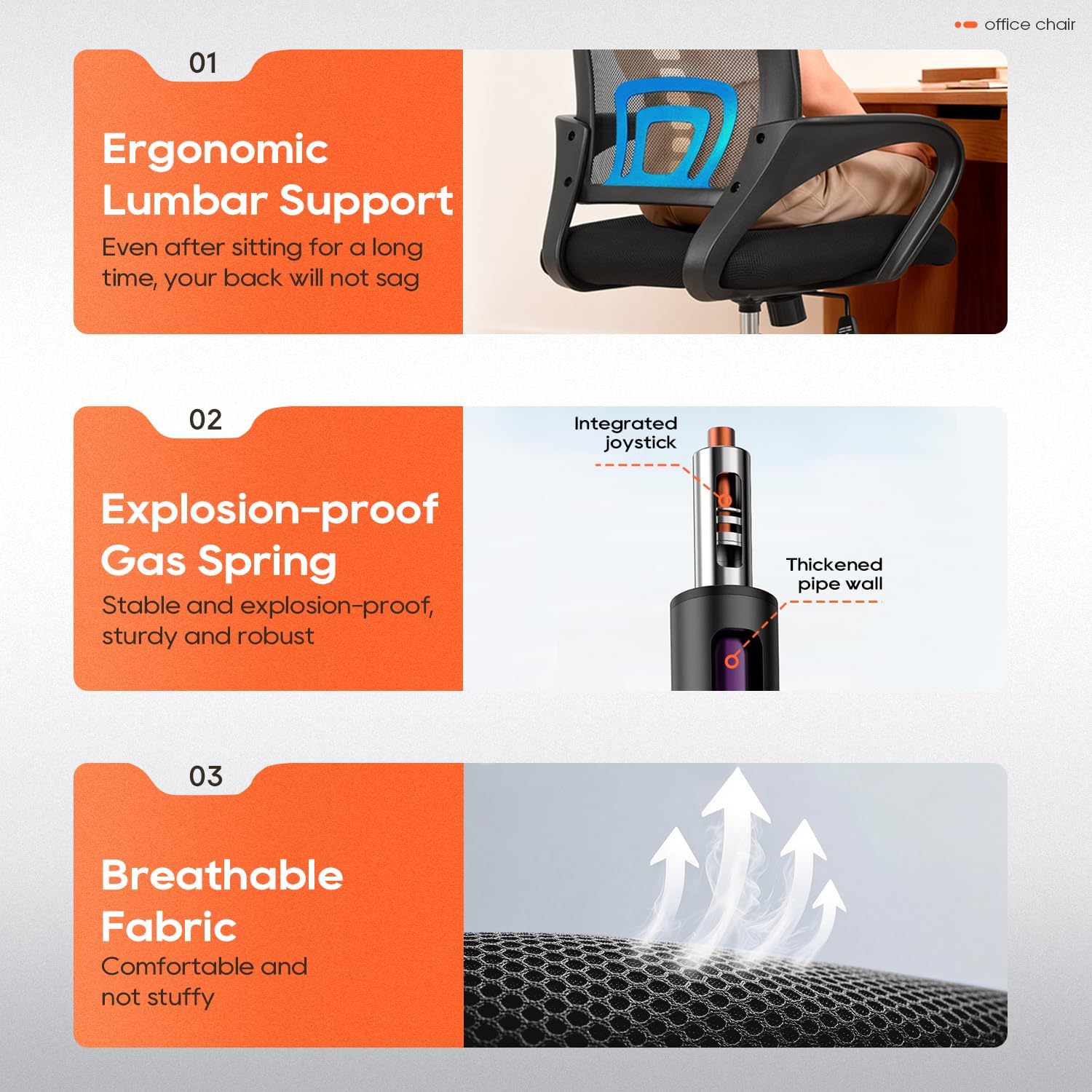
This one’s non-negotiable for an ergonomic chair. The curve of your lower back needs support to maintain its natural S-shape, preventing slouching and reducing pressure on your spine. The BestOffice Ergonomic Office Chair explicitly calls out its lumbar support, which is a good sign. But what kind of lumbar support are we talking about? Is it a fixed curve, or can you adjust its height and depth? Fixed lumbar support is better than nothing, absolutely, but an adjustable one allows you to customize it to your unique spinal curve.
Many mid-range chairs offer a supportive shape that fits a broad range of users. Higher-end models will boast dynamic or highly adjustable lumbar systems, sometimes with separate paddles or knobs to fine-tune the push into your back. When you’re looking at a chair like the BestOffice model, expect effective, but likely not endlessly customizable, lumbar reinforcement. The trade-off is often simplicity and a lower price point.
3. Material and Breathability: Stay Cool, Stay Focused
Nobody wants a sweaty back, especially after a couple of hours chained to a desk. That’s where breathable backrests come into play. The BestOffice chair uses one, which typically means a mesh material. Mesh is fantastic for airflow, keeping you cooler and more comfortable, especially in warmer climates or if your office runs a bit hot. It also conforms somewhat to your back, offering a slightly adaptive feel.
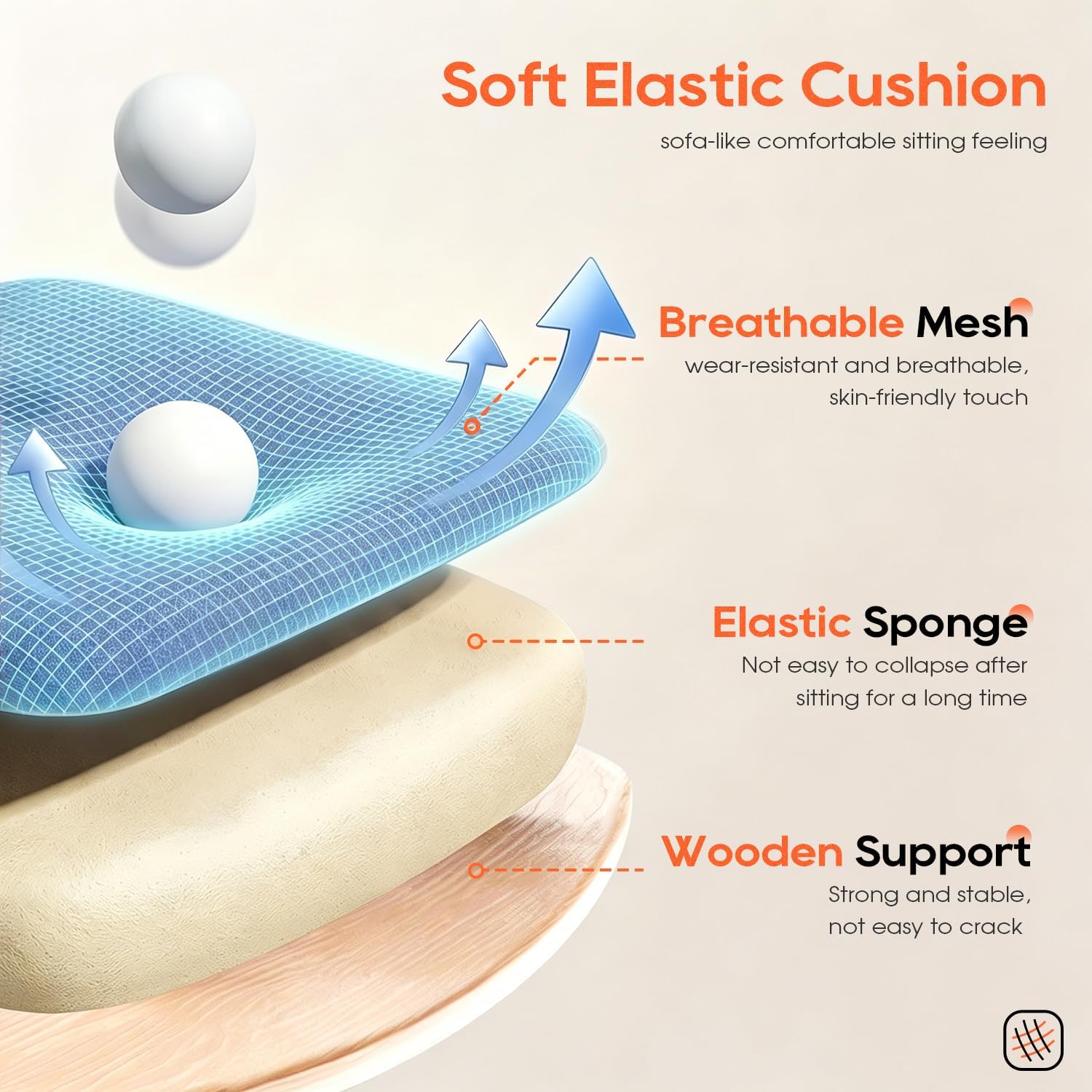
For the seat, you’ve got options. Some chairs use fabric, some leatherette, and many, including the BestOffice, feature a sponge seat. Sponge seats offer plush comfort right out of the box, but their durability and long-term support can vary. Dense, high-resilience foam will last longer and provide better support than softer, less dense options that might flatten out quickly. Fabric seats breathe better than leatherette but might stain more easily. Leatherette looks sleek but can get sticky in heat. It’s a balance, really.
4. Seat Comfort: More Than Just a Cushion
A comfortable seat isn’t just about a thick sponge seat. It’s about the design of that seat. Look for a seat pan that’s adequately wide and deep for your body, allowing you to sit all the way back with about two or three fingers’ width between the front edge of the seat and the back of your knees. Too shallow, and you don’t get proper thigh support. Too deep, and the front edge can cut off circulation. A “waterfall” edge, which gently slopes downwards, is also a plus for circulation.
The density of the foam in a sponge seat plays a huge role in long-term comfort. Super soft feels nice for five minutes, but you’ll sink right through it after an hour. A firmer, more supportive foam will distribute weight better and keep you comfortable for longer sessions. A key limitation for some budget-friendly ergonomic chairs is that the seat foam might not stand up to years of heavy use without compressing.
5. Build Quality and Base Stability: The Foundation of Support
You want your swivel desk chair to feel sturdy, right? The frame material, the gas lift cylinder, and the base all contribute to overall durability and stability. Metal bases are generally more robust than nylon ones, though high-quality nylon can still be perfectly adequate for many users. The rolling wheels or casters should glide smoothly without snagging or leaving marks on your floor, ideally matching your flooring type (hard casters for carpet, soft for hard floors).
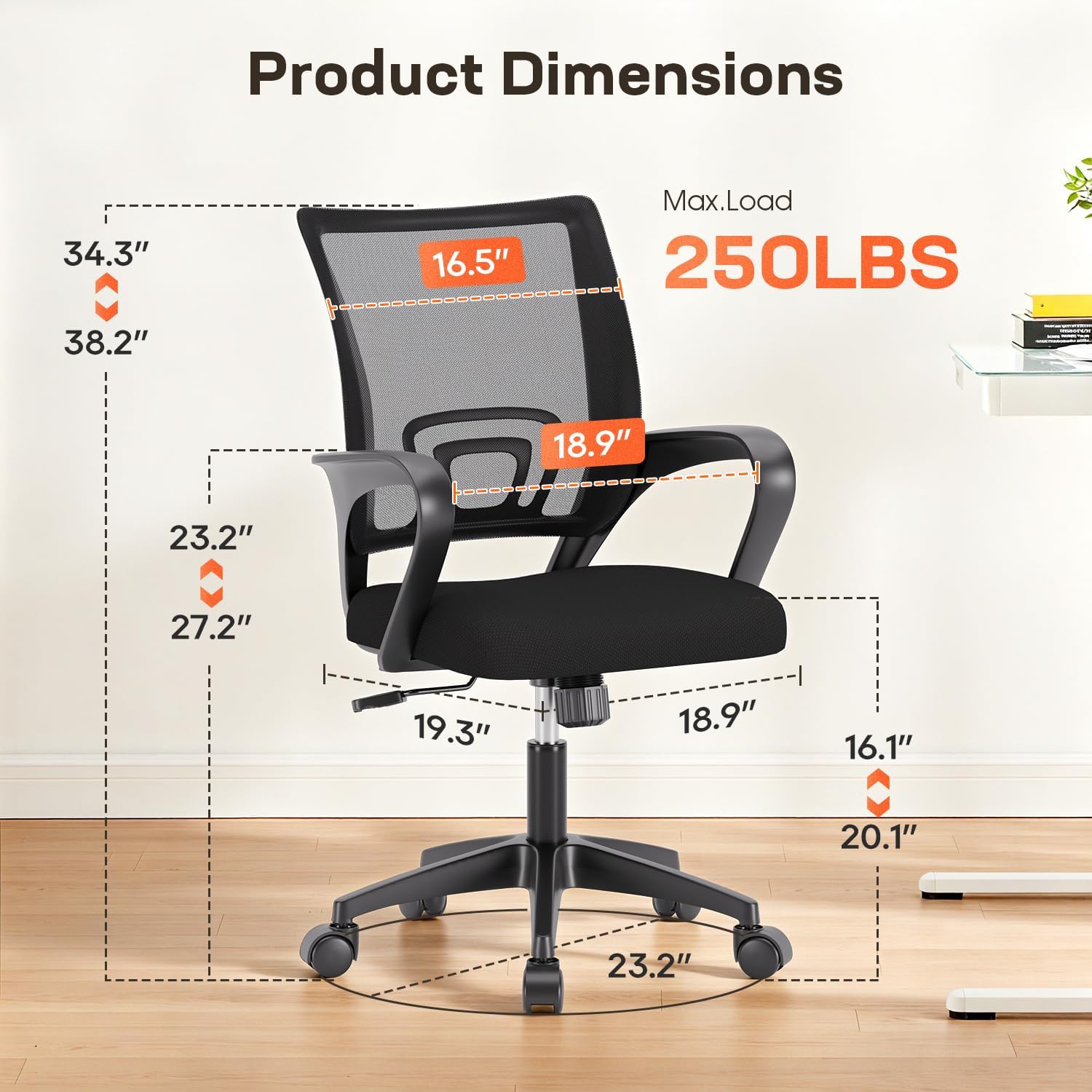
A wobbly chair is distracting and unsafe. Pay attention to how the components connect. Does it feel solid when you lean back? Can the chair handle your body weight comfortably and confidently for its intended lifespan? The BestOffice model implies a standard build, suggesting it’s designed to be functional and reliable for typical use without the extreme weight capacities or multi-year warranties often found on premium, industrial-strength ergonomic chairs. A common trade-off here is that simpler mechanisms or lighter-duty materials might not offer the same longevity as their more expensive counterparts.
6. Armrests: Support for Your Upper Body
While often overlooked, well-designed armrests can significantly reduce tension in your shoulders and neck. You don’t want to shrug your shoulders to reach them, nor do you want to crane your neck down. Adjustable height armrests are a must, letting you position them so your arms are gently supported at around a 90-degree angle at the elbow, ideally allowing your forearms to be parallel to the floor.
The BestOffice Ergonomic Office Chair, as a mid-back swivel desk chair, will feature armrests. The question is, are they fixed or adjustable? For many, fixed armrests are fine, but for truly customized posture, adjustable ones make a real difference. Some chairs even let you flip the armrests up and out of the way, which is handy if you like to tuck the chair fully under your desk or prefer to sit without armrest interference sometimes. This isn’t usually a feature on more basic or mid-range models.
How to Match the Product to Your Situation
An ergonomic chair isn’t a one-size-fits-all miracle. Your usage habits, environment, and physical needs really dictate what’s going to work. Let’s look at a few common scenarios.
1. The Casual Home User (The “Quick Tasker”)
- Who they are: You work from home maybe one or two days a week, or primarily use your computer for browsing, emails, and light tasks. You’re not spending eight solid hours in the chair.
- What they need: Basic comfort, decent adjustability, and improved posture over a dining chair. You don’t need industrial-grade durability or extreme customization.
- The Fit: The BestOffice Ergonomic Office Chair is a strong candidate here. Its mid-back chair design, lumbar support, adjustable height, and sponge seat provide a definite upgrade from basic seating. It’s built for these kinds of intermittent, moderate demands, offering value without excessive features you wouldn’t use.
2. The Dedicated Home Office Worker (The “Daily Grind”)
- Who they are: You spend 6-8+ hours a day at your desk, taking calls, typing, and focusing. You’re serious about comfort and preventing aches.
- What they need: Robust adjustability, excellent and perhaps adjustable lumbar support, durable materials, and a chair that truly stands up to daily abuse.
- The Fit: The BestOffice Ergonomic Office Chair could work for some in this category, especially if you’re on a tighter budget and make good use of its adjustable features. However, for truly sustained, heavy daily use, you might eventually find yourself wishing for more refined adjustments, heavier-duty components, or a more dynamically supportive backrest. It’s a good starting point, but consider upgrading if persistent discomfort emerges after a few months.
3. The Student or Gamer (The “Marathon Sitter”)
- Who they are: Whether it’s study sessions or gaming marathons, you’re logging significant hours, often with intense focus. You need sustained comfort and support to maintain focus.
- What they need: A blend of comfort, adjustability, and sometimes, a specific aesthetic. Lumbar support is key to avoid gaming slump.
- The Fit: This ergonomic chair offers a solid foundation. Its breathable backrest is great for long sessions, keeping you cool. The rolling wheels make it easy to shift positions or grab something from your desk. While not a “gaming chair” in the stereotypical sense, its core ergonomic features will serve a student or gamer well by prioritizing actual posture support over flashy looks. Still, if you’re really pushing 10+ hours regularly, especially if you’re a larger individual, you might want to look into chairs with more robust construction ratings.
Comparison of Ergonomic Chair Types/Tiers
Let’s break down where a model like the BestOffice Ergonomic Office Chair typically sits in the broader market. Understanding these tiers helps manage expectations and identify true value.
| Type/Tier | Best For | Price Tier | Key Feature | Watch-Out |
|---|---|---|---|---|
| Basic Task Chair | Short bursts of use, very tight budgets | Budget-friendly | Simplicity, fundamental seating | Limited adjustability, minimal ergonomic support |
| Mid-Range Ergonomic Chair | Daily home office, general use, balanced value | Mid-range | Good core adjustability, decent lumbar support | Longevity can be a question with heavy, continuous use |
| Premium Ergonomic Chair | All-day professional, health-focused, heavy use | Premium | Advanced adjustability, high-end materials | Significant investment, can be overwhelming to adjust |
Basic Task Chair: These are your no-frills options. They’re fine for a quick check of emails or occasional use for maybe an hour. You’ll get height adjustment and basic swivel, but usually very little in the way of true ergonomic support like adjustable lumbar or robust tilt mechanisms. Don’t expect miracles for your back here.
Mid-Range Ergonomic Chair: This is where the BestOffice Ergonomic Office Chair generally falls. You get tangible ergonomic benefits like proper lumbar support, breathable backrests, and more nuanced adjustability than basic models. They’re designed for regular, but perhaps not all-day every day, use. You’re getting solid value and comfort that significantly beats a basic chair, but the materials and mechanisms might not be engineered for decades of abuse.
Premium Ergonomic Chair: These are the big guns. Think high-end office environments. They come with a serious price tag, but you’re paying for advanced, often patented, ergonomic mechanisms, highly durable and sometimes luxury materials, extensive adjustability (often including seat pan depth, tension, dynamic lumbar, and multi-directional armrests), and multi-year warranties. They’re built for people who live in their chair and demand the absolute best in support and durability.
Scenario-Specific Comfort & Support
Different life situations demand different things from an ergonomic chair. The BestOffice Ergonomic Office Chair, being a specific mid-back swivel desk chair, fits into a few scenarios particularly well, but it’s not a universal solution.
1. For the Flexible Worker (Part-Time Office, Part-Time Home)
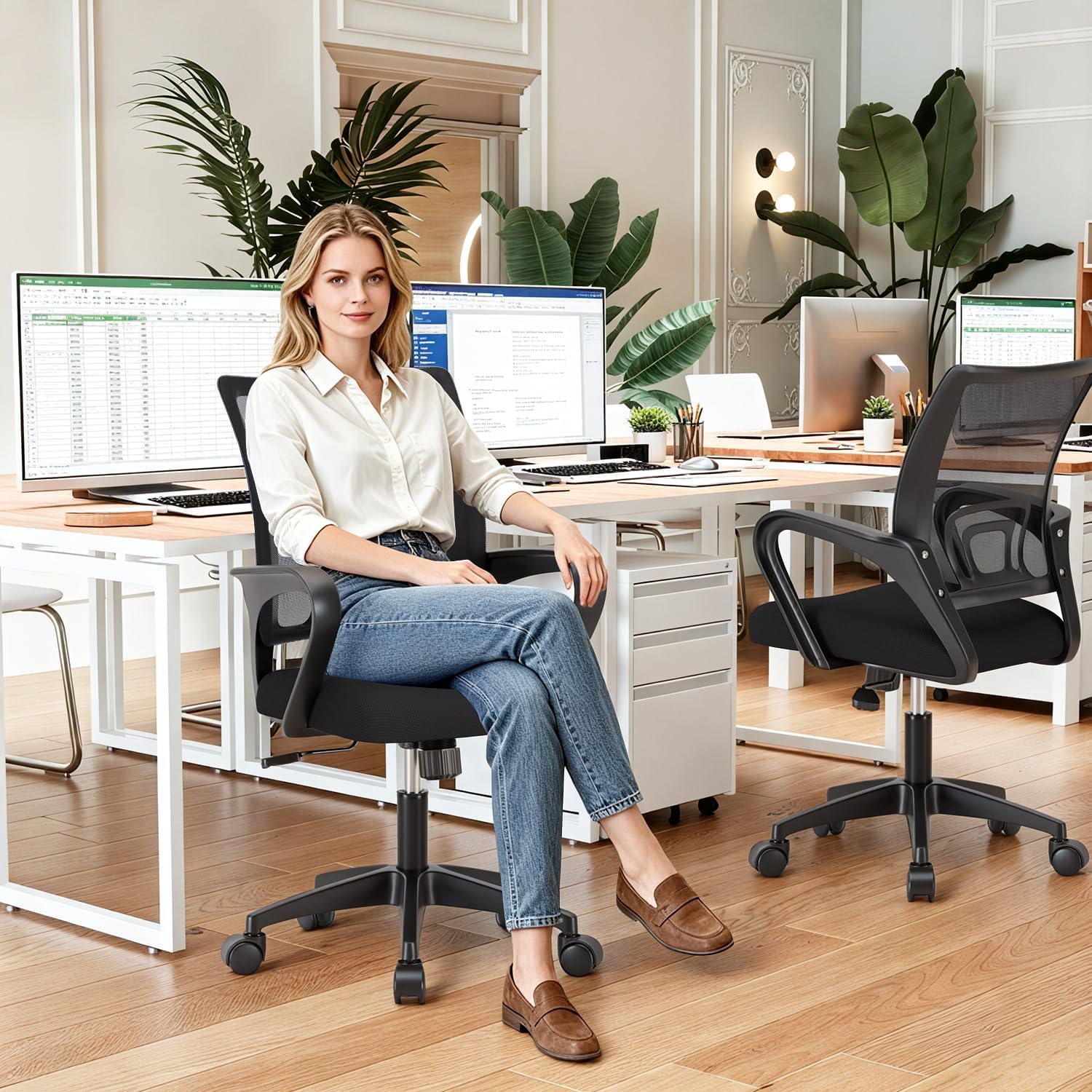
If your work life is a hybrid model, splitting time between a corporate office and your home office setup, you probably need a reliable, comfortable spot for those home days. You don’t necessarily need a chair that costs as much as your monthly rent, but you also can’t suffer with a folding chair. This BestOffice model shines here. Its inherent lumbar support and adjustable height mean you can quickly dial in a decent posture. The breathable backrest is a blessing, especially if your home office isn’t climate-controlled to perfection. It’s a pragmatic choice for someone who values comfort and health but isn’t always at home. You can rely on it to provide consistent support without demanding constant attention or complex adjustments.
2. For the Small Space Dweller (Apartment Living, Dorm Room)
Small apartments or dorms mean every piece of furniture has to earn its keep. A bulky, high-back ergonomic chair might overwhelm the space. This is where a mid-back chair like the BestOffice model proves its worth. Its more compact footprint means it won’t visually dominate a room, and its rolling wheels make it easy to move out of the way when not in use. Functionally, it still offers the core ergonomic benefits for study or light work, such as the sponge seat and swivel desk chair functionality, without being oversized. It’s a space-conscious choice that doesn’t completely sacrifice ergonomic principles.
3. For the Budget-Conscious Upgrade (Moving Beyond Basic Seating)
Many people start with the cheapest chair they can find, or worse, just use a kitchen chair. That works for a bit. Then the aches start. If you’re at that point, looking for a tangible upgrade to improve your sitting comfort and posture without diving into the premium market, this is your zone. The BestOffice Ergonomic Office Chair offers a significant leap in support and adjustability compared to basic office chairs. It’s not just a seat; it’s a tool for better posture. For someone looking to invest in their health but needing to be mindful of cost, this chair delivers foundational ergonomic chair benefits that make a real difference daily. It’s about getting genuine improvements without the sticker shock.
Common Mistakes Buyers Make
Even with good intentions, people often trip up when buying an ergonomic chair. Avoid these pitfalls to make a smarter choice.
1. Prioritizing Looks Over Function: So many chairs out there look sleek, modern, even futuristic. But if that design sacrifices adjustability, proper lumbar support, or a comfortable sponge seat, it’s a fail. Don’t fall for aesthetics alone. Your back won’t thank you for a chair that looks good but feels terrible after an hour. I’ve seen people spend way too much on features they never use, or on a chair that simply doesn’t fit their body because it looked cool.
2. Ignoring Your Own Body Type and Usage: A one-size-fits-all approach to ergonomic chairs just doesn’t work. Are you exceptionally tall or short? Heavier than average? Do you truly sit for eight hours, or just two? A chair perfectly suited for a petite person might be torture for a larger individual, and vice versa. Similarly, a basic mid-back chair might be fine for light use but inadequate for heavy daily work. Match the chair’s capabilities to your specific dimensions and demands.
3. Not Using the Adjustments: Okay, so you bought a fancy adjustable height chair with all the bells and whistles. Did you actually adjust it? Properly? Many people just plop down and leave it at factory settings. An ergonomic chair is only as good as its setup. Learn how to use all the levers, knobs, and dials to fit the chair to your body. That lumbar support won’t help if it’s in the wrong spot for your spine. This is a huge, common mistake.
4. Expecting Instant Cures: An ergonomic chair can significantly improve posture and reduce discomfort, but it’s not a magic bullet. If you already have severe back pain, a new chair might help, but it won’t necessarily fix underlying issues. Also, even the best chair needs you to take breaks, stand up, and move around. Don’t expect the chair to do all the work for you; it’s a tool in your overall wellness strategy, not the only solution.
Why/How/What Mini-Section
Why invest in an ergonomic chair like the BestOffice model at all?
Honestly, it boils down to long-term health and productivity. Sitting in an ill-fitting chair for hours compresses your spine, strains your muscles, and can lead to chronic pain. An ergonomic chair, specifically one with good lumbar support and adjustable height, helps maintain your spine’s natural curvature, reducing pressure and promoting better blood flow. It’s an investment in preventing future aches, improving focus, and just feeling better at the end of a long day. Who needs a crick in their neck when they’re trying to meet a deadline?
How do you properly adjust your BestOffice Ergonomic Office Chair for optimal comfort?
Start with your feet flat on the floor, or on a footrest, with your knees at about a 90-degree angle. Adjust the seat height until this is achieved. Next, sit all the way back into the chair, making sure the lumbar support nestles into the curve of your lower back. Position your monitor so the top third of the screen is at eye level. Finally, adjust the armrests (if applicable) so your forearms are parallel to the floor and your shoulders are relaxed, not shrugging up or slumping down. Spend a few minutes fine-tuning, you’ll feel the difference.
What’s the key difference between a mid-back chair and a high-back chair?
A mid-back chair, like the BestOffice Ergonomic Office Chair, typically supports your spine up to your shoulder blades. It’s generally more compact and suitable for tasks that require a bit more movement or a smaller footprint. A high-back chair, conversely, extends all the way up to support your head and neck, sometimes including a headrest. These are often preferred for very long hours, deep recline, or for taller individuals who need full spinal support. Neither is inherently “better”; it just depends on your height, preferences, and how much upper body support you truly need.
FAQ
Are ergonomic chairs really worth it for a basic home office setup?
Absolutely. Even if you’re not a full-time remote worker, upgrading from a dining chair or a basic task chair to a dedicated ergonomic chair like the BestOffice model can make a huge difference. It can prevent discomfort, improve focus, and make your time at the desk much more pleasant. It’s about protecting your posture, which is always worth it.
How long do budget-friendly ergonomic chairs typically last with regular use?
It varies, but expect a mid-range ergonomic chair to offer reliable service for anywhere from 2 to 5 years under typical daily use. More intensive, all-day-every-day use might see components wear out faster, especially the foam in the sponge seat or the gas lift. Longevity often scales with price, but good care helps.
Can a mid-back chair provide enough support for taller individuals?
For many taller individuals, a mid-back chair like the BestOffice model might provide adequate lumbar support but won’t offer head or neck support. If you’re particularly tall and need full back and head support for long hours, you might find yourself wishing for a high-back model. However, for core spinal alignment, a good mid-back still does the job.
What’s the deal with breathable backrests – are they significantly better?
Yes, they often are. A breathable backrest, usually made of mesh, allows air to circulate, preventing heat and moisture buildup. This means less sweating and more comfort, especially during warmer months or longer sitting sessions. Compare that to solid upholstered backs, which can trap heat. A mesh back is a strong point for this particular ergonomic chair.
How important are rolling wheels on an office chair for home use?
Very important! Rolling wheels on a swivel desk chair make it effortless to move around your workspace, reach for files, or even just shift position comfortably. Good wheels protect your floor and reduce effort. Imagine having to drag your chair every time you need to move; it’s a small detail, but a crucial one for everyday convenience.
Is a sponge seat comfortable for long hours, or does it flatten out quickly?
The comfort and longevity of a sponge seat depend entirely on the density and quality of the foam. Higher-density, cold-cure foam holds its shape and support much longer than softer, less dense options. For the BestOffice Ergonomic Office Chair, it’s designed for comfort and moderate use, offering good initial support. If you’re a heavy, all-day user, monitor how the seat feels after several months.
Should I look for specific certifications when buying an ergonomic chair?
While certifications like BIFMA exist and signal quality for commercial-grade chairs, for a consumer-focused home office setup chair in the mid-range, they’re less common or critical. Focus instead on the specific features – adjustability, lumbar support, material quality – and ensure they match your needs and body type. The chair’s performance in real-world use matters more than a badge.
Final Recommendation
So, where does the BestOffice Ergonomic Office Chair land in your quest for a better seat? For individuals establishing a home office setup who spend a few hours daily at their desk, or for students and casual users looking for a substantial upgrade over basic seating, this mid-back swivel desk chair presents compelling value. Its integrated lumbar support, adjustable height, and breathable backrest directly address the core discomforts that plague prolonged sitting.
However, if you’re someone who clocks 8+ demanding hours at your desk every single workday, or if you have specific, recurring back issues that require highly customized support, you might eventually find yourself yearning for the more advanced, often expensive, features of a premium ergonomic chair. For the vast majority looking to strike a balance between comfort, genuine ergonomic benefits, and a sensible investment, the BestOffice Ergonomic Office Chair is a smart, practical choice that gets the job done without unnecessary frills. It’s a reliable workhorse for everyday comfort.
#BestOffice #Ergonomic #Office #Chair #MidBack #Swivel #Desk #Chair #Dark #Black #Lumbar #Support #Adjustable #Height #Breathable #Backrest #Sponge #Seat #Rolling #Wheels #Home #Office #Pack
Reviews
There are no reviews yet.