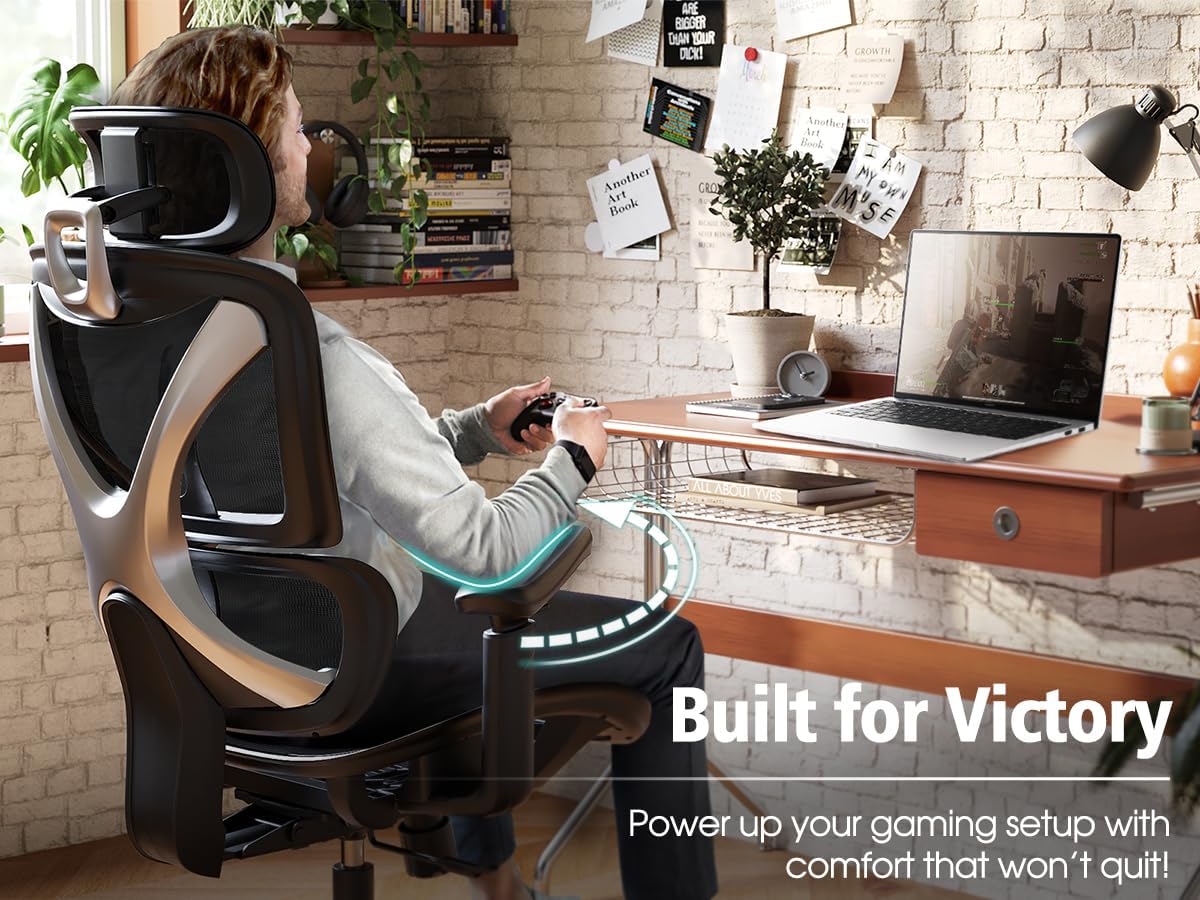
Decoding the Ergonomic Office Chair: Is That Premium, Big and Tall Mesh Marvel Worth It?
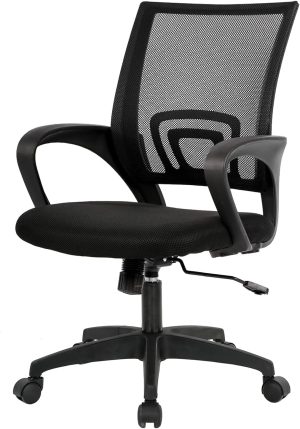
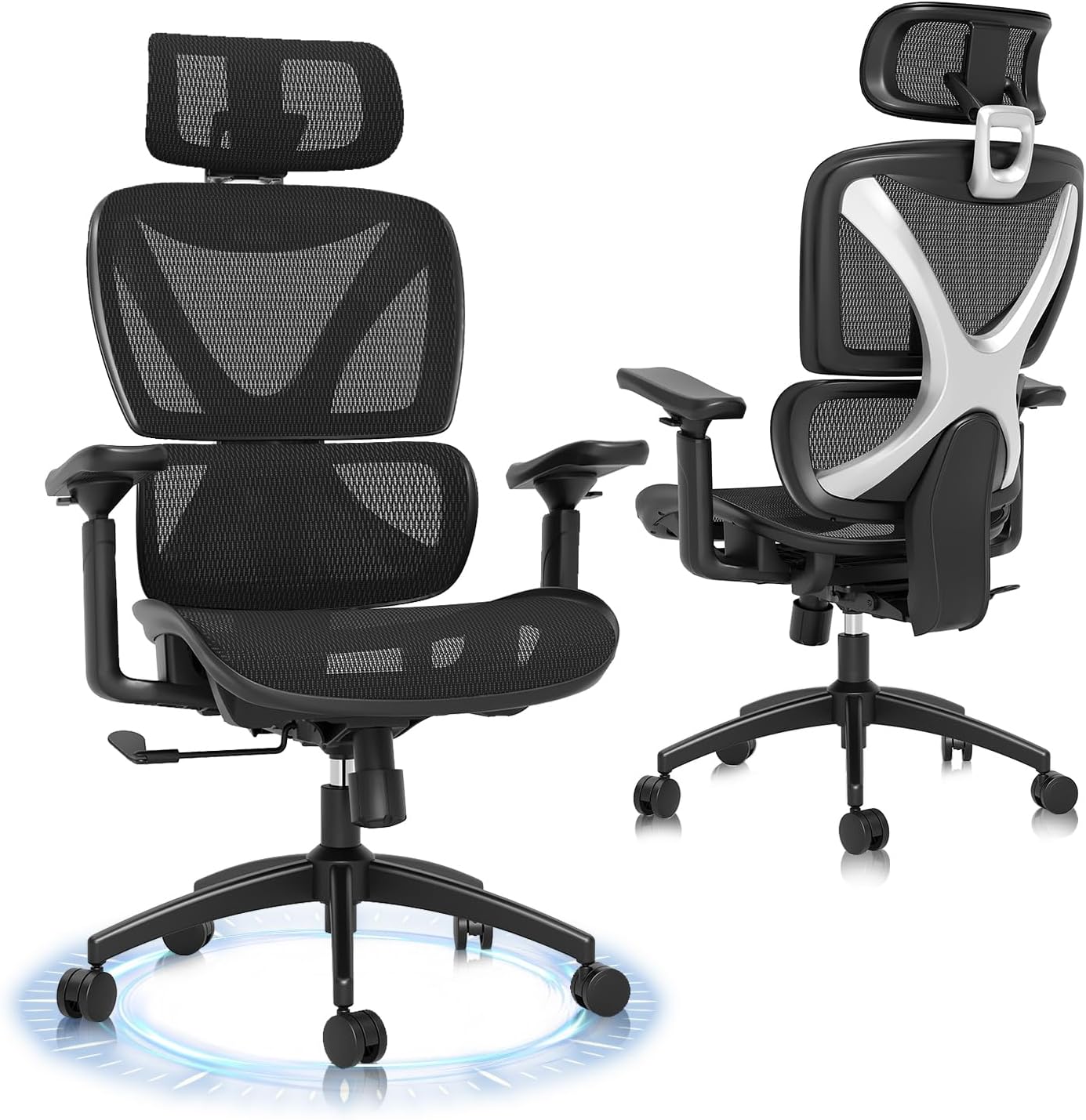
Navigating the market for a new office chair can feel like a trek through a dense, jargon-filled jungle. This guide cuts through the noise, specifically focusing on the big and tall mesh chair with robust features—lumbar support, 3D armrests, an adjustable headrest, and that all-important 350LBS durability for work or gaming. We’re here to help savvy shoppers like you figure out if these feature-packed contenders truly offer the value you’re seeking, or if some of that “ergonomic” talk is just clever marketing.
Quick Answer Box
For those needing a durable computer chair built for long hours, especially if you’re a larger individual, a fully-featured ergonomic office chair with a higher weight capacity and advanced adjustability is generally a smart investment. It’s often the difference between daily discomfort and focused productivity, but finding the right balance of features for your needs is key. Don’t overspend on bells and whistles you won’t use.
What to Look For (The Buying Criteria)
Choosing an ergonomic office chair, particularly one designed for big and tall users, isn’t just about picking a nice-looking piece of furniture. It’s about investing in your body, your productivity, and frankly, your sanity during long stretches at a desk. Here’s what really matters when you’re sizing up one of these robust computer chairs:
-
Adjustability: Beyond Up and Down
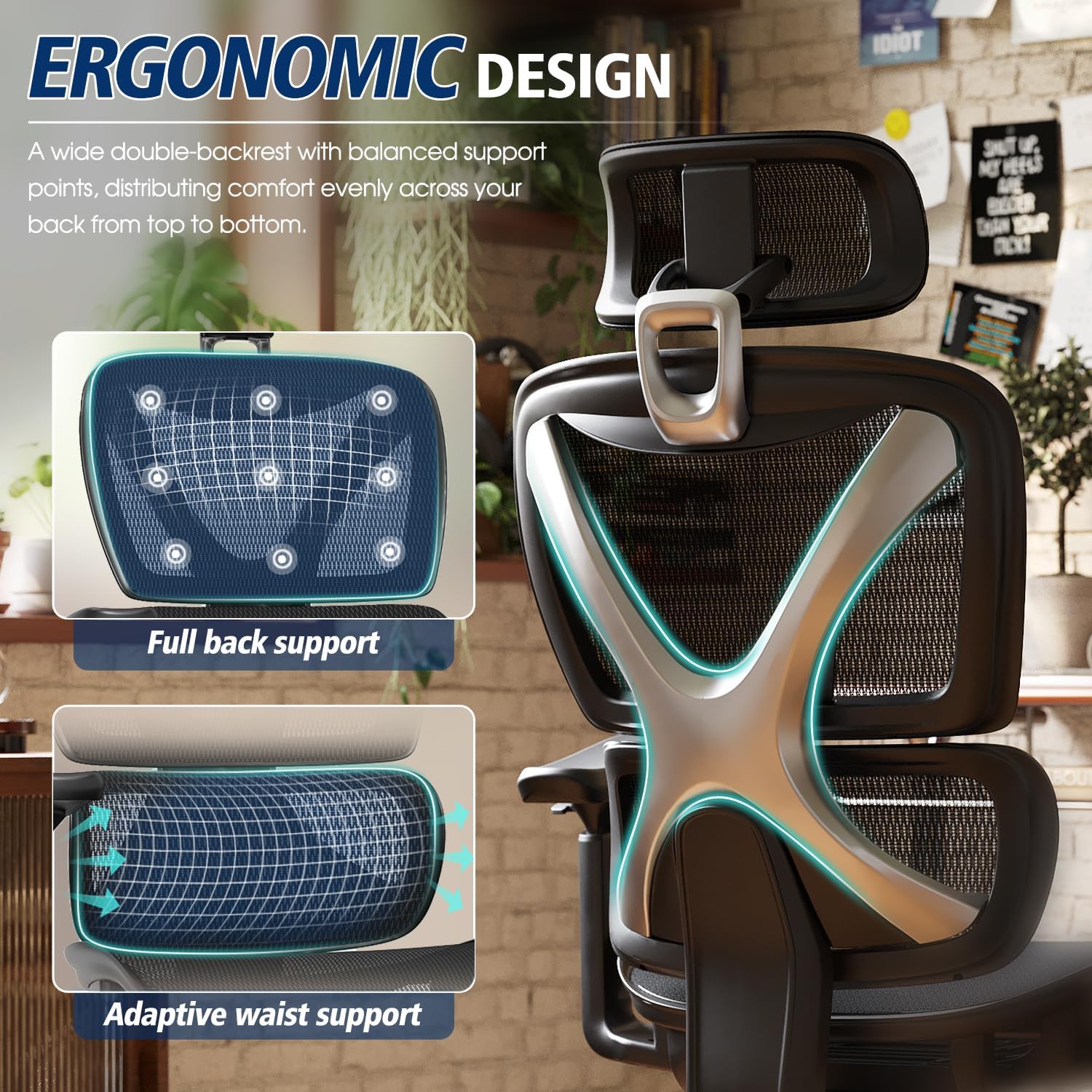
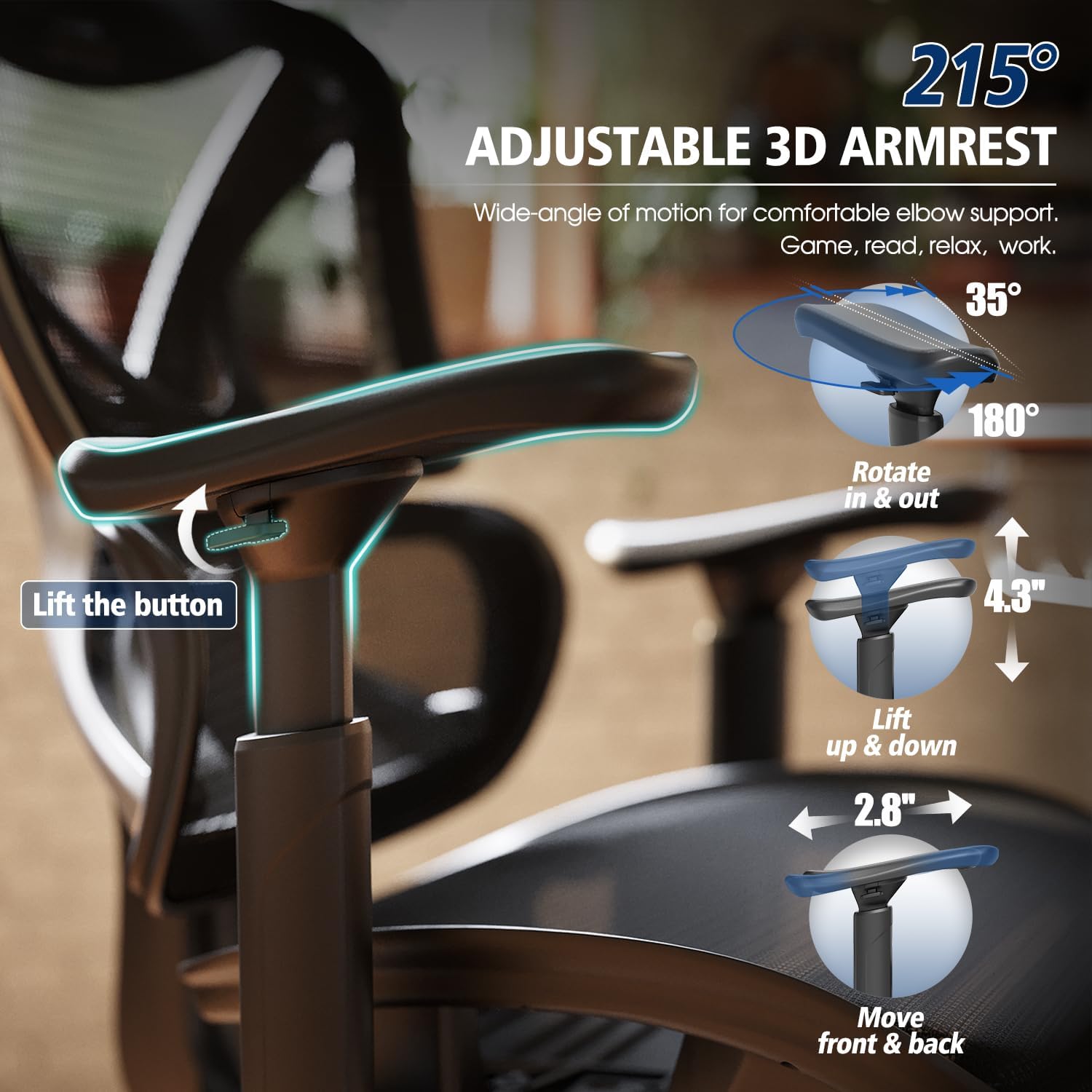
You’d think all chairs adjust, right? Nope. Not truly. A premium ergonomic office chair offers a suite of adjustments far beyond simple height. We’re talking about lumbar support that moves up, down, in, and out, letting you cradle your lower back precisely. Then there are 3D armrests – these aren’t just for resting your elbows. They typically adjust height, pivot left and right, and slide forward and back. This lets you align your arms with your desk height, reducing shoulder and neck strain. Some even offer 4D adjustment, moving inwards and outwards too. And don’t forget the adjustable headrest. For bigger and taller folks, a headrest that actually hits your head and not your shoulders is a game-changer for neck support during reclined moments. A cheap chair’s static headrest? Pure frustration, I tell you. The trade-off here is complexity; more moving parts means more things that could potentially loosen over time, or just more settings to fiddle with to get it just right. -
Material Choice: Mesh, Foam, or Something Else?
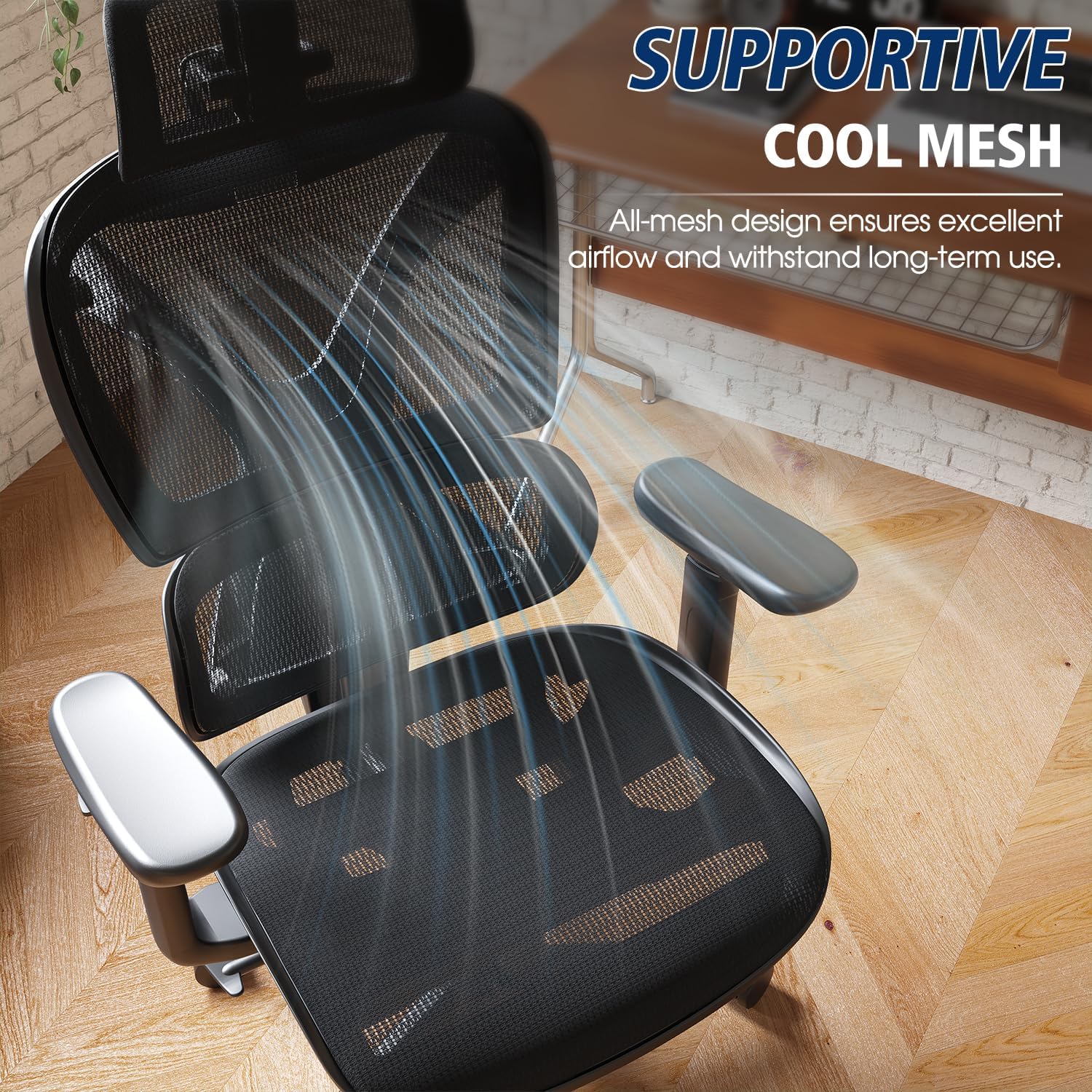
The article mentions a “mesh chair,” which is a popular choice, and for good reason. Mesh backs offer fantastic breathability, a lifesaver if you tend to get warm sitting for hours. It conforms to your back, too, giving a kind of suspended, supported feel. However, some people find mesh less forgiving than a plush, upholstered back. A “soft seat” usually implies a dense foam cushion, which is crucial for pressure distribution. You’re looking for high-density, molded foam that won’t flatten out after a few months. Cheap foam? It’s like sitting on a pancake after a year. Breathability on the seat is less common, but some designs incorporate it. The material dictates comfort, yes, but also durability and maintenance. Mesh, while breathable, can sometimes snag or stretch over many years, though quality designs hold up quite well. -
Build Quality and Weight Capacity (350LBS, specifically)
This is non-negotiable for a big and tall chair. A durable computer chair isn’t just a marketing slogan when you’re talking about a 350LBS capacity. This means a heavy-duty gas lift, a sturdy metal base (not plastic that looks like metal!), and strong casters. You’re looking for components that can handle significant stress day in and day out. Don’t skimp here. A chair rated for less than your actual weight, or even close to it, will fail prematurely. And it’s not just the static weight; it’s the dynamic forces of shifting, leaning, and swiveling. A well-built chair feels solid. It doesn’t wobble, creak, or groan under pressure. This aspect is often where the “premium” price really pays off, ensuring longevity and safety. -
Recline and Tilt Mechanisms: Beyond Just Leaning Back
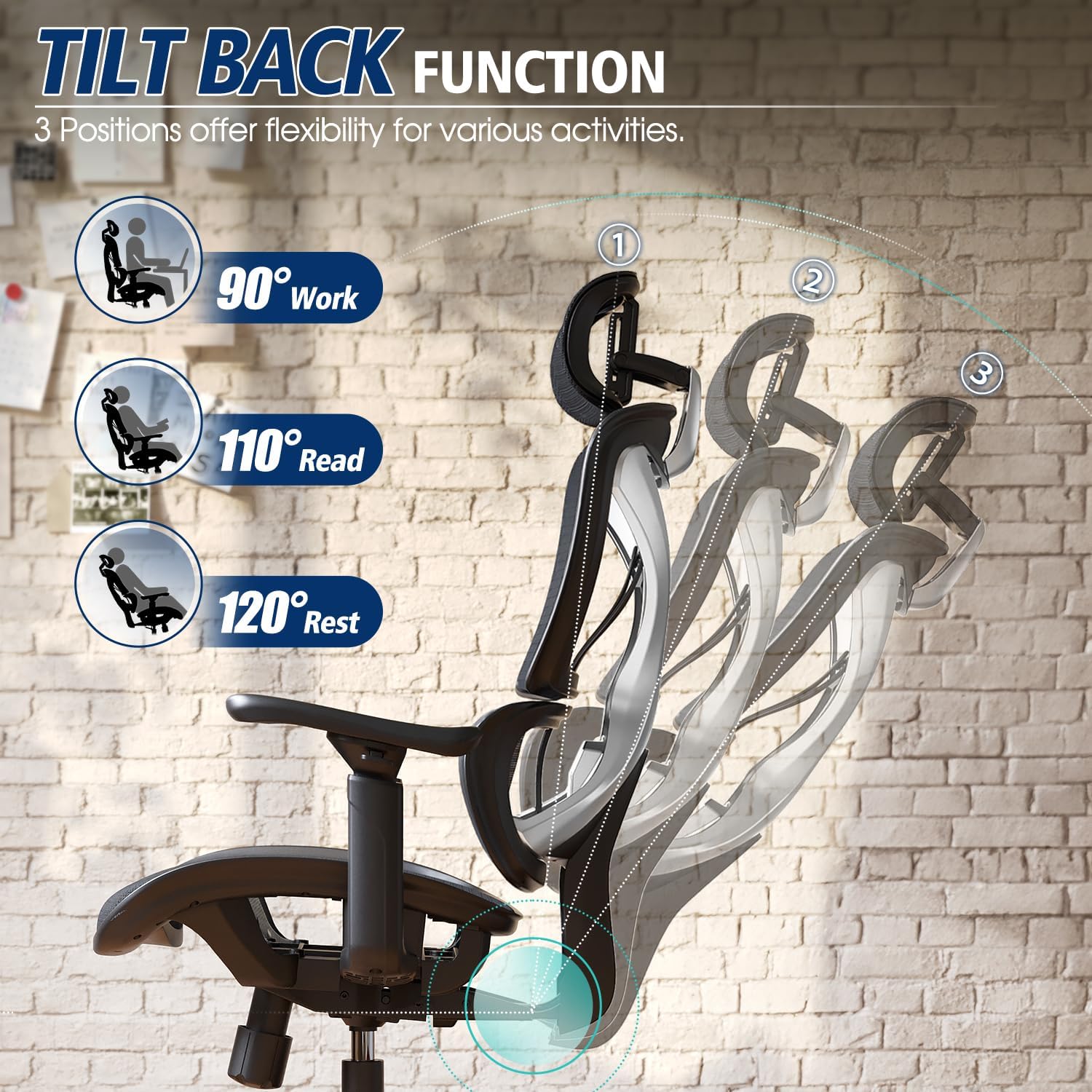
For an ergonomic office chair, simple recline won’t cut it. You want a sophisticated tilt mechanism, ideally with tilt tension control and a multi-position lock. This allows you to recline back smoothly, find an angle that feels right for a short break or a different posture, and then lock it in place. Some chairs offer a synchro-tilt, where the seat base and back recline in a coordinated motion, keeping your feet on the floor. A 215° rotation is mentioned in the product name, which sounds more like a swivel range than a recline, allowing for expansive movement around your workspace. This feature, while useful for dynamic users, is sometimes overlooked compared to the recline. Look, sitting static all day is awful. The ability to shift, stretch, and lean back comfortably is paramount for long-term health and focus. -
Ergonomics and Support: The Core of “Ergonomic”
What does ergonomic design really mean for a chair like this? It’s about promoting a neutral posture, reducing pressure points, and supporting the natural curves of your spine. The lumbar support isn’t just a bump; it’s designed to keep your lower back in its natural lordotic curve. The overall design should help maintain an open hip angle, preventing slouching. It’s not just about comfort in the moment, but about preventing aches and pains from developing over time. A truly ergonomic chair is almost unnoticeable when you’re working, because it adapts to you, rather than forcing you to adapt to it. A poor design? You’ll know it after an hour or two, trust me. -
Assembly and Manufacturer Reputation
This often gets overlooked in the feature list, but it’s a practical concern. How easy is it to put together? Will you need a whole toolkit and an engineering degree? A well-designed product, even a complex one, usually has clear instructions and minimal fuss. Beyond that, the manufacturer’s reputation for customer service and warranty is a big deal. Things can go wrong, even with premium products. Knowing you’ve got support if a part fails or if something isn’t quite right from the start? Priceless, actually. It’s a hidden cost if you pick a no-name brand with no accessible support.
How to Match the Product to Your Situation
Finding the right office chair isn’t a one-size-fits-all deal. Your needs depend heavily on your daily grind. Let’s think about a few common scenarios for a durable computer chair like this.
-
The Full-Time Remote Warrior (or Office Power User):
You’re clocking 8+ hours a day, maybe even more, and your chair is your command center. For you, every single adjustment matters. You need the robust 350LBS capacity for sheer durability and the refined ergonomics to prevent long-term strain. The 3D armrests are crucial for shoulder health, and multi-directional lumbar support is non-negotiable. You’re also likely to appreciate the breathability of a mesh chair for those extended sessions. This user needs a chair that virtually disappears, allowing them to focus on work, not discomfort. The cost might seem steep, but think of it as a tool for your profession. -
The Part-Time Gamer & Weekend Warrior:
Perhaps you’re at the desk for work a few hours, then transition to gaming sessions. You still need good support, especially if those gaming marathons push into the night. While maybe not 8+ hours every single day, cumulative time still adds up. The adjustable headrest and a decent recline become more important for relaxation between matches or during cutscenes. The soft seat and breathable mesh still offer a lot of comfort. The high weight capacity is a bonus, ensuring the chair can withstand energetic movements common in gaming. You need a versatile chair, robust enough for both serious work and intense play. -
The “I Just Need Something Sturdy” User:
Maybe you don’t sit for 10 hours straight, but you’re a bigger individual, or just want a chair that won’t fall apart after a year. You value durability and a solid build over hyper-specific ergonomic adjustments you might not even use. The 350LBS rating is your primary draw. You want something that feels stable, secure, and can handle occasional heavier use without protest. The mesh back and soft seat are still important for basic comfort, but you might not fuss over the exact degree of armrest pivot. You’re looking for reliability and comfort without necessarily needing the absolute top-tier in adjustability.
Is It Worth the Money? Comparing Office Chair Tiers
Let’s be real: your budget plays a huge role. But sometimes, a little more upfront saves you a lot more pain and replacement costs later. Here’s a look at how different tiers of office chairs stack up, especially when we consider something like an Ergonomic Office Chair, Big and Tall Mesh Chair with Lumbar Support, 3D armrest – 215° Rotation, Adjustable Headrest & Soft Seat, Durable Computer Chair 350LBS for Work Gaming.
| Type/Tier | Best For | Price Tier | Key Feature | Watch-Out |
|---|---|---|---|---|
| Basic Task Chair | Short bursts of sitting, occasional use | Budget-friendly | Simple height adjustment, minimal padding | Lacks true lumbar support; often poor durability |
| Mid-Range Ergonomic | Daily use (4-6 hours), general comfort | Mid-range | Basic adjustable lumbar, fixed armrests, decent foam | Limited adjustability for specific body types or posture needs |
| Feature-Rich Big & Tall Mesh Chair | Long hours (6-8+), larger users, work/gaming | Mid-range+ | Comprehensive adjustability, high weight capacity, mesh back | Can be complex to set up; genuine quality varies between brands |
| Premium Task Specialist | All-day professional, ergonomic precision | Premium | Advanced synchro-tilt, high-grade materials, extensive adjustments | Significant investment; might have features you don’t need |
A basic task chair might seem like a steal, but it’s really only suited for very light use. You’ll likely find yourself constantly shifting to get comfortable, negating any initial savings with chiropractor visits. The mid-range ergonomic options are a step up, offering more comfort for daily use, but they often fall short on the finer adjustments, especially for big and tall users who need specific support.
That’s where the Feature-Rich Big & Tall Mesh Chair comes in. It strikes a balance. You’re paying for the robust build (350LBS capacity, remember?), the tailored adjustability like 3D armrests and a proper adjustable headrest, and the comfort of a soft seat and breathable mesh. This tier focuses on specific user needs that simpler chairs simply can’t meet. Sure, a premium task specialist offers even more refined engineering, but the cost jumps considerably. Is it that much better for most users? Often, the law of diminishing returns kicks in. This middle ground is where you often get the most bang for your buck, balancing advanced features with sensible pricing.
Sitting Through the Scenarios
Picking a chair isn’t just about features; it’s about how you live with it.
For the Marathon Sessioner (Work or Play)
If you’re settling in for 8+ hours, whether it’s compiling spreadsheets or exploring digital worlds, your chair is your command center. You need something that actively supports you through postural changes and micro-movements. The 3D armrests are crucial here, allowing you to keep your keyboard and mouse at an optimal height, preventing dreaded “gamer’s shoulder” or “desk worker’s hunch.” The adjustable headrest isn’t just a nicety; it’s for those moments you lean back, perhaps to stretch or take a call, and need full neck support without craning. And that soft seat better be dense foam, because thin padding will make you miserable fast. The recline? Essential for changing up your posture, even slightly, throughout the day to prevent stiffness.
For the User Seeking Relief from Existing Aches
Many folks don’t even think about an ergonomic office chair until their back starts screaming. If you’ve got existing lumbar pain or neck stiffness, the specific adjustability of a chair like this becomes a therapeutic tool. You’re going to use that lumbar support adjustment, tweaking it until it cradles your spine just right. That mesh back isn’t just for breathability; it offers flexible support that can feel less rigid than a solid backrest, allowing for subtle conformity to your unique spinal curve. This isn’t just about preventing future pain; it’s about actively managing current discomfort. And the 350LBS durability means the chair can reliably bear your weight without causing anxiety about it failing under stress, which, let’s be honest, just makes pain worse.
For the Dynamic Workspace
Some environments demand more from a chair than just static sitting. Maybe you need to swivel between two monitors, collaborate with a colleague at an adjacent desk, or frequently roll away to access files. The 215° rotation (assuming that refers to a wide swivel range) is a boon here, allowing effortless movement without constantly straining your body. The stability of a durable computer chair is critical, ensuring it doesn’t tip or wobble during these dynamic movements. Good quality casters are also a silent hero, letting you glide smoothly across different floor types. Don’t underestimate how much energy you save over a day when your chair moves with you, not against you.
Common Mistakes When Buying a Durable Computer Chair
Look, nobody wants to buy a chair twice. Avoid these pitfalls:
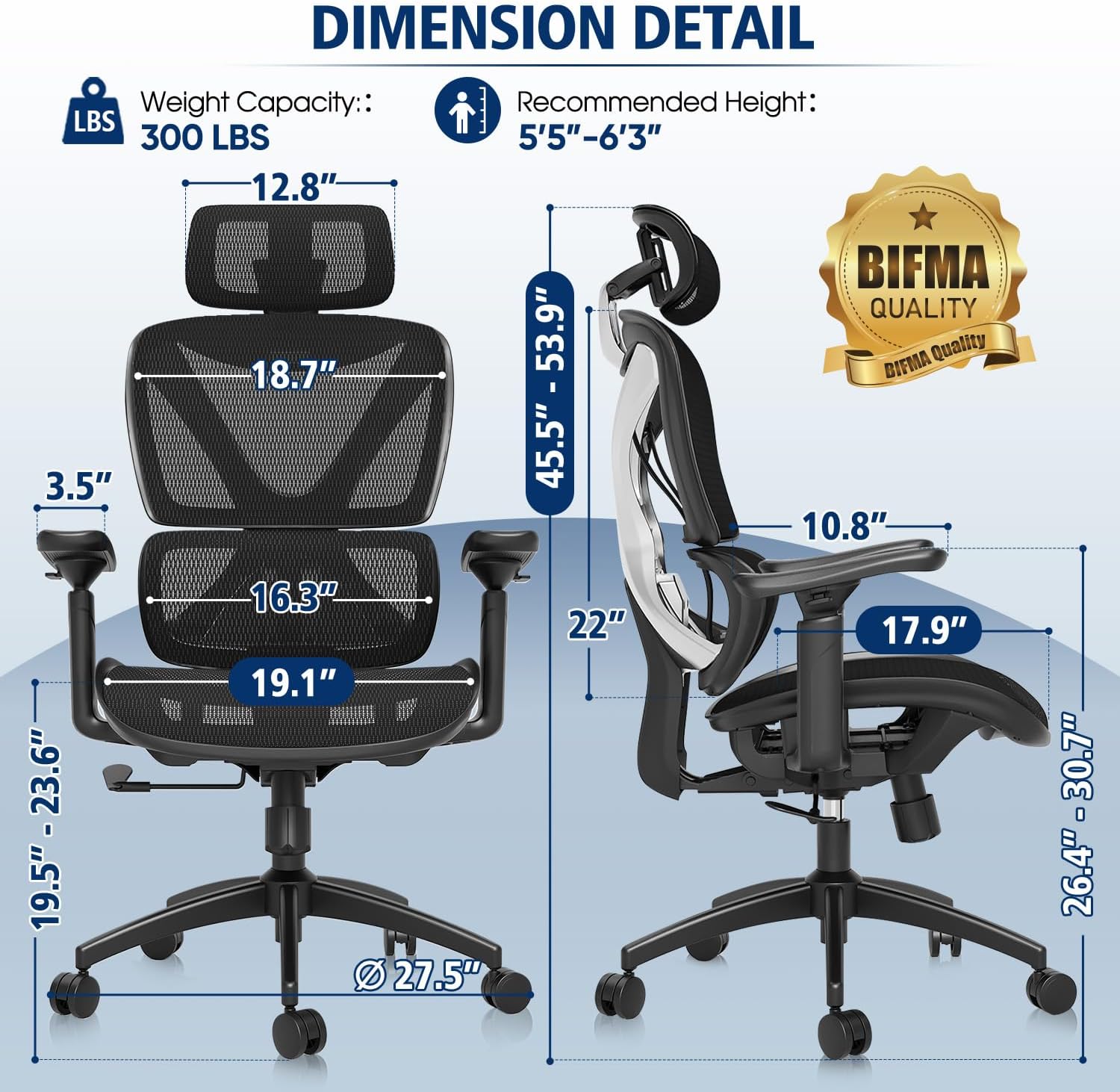
- Ignoring Weight Capacity & Dimensions: People often eyeball a chair, assuming “big and tall” is enough. Always check the actual 350LBS rating and compare it to your own needs. Also, look at seat depth, width, and backrest height. A chair designed for a 6’5″ person might not fit a 5’10” individual who simply needs a higher weight rating. This is crucial for real ergonomic benefit.
- Focusing Solely on Price (or Discount): A cheap ergonomic office chair might look similar to a premium one online, but the underlying components are usually vastly different. A too-good-to-be-true deal often means flimsy plastic, weak gas lifts, and foam that compresses in weeks. Remember, a chair is an investment in your health and productivity.
- Underestimating the Value of Adjustability: Many buyers don’t realize how much difference proper lumbar support, 3D armrests, and an adjustable headrest make until they’re missing. Don’t settle for fixed components if you spend serious time in the chair. You’ll regret it later when you can’t get comfortable.
- Not “Test Driving” (Even Virtually): While you can’t always physically sit in every chair, you can read detailed descriptions, watch videos, and compare features meticulously. Imagine yourself in the chair for your typical day. Are those armrests going to hit your desk? Will that headrest actually support your neck? A little mental walk-through goes a long way.
Why/How/What for Your Office Chair
Why Invest in a Feature-Rich Big and Tall Chair?
Because your body isn’t an afterthought. For anyone spending significant time seated, particularly those who benefit from a higher 350LBS durability rating, the specific adjustments and robust build of a chair like this directly impact your long-term comfort and health. It’s about preventing chronic pain, maintaining focus, and truly supporting your posture through hours of work or intensive gaming. A well-designed ergonomic chair is an unsung hero of daily life.
How Do 3D Armrests Really Help?
Think about how often you shift your posture, type, or use a mouse. 3D armrests — adjusting up, down, forward, back, and pivoting — allow you to precisely align your forearms with your desk surface. This offloads the weight from your shoulders and neck, preventing tension buildup. Without this adjustability, you’re constantly shrugging your shoulders or leaning in awkwardly, which is a recipe for strain. They’re not just a fancy extra.
What Does “Ergonomic” Truly Mean for a Mesh Chair?
For a mesh chair, “ergonomic” means the design supports the natural S-curve of your spine, encourages proper circulation, and reduces pressure points. The mesh itself, when properly tensioned, provides flexible support that adapts to your body, offering breathability and reducing heat buildup. Combine that with targeted lumbar support, an adjustable headrest, and a soft seat, and you get a chair that helps your body maintain a healthy, sustainable posture throughout your day. It’s about fitting the chair to the human, not the other way around.
FAQ
What’s the advantage of a mesh chair over a fabric or leather one?
Mesh chairs, especially those with a mesh back, are fantastic for airflow. This means less sweating and a cooler experience during long sitting sessions. They also often conform to your back’s shape quite well, offering flexible support.
Is the 350LBS weight capacity truly necessary if I’m under that weight?
It speaks to the overall durable computer chair build quality. Even if you’re below 350LBS, a higher capacity often means sturdier components, a more stable base, and a longer lifespan, making it a more robust investment for anyone.
My current chair’s armrests don’t move. Why are “3D armrests” a big deal?
3D armrests offer crucial adjustments—height, pivot, and depth—allowing you to properly support your forearms and shoulders. This alignment helps prevent neck and shoulder strain, a common issue with fixed armrests that don’t match your desk height.
How important is the adjustable headrest for an ergonomic office chair?
For anyone who leans back, stretches, or takes calls, an adjustable headrest provides essential neck and head support. It lets you relax your upper body without straining your neck, adapting to different reclining angles and user heights.
What should I look for to ensure the “soft seat” remains comfortable long-term?
A truly comfortable soft seat uses high-density, molded foam that resists compression over time. Don’t just look for thickness; density is key. If it feels too soft initially and you can easily bottom out the cushion, it likely won’t last.
My office chair currently creaks and wobbles. Is that normal?
Nope, not for a quality durable computer chair. Creaking and wobbling typically indicate loose components, cheap materials, or a failing gas lift. A robust, well-built chair, especially one rated for 350LBS, should feel solid and stable.
What does “215° Rotation” mean in practical terms for daily use?
Assuming this refers to the chair’s swivel range, a 215° rotation offers considerable flexibility. It means you can effortlessly turn to access different parts of your workspace without constantly rolling your chair or twisting your body, promoting dynamic movement.
Final Recommendation
For most serious users, especially those who spend long hours working or gaming, and particularly those who benefit from the robust 350LBS durability, a Feature-Rich Big & Tall Mesh Chair is where you should focus your attention. This tier offers the critical ergonomic adjustments—like true lumbar support, versatile 3D armrests, and a properly adjustable headrest—that make a genuine difference in daily comfort and long-term health. The combination of a breathable mesh chair back and a soft seat cushions your body while preventing overheating.
While a basic task chair might save you a few bucks upfront, the constant discomfort and potential for needing a replacement within a year or two just aren’t worth it. And going full-throttle for the absolute premium task specialist chair often means paying for features that, while impressive, might be overkill for your specific workflow. The sweet spot, the one that truly balances cost with crucial ergonomic benefits and rock-solid durability for a range of users, sits squarely in that mid-to-high-range option. Invest wisely, and your back will thank you.
#Ergonomic #Office #Chair #Big #Tall #Mesh #Chair #Lumbar #Support #armrest #Rotation #Adjustable #Headrest #Soft #Seat #Durable #Computer #Chair #350LBS #Work #Gaming