Navigating the Ergonomic Chair Market: Is the YFO Home Office Desk Chair Right for Your Setup?
Buying an ergonomic chair isn’t just about finding a place to perch. It’s an investment in your well-being, your productivity, and frankly, your back over the long haul. This guide cuts through the marketing fluff to help you understand what truly matters in an ergonomic computer chair, zeroing in on models like the YFO Home Office Desk Chair and where they fit into the bigger picture. We’re here to arm you with the smarts to pick a seat that works as hard as you do, without breaking the bank or your spine.
Quick Answer
The YFO Home Office Desk Chair Office Rubber Casters Ergonomic Computer Chair with Lumbar Support Adjustable Height Rolling Swivel Executive Task Armrests Chair, Brown Leather presents a compelling mid-range option for those seeking a balance of classic aesthetics and core ergonomic features for daily use. While it delivers essential adjustments like lumbar support and adjustable height necessary for comfortable prolonged sitting, it sits in a competitive field, making a “worth it” assessment depend heavily on your specific needs for customization and the intensity of your work sessions compared to premium alternatives.
What to Look For (The Buying Criteria)
Alright, so you’re staring at a dozen different ergonomic chairs, all claiming to be the answer to your prayers. How do you sort the genuine contenders from the pretenders? It’s not just about looks. Not even close.
First off, think about adjustability. This isn’t a “nice-to-have”; it’s foundational. A truly ergonomic chair, like many modern task chairs, allows you to tweak more than just seat height. You want seat depth adjustment, a tilt mechanism with tension control, and crucially, good lumbar support that you can position precisely where your lower back needs it. The YFO chair, for instance, ticks some of these boxes with its adjustable height and lumbar support, but scrutinize the breadth of those adjustments. Can you really dial it in for your body, or is it more of a one-size-fits-most scenario? That’s a common trade-off with mid-tier options.
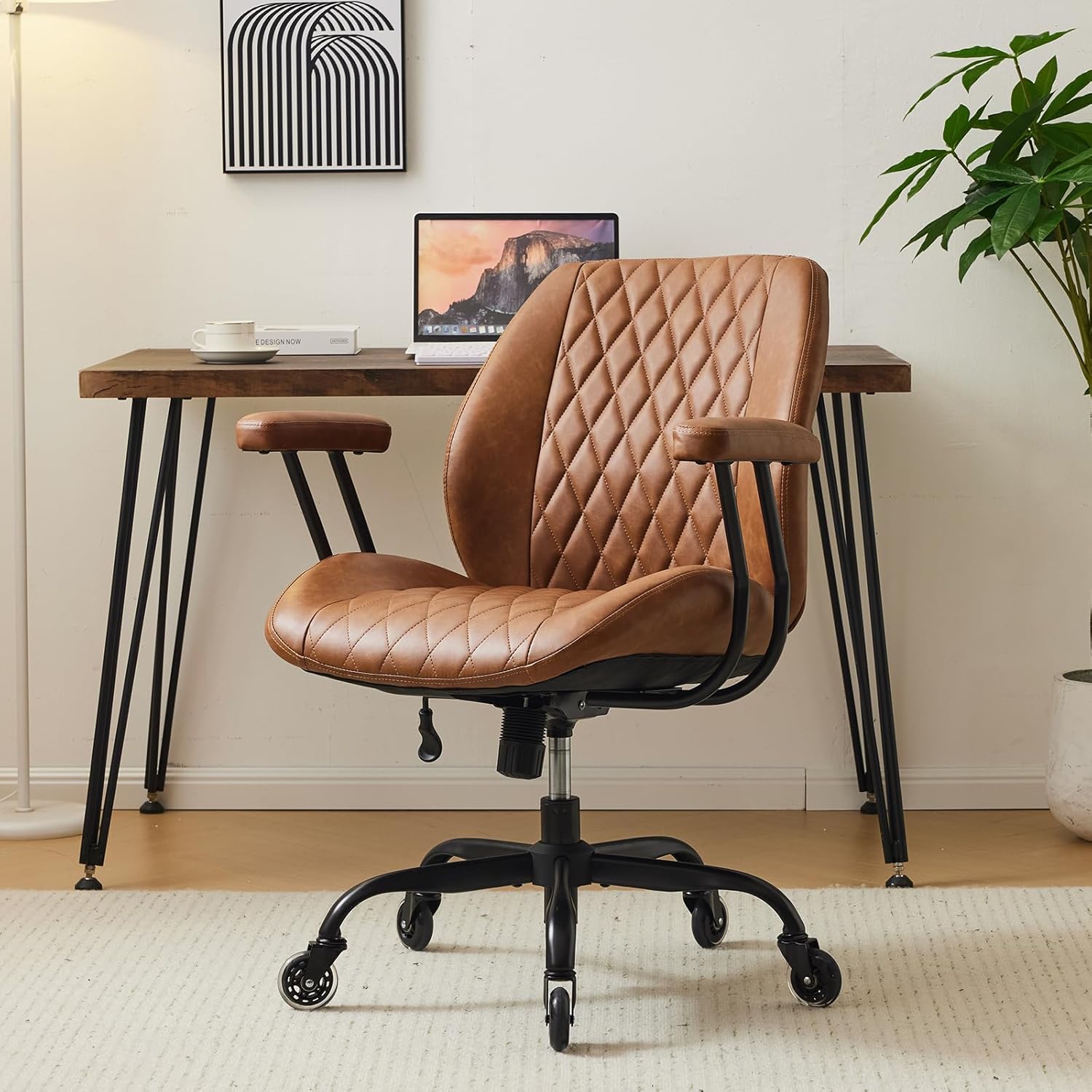
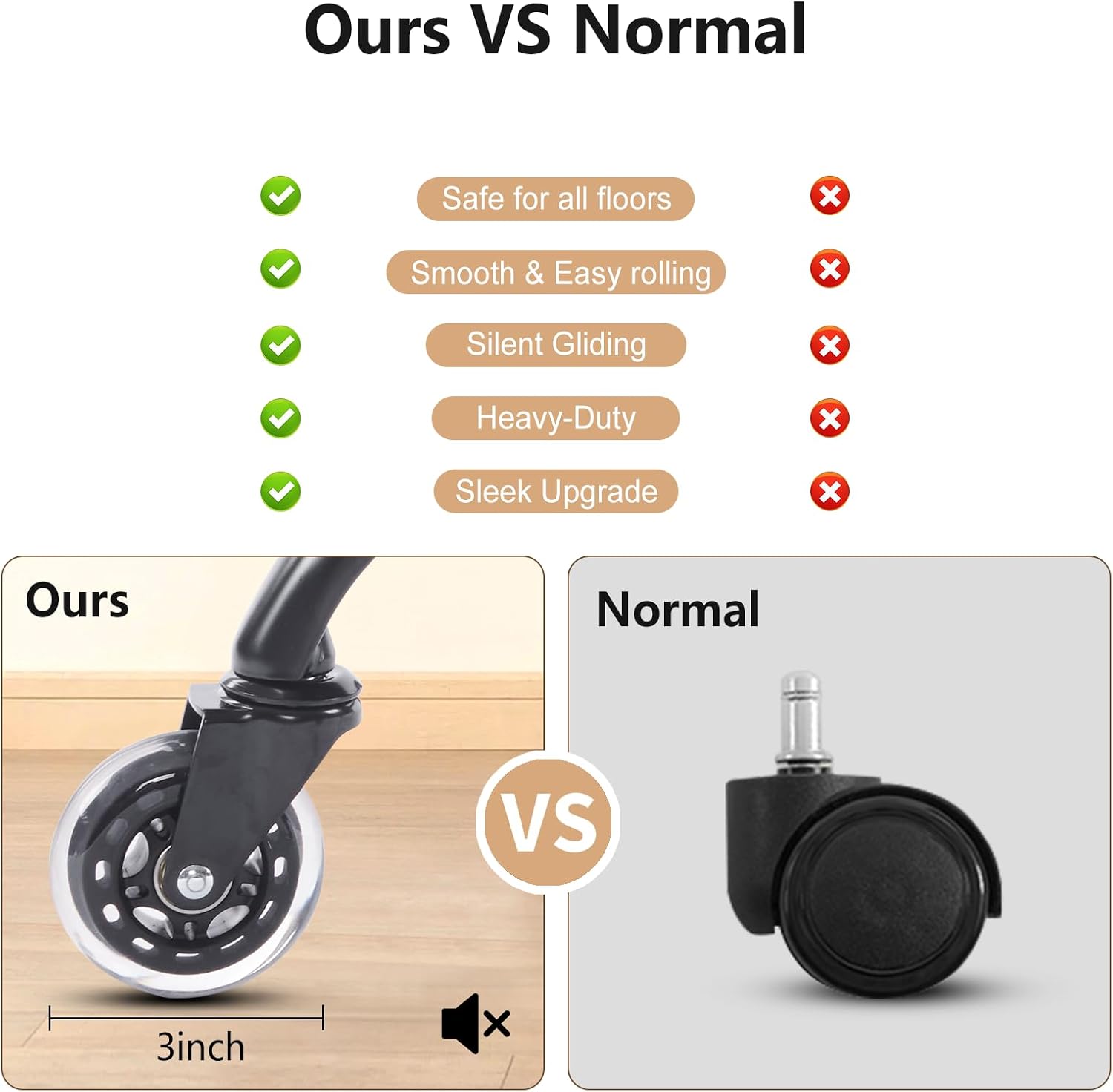
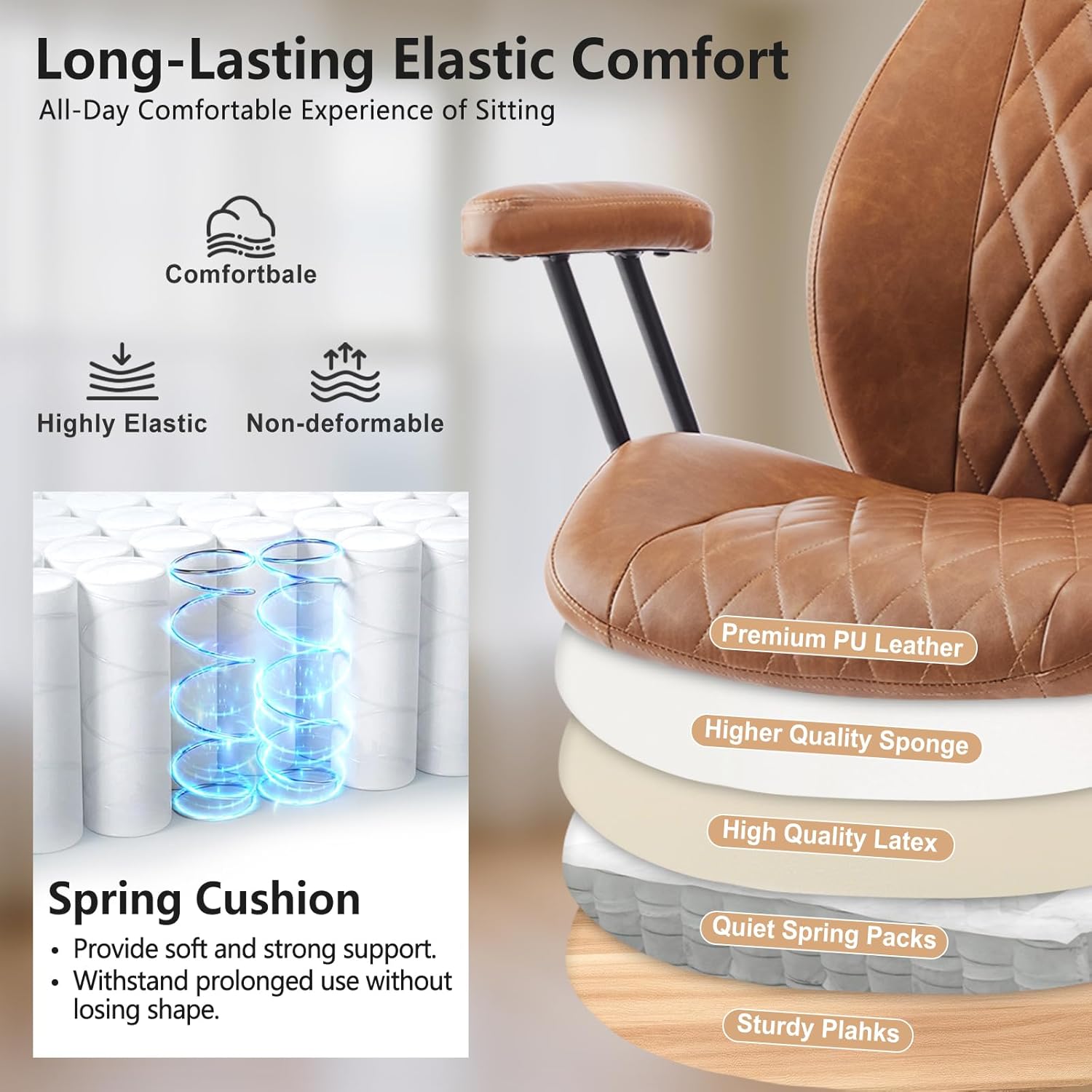
Next up, consider the materials and build quality. This impacts not just comfort but durability. Are we talking flimsy plastic or solid steel? Upholstery matters, too. That brown leather on the YFO Home Office Desk Chair? It looks sharp, offering an executive chair aesthetic, but leather can trap heat if you’re prone to sweating or work in a warm environment. Mesh backs, common in higher-end models like some Herman Miller Aeron iterations, breathe better. Durability also extends to the casters; the YFO boasts rubber casters, which are a smart choice if you’re protecting hardwood floors – a real practical win often overlooked.
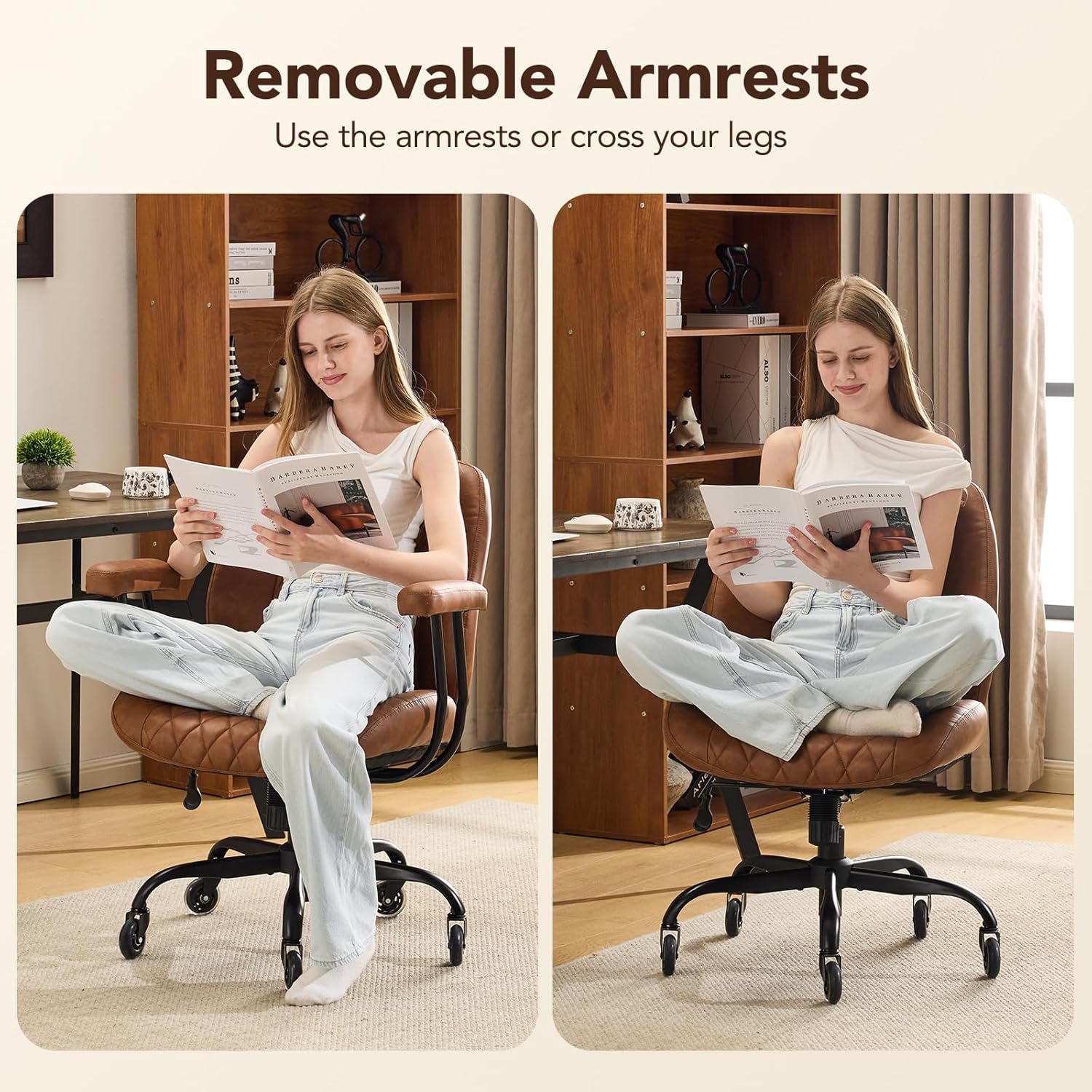
Support zones are another big one. It’s not just “lumbar support,” but where that support hits and how it adapts. Your spine has a natural S-curve, and a good ergonomic chair helps maintain it. This often means integrated, dynamic support rather than just a fixed bump. Some chairs even offer adjustable armrests that move up, down, forward, and pivot. The YFO chair mentions armrests; checking if they’re merely fixed or offer useful adjustments can make a difference in shoulder comfort. A lack of truly adjustable armrests can make maintaining good posture difficult, especially during long typing sessions.
Then there’s the base and stability. A five-star base is standard, but the quality of the materials (nylon vs. polished aluminum) affects both weight capacity and longevity. A wobbly chair is a distraction, plain and simple. You shouldn’t feel like you’re about to tip over just by leaning back. The YFO chair, as a rolling swivel executive task armrests chair, implies a robust base for swiveling and movement. But do you really need heavy-duty casters if your chair barely moves from its spot? Maybe not. That’s a feature you pay for.
Finally, think about your usage intensity and duration. Are you at your desk for an hour a day checking emails, or are you clocking eight, ten, twelve hours grinding away? For brief stints, almost any chair will do. For serious working from home or intense office work, the demands on your chair escalate dramatically. A budget office chair might feel fine for a little while, but prolonged sitting exposes its shortcomings – often leading to aches and pains. This is where the true value of an ergonomic chair shines through; it’s designed to minimize fatigue over the long haul. And honestly, I’ve seen people spend way too much on features they never use when a solid mid-range like the YFO would have done just fine for their actual usage.
How to Match the Product to Your Situation
Finding the right ergonomic chair isn’t a universal quest; it’s personal. Your chair needs to fit you and your unique setup. Let’s think about a few common types of users.
The Casual Home Office Warrior: You’re not glued to your desk from 9 to 5, but you do spend a few solid hours a day on your computer chair, tackling bills, catching up on emails, or diving into some creative projects. You appreciate comfort and a bit of style, but you don’t need the extreme customization of a dedicated all-day, every-day desk jockey. For you, something like the YFO Home Office Desk Chair hits a sweet spot. Its brown leather look offers a touch of sophistication, far more inviting than some purely utilitarian task chairs. The adjustable height and lumbar support provide enough foundational ergonomics to prevent aches from those intermittent work sessions. Plus, those rubber casters are a blessing for protecting floors in a home environment.
The All-Day Remote Worker: This is your command center. You’re logging serious hours, maybe eight or more a day, focused on deep work. Your body needs constant, adaptable support. You’re likely dealing with prolonged sitting and need something that can truly adapt to dynamic posture changes. While the YFO chair offers a good starting point, its limitations in micro-adjustments for things like seat tilt or armrest pivot might become apparent over such extended periods. You might find yourself wanting more nuanced control, something akin to a Herman Miller Aeron or Steelcase Gesture, which are built for this level of intensity, allowing minute adjustments to maintain optimal posture and comfort throughout the day. It’s about reducing fatigue, not just avoiding pain.
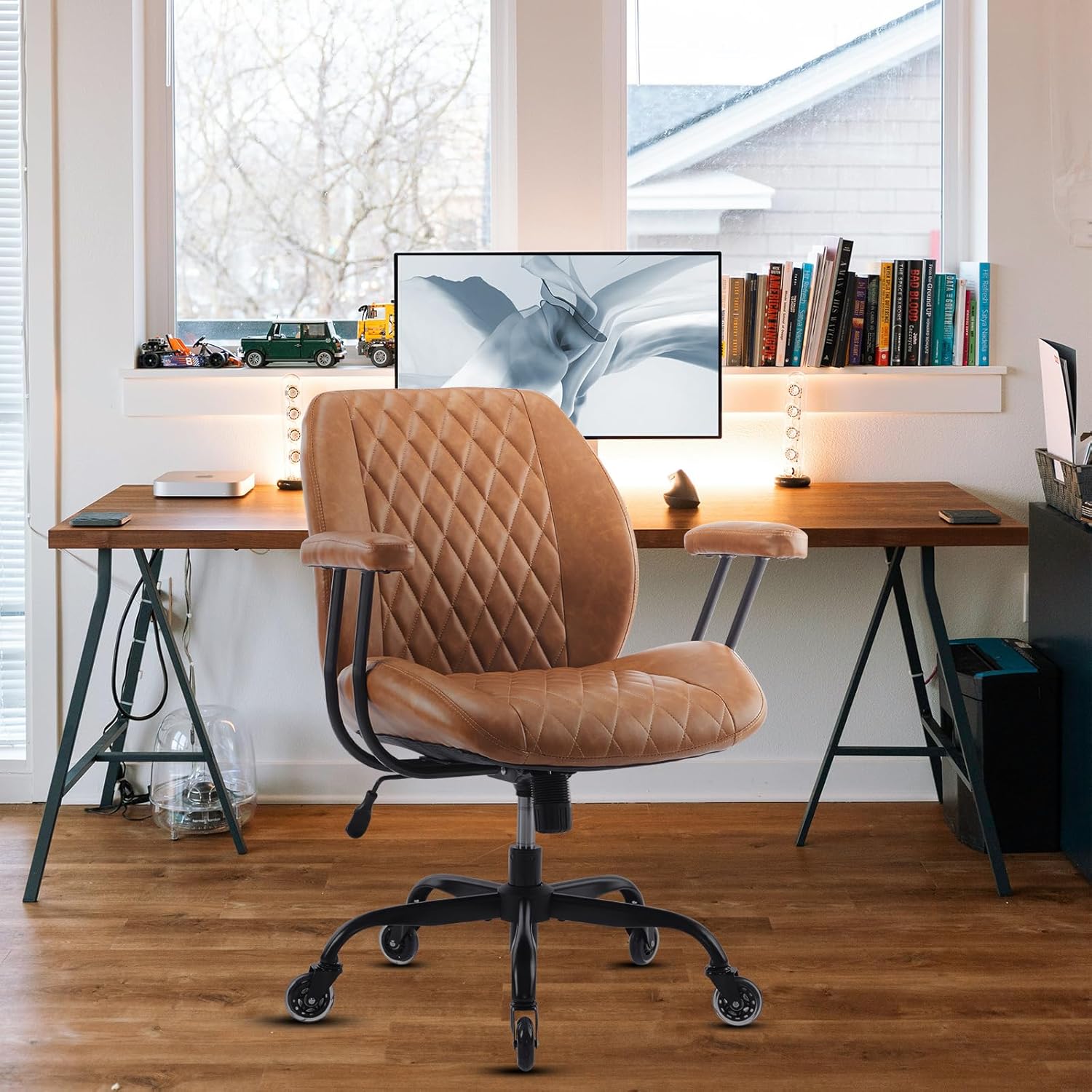
The Style-Conscious Executive: For this user, the chair isn’t just a tool; it’s a statement. It needs to complement a well-appointed office and project an air of professionalism. While functionality is important, aesthetics carry significant weight. The YFO Home Office Desk Chair with its brown leather and executive-style armrests fits this bill quite well for a mid-tier option. It offers that classic, robust appearance without the clinical, high-tech look of some purely ergonomic chairs. You’re probably looking for a chair that feels substantial, supports you well, and doesn’t clash with your décor. The key here is balancing that visual appeal with enough ergonomic features to keep you comfortable during important calls and focused work.
Ergonomic Chair Comparison: Finding Your Fit
| Type/Tier | Best For | Price Tier | Key Feature | Watch-Out |
|---|---|---|---|---|
| Budget Office Chair | Light, occasional use; temporary setups. | Budget-friendly | Basic height adjustment, simple swivel. | Lacks sustained support, minimal adjustability for true ergonomics, short lifespan. |
| Mid-Range Executive/Task Chair | Daily home office use; blends style with function. | Mid-range | Good aesthetic (like brown leather), adjustable height, some lumbar support. | Limited fine-tuning for highly specific ergonomic needs, may lack advanced material breathability. |
| Premium Ergonomic Chair | All-day professional work; specific health needs. | Premium | Extensive, dynamic adjustments; advanced materials for breathability and support. | High initial cost; may look overly “techy” in a traditional space, learning curve for adjustments. |
| Specialized Gaming Chair | Gamers; specific aesthetic and aggressive lumbar/head support. | Mid-range to Premium | Reclining features, race-car styling, integrated headrests. | Often prioritizes aggressive looks over true, long-term ergonomic principles; can be restrictive for non-gaming tasks. |
A budget office chair might get you by for an hour or two, but don’t expect it to stave off back pain if you’re stuck in it for hours on end. These are typically basic.
Mid-range executive/task chairs, like the YFO Home Office Desk Chair, hit a sweet spot for many, offering a noticeable step up in comfort and features without the sticker shock of top-tier models. You get a solid foundation of ergonomic support, often with a more appealing design.
Premium ergonomic chairs are designed for intense, prolonged sitting, offering unparalleled adjustability and high-quality, durable materials that can truly transform your posture and productivity. They’re an investment, for sure, but one that pays dividends in comfort and health.
Specialized gaming chairs, with their aggressive bolstering, look cool to some, but often don’t provide the kind of nuanced support a good ergonomic chair delivers for actual work. Don’t confuse aggressive styling for genuine ergonomic design; they’re often different beasts entirely.
Scenario-Specific Comfort: When Does It Really Matter?
So, you’ve got this YFO Home Office Desk Chair on your radar, maybe others. But how does its functionality truly stack up when you’re actually using it in different situations? It’s about more than just checking off features.
The Quick Dash to the Desk: Sometimes you’re just popping over to sign a document, make a quick call, or check something fast. For these brief interactions, the chair needs to be easy to get in and out of, with smooth rolling swivel capabilities. The rubber casters on the YFO chair mean you won’t be fighting sticky wheels or damaging your floor, which is a surprisingly big deal for everyday convenience. You just want it to work, without fuss.
The Focused Deep Work Session (2-4 hours): This is where even a mid-range ergonomic chair starts to earn its keep. You’re settling in, probably for a report, a coding session, or some serious writing. The adjustable height is critical here, allowing you to match your chair to your desk height for proper arm and wrist alignment. The lumbar support helps prevent slouching as fatigue sets in. While the YFO chair offers this, pay attention to how consistent that lumbar support feels. Does it hold up? Does it continue to provide adequate back support, or do you find yourself shifting uncomfortably after a couple of hours? This is often the point where the differences between a good mid-range and a truly premium chair become obvious.
The Marathon Remote Workday (4+ hours): This is the ultimate test. Here, comfort isn’t just about preventing immediate pain; it’s about minimizing long-term strain and maintaining productivity. A chair like the YFO Home Office Desk Chair will offer significant improvements over a basic kitchen chair, no doubt. The brown leather adds some cushioning, and the core adjustments help. However, after several hours, you might start wishing for more dynamic seat tilt, or more finely adjustable armrests that truly support your elbows and shoulders precisely. Chairs in this category often start revealing where they cut corners compared to more advanced task chairs designed for continuous heavy use. You need a chair that moves with you, supporting shifts in posture, not just holding you in one position.
Common Mistakes Buyers Make
- Prioritizing Style Over Substance: It’s easy to fall for a sleek design or a cool color. The brown leather on the YFO Home Office Desk Chair is undeniably appealing, giving it that executive task chair feel. But looks won’t save your back. Many people get a chair that looks expensive but lacks the fundamental adjustments for true ergonomics. Always check the underpinnings: can it genuinely support your unique body dimensions?
- Assuming “Ergonomic” Means “Perfect Fit”: Just because a chair is labeled “ergonomic chair” doesn’t mean it’s automatically right for you. Ergonomics is about fitting the workspace to the user. A chair needs to be adjustable enough to match your specific height, weight, and limb lengths. A chair that’s too tall, too shallow, or has fixed armrests that don’t align with your desk can do more harm than good, even if it’s technically “ergonomic.”
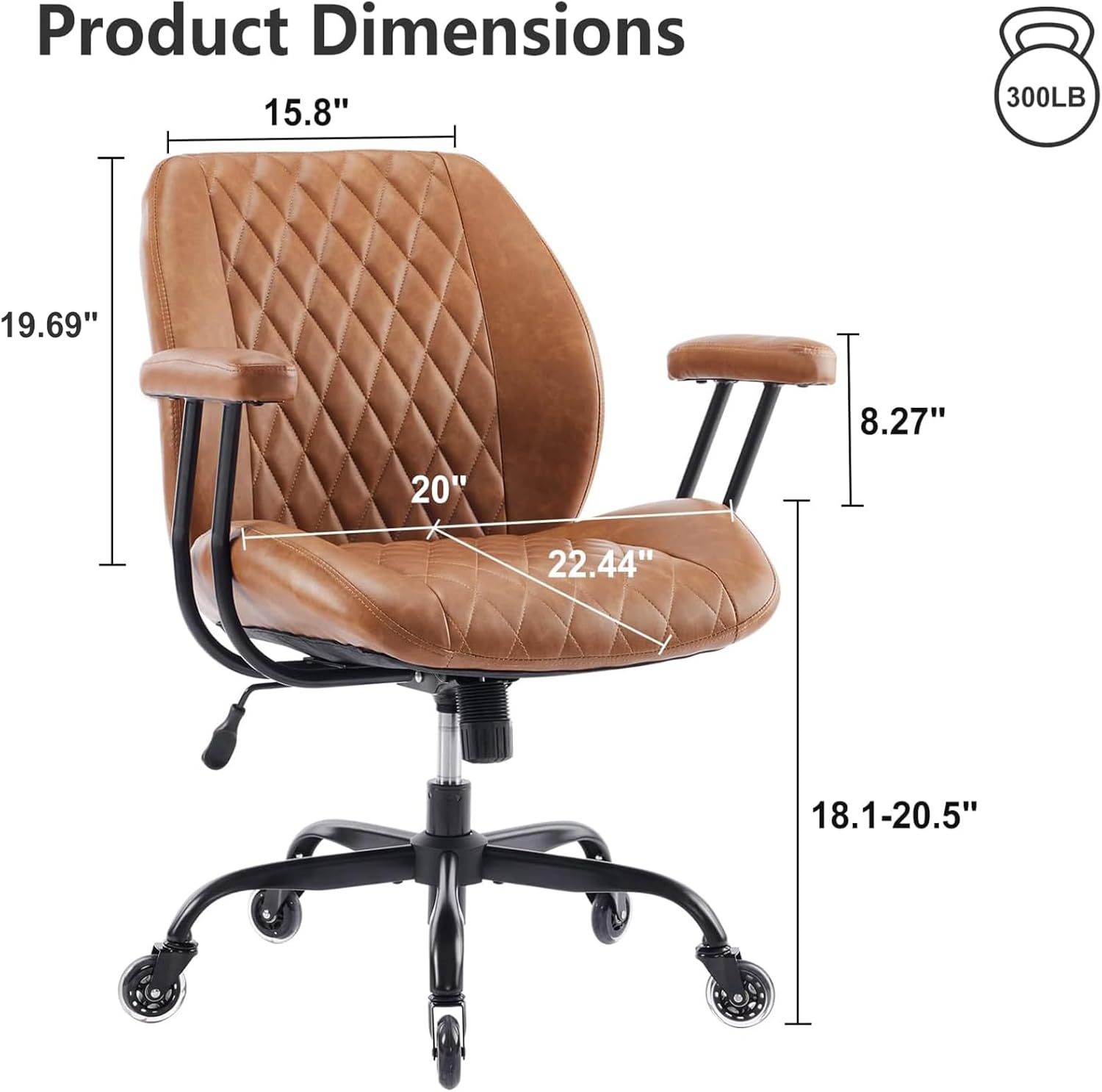
- Ignoring Weight Capacity and User Size: Manufacturers provide these specs for a reason. Buying a chair that’s too small or can’t handle your weight safely is a recipe for discomfort and premature wear. Conversely, a chair designed for a much larger person might not offer adequate support for someone petite. The YFO chair, like any other, has a design intent for a certain user profile.
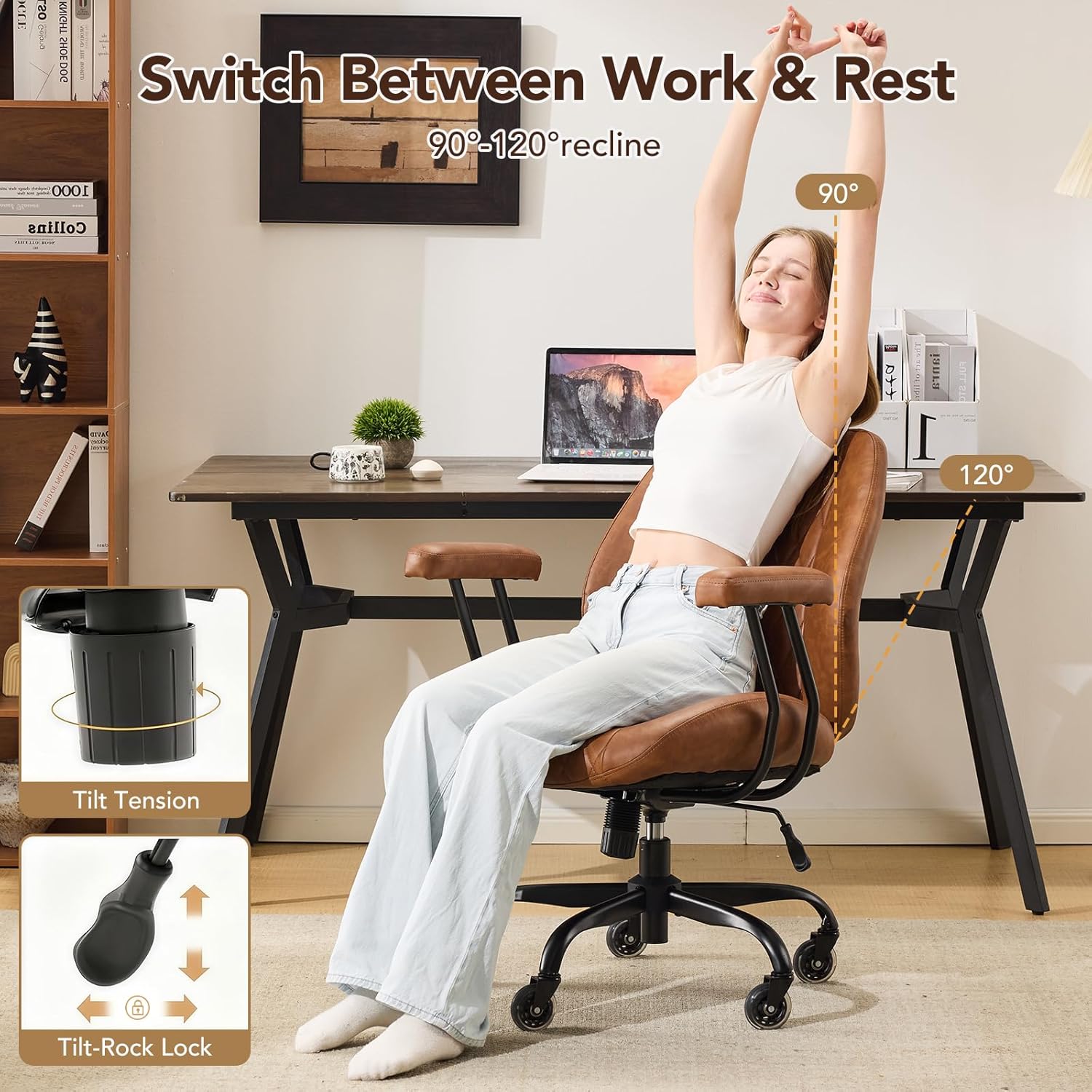
- Skipping the Setup Instructions: This one’s simple, but pervasive. An adjustable height and lumbar support chair only works optimally if you actually adjust it. People often unbox a chair, sit in it, and maybe raise or lower it once. But truly understanding how to leverage all the tilt tension, seat depth, and armrest settings is critical to maximizing its benefits and achieving proper posture. A chair is only as good as its user’s understanding of its capabilities.
Why/How/What Mini-Section
Why are ergonomic chairs often a significant investment?
Good ergonomic chairs are complex pieces of engineering, designed to support the human body’s intricate structure over long periods. They use specialized materials, precision mechanisms for a wide range of adjustments, and rigorous testing to ensure durability and effectiveness. All this research, development, and quality control contributes to a higher cost, but it also delivers tangible benefits for your health and productivity. It’s not just a fancy seat; it’s a tool for wellness.
How do I properly adjust the lumbar support on my ergonomic chair?
For chairs like the YFO Home Office Desk Chair with integrated lumbar support, you typically want the most prominent part of the lumbar curve to align with the natural inward curve of your lower back, just above your waistline. Start by sitting all the way back in the chair. Then, adjust the lumbar support up or down until it provides gentle, continuous pressure that helps maintain your spine’s natural S-shape without feeling like it’s pushing you forward too aggressively. The goal is support, not a rigid brace.
What’s the real benefit of rubber casters on an office chair?
Rubber casters, such as those on the YFO Home Office Desk Chair, offer a few key advantages. Primarily, they’re much kinder to hard surfaces like wood, laminate, or tile floors, reducing the risk of scratches and scuffs that hard plastic casters can cause. They also tend to roll more smoothly and quietly, improving your mobility around your workspace without jarring interruptions. It’s a small detail, sure, but a significant quality-of-life upgrade for a home office.
FAQ
Q: Is a brown leather ergonomic chair a good choice for hot climates?
A: Brown leather, while looking sharp on chairs like the YFO, can indeed retain heat. If you’re in a warm climate or run hot, you might find it less breathable than mesh-backed chairs, which allow for better airflow. Consider the trade-off between classic aesthetics and cooling comfort.
Q: What’s the difference between a task chair and an executive chair?
A: Generally, a task chair focuses purely on functionality and support for active work, often featuring extensive adjustments and a more utilitarian design. An executive chair, like the YFO Home Office Desk Chair, often emphasizes a more luxurious look and feel, like its brown leather, sometimes with fewer granular adjustments but a more imposing presence.
Q: Can an ergonomic chair really help with back pain?
A: Yes, absolutely. A properly adjusted ergonomic chair can significantly alleviate and even prevent back pain by encouraging correct posture, reducing pressure points, and supporting your spine’s natural curves during prolonged sitting. It’s a tool, though; you still need to use it correctly and take breaks.
Q: Are adjustable armrests truly necessary?
A: They’re highly beneficial, especially for long hours at a computer chair. Adjustable armrests help support your forearms, reducing strain on your shoulders and neck. If your armrests are fixed at an awkward height, you’ll find yourself shrugging or hunching, which defeats the purpose of good ergonomic chair design.
Q: How long should an ergonomic chair last?
A: The lifespan varies wildly based on quality and usage. A well-built ergonomic chair from a reputable manufacturer can easily last 5-10 years, sometimes more. Budget-friendly options might only give you a couple of years before components start to wear out. It’s often a case of getting what you pay for.
Q: What if my desk isn’t height adjustable?
A: If your desk isn’t adjustable height, your ergonomic chair becomes even more critical. You’ll need a chair that can adjust its seat height to allow your feet to be flat on the floor (or use a footrest) while your forearms are level with your desk surface. This ensures proper wrist and shoulder alignment, even with a static desk.
Q: Should I consider a chair with a headrest?
A: A headrest can be a nice-to-have, especially if you like to recline or take short breaks to lean back. For active, upright task work, it’s less critical. Many ergonomic chairs, including many task chairs, skip the headrest without compromising essential support, focusing instead on lower and mid-back ergonomics.
Decision Tree
Here’s a quick way to think about your ergonomic chair choice, especially with models like the YFO on your mind:
- Do you spend 8+ hours daily in your chair?
- YES: Prioritize maximum adjustability, dynamic support, and premium materials (e.g., advanced mesh, high-density foam). Look towards top-tier ergonomic chair brands. The upfront cost is an investment in long-term health and productivity.
- NO (3-7 hours daily): Do you value aesthetics in your home office?
- YES: A mid-range executive task chair with solid core ergonomics, like the YFO Home Office Desk Chair with its brown leather and rubber casters, could be a strong contender. It balances style and substance.
- NO: Focus on pure ergonomic function. A no-frills task chair with good lumbar support and adjustable height might offer better value for your dollar in terms of performance alone, even if it’s less visually striking.
- NO (1-2 hours daily or less): Is budget your absolute top concern?
- YES: A basic, budget office chair might suffice for now, but be aware of its limitations and consider upgrading if your usage increases.
- NO: Even for light use, opting for a mid-range chair with better lumbar support and adjustable height (like the YFO chair) offers vastly improved comfort and prevents potential issues, making your shorter stints more pleasant.
Final Recommendation
For most home office warriors who spend a few hours daily at their desk but aren’t logging marathon sessions, the YFO Home Office Desk Chair Office Rubber Casters Ergonomic Computer Chair with Lumbar Support Adjustable Height Rolling Swivel Executive Task Armrests Chair, Brown Leather offers a compelling middle-ground. It’s a solid choice when you need more than a basic chair but aren’t ready to spring for the true premium segment. The classic brown leather look is appealing, especially if you want your computer chair to blend seamlessly with home décor, and the rubber casters are a practical, floor-friendly touch often overlooked. It delivers the core, non-negotiable features like adjustable height and lumbar support that are essential for preventing aches from typical daily use.
However, if your work demands truly prolonged sitting — talking eight-hour days, every day — you’ll eventually bump up against the limits of a chair like the YFO. For those intense users, exploring higher-end ergonomic chairs with more extensive, nuanced adjustments (think seat pan tilt, deeper armrest customization, dynamic back support) will likely be a more worthwhile investment in the long run. The YFO chair is an upgrade, no doubt, but understand its role as a strong performer in the mid-range. It’s about striking that balance between comfort, aesthetics, and honest-to-goodness value.
Key Takeaways
The YFO chair hits a sweet spot for style-conscious users needing solid mid-range ergonomics. Its brown leather and rubber casters are distinct advantages for home offices. It’s a significant step up from basic office chairs, offering good lumbar support and adjustable height. But for serious, all-day intensive work, you’ll eventually crave the micro-adjustments found in more expensive, fully-featured ergonomic chairs.
#YFO #Home #Office #Desk #Chair #Office #Rubber #Casters #Ergonomic #Computer #Chair #Lumbar #Support #Adjustable #Height #Rolling #Swivel #Executive #Task #Armrests #Chair #Brown #Leather