Uncovering the Truth About Nonstick Baking Sheets: Are Fancy Patterns and Pink Hues Just Hype?
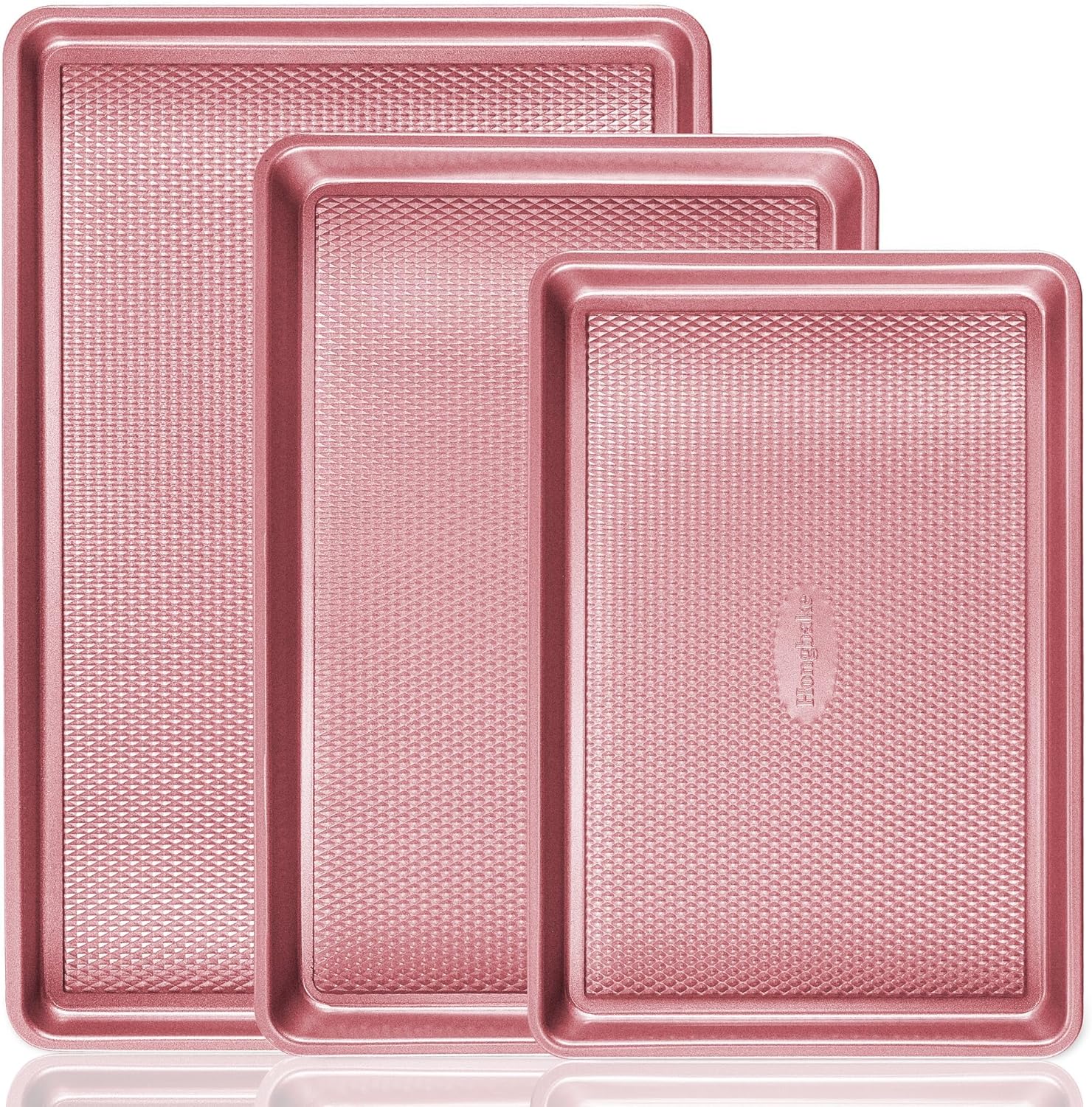
Navigating the world of baking sheet sets can feel like a maze, especially when bombarded with promises of “nonstick,” “heavy-duty,” and “diamond texture patterns,” often in eye-catching colors like pink. This guide cuts through the marketing fluff, offering a no-nonsense look at what truly matters when investing in cookie sheets for oven use. We’re here to figure out if these specific features are genuinely useful or just a distraction, helping you choose the right tools for your kitchen.
Quick Answer
When it comes to baking sheet sets, the real value lies in robust construction and a reliable nonstick surface, not necessarily a specific color or decorative pattern. Heavy-duty half-sheet and quarter-sheet pans with a durable coating will prevent warping and ensure even cooking over time, proving far more useful than any fleeting aesthetic trend. Focus on material and coating longevity.
What to Look For (The Buying Criteria)
Picking out a new baking sheet set, especially one marketed with specific patterns and colors, demands a bit more thought than just grabbing the first pretty thing you see. After all, these aren’t just decorative items; they’re workhorses. You want something that performs consistently and lasts. Here are the core factors I’d consider.
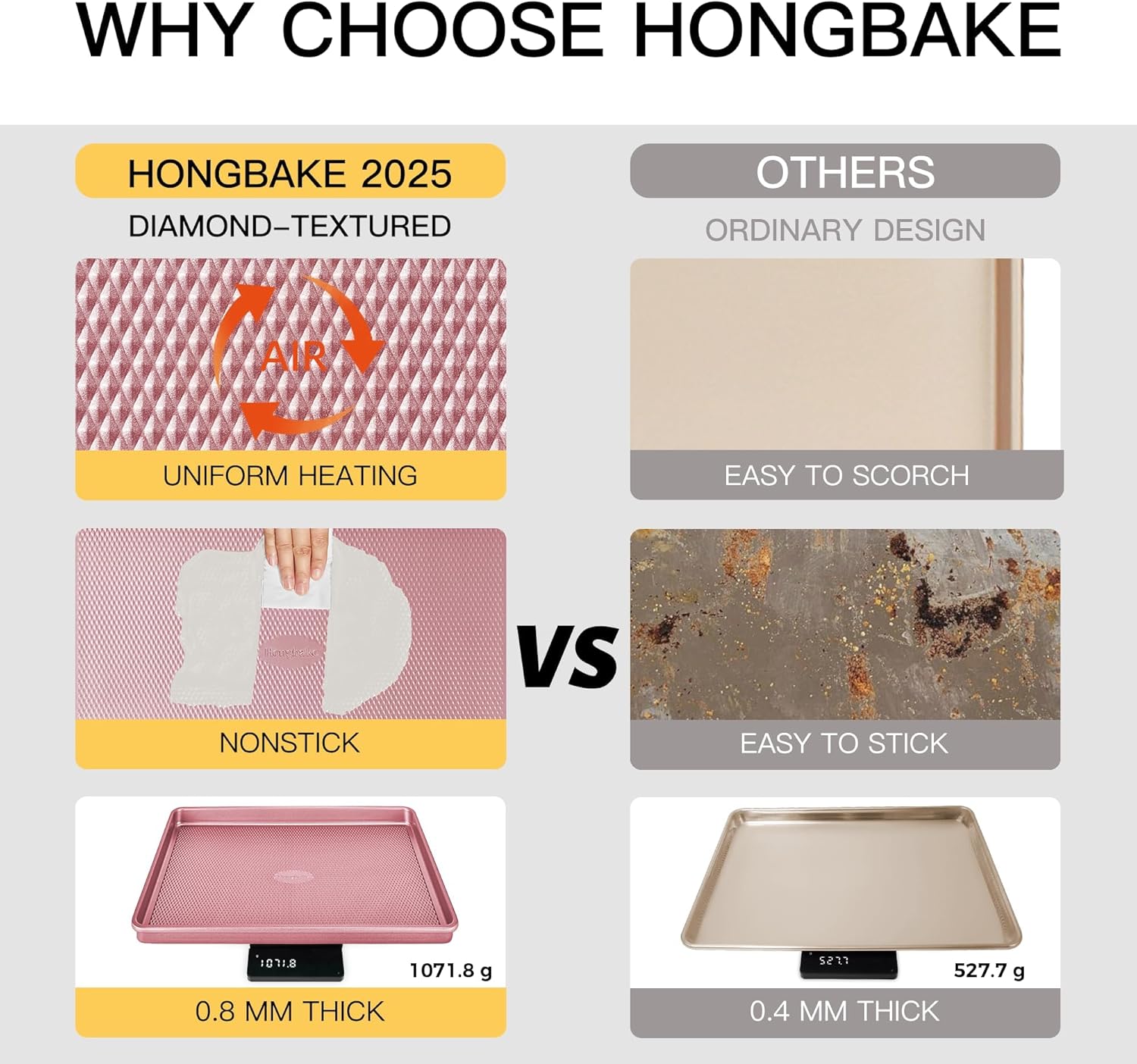
First off, Material and Gauge. Most good cookie sheets for oven use are made from aluminum or, less commonly, stainless steel. Aluminum, particularly anodized aluminum, conducts heat beautifully and is generally lighter. But here’s the kicker: not all aluminum is created equal. A “heavy-duty” claim isn’t just marketing talk; it refers to the metal’s thickness, or gauge. Thicker sheets, usually 16- or even 12-gauge, resist warping better under high heat. Thin sheets? They pop and buckle with an alarming bang in a hot oven, inevitably leading to unevenly cooked food. It’s an annoyance, truly. You pay a bit more for the thicker stuff, sure, but you get consistency and durability. Stainless steel is even more robust and won’t react with acidic foods, but it’s a poorer heat conductor and often sticks more without a good coating. It’s a trade-off.
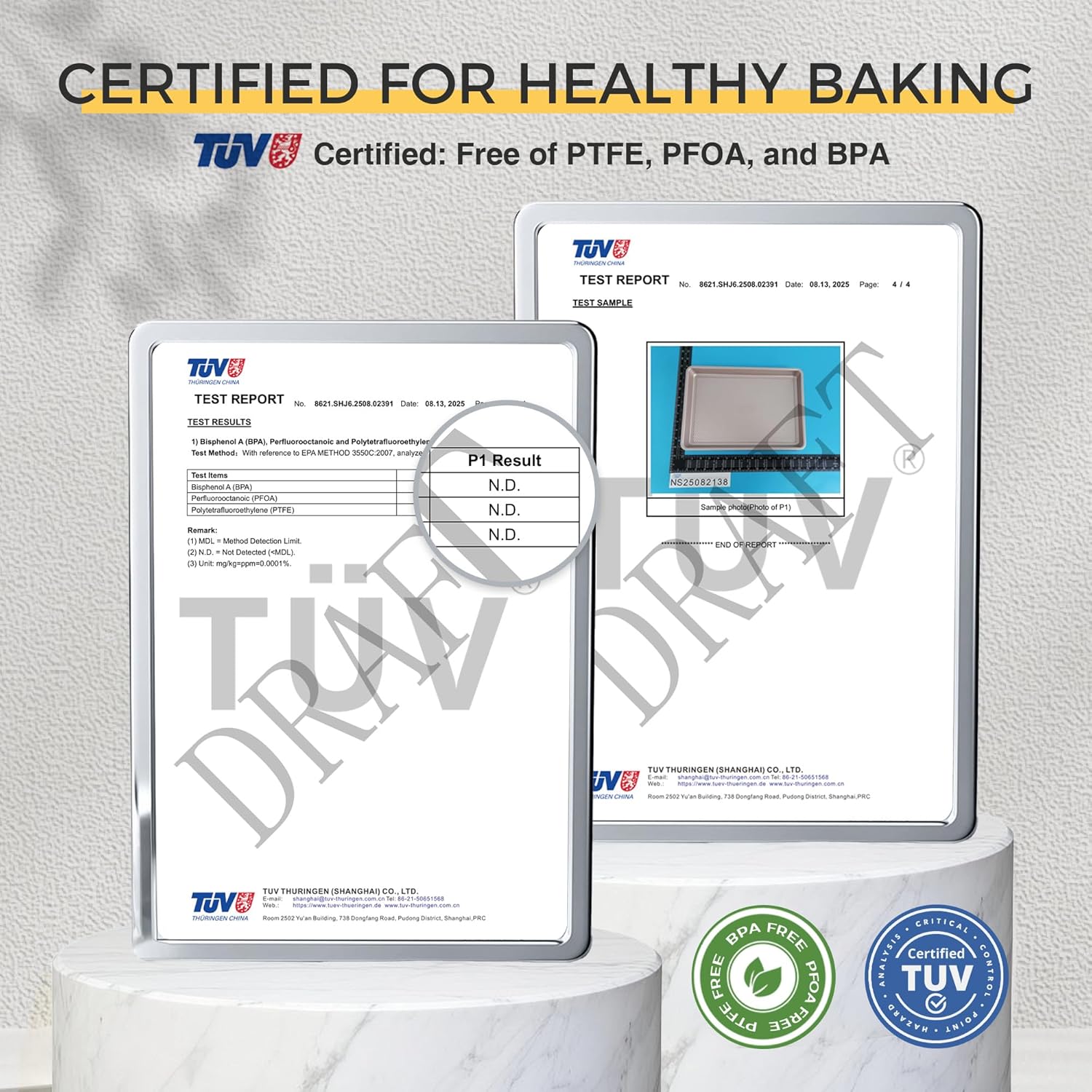
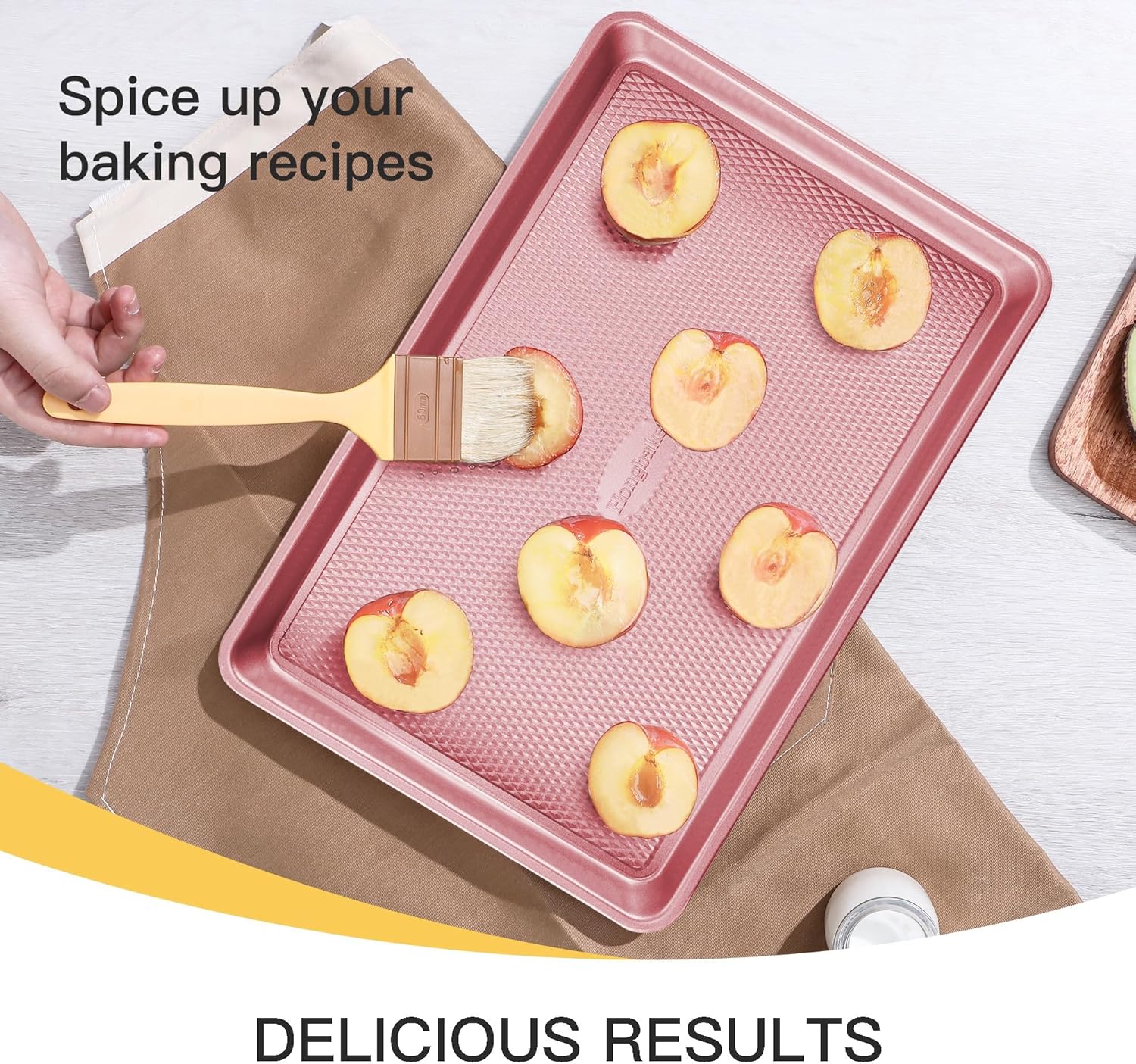
Next, Nonstick Coating Quality and Durability. This is where things get tricky, and often, misleading. That “nonstick half/quarter/jelly roll pans with diamond texture pattern” bit? The nonstick part is crucial for easy food release and cleanup. But coatings vary wildly. Some cheap coatings flake off after just a few uses, leaving you with a sticky mess and potential health concerns. Others, like reinforced ceramic or silicone-based nonstick, are tougher. The diamond texture pattern can theoretically improve air circulation and prevent sticking by reducing surface contact, which is neat. However, if the coating itself is flimsy, that texture won’t save you. Look for multi-layer coatings or those specifically branded for their durability. Cleaning implements can also quickly damage less robust coatings. Don’t underestimate this.
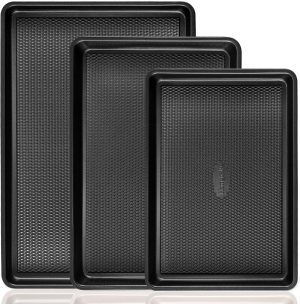
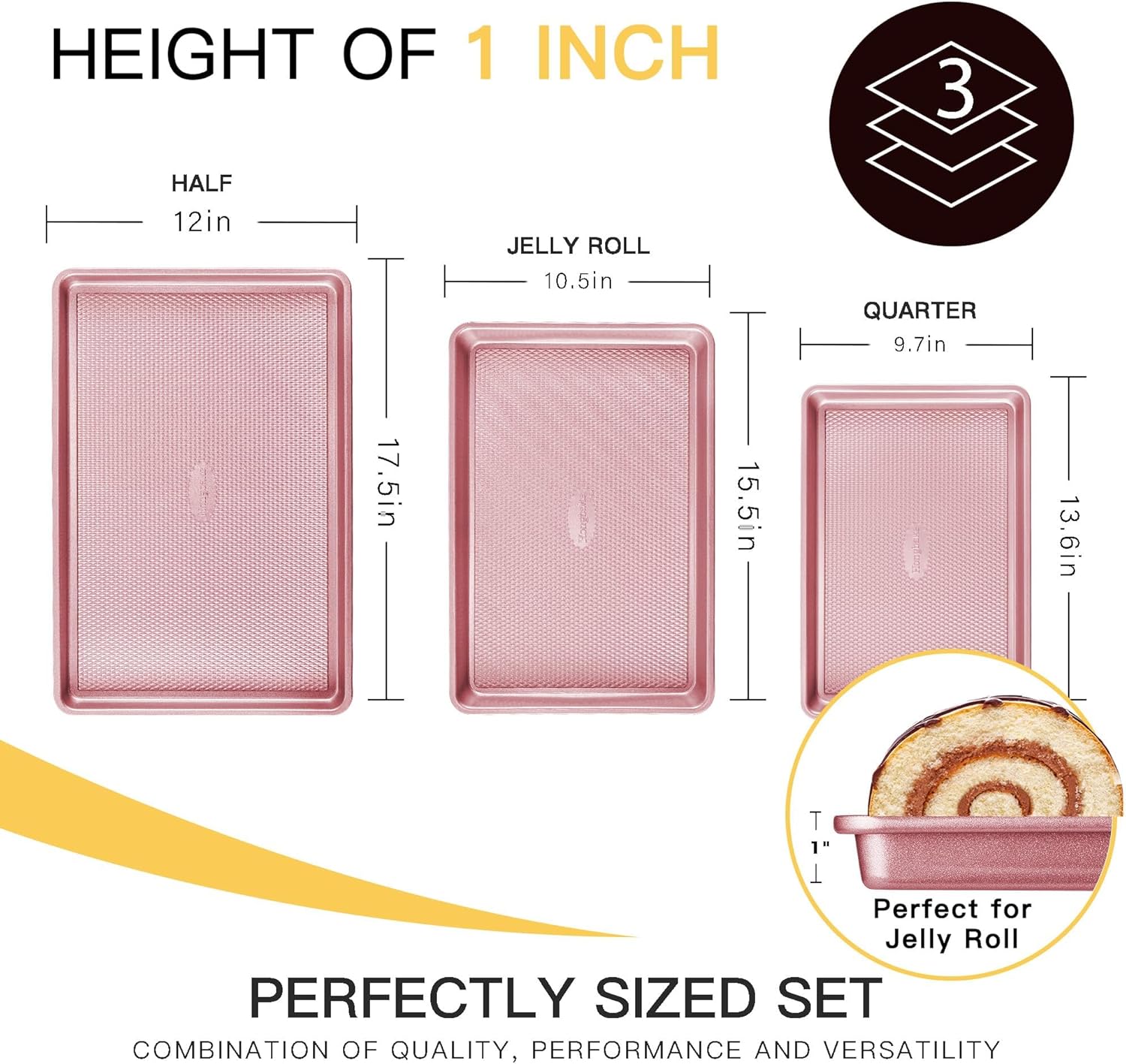
Then there’s Size and Set Configuration. A “Baking Sheet Pan Set” often implies a few different sizes, and that’s smart. A half sheet pan (roughly 18×13 inches) is your everyday hero, perfect for roasting vegetables, a batch of cookies, or a small sheet cake. Quarter sheet pans (around 9×13 inches) are surprisingly versatile for smaller tasks, like toasting nuts, cooking for one, or even as a tray for ingredients. Jelly roll pans are typically a bit shallower than half sheets, designed for cakes and bars. Think about what you bake most often. Buying a set with sizes you’ll actually use makes sense. Getting a giant pan you’ll never fit in your oven, or tiny ones that are always too small, well, that’s just wasted space.
Even Heating Performance is paramount. What good is a pan if one side of your cookies burns while the other stays pale? This goes back to material and gauge, but also color. Darker pans absorb more heat, often leading to faster browning, sometimes too fast. Lighter pans reflect more heat, offering a more gradual cook. That “Pink” color mentioned in the description? It’s likely a coating over aluminum. If it’s a very dark pink, expect faster browning. If it’s a lighter, pastel pink, it might behave more like a traditional light-colored sheet. It’s not just about aesthetics. The metal underneath, and how evenly it conducts heat, will always be the dominant factor.
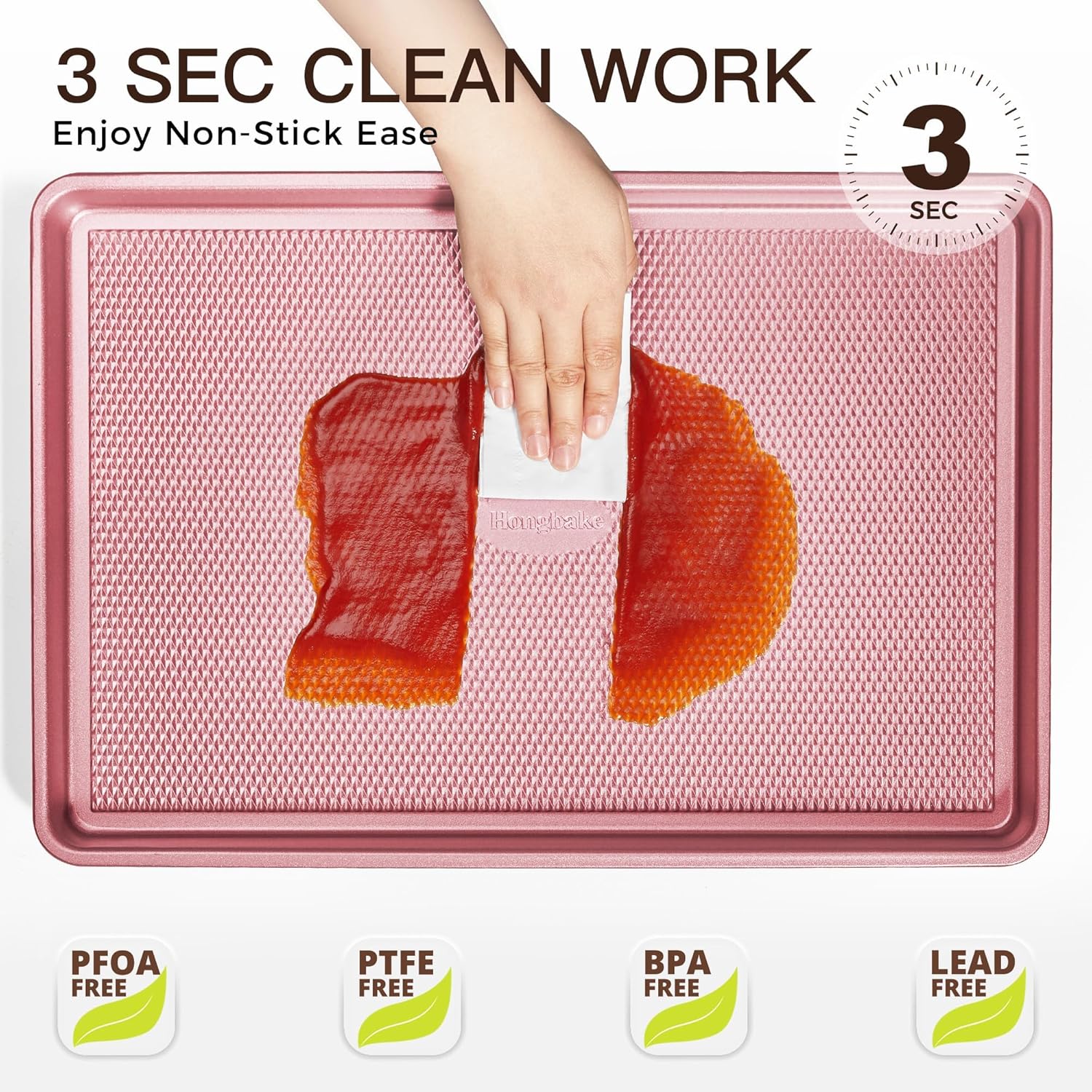
Finally, consider Ease of Cleaning and Maintenance. Nonstick surfaces are supposed to make cleaning a breeze. And often, they do. But some textured patterns can trap food debris, making scrubbing a little more tedious. Check if the pans are truly easy to wipe down. Are they safe for dishwashers, or are they hand-wash only? Many quality nonstick coatings last longer with gentle hand washing. If you’re someone who tosses everything into the dishwasher, you might be trading convenience now for a shorter lifespan for your pans. It’s a calculation you need to make for yourself.
How to Match the Product to Your Situation
Finding the right baking sheet isn’t a one-size-fits-all deal. Your cooking habits, kitchen space, and even how often you entertain will dictate what kind of pan set makes the most sense.
-
The Weekend Warrior Baker: You love whipping up cookies, brownies, or a sheet pan dinner once or twice a week. You’re not running a bakery, but you appreciate good results without too much fuss. For you, a heavy-duty cookie tray set with a durable nonstick coating is key. A couple of half sheet pan sizes and maybe one quarter sheet pan will cover most of your needs. The nonstick will make cleanup after a big batch of sticky caramel brownies much less painful. You’re looking for reliability and convenience, not necessarily commercial kitchen endurance.
-
The Everyday Home Cook/Roaster: Your oven is practically a second stovetop. You’re roasting vegetables almost daily, making weeknight sheet pan meals, maybe even baking bread or making focaccia. You need pans that can take a beating, endure high temperatures regularly, and stand up to metal spatulas (though ideally, you’re using silicone). For you, the emphasis is on the heavy-duty aspect, minimizing warping. Material like thick anodized aluminum or even carbon steel (if you’re adventurous) would be a solid choice. The “diamond texture pattern” might actually help with consistent roasting by promoting air flow around your veggies, preventing a soggy bottom. Durability over cuteness, every time.
-
The Aesthetic-Minded Host: You love presentation. Your kitchen is color-coordinated, and your bakeware should be too. That “Pink” isn’t just a color; it’s a statement. You still want functional pans, of course, but if a matching set makes you happy, there’s no shame in that. Just make sure the underlying quality (material, nonstick durability) isn’t sacrificed for the hue. Look for reputable brands offering stylish options, ensuring they don’t just look good but perform well. You want compliments on your food and your cookware, don’t you?
| Type/Tier | Best For | Price Tier | Key Feature | Watch-Out |
|---|---|---|---|---|
| Basic Nonstick Aluminum | Casual baking, light roasting, budget-conscious | Budget | Easy food release for delicate items. | Prone to warping and coatings can scratch or degrade quickly. |
| Heavy-Duty Anodized Aluminum | Frequent use, high-heat roasting, even baking | Mid-range | Excellent heat distribution, warp-resistant. | Can be reactive with acidic foods if not properly coated or maintained. |
| Ceramic-Coated Steel | Higher temperatures, robust feel, aesthetic appeal | Mid-to-Premium | Superior durability, often vibrant colors, PFOA-free. | Heavier, slower to heat up, some coatings can chip with harsh handling. |
| Commercial-Grade Stainless Steel | Professional use, extreme durability, non-reactive | Premium | Indestructible, won’t warp, great for high-volume. | Food tends to stick more without parchment or heavy oiling. |
*Basic Nonstick Aluminum pans offer an accessible entry point, but their thin construction often leads to frustrating warping and a short lifespan for the nonstick surface. Heavy-Duty Anodized Aluminum options are a significant step up, providing much better heat control and resisting deformation, though you still need to be mindful of acidic ingredients. Ceramic-Coated Steel pans blend style with substance, offering tough surfaces and often eye-catching finishes, but their weight means slower heating. Commercial-Grade Stainless Steel pans are built like tanks, perfect for rigorous use, but they demand diligent preparation to prevent food from sticking to their bare metal.
For the Sheet Pan Dinner Enthusiast
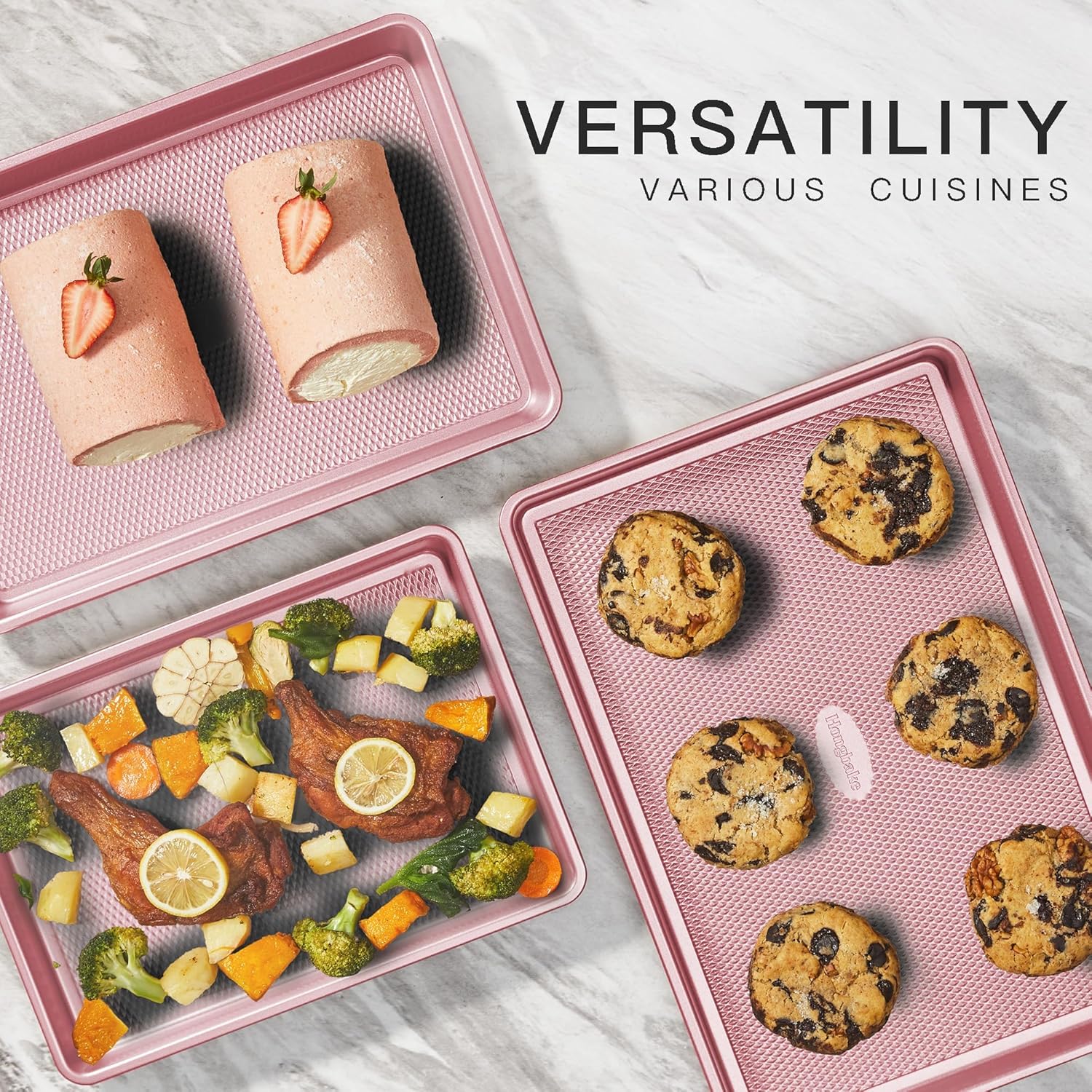
If your go-to weeknight meal involves tossing everything onto a single baking sheet and letting the oven do the work, you need pans that can handle it. Repeated high heat, often with marinades or greasy proteins, can be brutal on lesser pans. What you’re after here are pans that won’t warp under duress. A slight buckle can ruin your meal by pooling juices to one side, preventing proper caramelization. Look for truly heavy duty cookie tray options, likely 12- or 14-gauge aluminum, which stays flat even when the oven is cranked up. The “diamond texture pattern” might actually be a bonus here, helping separate food from the surface, especially helpful for roasting veggies where maximum contact with hot air is desired.
For the Delicate Pastry Perfectionist
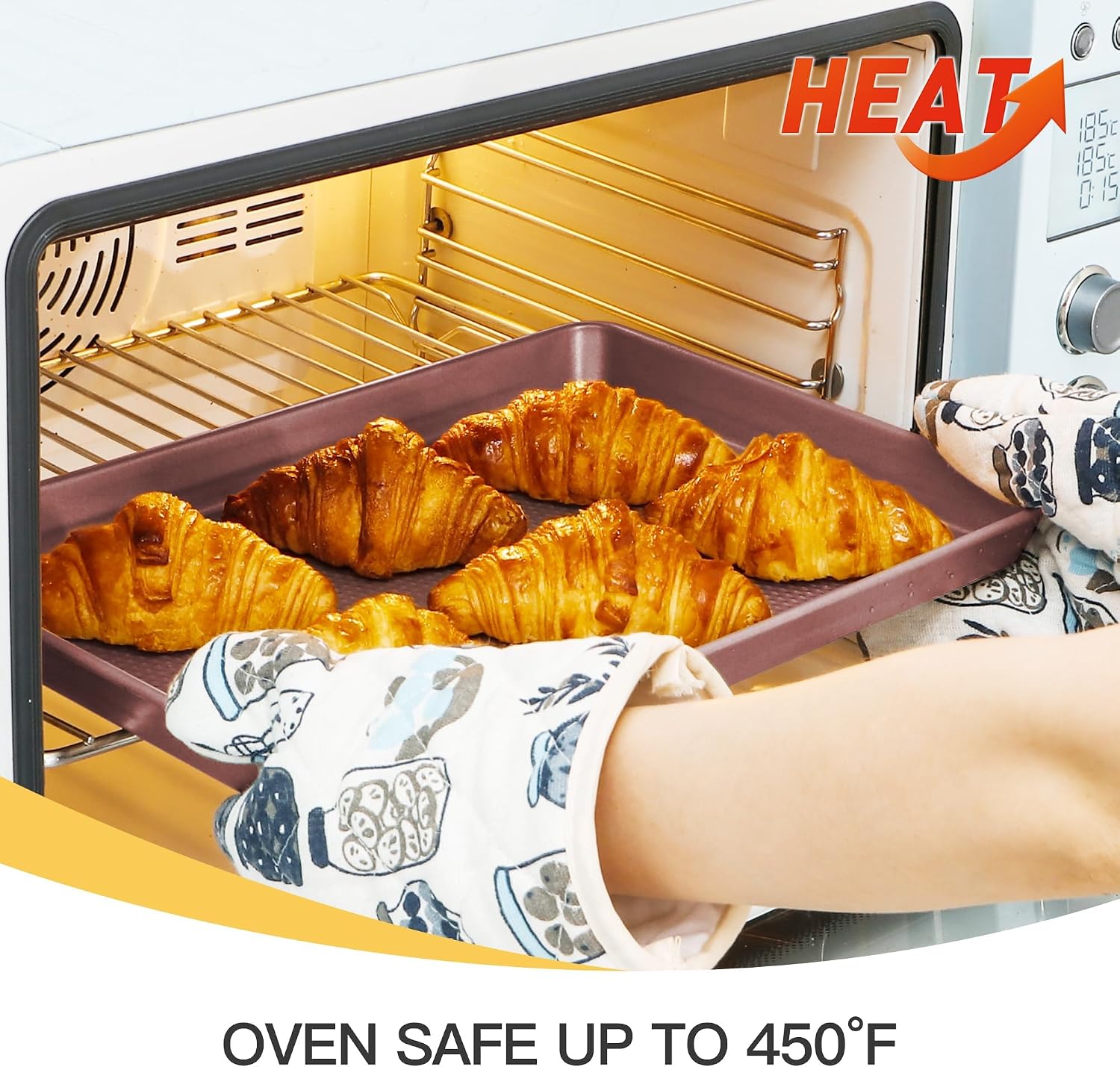
Baking delicate items like macarons, croissants, or even perfectly uniform sugar cookies requires a precise, even heat. A pan that creates hot spots or, worse, warps and slides your precious meringue into a corner is a disaster. Forget about anything thin. You need a baking sheet that distributes heat gently and consistently. Lighter-colored, thicker aluminum pans tend to perform beautifully for this. A good nonstick surface on these cookie sheets for oven use is helpful for easy release without damaging fragile bottoms. While a “pink” aesthetic might be fun, prioritize consistent thermal performance over color.
When Storage Space is Tight
Many kitchens, especially in apartments or smaller homes, just don’t have endless cabinet space. A multi-piece Baking Sheet Pan Set can quickly become overwhelming. This is where a thoughtful selection of just a few versatile sizes is key. Perhaps one half sheet pan and two quarter sheet pans that can nest perfectly. Or consider designs that stack without scratching their nonstick surfaces. The promise of “half/quarter/jelly roll pans” is enticing, but if you’re only going to use the half sheet, that’s what you should buy. Less is often more.
Common Mistakes Buyers Make
-
Prioritizing Price Over Gauge: It’s tempting to grab the cheapest baking sheet set, but thin metal usually means warping. And nobody wants that bang in the oven, or worse, half-burnt half-raw cookies. This is one area where a little more upfront cost saves a lot of frustration later.
-
Abusing the Nonstick Coating: Thinking all nonstick coatings are indestructible is a fallacy. Using metal spatulas, aggressive scrub brushes, or harsh detergents on a delicate nonstick half/quarter/jelly roll pan will quickly degrade its surface. Hand wash with soft sponges. Period.
-
Ignoring Oven Size: I’ve seen people buy gorgeous, oversized baking sheet options only to realize they barely fit, or don’t fit at all, in their standard home oven. Measure your oven’s interior space, especially the rack width, before committing to a giant cookie tray.
-
Misunderstanding “Heavy-Duty”: Just because a pan feels substantial doesn’t mean it’s truly heavy-duty. Look for specifics in the product description about gauge or material thickness, not just generic claims. Real heavy-duty pans are noticeably stout.
Why/How/What
Why bother with a diamond texture pattern on a baking sheet?
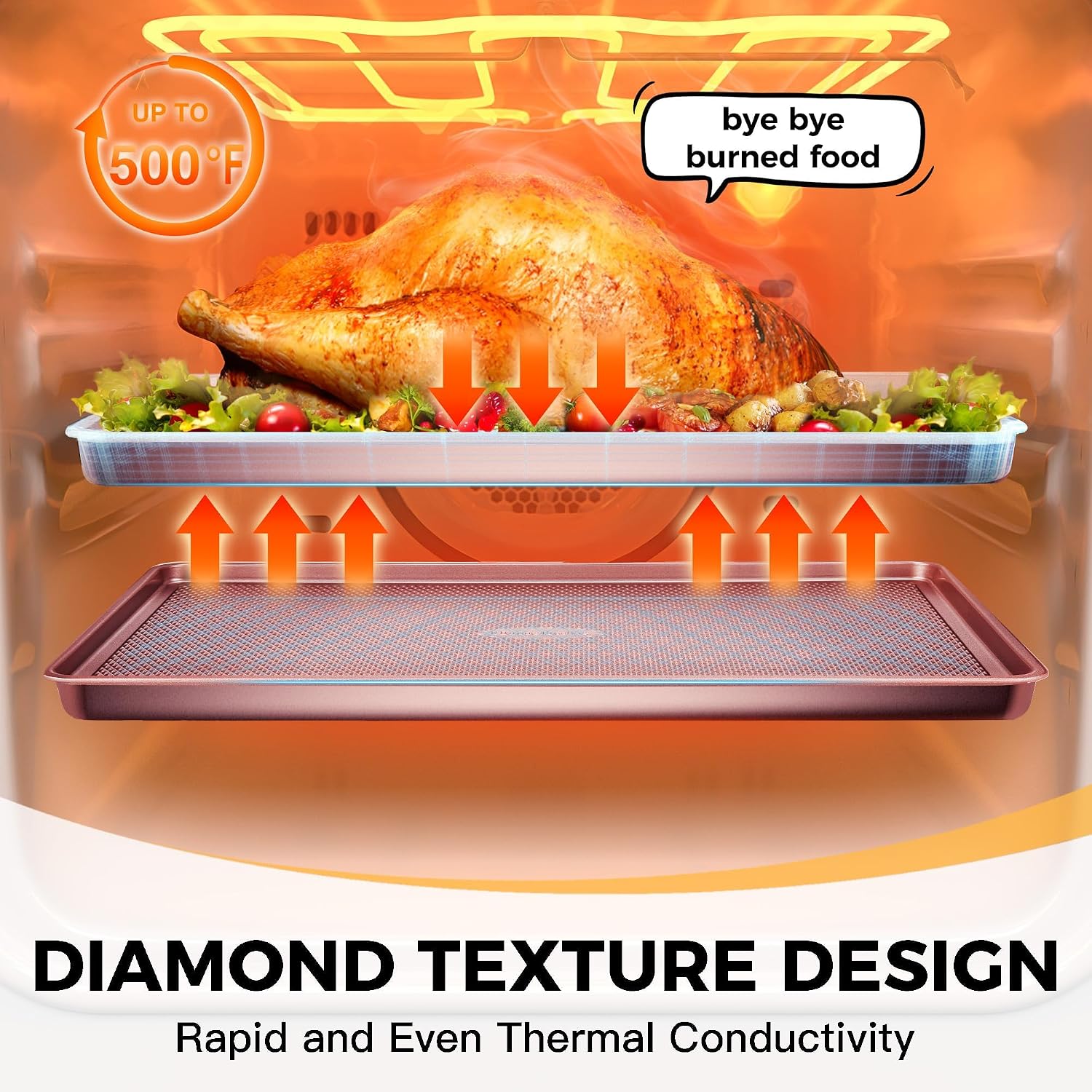
The idea behind a diamond texture, or any raised pattern, is to minimize the food’s direct contact with the pan surface. This can enhance air circulation underneath, promoting more even browning, especially for items like cookies or roasted vegetables, and potentially making food release a bit easier, reducing reliance solely on the nonstick coating.
How do I keep my nonstick baking sheet from losing its coating?
The biggest culprits are high heat (beyond the pan’s recommended limit), metal utensils that scratch the surface, and abrasive cleaning tools or harsh detergents. Always use silicone or wooden spatulas, avoid aerosol cooking sprays (they can leave a sticky residue that degrades nonstick), and hand-wash with warm, soapy water and a soft sponge.
What is a “jelly roll pan” used for?
A jelly roll pan is essentially a shallow, rectangular baking pan, typically with sides about 1 inch high. Its name comes from its traditional use for baking thin sponge cakes that are then rolled up with fillings to make jelly rolls. Beyond that, they’re fantastic for small batches of bar cookies, roasting nuts, or even as a drip tray under other dishes in the oven.
Expert Tips
- Parchment Paper is Your Friend: Even with a high-quality nonstick baking sheet, using parchment paper is a smart move. It offers an extra layer of nonstick insurance, makes cleanup almost non-existent, and extends the life of your pan’s coating. It’s a habit worth cultivating.
- Rotate Your Pans: Home ovens often have hot spots. To ensure perfectly even cooking, especially when using multiple cookie sheets for oven at once, rotate your pans halfway through the cooking time. Front to back, top rack to bottom rack. It really does make a difference.
- Cool Before Cleaning: Don’t plunge a hot heavy-duty cookie tray into cold water. The sudden temperature change can warp the metal, even thick pans, and can stress the nonstick coating. Let it cool down gradually on a wire rack.
FAQ
Are pink baking sheets safe?
Absolutely, the color itself doesn’t indicate safety. Most pink pans have a colored exterior coating over a standard metal, usually aluminum or carbon steel, and as long as the coating is food-safe and reputable, they’re fine.
Can I use my half sheet pan for roasting?
Yes, half sheet pans are actually ideal for roasting vegetables, chicken, or fish. Their large surface area allows food to spread out, preventing steaming and promoting good browning.
What’s the difference between a baking sheet and a cookie sheet?
Often, the terms are used interchangeably. Generally, a baking sheet has raised edges on all four sides, making it versatile for roasting and containing liquids. A true “cookie sheet” might have only one or two raised edges, allowing for easier sliding of cookies, but is less versatile.
Do diamond texture patterns really help with nonstick performance?
They can. By creating tiny air pockets and reducing the surface area of food contact, these patterns aim to enhance air flow and minimize sticking. However, the quality of the nonstick coating itself remains the dominant factor.
How do I prevent my new baking sheet from warping?
Choose heavier gauge pans (thicker metal) and avoid extreme temperature shocks, like putting a very cold pan directly into a very hot oven or submerging a hot pan in cold water. Even heating and cooling cycles are best.
Can I use these pans under a broiler?
Check the manufacturer’s recommendations. While many heavy-duty cookie tray options can handle high oven temperatures, the intense direct heat of a broiler can be too much for some nonstick coatings and might cause rapid degradation.
Is it okay to stack nonstick baking sheets?
Stacking is fine, but place a paper towel or thin cloth between each nonstick half/quarter/jelly roll pan to prevent scratches to the coating. This extends their life considerably.
Final Recommendation
When sizing up a Baking Sheet Pan Set, Cookie Sheets for Oven, Nonstick Half/Quarter/Jelly Roll Pans with Diamond Texture Pattern, Heavy Duty Cookie Tray, Pink, don’t get swept away by the “pink” or the “diamond texture” alone. For most home cooks and bakers, the sweet spot lies in a mid-range, heavy-duty anodized aluminum set. Why? Because these pans offer the best balance of warp resistance, even heat distribution, and generally reliable nonstick coatings, proving durable enough for everyday use without breaking the bank. The nonstick will make cleanup a cinch, and the robust construction means consistent cooking results for years.
If your budget allows, lean into options that boast multi-layer or ceramic-reinforced nonstick. A set that includes at least one half sheet pan and a quarter sheet pan will cover almost any culinary task you throw at it. Focus on the underlying engineering – material thickness, coating quality – and you’ll end up with tools that genuinely enhance your cooking, rather than just looking good for a moment.
#Baking #Sheet #Pan #Set #Cookie #Sheets #Oven #Nonstick #HalfQuarterJelly #Roll #Pans #Diamond #Texture #Pattern #Heavy #Duty #Cookie #Tray #Pink