

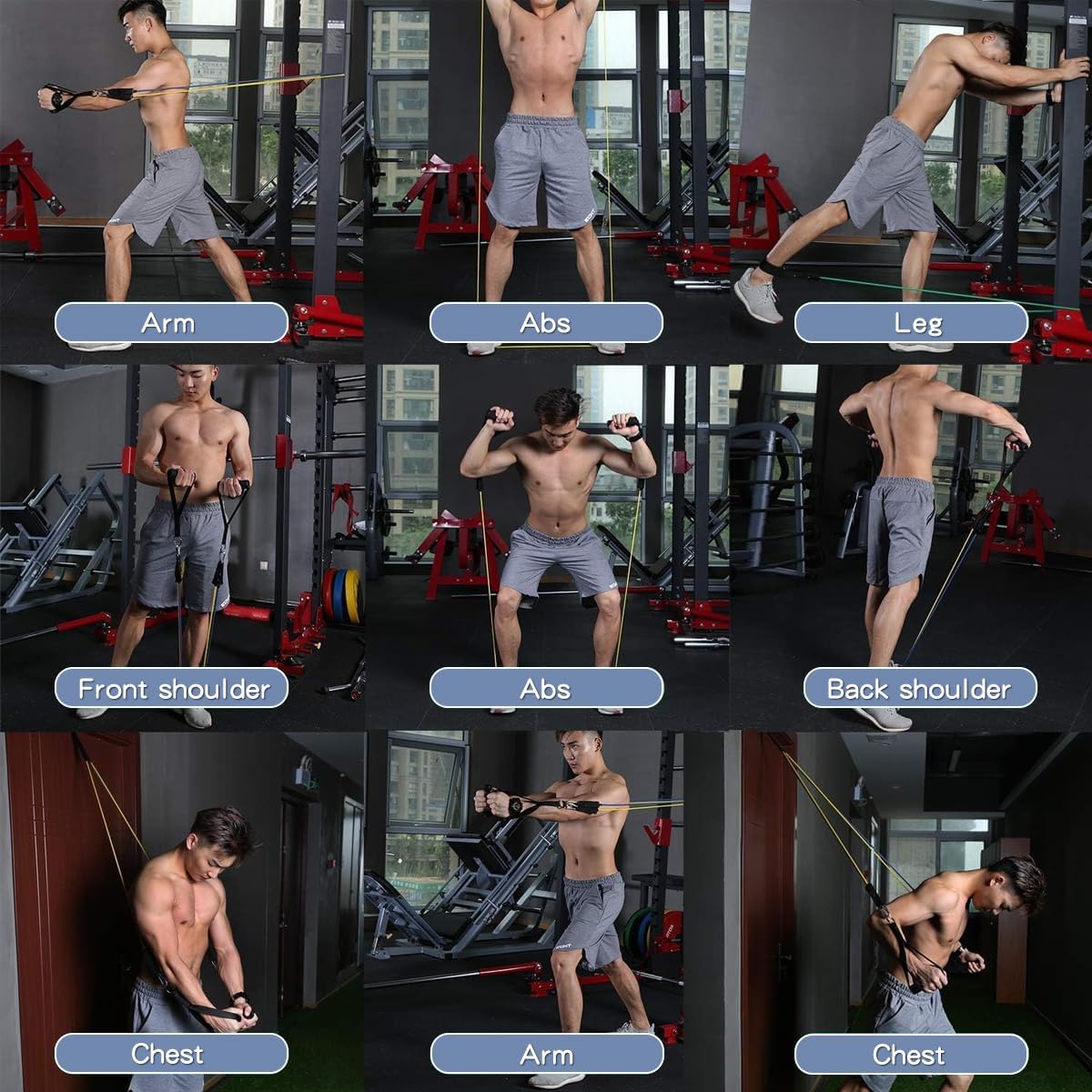
Mastering Your Home Workouts: A Deep Dive into WHATAFIT Resistance Bands with Handles
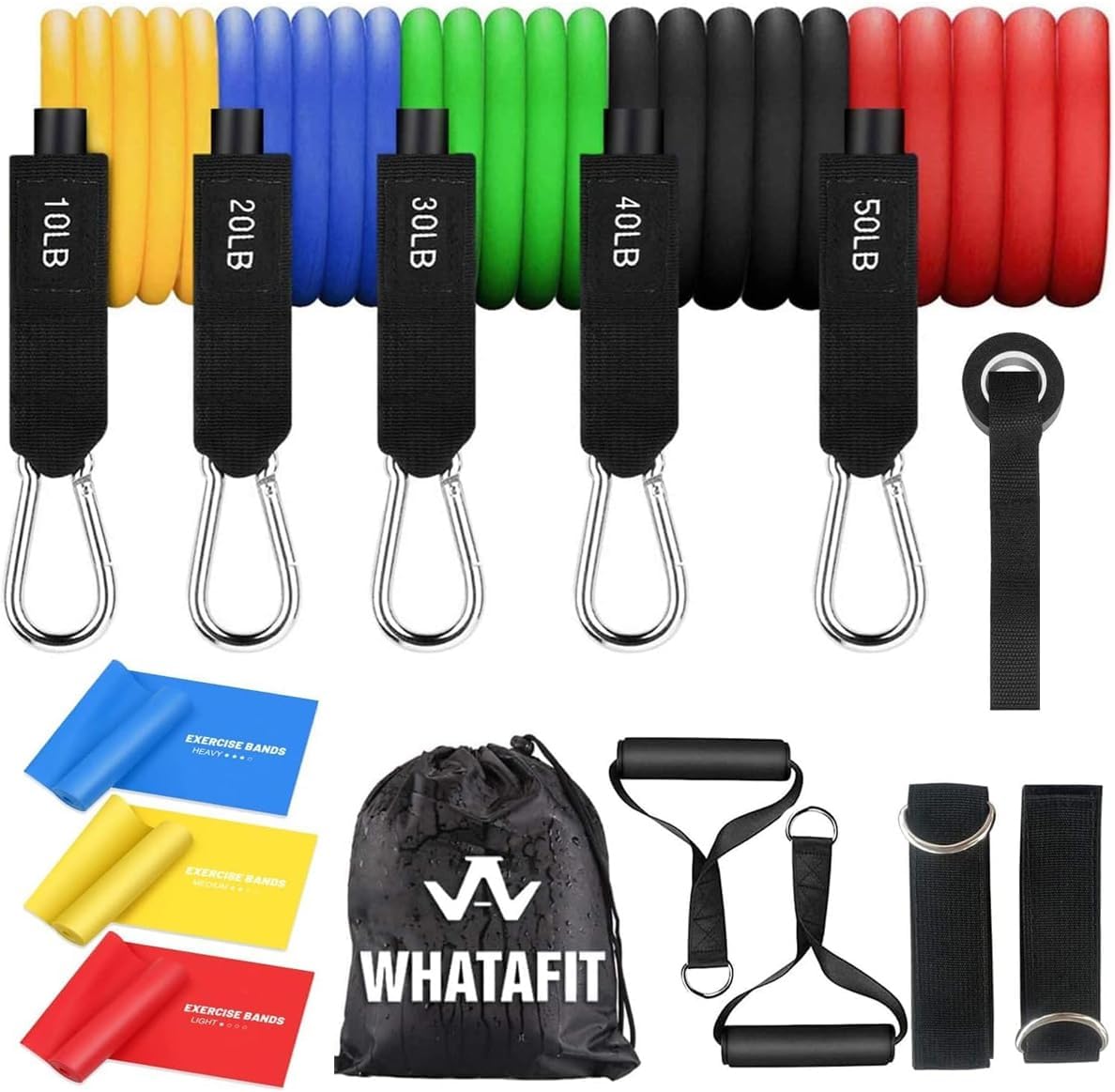
Thinking about stepping up your home gym game? Or maybe you’re just starting and want a versatile, space-saving option? This guide is all about the WHATAFIT Resistance Bands with Handles – those 5-level exercise bands often touted for everything from strength to yoga, boasting natural latex, stackable resistance up to 150 lbs, and a full kit of ankle straps, a door anchor, and even a guide. We’re going to break down what makes them tick and, more importantly, whether they actually fit into your workout routine.
Quick Answer
The WHATAFIT Resistance Bands with Handles offer a solid, comprehensive setup for a wide range of fitness levels and activities, especially if you value versatility, progressive resistance, and a complete accessory kit for home or travel. They’re a smart pick for folks looking to build a flexible workout routine without a ton of bulky equipment.
What to Look For (The Buying Criteria)
Navigating the world of fitness gear, particularly something as seemingly simple as resistance bands, can be surprisingly tricky. There’s a lot of marketing fluff out there. When you’re eyeing a system like the WHATAFIT Resistance Bands with Handles, here’s what really matters—the stuff that determines if you’ll actually use them, or if they’ll just become another closet-dweller.
First up, material quality. The WHATAFIT bands specifically call out “natural latex,” and that’s a big deal. Cheaper bands often use synthetic rubber blends which, honestly, feel different. They can snap unexpectedly, get sticky, or degrade quickly when exposed to sunlight or sweat. Natural latex, on the other hand, provides a more consistent, smooth stretch. It feels… resilient. Plus, it tends to last longer, assuming you treat it right. The downside? Some people have latex sensitivities, which is something to consider. And even natural latex won’t last forever if you constantly abuse it or store it improperly.
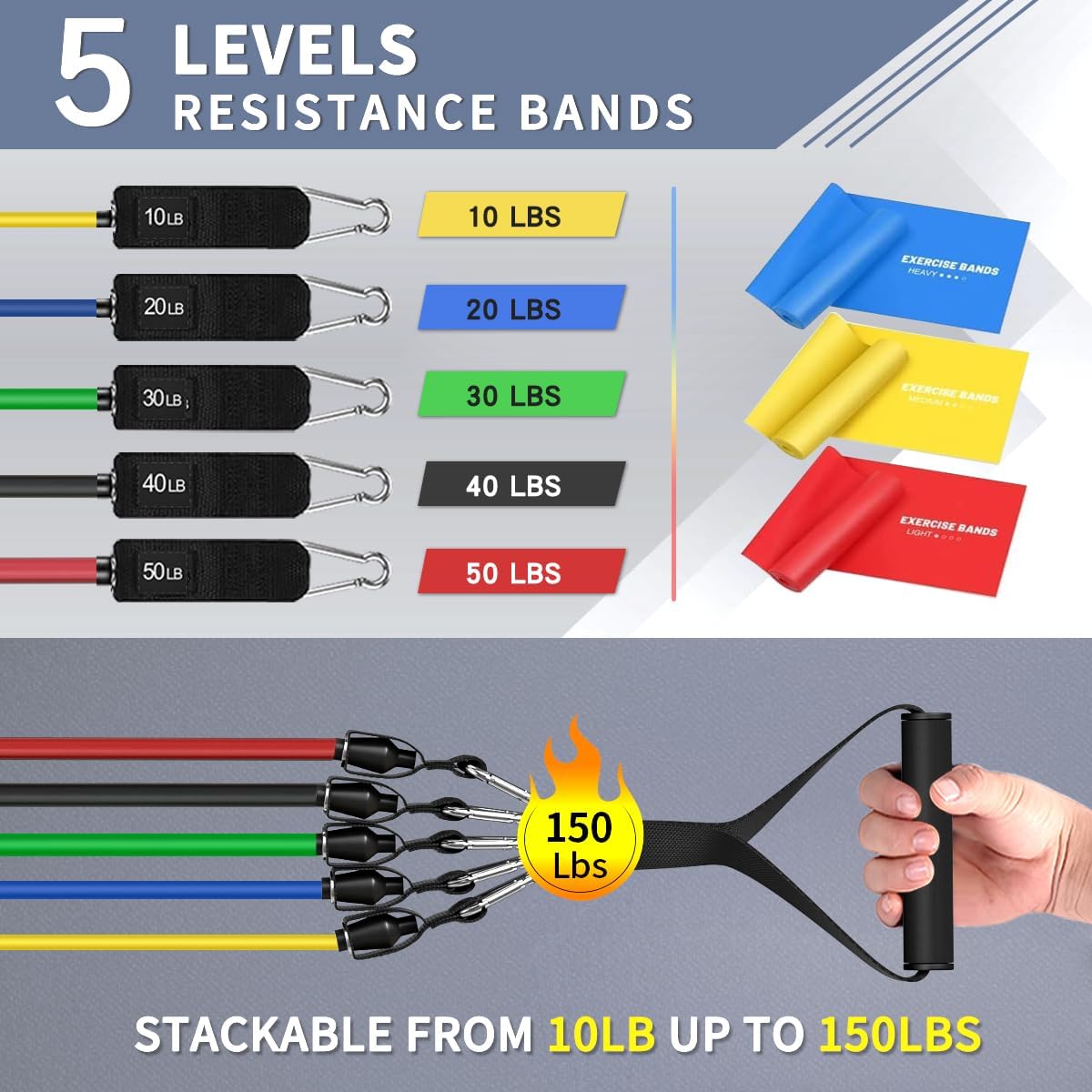
Then there’s the tension levels and stackability. You’re looking at a 5-level system here, ranging from 10 to 50 lbs individually, and they’re stackable up to a claimed 150 lbs. This isn’t just a marketing number. It’s crucial for progressive overload, which is how you actually get stronger. Beginners can start with lighter bands, and as you advance, you can grab a heavier band or combine a couple. Being able to stack them means you don’t need a whole new set every time you hit a plateau; you just add another band. Calculating the exact combined resistance can sometimes feel a bit more art than science, though. It’s not always a perfectly linear addition.
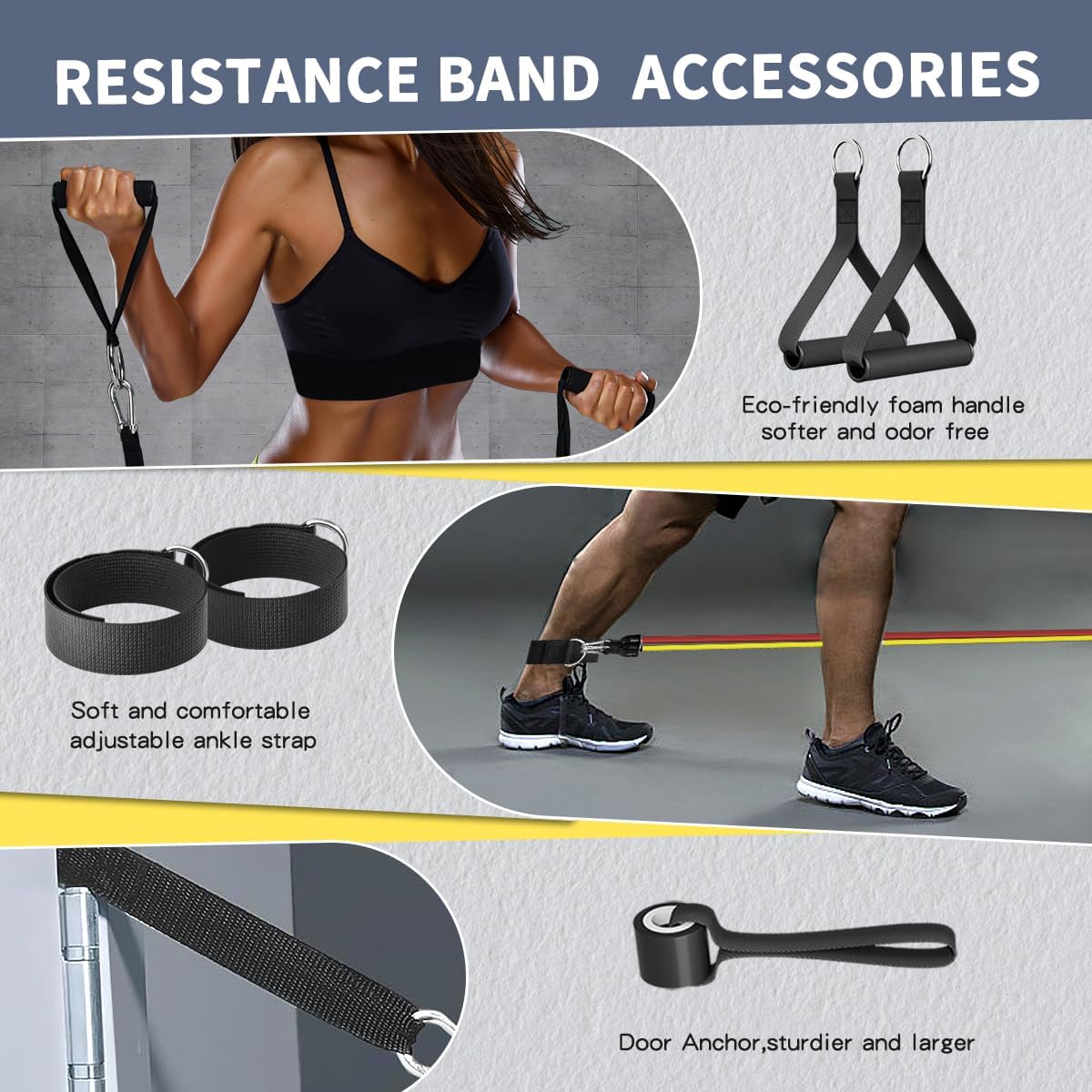
Let’s talk handle comfort and attachment security. This is probably where many budget band sets fall flat. The WHATAFIT bands come with handles, which sounds basic, but cheap handles can rip, chafe, or just feel awful after a few reps. You want sturdy, comfortable grips that don’t dig into your palms. Equally important are the attachment points—those carabiner clips that connect the bands to the handles and ankle straps. Flimsy metal clips are a recipe for disaster, or at least a good scare. Good ones should be robust, smooth, and inspire confidence when you’re pulling hard. There’s nothing worse than a clip failing mid-set.
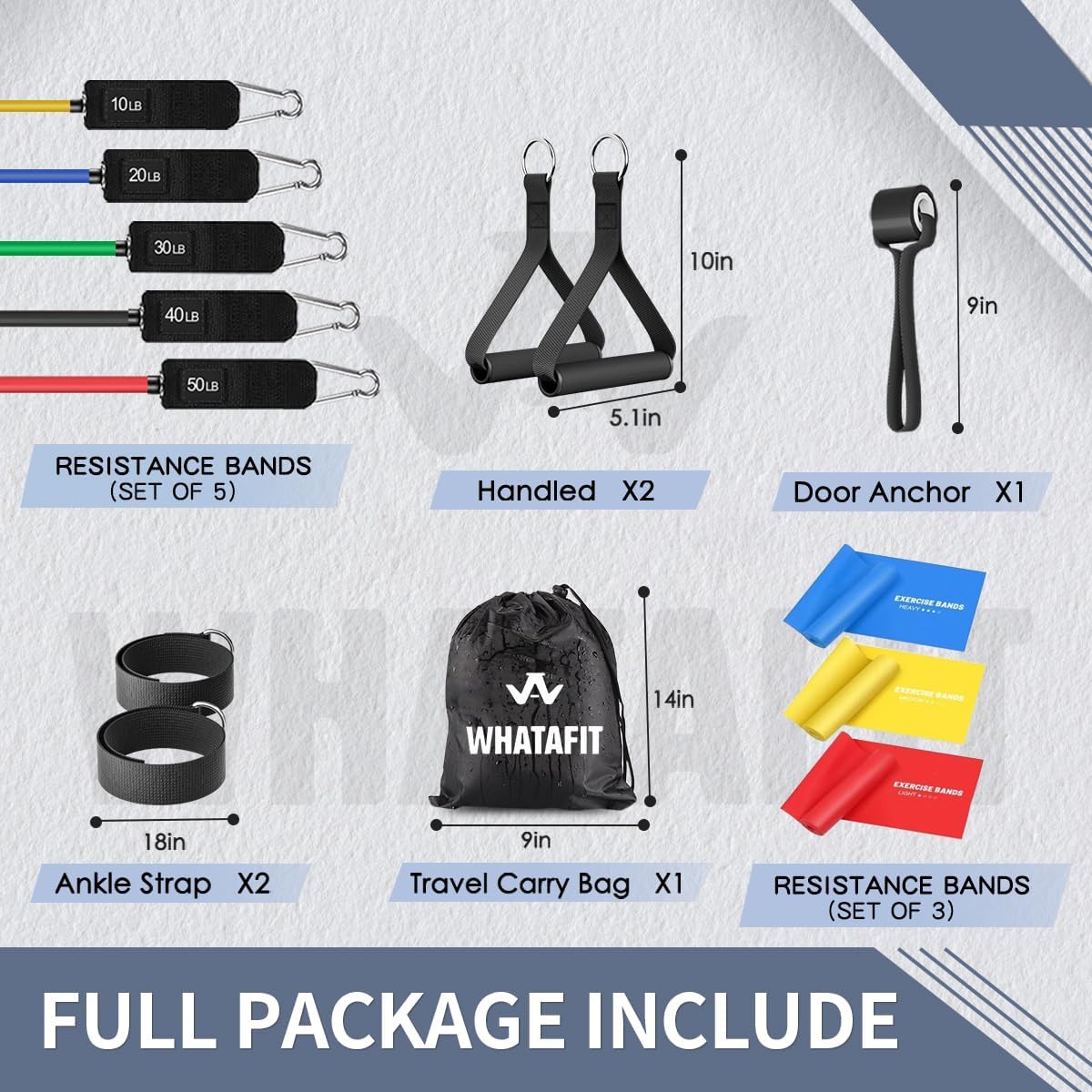
Accessories are often what elevates a basic band set to a full-fledged portable gym. The WHATAFIT kit includes ankle straps and a door anchor. Ankle straps open up a whole new world for leg and glute exercises, letting you mimic cable machine movements without the machine. The door anchor? It’s arguably the unsung hero of resistance band workouts. It turns any sturdy door into a secure attachment point, allowing for presses, rows, flyes, and a ton of upper body work. Without it, you’re pretty limited. Sure, some anchors are just cheap foam, but a good one will protect your door frame and hold solid. You also get a guide, which can be invaluable for beginners, even if it’s just a basic set of exercises.
Next up, portability and storage. If these bands are for a home gym, maybe you don’t care as much about tossing them into a backpack. But for travel, outdoor workouts, or even just clearing space in a small apartment, how compact and easy to store they are truly matters. The whole point of bands for many is their small footprint. A good kit should pack down neatly without a fuss.
Finally, consider the versatility for different workouts. The product promises “Strength, Yoga, Home Gym, Travel & Workout.” Can it actually deliver on all those? Look at the range of resistances, the types of accessories included, and the material’s flexibility. Tube bands with handles are inherently versatile for strength training. Lower resistances can indeed be useful for yoga warm-ups or stretching. The key is whether the system as a whole supports your varied goals. If you’re only ever going to do bicep curls, a basic set is fine. But if you want to push-ups, pull-aparts, and leg extensions, you need the right tools in the box.
How to Match the Product to Your Situation
Alright, so you know what makes a good resistance band system. Now, let’s figure out if the WHATAFIT Resistance Bands are the right fit for you. People use these things for all sorts of reasons, and honestly, one size doesn’t fit all.
For the Dedicated Home Gym Enthusiast
You’re the type who wants a full workout without shelling out for a squat rack or a multi-station machine. Space is a concern, but so is progression. You need equipment that can grow with you. For you, the WHATAFIT Resistance Bands are a strong contender. Why? The stackable resistance up to 150 lbs is huge. It means you can continually challenge yourself as you get stronger, moving beyond basic toning into real strength building. The door anchor is your best friend here, turning a simple door into a versatile anchor point for chest presses, rows, triceps extensions, and more, mimicking a cable machine. And those ankle straps mean your leg day won’t be neglected; think glute kickbacks, hamstring curls, and leg extensions. You’ll appreciate the durability of natural latex, too, as you’ll be putting these through their paces regularly. The limitation? Even at 150 lbs, it won’t replace a barbell for heavy compound lifts, but for most people aiming for general strength and muscle tone, it’s more than enough.
For the Traveler or Space-Saving Minimalist
Whether you’re constantly on the road, live in a tiny apartment, or just hate clutter, portability and compactness are non-negotiables. You want to maintain your fitness routine wherever life takes you, without hauling bulky weights. The WHATAFIT system shines here. These exercise bands are incredibly light and pack down into a surprisingly small footprint. You can literally toss them into a carry-on or a backpack and have a full gym at your fingertips. The door anchor makes hotel room workouts a reality, and the handles and straps mean you’re not sacrificing exercise variety just because you’re away from your usual setup. You won’t miss a beat. Just remember to always check your door’s sturdiness before trusting it with your full force. Some hotel doors are flimsier than you’d expect.
For the Beginner or Those Focusing on Rehab/Mobility
Perhaps you’re just starting your fitness journey, coming back from an injury, or simply focused on improving mobility and form. Intimidating gym environments or heavy weights aren’t for you right now. The WHATAFIT bands, with their 5-level exercise bands ranging from 10 lbs, offer a gentle entry point. You can start with the lightest band to master movements, focusing on control and form without the risk of heavy impact. The included guide—even if basic—can provide a valuable starting point for understanding how to use them effectively. For rehab, the smooth, progressive resistance of natural latex bands is often preferred by physical therapists because it’s easy on the joints. The ankle straps are fantastic for targeted muscle activation, which is key in recovery. Just be sure to consult with a professional if you’re rehabbing a serious injury; self-prescribing exercises can sometimes do more harm than good.
A Comparison of Resistance Band Types/Tiers
It’s easy to get lost in the sheer variety of resistance bands out there. Let’s break down how the WHATAFIT Resistance Bands with Handles fit into the broader landscape, and what distinguishes them from other common options.
| Type/Tier | Best For | Price Tier | Key Feature | Watch-Out |
|---|---|---|---|---|
| Basic Loop Bands | Glute work, stretching, mobility, warm-ups | Budget-friendly | Extremely portable, direct muscle activation | Limited resistance range, can roll up uncomfortably |
| Simple Tube Bands w/ Fixed Handles | General fitness, casual home workouts | Budget to Mid-range | Versatile for upper/lower body, easy to grasp | Handles can be flimsy, not stackable, less durable |
| WHATAFIT-style (Premium Tube w/ Kit) | Comprehensive home gym, progressive strength | Mid-range | Stackable resistance, full accessory suite | More pieces to manage, slightly bulkier than loops |
| Heavy Duty Power Loop Bands | Powerlifting assistance, serious strength | Mid-to-Premium | Very high resistance, durable for heavy loads | Less versatile for light work, can pinch skin |
Basic Loop Bands: These are the flat, often colorful, rubber bands you see people using for glute activation or specific hip exercises. They’re incredibly portable and inexpensive, making them a fantastic supplement. But they don’t offer the handle options or the same level of stackable resistance as the WHATAFIT bands, and they can roll up your legs mid-set, which is annoying.
Simple Tube Bands with Fixed Handles: These are a step up from loops, offering more grip options. They’re decent for general fitness. However, they usually come in individual, non-stackable resistances, meaning if you outgrow the 20lb band, you need a whole new 30lb band. The quality of the handles and attachment points on these can be a real crapshoot, too.
WHATAFIT-style (Premium Tube with Full Kit): This is where our target product fits in. This tier gives you the best of both worlds—the versatility of tube bands with handles, plus the ability to stack resistances, often alongside quality accessories like ankle straps and a door anchor. You’re getting a complete, integrated system designed for a full range of exercises and progressive overload. While not as ultra-minimalist as a single loop band, the overall value and utility are significantly higher for a comprehensive routine.
Heavy Duty Power Loop Bands: Think thick, robust loops, often used for assisted pull-ups or adding resistance to barbell movements. These are for serious strength training, offering very high resistance levels. They are durable, but they’re not really designed for the same range of isolation exercises as the WHATAFIT-style tube bands, nor do they typically come with handles or ankle straps. They’re a different tool for a different job.
Getting the Most Out of Your WHATAFIT Bands: Scenario-Specific Use
The true test of any fitness equipment is how well it integrates into your life. The WHATAFIT system aims for versatility, and it largely delivers. Let’s dig into a few common scenarios where these bands really shine.
For the Dedicated Home Gym Setup
Look, you don’t need a spare room full of chrome to get a killer workout. Seriously, you don’t. With the WHATAFIT Resistance Bands, your living room becomes your gym. The door anchor is the absolute hero here. Set it at different heights—top, middle, or bottom of the door frame—and suddenly you have a versatile station for chest presses (like push-ups but standing!), rows, shoulder presses, triceps pushdowns, and even wood chops for core work. You can combine bands for heavier resistance on compound movements, or use lighter ones for isolation work. It’s about getting creative, and the bands give you the tools. This isn’t just about convenience; it’s about making effective, consistent workouts accessible right where you are.
On the Go: Travel or Outdoor Workouts
Ever tried to find a hotel gym that actually has equipment you want to use? It’s a gamble, often ending in disappointment. This is where the WHATAFIT bands truly earn their keep. They’re light. They’re compact. You can stash them in a backpack, a duffel bag, even a large purse. Now, your workout isn’t tied to a gym membership or decent hotel facilities. Find a sturdy pole in a park, loop a band around it. Use the door anchor in your hotel room. You can perform a full-body routine—squats, lunges, rows, presses, bicep curls, triceps extensions, core work—all with minimal gear. It’s about maintaining consistency, even when your routine gets disrupted. And let’s be honest, sometimes a workout in fresh air beats a stuffy gym any day, doesn’t it?
Targeted Muscle Work & Recovery
Not every workout is about crushing heavy lifts. Sometimes, you need to focus on specific muscle groups, activate stabilizer muscles, or aid in recovery. The ankle straps included with the WHATAFIT kit are invaluable here. Attach them to the resistance bands and you can do standing leg abductions, glute kickbacks, hamstring curls, and inner thigh squeezes—movements that effectively target the lower body and core without putting stress on your joints. For recovery or mobility work, the lighter natural latex bands provide a gentle, controlled resistance that helps increase blood flow and activate muscles without overstraining them. This level of granular control is something you just don’t get with free weights, making the WHATAFIT bands surprisingly effective for rehabilitation or pre-habilitation routines.
Common Mistakes When Buying and Using Resistance Bands
I’ve seen people spend way too much on features they never use, and on the flip side, I’ve seen folks go so cheap they end up with flimsy gear. When it comes to resistance bands, a few pitfalls consistently trip people up.
First, ignoring material quality. This is a big one. You might think “a band is a band,” but trust me, there’s a huge difference between quality natural latex and cheap synthetic rubber. The latter is prone to snapping, especially at the attachment points, which is not just frustrating but downright dangerous. Spending a little extra on a brand that specifies durable materials like WHATAFIT does can save you a headache (or a black eye).
Another mistake? Not understanding resistance levels or stackability. People either buy a set that’s too light and quickly outgrow it, or they go too heavy and can’t perform exercises with proper form. The WHATAFIT system’s individual band weights and stackable capacity means you can dial in the resistance. But don’t just blindly stack them to hit a number. Start with what allows good form, then gradually increase. You wouldn’t load a barbell with more weight than you can lift, right? Same principle applies here.
Then there’s skipping proper attachment techniques, especially with the door anchor. The door anchor is a fantastic tool, but it must be used on a sturdy door that closes towards you when you’re pulling. If the door opens away, you could rip it right off its hinges. Always give the anchor a good tug test before starting your workout. Safety first, folks.
Finally, a lot of new users neglect care and storage. Resistance bands, even quality ones, aren’t indestructible. Don’t leave them out in direct sunlight, don’t store them tangled up where they can snag, and if they get sweaty, give them a quick wipe down. Simple stuff, but it drastically extends their lifespan.
The Nitty-Gritty: Why, How, and What About Resistance Bands
Got some specific questions bouncing around your head? You’re not alone. Let’s tackle a few common ones.
Why choose resistance bands over traditional weights?
Honestly, it’s not always an either/or situation. But bands, particularly something like the WHATAFIT Resistance Bands, offer unique advantages. They’re incredibly portable, so you can literally take your gym anywhere. They also provide variable resistance, meaning the tension increases as you stretch the band, which can be fantastic for targeting different parts of a movement and challenging your muscles in a distinct way compared to static weights. Plus, they’re generally much gentler on your joints.
How do stackable resistance bands work to increase tension?
It’s pretty straightforward, really. Each band has its own resistance level, let’s say 10 lbs, 20 lbs, and 30 lbs. If you clip them all to the same handle, their individual tensions add up. So, the 10 lb and 20 lb band together will give you approximately 30 lbs of resistance. The beauty of the WHATAFIT bands is you can mix and match to fine-tune your workout, rather than being stuck with fixed increments. It provides a more fluid progression than always needing a heavier dumbbell.
What makes natural latex a superior material for these bands?
Natural latex, which the WHATAFIT bands are made from, is prized for its elasticity and memory. This means it stretches smoothly and consistently, then returns to its original shape reliably, time after time. It’s less prone to dry rot, cracking, or losing its resistance over time compared to synthetic alternatives. That consistency in tension is crucial for an effective workout, and the durability means you won’t be replacing your bands every few months.
FAQ
Are WHATAFIT resistance bands durable?
Yes, the WHATAFIT bands are crafted from natural latex, which is known for its durability and elasticity, providing consistent resistance over time. Proper care, though, is key to maximizing their lifespan.
Can I really get a full-body workout with these?
Absolutely. With the included handles, ankle straps, and door anchor, you can effectively target every major muscle group, performing exercises for chest, back, shoulders, arms, legs, and core.
How do I know which resistance level to use?
Start with a band that allows you to complete 10-15 repetitions with good form, feeling challenged by the last few reps. The WHATAFIT system’s stackable design lets you easily adjust tension as you get stronger.
Is the door anchor safe for my door frame?
When used correctly, a quality door anchor like the one in the WHATAFIT kit is safe. Ensure the door closes towards you as you pull, and always test it with a gentle tug before applying full force.
Are these suitable for physical therapy?
Many physical therapists recommend resistance bands, especially lower resistance natural latex bands, for gentle, controlled movements during rehabilitation. However, always consult a healthcare professional for specific therapy guidance.
How do I clean and care for my bands?
Wipe them down with a damp cloth after sweaty workouts, and avoid exposing them to direct sunlight or extreme temperatures for long periods. Store them loosely coiled in a cool, dry place to prevent degradation.
What’s the difference between tube bands and loop bands?
Tube bands, like the WHATAFIT resistance bands with handles, are typically round and come with detachable handles for a wider range of push and pull exercises. Loop bands are flat, continuous loops, often used for glute activation and specific mobility drills.
Final Recommendation
For anyone serious about building a versatile, effective home gym, traveling frequently, or simply needing an adaptable fitness tool, the WHATAFIT Resistance Bands with Handles make a compelling case. The comprehensive kit, featuring robust natural latex bands, comfortable handles, and crucial accessories like the door anchor and ankle straps, means you’re not just buying bands—you’re investing in a complete, portable workout solution. They offer the right balance of durability, progressive resistance, and accessory support to genuinely enhance your routine, whether you’re a seasoned lifter or just getting started. It’s a smart choice for long-term, consistent fitness without the fuss of traditional heavy equipment.
#WHATAFIT #Resistance #Bands #Handles #5Level #Exercise #Bands #Workout #Natural #latex1050 #lbs #stackable #150Ankle #Straps #Door #AnchorGuide #Strength #YogaHome #GymTravel #Workout
Reviews
There are no reviews yet.