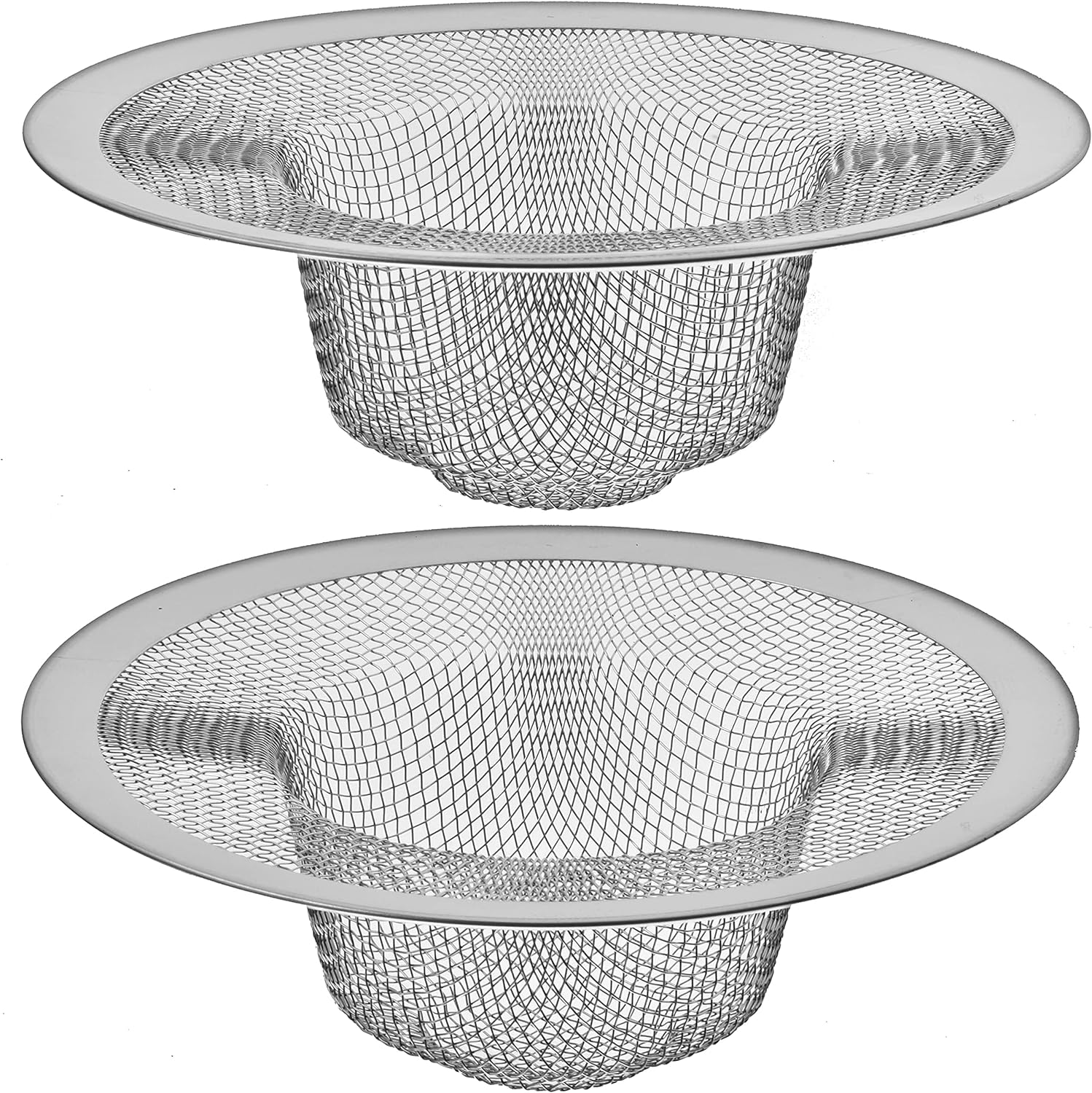
Cutting Through the Gunk: A Savvy Shopper’s Guide to the Kitchen Sink Drain Strainer
So, you’re looking into a sink strainer, specifically one designed for a larger aperture – think 4.5″ top with a 3″ mesh basket. This guide isn’t for the casual browser; it’s for the shrewd shopper who understands that even something as simple as a kitchen sink drain strainer can prevent plumbing headaches and keep things running smoothly. We’re talking about those specific 2-packs of stainless steel large food catchers that promise fast flow and an effective full mesh basket. Is it worth sweating the small stuff here? Absolutely.
Quick Answer
For most households, investing in a robust stainless steel mesh basket with the specified dimensions (4.5″ top, 3″ basket) is a no-brainer. It’s an affordable, immediate upgrade that significantly reduces the odds of nasty clogs, outperforming those flimsy, cheap alternatives almost every time. You get better flow, less frustration.
Key Takeaways
- Size Matters: The 4.5″ top and 3″ mesh basket are crucial for proper fit and function in most standard kitchen sinks. Don’t eyeball it.
- Material Strength: Stainless steel is the clear winner for durability, rust resistance, and hygiene.
- Mesh Density: A finer, full mesh design effectively catches tiny food particles and debris, preventing drain blockages.
- Flow Rate: Good design ensures quick water drainage, even when catching food. No standing water is the goal.
- Value: A two-pack often represents a better overall deal for a crucial kitchen essential.
What to Look For (The Buying Criteria)
Choosing a decent drain protector might seem trivial, but trust me, a bad one can lead to standing water, foul smells, and eventually, a call to a plumber – which is never cheap. So, let’s dig into what truly matters for that 2-pack, 4.5″ top, 3″ mesh basket sink strainer.
1. Material Quality: Stainless Steel vs. Everything Else
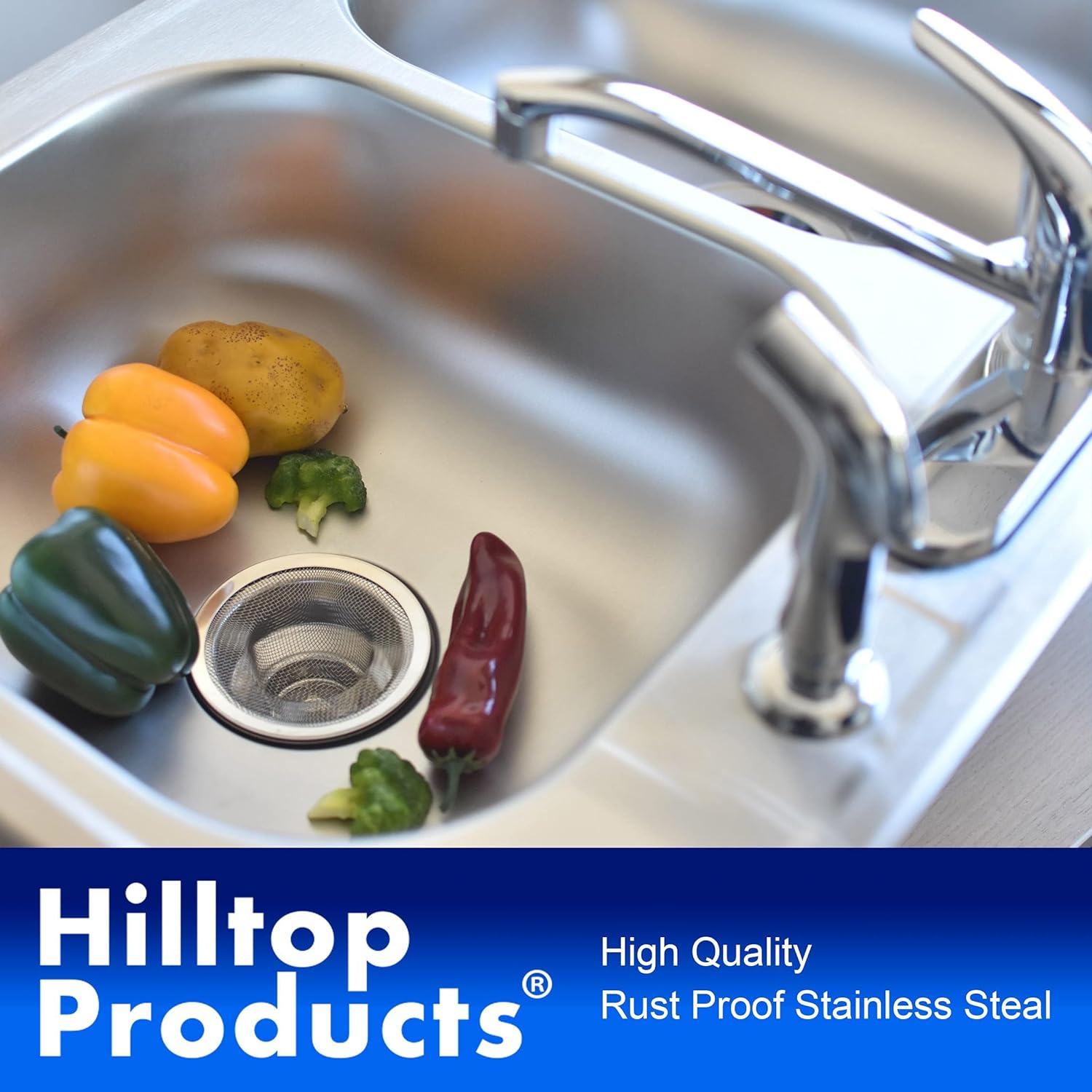
Look, if you’re not buying stainless steel, you’re just inviting trouble. Plastic models degrade, stain, and warp with hot water and food acids. Cheap chrome-plated ones flake and rust within months. But a good quality stainless steel sink strainer? It’s sturdy. It stands up to everything from boiling pasta water to acidic citrus peels. This material is key for rust resistance and long-term hygiene. You want something that will last, not something you’ll replace every few weeks. The downside? Some cheaper stainless steel options can still feel a bit thin or flimsy, bending if you accidentally step on it or drop something heavy. Always opt for a slightly thicker gauge if you can tell.
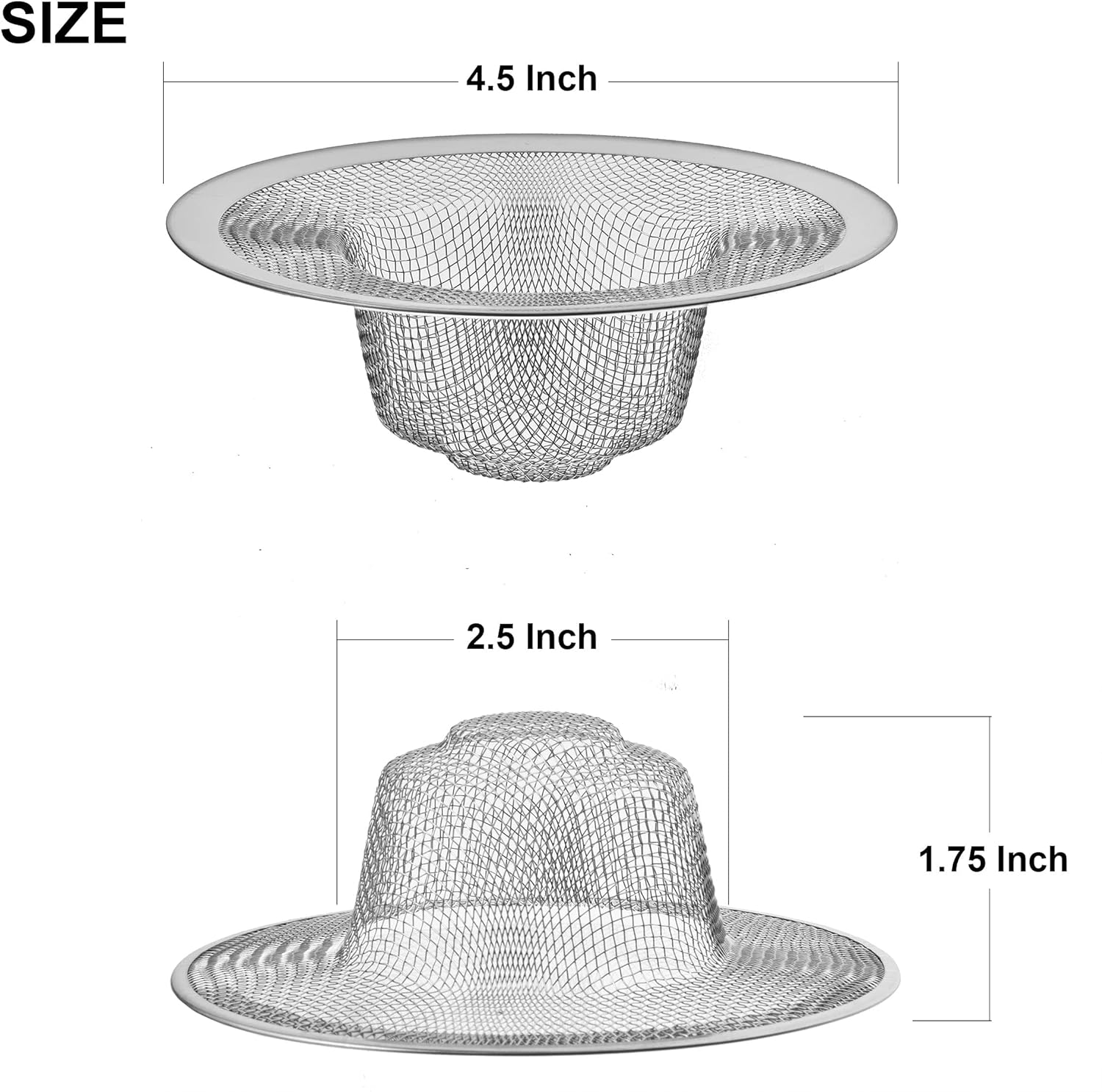
2. The Fit: 4.5″ Top and 3″ Mesh Basket Depth
This isn’t a suggestion; it’s a requirement. Your sink opening typically has a lip, and the strainer needs to sit in it, not on top of it, and not fall through. A 4.5″ top diameter is pretty standard for kitchen sink drains, creating that all-important snug fit. The 3″ depth of the mesh basket is equally vital. Too shallow, and it fills up instantly, blocking flow. Too deep, and it might bottom out in your drain pipe or be hard to pull out. This specific dimension ensures ample capacity for a large food catcher while still allowing proper seating. Without the right fit, it’s just a glorified colander sitting awkwardly in your sink.
3. Mesh Design and Hole Size: Catching Everything
The “full mesh basket” is a critical phrase here. You want tiny holes, uniformly distributed, that are small enough to catch rice grains, coffee grounds, and stray bits of chopped onion, but large enough not to impede water drainage entirely. Some strainers have larger perforations; those are okay for bigger debris but miss smaller particles that still contribute to clogs over time. A finer drain filter design ensures thorough clog prevention. The trade-off? Finer mesh needs more frequent cleaning, especially if you’re rinsing a lot of messy dishes. That’s just the reality of actually catching things.
4. Flow Rate: Fast and Furious (or Slowly Annoying)
The goal of a sink strainer is to catch solids while letting liquids pass unhindered. This “fast flow” promise? It’s what separates a genuinely useful drain filter from a frustrating pool of dishwater. The design needs to balance mesh density with adequate surface area for water to escape quickly. If water backs up because the mesh is too fine or the basket is poorly shaped, you’re not getting good flow. Look for a design where the mesh extends well up the sides, not just the bottom, maximizing the filtration area and minimizing standing water. A poorly designed one creates an annoying eddy of water every time you rinse something.
5. Ease of Cleaning: The Underrated Feature
You’ll be pulling this thing out a lot. Daily, probably. So, how easy is it to empty and rinse clean? A smooth, polished stainless steel surface helps. No weird crevices or difficult-to-reach corners where gunk can accumulate. Some cheaper options have rough edges or exposed seams that trap food. A well-constructed strainer basket should empty with a quick tap into the trash and rinse clean under the faucet. If it requires scrubbing with a brush every time, you’re going to dread using it. And if you dread using it, you won’t. Then comes the clog.
6. The “2 Pack” Advantage: Doubling Down on Convenience
Getting two in one go simply makes sense for a kitchen. Most folks have a double sink. Even if you have just one, having a spare for when one is in the dishwasher (or just plain gross and needs a deep clean) is incredibly handy. It’s about having a ready replacement without thinking about it. Plus, buying in bulk often provides better value, a little less cash for two solid kitchen essentials.
How to Match the Product to Your Situation
Finding the right food catcher means understanding your own kitchen habits. These aren’t just generic sink strainers; they’re specific tools for specific challenges.
1. The “Everyday Home Chef” Persona:
- Best For: You’re someone who cooks a lot, preps fresh ingredients daily, and rinses plates with significant food scraps (think pasta, vegetable peelings, rice). Your sink sees a lot of action.
- Why the 4.5″/3″ Stainless Steel 2-Pack? The robust stainless steel construction handles constant use and hot water without degradation. The ample mesh basket capacity of the 3″ depth means it won’t overflow immediately, and the large food catcher design ensures minimal kitchen debris makes it past. A 2-pack is ideal for a double sink setup or for having a clean backup. Clog prevention is paramount here.
2. The “Busy Family” Persona:
- Best For: Your sink gets pummeled by multiple users – kids, spouses, roommates – all with varying levels of care when scraping plates. There’s often a mix of small bits and larger chunks going down the drain.
- Why the 4.5″/3″ Stainless Steel 2-Pack? Durability is key; flimsy plastic won’t survive long here. The fast flow design prevents water from backing up, a common complaint in busy sinks. The reliability of stainless steel means less maintenance and fewer calls for plumbing helper. It’s a set-it-and-forget-it solution that consistently performs its job as a drain filter.
3. The “Garbage Disposal Alternative” Persona:
- Best For: You don’t have a garbage disposal, or you simply prefer not to use it for certain items. All food waste removal relies on you, the trash can, and a good strainer.
- Why the 4.5″/3″ Stainless Steel 2-Pack? This is where a truly effective full mesh basket shines. It’s designed to be your primary line of defense against food waste. The depth and mesh density are critical for catching everything before it becomes a problem in your pipes. The large food catcher capabilities are indispensable, and having a spare means you’re never without protection.
Comparing Your Sink Strainer Options
Not all sink strainers are created equal. Let’s break down the common types you’ll encounter and where this specific 2-pack of 4.5″/3″ stainless steel strainers slots in.
| Type/Tier | Best For | Price Tier | Key Feature | Watch-Out |
|---|---|---|---|---|
| Basic Stamped Metal | Bare minimum protection, temporary fixes | Budget | Simple, widely available | Often rusts quickly, flimsy, lets small particles through |
| Silicone Rimmed Strainer | A balance of grip and flexibility, quieter | Mid-range | Silicone rim prevents scratching and creates a good seal | Silicone can degrade or stain over time, sometimes traps food in crevices |
| Premium Perforated Steel | Heavy-duty usage, maximum debris capture | Mid-range | Thicker gauge steel, precision-punched holes | Can be pricier, some designs might have slightly slower flow |
| This Specific 2-Pack (4.5″ Top / 3″ Mesh Basket) | Active kitchens, double sinks, long-term clog prevention | Mid-range | Combines durable stainless steel with optimal mesh depth and flow | Less flexibility than silicone, fit is crucial; ensure your sink matches dimensions |
- Basic Stamped Metal: These are your cheapest options, usually thin metal with a few punched holes. They’re a stop-gap measure at best, prone to bending and rusting in short order. Don’t expect much.
- Silicone Rimmed Strainer: The silicone provides a nice, soft edge that won’t scratch your sink and can help create a better seal to prevent things from slipping underneath. They’re often quieter too. Still, the silicone itself can get slimy or stained.
- Premium Perforated Steel: These are a step up from basic, often featuring thicker steel and better-machined perforations. They’re built for durability and efficient capture but might not have the “full mesh” design.
- This Specific 2-Pack: This particular offering hits a sweet spot. It leverages the hygiene and durability of stainless steel while ensuring the right dimensions and an effective full mesh basket for superior food catcher performance and fast flow. It’s designed to be a reliable, long-lasting solution, not a disposable item.
Buying Logic Tree
Are you genuinely tired of drain clogs and slow drainage? Yes. Okay, good.
-
Do you have a standard kitchen sink drain opening (around 3.5-4 inches)?
- Yes: Proceed. The 4.5″ top on this strainer is likely to fit well.
- No (it’s much smaller or larger): This specific product might not be your snug fit. Look for different dimensions.
-
Do you cook regularly or have a busy household that puts a lot of food debris down the sink?
- Yes: This large food catcher design with a 3″ mesh basket is ideal. You need that capacity and fine mesh.
- No (rarely cook, mostly liquids): You could get away with a simpler drain protector, but why risk it? This one still offers superior clog prevention.
-
Are you fed up with flimsy plastic or rusty metal strainers?
- Yes: The stainless steel construction is a significant upgrade in durability and rust resistance.
- No (just need something): You’ll probably be frustrated again soon. Spend a little more for quality.
-
Do you have a double sink, or want a backup strainer?
- Yes: The “2-pack” is perfect.
- No (only one sink, no need for backup): While a single would suffice, the value of the 2-pack is often compelling enough to get the spare anyway. You’ll thank yourself later.
Verdict: If you’re consistently answering “Yes” or leaning that way, then this 2-pack of 4.5″ top / 3″ mesh basket kitchen sink drain strainers is exactly what you need. It solves real problems.
Scenario-Specific Sink Strainer Needs
The ideal sink strainer isn’t just about its features; it’s about how those features play out in your daily grind.
For the Kitchen with a Grinding Disposal:
Even if you have a garbage disposal, a quality sink strainer is a smart move. Disposals aren’t magic. They can still get clogged by grease, fibrous foods, or non-food items. Using a stainless steel large food catcher proactively keeps the worst offenders out of the disposal entirely, extending its life and reducing maintenance. You’ll use the disposal less frequently for larger scraps, making it more efficient for the bits it’s actually designed to handle. A fast flow design is still important here, as you don’t want water backing up while your disposal is running.
For Homes with Septic Systems:
Listen, if you’ve got a septic system, you really need to be careful about what goes down your drain. Every single particle matters. A robust drain protector like this 2-pack with its effective full mesh basket isn’t just a convenience; it’s a necessity. It’s your primary defense against anything that could upset the delicate balance of your septic tank. The fine mesh helps catch even tiny grains that might slip past a coarser screen, preventing costly and disgusting system issues. It becomes a critical piece of your household plumbing helper toolkit.
For Renters Looking for a Simple Upgrade:
Sometimes you move into a place and the kitchen sink situation is, well, less than ideal. Maybe it has a rusty, broken strainer, or no strainer at all. This 2-pack offers an immediate, impactful upgrade that doesn’t require any installation or commitment. It’s a low-cost way to significantly improve your kitchen’s functionality and prevent plumbing issues that you might otherwise get blamed for. The durability of stainless steel means you can even take them with you when you move, assuming your next sink has similar drain dimensions. It’s a small detail that makes a big difference in daily life.
Common Mistakes Buyers Make
Even with something as straightforward as a kitchen sink drain strainer, people stumble. Avoid these pitfalls:
- Ignoring the Dimensions: Oh, the number of people who just grab any old sink strainer! A 4.5″ top diameter with a 3″ mesh basket isn’t arbitrary. If the top is too small, it falls in. Too large, it sits awkwardly on the rim. If the basket is too shallow, it fills instantly. Too deep, it might not seat properly. Always measure your drain opening first. This isn’t a “one size fits all” category.
- Prioritizing Price Over Material: You see a cheap plastic or flimsy aluminum strainer and think, “It’ll do.” It won’t. Not for long. Those budget options crack, stain, rust, and generally fail quickly, leading to more purchases down the line. Spending a bit more for stainless steel is almost always the more economical choice in the long run. It’s truly a false economy otherwise.
- Expecting Zero Maintenance: Even the most effective full mesh basket needs emptying. Daily. Sometimes multiple times a day if you’re cooking up a storm. These are large food catchers, not magic disappearing acts. Forgetting to empty them not only slows down the fast flow but also makes them harder to clean when things dry and stick. Get into the habit; it’s essential for clog prevention.
- Not Checking for a Secure Fit: A strainer should sit firmly in your drain without wobbling or allowing particles to sneak around the edges. Some cheap ones have a loose fit, rendering them nearly useless as a drain filter. The specified 4.5″ top is designed to create that crucial snug fit in most standard kitchen drains. If it wiggles too much, it’s not doing its job.
Why/How/What Mini-Section
Why are stainless steel sink strainers preferred over other materials?
Because they last. Stainless steel is naturally resistant to rust and corrosion, even when constantly exposed to water, food acids, and detergents. It’s also hygienic, easy to clean, and won’t warp or crack under normal kitchen temperatures. Unlike plastic or cheap plated metals, it maintains its integrity and appearance over time, making it a much better long-term investment.
How do I ensure my sink strainer provides “fast flow”?
“Fast flow” hinges on two things: the design of the mesh basket and keeping it clear. A well-designed strainer like this 4.5″ top / 3″ mesh basket model maximizes the perforated surface area for water to drain through, not just on the bottom but up the sides too. But even the best design will slow down if the mesh is packed with food debris. Regular emptying and a quick rinse are key to maintaining that swift drainage.
What specific debris will this type of sink strainer catch effectively?
This particular kitchen sink drain strainer with its effective full mesh basket is designed to catch a wide array of common kitchen debris. Think rice, pasta, coffee grounds, tea leaves, small vegetable scraps, fruit seeds, and even hair. The fine mesh works as a comprehensive food catcher, significantly reducing the number of small particles that would otherwise contribute to slow drains and eventual clogs further down your plumbing system.
FAQ
H3: Will this 4.5″ top sink strainer fit my kitchen sink?
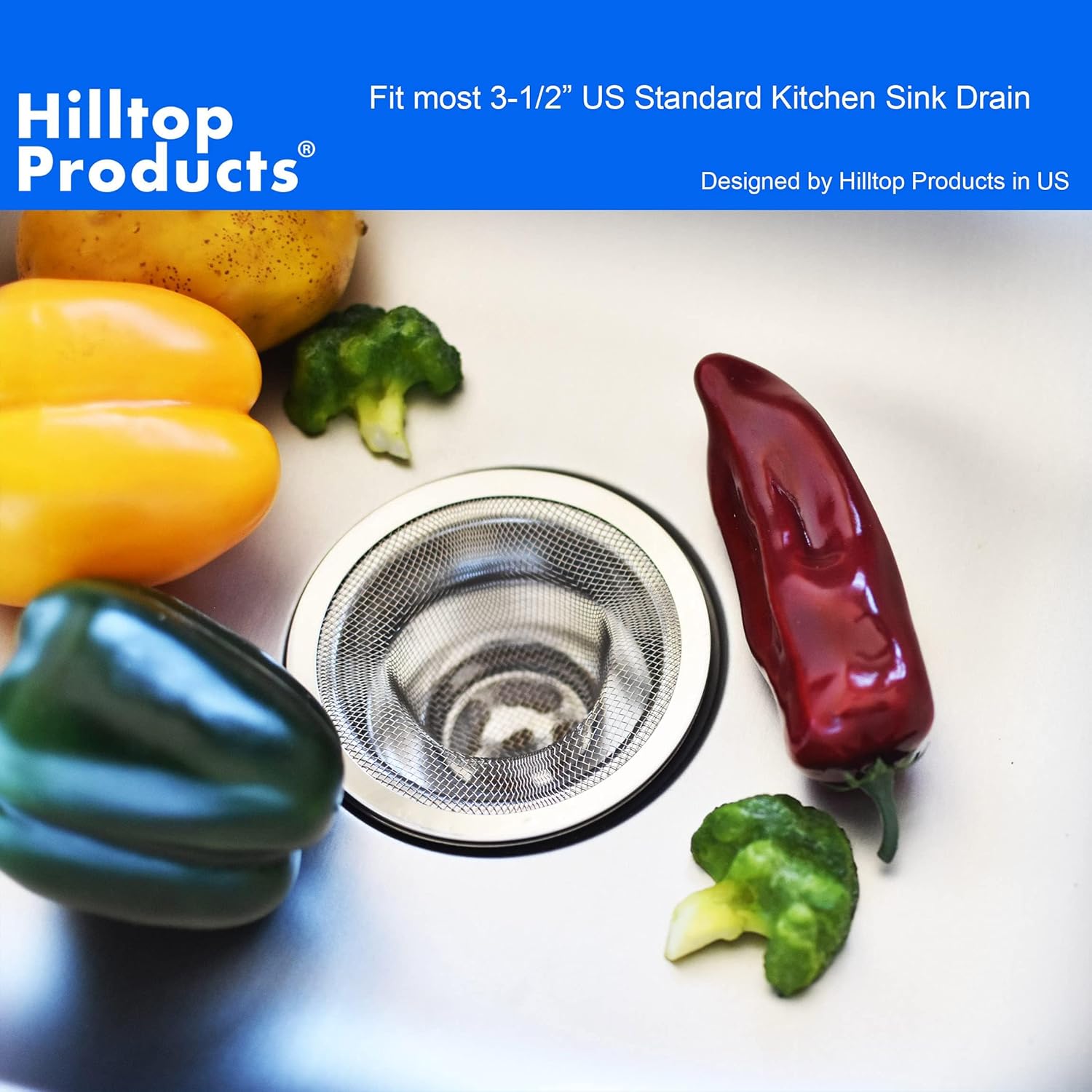
Most standard kitchen sink drains have an opening around 3.5 to 4 inches. The 4.5″ top of this strainer is designed to sit securely on the rim of such an opening, allowing the 3″ mesh basket to drop down inside. It’s a very common size, but measuring your sink’s drain opening is always the smart move for a guaranteed snug fit.
H3: Is a deeper 3″ mesh basket better than a shallower one?
Generally, yes, a deeper 3″ mesh basket is better. It provides more capacity to act as a large food catcher, meaning it won’t fill up and impede fast flow as quickly. This reduces the need for constant emptying, especially during food prep or dishwashing, contributing to better clog prevention over time.
H3: How do I clean a stainless steel mesh sink strainer effectively?
Simply tap out collected food waste into your trash can. For a deeper clean, rinse it under running water, perhaps with a quick scrub using a brush and a little dish soap to remove any lingering grime or grease. The stainless steel material makes it quite easy to keep hygienic.
H3: Can this sink strainer replace a garbage disposal?
It acts as an excellent garbage disposal alternative or complement. While it won’t grind food, its effective full mesh basket design catches the vast majority of food particles that would otherwise go down the drain. This means less goes into your pipes, significantly reducing the chance of clogs, especially useful for homes without disposals or with septic systems.
H3: Why buy a 2-pack if I only have one sink?
A 2-pack offers convenience and value. You’ll always have a spare kitchen sink drain strainer ready when one needs a thorough cleaning, or if one somehow gets misplaced. It ensures continuous drain protector coverage without scrambling for a replacement, making it a practical choice for any home.
H3: Does the “fast flow” claim really make a difference?
Absolutely. A sink strainer that truly delivers fast flow prevents water from backing up in your sink, which can be incredibly annoying when washing dishes or rinsing food. It means the water drains quickly and smoothly, even when the basket starts to collect debris, a hallmark of good design and effective drain filter performance.
H3: Will this strainer scratch my stainless steel sink?
High-quality stainless steel strainers typically have smooth, finished edges that are unlikely to scratch a stainless steel sink. However, if you’re particularly concerned or have a very delicate sink material, a strainer with a silicone rim might offer extra reassurance, though it sacrifices a bit of the pure stainless aesthetic. This specific design prioritizes durability and effectiveness.
Final Recommendation
For the savvy shopper keen on long-term value and genuine clog prevention, opting for a robust stainless steel 2-pack with a 4.5″ top and 3″ mesh basket is hands down the smartest move. It’s not the cheapest thing on the shelf, but it’s far from a premium splurge, landing firmly in the mid-range where value meets durability.
This particular specification—the 4.5″ top, 3″ deep basket, and stainless steel construction—delivers where it counts: a snug fit, ample food catcher capacity, and resistance to the harsh kitchen environment. You’ll get reliable fast flow and a truly effective full mesh basket that keeps your drains clear without constant fuss. Don’t underestimate the power of a good drain protector; it’s a small investment that saves you significant headaches and potential plumbing bills down the line.
#Pack #Top #Mesh #Basket #Kitchen #Sink #Drain #Strainer #Stainless #Steel #Large #Food #Catcher #Fast #Flow #Effective #Full #Mesh #Basket