

Unwrapping Value: A Smart Shopper’s Guide to Reusable Food Wraps
Tired of that endless roll of plastic film? You’re probably here because you’re looking for a better way to keep your food fresh, and frankly, who isn’t? This guide dives deep into reusable food wraps, cutting through the marketing noise to help savvy shoppers like you find reliable, sustainable options, especially focusing on those popular beeswax varieties. We’ll explore what actually matters when you’re considering a 9-pack beeswax wrap set or similar eco-friendly food storage, making sure you get real value.
Quick Answer
Reusable beeswax food wraps are a remarkably effective, sustainable alternative to single-use plastics for most dry and semi-dry food items. They offer breathability, which can actually extend the life of certain produce, and their natural stickiness creates a good seal. The value proposition often boils down to material quality, durability, and the size assortment in a pack, so choose based on what you actually wrap most often.
What to Look For When Buying Reusable Food Wraps (The Buying Criteria)
Navigating the world of reusable food wraps can feel a bit overwhelming, with so many claims about sustainability and freshness. But don’t fret. There are a few core characteristics that truly make a difference to how well these products perform and how long they last. Forget the flashy packaging; let’s talk brass tacks.
1. Material Composition and Quality:
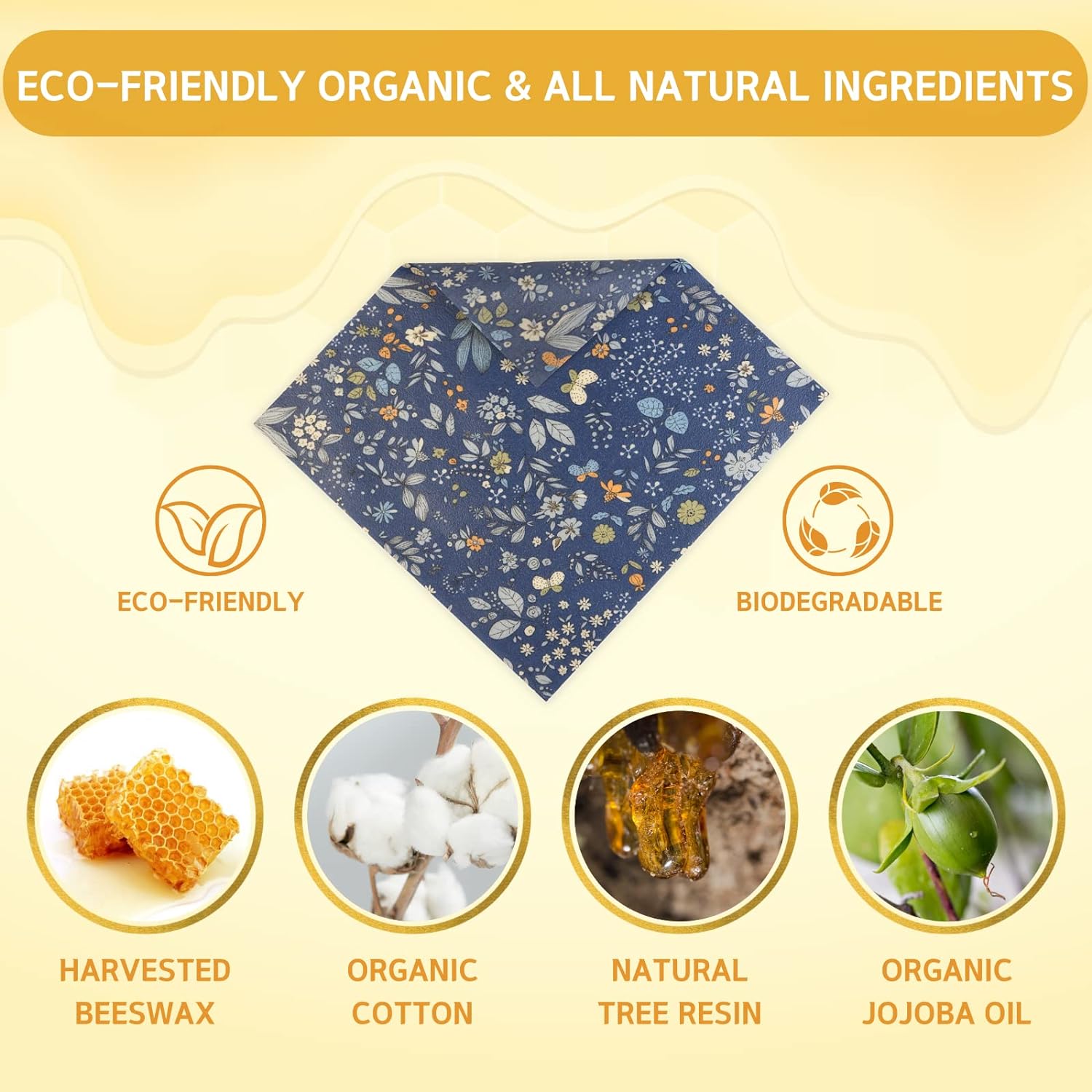
Most beeswax wraps rely on organic cotton, beeswax, jojoba oil, and tree resin. The quality of these ingredients isn’t just a marketing buzzword; it directly impacts performance. Higher-quality beeswax, for instance, means a better, more consistent seal and a wrap that retains its stickiness longer. Look for wraps made with organic beeswax and fabric. Cheaper blends might feel waxy but lack the pliable, clingy texture you need. A poorly made wrap often cracks or loses its tackiness after just a few washes, which is both frustrating and defeats the whole “reusable” purpose. You’re trying to be plastic-free, after all. So, a wrap that gives up the ghost prematurely just means you’re buying another one sooner.
2. Adhesion and Seal Strength:
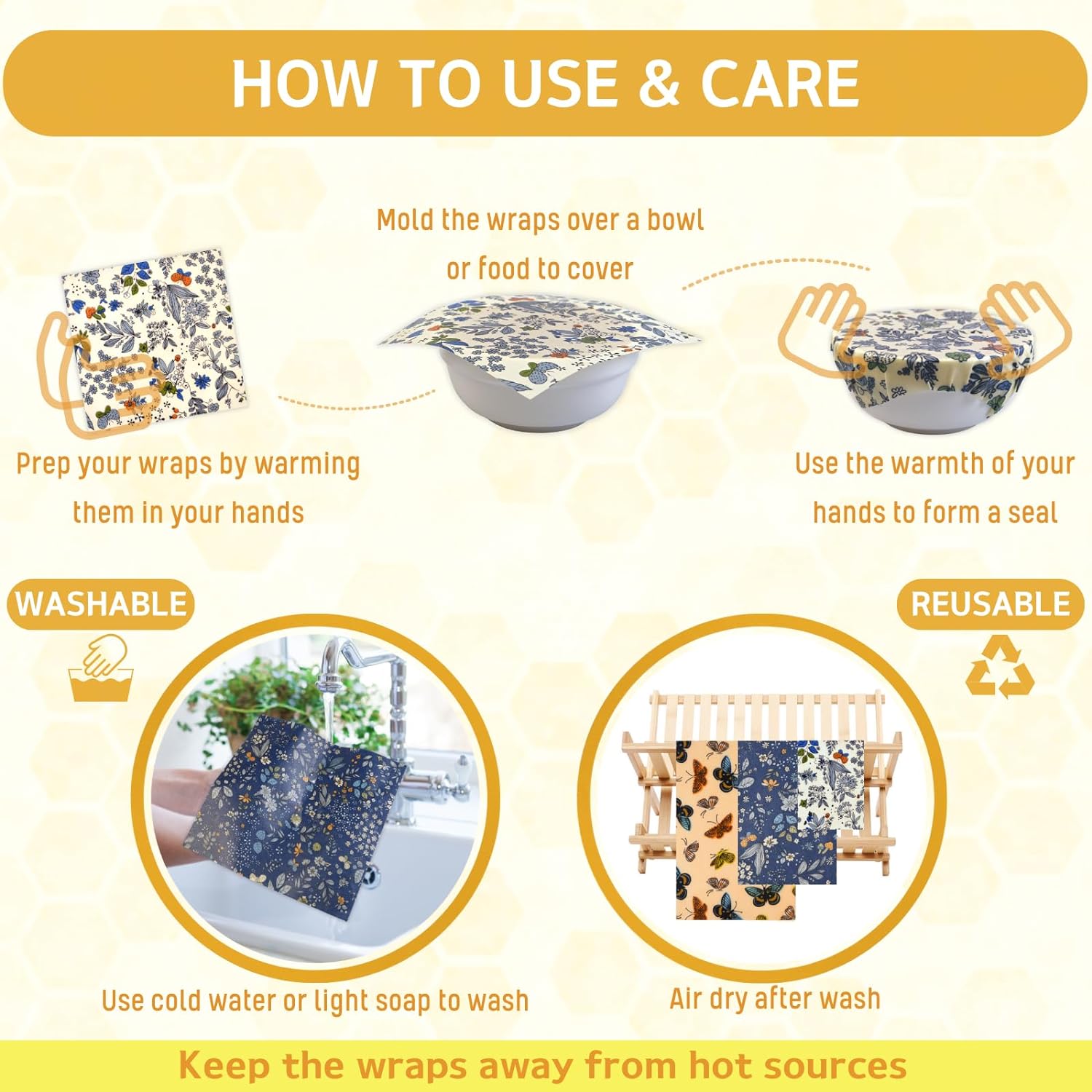
This is paramount. What’s the point of a wrap if it doesn’t actually seal? Good reusable food wraps—especially the beeswax kind—use the warmth of your hands to create a secure, breathable seal around bowls, fruits, and vegetables. You want enough stickiness to form a tight barrier but not so much that it’s impossible to unwrap without tearing. Some brands skimp on the resin or use inferior wax, leading to a weak seal that lets air in and moisture out. It’s a delicate balance, this adhesion thing. Too weak, and your bread goes stale. Too strong, and you’re wrestling with it just to grab a snack.
3. Durability and Longevity:
Let’s be real: you’re investing in these to reduce waste and save money long-term. So they need to last. The fabric needs to be tightly woven to resist fraying, and the wax coating should be robust enough to withstand repeated gentle washing and use. Some wraps shed their wax too quickly, becoming stiff and useless after a couple of months. Others hold up for a year or more. The truth is, no beeswax wrap lasts forever—they eventually lose their luster and seal. But a well-made one should give you ample service before needing to be refreshed or composted. Don’t fall for claims of eternal life here; it just isn’t happening.
4. Size Assortment and Versatility:
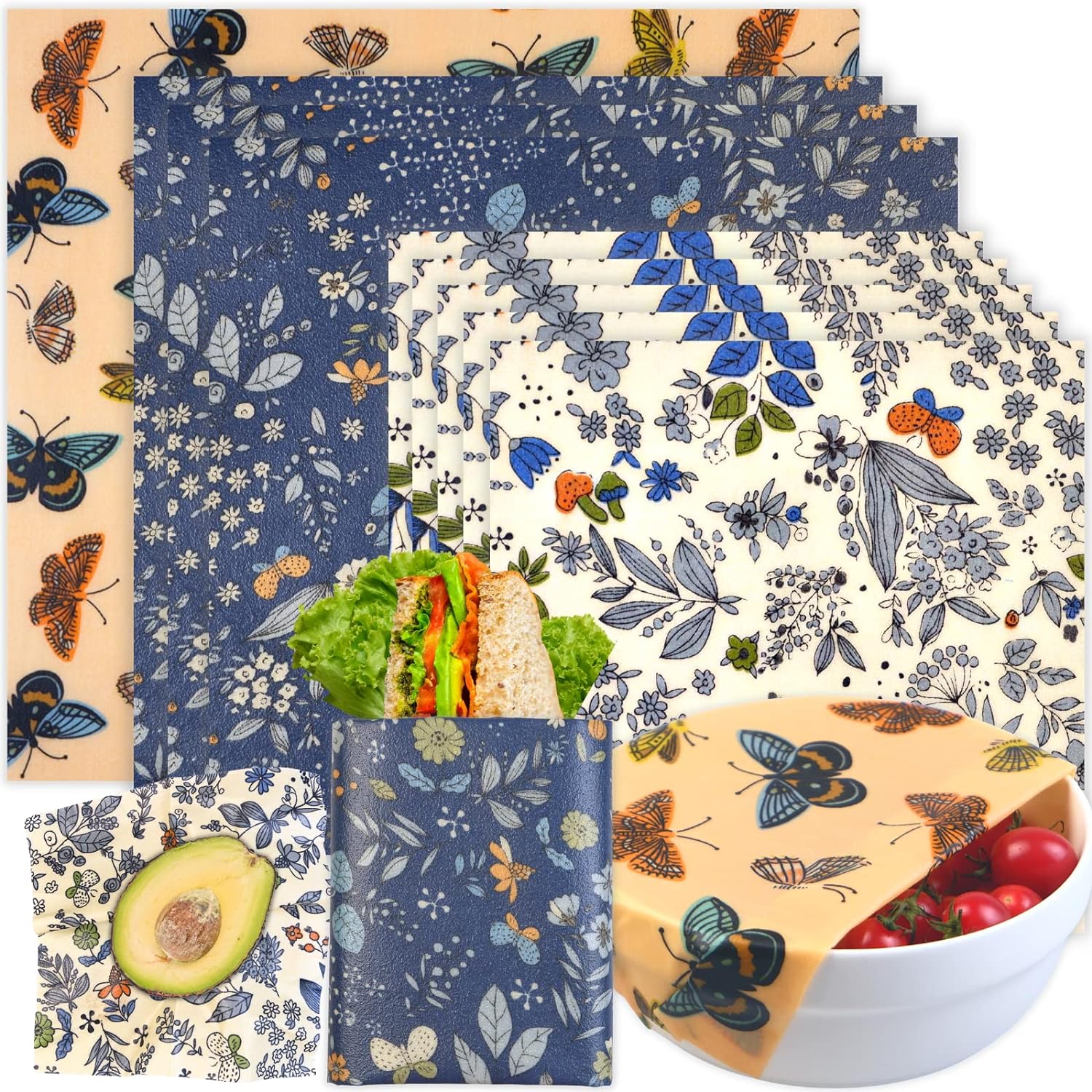
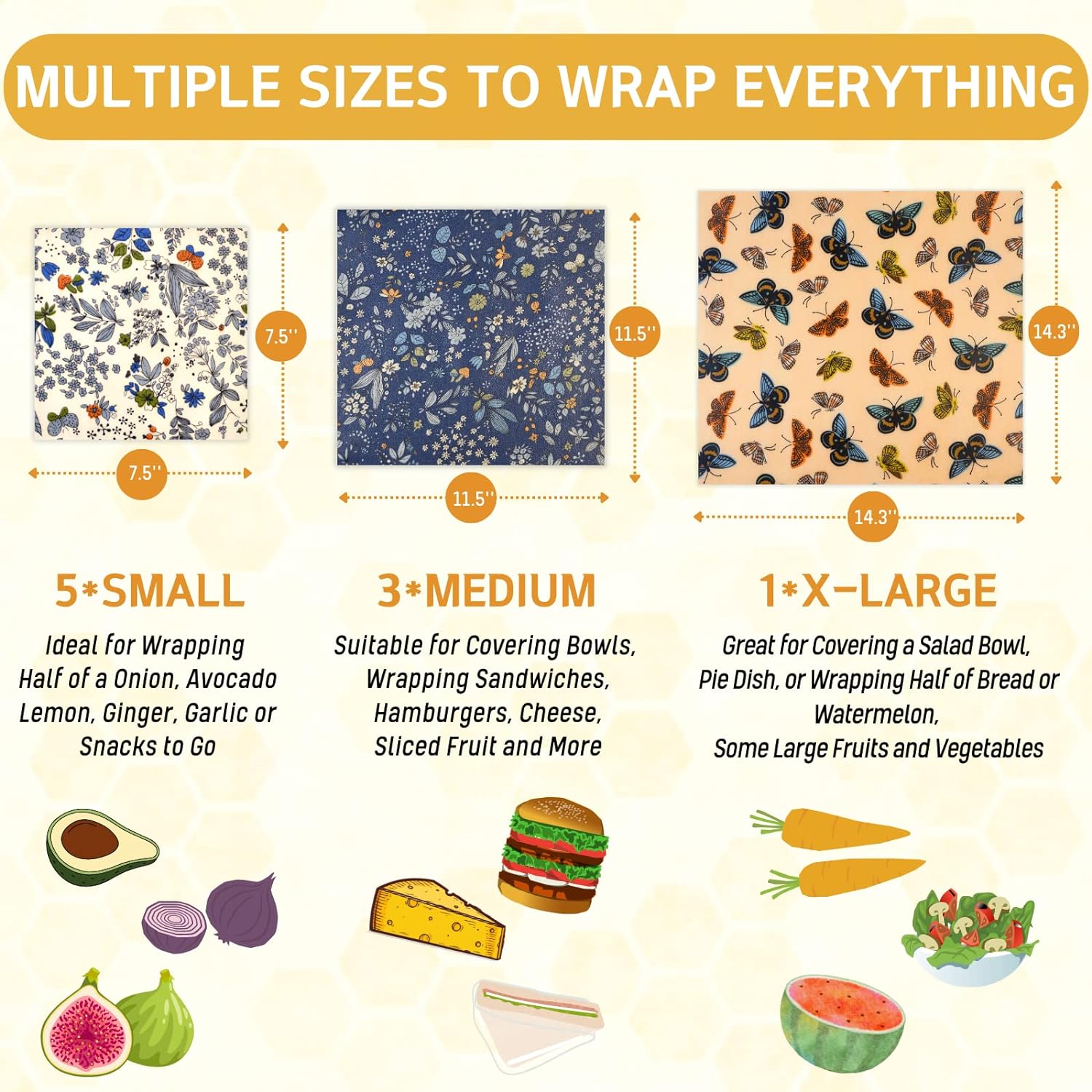
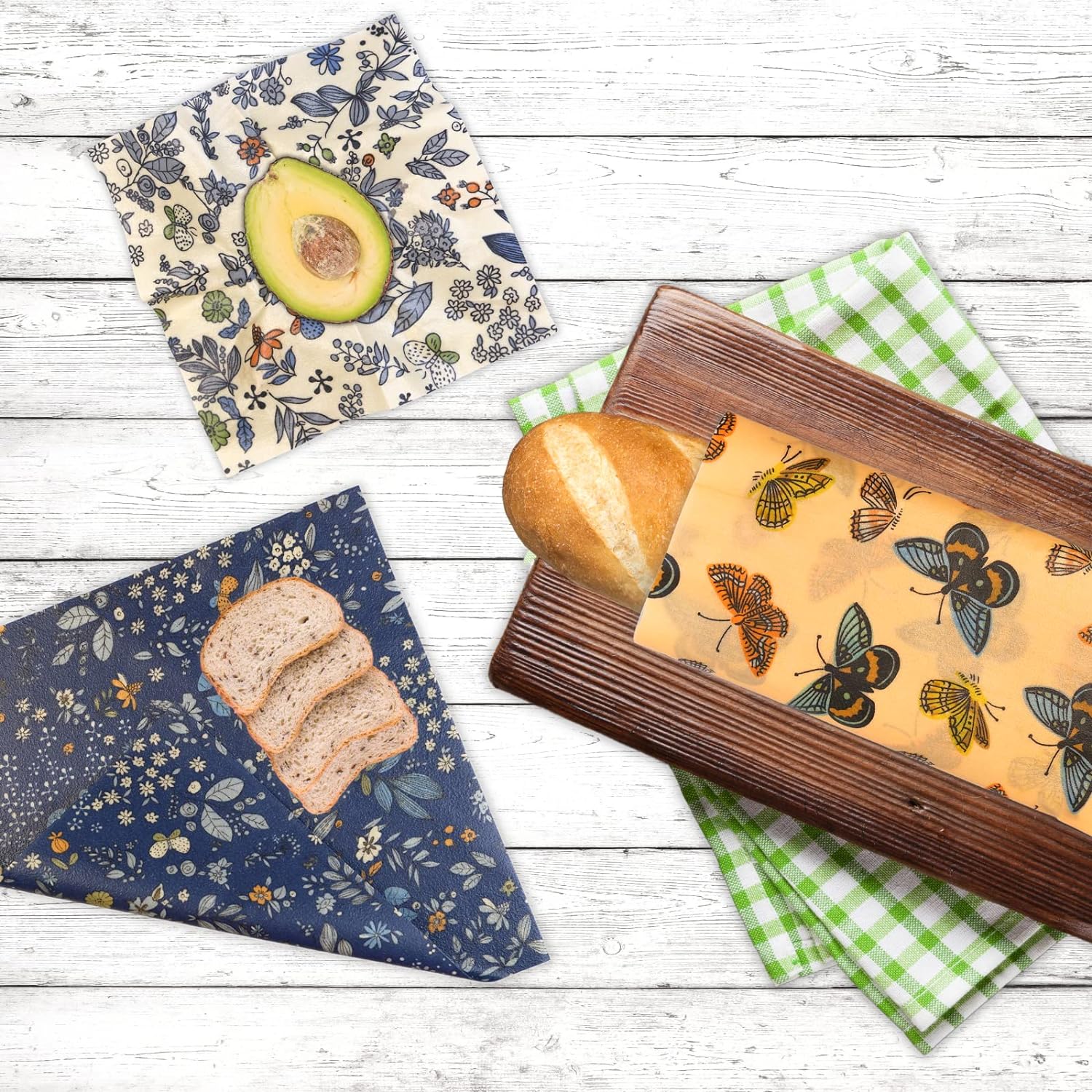
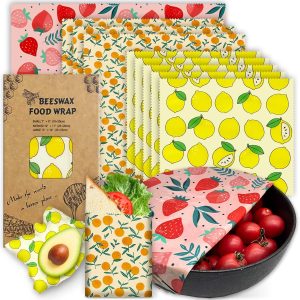
Think about what you actually wrap. Are you constantly packing sandwiches for lunch? Saving half an avocado? Covering a large bowl of leftover pasta? A 9-pack beeswax wrap set with a range of sizes, like the 1XL, 3M, 5S mentioned in our target, offers far more utility than a pack of all small squares. A good assortment allows you to cover everything from small snack portions to bigger loaves of bread wrapper duty. Consider a pack that gives you a few larger sheets for those bulkier items. Otherwise, you’ll find yourself needing to buy multiple sets just to cover your bases. You want a sandwich wrap that truly works for your favorite sandwich, not some dinky little square that barely covers a cookie.
5. Ease of Cleaning and Care:
Washable wraps are only truly useful if they’re easy to clean. Most beeswax options require a gentle hand wash with cold water and mild soap, then air drying. This isn’t rocket science, but if a wrap is sticky even after washing, or if the wax starts flaking off, you’ve got a problem. Avoid hot water at all costs; it melts the wax right off. Some people find the hand-washing routine a bit of a chore compared to tossing plastic film. It’s a trade-off for sustainability, no doubt. But if the care instructions are overly complex or the wrap itself is hard to get clean, you simply won’t use it.
6. Breathability and Food Preservation:
Unlike plastic, beeswax wraps are naturally breathable. This is a huge benefit for certain foods, like half-cut vegetables, herbs, and bread. They allow some air circulation, preventing condensation and mold growth that often happens with airtight plastic. This can genuinely extend the shelf life of produce, keeping things fresher, longer. But it’s also a limitation: they aren’t suitable for raw meat or very wet items, as the breathability could lead to spoilage or leakage. Understanding this specific characteristic helps manage expectations and makes sure you’re using them for the right applications. It’s not a miracle worker for everything, just most things.
How to Match the Product to Your Situation
Finding the right reusable food wraps isn’t about finding one perfect product. It’s about matching the tool to the task, or, more accurately, matching the wrap to your lifestyle. Who are you, really, when it comes to food?
1. The Eco-Conscious Meal Prepper:
You’re serious about zero waste and planning meals ahead. Your fridge is often filled with pre-chopped veggies, marinated meats, and stacked containers. For you, the material quality and durability are non-negotiable. You’ll need a range of sizes, including several medium and large food storage wraps to cover various bowls and dishes. Look for beeswax wraps specifically labeled for their long lifespan and easy cleaning. Sustainable practices are key here, so ensure the sourcing is transparent. You’re using them daily, maybe even multiple times a day. Flimsy wraps just won’t cut it.
2. The On-the-Go Lunch Packer:
Your priority is a reliable sandwich wrap or a quick way to cover a snack for the kids’ lunchboxes. Portability and convenience are huge. You’ll want a few sturdy medium-to-large wraps that hold their seal through a jostle in a backpack. Ease of cleaning after a messy sandwich is also crucial. Consider a 9-pack beeswax wrap set with a good number of medium wraps. You likely won’t need many extra-large ones unless you’re wrapping whole loaves of bread. A wrap that keeps your food fresh until lunchtime, without making everything else in the bag smell like peanut butter, that’s what you’re after.
3. The Occasional Green-Seeker:
You’re curious about eco-friendly living but perhaps not ready to overhaul your entire kitchen. Maybe you just want to reduce your cling film use for specific items like cheese or half an onion. For you, a smaller, budget-friendly pack might be a good starting point. You’ll still want decent quality, but extreme durability might not be your absolute top concern if you’re not using them daily. Focus on the ease of use and the immediate impact of going plastic-free on those specific items. Just dip your toe in, you know? See if it sticks.
Decision Tree: Choosing Your Reusable Food Wraps
- Do you wrap fresh produce (fruits, veggies, herbs) often?
- Yes -> Prioritize breathable wrap qualities and varied sizes. Look for organic beeswax for better preservation.
- No -> Adhesion and durability for general bowl covering or sandwich wrap are more critical. Material flexibility for a good seal.
- Is reducing plastic your absolute top priority?
- Yes -> Invest in higher-end beeswax wraps with strong claims of longevity and repairability (re-waxing kits). Consider a larger, comprehensive 9-pack beeswax wrap set.
- No -> A mid-range set offers a good balance of cost and performance for occasional use. Focus on basic functionality and plastic-free food storage.
- Are you looking to replace all your plastic wrap?
- Yes -> You’ll need multiple packs of varied sizes. Don’t forget that very wet items (raw meat, soupy leftovers) still need airtight containers.
- No -> A single pack with 3-5 versatile sizes (e.g., a bread wrapper and a couple of sandwich wrap sizes) will suffice for common needs.
Reusable Food Wrap Comparison
Let’s break down the main contenders you’ll find when shopping for reusable food wraps. It’s not just beeswax out there, though that’s a popular one.
| Type/Tier | Best For | Price Tier | Key Feature | Watch-Out |
|---|---|---|---|---|
| Basic Beeswax Wrap Set | Everyday items like cheese, cut veggies, small bowls. | Budget | Easy entry point to plastic-free storage; often good size variety. | May lose tackiness faster; less durable than premium options. |
| Premium Beeswax Wrap Set | Frequent users, larger items, specific bread wrapper needs. | Mid-range | Superior adhesion and longevity; often organic beeswax and better fabric. | Higher initial cost; still requires hand-washing and gentle care. |
| Silicone Food Wraps | Airtight seals for liquids, covering pots, high heat use. | Mid-range | Exceptionally durable, oven/microwave safe, very strong seal. | Not breathable; can be less flexible on irregular shapes; not as eco-friendly at end of life. |
| Fabric Covers/Bags | Bread storage, leafy greens, dry snacks. | Budget | Very breathable, machine washable wraps, versatile for dry goods. | No seal whatsoever; not suitable for moist foods or keeping things airtight. |
Here’s a bit more on each:
- Basic Beeswax Wrap Set: These sets are great if you’re just starting your zero waste journey. You often get a decent range of sizes to try out, but you might find yourself needing to replace them sooner than you’d like.
- Premium Beeswax Wrap Set: For those committed to sustainable living and using these regularly, a premium set offers better value over time. They tend to hold up much better to repeated use and washing, often using higher-quality ingredients for a stronger, longer-lasting seal, perfect for that bread wrapper duty.
- Silicone Food Wraps: While not technically a “wrap” in the same sense as beeswax, these are fantastic for items that truly need an airtight seal, like liquids or strong-smelling foods. They’re incredibly tough and can go through the dishwasher, which is a big plus for some, but they don’t offer the breathable wrap benefits of beeswax.
- Fabric Covers/Bags: Think of these more like very breathable, reusable bags or covers. They’re not about creating a seal, but they’re excellent for keeping bread soft, greens crisp, or protecting other dry items from dust or insects. They’re a truly plastic-free option and super easy to clean.
When Every Day Counts: Scenario-Specific Use Cases
Your actual usage pattern plays a massive role in which reusable food wraps will serve you best. It’s not just about what you can do with them, but what you will do.
The Daily Food Saver
If you’re someone who cooks every night, packs lunches, and genuinely tries to minimize food waste, then your reusable food wraps are going to get a workout. For you, the focus needs to be on durability and material integrity. A premium beeswax wrap set is likely your best bet, offering both a reliable seal and a longer lifespan. You’ll want a good mix of sizes, perhaps even a dedicated bread wrapper and several sandwich wrap sizes. Don’t skimp here; investing in higher-quality items means less frustration and fewer replacements down the line. You’re using these for serious food storage, not just a novelty.
The Occasional Leftover Capper
Maybe you’re not cooking from scratch daily, or you frequently eat out. Your need for reusable food wraps might be more sporadic: covering that half-eaten avocado, a slice of lemon, or a small bowl of dips. A mid-range, versatile 9-pack beeswax wrap set could be ideal. You’ll get enough variety to handle common scenarios without over-investing in something that won’t see daily use. The emphasis here is on convenience and ease of access. You want a wrap that’s simple to grab, use, and clean without feeling like a big commitment.
The Produce Extender
Do you find yourself tossing out wilted herbs or sad-looking greens more often than you’d like? This is where the breathable wrap quality of beeswax truly shines. If preserving fresh produce is your main goal, you’ll benefit from wraps specifically designed with good breathability and pliable wax that can conform to odd shapes. Look for sets that include larger, rectangular wraps or even dedicated produce bags made from similar materials, ideal for things like celery or kale. This isn’t about an airtight seal, it’s about creating a protective, semi-open environment that keeps vegetables crisp longer.
Common Mistakes Buyers Make with Reusable Food Wraps
It’s easy to get excited about the idea of eco-friendly food storage and jump in headfirst. But a few common missteps can lead to disappointment or a shorter lifespan for your reusable food wraps.
- Ignoring Care Instructions: This is probably the number one offender. Hot water is the enemy of beeswax wraps. Using it, or putting them in a dishwasher, will strip the wax right off, rendering them useless. Stick to cold water and mild soap. No scrubbing with abrasive sponges either. A gentle wipe is usually enough. You wouldn’t throw a delicate silk shirt in a hot wash, would you? Treat your wraps similarly.
- Trying to Wrap Wet or Oily Foods: Beeswax wraps are fantastic, but they aren’t meant for everything. They don’t create an airtight seal, so really wet items like raw meat, soupy leftovers, or extremely oily foods can leak through or stain the wrap permanently. Stick to dry, semi-dry, or breathable items. For liquids, you still need a good, reusable container. It’s a key distinction for plastic-free success.
- Expecting Them to Last Forever: While they’re called “reusable,” they do have a finite lifespan. Depending on usage and care, most beeswax wraps will last anywhere from six months to a year, sometimes longer. They’ll eventually lose their stickiness or show wear and tear. Some can be re-waxed, which is a cool trick to extend their life, but don’t expect them to perform like new indefinitely. It’s about reducing waste, not eliminating wear.
- Buying the Wrong Size Assortment: Picking up a 9-pack beeswax wrap set that’s all tiny squares when you mainly want to cover large bowls or wrap a loaf of bread is just a waste. Seriously. Think about your actual needs. Do you pack lunches? Cover bowls? Store herbs? Matching the sizes you buy to the items you most frequently store is critical for maximizing their utility and preventing frustration.
Why/How/What of Reusable Food Wraps
Why bother with reusable food wraps?
The main push is reducing single-use plastic, a real environmental problem. Beyond that, many find that beeswax wraps offer superior food preservation for certain items, thanks to their breathable nature. They’re also just… nicer to use than wrestling with plastic cling film, often looking more appealing in your fridge. It’s a step toward a truly sustainable kitchen, not just a trendy purchase.
How do you make beeswax wraps sticky again?
When beeswax wraps start losing their tackiness, they’re not necessarily trash. You can often refresh them. Grate some beeswax onto the wrap, place it on parchment paper, and gently melt the wax in a low oven or with a hairdryer until it’s evenly coated. Let it cool. This simple re-waxing process can extend its life significantly, making your washable wraps feel almost new.
What foods are best for reusable food wraps?
Think dry or semi-dry. Cheese, cut fruits (like apples or avocados), vegetables (cucumbers, carrots, peppers), herbs, baked goods (muffins, cookies), sandwiches, and bread are all excellent candidates. They allow the food to breathe slightly, which can prevent sogginess and extend freshness. It’s truly a game-changer for your sandwich wrap routine.
FAQ
H3: Are beeswax wraps truly eco-friendly?
Yes, generally. They’re made from natural, often organic, materials and are biodegradable and compostable at the end of their life. This makes them a far more sustainable choice than plastic.
H3: Can I use reusable food wraps for hot food?
No, that’s a hard pass. Hot food will melt the wax coating, ruining the wrap and making a mess. Let food cool completely before using a beeswax wrap to cover it.
H3: How long do beeswax wraps actually last?
With proper care, a good quality beeswax wrap should last between 6 months and a year, sometimes even longer. Their lifespan depends heavily on how often they’re used and cleaned.
H3: Can I put beeswax wraps in the microwave?
Absolutely not. The wax will melt. Use traditional covers or plates for microwaving. They’re designed for cold food storage.
H3: What’s the best way to clean my washable wraps?
Hand wash them with cool water and a mild dish soap. Gently scrub with your fingers or a soft cloth. Then, air dry them completely before folding and storing.
H3: Do reusable food wraps really keep food fresh?
Yes, for many items, they do a surprisingly good job. The breathable wrap design allows for better air circulation compared to plastic, which can extend the life of produce, cheese, and baked goods by preventing condensation.
H3: Where can I buy a reliable 9-pack beeswax wrap set?
You’ll find these widely available online through major retailers, and sometimes even in specialty eco-friendly stores. Check current availability for a range of options.
Final Recommendation
For most people looking to seriously cut down on plastic and embrace eco-friendly food storage, a premium beeswax wrap set is the smartest choice. Why? Because the upfront investment in better materials and construction translates directly into longer life and more reliable performance, which is exactly what you want when you’re making a sustainable switch. You’ll use them more, trust them more, and ultimately save money by not having to replace them constantly. Look for a 9-pack beeswax wrap set that offers a robust mix of sizes, particularly if you’re keen on using them for bread wrapper duty or frequent sandwich wrap packing. It makes a real difference.
If you’re just dipping your toe in, or you only need to cover the occasional half-lemon, a basic set is fine to test the waters. But for true, consistent zero waste impact, the slightly higher-tier wraps are worth it. They just are.
#Reusable #Beeswax #Wrap #Pack #Beeswax #Wraps #Food #EcoFriendly #Beeswax #Food #Wraps #Bread #Sandwich #Wrapper #Organic #Sustainable #Waste #Reusable #PlasticFree #Food #Storage #Wrap #1XL
Reviews
There are no reviews yet.