Instant Pot Duo 7-in-1 Review: 6-Quart Pressure Cooker, 13 Smart Programs
Shopping for an electric pressure cooker almost always leads to the same question: is the Instant Pot Duo 7-in-1 still the one to beat, or has the competition caught up? This guide is written for first-time buyers and upgrade shoppers alike — people who want to know what the Duo actually does well, where it falls short, and how it stacks up against its closest rivals before spending a dime.
You won’t find hype here. Just the practical stuff: how the 13 smart programs work in real kitchens, which capacity makes sense for your household, and the mistakes that trip up new owners.
Quick Answer
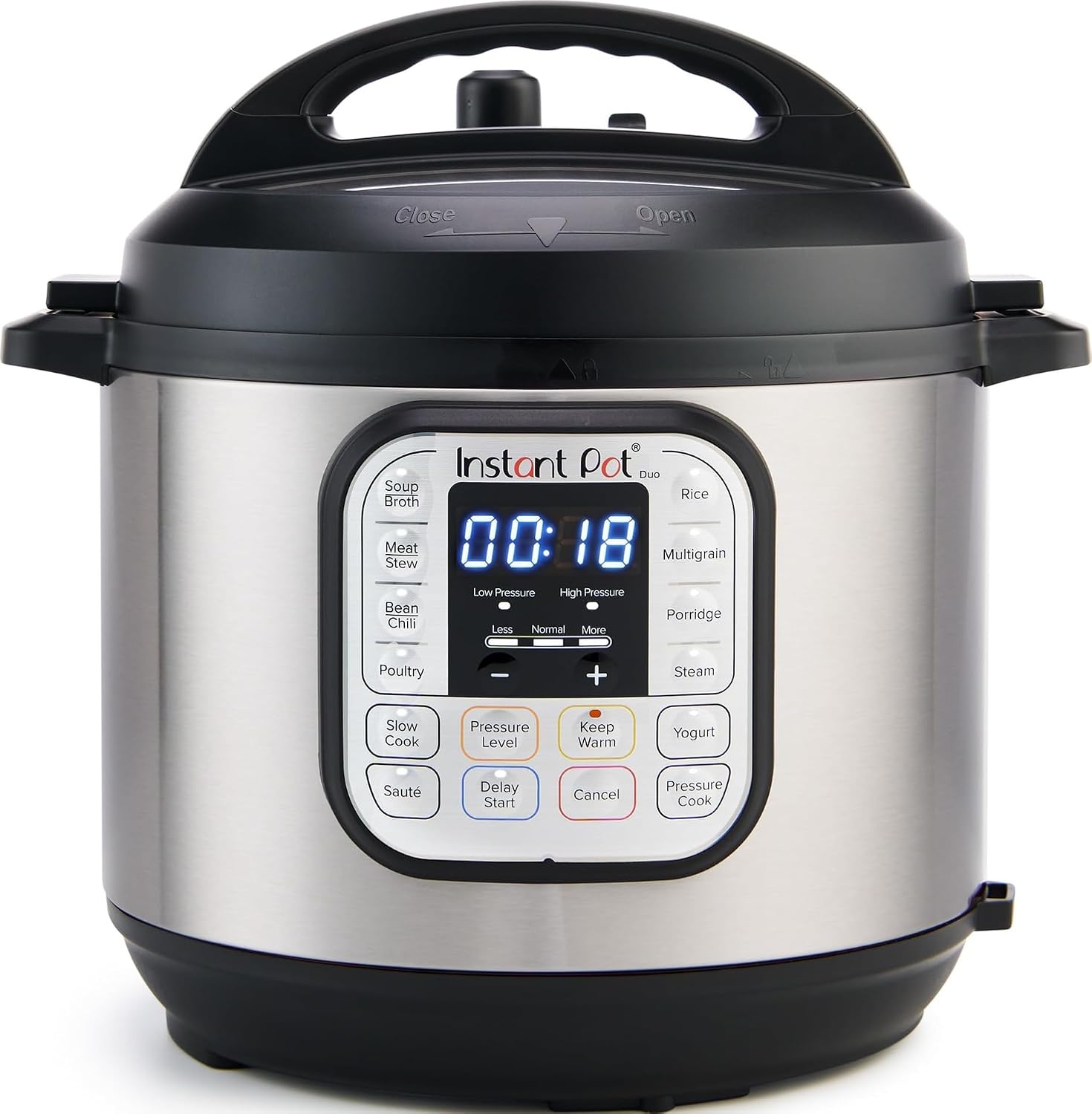
Short version: the Instant Pot Duo 7-in-1 remains the safest pick for most households — a 6-quart multi-cooker that pressure cooks, slow cooks, makes rice and yogurt, steams, sautés, and keeps food warm, with 13 one-touch programs that genuinely simplify weeknight cooking.
If you want air-crisping in the same pot, look at the Ninja Foodi. If you mainly want a familiar brand name at a lower price, the Crock-Pot Express is worth a glance. Everyone else? The Duo is the default answer for a reason.
What to Look For in an Electric Pressure Cooker
Before comparing models, it helps to know which features actually matter. Some specs sound impressive on a box and never get used. Others quietly decide whether the thing earns its counter space.
Capacity: the 6-quart sweet spot (and when to go bigger)
Six quarts is the most popular size for a reason. It handles a whole chicken, a big pot of chili, or dinner for four to six without breaking a sweat — and it still fits on a normal counter without dominating it.
Go smaller only if you’re cooking for one with brutal storage. Go bigger if you batch-cook for a crowd. Bigger pots take longer to pressurize and they’re heavier to wash, so don’t size up “just in case.”
Preset programs vs. manual control
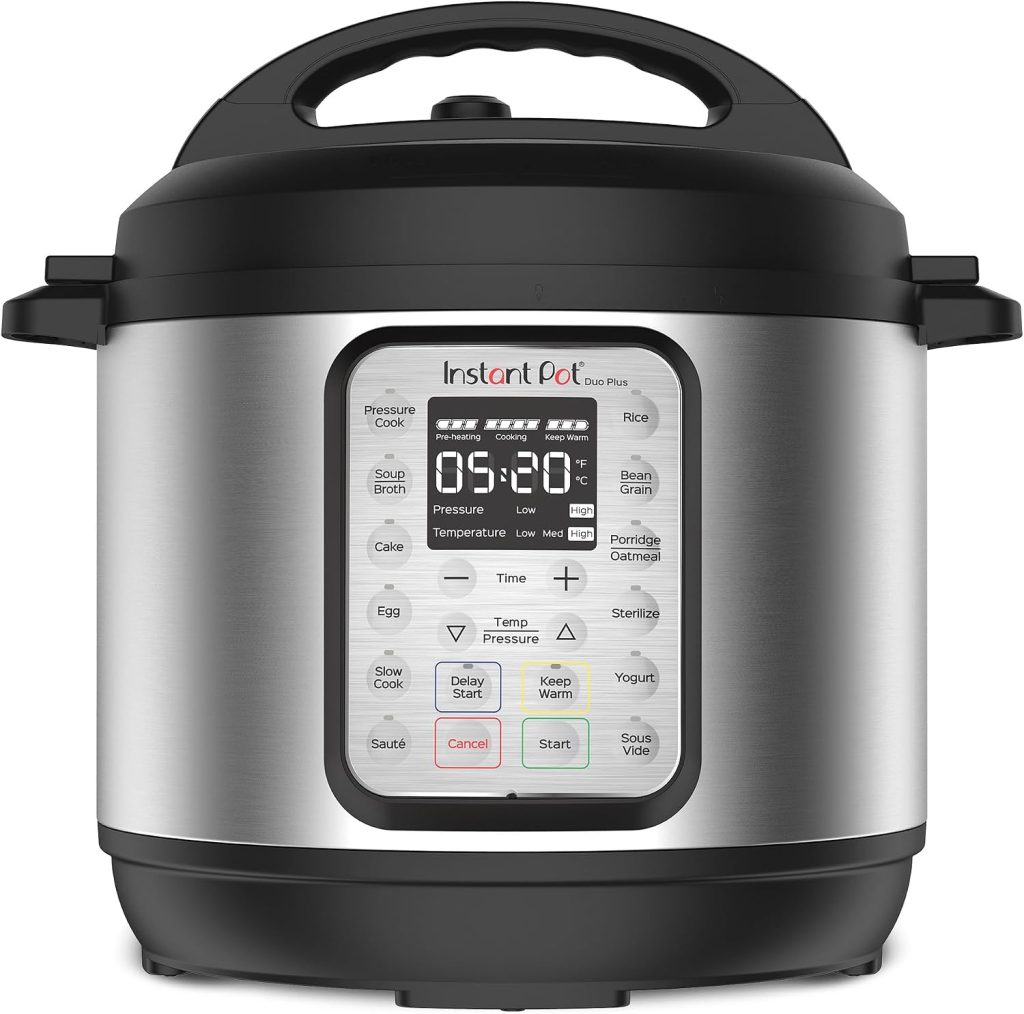
The Duo’s 13 smart programs — soup, meat, rice, yogurt, and friends — are one-touch shortcuts with pre-set times. Handy when you’re starting out: press a button, walk away.
But after a month, most owners use two or three presets and the manual button for everything else. So don’t pick a cooker purely on program count. Pick it because the programs you’ll actually use are well tuned — and because manual mode is easy to reach.
Steam release: the detail that separates pleasant from annoying
Every pressure cooker vents steam at the end. On the Duo, you flip a valve by hand. It works fine, but the burst of steam is loud and a little dramatic the first few times.
Some competitors added quick-release dials that keep your fingers away from the steam. If anyone in your house is nervous around pressure cooking, that single detail might matter more than five extra presets.
Inner pot material
Stainless steel pots — like the Duo’s — brown meat better and stand up to metal utensils, and they go straight in the dishwasher without babying. Nonstick releases food more easily but scratches over time. For most people, stainless is the practical choice.
Keep-warm and delay-start
Keep-warm holds finished food at serving temperature for hours — genuinely useful when family members eat at different times. Delay-start lets you load the pot in the morning and have it start later. Both sound minor. Both get used constantly once you have them.
Cleanup reality
The lid, the sealing ring, and the inner pot all need regular washing. Dishwasher-safe parts save real effort over a year of use. The sealing ring absorbs odors over time, so many owners keep a second ring — one for savory, one for sweet — so the cheesecake never smells like last week’s curry.
How to Match the Pressure Cooker to Your Situation
The weeknight parent. You’re home at six, everyone’s hungry, and patience is thin. You need dump-and-go dinners: frozen chicken breasts to shredded taco meat in under an hour, soups that taste like they simmered all afternoon. For you, the presets and the fast pressure build matter most. The Duo’s one-touch programs were basically designed for this life.
The solo cook or couple who meal-preps. You cook twice a week and eat from containers. Six quarts is plenty — arguably the ideal size, since bigger pots waste energy on small batches. What you care about: consistent rice, easy yogurt, a pot that doesn’t demand babysitting. A mid-tier multi-cooker covers all of it without the premium for features you’ll never touch.
The weekend project cook. You actually enjoy the process — bone broth from scratch, beans you soaked overnight, yogurt you culture yourself. You’ll outgrow the presets fast and live in manual mode. For you, precise time control and a sturdy stainless pot matter more than program count. You might also be the rare buyer who genuinely benefits from stepping up to a feature-rich model.
Comparing the Tiers: 7-in-1 vs. the Alternatives
Not every “multi-cooker” is the same animal. Here’s how the main tiers break down.
| Type / Tier | Best For | Price Tier | Key Feature | Watch Out |
|---|---|---|---|---|
| Classic 7-in-1 (Instant Pot Duo) | First-time buyers, everyday one-pot meals | Budget-friendly to mid-range | 13 one-touch smart programs | Fewer extras than newer models |
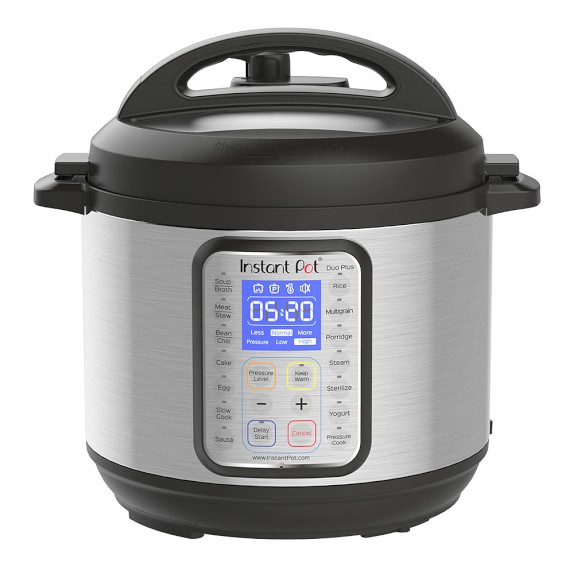
| Feature-rich multi-cooker (Duo Plus / Pro) | Cooks who want more presets and a nicer display | Mid-range | Expanded programs, upgraded interface | You pay more for features many never use |
| Crisping-lid cooker (Ninja Foodi style) | People who want air-fried finishes in the same pot | Premium | Air-crisp lid for browning | Bulkier footprint, heavier lid to store |
| Dedicated single-function appliances | Specialists — rice perfectionists, slow-cook loyalists | Varies | Does one thing very well | More gadgets, more storage, more clutter |
The classic 7-in-1 wins on value and simplicity — it’s the tier most kitchens actually need. The feature-rich tier makes sense if you’ll genuinely use the extras (most people don’t). The crisping-lid tier is for the “one pot to rule them all” crowd, but it costs more and hogs counter space. Single-function appliances still beat multi-cookers at their specialty — a dedicated rice cooker makes better rice — but then you’re back to owning five gadgets.
Questions People Ask Before Buying
Is the Instant Pot Duo 7-in-1 actually worth it, or is it just hype?
The Instant Pot Duo 7-in-1 is worth it for most households that cook dinner at home four or more nights a week, because it replaces several single-use appliances — pressure cooker, slow cooker, rice cooker, yogurt maker, steamer — with one countertop unit that genuinely saves time on weeknights. It turns dried beans, tough cuts of meat, and frozen chicken into finished meals in a fraction of the usual time.
What’s the difference between the Instant Pot Duo and the newer models?
The core difference between the Instant Pot Duo 7-in-1 and newer models like the Duo Plus or Pro comes down to extra programs, display upgrades, and small convenience features — the actual pressure cooking performance is very similar across the lineup. Most owners settle into two or three programs and manual mode within a month, so the classic Duo does the same core job for less.
Is 6 quarts big enough for a family of four?
Six quarts is enough for a family of four in the vast majority of cases — it comfortably handles a whole chicken, a large batch of soup or chili, and several pounds of meat at once, which covers the typical weeknight dinners and weekend batch cooking most four-person households actually do. You’ll only feel cramped if you regularly batch-cook for six-plus people. One caveat: a 6-quart pot filled past the max line won’t pressurize properly, so “big enough” assumes you respect the fill limits.
Instant Pot Duo vs. Ninja Foodi — which one should I buy?
Choose the Instant Pot Duo 7-in-1 if you want the simpler, lighter, and usually more affordable multi-cooker for pressure cooking, slow cooking, rice, and yogurt — it does the core jobs without fuss, making it the better pick for anyone who values simplicity and counter space over extra gadgets. Choose the Ninja Foodi if you specifically want the air-crisp lid that browns and crisps food in the same pot, and you’re willing to pay more and give up more counter space for it.
Does the yogurt function on the Instant Pot Duo actually work?
Yes, the yogurt function on the Instant Pot Duo genuinely works — it holds milk at the right culturing temperature for hours, producing thick homemade yogurt at a fraction of store-bought cost, and once you’ve dialed in your starter culture and timing, the results are consistently thick and tangy. It takes some practice: the first batch or two may come out thinner than expected. The main gotcha is the sealing ring — keep a separate one for sweet foods.
Weeknight Dinners When Nobody Has Time
Here’s where the Duo pays rent. Frozen chicken breasts go in with some salsa; under an hour later you’ve got shredded taco filling. Dried beans — no soaking — become creamy in about an hour. A beef stew that used to need three hours on the stove is done before the kids finish homework.
The trick is the pressure build time. Recipes quote “20 minutes at pressure,” but the pot needs time to heat up and pressurize first, plus time to release. Add 15 to 25 minutes to every recipe’s headline number. Still dramatically faster than the stovetop — just plan for it instead of being surprised at 6:45 pm.
Small Kitchens and Counter Space Trade-Offs
The Duo replaces up to seven appliances, which sounds like a space win — and it is, if those appliances were actually cluttering your kitchen. Measure before you buy: it’s taller than it looks in photos, and the lid needs clearance to open. Under-cabinet storage works only with enough vertical room. That said, one multi-cooker beats a pressure cooker plus a rice cooker plus a yogurt maker every single time.
Common Mistakes New Owners Make
Overfilling the pot. There’s a max fill line for a reason — exceed it and the cooker may never reach pressure, or worse, food clogs the steam valve. For foods that expand or foam (beans, grains), stay even lower, around half full. When in doubt, cook in two batches.
Skipping the water test. The manual suggests a first run with just water. Boring? Yes. Useful? Also yes — it confirms the seal works and teaches you what pressurizing sounds like before there’s food at stake. Five minutes now saves a panicked dinner later.
Forcing the lid. If the lid won’t turn, the pot is still pressurized. Never force it. Wait for the pin to drop or use a controlled release. This is the one safety rule that actually matters, and it’s simple: the lid tells you when it’s ready.
Forgetting the valve position. Half of all “my Instant Pot won’t pressurize” complaints come down to the steam valve left in the venting position. Make checking it part of your lid-closing ritual. You’ll laugh the first time you catch yourself — everyone does it once.
Why, How, and What: Quick Explainers
Why does pressure-cooked food taste different?
Under pressure, water boils at a higher temperature, so food cooks hotter and faster — and flavors meld in a way that mimics hours of slow simmering. Tough connective tissue in cheap cuts breaks down into gelatin, which is why a humble chuck roast comes out silky. The trade-off: you lose the browning and reduction that happen with open-pot cooking, so a quick sauté before sealing (the Duo’s sauté mode handles this in the same pot) makes a real difference.
How do you clean the lid and sealing ring?
The inner pot and the sealing ring go in the dishwasher; the lid gets hand-washed since it houses the valves. Pull the ring out after each use and wash it separately — trapped food is what makes rings smell. Honestly? Just buy a spare ring. Having a dedicated “sweet” ring ends the yogurt-smells-like-chili problem permanently.
What can’t you cook in a pressure cooker?
Crispy things, mostly. Pressure cooking is wet heat — nothing comes out crunchy. Delicate dairy curdles under pressure, so cream and cheese go in after cooking. The Duo is a workhorse, not a specialist. Knowing its limits is what separates happy owners from disappointed ones.
Common Questions About Instant Pot Duo 7-in-1
Can I use the Instant Pot Duo as a regular slow cooker?
Yes — the slow cook function works, though it heats differently than a traditional ceramic slow cooker, which surrounds food with gentle heat from the sides. The Duo heats from the bottom, so results can vary slightly on long cooks. Many owners find it perfectly fine for chilis, stews, and pulled pork.
How long does the Instant Pot take to come to pressure?
It depends on how full the pot is and how cold the ingredients are — a small, warm batch pressurizes much faster than a full pot of cold soup. As a rough guide, expect somewhere in the teens of minutes for typical dinners, longer for very full pots. This preheat time isn’t in recipe times, so always add it to your planning.
Is the inner pot dishwasher safe?
Yes, the stainless steel inner pot is dishwasher safe, as is the sealing ring. The lid should be hand-washed because of its valves and small parts. In practice, the pot cleans up easily by hand too — pressure cooking rarely leaves stuck-on food since everything cooks in liquid.
Can you cook frozen meat in the Instant Pot Duo?
Yes, and it’s one of the most genuinely useful things about pressure cooking — frozen chicken breasts or ground meat can go straight in without thawing. You’ll need to add extra time under pressure compared to thawed meat, and you can’t sear frozen meat first, so the flavor is a touch less developed.
What’s the difference between quick release and natural release?
Quick release means manually opening the steam valve right when cooking ends — fast, loud, and best for vegetables and seafood that overcook easily. Natural release means letting the pot cool down on its own — slower, but better for meats (they stay more tender) and foamy foods like beans that can sputter through the valve.
Does the sealing ring really absorb food odors?
Unfortunately, yes — silicone absorbs odors over time, and a ring used for garlic-heavy dishes will smell like it. It doesn’t affect how the cooker works, but the smell can transfer to delicate foods like yogurt or cheesecake. The standard fix is keeping two rings: one for savory cooking, one for sweet.
Final Recommendation
For most households, the Instant Pot Duo 7-in-1 is still the right call. Six quarts hits the sweet spot, the stainless pot will outlast nonstick alternatives, and the presets teach you the ropes before manual mode takes over.
Step up to a crisping-lid model only if you’ll genuinely air-fry in it weekly — otherwise it’s a very expensive lid holder. And if your cooking life is mostly slow-cooked comfort food, the Duo covers that too, with pressure cooking as a bonus for the nights you need dinner fast.
Compare Top Pressure Cookers
Three proven picks side by side — choose the one that fits your needs.
Instant Pot Duo 7-in-1 (6-Qt)
The original multi-cooker — 13 smart programs cover pressure cooking, slow cooking, rice, yogurt, and more.
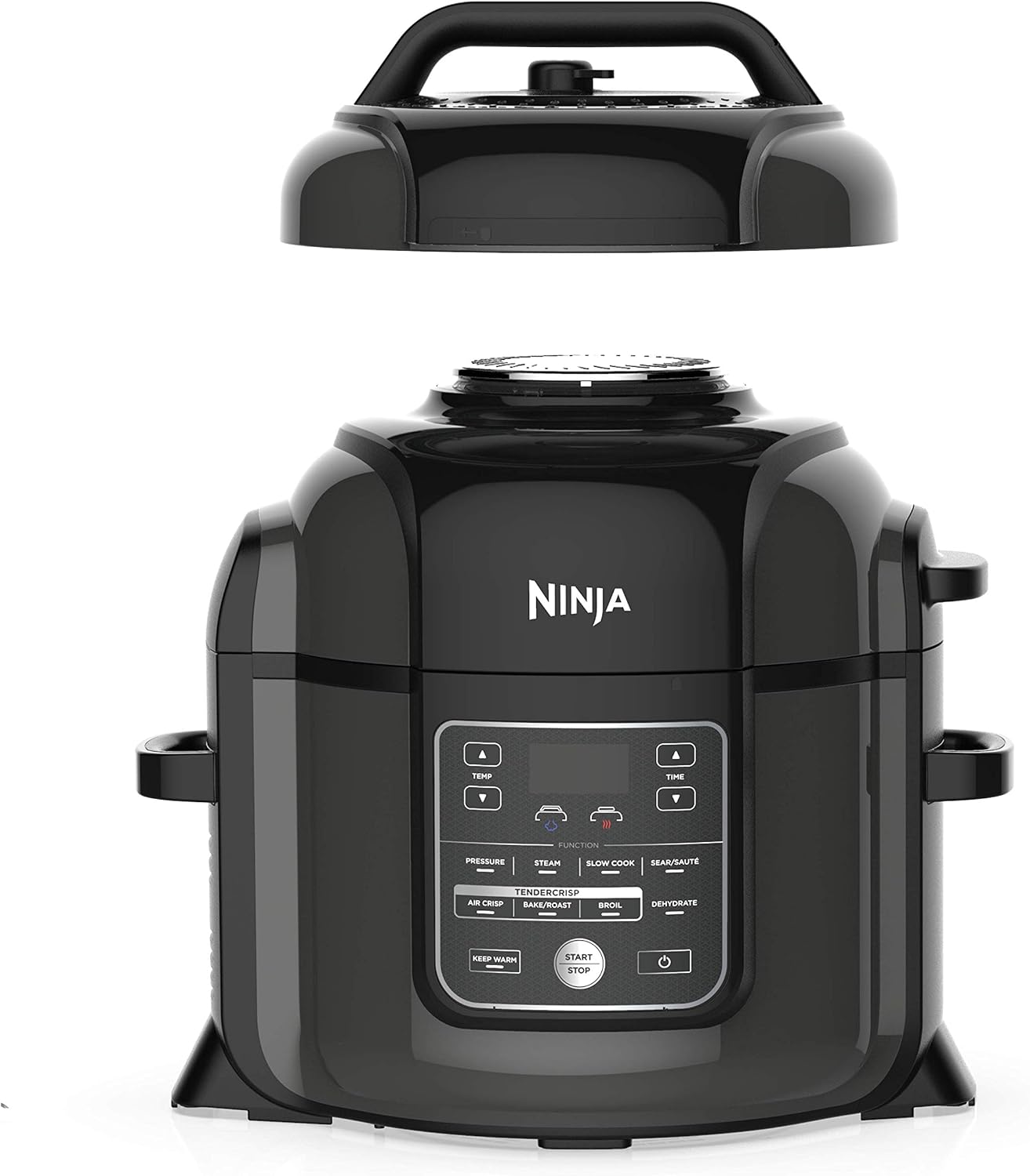
Ninja Foodi 9-in-1 (8-Qt)
Adds an air-crisp lid for browning plus a larger pot — but it costs more and eats up more counter space.
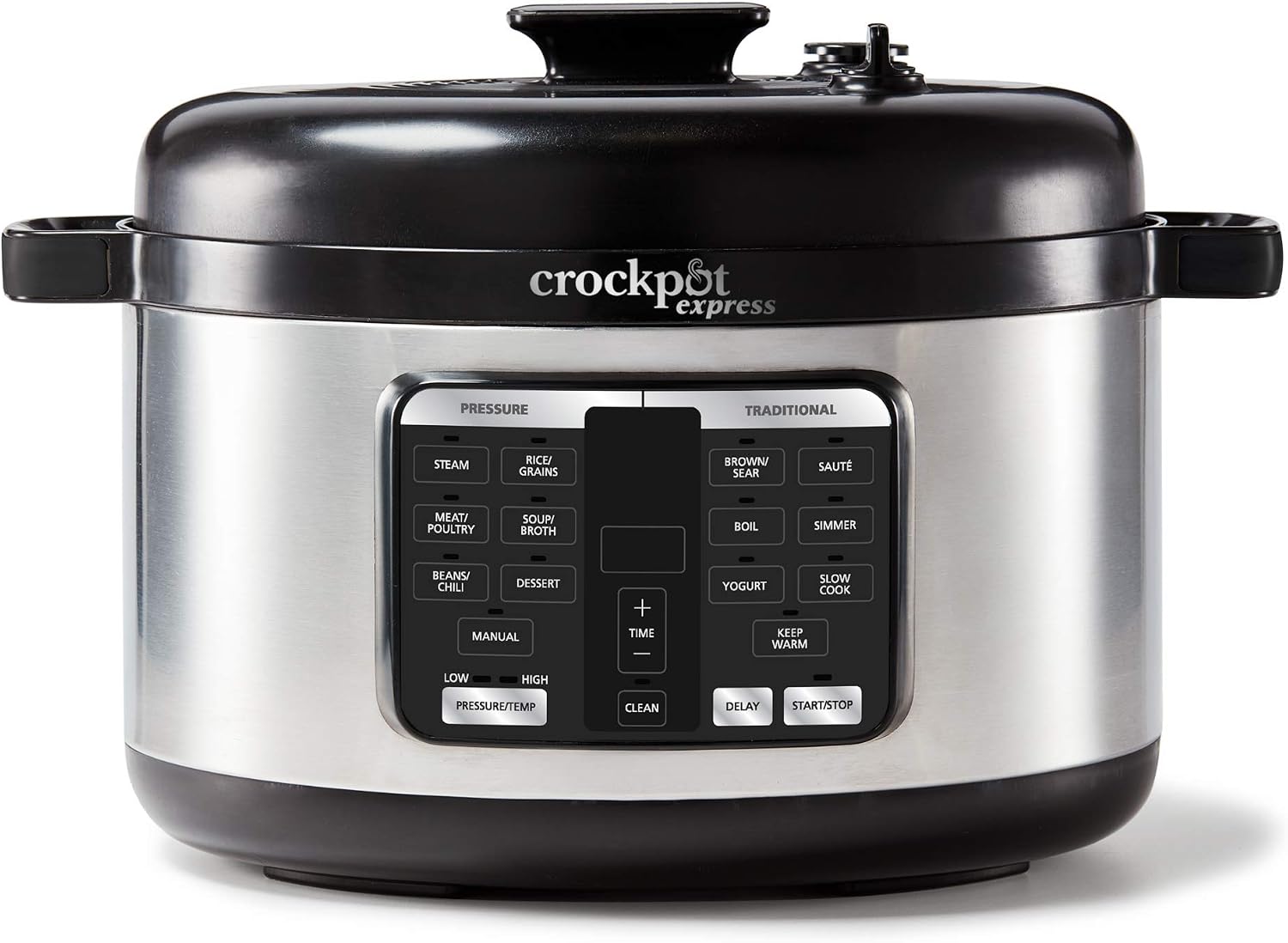
Crock-Pot Express 6-Qt
Easy-release steam dial keeps your hand clear of hot steam; a solid alternative from a classic brand.
Prices and availability may vary — tap any product to check the current listing.
Decision Tree: Which Multi-Cooker Fits You?
You cook dinner at home most nights and want the simplest path → Instant Pot Duo 7-in-1. It’s the proven default.
You want crispy, browned finishes without firing up the oven → Ninja Foodi 9-in-1 with the air-crisp lid.
You like the Crock-Pot brand or want the easy-release steam dial → Crock-Pot Express 6-Quart.
You mostly slow-cook and rarely need speed → Honestly? A dedicated slow cooker might serve you better — but the Duo covers it too.
Key Takeaways
The Instant Pot Duo 7-in-1 covers pressure cooking, slow cooking, rice, yogurt, steaming, sautéing, and warming in one 6-quart pot.
Six quarts suits most families; size up only if you batch-cook for a crowd.
Presets are great for learning, but manual mode is where long-term owners live.
Respect the max fill line, check the steam valve, and keep a spare sealing ring.
Ninja Foodi wins if you want air-crisping; Crock-Pot Express wins on the steam-dial convenience.