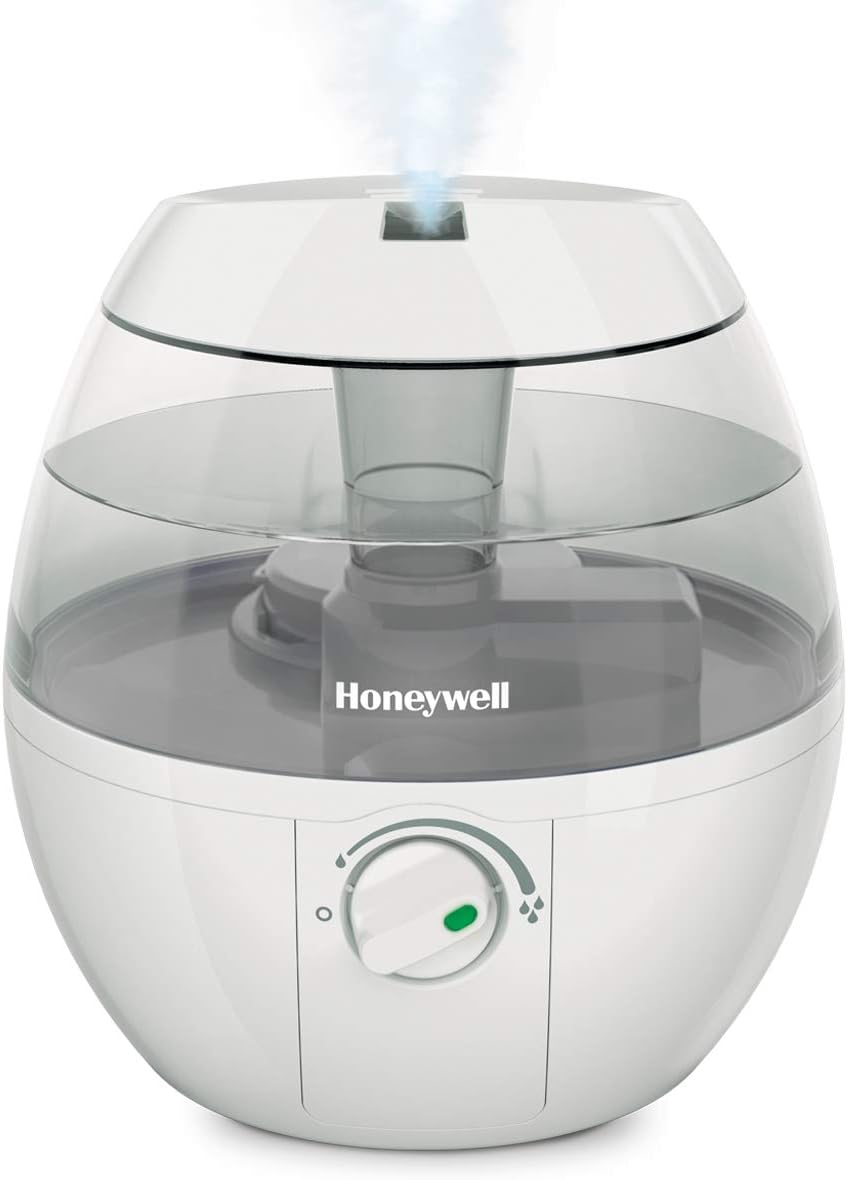
Honeywell HUL520W MistMate Review: Ultrasonic Cool Mist, 0.5-Gal Tank
Dry winter air is one of those problems you feel everywhere — scratchy throat in the morning, static shocks all day, skin that never quite feels moisturized. A small ultrasonic humidifier like the Honeywell HUL520W MistMate is the classic fix: compact, simple, and made for bedrooms and desks. This guide covers what the MistMate does well, where its small tank limits it, and how it compares to its closest rivals.
Written for first-time humidifier buyers who want straight answers, not a physics lecture.
Related: See our hOmeLabs 50-Pint Dehumidifier Review for a detailed comparison.
Quick Answer
Short version: the Honeywell HUL520W MistMate is a compact ultrasonic cool-mist humidifier with a 0.5-gallon tank — simple to use, quiet enough for a bedroom, and sized for personal spaces rather than whole rooms.
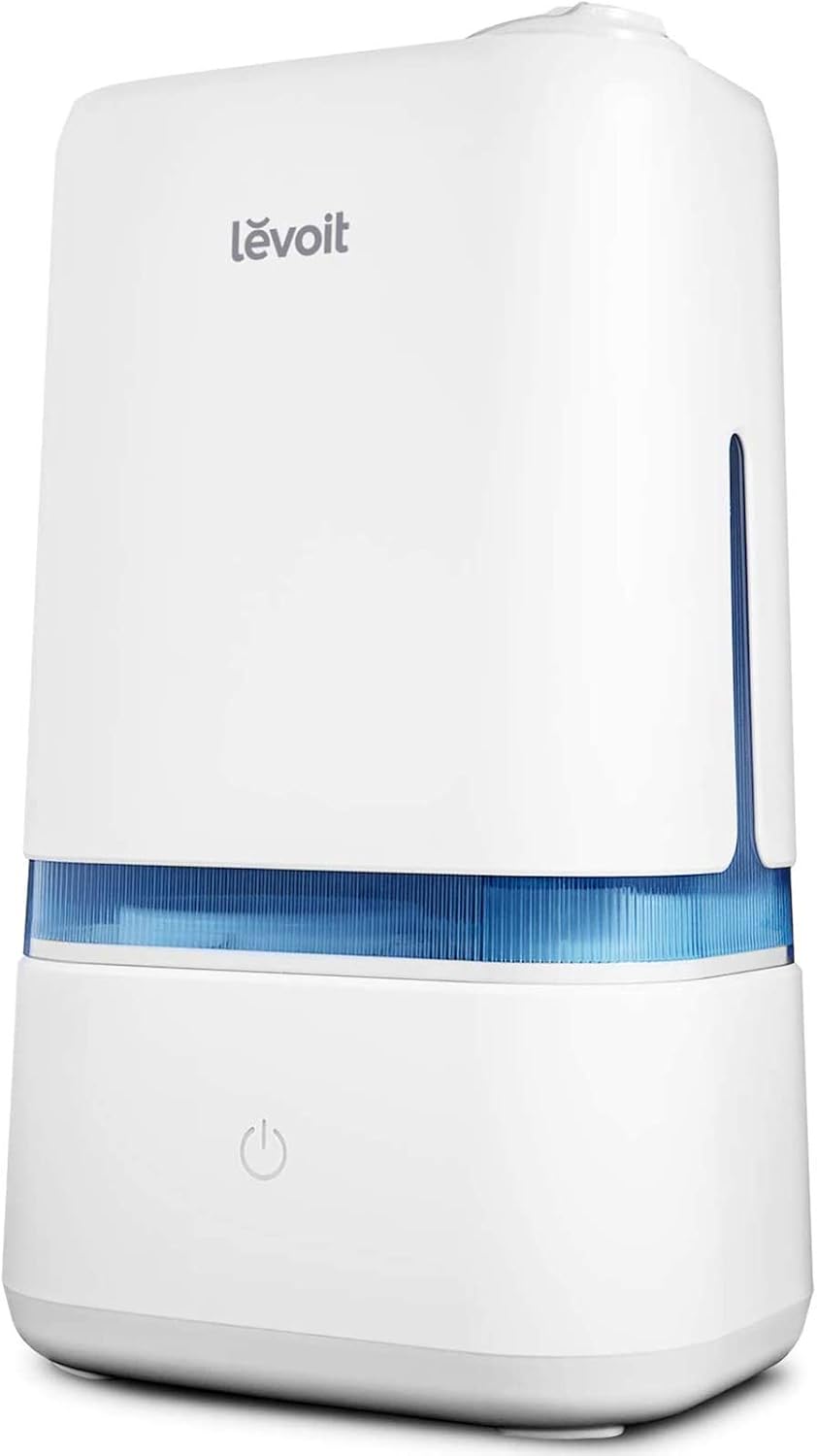
It’s the right pick for a nightstand or desk. If you hate refilling, the LEVOIT Classic 200’s 4-liter tank runs much longer between fills. For a night light plus extended runtime, the Pure Enrichment MistAire is worth a look.
What to Look For in a Small Humidifier
Small humidifiers are simple machines, but a few details separate the ones you’ll use all winter from the ones that gather dust by February.
Tank size vs. runtime
The MistMate’s 0.5-gallon tank is the defining trade-off of this unit. On lower mist settings it runs for a good stretch — easily through the night in many cases — but on high it’ll need a refill sooner. Smaller tank means smaller footprint and easier refills at the bathroom sink; it also means refilling becomes part of your routine.
If the thought of daily refills annoys you, size up to a 4-liter class unit. If you’d rather have something compact that you barely notice, the small tank is a feature, not a bug.
Ultrasonic vs. evaporative
Ultrasonic humidifiers like the MistMate use high-frequency vibration to turn water into a fine cool mist — they’re nearly silent and use very little energy. The catch: they can leave a fine white dust on nearby surfaces if your tap water is hard, since minerals ride along in the mist.
Evaporative models avoid the white dust issue with a wick filter, but they’re noisier (there’s a fan) and need filter replacements. For a bedroom, ultrasonic’s silence usually wins.
Noise
Ultrasonic units are among the quietest humidifiers you can buy — no fan, just a faint hum and the occasional gurgle as water feeds down. The MistMate is bedroom- and nursery-appropriate on this front. If you’re an extremely light sleeper, run it for a few nights before deciding; “quiet” is personal.
Cleaning and maintenance
Here’s the unglamorous truth: small humidifiers need regular cleaning, or they grow things you don’t want to breathe. The MistMate’s simple design — a tank plus a base — is easy to rinse and wipe. Look for wide tank openings when comparing models; narrow necks are miserable to scrub. A weekly rinse and a deeper clean every couple of weeks keeps it fresh.
Auto shut-off
When the tank runs dry, the unit should shut itself off rather than running the nebulizer dry. Check for this before buying any humidifier — it’s a basic safety feature, and running dry shortens the unit’s life.
Controls and mist adjustment
A simple dial or button for mist output is all most people need. More mist isn’t always better — too much humidity causes condensation on windows and can encourage mold. Being able to dial the output down for a small bedroom matters more than having five preset modes.
How to Match the Humidifier to Your Situation
The winter dry-skin sufferer. You wake up with a scratchy throat and your skin feels tight by noon. You need steady overnight humidity in the bedroom — that’s it. A compact ultrasonic like the MistMate on the nightstand, run nightly through the dry months, genuinely changes how mornings feel. Pair it with a cheap hygrometer so you’re not guessing.
The parent setting up a nursery. Quiet matters most, then simplicity. You want something you can operate half-asleep at 3 am, with auto shut-off for peace of mind. Cool mist (not warm steam) is the safer choice around small children — no hot water, no burn risk.
The desk worker. Dry office air, or a home desk near a heating vent. You want personal-space humidity without a big appliance — something compact that sits beside the monitor and doesn’t gurgle through video calls. Small tank is fine here; you’re refilling it at the kitchen sink anyway.
Comparing the Tiers: Compact vs. the Alternatives
| Type / Tier | Best For | Price Tier | Key Feature | Watch Out |
|---|---|---|---|---|
| Compact ultrasonic (MistMate HUL520W) | Bedrooms, desks | Budget-friendly | Compact 0.5-gal tank | Frequent refills on high |
| Mid-size ultrasonic (LEVOIT Classic 200) | Longer runtime | Budget-friendly to mid-range | 4L tank, easy-clean opening | Bigger footprint |
| Feature pick (MistAire) | Night light + long runtime | Budget-friendly | Up to 25-hour runtime | Lower mist output |
| Evaporative / whole-room | Large rooms, no white dust | Mid-range to premium | Wick filter, no white dust | Filter replacements, fan noise |
The compact tier is for personal spaces — bedrooms, desks, nurseries — where small and quiet beats big and powerful. Mid-size ultrasonics suit people who’d rather refill every few days than every day. The feature picks add bedroom-friendly extras like night lights. Evaporative models are the answer for large rooms and hard-water households that hate white dust.
Questions People Ask Before Buying
Is the Honeywell MistMate big enough for a bedroom?
The Honeywell HUL520W MistMate is big enough for a typical bedroom — its 0.5-gallon tank and ultrasonic mist output are sized for personal spaces like bedrooms, nurseries, and home offices, not open-plan living areas, which is exactly the use case a compact humidifier is designed around. On lower mist settings it comfortably runs through the night, which is exactly the use case most buyers want. The honest limit: in a very large master bedroom with high ceilings, or a room with the door constantly open to the rest of the house, a compact unit will struggle to move the needle.
Do ultrasonic humidifiers leave white dust?
Ultrasonic humidifiers can leave a fine white dust on nearby surfaces when used with hard tap water — the minerals in the water get carried along in the mist and settle as a light powdery film on furniture, which surprises first-time owners who expect only pure water vapor. It’s harmless but annoying, and it’s the most common complaint about ultrasonic models generally. The fixes are straightforward: use distilled or demineralized water, or run the unit on lower mist settings to reduce output.
MistMate vs. LEVOIT Classic 200 — which should I buy?
Buy the Honeywell HUL520W MistMate if you want a compact, simple humidifier for a bedroom or desk — it’s smaller, straightforward to use, and takes up minimal space, making it the easy choice when simplicity matters more than runtime alone for most buyers. Buy the LEVOIT Classic 200 if you’d rather refill far less often, since its 4-liter tank runs much longer between fills, and its wide tank opening makes cleaning noticeably easier. The trade is footprint and fuss: the MistMate is the minimalist pick, the Classic 200 is the convenience pick.
Can you use tap water in an ultrasonic humidifier?
Yes, you can use tap water in an ultrasonic humidifier — the unit will work fine — but hard tap water causes the white mineral dust that settles on nearby surfaces, and over time minerals can build up on the nebulizer itself. Distilled or demineralized water avoids both problems and is what manufacturers generally recommend. The practical compromise many owners land on: tap water is fine if yours is relatively soft, distilled if it’s hard. If you’re seeing white dust within a day or two, that’s your water telling you to switch.
How often do you need to clean a small humidifier?
A small humidifier like the MistMate needs a quick rinse every few days and a deeper clean every week or two — standing water plus warmth is an invitation for mold and bacteria, and the mist goes straight into the air you breathe. The routine is simple: empty the tank daily, rinse it, wipe the base, and let parts air-dry when you can. Every couple of weeks, do a deeper clean with diluted white vinegar to dissolve mineral scale. It takes ten minutes. Skipping it is the single most common way a humidifier goes from helpful to gross.
Winter Bedroom Dryness
The classic scenario: forced-air heating drops your bedroom humidity into the teens, and you wake up feeling like you’ve been sleeping in a desert. The MistMate on the nightstand, set to a moderate mist level with the door closed, brings the room back to comfortable territory overnight.
Get a cheap hygrometer — they’re a few dollars — and aim for the 30–50% range. Without one you’re guessing, and guessing leads to either “why isn’t this doing anything” or condensation running down the windows.
The Nursery
Pediatricians often suggest cool-mist humidifiers for congested babies, and the MistMate checks the right boxes: cool mist (no burn risk), quiet operation, auto shut-off when the tank empties. Place it where mist drifts toward the crib but little hands can’t reach it — a dresser across the room works.
Clean it religiously. A nursery humidifier with a moldy tank is worse than no humidifier at all. If the cleaning routine sounds like too much with a newborn in the house, be honest about that before buying.
Desk-Side Personal Humidity
Not every humidity problem is a whole-room problem. A desk near a heating vent or in a dry office gets uncomfortably arid in a small radius — dry eyes, dry contacts, scratchy throat by 3 pm. A compact unit beside the monitor fixes the personal zone without humidifying the entire office (and annoying coworkers).
Keep it a couple of feet from electronics and paper — mist settles, and “lightly damp keyboard” is a real failure mode. Low mist setting is plenty for desk duty.
Common Mistakes Humidifier Owners Make
Humidifying blind. Without a hygrometer you’re guessing — and most people guess wrong, usually over-humidifying. Too much moisture means condensation, musty smells, and eventually mold. A few dollars for a hygrometer is the highest-ROI accessory in this category.
Never cleaning it. This is the big one. A humidifier with a slimy tank mists bacteria into your bedroom air. Empty it daily, rinse regularly, vinegar-soak for scale. Ten minutes a week. Non-negotiable.
Using hard tap water and wondering about the dust. That white film on your nightstand is mineral dust from hard water, and it’s telling you something. Switch to distilled water or accept the dusting. Don’t blame the machine for your water.
Putting it right against the wall. Mist needs room to disperse. Crammed against a wall or under a shelf, moisture condenses on the surface instead of humidifying the air — hello, damp drywall. Give it breathing room on all sides.
Why, How, and What: Quick Explainers
Why does winter air feel so dry indoors?
Cold outside air holds very little moisture to begin with. When your heating system warms that air up, its capacity to hold moisture increases — but no new moisture is added, so relative humidity plummets. That’s why 30°F air at 60% humidity outside becomes 70°F air at 15% humidity inside. A humidifier simply puts back what the heating took out.
How do ultrasonic humidifiers make mist?
A small metal disc (the nebulizer) vibrates at ultrasonic frequency, breaking water into extremely fine droplets that float into the air as a cool mist. No heat, no fan — which is why they’re so quiet and energy-efficient. The trade-off is that everything dissolved in the water, including minerals, goes along for the ride.
What humidity level should you aim for?
The comfort zone for most homes is 30–50% relative humidity. Below 30%, you get the dry skin, static, and scratchy throats. Above 50–60%, you invite condensation, dust mites, and mold. Bedrooms do well around 40%. A hygrometer takes the guesswork out — without one, “medium mist” is just a vibe.
Frequently Asked Questions
Does the MistMate have an auto shut-off?
Yes — like most modern humidifiers, it shuts off automatically when the water tank runs empty, so the nebulizer doesn’t run dry. It’s a standard safety feature, but always worth confirming before you buy any humidifier. Running dry shortens the unit’s lifespan.
Can you add essential oils to it?
Not directly into the water tank — oils can degrade the plastic and gunk up the nebulizer over time. If aromatherapy matters to you, look for a model with a dedicated aroma tray or pad, which keeps oils away from the water path. The MistMate is best used with plain water.
How long does the 0.5-gallon tank last?
It depends on the mist setting — on low, it can run through the night; on high, you’ll be refilling sooner. Room size and how dry the air is also factor in, since very dry rooms drink up moisture faster. As a rule of thumb: low for overnight, higher for a quick humidity boost when you get home.
Is it quiet enough for a nursery?
Yes — ultrasonic humidifiers are among the quietest types available, with no fan noise, just a faint hum and occasional water gurgle. Most parents run them in nurseries without issue. Extremely light sleepers (babies included) vary, so give it a few nights before judging.
Does it need a filter?
No — the MistMate is filterless, which means no replacement filter costs. The trade-off is that regular cleaning does the job the filter would do in other designs. Rinse often, vinegar-soak for scale, and you’re set.
Can you leave it running while you’re away?
It’s not ideal. The tank will run dry eventually (auto shut-off handles that safely), but a humidifier running unattended in a closed room can over-humidify. For all-day moisture while you’re at work, a larger-tank model makes more sense than a compact one.
Final Recommendation
Buy the Honeywell HUL520W MistMate if you want a simple, quiet, compact humidifier for a bedroom, nursery, or desk — it does the core job without fuss, and the small footprint disappears into the room.
Choose the LEVOIT Classic 200 if you’d rather refill every few days instead of daily, or the Pure Enrichment MistAire if a night light and long runtime appeal to you. And whatever you buy: get a hygrometer, clean the tank, and use decent water. The machine is only half the equation.
Compare Top Humidifiers
Three proven picks side by side — choose the one that fits your needs.
Honeywell HUL520W MistMate
Compact 0.5-gallon ultrasonic cool-mist unit — simple, quiet, made for bedrooms and desks.
LEVOIT Classic 200
4-liter tank with a wide easy-clean opening for much longer stretches between refills.
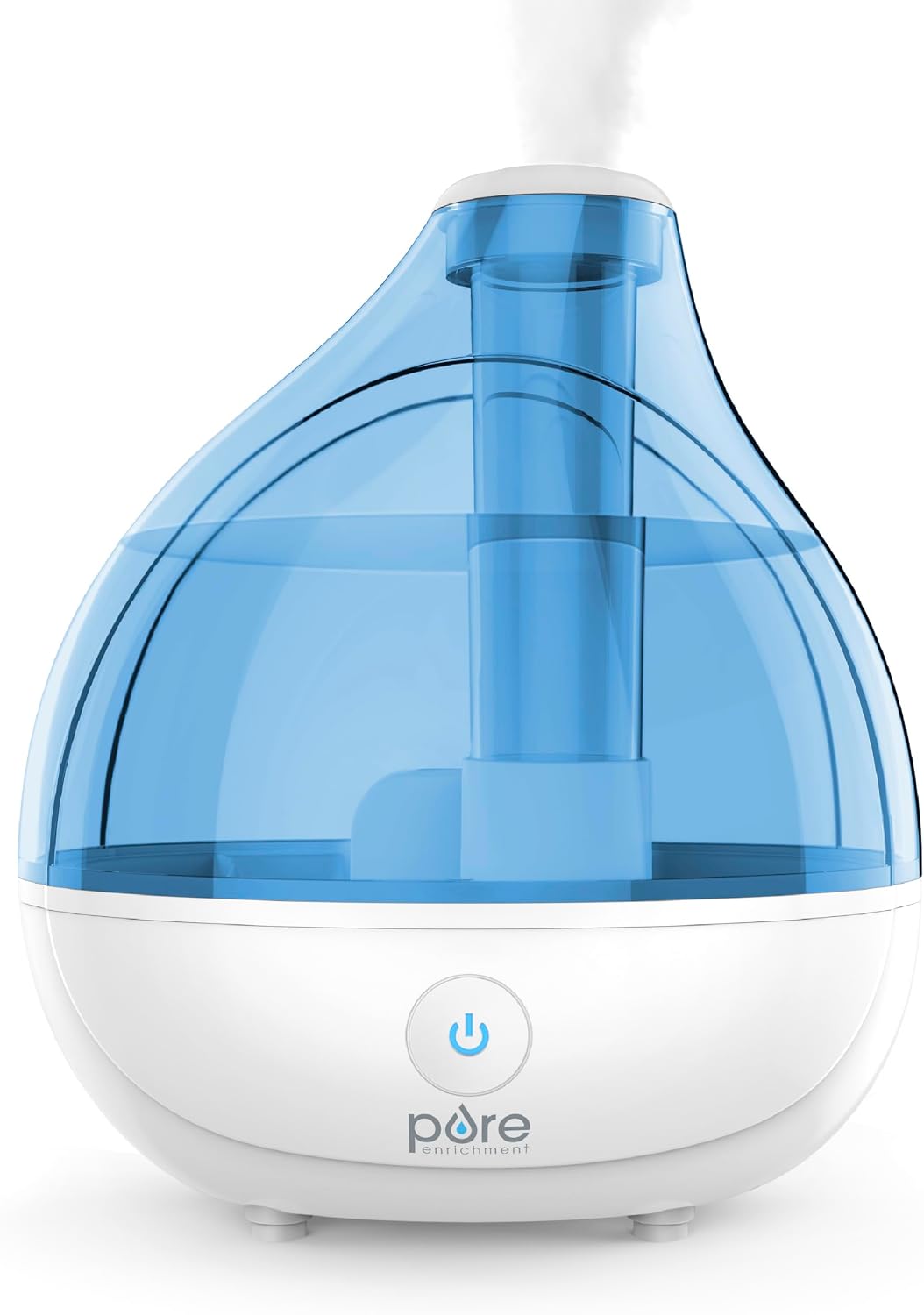
Pure Enrichment MistAire
Up to 25 hours of runtime plus a soothing night light — a long-standing bedroom favorite.
Prices and availability may vary — tap any product to check the current listing.
Decision Tree: Which Humidifier Fits You?
You want a simple, compact unit for a bedroom or desk → Honeywell HUL520W MistMate.
You hate refilling and want longer runtime → LEVOIT Classic 200 with its 4-liter tank.
You want a night light plus extended runtime → Pure Enrichment MistAire.
You have very hard water or a large room → Consider an evaporative model instead.
Key Takeaways
The Honeywell HUL520W MistMate is a compact ultrasonic cool-mist humidifier with a 0.5-gallon tank.
It’s sized for bedrooms, nurseries, and desks — not large or open rooms.
Ultrasonic means whisper-quiet; hard tap water means white dust (use distilled).
Clean it weekly — a dirty humidifier mists bacteria into your air.
Aim for 30–50% humidity; a cheap hygrometer takes out the guesswork.