hOmeLabs 50-Pint Dehumidifier Review: Is It Worth It for Large Spaces?
A damp basement or a humid laundry room makes the whole house feel off — musty smells, sticky air, and over time, real damage to walls and belongings. The hOmeLabs 50-Pint Dehumidifier is built for exactly that job: pulling up to 50 pints of moisture a day out of spaces as large as 4,500 square feet. This guide weighs it against the Frigidaire 50-Pint and the Vellgoo 52-Pint — three workhorses that look similar on paper but differ where it counts.
Quick Answer
Related reading: Dehumidifiers handle moisture, but for airborne particles pair it with our reviewed LEVOIT Core 300S air purifier. In winter the pendulum swings the other way — our Honeywell ultrasonic humidifier review covers adding moisture back when air gets too dry.
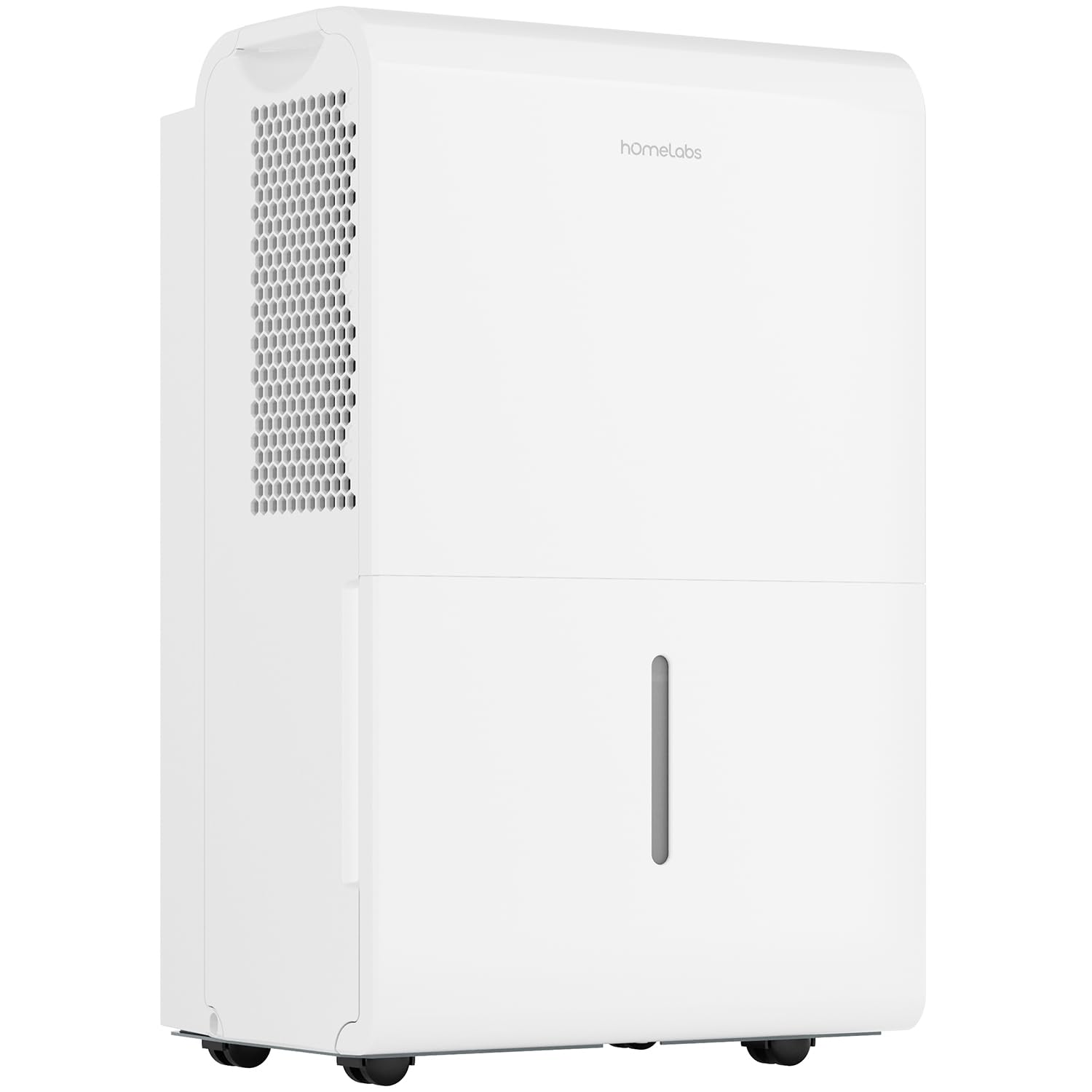
The hOmeLabs 50-Pint Dehumidifier is the pick for large damp spaces where you want set-and-forget operation: strong moisture removal for up to 4,500 sq ft, Energy Star efficiency, and both bucket and continuous-drain options. The catch? At 50 pints it’s sized for genuinely large or damp areas — a small bedroom would be better served by a smaller unit.
Compare Top 50-Pint Dehumidifiers for Large Spaces
Three proven picks side by side — choose the one that fits your space.
hOmeLabs 50-Pint Dehumidifier
4,500 sq ft coverage · Energy Star · hose or bucket drain
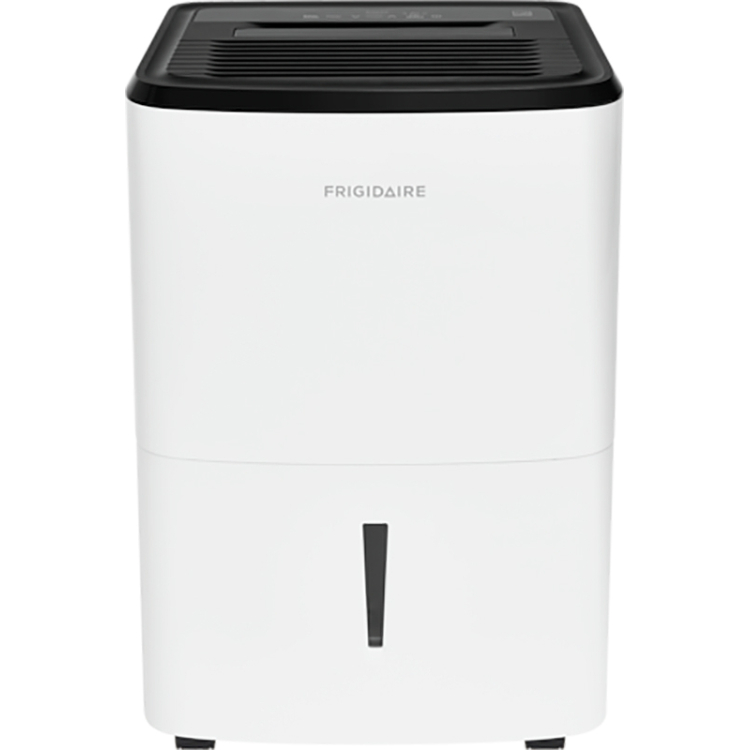
Frigidaire 50-Pint Dehumidifier
Legacy appliance brand · wide service familiarity
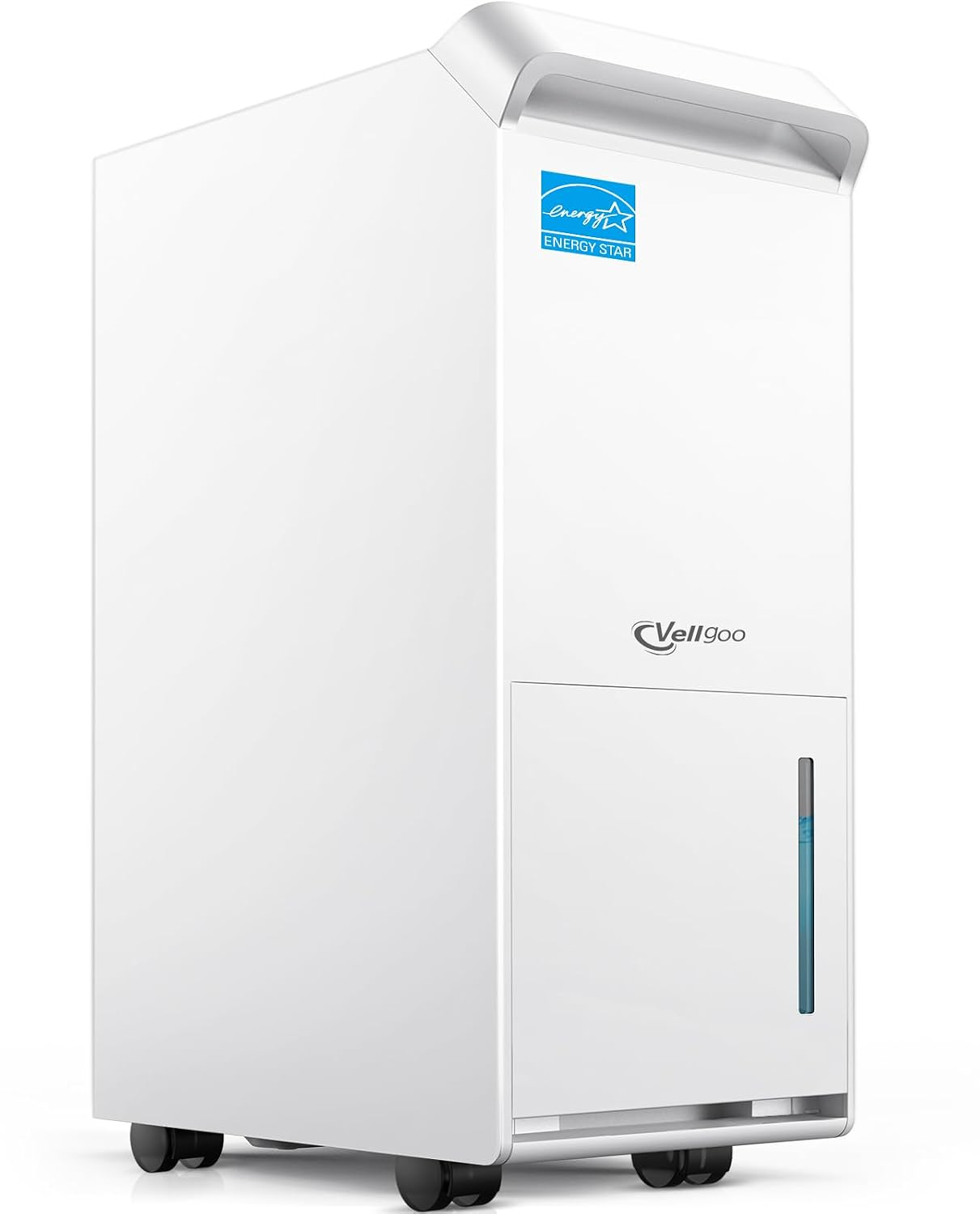
Prices and availability may vary — tap any product to check the current listing.
What to Look For When Buying a Dehumidifier
Dehumidifiers all promise dry air. The differences that matter show up in daily use — here are the factors worth comparing.
Capacity and coverage
Pint ratings tell you how much moisture a unit pulls per day — 50 pints is the sweet spot for basements, large living areas, and spaces up to about 4,500 square feet. Bigger isn’t always better: an oversized unit in a small room short-cycles and never quite dials in comfort. Match the rating to the room, not the ambition. The Vellgoo’s 52-pint rating is effectively the same class — don’t pay extra for two pints.
Drainage options
Every dehumidifier fills a bucket you empty by hand — fine for a weekend project, miserable as a lifestyle. Continuous drainage changes everything: attach a standard garden hose and let gravity move water to a floor drain or sink. All three picks here support hose drainage. If your unit sits below drain level with no floor drain nearby, a pump model earns its keep.
Energy efficiency
A dehumidifier can run for hours daily, so efficiency is the operating budget, not a footnote. Energy Star certification means the unit meets strict efficiency standards, and both the hOmeLabs and Vellgoo carry it. Over a humid summer, the gap between an efficient and an average 50-pint unit shows up plainly on the power bill.
Noise level
Dehumidifiers live where you live — or at least near it. Compressor hum plus fan noise is unavoidable, but some units run noticeably quieter, and low-fan modes help for bedrooms or home offices. If the unit will sit near living space, give noise real weight in your decision.
Humidistat accuracy and controls
A built-in humidistat lets you set a target humidity (45–50% is the comfort zone) and the unit cycles to maintain it. Cheap sensors drift, so the unit either over-dries or never quite gets there. Look for a clear digital display and a humidistat you can trust — constant guesswork defeats the purpose.
Auto-defrost and low-temperature operation
Basements run cool, and coils frost up when temperatures drop. Auto-defrost pauses the compressor to melt frost so the unit keeps working in chilly spaces. If your basement dips toward the 40s, this feature separates usable from useless.
Portability
You’ll move it — basement in summer, laundry room in winter, or just across the room to empty the bucket comfortably. Built-in handles and caster wheels turn a 40-plus-pound appliance into a one-person job. Check before you buy, not after.
Who It’s For: Three Damp-Space Personas
The basement owner
Your basement smells musty every summer and the walls feel damp. You need serious capacity, continuous drainage to a floor drain or sink, and auto-defrost for cool temperatures. The hOmeLabs 50-pint is sized exactly for this — set a target humidity and let it run.
The large open-plan household
Humidity hangs in the air but there’s no basement involved — just a big space that never quite feels dry. Capacity still matters, but noise matters more since the unit shares your living space. Run it on low fan during the day and let the humidistat do the thinking.
The laundry room and garage user
Wet laundry, a garage workshop, or a storage area that needs occasional drying rather than constant dehumidifying. Drainage flexibility wins here — roll it in, hook up the hose, roll it out when done. Portability matters more than raw capacity.
How the Tiers Compare
Where each pick sits — and what you’d trade between them.
| Tier | What you get | Trade-off |
|---|---|---|
| 50-pint value (hOmeLabs) | Full-size capacity, Energy Star, hose or bucket drain | Fewer brand-service locations than legacy names |
| 50-pint legacy (Frigidaire) | Same capacity class, long-established brand | Often costs more for equivalent drying power |
| 52-pint alternative (Vellgoo) | Nominally higher capacity, DryTank, Energy Star | Two extra pints don’t change real-world results |
| 30-pint compact | Quieter, cheaper to run, easier to place | Can’t keep up with a genuinely damp basement |
Straight answers to the questions shoppers actually ask
Is a 50-pint dehumidifier worth it, or is it overkill?
Worth it if you’re drying a basement, a large open-plan area, or any space where a smaller unit runs constantly and never catches up — because an undersized dehumidifier wastes electricity while losing the battle. Overkill for a single bedroom or small office, where a 30-pint unit does the job with less noise and lower running costs.
The honest test: if the air still feels damp after a full day of running, you don’t have a settings problem — you have a capacity problem. That’s when 50 pints earns its keep.
What size dehumidifier do I need for my basement?
For a typical damp basement up to about 1,500 square feet, a 50-pint unit is the standard recommendation — it handles the moisture load without running nonstop. Size for dampness as well as square footage: a very wet basement needs more capacity than a slightly musty one of the same size.
Measure the space, then be honest about the dampness. Occasional mustiness and visible condensation on walls are different problems — buy for the worse days, not the average ones.
hOmeLabs vs Frigidaire dehumidifier — which is better?
Both are proven 50-pint workhorses, so the choice comes down to priorities: hOmeLabs typically wins on value and straightforward operation for large spaces, while Frigidaire carries a long-established appliance brand with wide service familiarity. The hardware differences are smaller than the brand story suggests — compare features and warranty terms.
In practice you’re choosing between a value specialist and a legacy brand. Either dries a basement effectively; pick the one whose controls and support setup you prefer.
Do I need to connect a drain hose, or is the bucket enough?
The bucket is enough if you’ll empty it daily and the unit runs only occasionally — but for a damp basement running every day, the bucket becomes a chore you resent within a week. A drain hose to a floor drain or sink turns the dehumidifier into a true set-and-forget appliance, which is the whole point of buying one.
Gravity does the work if the hose runs downhill to a drain. If your only drain sits above the unit — a laundry sink, say — look for a model with a built-in pump instead.
Are dehumidifiers expensive to run? What about noise?
A 50-pint unit running several hours daily adds a noticeable but manageable amount to the power bill — Energy Star models like the hOmeLabs and Vellgoo keep that cost down, and the humidistat prevents wasteful over-running. For noise, expect a steady fan-and-compressor hum; low-fan mode keeps it livable near bedrooms.
The real efficiency win is the humidistat: once the room hits target humidity, the unit cycles off instead of drying air that’s already dry.
Basements? Read This First
Basements are where dehumidifiers earn their reputation — cool air holds less moisture, so relative humidity climbs, and concrete walls wick moisture inward. A 50-pint unit with continuous drainage is the standard answer for a reason: it matches the moisture load and never asks you to carry a bucket up the stairs.
Two basement-specific checks before buying: confirm the unit works at your basement’s temperature (auto-defrost matters below about 60°F), and plan the drain route — a floor drain, sump pit, or sink within hose reach turns the unit into a true appliance instead of a chore.
Common Mistakes to Avoid
Most dehumidifier regret falls into four buckets. All avoidable.
1. Buying too small to save money
An undersized unit runs constantly, never reaches target humidity, and uses nearly as much electricity losing as a right-sized unit uses winning. Size for the damp days, not the average ones.
2. Ignoring drainage until the bucket overflows
A full bucket shuts the unit off — which means it stops dehumidifying exactly when you need it most. If the unit will run daily, set up the hose on day one.
3. Placing it in a corner against the wall
Dehumidifiers need airflow around the intake — jammed into a corner, they recycle their own dry air and the far side of the room stays damp. Give it breathing room on all sides.
4. Forgetting the filter
Check the filter monthly during heavy-use seasons — a clogged filter chokes airflow, and the unit works harder for worse results. Two minutes, big difference.
Why does the basement feel damp even when it’s cool down there?
Cool air holds less moisture than warm air, so the same amount of water vapor reads as higher relative humidity. Concrete and soil wick moisture inward constantly. The result: a basement at 65°F can feel damper than the upstairs at 75°F — and in relative terms, it genuinely is.
How do I set up continuous drainage?
Attach a standard garden hose to the unit’s drain outlet, run it downhill to a floor drain, sump pit, or sink, with no kinks or upward loops. Water bypasses the bucket entirely. If the drain sits above the unit, you need a pump model instead.
What humidity level should I aim for?
Around 45–50% relative humidity is the sweet spot — dry enough to prevent musty smells and mold-friendly conditions, humid enough that the air doesn’t feel harsh. Below 30% starts feeling uncomfortably dry; above 60% invites the mustiness back.
Quick answers to the questions that come up most before checkout.
Common Questions About hOmeLabs 50-Pint Dehumidifier
How often will I need to empty the bucket?
Depends on dampness and bucket size — in a wet basement, a 50-pint unit can fill its bucket in well under a day of continuous running. That’s exactly why continuous drainage exists: hook up the hose and the question disappears.
hOmeLabs vs Vellgoo — what’s the real difference?
Both are Energy Star 50-pint-class units for large spaces, so the practical differences are in controls, styling, and support rather than drying power. The Vellgoo’s 52-pint rating is nominally higher but effectively the same class. Choose on features and price, not the pint number.
Can a dehumidifier run all day?
Yes — they’re designed for extended operation, and the humidistat cycles the compressor once target humidity is reached. Just keep the filter clean and give it airflow clearance.
Will it heat up the room?
Slightly. The compressor and fan release waste heat, so the immediate area feels a touch warmer. In a basement that’s usually welcome; in a small bedroom, less so.
Do I need a pump model?
Only if water needs to travel upward or a long distance to reach a drain. If a floor drain or sink sits below the unit’s outlet and the hose runs downhill, gravity is free and silent — skip the pump.
How loud is it really?
Comparable to a window air conditioner on low — a steady hum you notice at first and tune out. Low-fan mode helps, but don’t expect whisper-quiet from any 50-pint compressor unit.
Final Recommendation
So, is the hOmeLabs 50-Pint Dehumidifier worth it? If you’re drying a basement, a large room, or any space where smaller units can’t keep up — yes. Strong capacity for up to 4,500 sq ft, Energy Star efficiency, and hose-or-bucket drainage cover the real-world checklist.
Choose the Frigidaire 50-Pint if the legacy brand and its service network matter to you. Choose the Vellgoo 52-Pint for the same capacity class with Energy Star efficiency and slightly more drying headroom on paper. All three handle the job — match the pick to your space and your drain situation.
OUR TOP PICK
hOmeLabs 50-Pint Dehumidifier
4,500 sq ft coverage · Energy Star · hose or bucket drain
Decision Tree: Should You Buy It?
→ Damp basement or space over ~1,000 sq ft? Yes → 50-pint class is the right size.
→ Unit running daily? Yes → set up the drain hose on day one — skip the bucket routine.
→ Brand service network a priority? Yes → the Frigidaire is the legacy pick.
→ Want the best value for large-space drying? Yes → buy the hOmeLabs.
Key Takeaways
• The hOmeLabs’ case is capacity matched to real damp spaces: 50 pints a day, up to 4,500 sq ft, Energy Star efficiency for daily running.
• Drainage decides the experience — a hose to a floor drain makes it set-and-forget; a bucket makes it a chore.
• Against the Frigidaire and Vellgoo, drying power is comparable — choose on value, brand trust, and which controls you prefer.