
Picking the Right Office Chair: Is a Premium Ergonomic Seat Really Worth It?
Alright, let’s talk about the unsung hero of your workday: the office chair. Not just any chair, but specifically those ergonomic, high-back models with all the bells and whistles—headrests, flip-up arms, deep tilt, wide cushions, designed often for bigger folks. This guide cuts through the marketing fluff to help you figure out which one is genuinely worth your hard-earned cash, balancing comfort, durability, and cost. We’re here to help you pinpoint the ideal office chair that supports your body and your budget, whether you’re working nine-to-five at home or just tackling emails after hours.
Quick Answer
For most daily users, an ergonomic office chair with solid adjustability—especially lumbar support, a headrest, and flip-up arms—offers a significant comfort and health upgrade over basic models, often justifying a mid-range investment. High-end chairs deliver superior durability and finer adjustments, but the sweet spot for many lies in well-regarded mid-tier options that offer a strong feature set without breaking the bank, particularly for those needing a big and tall mesh chair.
What to Look For (The Buying Criteria)
Choosing an office chair isn’t like buying a coffee maker; it’s an investment in your well-being. Skimping here can lead to aches, pains, and a general feeling of being unwell, which nobody wants. So, let’s break down the actual features that matter when you’re eyeing a new high back home desk chair.
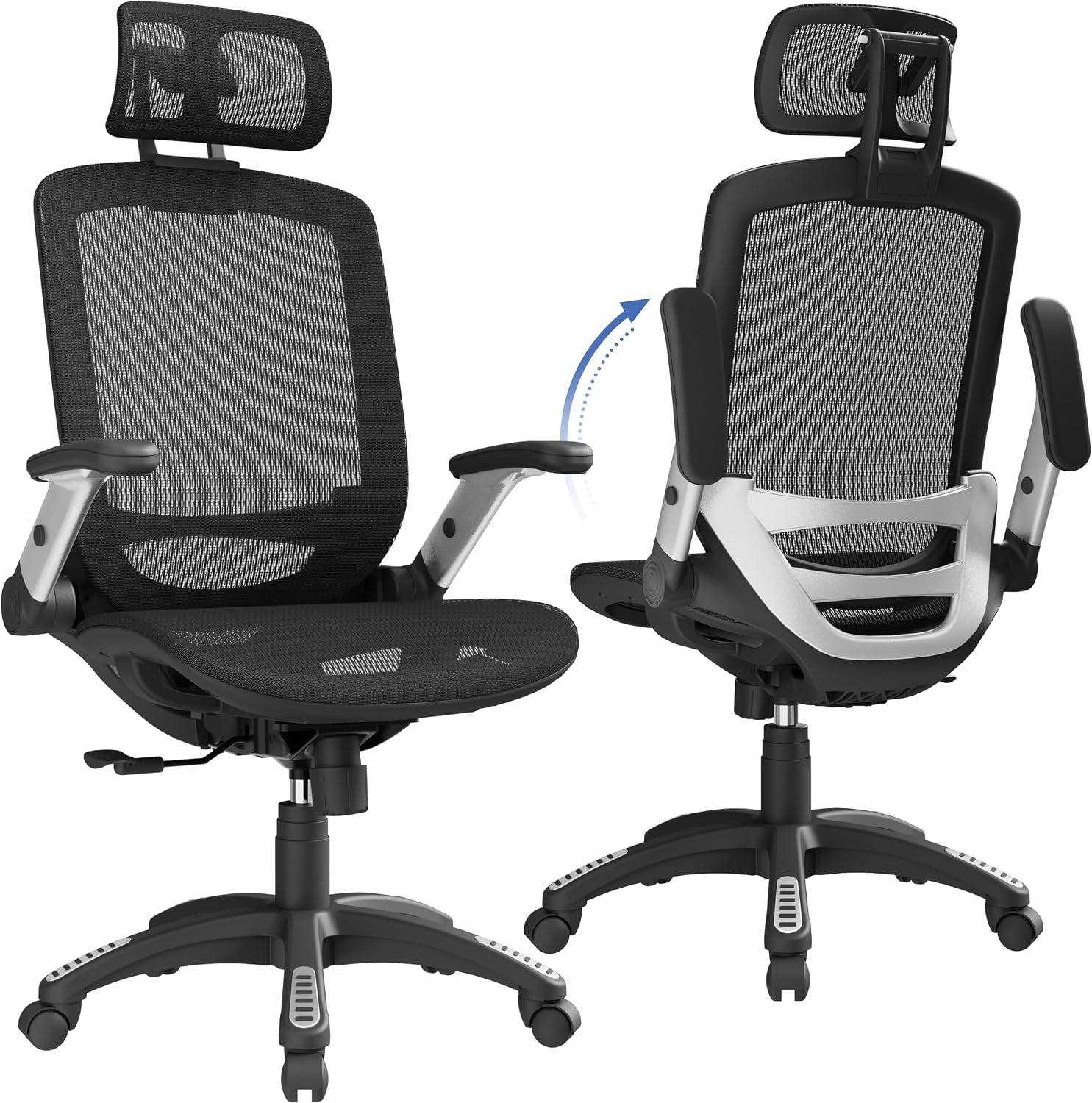
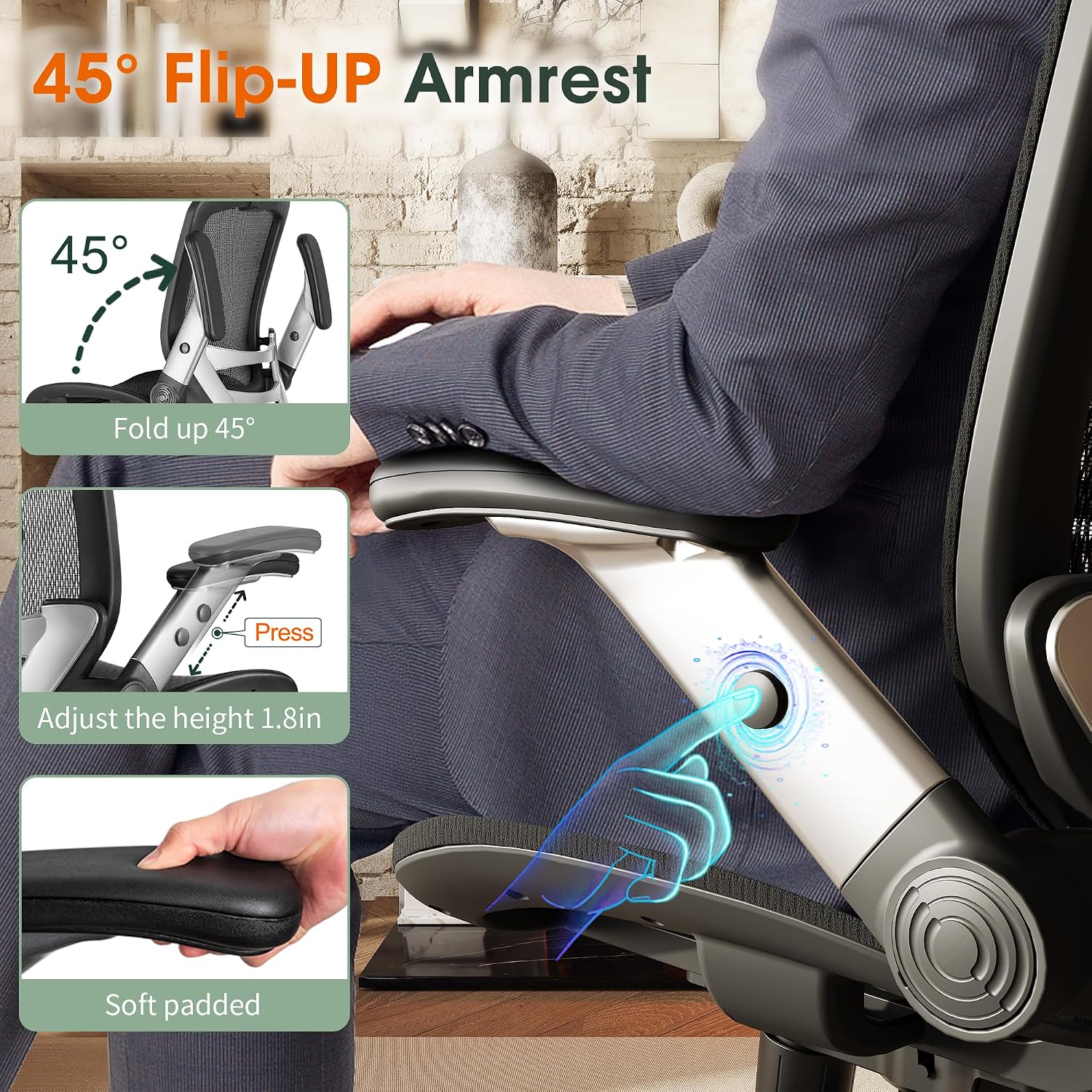
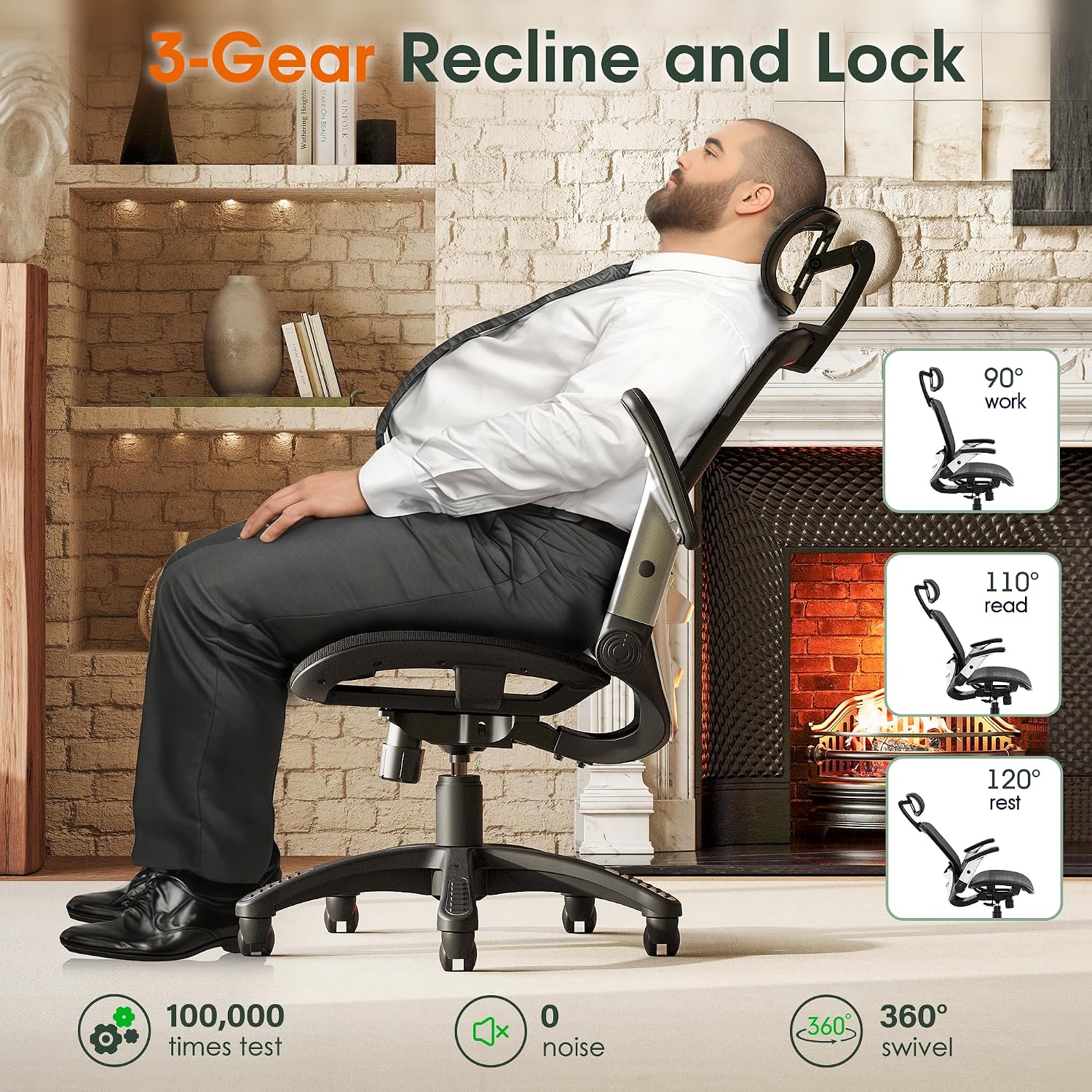
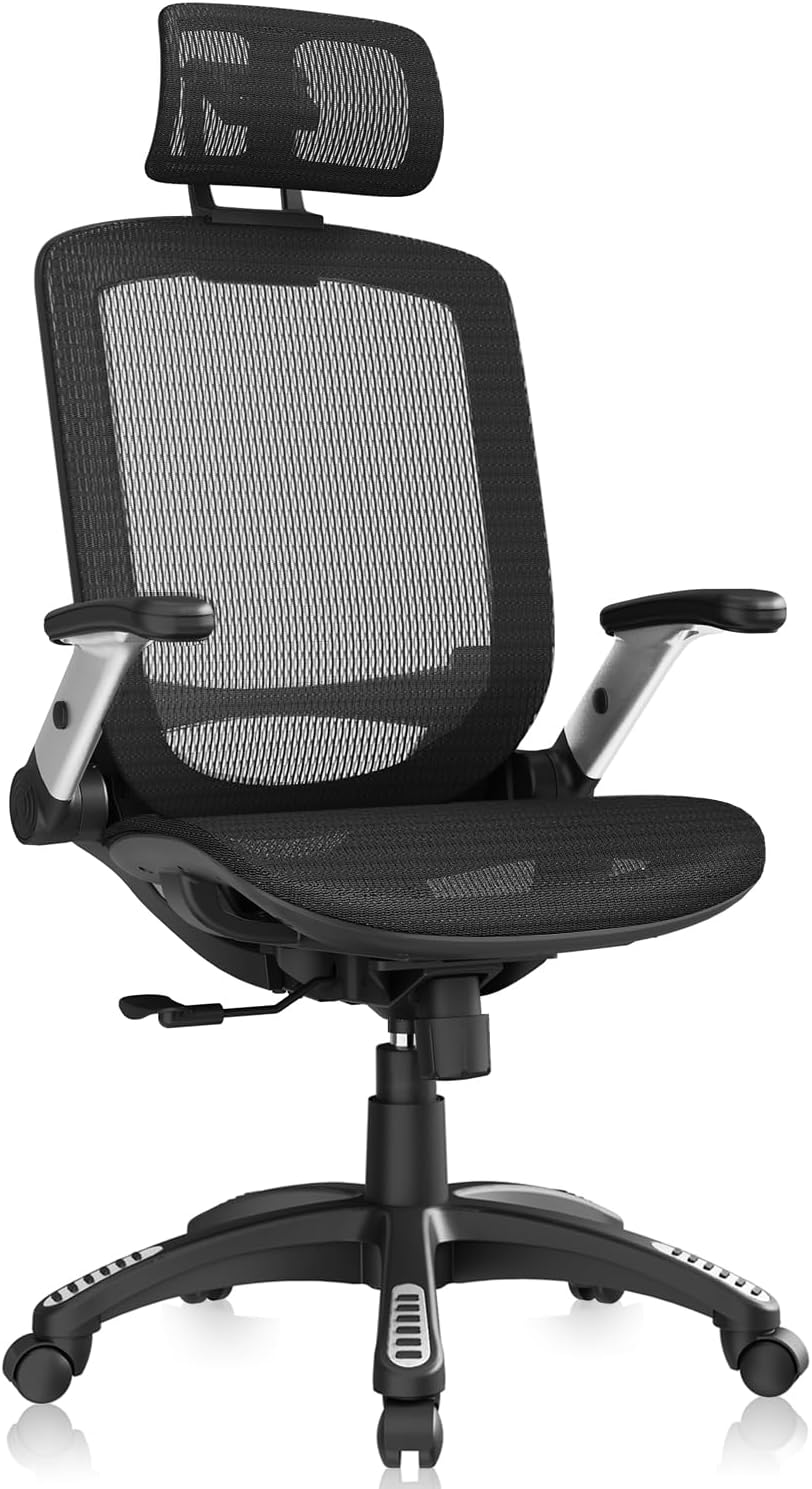
First off, Ergonomics and Adjustability. This isn’t just a buzzword. An truly ergonomic office chair means you can tailor it to your unique body. Think about seat height, naturally. But beyond that, can you adjust the backrest angle, sometimes with a specific 90-120° tilt lock? What about the armrests—do they adjust up and down, pivot, or even flip up completely? Those flip-up arms are surprisingly useful for sliding under desks or just getting them out of the way when you don’t need them. Many budget chairs offer basic up-and-down; better models give you more axes of movement. The big trade-off here? More adjustments usually mean more moving parts, which can introduce points of failure down the line if the quality isn’t there.
Then there’s Lumbar Support. This little curve in the lower back of the chair is crucial for maintaining your spine’s natural S-shape. Some chairs have a fixed lumbar curve, which is better than nothing, but the really good ergonomic office chair models let you adjust it—height, depth, sometimes even tension. For anyone spending hours glued to their desk, this isn’t a luxury; it’s a necessity. Without proper lumbar support, you’re practically inviting lower back pain, and who needs that?
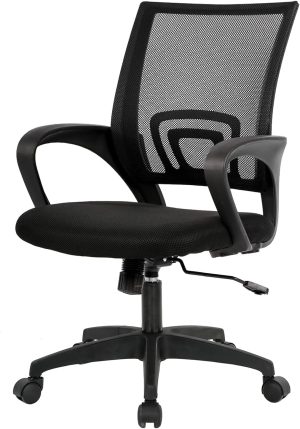
Material Quality and Breathability play a huge role in comfort and durability. Mesh chairs, like many big and tall mesh chairs, are incredibly popular for a reason: breathability. They keep air circulating, preventing that sweaty back syndrome on hot days. Mesh is often sturdy, too, though some lower-quality meshes can sag over time. Fabric is generally comfortable but can stain. Leather or pleather chairs look slick, sure, but they can get sticky and hot, and lower-grade faux leather often cracks and peels surprisingly fast. You’re trying to find something that feels good now but also holds up to daily use for years, not months. My advice? Don’t just look at the picture; try to find out what kind of mesh it actually is.
Cushioning and Seat Design. A wide cushion is a godsend, especially if you’re a larger individual or just prefer a bit more room. But it’s not just about width; it’s the density and shape of the foam inside. Cheap foam flattens out faster than a pancake, leaving you sitting on hard plastic. High-density, molded foam holds its shape and support for much longer. Some seats have a waterfall edge to relieve pressure on your thighs. This is a subtle point, but it makes a massive difference in long-term comfort and circulation. Do you want numb legs after an hour? Nope.
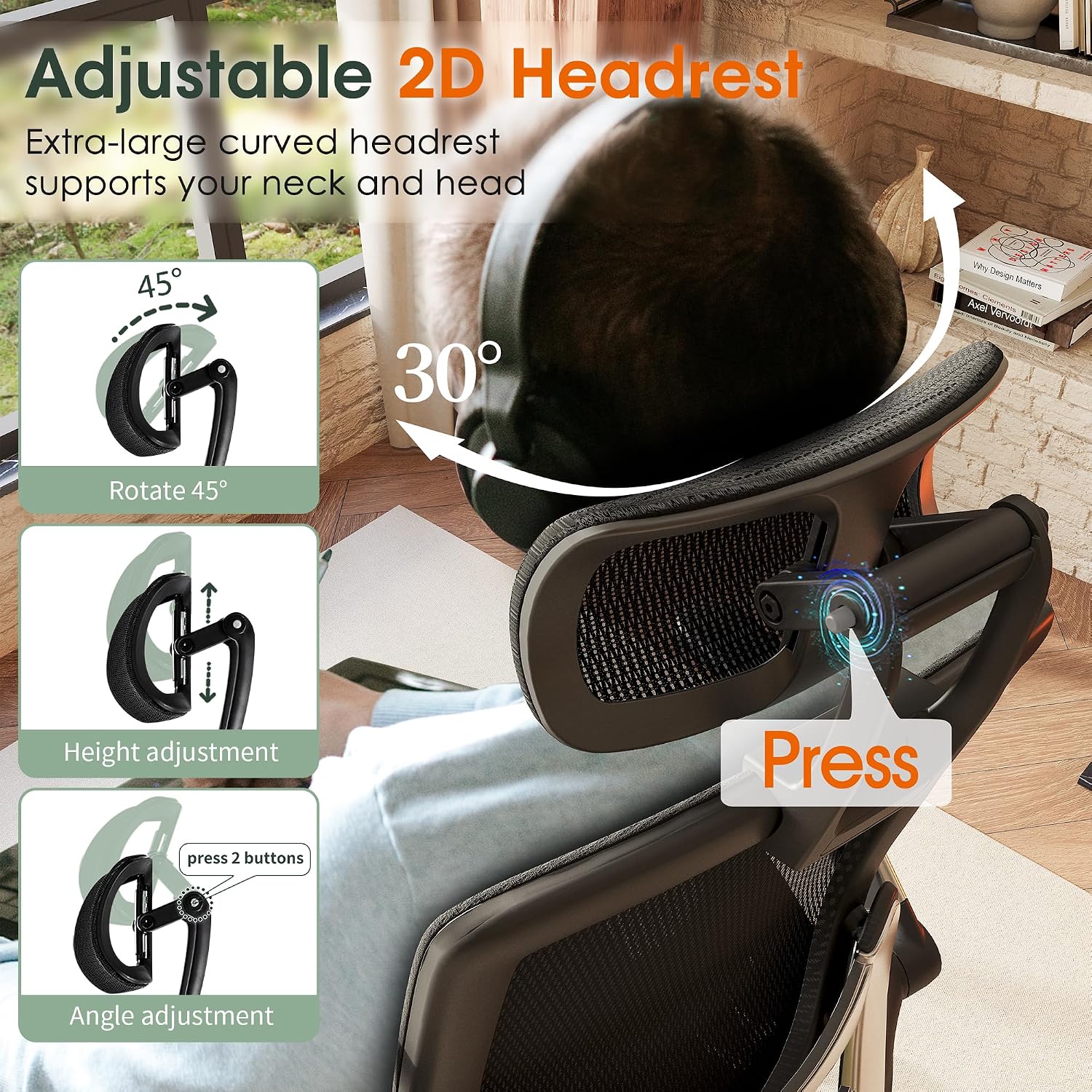
Let’s not forget the Headrest and High Back. A high back home desk chair with headrest gives your upper back, neck, and head the support they need, especially when you recline. If you’re a taller person, making sure the headrest actually hits your head and not your shoulders is critical. A fixed headrest might be fine for some, but an adjustable one (up, down, tilt) allows for a truly customized fit. This is where those big and tall mesh chairs often shine, providing ample height and support.
Finally, consider the Base and Casters. The chair’s foundation needs to be rock-solid. A cheap plastic base feels flimsy and can break. A metal base (steel or aluminum) is far more stable and durable. Casters, or wheels, need to glide smoothly without damaging your floor. Hard plastic casters can scratch hardwoods, while softer, rubberized casters are gentler. If you’re often rolling around, this isn’t just a nicety; it prevents floor repair bills. The compromise? Better bases and casters definitely drive up the price.
How to Match the Product to Your Situation
Finding the right office chair isn’t a one-size-fits-all deal. Your specific needs and how you plan to use it should really guide your choice. It’s about aligning the chair’s features with your daily grind.
The Casual User (The Occasional Emailer)
- Who you are: You spend an hour or two at your home desk a few times a week. Maybe you’re paying bills, browsing, or doing light homework. You don’t need a heavy-duty setup.
- Your needs: Basic comfort, decent support, nothing extreme. You appreciate a simple design.
- What to look for: A budget-friendly task chair with some basic adjustability, like height and a simple tilt. A decent mesh chair should suffice for breathability. A fixed headrest is likely fine. You probably don’t need advanced lumbar support or highly articulated flip-up arms.
The Dedicated Home Office Warrior (The Remote Worker)
- Who you are: You’re at your desk for 6-8+ hours a day, every day. Your work demands focus, and discomfort is a productivity killer. You might be a man or woman spending significant time gaming, coding, or writing.
- Your needs: Sustained comfort, excellent ergonomic support, durability, and adjustability to prevent aches and pains. You might be considering a big and tall mesh chair if you’re on the larger side.
- What to look for: This is where an ergonomic office chair truly shines. Look for robust lumbar support (preferably adjustable), multi-directional armrest adjustability, a high back home desk chair with headrest that you can position perfectly, and a strong, stable base. A good 90-120° tilt lock system is also key for varying your posture. Material like high-quality mesh or durable fabric is smart.
The Power User (The Ergonomic Enthusiast)
- Who you are: You’re intensely focused on health, posture, and peak performance. You might have pre-existing back issues or simply demand the best possible support for long, intense work sessions. Money isn’t the primary concern; long-term health is.
- Your needs: Ultimate adjustability, premium materials, exceptional durability, and specialized features to dial in the perfect fit.
- What to look for: This tier is where you get into specialized ergonomic office chairs with advanced features. Think dynamic lumbar systems, highly customizable seat depth adjustment, tension control for tilt, and perhaps even seat pan adjustments. These chairs are built to last a decade or more. You’re looking for that near-perfect fit, something like a top-tier black task chair designed for heavy use and intricate adjustments.
Decision Tree: Which Office Chair Path is Right for You?
| Question | If Yes, Go To… | If No, Go To… |
|---|---|---|
| Do you sit for 6+ hours daily? | Frequent User Path | Casual User Path |
| Do you have existing back/neck pain? | Ergonomic Priority Path | (Continue current path) |
| Is budget a primary concern (under mid-range)? | Value Seeker Path | (Continue current path) |
| Are you taller than average or built larger? | Big & Tall Focus Path | (Continue current path) |
- Casual User Path: Focus on basic comfort and style. A simple home desk chair with minimal adjustments is likely fine. Don’t overspend on features you won’t use.
- Frequent User Path: Prioritize adjustable lumbar support, a good headrest, and robust armrest adjustability. Consider a mid-range ergonomic office chair for long-term health.
- Ergonomic Priority Path: Go for top-tier ergonomic office chairs with multi-axis adjustments, especially in lumbar and neck support. Invest in high-quality materials and construction.
- Value Seeker Path: Look for reputable brands offering entry-level ergonomic features. A solid mesh chair with basic tilt lock and flip-up arms can be a sensible compromise.
- Big & Tall Focus Path: Specifically seek out big and tall mesh chairs with reinforced bases, wider seats, and higher weight capacities. Ensure the backrest and headrest accommodate your height.
Comparing Office Chair Tiers
Let’s face it, the market’s flooded. Understanding the different tiers helps you calibrate your expectations and, crucially, your spending.
| Type/Tier | Best For | Price Tier | Key Feature | Watch-Out |
|---|---|---|---|---|
| Basic Task Chair | Light, occasional use; students | Budget | Simple height adjustment, compact | Limited support, low durability, flat cushioning. |
| Mid-Range Ergonomic | Daily work-from-home, office use | Mid-Range | Adjustable lumbar, headrest, flip-up arms | Quality varies wildly; some features might feel flimsy. |
| Premium Ergonomic | Intense daily use, specific ergonomic needs | Premium | Advanced adjustability, durable materials | High initial cost; can be overkill for casual users. |
| Specialty Big & Tall | Taller/heavier users; max durability, support | Premium-Plus | Reinforced frame, extra-wide cushion, high back | Bulky design; might not fit smaller spaces or users well. |
- Basic Task Chair: These are your entry-level seats, perfect for short stints at the computer. They often lack meaningful ergonomic features beyond basic height adjustment and maybe a slight recline. The padding tends to break down fast. Don’t expect much in the way of a high back or sophisticated tilt lock.
- Mid-Range Ergonomic: This is where most people find their sweet spot. You get significant upgrades: adjustable lumbar support, a headrest, often flip-up arms, and better-quality mesh or fabric. They offer a good balance of features, comfort, and usually a decent warranty. The range of options here is huge, so research is key.
- Premium Ergonomic: These chairs are built for endurance and precision. Expect superior build quality, highly customizable adjustments—like multi-axis armrest adjustability, intricate tilt mechanisms, and seat depth adjustment. Materials are top-notch, designed to last a decade plus. They’re an investment, but they pay dividends in comfort and spinal health over years.
- Specialty Big & Tall: Specifically engineered for larger individuals, these chairs come with reinforced gas lifts, wider and deeper seats (wide cushion is standard), and higher weight capacities. Often, they’re big and tall mesh chairs for breathability, featuring a robust high back and headrest designed for taller frames. They cost more, but compromising on fit for a heavier person is a recipe for disaster.
Scenario-Specific Considerations for Your Office Chair
Different work setups demand different chair attributes. It’s not just about sitting; it’s about how that sitting integrates into your entire workspace.
The Small Apartment Dweller
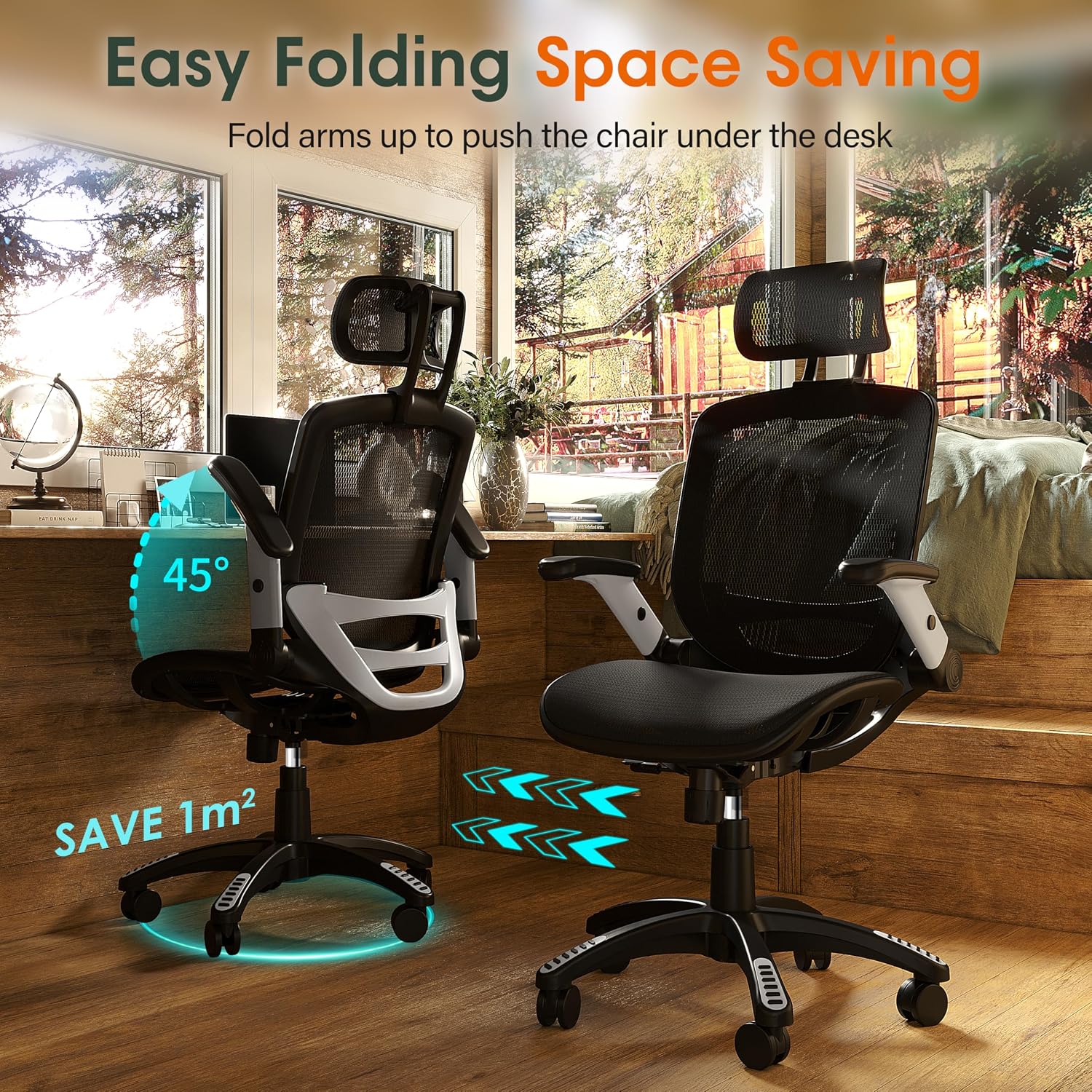
Living in a compact space? Your office chair needs to be a chameleon. An ergonomic office chair with flip-up arms can be a lifesaver, allowing you to push the chair fully under your desk when not in use, instantly reclaiming valuable floor space. A bulky high back home desk chair might overwhelm a tight room, so look for models that combine a high back with a relatively streamlined profile. Breathability, like in a mesh chair, is also a plus if your small space gets stuffy. You’re trading off ultimate grandiosity for practical, everyday livability.
The Standing Desk Enthusiast
Even if you primarily use a standing desk, you still need a good chair for those moments when you want to rest or switch positions. For this scenario, an ergonomic office chair that transitions easily from a lower sitting position to a higher perch is ideal. A robust tilt lock is important here, so you can lean back comfortably when taking a break. You might not need ultra-complex adjustments, but stability and a solid base are paramount for safety when shifting between sitting and standing heights. Don’t just get any old stool; a proper task chair can complement your standing setup perfectly.
The Marathon Gamer/Creator
For those who lose themselves in games or creative work for hours on end—and I’ve seen people spend way too much on features they never use in this category—your chair isn’t just furniture; it’s part of your command center. You need an ergonomic office chair with extreme comfort and robust adjustability. Think about a high back home desk chair with headrest that truly supports your neck during intense moments. A wide cushion is a must for sprawling out, and durable materials, perhaps a high-quality black task chair with sturdy mesh, will prevent wear and tear from constant use. The 90-120° tilt lock lets you recline slightly for concentration or a quick break, crucial for maintaining focus over long periods.
Common Mistakes When Buying an Office Chair
It’s easy to get swayed by aesthetics or what your coworker swears by. But I’ve seen some recurring pitfalls buyers stumble into, especially when looking for an ergonomic office chair.
One huge mistake? Prioritizing looks over ergonomics. That sleek, minimalist chair might look fantastic in your home office, but if it doesn’t offer proper lumbar support, a decent headrest, or armrest adjustability, your back will scream at you after a few weeks. It’s a tool, not just a decorative item. You wouldn’t buy a hammer based purely on its color, would you?
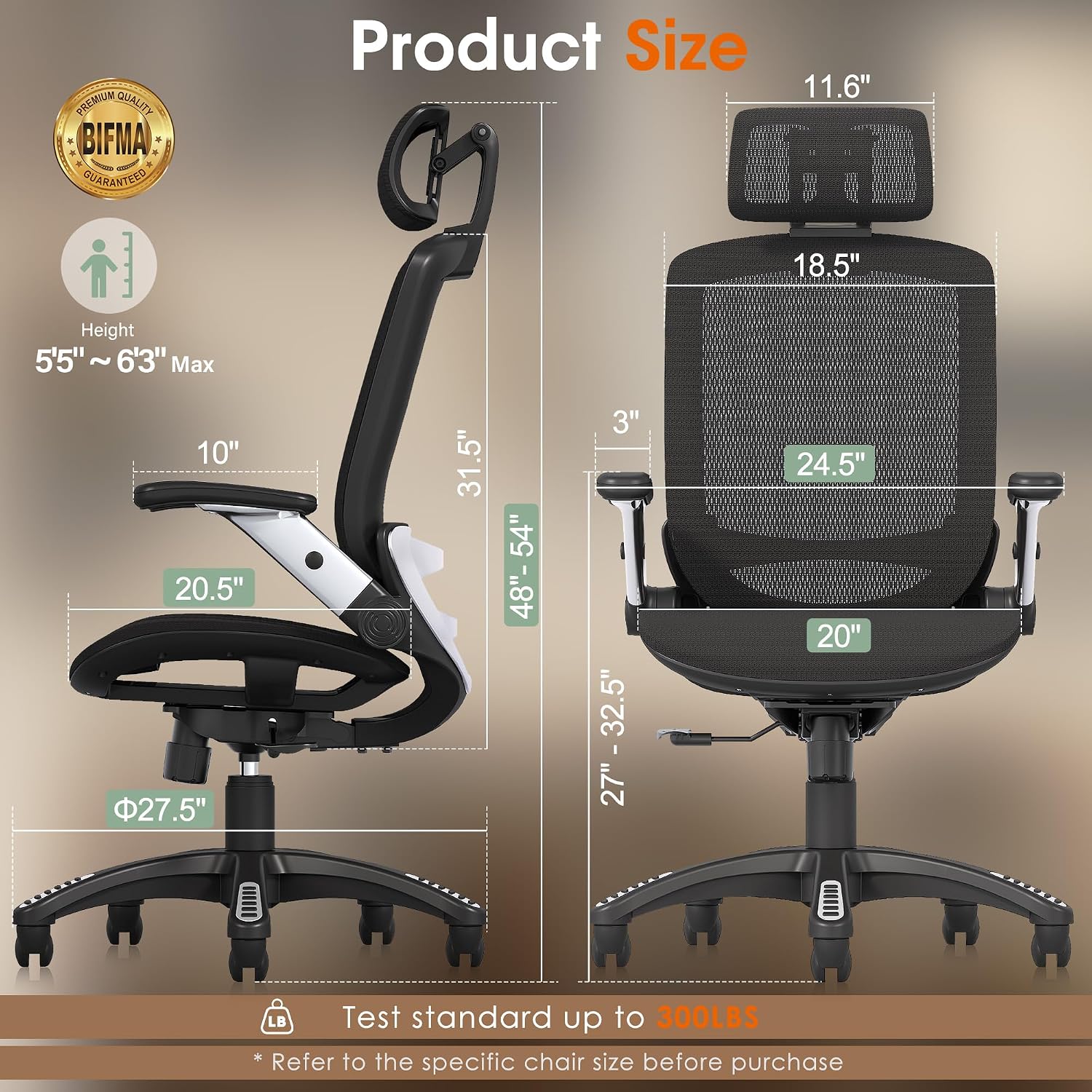
Another common misstep is ignoring weight and height capacities. If you’re a taller or heavier individual, trying to squeeze into a standard-sized task chair is a recipe for discomfort and premature chair failure. You need a big and tall mesh chair that’s actually designed for your body type. Overloading a chair voids warranties and can be downright dangerous. Always check the manufacturer’s specifications.
Then there’s the classic not understanding adjustability. People buy an ergonomic office chair thinking all “ergonomic” means the same thing. It doesn’t. Some chairs have only one lever for height and tilt; others have five or six for fine-tuning everything from seat depth to flip-up arm height. If you don’t adjust it, you’re not getting your money’s worth. Make sure the chair you pick offers the adjustments you actually need and will actually use.
Finally, skimping on material quality. A cheap mesh chair might save you some cash up front, but if the mesh sags or tears after a year, you’ve just thrown money away. Same goes for thin, low-density foam in the seat. It compresses, and then you’re sitting on the hard base. Spending a bit more for quality materials means the chair will maintain its comfort and support for much longer, making it a better value in the long run.
Why/How/What Mini-Section
Why do some ergonomic office chairs cost so much?
High-end ergonomic office chairs aren’t just expensive for kicks. The price often reflects advanced engineering, superior materials designed for decades of use, and intricate adjustment mechanisms. You’re paying for things like synchronized tilt, dynamic lumbar support that moves with you, and resilient, high-density foams and fabrics. These features aren’t cheap to design, manufacture, or assemble, but they contribute significantly to long-term comfort, spinal health, and the chair’s overall lifespan. It’s an investment in your productivity and physical well-being.
How do flip-up arms improve versatility?
Flip-up arms are surprisingly versatile, addressing a couple of common office chair gripes. First, they allow you to push your home desk chair completely under your desk, freeing up space in smaller rooms. Second, they let you get closer to your desk, which is important for maintaining good posture and keeping your arms supported when typing or writing. Third, some people just prefer to work without armrests, and this feature lets them get the arms out of the way entirely. It’s a simple feature, but it adds a lot of practical value, especially if your workspace is shared or compact.
What’s the deal with a 90-120° tilt lock?
The 90-120° tilt lock feature in an office chair allows you to lock the backrest at various angles within that range, rather than just upright or fully reclined. This is crucial for varying your posture throughout the day, which helps prevent stiffness and fatigue. You might want to sit upright at 90 degrees for focused work, then recline slightly to 110 degrees for a quick thought-break or phone call. Having multiple lockable positions means you can find the perfect angle for different tasks, keeping your body engaged and comfortable.
Key Takeaways: Is that Premium Office Chair Worth It?
Ultimately, the “worth” of a premium ergonomic office chair boils down to how much you use it and what your body needs. For casual users, a mid-range model with core adjustable features like a good headrest, some lumbar support, and those handy flip-up arms is often more than sufficient. You’ll get significant comfort improvements without overspending.
However, if you’re clocking serious hours at your home desk chair, dealing with back pain, or simply prioritizing long-term ergonomic health, investing in a premium big and tall mesh chair or a top-tier black task chair is absolutely justified. The durability, extensive adjustability, and superior materials in these chairs will pay you back in comfort, reduced pain, and a much longer lifespan. Think of it as preventative healthcare for your spine.
FAQ
Is a mesh chair really better than a padded one?
Often, yes, especially if you tend to get warm. A mesh chair, like many big and tall mesh chairs, provides much better airflow, keeping you cooler and preventing sweat buildup. Padded chairs can be comfortable, but they typically lack the breathability that mesh offers.
How important are adjustable armrests on an office chair?
Pretty important, actually. Adjustable armrests, especially those that include flip-up arms, help support your arms and shoulders, reducing strain on your neck and upper back. If they’re too high or too low, you’ll end up shrugging or slouching.
Can a high back chair help with neck pain?
A high back home desk chair with headrest can absolutely help. When properly positioned, the headrest supports your neck and head, allowing your muscles to relax. Without it, your neck muscles work overtime to keep your head upright, leading to fatigue and pain.
What’s the ideal tilt lock range for an ergonomic office chair?
The ideal tilt lock range usually includes an upright position (around 90 degrees) for focused work and a slightly reclined position (up to 120 degrees) for relaxed thinking or phone calls. This allows for varied posture, which is key for long-term comfort.
Are “big and tall” chairs only for very large people?
Not exclusively, though they’re designed with larger individuals in mind. Anyone who wants a more generous wide cushion or a taller backrest, or simply extra durability and stability, can benefit from a big and tall mesh chair. They often have higher weight capacities and more robust construction.
How long should an office chair last?
A budget task chair might last 1-3 years. A good mid-range ergonomic office chair should give you 5-7 years of solid use. Premium models, especially a well-built black task chair or big and tall mesh chair, can easily last 10 years or more with proper care, making their higher upfront cost a long-term value.
What should I do if my new ergonomic office chair still feels uncomfortable?
First, experiment with all the adjustments. Many people don’t fully utilize the lumbar support, headrest, or seat depth adjustment. If it still feels off, review your posture. Sometimes it’s the way you’re sitting, not just the chair. If all else fails, consider if the chair’s dimensions truly fit your body or if it’s lacking a specific adjustment you need.
Final Recommendation
For the average person spending a solid 4-8 hours a day in front of a screen, skip the cheapest options. You’ll thank yourself later. Instead, aim for a mid-range ergonomic office chair that boasts adjustable lumbar support, a proper high back home desk chair with headrest, and definitely those versatile flip-up arms. A quality mesh chair in this tier provides a compelling balance of comfort, critical features, and durability without requiring a second mortgage.
However, if your work demands truly long hours, or you’re a taller or heavier individual, don’t compromise. You need a big and tall mesh chair or a premium-grade black task chair with robust construction and comprehensive adjustability. The initial investment might seem steep, but the payoff in sustained comfort, fewer aches, and a chair that truly lasts for years makes it the smart, long-term choice for your health and productivity.
#Ergonomic #Office #Chair #High #Home #Desk #Chair #Headrest #FlipUp #Arms #Tilt #Lock #Wide #Cushion #Big #Tall #Mesh #Chairs #Man #Woman #Black #Task #Chair
Reviews
There are no reviews yet.