
Deciding on the Instant Pot Duo Plus 9-in-1 Multicooker: Is It Worth It Against Alternatives Like the Midea 10-in-1?
Navigating the world of electric pressure cookers and multicookers can feel overwhelming, especially when models like the Instant Pot Duo Plus 9-in-1 Multicooker offer so many features. This guide cuts through the noise, helping you decide if an Instant Pot Duo Plus is truly a worthwhile addition to your kitchen, particularly when compared to capable alternatives like the Midea 10-in-1 Electric Pressure Cooker, 6 Quarts, Stainless.
We’ll explore core functionalities, real-world utility, and how different models stack up for various household needs in 2026. This guide compares the Midea multicooker, a 6-quart stainless model, against the Instant Pot Duo Plus.
Quick Answer
The Instant Pot Duo Plus 9-in-1 Multicooker is a strong mid-range choice for its versatility and robust feature set, often justifying its position for consistent home cooks seeking pressure cooking, slow cooking, and yogurt making.
However, if your primary need is reliable pressure cooking and you’re budget-conscious, the Midea 10-in-1 Electric Pressure Cooker, 6 Quarts, Stainless, offers comparable core functionality in a slightly different package, delivering excellent value. Your ideal choice hinges on your specific cooking habits, desired features beyond basic pressure cooking, and available counter space.
Midea Multicooker: Buying Guide
Choosing the right electric pressure cooker or multicooker goes beyond just looking at the number of functions. It’s about understanding how these appliances fit into your daily cooking routine. Let’s break down the essential criteria, keeping both the Instant Pot Duo Plus and Midea 10-in-1 in mind.
Capacity (Quart Size): Matching Your Meals
The size of your multicooker dictates how much food you can prepare at once. Models like the Instant Pot Duo Plus are commonly available in 6-quart and 8-quart sizes, while the Midea 10-in-1 Electric Pressure Cooker frequently comes in a 6-quart configuration.
A 6-quart multicooker is typically sufficient for individuals, couples, or families of 3-4 people preparing daily meals. It’s compact enough for most countertops and can handle a modest roast, a pot of soup, or several servings of grains. For instance, you could easily cook a batch of Instant Pot recipes for weeknight dinners in a 6-quart Instant Pot Duo Plus or Midea.
However, attempting a whole chicken larger than 4-5 pounds or extensive batch meal prep for a week might push its limits, often requiring you to cook in multiple shifts.
An 8-quart multicooker offers considerably more room, ideal for larger families (5+ people), those who frequently entertain, or home cooks dedicated to meal prep. You’ll comfortably fit bigger cuts of meat, double soup recipes, or prepare substantial quantities of chili. The trade-off? An 8-quart machine takes up significantly more counter space and can take longer to come to pressure due to the increased volume of liquid and food inside.
Weigh your typical batch size against kitchen footprint before committing.
Program/Preset Count: More Isn’t Always Better
Both the Instant Pot Duo Plus and Midea 10-in-1 boast multiple functions – 9-in-1 and 10-in-1 respectively. These typically include pressure cook, slow cook, sauté, rice cooker, steamer, yogurt maker, and sometimes sterilizer or cake maker.
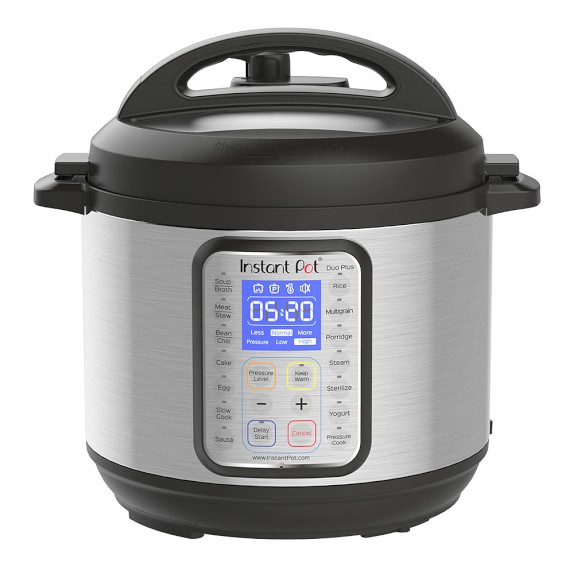
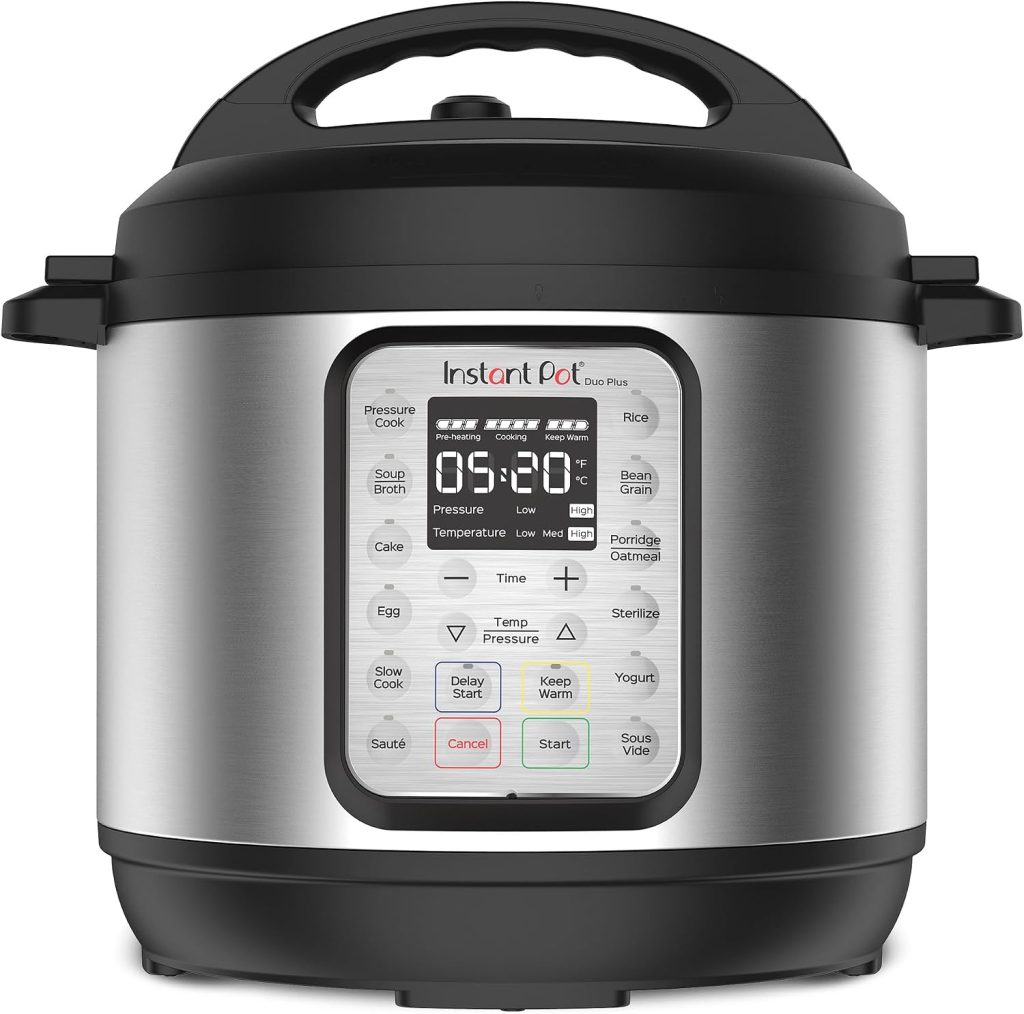
The Instant Pot Duo Plus notably adds functions like ‘Cake’ and ‘Egg’ settings, alongside a ‘Sterilize’ program that can be useful for sanitizing baby bottles or canning jars. Its ‘Sous Vide’ function also distinguishes it as a multicooker for more precise temperature cooking. Many users find the dedicated ‘Yogurt’ function particularly useful for homemade fermenting.
The Midea 10-in-1 includes standard pressure cooking, slow cooking, rice, and steaming, with a strong focus on core electric pressure cooker capabilities. It offers excellent performance for essentials like beans, grains, and meats. While it might not have every specialized preset found on the Duo Plus, its simpler interface can be appealing for beginners.
Do you really need a specific ‘Cake’ button, or would a manual pressure cooking setting achieve the same result with a little experimentation? For many, the core pressure cooking, slow cooking, and sauté functions are the workhorses. Don’t let a higher number of buttons sway you if you’ll only use a handful.
Pressure Release Options and Noise Level
Understanding pressure release is crucial for both safety and recipe timing. Most electric pressure cookers, including the Instant Pot Duo Plus and Midea, offer two main methods:

- Natural Pressure Release (NPR): The cooker gradually depressurizes on its own once cooking finishes. This can take anywhere from 10 to 40 minutes, depending on the volume of food and liquid. It’s often recommended for foamy foods like beans or certain soups, and for tougher cuts of meat, as the gradual depressurization helps tenderize the food further. This method is generally very quiet, involving only an occasional hiss as the float valve drops.
- Quick Pressure Release (QPR): You manually open the steam release valve, rapidly venting steam. This is much faster, taking only a few minutes, but can be quite noisy. Expect a loud, sustained hiss of steam for a short period. This method is suitable for delicate foods like vegetables or fish, preventing overcooking.
When people ask “is the multicooker loud?”, they’re usually referring to the Quick Pressure Release. While the Midea 10-in-1 and Instant Pot Duo Plus both produce noticeable steam release sounds during QPR, neither is excessively loud to the point of being disruptive for extended periods. The pressure build phase is usually a low hum. Consider your kitchen layout and tolerance for short bursts of steam noise. For open-concept living, you might prefer recipes allowing for natural release.
Footprint and Counter Space
A multicooker is a countertop appliance you’ll likely use frequently. Consider its dimensions and how it fits into your kitchen. A 6-quart Instant Pot Duo Plus or Midea 10-in-1 has a similar footprint, typically occupying a square base of about 12-14 inches per side. An 8-quart model will naturally demand more space. If you have limited counter space, even a 6-quart model might require you to shuffle other appliances.
Its weight can also be a factor; these aren’t appliances you’ll want to move frequently if they’re particularly heavy. Remember to factor in vertical clearance as well, especially for steam release, as it shouldn’t be directly under cabinets.
Cleanup and Dishwasher-Safe Inner Pot
Easy cleanup is a significant factor in how often you’ll actually use your multicooker. Both the Instant Pot Duo Plus and Midea 10-in-1 typically come with a stainless steel inner pot, which is generally dishwasher-safe. This is a considerable advantage over non-stick pots, which require more delicate handling.
The lid and sealing ring, however, often require hand-washing. Food particles can get trapped in crevices or around the sealing ring, which can affect pressure sealing or retain odors over time. You might find a spare sealing ring useful for alternating savory and sweet dishes. While the stainless steel pot makes core cleanup simple, the lid and components are a common point of minor frustration for users across many brands, including both the Instant Pot Duo Plus and Midea.
Safety Features
Electric pressure cooker safety has come a long way. Modern appliances like the Instant Pot Duo Plus and Midea 10-in-1 are designed with multiple safety mechanisms to prevent accidents. Look for features such as:
- Lid Lock: Prevents the lid from being opened when the cooker is pressurized.
- Anti-Block Shield: Prevents food particles from blocking the steam release valve.
- Automatic Temperature Control: Regulates temperature to ensure consistent cooking and prevent overheating.
- Over-Pressure Protection: Automatically vents excess pressure if the primary release is blocked.
- Automatic Pressure Control: Maintains pressure within safe operating limits.
Both the Instant Pot Duo Plus and the Midea 10-in-1 include robust safety protocols. Always read the manual thoroughly before your first use to familiarize yourself with these essential safeguards. It’s not just about cooking faster; it’s about cooking safely.
How to Match a Machine to Your Situation
The “worth it” question for an Instant Pot Duo Plus or Midea really comes down to how you plan to use it. Consider these scenarios:
- For the Everyday Home Cook (Families of 3-4): You’re looking for an efficient way to make weeknight dinners, from stews to rice and yogurt. A 6-quart multicooker is your sweet spot. The Instant Pot Duo Plus offers the most versatility with its specific programs like ‘Yogurt’ and ‘Sous Vide’, making it a valuable all-in-one appliance for varied cooking styles. The Midea 10-in-1 also delivers solid performance for daily meals, especially if pressure cooking and slow cooking are your main priorities.
- For Batch Meal Preppers or Larger Households (5+ people): You need capacity. An 8-quart Instant Pot Duo Plus or an equivalent larger multicooker would be a better fit. This allows you to cook larger quantities of grains, proteins, or soups in a single batch, making meal prep for the week ahead much more efficient. Be prepared for it to take up a significant chunk of your counter space.
- For Beginners to Electric Pressure Cooking: Starting simple is often best. The Midea 10-in-1 offers straightforward controls for its core functions, making it less intimidating. The Instant Pot Duo Plus, while powerful, has more buttons and programs, which might initially feel like a steeper learning curve for someone new to pressure cooking. However, both offer a wealth of online resources and recipes.
- For the Appliance Minimalist: If you want one device to replace several, the Instant Pot Duo Plus’s 9-in-1 functionality (especially with sous vide and yogurt) makes a strong case. It can realistically stand in for a slow cooker, rice cooker, yogurt maker, and dedicated pressure cooker. The Midea also consolidates, but the Duo Plus goes a step further in specific function breadth.
- For the Budget-Conscious but Feature-Minded Cook: The Midea 10-in-1 Electric Pressure Cooker, 6 Quarts, Stainless, often sits at a more budget-friendly price tier than the Instant Pot Duo Plus, while still delivering reliable performance across its core functions. If you need a solid electric pressure cooker without all the additional niche programs, it presents a compelling alternative.
Key Takeaways
- Instant Pot Duo Plus: Ideal for versatility, specific programs (yogurt, sous vide), and consistent performance across multiple cooking methods. A mid-range investment for a comprehensive kitchen workhorse.
- Midea 10-in-1: A strong contender for core pressure cooking and slow cooking needs. Often a more budget-friendly entry point without sacrificing essential functionality. Excellent value for focused use.
- Capacity Matters: 6-quart for small to medium families, 8-quart for large families or serious meal prep.
- Features vs. Use: Don’t pay for features you won’t use. Focus on your primary cooking needs.
Multicooker Comparison: Instant Pot Duo Plus and Its Peers
Let’s break down some common electric pressure cooker tiers and how the Instant Pot Duo Plus 9-in-1 Multicooker and Midea 10-in-1 Electric Pressure Cooker, 6 Quarts, Stainless, fit into the landscape.
| Type | Best For | Price Tier | Key Feature | Watch-Out |
|---|---|---|---|---|
| Basic Electric Pressure Cooker | Budget-conscious beginners, core pressure cooking, simple slow cooking. | Entry-Level | Straightforward controls, essential functions. | Limited specialized presets, simpler build. |
| Midea 10-in-1 Electric Pressure Cooker, 6 Quarts, Stainless | Value-seekers needing reliable core pressure cooking, slow cooking, rice. | Mid-Range | Strong core performance, solid build. | Fewer niche programs like sous vide or cake presets. |
| Instant Pot Duo Plus 9-in-1 Multicooker | Versatile home cooks, those wanting sous vide, yogurt, sterilize functions. | Mid-Range | Broader program selection, user-friendly interface. | Can have more buttons to learn for beginners. |
| Premium Multicooker (e.g., Instant Pot Pro tier) | Experienced cooks, smart features, advanced controls, larger capacity. | Premium Tier | Advanced customization, often smart connectivity. | Higher investment, might have an overly complex interface. |
Let’s elaborate on each type.
Basic Electric Pressure Cooker: These models focus on delivering reliable pressure cooking and slow cooking without extra bells and whistles. They are ideal for dipping your toes into the world of electric pressure cooking, proving that even a simpler machine can create amazing one-pot meals. You’ll likely miss out on specific presets for things like yogurt or sous vide, and the build quality might feel less robust than higher-tier options.
The Midea 10-in-1 Electric Pressure Cooker, 6 Quarts, Stainless, stands out in the mid-range for its value. It delivers on its promise of reliable pressure cooking, slow cooking, and rice preparation, making it a powerful contender for everyday meals. While it might not have the Instant Pot Duo Plus’s exact range of specialized buttons, its fundamental performance for common Instant Pot recipes is very strong.
The Instant Pot Duo Plus 9-in-1 Multicooker is a classic for a reason, sitting comfortably in the mid-range. It expands significantly on basic models by adding dedicated buttons for ‘Sous Vide’, ‘Yogurt’, ‘Cake’, ‘Egg’, and ‘Sterilize’. This broader program selection means it can genuinely replace more individual countertop appliances. Its interface is generally intuitive, but the sheer number of options might take a little getting used to for someone completely new.
Premium Multicookers (like the Instant Pot Pro tier): These machines cater to a more demanding user. They typically offer more advanced customization options, often larger capacities, and sometimes smart features that connect to apps for recipe guidance or remote monitoring. They tend to boast heavier-duty inner pots, and perhaps a more robust lid design.

For example, some higher-tier Instant Pot models come with an inner pot that has handles, a seemingly small feature that makes lifting and serving much easier. The trade-off is a higher price point and sometimes an interface that might feel overly complex if you’re not planning to utilize every advanced setting.
Common Mistakes Buyers and New Users Make
Even with a versatile appliance like the Instant Pot Duo Plus or Midea 10-in-1, new users often encounter a few common pitfalls. Knowing these can save you frustration and lead to better cooking results.
- Overfilling the Pot: Never fill the inner pot above the “MAX” line, which is usually two-thirds full for most foods and half full for ingredients that expand (like beans or grains). Overfilling can prevent proper pressure build-up and, more importantly, create a dangerous situation where food could block the steam release valve. This is an essential electric pressure cooker safety rule.
- Forgetting to Deglaze Before Pressure Cooking: When sautéing ingredients directly in the pot, ensure you scrape up any browned bits from the bottom before adding liquids and pressure cooking. Leaving these bits can lead to a “Burn” error message, as they can scorch during the pressure cycle. A simple splash of broth or water and a wooden spoon does the trick.
- Underestimating Total Cook Time: Pressure cooking itself is fast, but the total process isn’t always instant. You need to factor in the time it takes for the unit to come to pressure (which can be 10-20 minutes depending on food volume and liquid temperature) and any required natural pressure release time afterward. A 10-minute pressure cook might mean 30-40 minutes from start to serving.
- Not Understanding Pressure Release Methods: Forcing the lid open before all pressure has naturally or quickly released is dangerous. Additionally, choosing the wrong pressure release method can affect your food’s texture. Quick release is good for tender vegetables you don’t want to overcook, while natural release is better for meats and foamy liquids. Not knowing the difference can lead to mushy veggies or tough meat.
Why, How, What
Why is an Instant Pot Duo Plus worth it for some, but a Midea 10-in-1 better for others?
The Instant Pot Duo Plus 9-in-1 Multicooker’s value comes from its sheer versatility. For those who want to make yogurt, experiment with sous vide, or sterilize items without buying separate appliances, its specific programs consolidate kitchen functions remarkably well.
However, the Midea 10-in-1 Electric Pressure Cooker, 6 Quarts, Stainless, often shines for those who prioritize robust, straightforward pressure cooking and slow cooking at a potentially more accessible price point. If you primarily cook grains, stews, and roasts, and don’t need the niche programs, the Midea delivers comparable core performance and can feel like a smarter investment.
How do I use the Instant Pot Duo Plus or Midea 10-in-1 for meal prep?
Using either a multicooker like the Instant Pot Duo Plus or the Midea 10-in-1 for meal prep is incredibly efficient for one-pot meals. You can quickly cook large batches of grains (rice, quinoa, farro), prepare shredded chicken or pork, hard-boil eggs, or even cook an entire soup or chili recipe. The beauty lies in setting it and walking away, freeing up stove or oven space.
Consider an 8-quart Instant Pot if you’re serious about batch cooking for the whole week to maximize your output in a single cycle.
What are the key differences between a pressure cooker vs slow cooker?
A pressure cooker, whether it’s an electric pressure cooker like the Instant Pot Duo Plus or a stovetop model, cooks food rapidly by trapping steam, which raises the boiling point of water and increases internal pressure. This dramatically speeds up cooking times. A slow cooker, on the other hand, cooks food at a lower temperature over an extended period, ideal for tenderizing tough cuts of meat and developing deep flavors.
Many multicookers, including both the Instant Pot Duo Plus and Midea 10-in-1, offer both functionalities, providing convenient flexibility for different recipes and schedules.
Keep reading: Instant Pot Duo Plus: 9-in-1 Multicooker & Pressure Cooker Review · Instant Pot Duo Plus Review: A 9-in-1 Multicooker & Pressure Cooker Assessment
Final Recommendation
When weighing the Instant Pot Duo Plus 9-in-1 Multicooker against alternatives like the Midea 10-in-1 Electric Pressure Cooker, 6 Quarts, Stainless, consider your primary cooking goals. If you’re seeking a versatile kitchen workhorse that can truly replace multiple appliances and offers niche functions like precise sous vide or homemade yogurt, the Instant Pot Duo Plus is a sound investment for its comprehensive feature set.
It’s an excellent choice for its ability to tackle a broad range of culinary tasks with confidence.
However, if your main priority is a reliable, high-performing electric pressure cooker for everyday one-pot meals, stews, grains, and basic slow cooking, the Midea 10-in-1 Electric Pressure Cooker, 6 Quarts, Stainless, presents a compelling, often more budget-friendly alternative. It delivers exceptional core pressure cooking power without requiring you to pay for features you might never use.
Both machines provide immense value, but your specific kitchen needs will ultimately guide you to the right one.
#Midea #10in1 #Electric #Pressure #Cooker #Quarts #Stainless
Common Questions About Midea vs Instant Pot Duo Plus
Is the Midea vs Instant Pot Duo Plus worth buying?
For cooks who want one appliance to do it all, the Midea vs Instant Pot Duo Plus earns a clear recommendation: its 6-qt stainless multicooker gives it the versatility a one-pot kitchen needs (this guide cuts through the noise, helping you decide if an Instant Pot Duo Plus is), keeping it practical for everyday one-pot cooking.
This guide cuts through the noise, helping you decide if an Instant Pot Duo Plus is truly a worthwhile addition to your kitchen, particularly when compared to capable alternatives like the Midea 10-in-1 Electric Pressure Cooker, 6 Quarts, Stainless.
This guide cuts through the noise, helping you decide if an Instant Pot Duo Plus is truly a worthwhile addition to your kitchen, particularly when compared to capable alternatives like the Midea 10-in-1 Electric Pressure Cooker, 6 Quarts, Stainless.
However, the Midea 10-in-1 Electric Pressure Cooker, 6 Quarts, Stainless, often shines for those who prioritize robust, straightforward pressure cooking and slow cooking at a potentially more accessible price point.
How well does the Midea vs Instant Pot Duo Plus pressure cook?
In day-to-day use the Midea vs Instant Pot Duo Plus performs as advertised: its 6-qt stainless multicooker translates into consistent cooking results (this guide cuts through the noise, helping you decide if an Instant Pot Duo Plus is), which lines up with what the specifications promise. For most buyers, that real-world consistency matters more than any headline number.
This guide cuts through the noise, helping you decide if an Instant Pot Duo Plus is truly a worthwhile addition to your kitchen, particularly when compared to capable alternatives like the Midea 10-in-1 Electric Pressure Cooker, 6 Quarts, Stainless.
However, if your primary need is reliable pressure cooking and you’re budget-conscious, the Midea 10-in-1 Electric Pressure Cooker, 6 Quarts, Stainless, offers comparable core functionality in a slightly different package, delivering excellent value.
This guide cuts through the noise, helping you decide if an Instant Pot Duo Plus is truly a worthwhile addition to your kitchen, particularly when compared to capable alternatives like the Midea 10-in-1 Electric Pressure Cooker, 6 Quarts, Stainless.
Can the Midea vs Instant Pot Duo Plus replace my other kitchen appliances?
The Midea vs Instant Pot Duo Plus holds its own on its 6-qt stainless multicooker: the real decision comes down to this guide cuts through the noise, helping you decide if an Instant Pot Duo Plus is (this guide cuts through the noise, helping you decide if an Instant Pot Duo Plus is) — the difference that matters most for one-pot cooking.
This guide cuts through the noise, helping you decide if an Instant Pot Duo Plus is truly a worthwhile addition to your kitchen, particularly when compared to capable alternatives like the Midea 10-in-1 Electric Pressure Cooker, 6 Quarts, Stainless.
This guide cuts through the noise, helping you decide if an Instant Pot Duo Plus is truly a worthwhile addition to your kitchen, particularly when compared to capable alternatives like the Midea 10-in-1 Electric Pressure Cooker, 6 Quarts, Stainless.
This guide cuts through the noise, helping you decide if an Instant Pot Duo Plus is truly a worthwhile addition to your kitchen, particularly when compared to capable alternatives like the Midea 10-in-1 Electric Pressure Cooker, 6 Quarts, Stainless.
Is the Midea vs Instant Pot Duo Plus easy for beginners to use?
Yes — the Midea vs Instant Pot Duo Plus is straightforward to live with: its 6-qt stainless multicooker keeps the routine simple (however, the Midea 10-in-1 Electric Pressure Cooker, 6 Quarts, Stainless), so upkeep does not turn into a second chore. That low-friction ownership is a big part of its appeal.
However, the Midea 10-in-1 Electric Pressure Cooker, 6 Quarts, Stainless, often shines for those who prioritize robust, straightforward pressure cooking and slow cooking at a potentially more accessible price point.
This guide cuts through the noise, helping you decide if an Instant Pot Duo Plus is truly a worthwhile addition to your kitchen, particularly when compared to capable alternatives like the Midea 10-in-1 Electric Pressure Cooker, 6 Quarts, Stainless.
What are the downsides of the Midea vs Instant Pot Duo Plus?
The trade-offs with the Midea vs Instant Pot Duo Plus are practical rather than deal-breaking: however, if your primary need is reliable pressure cooking and you’re budget-conscious, so it pays to match its 6-qt stainless multicooker against your one-pot cooking before buying. None of these are unusual for the category, but knowing them upfront avoids surprises.
However, if your primary need is reliable pressure cooking and you’re budget-conscious, the Midea 10-in-1 Electric Pressure Cooker, 6 Quarts, Stainless, offers comparable core functionality in a slightly different package, delivering excellent value.
However, if your main priority is a reliable, high-performing electric pressure cooker for everyday one-pot meals, stews, grains, and basic slow cooking, the Midea 10-in-1 Electric Pressure Cooker, 6 Quarts, Stainless, presents a compelling, often more budget-friendly alternative.
This guide cuts through the noise, helping you decide if an Instant Pot Duo Plus is truly a worthwhile addition to your kitchen, particularly when compared to capable alternatives like the Midea 10-in-1 Electric Pressure Cooker, 6 Quarts, Stainless.