Reusable Food Wraps: Are Bee’s Wrap Beeswax Options Worth the Hype?
Navigating the world of reusable food wraps can feel a bit like wading through a sea of good intentions and varying claims. This guide is for the savvy shopper, the one who wants to make smarter choices for their kitchen and the planet, but isn’t about to pay a premium for something that won’t actually perform. We’re zeroing in on reusable food wraps, with a particular focus on options like Bee’s Wrap Beeswax Food Wraps – exploring whether their specific features, like organic beeswax and plastic-free construction, really translate into real-world value.
Quick Answer
For most households aiming to reduce single-use plastic, options like Bee’s Wrap beeswax food wraps offer a functional and genuinely sustainable solution for common food storage needs, especially produce, cheese, and leftovers in bowls. They require a small shift in habit for care, but their tactile nature and effectiveness for breathable storage make them a worthwhile investment for many. Just don’t expect them to seal liquids like a plastic container.
What to Look For (The Buying Criteria)
Alright, so you’re thinking beyond cling film. Smart move. But before you jump headfirst into the reusable realm, let’s talk about what actually matters. It’s not just about slapping an “eco-friendly” label on something; the practicality has to be there too.
Material Composition: Beeswax, Silicone, or Fabric?
This is probably the biggest fork in the road. Bee’s Wrap, of course, falls squarely into the beeswax category, usually a blend of cotton, beeswax, jojoba oil, and tree resin. These wraps are naturally tacky, moldable with the warmth of your hands, and allow food to breathe a little. That breathability? Crucial for certain produce. But here’s the rub: beeswax isn’t airtight. It also means no hot food, no raw meat, and definitely no direct contact with anything dripping heavily. They can get a bit stiff in cooler temps, too.
Then there’s silicone. Think stretchy covers or bags. Silicone is fantastic for airtight seals, great for liquids, and often handles heat or cold beautifully. But sometimes, they pick up smells. And they’re not always as breathable as you might want for, say, a half-cut avocado. Fabric wraps, often with a PUL lining, are mostly for sandwiches and snacks, offering durability but not the same cling as beeswax or silicone. Each has a niche, and no single material does everything well.
Size Assortments: Are You Ready for Anything?
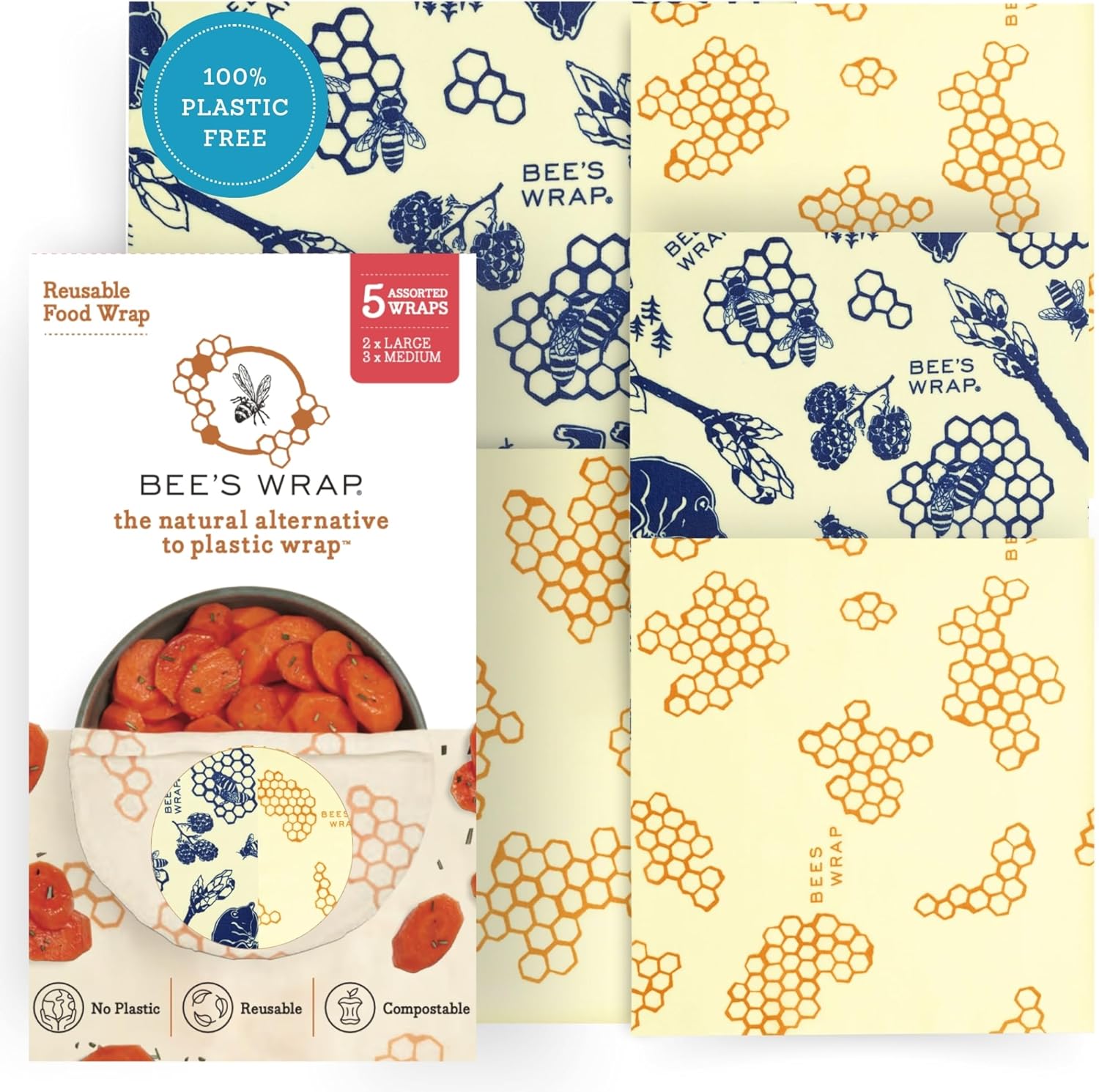
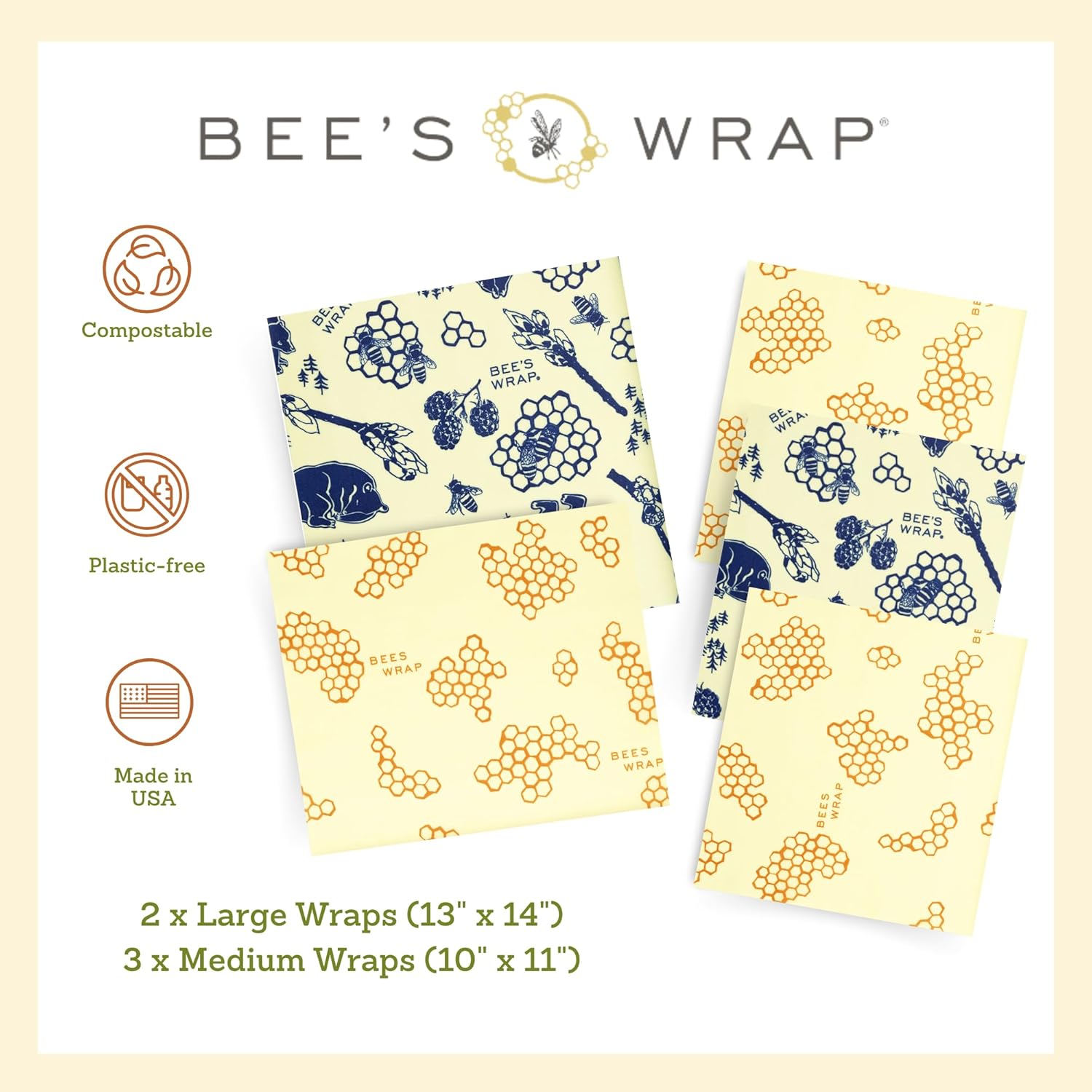
You’ll quickly realize that one size does not fit all in the kitchen. Bee’s Wrap often comes in assorted packs, like their popular 5-pack with a mix of large and medium wraps. This is thoughtful. You’ll need smaller ones for half a lemon or a block of cheese, medium ones for a sandwich or a bowl of greens, and larger sizes for covering bigger dishes or wrapping a loaf of bread.
A single size pack, especially if it’s all small or all large, is going to frustrate you. Think about what you typically wrap. A big family probably needs more large wraps; a single person might get by with more mediums and smalls. Don’t underestimate the utility of having a range. It saves you from trying to stretch a tiny wrap over a big bowl – a futile effort, I assure you.
Adhesive Quality and Seal Strength
For beeswax wraps specifically, the “stickiness” is paramount. It’s what lets you mold the wrap around food or a bowl, creating that crucial seal. Good quality beeswax wraps, like Bee’s Wrap, maintain their tacky feel through many uses. They soften with your hand’s warmth, then firm up as they cool, holding their shape.
A poor-quality beeswax wrap? It’ll lose its cling quickly, feel greasy, or just not hold its form. That’s a nuisance. You want a wrap that feels substantial but pliable, not brittle or overly stiff when cold. Keep in mind, “adhesive” here means cling, not a waterproof, airtight seal like plastic. It lets things breathe; that’s part of its charm, but also its primary limitation for things like soups.
Durability and Longevity: How Long Will It Really Last?
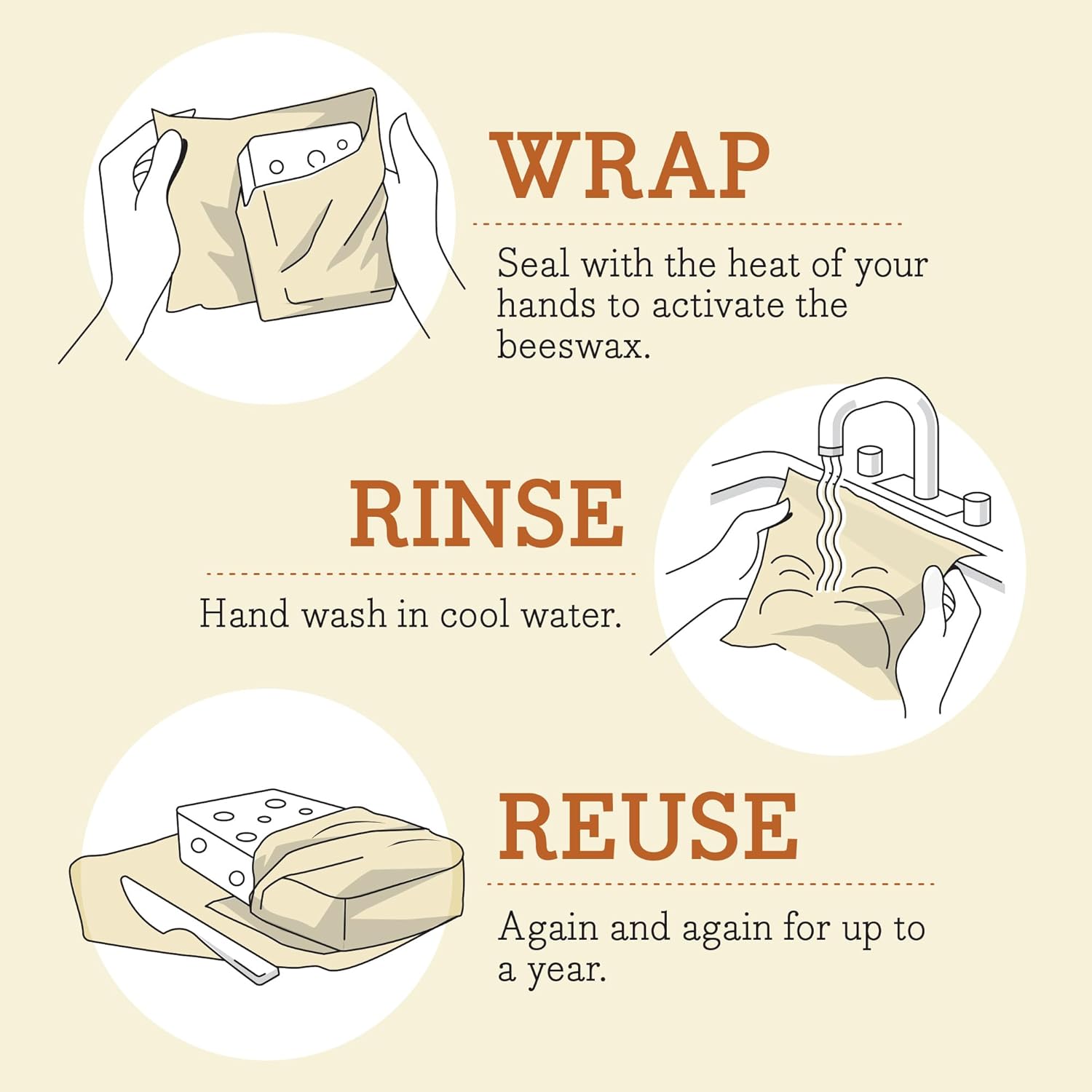
The promise of reusable food wraps is, well, reusability. But how long is “reusable”? Beeswax wraps typically last about a year with proper care, sometimes longer. The wax coating eventually wears down, becoming less tacky, more prone to cracking. It’s not an infinite lifespan. That’s an important trade-off. You’re buying a consumable, albeit one that lasts far longer than single-use plastics.
Silicone items generally have a longer lifespan, often many years, if they’re good quality. Fabric wraps, too, can endure quite a bit of washing. When you’re assessing durability, think about the initial investment versus its operational life. Is it truly saving you money and waste over time, or are you replacing it frequently? The goal is to reduce, not just shift, your consumption.
Ease of Cleaning and Maintenance
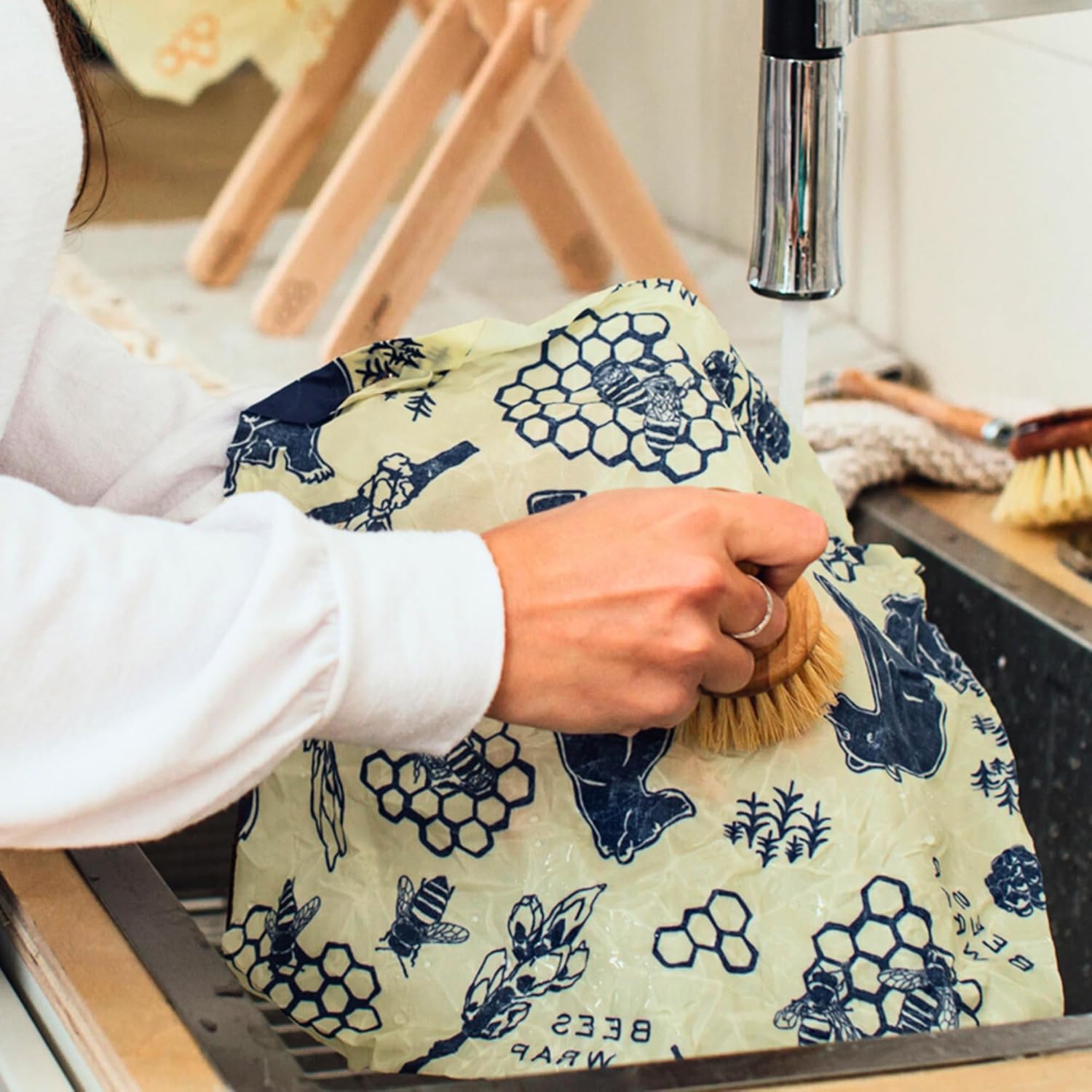
This is where reality bites for some. Beeswax wraps are not machine washable. You clean them with cool water and a mild soap, then air dry. Hot water melts the wax. It’s a bit of a gentle dance, and if you’re someone who just tosses everything in the dishwasher, this might be a hurdle. Improper cleaning can drastically shorten their life, or worse, leave them unsanitary.
Silicone and fabric wraps are often more forgiving, many being dishwasher safe. Consider your kitchen routine. Do you have the patience for handwashing a few items? Or will they just pile up in the sink, becoming another source of clutter? An item isn’t truly “reusable” if it’s too much of a hassle to maintain.
Eco-credentials and Sustainability Claims
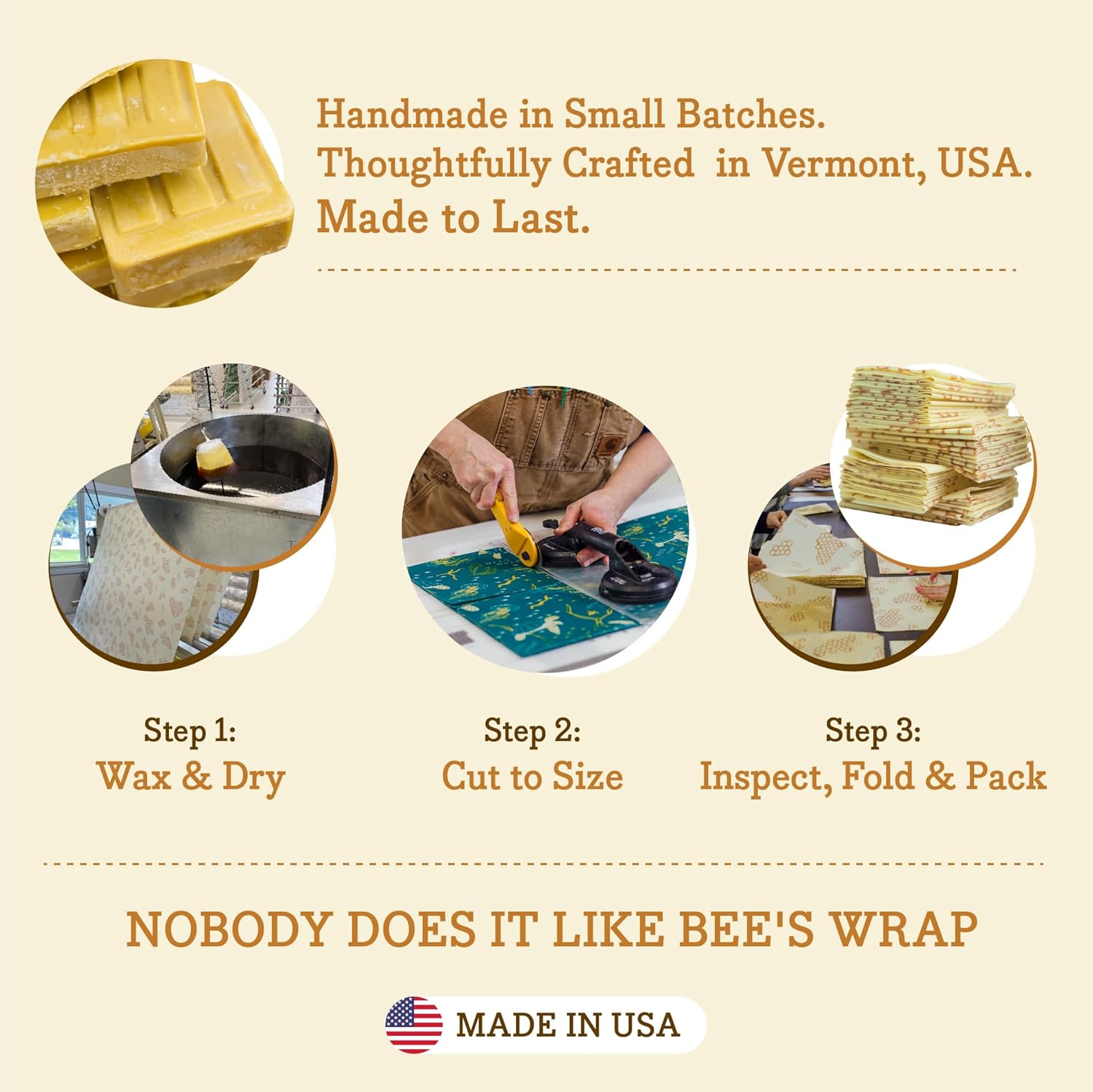
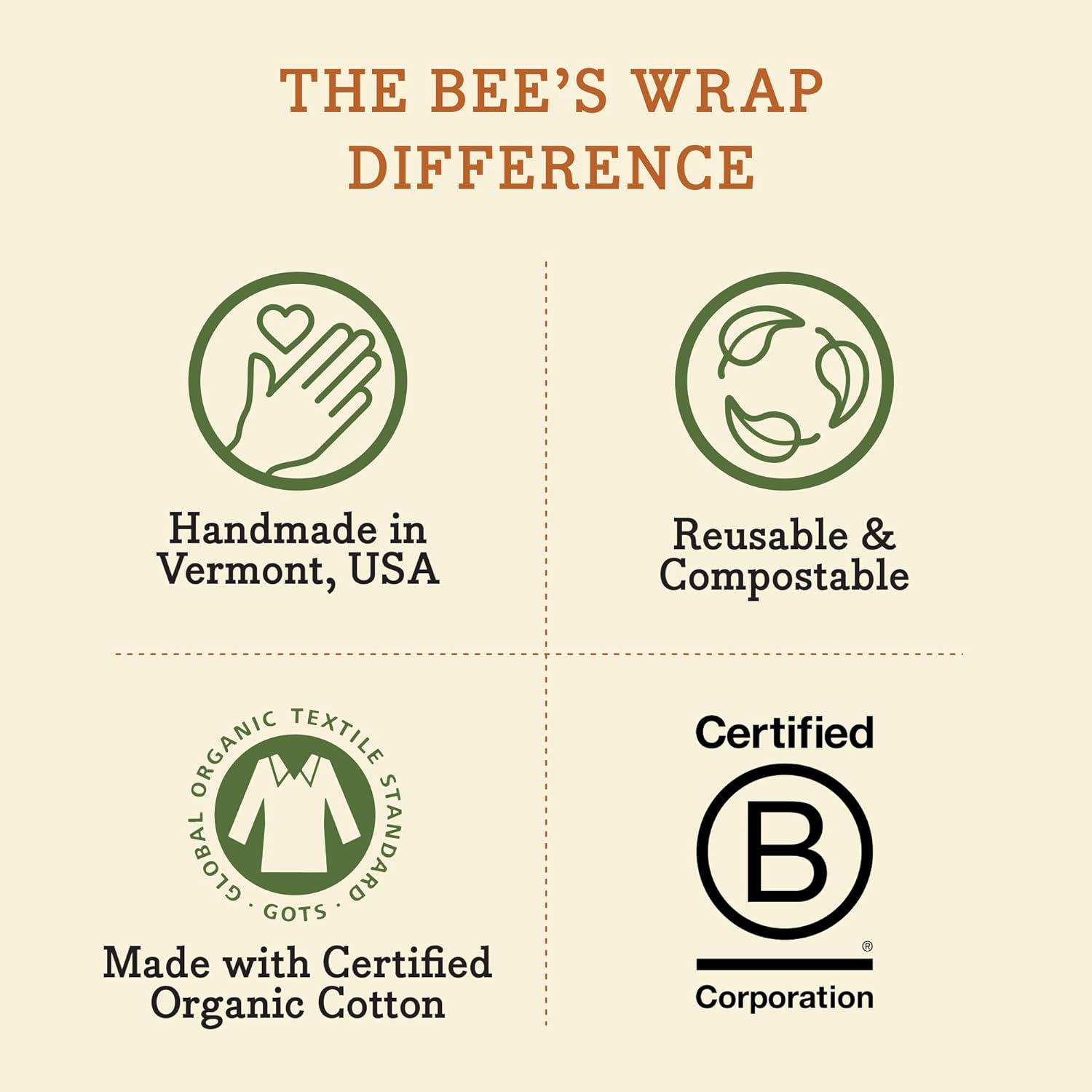
This is often the main motivator, right? Brands like Bee’s Wrap emphasize their organic beeswax, plastic-free status, and often, compostability at the end of their life. “Made in USA” is also a common claim, appealing to those who prioritize local production and potentially lower carbon footprint from shipping. But what do these terms truly mean?
“Plastic-free” means no petroleum-based plastic. “Organic beeswax” suggests the bees were raised in a certain way, free from specific pesticides. These are good things, don’t get me wrong. But always remember: manufacturing, even of sustainable products, has an environmental cost. The real win comes from using them consistently and for a long time, truly offsetting all those plastic baggies and rolls of cling film. Don’t just buy them; use them.
How to Match the Product to Your Situation
Choosing the right reusable food wrap isn’t just about the product itself, but how it fits into your actual life. We’ve all bought things with the best intentions, only for them to gather dust. Let’s make sure these actually work for you.
The Eco-Conscious Beginner
You’re just dipping your toes into sustainable living, maybe a little overwhelmed by all the options. You want to make a tangible difference without completely upending your routine or breaking the bank.
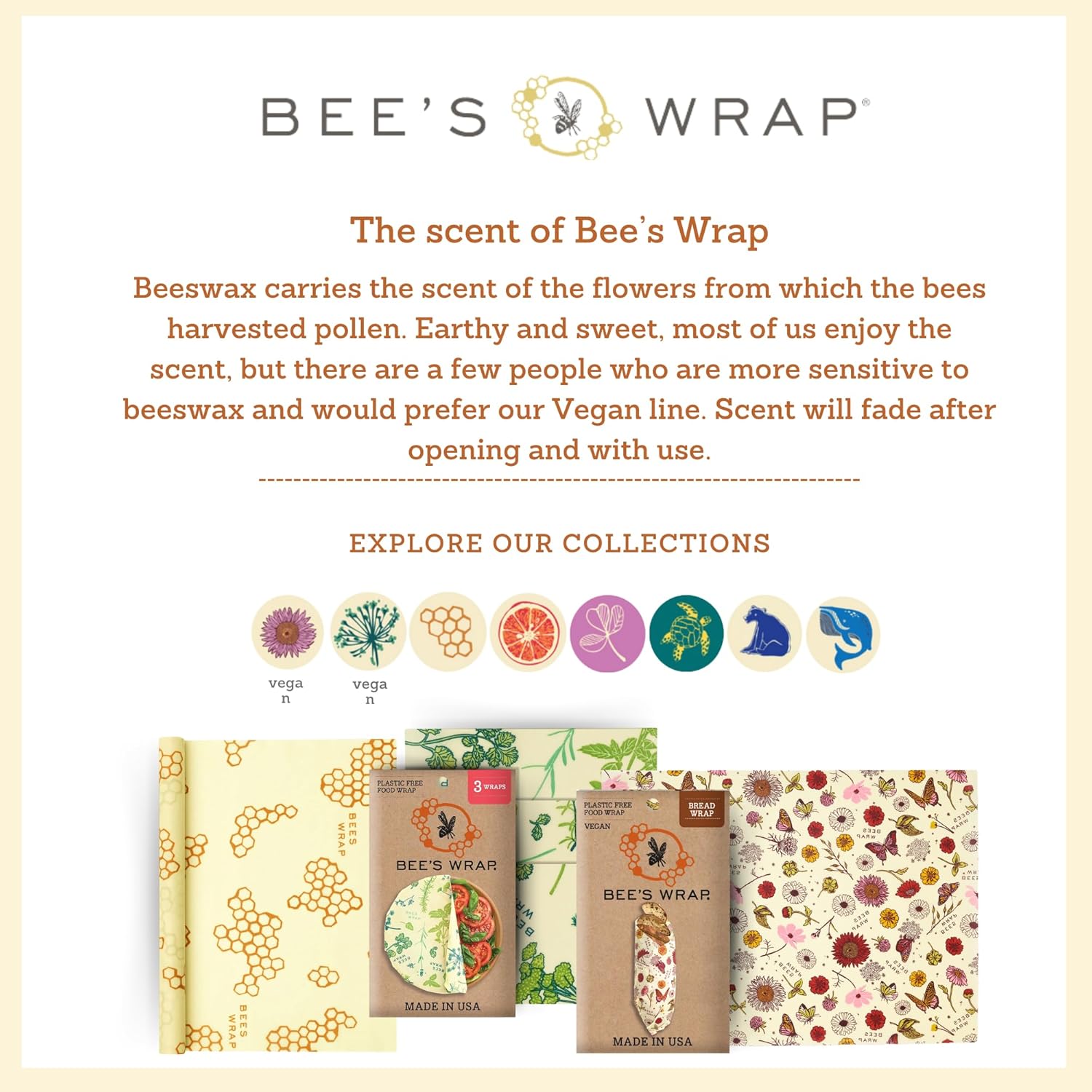
What you need: Something straightforward, reliable, and relatively easy to learn. A starter pack with varied sizes, like a Bee’s Wrap 5-pack, is a sensible choice. It lets you try out the concept for different foods without committing to a single type or size. They’re intuitive enough to use – just warm with your hands and mold – and the visual appeal (honeycomb, bears, bees patterns are common) can be a nice motivator. Don’t overthink it. Start with produce and leftovers.
The Savvy Meal Prepper
You’re in the kitchen a lot, planning meals, packing lunches, storing ingredients. Efficiency and reliable food preservation are key. You probably have a mix of needs: some things need airtight, others just need a cover.
What you need: A versatile arsenal. While beeswax wraps are fantastic for things like cheeses, bread, and most fruits/veg, you’ll likely want to complement them. Consider adding some silicone stretch lids for bowls (especially those containing liquids or strong odors) and perhaps some reusable sandwich bags for grab-and-go lunches. For the Bee’s Wrap type, look for value packs that offer larger sizes, because you’ll be covering bigger bowls of prepped veggies or a batch of cookies. You’ll prioritize durability and a good “cling” factor, knowing you’ll use these wraps daily.
The Budget-Minded Family Manager
Feeding a family often means a lot of food waste and a lot of single-use plastic. You need solutions that are cost-effective in the long run, durable enough for high usage, and easy enough that even the kids (or spouse!) can manage them.
What you need: A quantity of wraps that makes sense, and products that can stand up to frequent washing (or quick rinses). Beeswax wraps can be a good option for packed lunches and covering everyday leftovers, but you’ll probably need quite a few, so look for larger multi-packs or even consider making your own down the line if you get really into it. Don’t forget the reusable snack bags – fabric ones are generally tougher for kids’ lunchboxes than a beeswax wrap trying to hold together a squishy banana. The initial outlay might feel substantial, but the long-term savings on plastic film add up. It’s an investment, not a quick fix.
A Comparison of Reusable Food Wrap Options
You’ve got choices. Good ones, actually. Deciding which route to go often comes down to what you’re trying to achieve and what trade-offs you’re willing to make. Let’s stack up the common players.
| Type/Tier | Best For | Price Tier | Key Feature | Watch-Out |
|---|---|---|---|---|
| Beeswax Wraps | Produce, cheese, bread, covering bowls | Mid-range | Breathable, moldable, naturally adhesive | Not for hot food, raw meat, or very wet items; requires handwashing. |
| Silicone Covers/Lids | Bowls of liquids, strong odors, hot dishes | Mid-range | Airtight, leak-proof, high heat tolerance | Can be bulky to store, sometimes pick up smells, not breathable. |
| PUL-Lined Fabric Wraps | Sandwiches, snacks, dry goods in lunchboxes | Budget-friendly | Durable, machine washable, customizable designs | No cling for bowls, not great for highly perishable produce. |
Here’s a bit more detail on each:
Beeswax Wraps: Options like Bee’s Wrap are fantastic for foods that benefit from a little airflow, keeping cheese from sweating and bread from going stale too quickly. They are, however, a bit of a commitment in terms of cleaning, as cool water and mild soap are your only friends here.
Silicone Covers/Lids: These are your champions for soup, stews, or anything that needs to be completely sealed off from air or spills. They’re often oven and microwave safe, making them incredibly versatile, but sometimes they can feel a bit industrial compared to the natural feel of beeswax.
PUL-Lined Fabric Wraps: Think of these as a step up from a paper bag for your sandwich. They’re robust, often have fun patterns, and handle a machine wash like a champ, making them a low-maintenance choice for dry snacks and lunch items. Just remember, they won’t stick to anything, so they’re mainly for wrapping individual items that can be folded or tied.
Key Takeaways
Choosing your reusable wraps comes down to a few core questions: Do you need breathability or an airtight seal? How much fuss are you willing to put into cleaning? And what foods are you actually trying to cover most often? For a versatile, breathable solution for everyday produce and bowl covers, beeswax options are a strong contender. For liquids, look to silicone. For robust, washable snack-packing, fabric is your friend.
Scenario-Specific Use Cases
Okay, let’s get practical. Where do these things shine, and where do they fall flat?
Keeping Produce Fresh for Longer
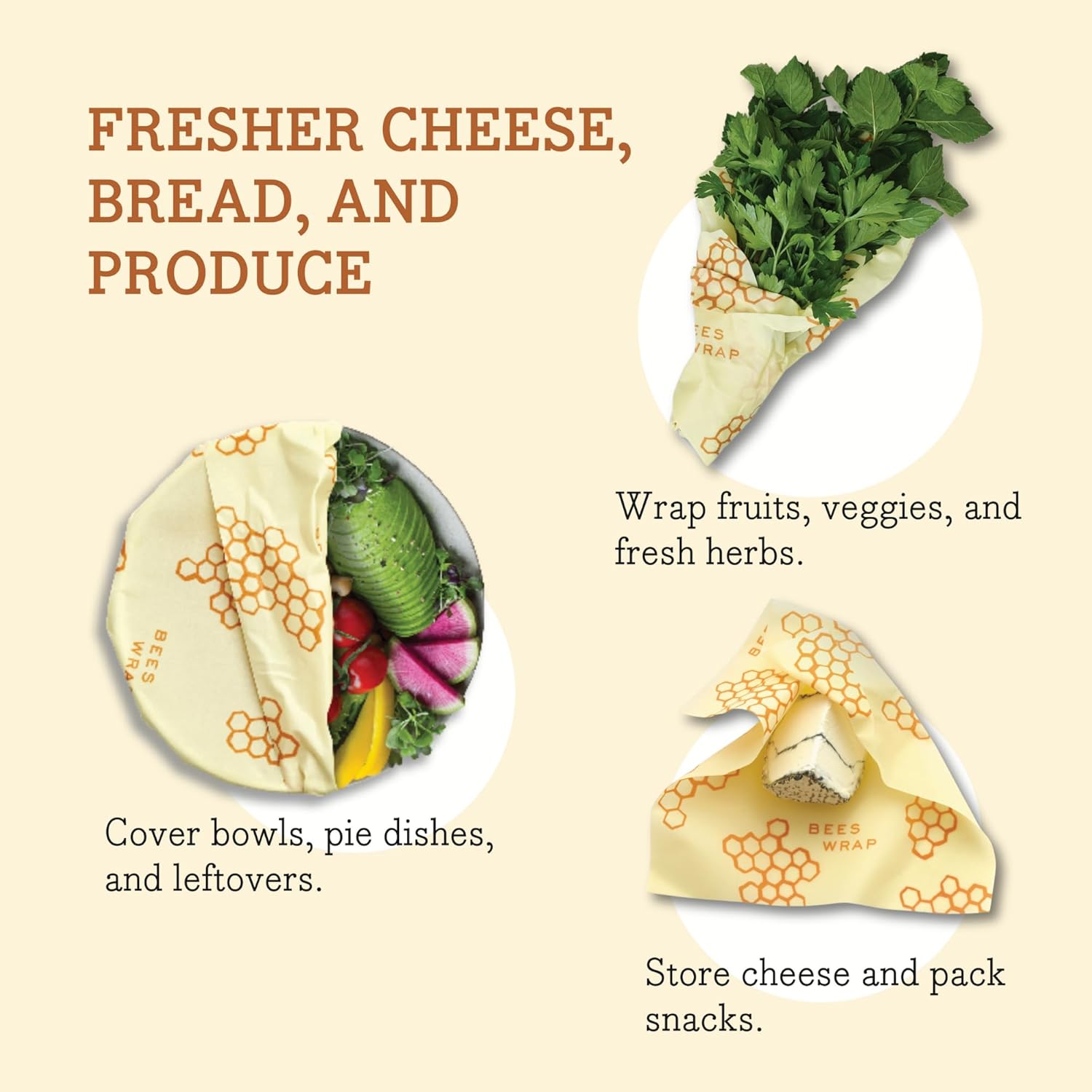
This is where good reusable food wraps, especially beeswax varieties, really earn their keep. Have you ever noticed how some produce just seems to suffocate in plastic? Beeswax wraps, with their slight breathability, create a perfect microclimate. Wrap a half-cut avocado, a bunch of herbs, or a head of lettuce in a Bee’s Wrap. The wax protects the food from drying out too quickly, but also allows it to respire. This can genuinely extend the life of your fresh produce by a few days compared to a plastic bag. It’s a noticeable difference for things like cucumbers or carrots too. Just remember, no wrapping things that are already wet; pat them dry first.
Packing Lunches and Snacks
For your daily lunch routine, the type of wrap truly depends on what you’re packing. For sandwiches, a medium-sized Bee’s Wrap works wonderfully. It molds nicely around the bread, keeps things fresh, and is easy to unfold and refold. Same goes for dry snacks like crackers or a handful of nuts. It’s so much nicer than a disposable plastic baggie, isn’t it?
But if you’re packing something wet, like a fruit salad or yogurt, beeswax isn’t the right choice. That’s a job for a silicone bag or a small container. Don’t try to force a beeswax wrap into a situation it’s not built for; you’ll end up with a mess, and then you’ll be grumpy about reusable wraps. Pick the right tool.
Covering Leftovers and Bowls
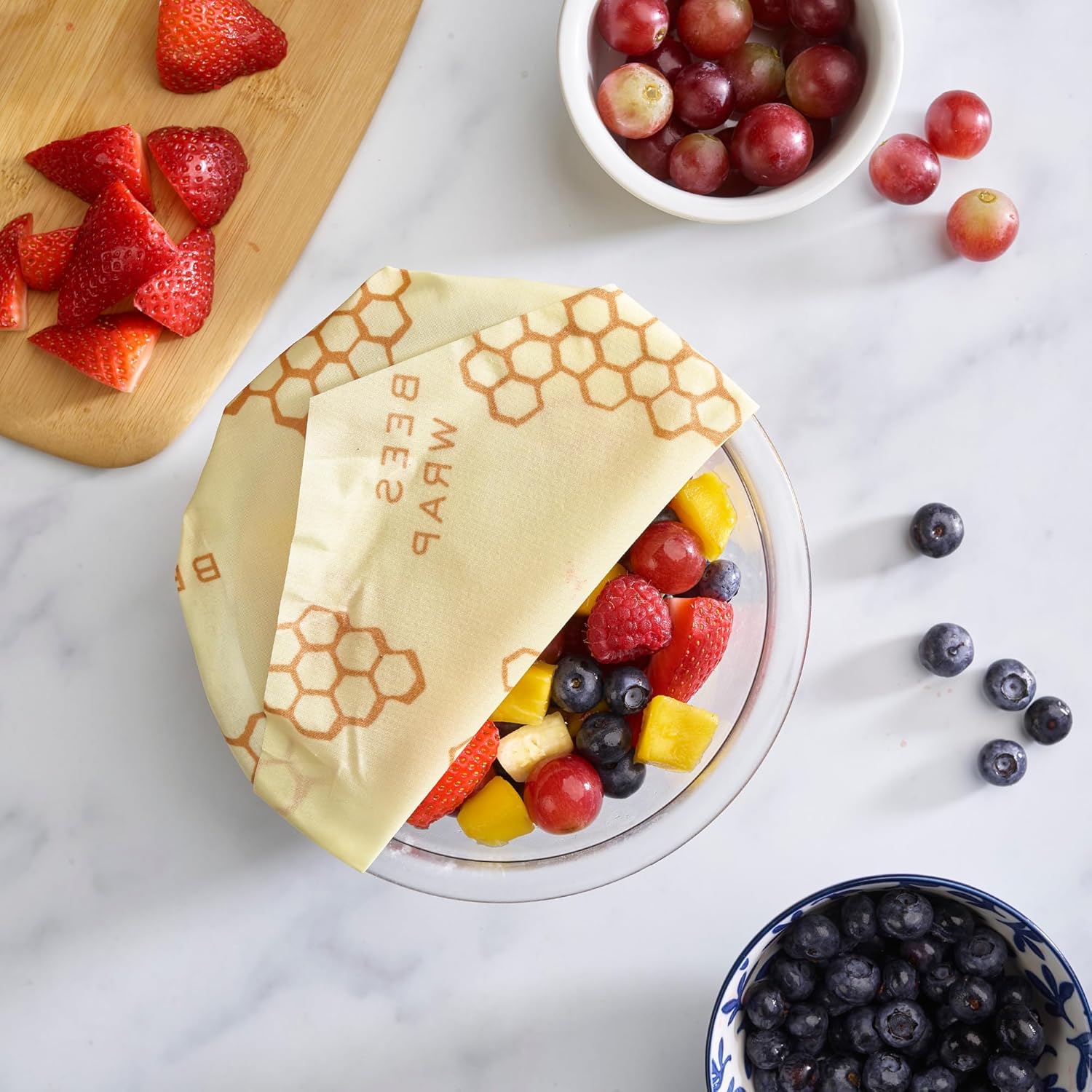
Another staple use case. Imagine you’ve got half a casserole left, or a bowl of salad. A large Bee’s Wrap (like the generous sizes included in a 5-pack assortment) can cover many standard-sized bowls. You just press the wrap around the rim, using the warmth of your hands to create a seal. It’s surprisingly effective for keeping odors contained and preventing food from drying out.
However, if it’s a hot-off-the-stove pot of stew, or something with a lot of liquid sloshing around, you’ll want to let it cool completely first for beeswax wraps, or just opt for a silicone lid instead. Remember, beeswax is about creating a breathable cover, not an impermeable lid. Knowing this distinction is key to a happy experience with these wraps.
Common Mistakes Buyers and New Users Make
Getting into reusable food wraps is pretty straightforward, but there are a few common pitfalls that can lead to frustration or shortened product life. You don’t want to throw money at something that ends up in the bin prematurely, right?
Using with Hot Food or Raw Meat
This is probably the number one mistake with beeswax wraps. Hot food will melt the wax coating, ruining the wrap and possibly your food. Always let food cool to room temperature before wrapping. Also, avoid using beeswax wraps directly with raw meat or poultry. The porous nature of the wax makes it difficult to sanitize properly for such uses, posing a potential hygiene risk. For those items, reach for a container or silicone option.
Improper Cleaning and Storage
Another big one that impacts longevity. As mentioned, beeswax wraps need cool water and mild dish soap. No scrubbing with abrasive sponges, no hot water, and definitely no dishwashers. And when drying, let them air dry completely, draped over a rack or clothesline. Folding them damp can lead to mold. For storage, keep them flat or rolled up in a drawer, away from heat sources like a stove, which can soften the wax over time. Neglecting these simple steps is a quick way to send your fancy new wraps to an early grave.
Expecting an Airtight, Leak-Proof Seal
This goes back to understanding the material. Beeswax wraps offer a good, clingy seal, but it’s not airtight or leak-proof like a plastic container lid. If you try to wrap a bowl of soup with a beeswax wrap and then tilt it, you’re going to have a bad time. They’re designed for breathable storage, for keeping things fresh without suffocating them. For liquids, strong-smelling foods, or anything needing a truly airtight seal, silicone covers or traditional lidded containers are the way to go. Don’t blame the wrap for not doing something it was never designed to do.
Why/How/What Mini-Section
Why bother with reusable food wraps in the first place?
Look, the environmental impact of single-use plastic is undeniable, and it adds up fast in the kitchen. Every time you grab a piece of cling film or a plastic baggie, that’s something that will likely outlive you in a landfill. Reusable food wraps directly address this by giving you a durable, washable alternative that can save you money over time and significantly reduce your household’s plastic waste. It’s a small, tangible step towards a more sustainable kitchen.
How do Bee’s Wrap beeswax wraps actually work?
It’s pretty clever, really. The warmth from your hands softens the natural beeswax coating on the cotton fabric, making it pliable. You press and mold the wrap around your food or a bowl, and as the wax cools (which happens in a matter of seconds once your hands are off), it stiffens, holding its shape and creating a light seal. That’s the magic. It’s a tactile, low-tech solution that just… works.
What food items are best (or worst) for these wraps?
Best: Hard cheeses, half-cut fruits and vegetables (like lemons, avocados, cucumbers), fresh herbs, bread, baked goods, covering bowls of leftovers like salads or roasted vegetables. The breathability is a real asset here. Worst: Raw meat, anything very hot, excessively wet foods (soups, stews, very juicy cut watermelon), or anything that needs a truly airtight seal for long-term freezer storage. For those, reach for a different tool.
FAQ
Are reusable food wraps truly hygienic?
Yes, absolutely. Most reusable food wraps are designed to be easily cleaned. Beeswax wraps require cool water and mild soap, while many silicone and fabric options are dishwasher safe. Proper cleaning after each use is key to maintaining hygiene, just like any other kitchen item.
Can beeswax wraps be used in the freezer?
They can! Beeswax wraps are suitable for short-term freezer storage, wrapping items like bread, baked goods, or prepped vegetables. For long-term freezing of items like raw meat or liquids, however, a more robust, airtight solution like a freezer-safe container or silicone bag is generally a better choice to prevent freezer burn.
How do I refresh my Bee’s Wrap when it loses its stickiness?
Over time, the beeswax coating can lose some of its tackiness. You can often refresh them by placing them on a baking sheet in a very low oven for just a few minutes until the wax melts and redistributes. Let them cool and dry completely, and they should regain some of their cling. It’s a nice way to extend their life.
Are these wraps really plastic-free?
High-quality beeswax wraps, like Bee’s Wrap, are indeed plastic-free. They’re typically made from cotton, beeswax, tree resin, and jojoba oil. This makes them a great alternative to petroleum-based plastic films and often compostable at the end of their useful life. Always check the specific material list if sustainability is your primary concern.
Can I use beeswax wraps to pack a child’s lunch?
You certainly can! They’re excellent for sandwiches, apple slices, carrots sticks, or even wrapping a cookie. They’re easy for little hands to manage and unwrap. Just be mindful of anything messy or liquidy; for those items, a small reusable container or a silicone snack bag would be a more practical choice to avoid leaks.
Do beeswax wraps transfer taste or smell to food?
Generally, no. High-quality beeswax wraps use food-grade beeswax and oils that are quite neutral. You might detect a faint, pleasant beeswax aroma when you first get them, but it usually dissipates quickly and doesn’t transfer to food. If a wrap starts to smell strongly of food, it likely needs a good wash or it’s time to replace it.
What happens when a beeswax wrap reaches the end of its life?
When your beeswax wrap is no longer sticky or starts to crack significantly, it’s time for it to retire. The beauty is that most are compostable. You can cut them into strips and add them to your compost pile, or even use them as a fire starter. It’s a much kinder end than a plastic film’s journey to a landfill.
Final Recommendation
For those genuinely looking to make a dent in their kitchen’s single-use plastic consumption, particularly around fresh produce, cheeses, and covering everyday leftovers, high-quality beeswax wraps like the Bee’s Wrap Beeswax Food Wraps 5-Pack are an incredibly smart choice. Their inherent breathability is a game-changer for extending the life of certain foods, a practical benefit often overlooked. Yes, they demand a little extra care in cleaning, and they aren’t for every single food item out there – no single product is.
But for the sheer joy of peeling back a beautifully patterned, tactile wrap from a bowl of salad, knowing you’ve kept plastic out of the picture, they’re hard to beat. If you prioritize natural materials, breathability, and a commitment to plastic-free living, and you’re willing to embrace the gentle handwashing routine, then Bee’s Wrap offers a dependable, effective, and truly satisfying alternative. They might just change the way you think about food storage.
#Bees #Wrap #Beeswax #Food #Wraps #Pack #Assorted #Honeycomb #Bees #Bears #Large #Medium #Organic #Beeswax #Wraps #Plastic #Free #Reusable #Food #Storage #Cheese #Produce #Leftovers #USA