Choosing Your First Stand Mixer: A Practical Guide to the KitchenAid Classic Series 4.5 Quart Tilt-Head Stand Mixer and Its Alternatives
This guide offers a seasoned perspective on selecting a stand mixer, focusing on the versatile KitchenAid Classic Series 4.5 Quart Tilt-Head Stand Mixer. Whether you’re a beginner baker, a thoughtful gift-giver, or someone weighing the value of premium appliances against budget-friendly alternatives, you’ll find clear advice here. We’ll demystify specifications, compare mechanisms, and help you decide if a particular stand mixer aligns with your culinary aspirations.
Quick Answer
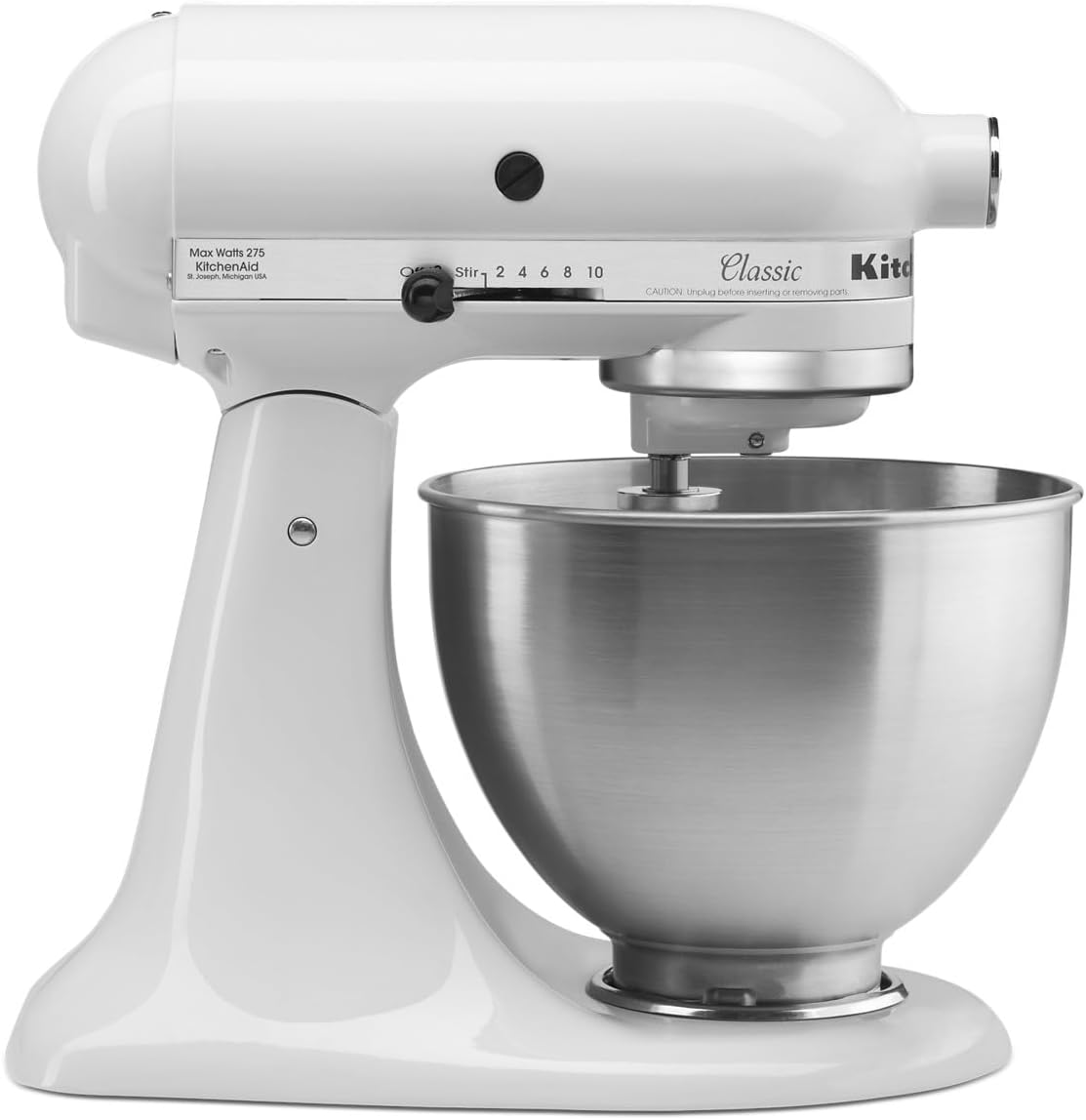
The KitchenAid Classic Series 4.5 Quart Tilt-Head Stand Mixer serves as a dependable entry point for many home bakers, particularly those making cookies, cakes, and moderately sized bread doughs. It offers KitchenAid’s reputation for durability and attachment compatibility at a more accessible price point than its larger counterparts. While it’s a solid choice for regular, not-too-intensive baking, serious bread makers or those with limited vertical counter space might consider a bowl-lift model, or a machine with higher torque for very stiff doughs.
What to Look For in a Stand Mixer (Buying Criteria)
Deciding on the right kitchen stand mixer involves more than just picking a color. Think about how you bake, how often, and what you plan to make. These criteria will guide your choice, especially when considering the KitchenAid Classic Series 4.5 Quart Tilt-Head Stand Mixer.
Capacity in Quarts: Finding Your Fit
Stand mixer bowls are measured in quarts, indicating how much they can hold. For a home baker, this is a critical consideration. The KitchenAid Classic Series 4.5 Quart Tilt-Head Stand Mixer comes with, as its name suggests, a 4.5-quart mixing bowl. What does this mean in practice?
A 4.5-quart capacity is generally sufficient for:
- Baking 2-3 loaves of standard bread.
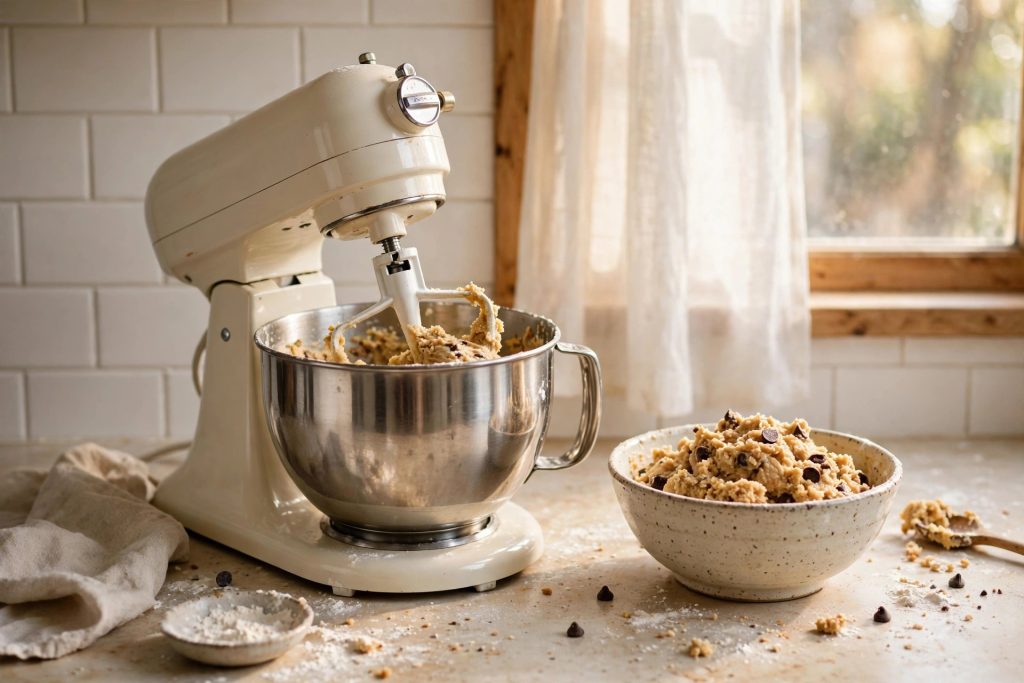
- Whipping up a batch of 6 dozen cookies.
- Mixing batter for a standard cake.
For individuals or small families who bake several times a month, this size often hits the sweet spot. It’s not too cumbersome for typical recipes, nor is it overly large for storage. However, if you regularly bake for large gatherings, double recipes frequently, or tackle very stiff, high-hydration bread doughs, you might find a 4.5-quart bowl a bit limiting. Larger capacity mixers, typically 6 quarts or more, handle those tasks with greater ease, preventing overflow and ensuring thorough mixing.
Motor Wattage and Torque: Beyond the Numbers Game
Many shoppers look straight at wattage, assuming higher numbers automatically mean a better electric stand mixer. That’s a common misconception. While wattage indicates the power consumed by the motor, it doesn’t directly tell you how much power is delivered to the dough. That’s where torque and gear quality come in.
A stand mixer with a high-quality motor and robust gears can efficiently deliver its power to the mixing attachments, even with lower wattage. These machines convert electrical power into mechanical force more effectively. Conversely, a high-wattage mixer with less efficient gearing might struggle with heavy doughs, overheat, or wear out faster. The KitchenAid Classic Series 4.5 Quart Tilt-Head Stand Mixer typically features a motor in the 250-300 watt range. This is sufficient for everyday baking tasks like cookie dough, cake batters, and lighter yeast doughs.
For demanding tasks like thick artisan bread doughs or large batches of stiff cookie dough, a mixer focusing on higher torque or a direct-drive motor design, often found in “professional stand mixer” models, proves more resilient. These models might still have similar wattage, but their internal mechanics are built for sustained, heavy-duty work. Don’t just chase the highest wattage; consider the motor’s overall construction and how it handles resistance.
Tilt-Head vs. Bowl-Lift Mechanism: A Matter of Access and Stability
The design of a stand mixer largely dictates its usability. You’ll primarily encounter two types: tilt head stand mixer and bowl-lift.
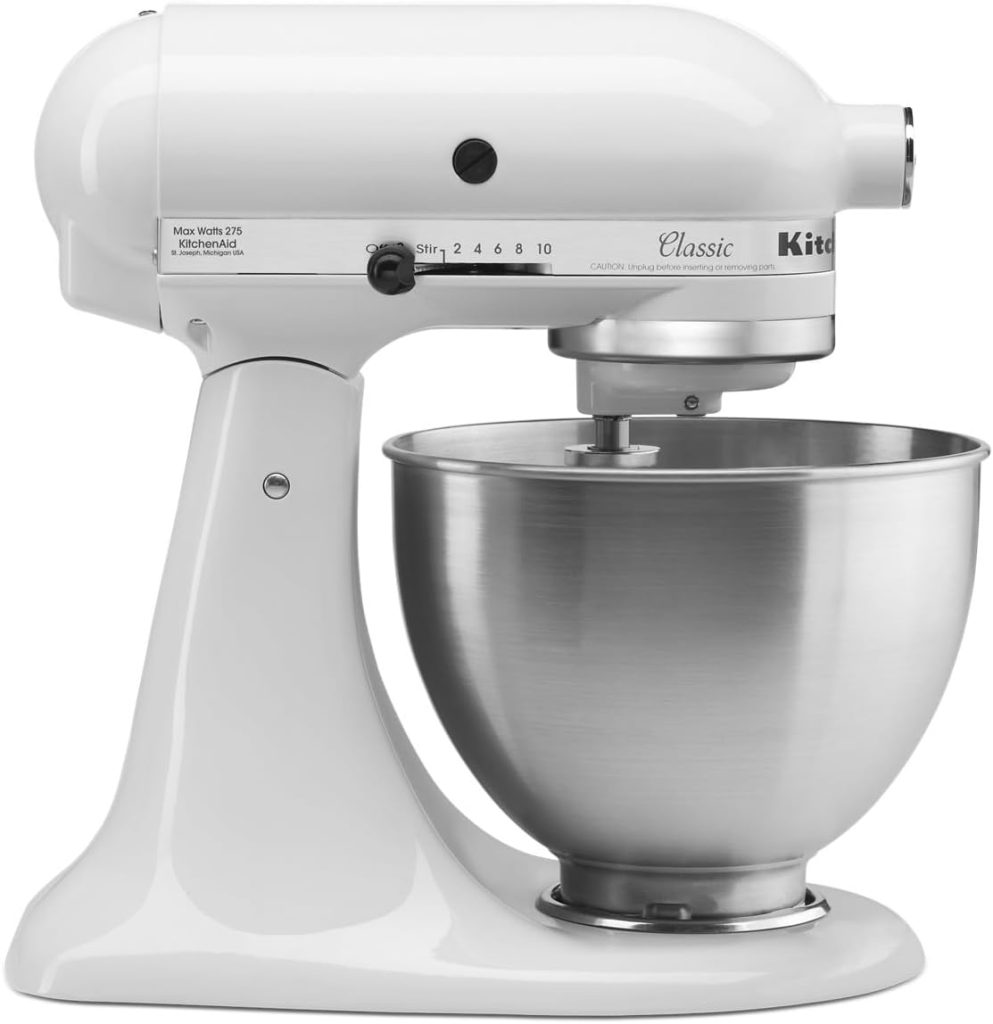
The KitchenAid Classic Series 4.5 Quart Tilt-Head Stand Mixer is, as its name confirms, a tilt-head model. With this design, the motor head lifts up and tilts back, allowing easy access to the bowl and attachments. This is incredibly convenient for scraping down sides, adding ingredients, or removing the bowl. It’s also generally shorter, making it easier to store under overhead cabinets.
However, tilt-head mixers have a few limitations. Their hinged design means they can sometimes wobble slightly under the strain of very stiff, large batches of dough, though this isn’t typically an issue for the KitchenAid Classic 4.5 quart with normal use. They also require vertical clearance above the mixer to tilt the head back. If your counter space is tucked under low cabinets, this could be a frustrating constraint.
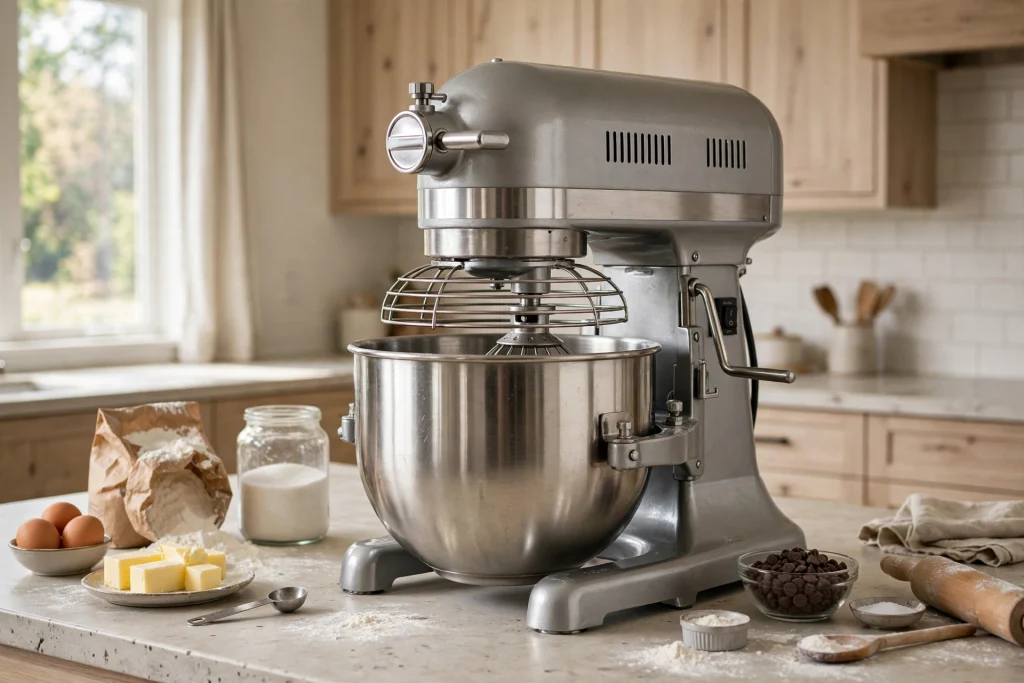
Bowl-lift mixers, conversely, keep the motor head stationary. The bowl is secured by arms and lifted into place against the attachment. This design offers superior stability, making it the preferred choice for larger capacities (often 6 quarts and up) and for consistently tackling heavy, dense doughs. They typically require less vertical clearance during operation but need more counter depth because of their larger footprint. For many home bakers, the convenience of a tilt-head outweighs these trade-offs.
Attachment Hub Compatibility: Expanding Your Culinary Horizon
One of the most compelling reasons to invest in a quality stand mixer, particularly a KitchenAid, is its versatile attachment hub. The power hub on the front of most KitchenAid models, including the KitchenAid Classic Series 4.5 Quart Tilt-Head Stand Mixer, is a universal fitting for a wide array of accessories. This means your mixer isn’t just for mixing; it can transform into a pasta maker, a spiralizer, a meat grinder, an ice cream maker, and much more.
Before you buy a stand mixer with attachments, consider which attachments genuinely appeal to you. While many brands offer their own accessories, KitchenAid’s ecosystem is arguably the most expansive and widely supported. Choosing a mixer with a compatible hub ensures future expandability, adding significant long-term value to your appliance. It’s a key factor for anyone looking to do more than just bake.
Build Materials: Durability and Longevity
The construction of your stand mixer directly impacts its durability and how it handles various tasks. Most mixers feature an outer casing of plastic or metal. Beneath that, however, is where the real differences lie: the gears. Higher-end mixers, like most KitchenAid models, typically use all-metal gears. These are far more robust and designed to withstand the stress of mixing heavy doughs over many years. Budget-friendly alternatives might use nylon or plastic gears in certain components to reduce cost. While these can work well for lighter tasks, they are more prone to stripping or breaking under heavy loads.
The bowl material is also important. Stainless steel is the most common and durable choice, resistant to dents and rust, and easy to clean. Glass bowls are attractive and allow you to see the mixing process, but they are heavier and susceptible to breaking. When evaluating the KitchenAid stand mixer worth it question, the all-metal gear construction often weighs heavily in its favor for those seeking a long-term appliance.
Counter Footprint and Storage: Kitchen Real Estate
A stand mixer is a countertop appliance, often a substantial one. Its size and weight are practical considerations. A tilt-head model like the KitchenAid Classic Series 4.5 Quart Tilt-Head Stand Mixer generally has a more compact footprint than larger bowl-lift models, both in width and depth. However, remember the vertical clearance needed to tilt the head back.
Think about where your stand mixer will live. Will it stay on the counter, or will you need to store it in a cabinet? These machines can be quite heavy, making frequent moving a chore. Consider the weight if you have a bad back or limited strength. A stand mixer for beginner bakers might prioritize ease of storage and a smaller footprint, allowing it to be tucked away without hassle until needed. Don’t underestimate the impact of size on your kitchen’s usability.
Matching a Stand Mixer to Your Baking Habits and Budget
Choosing the right stand mixer isn’t a one-size-fits-all decision. Your baking frequency, the types of recipes you tackle, and your budget all play crucial roles. The KitchenAid Classic Series 4.5 Quart Tilt-Head Stand Mixer serves as a baseline for many, prompting questions about its value against both premium models and budget alternatives.
The Occasional Baker: Ease and Affordability
If you bake only a few times a year for holidays or special occasions, and your recipes primarily involve cake mixes, cookie dough, or light batters, you might not need the most robust machine on the market. A reliable, more budget-friendly stand mixer could be a smart choice. Brands like Hamilton Beach or Cosori offer models that perform adequately for these lighter tasks.
Do you really need to spend more for a KitchenAid stand mixer worth it for such infrequent use? Probably not. A simple machine that handles basic mixing, is easy to clean, and doesn’t break the bank will serve you well. You’d avoid overspending on features or durability you won’t fully utilize.
The Regular Home Baker: The KitchenAid Sweet Spot
For those who bake weekly or bi-weekly, experimenting with various recipes from cookies and cakes to homemade pasta and artisan breads, the KitchenAid Classic Series 4.5 Quart Tilt-Head Stand Mixer becomes a serious contender. Its 4.5-quart capacity and reliable motor are generally up to the task for most home recipes. It handles moderately stiff doughs without excessive strain and integrates seamlessly with the vast ecosystem of KitchenAid attachments.
Here, the debate of “is KitchenAid mixer overpriced” begins to shift. Many argue the price premium is justified by its build quality, the all-metal gears, and the brand’s long-standing reputation for durability. It’s an appliance designed to last a decade or more with proper care. The resale value of KitchenAid mixers also tends to be higher than that of other brands, suggesting a better long-term investment. For a dedicated home baker, the blend of performance, reliability, and expandability makes it a compelling option.
The Serious Enthusiast or High-Volume Baker: Power and Endurance
If your baking leans towards multiple batches of stiff sourdough, high-hydration whole wheat breads, or you’re preparing large quantities for events, you’ll likely push a 4.5-quart tilt-head mixer to its limits. In these scenarios, a more powerful stand mixer with a bowl-lift mechanism becomes a necessity. Think about models like the KitchenAid Artisan 5 quart (which offers a slight capacity bump and more color options but is still a tilt-head) or even larger KitchenAid Professional series mixers, Cuisinart, or Bosch.
These higher-tier machines are built with more robust motors, often with a focus on torque, and more stable designs to handle sustained heavy loads without overheating or excessive strain. While the initial investment is higher, the endurance and consistent performance pay off for serious bakers. The KitchenAid mixer wattage comparison for these models often shows similar wattage but significantly improved internal components and larger capacities to match their demanding roles.
Decision Tree: Choosing Your Stand Mixer Tier
Here’s a quick guide to matching a mixer to your needs:
- If you bake 1-2 times per month (light tasks): A budget alternative will likely suffice. You’re prioritizing minimal cost and counter space over heavy-duty capability.
- If you bake 1-2 times per week (varied tasks, moderate dough): The KitchenAid Classic Series 4.5 Quart Tilt-Head Stand Mixer or similar mid-range tilt-head models offer a strong balance of performance, durability, and features.
- If you bake 3+ times per week (heavy doughs, large batches): Consider a higher-capacity, bowl-lift professional stand mixer. Durability and raw power are your primary concerns here.
Stand Mixer Tiers: A Comparative Look
Understanding the various categories of stand mixers helps clarify the value proposition of a model like the KitchenAid Classic Series 4.5 Quart Tilt-Head Stand Mixer. Different tiers cater to different needs and expectations.
| Type | Best For | Price Tier | Key Feature | Watch-Out |
|---|---|---|---|---|
| Budget-Friendly | Occasional light baking, small batches | Entry-Level | Attractive price, basic functionality | Less durable internal components, limited power |
| Mid-Range Tilt-Head | Regular home baking, varied recipes | Mid-Range | Solid build, attachment compatibility, tilt access | Can struggle with very stiff or large dough batches |
| High-Capacity Bowl-Lift | Heavy-duty, large batches, stiff doughs | Premium | Superior stability, powerful motor, large capacity | High initial cost, larger footprint, less bowl access |
| Specialized/High-End | Commercial use, specific baking needs (e.g., intensive dough) | Luxury | Extreme durability, unique functionalities | Significantly higher price, niche applications |
Budget-Friendly: Mixers like a Hamilton Beach stand mixer vs KitchenAid are often chosen for their affordability. They are often lighter, with more plastic components, and motors designed for less demanding work. They might be a good budget alternative to KitchenAid mixer for those just starting out or with very infrequent needs.
Mid-Range Tilt-Head: This is where the KitchenAid Classic Series 4.5 Quart Tilt-Head Stand Mixer sits. These models provide a robust performance for everyday tasks, boasting durable construction and the coveted attachment hub. You pay for reliability and the established brand ecosystem.
High-Capacity Bowl-Lift: Brands like KitchenAid’s Professional series or Cuisinart offer these larger, more stable machines. They excel in intensive tasks, featuring strong motors and often greater capacities, making them suitable for the truly avid baker.
Specialized/High-End: Think Bosch universal mixers or unique commercial-grade options. These are for specific, often heavy-duty or intensive, baking needs. They tend to be much more expensive and are beyond the scope of most home kitchens.
Common Mistakes When Choosing a Stand Mixer
As a consultant, I’ve observed a few recurring pitfalls buyers make. Avoiding these can save you money, frustration, and ensure you get the right electric stand mixer for your home.
- Buying Based on Wattage Alone: This is perhaps the most common mistake. As discussed, a higher wattage doesn’t automatically mean more effective power or better performance, especially with heavy doughs. Focus on the mixer’s overall design, gear quality, and torque rather than just the watt number. A KitchenAid mixer wattage comparison might show similar numbers across lines, but the internal construction can vary dramatically.
- Underestimating Counter and Storage Space: A stand mixer isn’t a small appliance. Many people purchase a mixer, especially a tilt head stand mixer, only to realize they don’t have enough vertical clearance under cabinets to tilt the head back or enough flat counter space to keep it accessible. Measure your intended space carefully before committing. They’re also heavy, so plan its permanent home.
- Overbuying Capacity for Occasional Bakers: A stand mixer 5 quart or larger can feel impressive, but if you only bake a few times a year for a small household, that extra capacity often goes unused. A smaller, more economical model might be perfectly sufficient. Don’t fall for the “bigger is always better” trap if your baking habits don’t warrant it.
- Ignoring Attachment Hub Compatibility: If you envision expanding your mixer’s capabilities beyond mixing, confirm that your chosen stand mixer with attachments offers a robust and widely supported hub. Some budget mixers have proprietary or limited attachment options, locking you out of the broader ecosystem of specialized tools down the line.
Why, How, What: Essential Stand Mixer Questions
Here are some answers to common questions that arise when clients consider a new kitchen stand mixer.
Why is the KitchenAid Classic Series 4.5 Quart a popular choice for beginner bakers?
The KitchenAid Classic Series 4.5 Quart Tilt-Head Stand Mixer is often recommended for beginner bakers because it strikes a compelling balance between capability, reliability, and price within the premium brand’s lineup. It offers the renowned KitchenAid name and its robust attachment hub at a more accessible entry point than larger, more expensive models. This means a beginner gets a dependable machine that can grow with their skills without an excessive initial investment, making it a thoughtful stand mixer gift for baker.
How does the tilt-head mechanism affect everyday use?
The tilt-head mechanism of the KitchenAid Classic Series 4.5 Quart Tilt-Head Stand Mixer significantly simplifies adding ingredients, scraping the bowl, and attaching/removing beaters. You just unlatch and tilt the head back, providing clear access to the entire bowl. This ease of use is a major advantage for home bakers. However, it does require overhead clearance on your countertop, which is a key consideration for kitchens with low cabinets.
What are the key differences between the KitchenAid Classic Series and the Artisan Series?
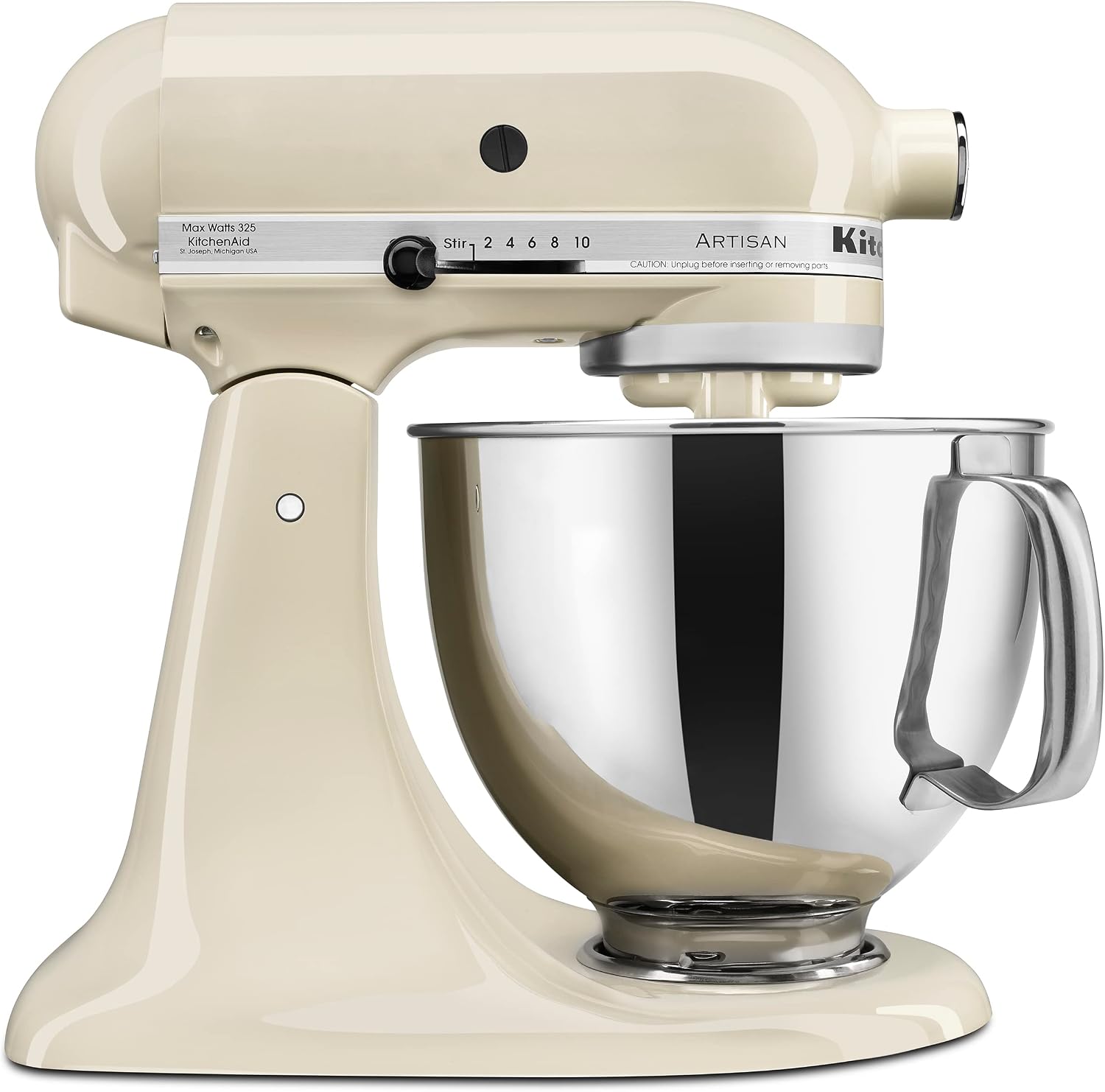
While both the Classic and Artisan models are tilt head stand mixer designs, the KitchenAid Artisan 5 quart typically offers a slightly larger capacity (5 quarts vs. 4.5 quarts) and a wider range of best stand mixer color options. The Artisan also often comes with a more powerful motor (around 325 watts compared to the Classic’s 250-275 watts), which translates to slightly better performance with stiffer doughs. For many, the Artisan represents a step up in aesthetics and minor power, but the core functionality and attachment compatibility remain largely the same.
FAQ
Is the KitchenAid stand mixer worth it for casual bakers?
For casual bakers who use their mixer a few times a month, the KitchenAid Classic Series 4.5 Quart Tilt-Head Stand Mixer offers significant long-term value due to its durability and attachment ecosystem. While budget alternatives exist, KitchenAid’s reputation for longevity often makes the investment worthwhile for those who want an appliance to last many years.
What kind of dough can a 4.5-quart stand mixer handle?
A stand mixer 5 quart (or 4.5 quart) can capably handle most standard doughs, including cookie dough, cake batters, meringues, and moderately stiff yeast doughs for bread. It might struggle with extremely stiff, high-hydration doughs or very large batches that push its capacity and motor torque limits.
Is the KitchenAid mixer overpriced compared to other brands?
The question “is KitchenAid mixer overpriced” is a common debate. While KitchenAid often commands a higher price than brands like Hamilton Beach or Cosori, many users find the cost justified by its all-metal gear construction, motor durability, brand legacy, and extensive attachment options. For those seeking a long-term investment, the perceived premium can be offset by longevity and versatility.
Can I really make pasta with a stand mixer?
Yes, a stand mixer with attachments can absolutely make pasta! The power hub on the front of models like the KitchenAid Classic Series 4.5 Quart Tilt-Head Stand Mixer accommodates pasta roller and cutter attachments. This transforms your mixer into a dedicated pasta machine, allowing you to create fresh spaghetti, fettuccine, and lasagna sheets from scratch.
What are good gift ideas for a baker who already has a stand mixer?
If a baker already owns a kitchen stand mixer, consider gifting them new attachments that expand its capabilities. Pasta makers, spiralizers, food grinders, or an extra mixing bowl (perhaps a glass one for versatility) are all practical and exciting options. A stand mixer with pouring shield is also a surprisingly useful, often overlooked accessory.
How important are color options for a stand mixer?
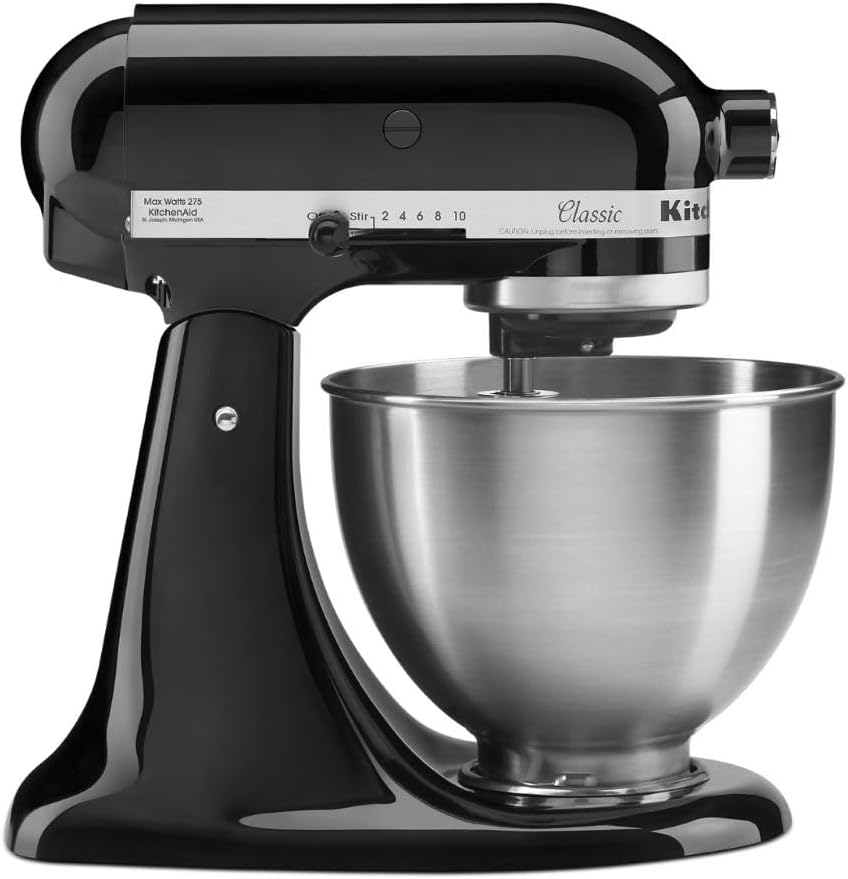
Best stand mixer color options can be very important to some buyers, as a stand mixer often sits prominently on the countertop. KitchenAid, particularly its Artisan series, is known for its vast palette, allowing you to match your mixer to your kitchen décor or express personal style. For the Classic series, choices might be more limited but still offer foundational hues.
Do I need a professional stand mixer for home baking?
Most home bakers do not need a “professional stand mixer.” These machines are typically larger, more powerful, and more expensive, designed for constant, heavy-duty use. For regular home baking, even ambitious projects, a robust mid-range model like the KitchenAid Classic Series 4.5 Quart Tilt-Head Stand Mixer or a slightly larger Artisan model usually offers more than enough power and durability.
Final Recommendation
For the vast majority of home bakers and those looking for a reliable, long-lasting kitchen companion, the KitchenAid Classic Series 4.5 Quart Tilt-Head Stand Mixer stands out as a smart choice. It delivers the brand’s legendary durability and the expansive world of attachment compatibility at a price point that makes it accessible without feeling like a budget compromise. It’s an appliance designed to serve you well for a decade or more of regular use, comfortably handling everyday tasks from cookies to lighter bread doughs.
However, if your baking habits lean heavily towards large-batch, stiff bread doughs, or if you consistently cook for large crowds, you might find yourself wishing for a bit more power and stability. In such cases, exploring a larger-capacity bowl-lift model, potentially within KitchenAid’s Professional series, or a competing brand known for high torque, would be a more appropriate investment. Always align your mixer’s capabilities with your genuine baking needs; there’s a machine for every baker.
#KitchenAid #Classic #Series #Quart #TiltHead #Stand #Mixer