“How do you know if a used ice cream maker works?” a buyer asked me at a flea market in August, holding a freezer-bowl machine with no bowl. “You don’t,” I said, and that exchange is the entire reason compressor machines like the Iceman Trio hold their value while bowl machines sell for the price of lunch. I flip open-box and used small appliances. Ice cream makers are my summer category, and they divide into two tribes: the ones you test in ten minutes and the ones you take on faith. The Trio, Chefman’s Iceman line, three presets, a built-in compressor, two one-pint inserts, belongs to the testable tribe. Plug it in, run it, watch it churn and freeze at the same time, no freezer bowl that needed to be frozen yesterday by a more organized version of you.
“What’s it worth used?” is the next question, always, and the answer lives in the inserts. The machine ships with two stainless one-pint inserts, and the two is the whole point: one pint churning while the other sits in the freezer holding yesterday’s batch, or two flavors in one afternoon for the household that cannot agree, which is most households. Used listings missing the second insert, I price down hard and they still sit. Used listings with both inserts and both lids move in days. An accessory the size of a soup can decides whether the machine is a system or a orphan, and if you are buying new, write that down for your future self: keep both inserts, keep both lids, the resale gods are watching.
“Does the compressor actually freeze, or just churn cold?” It freezes. There is a real refrigeration unit in there, a hundred watts of it, and that is the difference between this and every bowl machine I have ever flipped. A bowl machine borrows cold from your freezer and spends it. This one makes cold, slowly and audibly, for about an hour a pint, and the texture lands where the soft-serve-to-firm range lives depending on when you pull it. The honest cost is counter time and a low mechanical hum, and the honest benefit is that ice cream stops being a plan you made yesterday and becomes a decision you make after dinner.
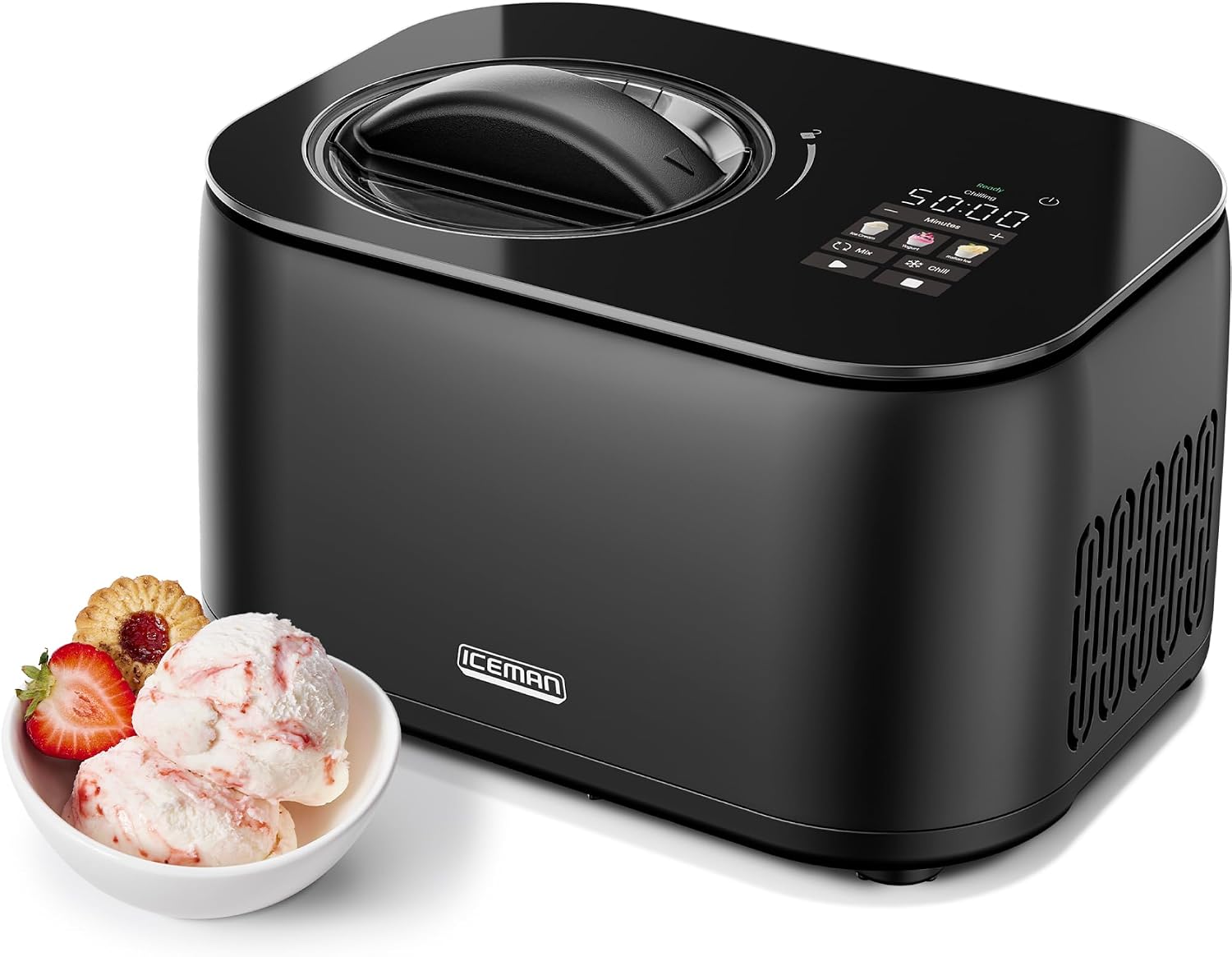
Sixteen pounds, give or take, is what the compressor weighs in at, and the weight is the machine’s biography. Bowl machines are light because they are a motor and a paddle renting your freezer’s cold. This is heavy because it brought its own weather. In my world heavy is good news twice: it signals the hardware is real, and it means the first owner thought twice before shipping it back, so the open-box units I see tend to be genuinely unwanted rather than genuinely broken.
The presets are three: ice cream, frozen yogurt, Italian ice, and the reseller in me respects the restraint. Three things the machine actually does, on buttons with their names. Sorbet and sherbet ride along on those cycles fine in practice. What it does not have is a dozen dessert programs nobody presses twice, and the listings I write for machines like this are short for a reason. Short listings sell. The buyers have usually done the feature research. They are buying the compressor and the two pints, and everything else is garnish.
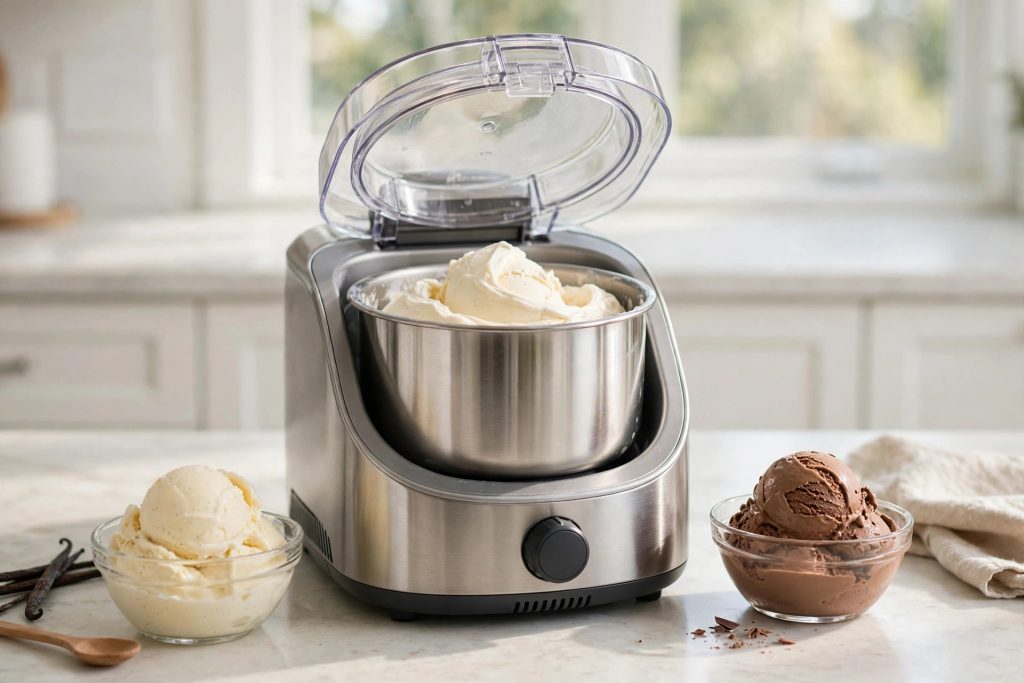
3 presets, two 1-pint inserts included – ice cream without the night-before bowl
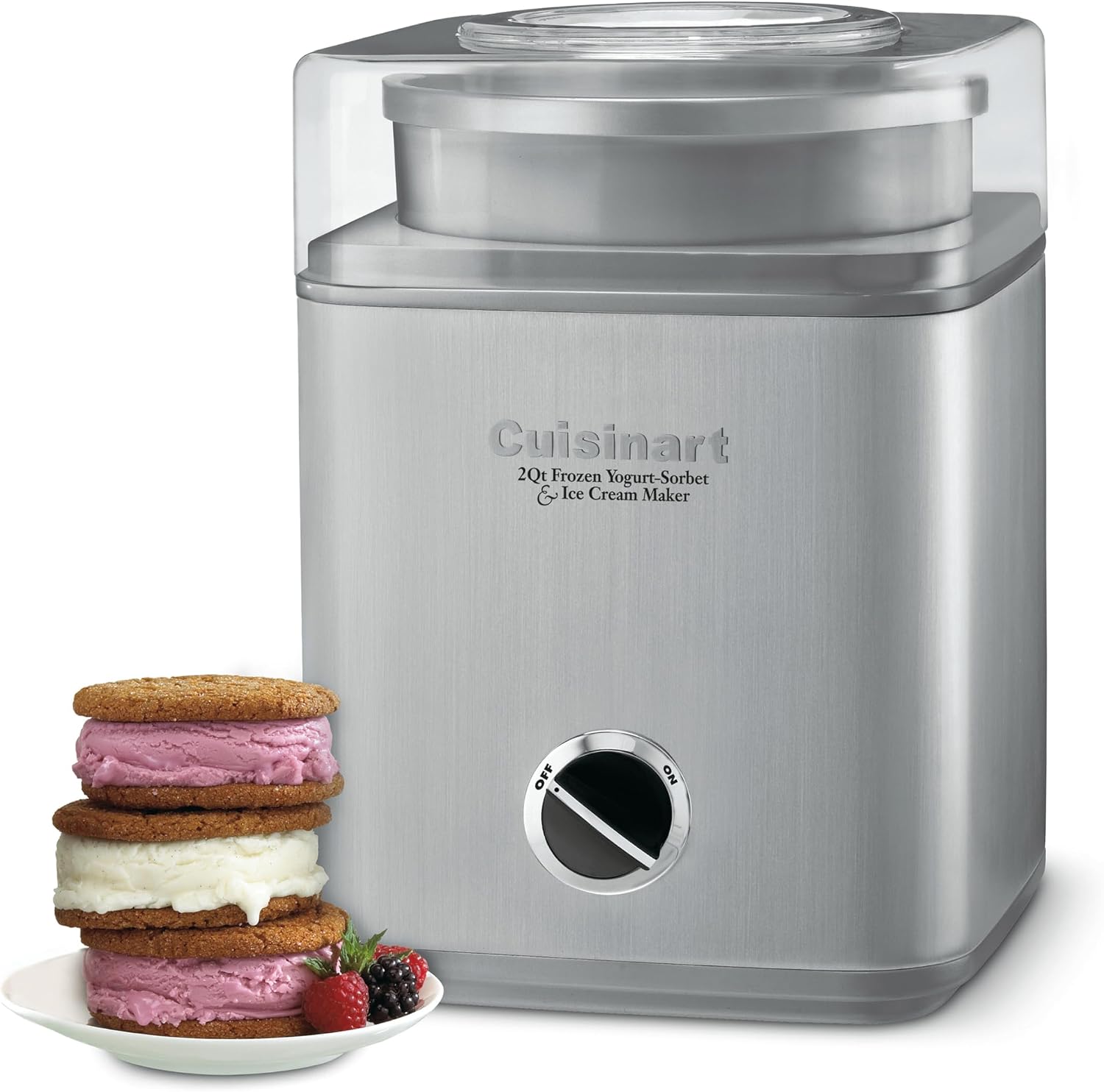
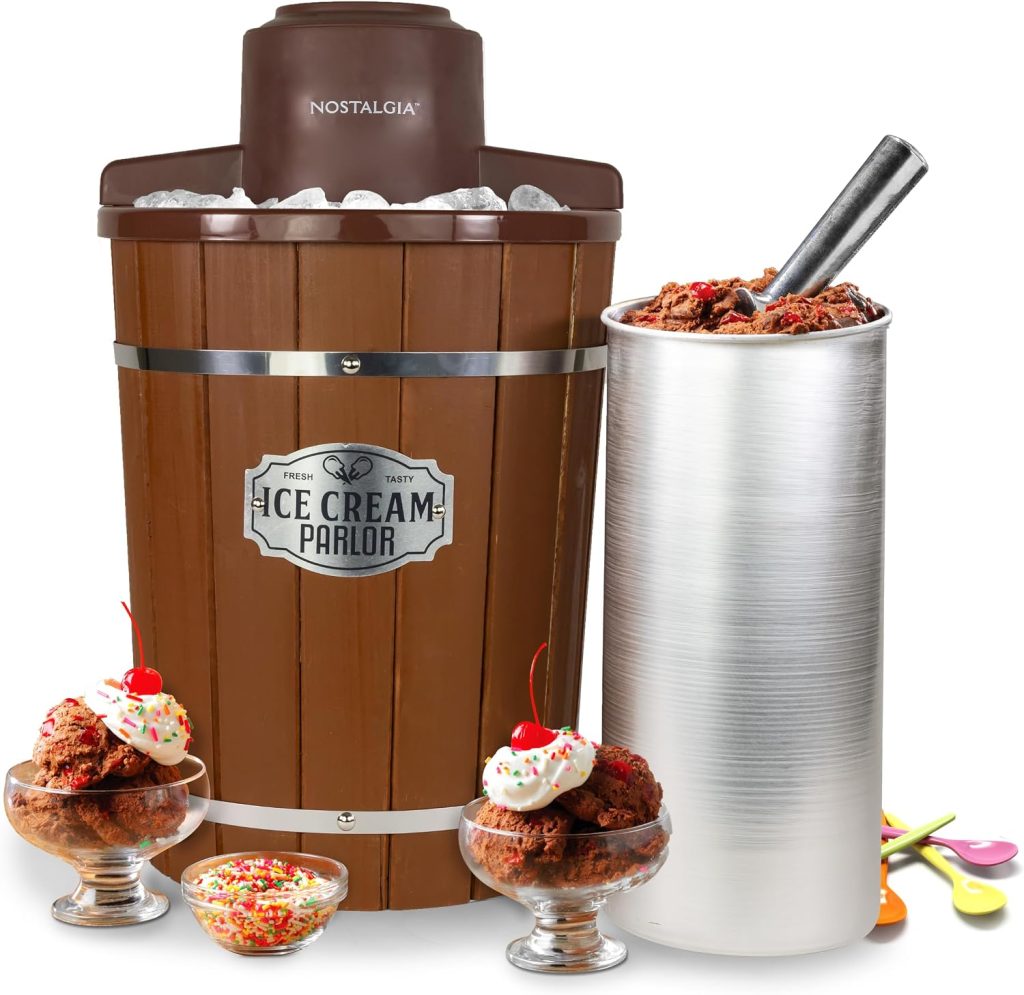
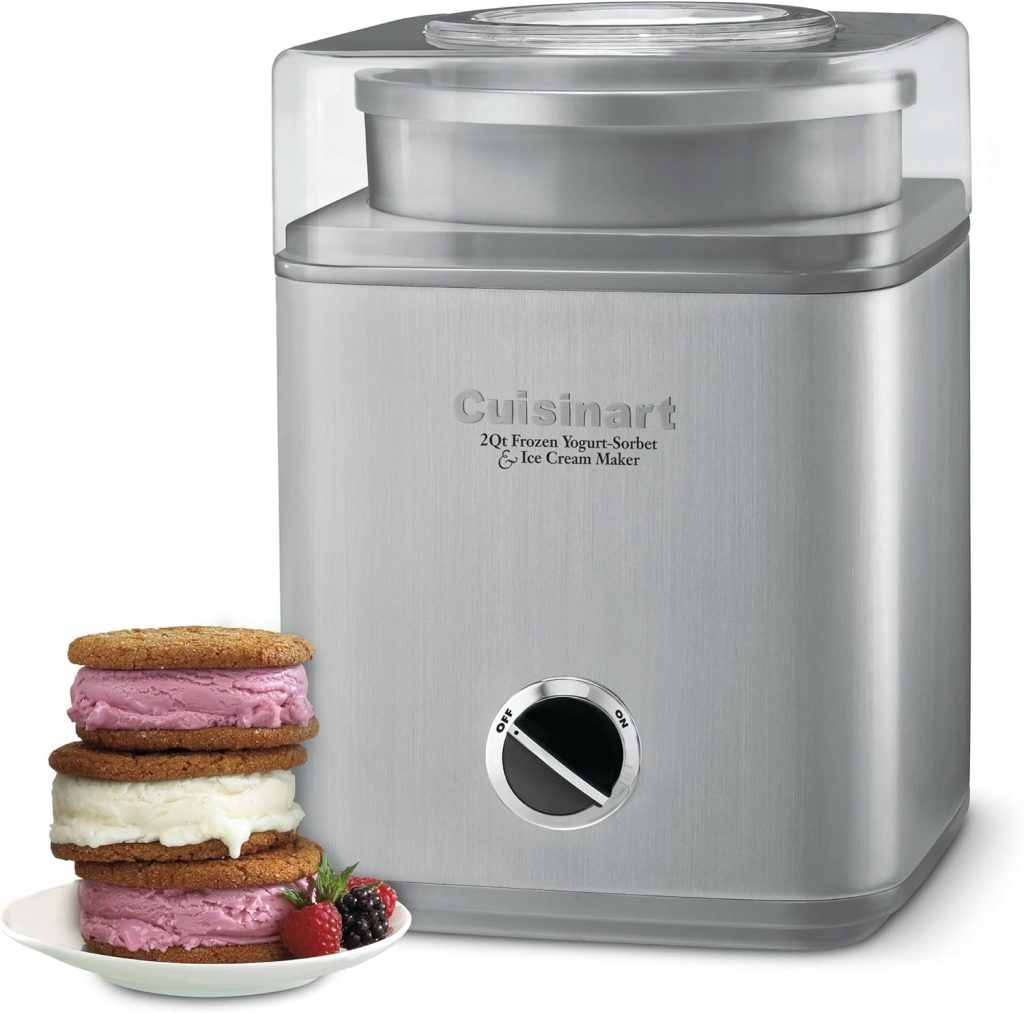
The 2 Qt freezer-bowl classic – bigger batches if your freezer has the room
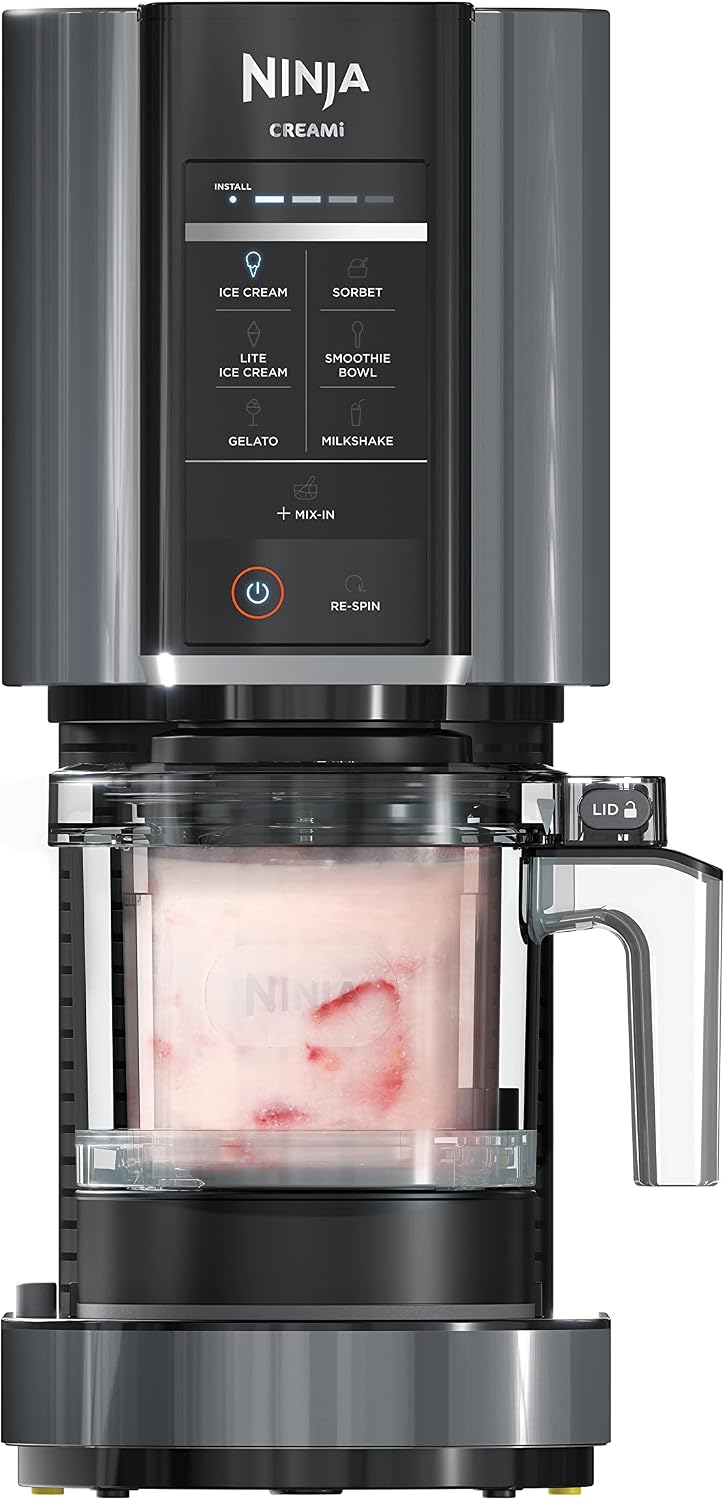
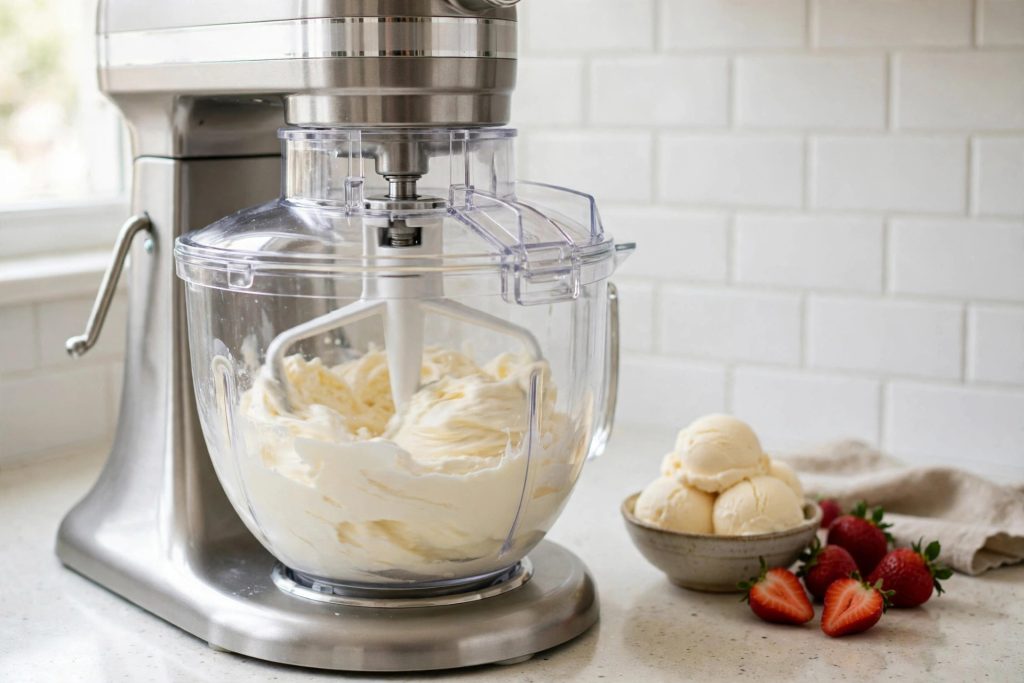
The pint-based rival system – freeze the base, then spin it to texture
Prices and availability change often. The button shows the current listing.
“What breaks on them?” Fair question, and the list is short and boring, which in my trade is a love letter. The paddle drive is the wear point, a plastic coupling that can round off if owners keep churning long past firm into a load the motor never signed up for, and the fix is to stop when the churn slows and the sound changes, which the machine announces clearly if you are in the room. The compressor itself either works or it does not, there is very little almost with refrigeration, and that binary is exactly why a ten-minute test at a yard sale settles everything. Seal on the lid, fine. Display, fine. The failures are honest failures. I wish the whole small-appliance world were this legible.
“And the ice cream itself?” Smooth, dense, the texture of a machine that churns while it freezes, which is the only honest way to make it at home. The pint size disciplines the recipes: a pint is four modest servings or two serious ones, and the two-insert system turns that smallness into rotation instead of limitation. What it will not do is a party. A gallon for a birthday is a different appliance’s job, and the people who buy this expecting party volume are the ones whose units I buy back in September, barely used, both inserts present, which is its own kind of review.
For the freezer-bowl side of the family tree, the Vitamix 5200 review is not an ice cream maker at all but it is the machine my frozen-dessert people cross-shop for soft-serve-style blends, and the Ninja XL MaxCrisp review is there because half my summer buyers are outfitting the same stretch of counter and the two machines end up in the same conversation whether they belong there or not.
Actually, I should qualify the value claim up top, because there is a season to it and I know it in my bones. Compressor machines hold value in May, June, July. In January the same unit sits in my listings while I lower the price in small, embarrassed steps, because nobody dreams of homemade ice cream in January except the people who already own a machine. If you are buying, buy in winter. If you are selling, sell in spring. The machine does not change. The weather in people’s heads does, and that weather is most of what I actually trade in.
What I cannot judge is the ten-year question, whether the compressor in a unit at this price is still making cold in year ten, because the model has not existed long enough for anyone to know, and anyone who tells you otherwise is selling something. What exists is a track record of the design, compressors in countertop machines generally outlive the paddles and the plastic around them, and the inserts, those plain stainless cups, will outlive us all. It is the coupling and the lids I would baby. The rest of it is either metal or weather.
Frequently Asked Questions
Do I really not have to freeze anything the night before? That is the whole reason I never use my current machine.
That is the whole pitch and it is true. The compressor makes the cold inside the machine while it churns, so the inserts go in at room temperature and a pint happens in roughly an hour, give or take the recipe and how firm you like it. The night-before problem is real and it kills more ice cream makers than any mechanical failure I have ever seen, because a machine that requires planning is a machine that gets used twice. This one’s demand on you is an hour of patience and counter space. For most households that trade is the entire decision, and it is a fair one in both directions.
One pint at a time sounds tiny. Is it, in practice?
A pint is four small servings, and for a two-person household making dessert a few times a week it is the right size wearing a small costume. The second insert is what makes the system: one pint setting up in the freezer while the next churns, two flavors in an afternoon, a rotation. Where the size genuinely fails is the crowd. A birthday party will eat the machine’s whole evening output in one pass and ask for more. Know which household you are. Dessert-for-two people call the pint charming. Party people call it a snack, and both are describing the same stainless cup accurately.
How loud is the compressor? Can I run it during a conversation in the same room?
It hums. A low, steady, refrigerator-adjacent hum, not a racket, and conversation survives it fine at normal distance. What you notice is the length more than the volume: an hour of any steady sound in a quiet kitchen registers. Put it in the room you are not sitting in, a laundry room or a far counter, and it disappears from your evening entirely. I run my test churns at the back of a market stall with people talking over them. Nobody has ever once commented on the noise, and market people comment on everything, it is the whole culture of the place.
My batch came out soft, like soft serve, not scoopable. Did I do something wrong?
Probably you just stopped where the machine’s first finish line is. Right at the end of the cycle the texture is soft-serve, and the scoopable firm version asks for an hour or two in the freezer afterward, in the insert with its lid on. Recipes matter too: more sugar and more alcohol both hold the freezing point down and keep a batch softer, which is physics, not failure. If a batch is still soup after the full cycle and a freezer rest, then something is off, a very warm kitchen or a very warm base going in. Start with a cool base. Ice cream forgives a lot, but it keeps receipts on temperature.
Is it worth buying used? What should I check before handing over money?
Used is where this category makes sense, with a test. Run it empty-headed for ten minutes with a batch or even just the insert and some sweetened milk, and listen: the compressor should settle into a steady hum and the churn should already be thickening noticeably by the end of your patience. Check both inserts are there, both lids, the paddle and its little coupling intact and not rounded. A missing second insert is worth real money off, because that insert is half the system. And buy in winter if you can stand waiting. The same machine, the same condition, and the seller’s motivation melts a little more every cold week.
The buyer at the flea market bought the bowl-less bowl machine anyway, for six dollars, because six dollars is a price that makes people believe in luck, and I sold the tested Trio on my table to somebody else an hour later for a number I will not print here. Somewhere there is a freezer with a bowl in it now, bought separately, at retail, and a machine that finally works, and the math of that story is the whole of my trade. The Trio is still the one I would keep if I kept any, which I don’t, which is maybe the most honest sentence in this piece and also the one I keep circling back to without landing.
This site contains affiliate links. We may earn a commission on qualifying purchases.