This article contains affiliate links. If you buy through them, we may earn a commission at no extra cost to you.
“So is it covered or not?” That is the question, word for word, in a third of the ceramic pan conversations I handled, and the honest answer I was never allowed to give in one sentence is: the pan is covered, your year is not. I sat on the support side of a cookware brand long enough to know the shape of the GreenPan story by heart, because the Valencia Pro owners all tell the same one. The Thermolon ceramic coating is wonderful at the start. Eggs slide like it is a magic trick. Fish leaves the pan in one piece. Then, somewhere around month twelve to eighteen, the daily frypan starts to grab, just a little, at the exact spot where the eggs land. Not peeling. Not flaking. Just the slow fade that ceramic does, written into the physics of the coating from the first day, and the owner writes in feeling lied to by the word nonstick, which they were, a little, by everyone, including the box.
“I only used medium heat.” They always say this, and mostly I believed them, and it mostly did not matter. Ceramic coatings age with heat cycles the way tyres age with miles: gentle driving stretches the number, it does not cancel the bill. The complaints that made me saddest were the careful ones, the wooden-spoon, hand-wash, never-over-medium owners who had done everything right and still watched the slide fade at month sixteen. Doing everything right buys you the long end of the range. It does not buy you the forever the marketing implied, and the gap between the range and the implication is where my old job lived.
The script versus the skillet
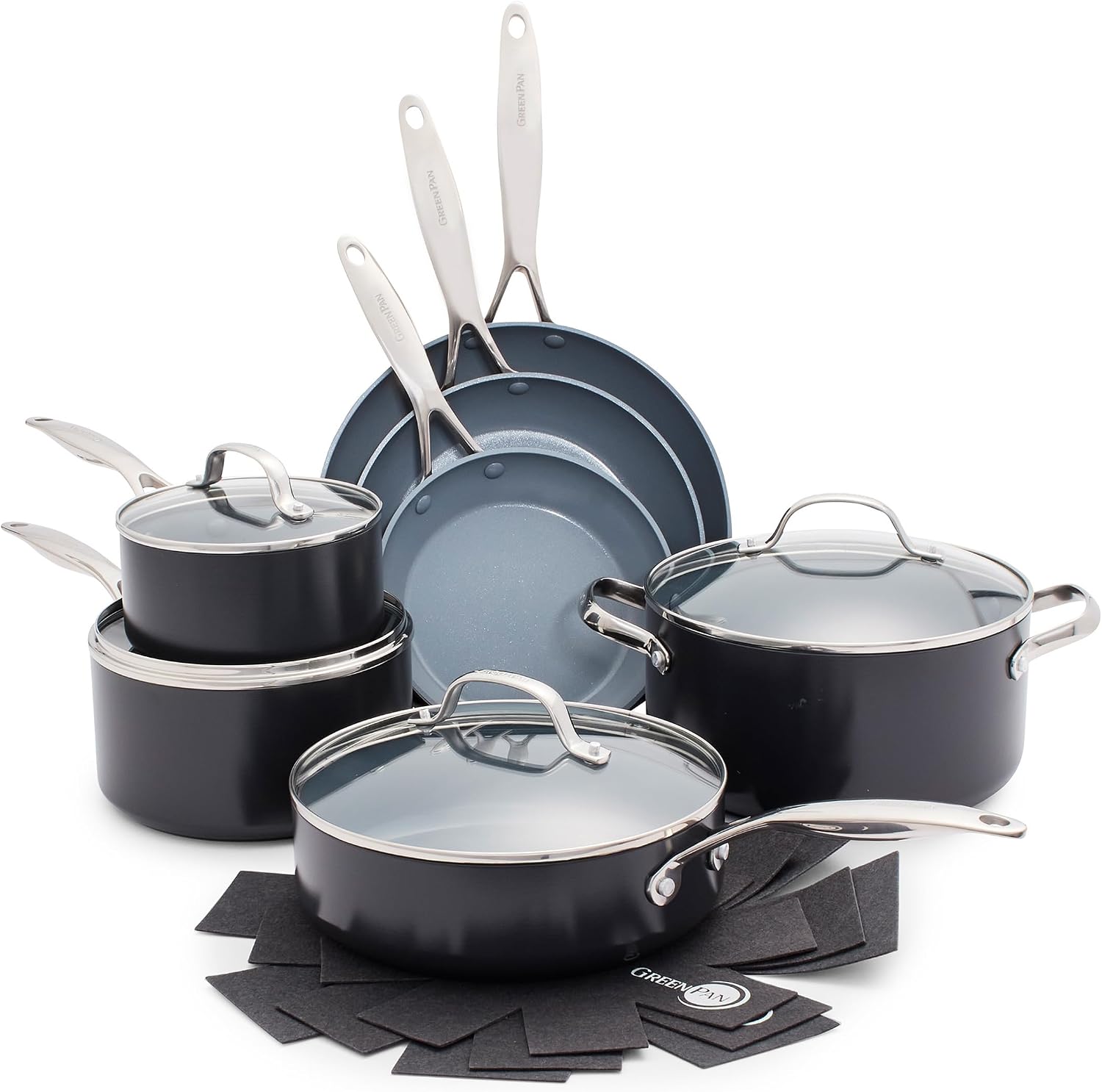
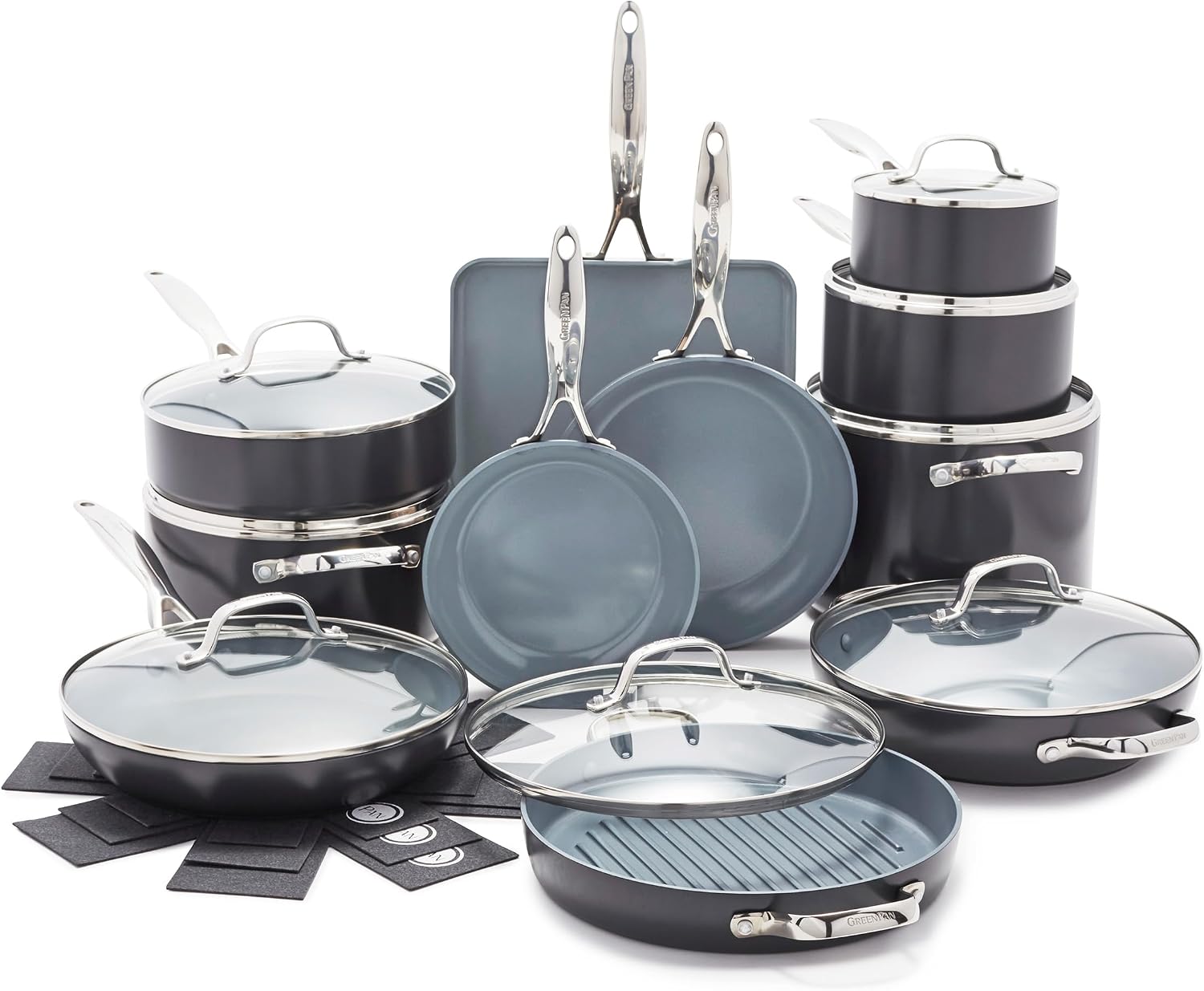
Support scripts for ceramic cookware want you to diagnose misuse, because misuse is not a warranty event and aging is an awkward one. So the conversation goes: what heat, what oils, what utensils, what dishwasher. And the owner answers, and answers, and the pan stays exactly as nonstick as it was when they called. What I could say, and did say, is the useful part nobody puts on the box: treat the frypan as a consumable with a one-to-three-year performance life depending on how daily it is, rotate the good pan for eggs and fish, let a cheaper beater take the high-heat searing, and the set’s economics change completely. The 11-piece set earns its keep when the pieces share the work. The 22-piece set exists for households that cook like it is a contact sport. The frypan was never going to be immortal. It can, however, be budgeted.
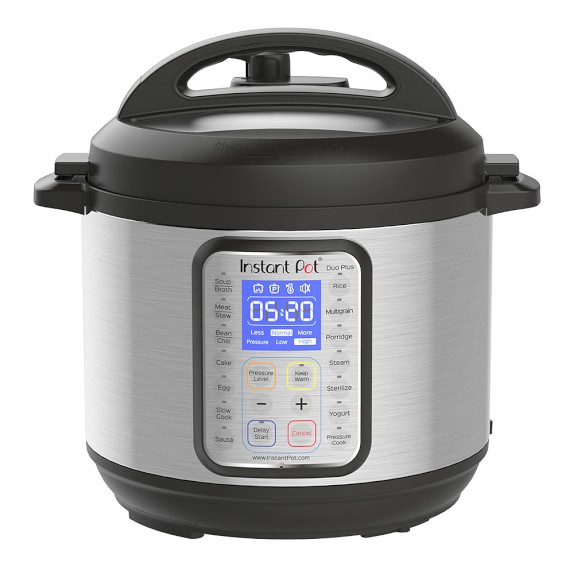
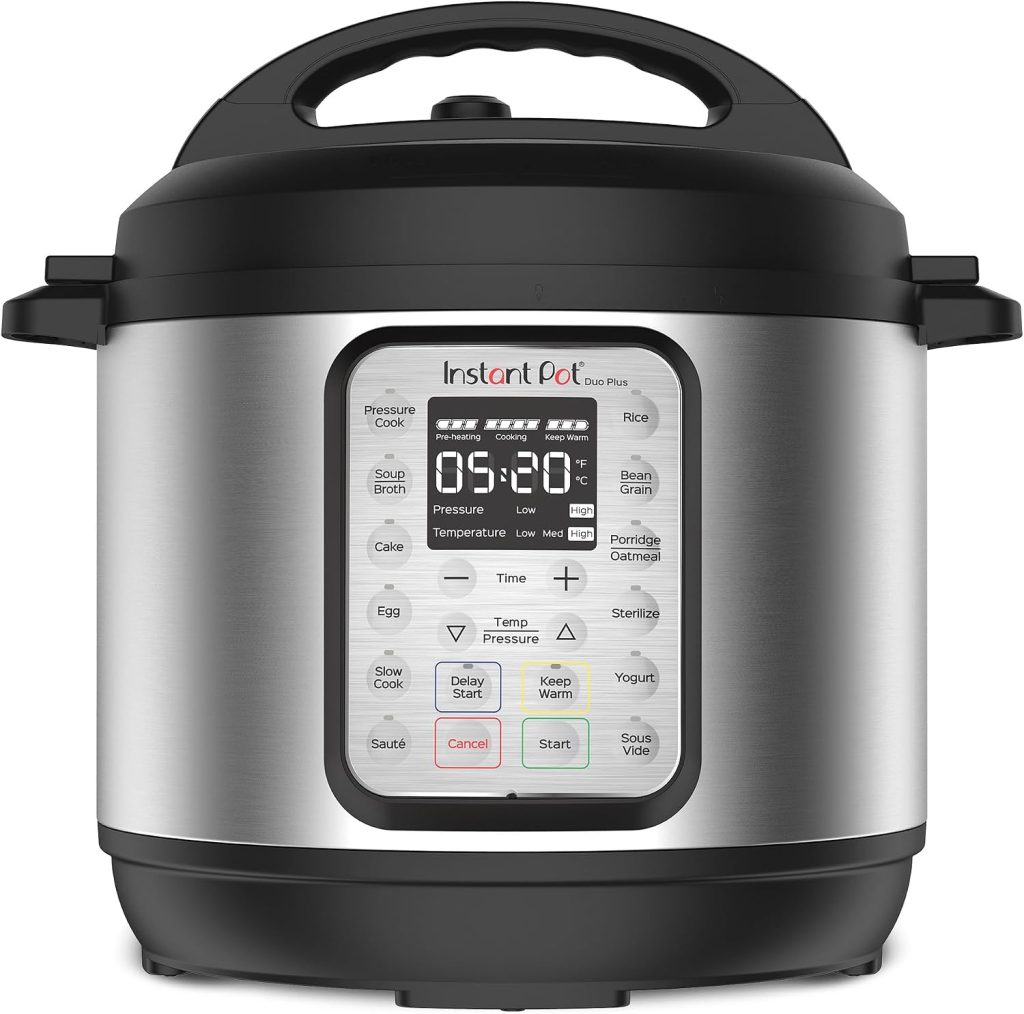
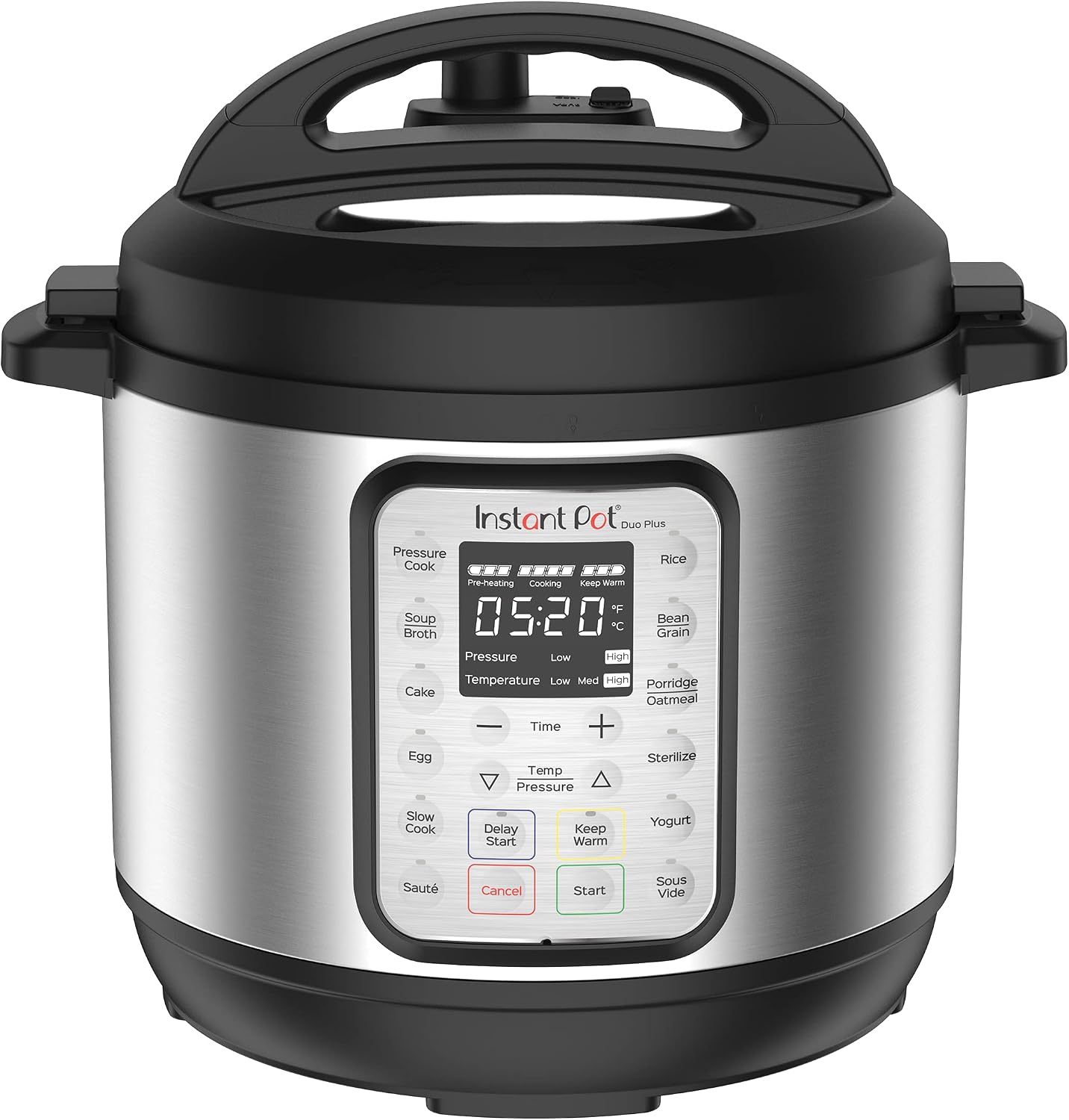
And then there is the Instant Pot sitting in this same article like a guest from another department, which is fitting, because the Duo Plus generates the opposite support profile. Its top complaints are a sealing ring that holds smells, a float valve that sticks, a learning curve that intimidates exactly one member of each household. Nobody writes in to say the Duo Plus slowly stopped pressuring over eighteen months in a way that felt like betrayal. Machines with lids and gaskets fail in events. Coatings fail in trends. My old inbox knew the difference even if the star ratings blur it: event failures get fixed with a nine-dollar ring, trend failures get an argument about expectations, and the argument is unwinnable because both sides are telling the truth.
What I tell friends now that I can
Buy the GreenPan for what the first year provably is, because the first year is genuinely excellent, and price the set as if the frypan will need replacing or demoting in year two or three, because demoting is the word — a faded ceramic pan still sears, still sautés, still does most of dinner, it just stops being the egg pan. Keep the box’s promises out of it. PFAS-free mattered to the people who called us, and it is a real property, not nothing. The pan is not a scam and it is not forever. It is a good tool with a lifespan, sold in language that has no word for lifespan, and if you go in with your eyes on the calendar instead of the coating name, it is a purchase most cooks I know would make again, a little more cheaply, with one less piece.
No, that is not the whole of it, and the part I keep leaving out is the owners who got five good years. They exist. Lower heat, less daily use, a rotation of pans, luck of the batch — the range has a long end and some households live there. The support data skews my picture because nobody calls to report a pan quietly working. If you are the gentle owner with three pans in rotation, your Valencia may outlive my gloomy median by years, and I hope it does, because the eggs in month forty are a small daily pleasure I am not in the business of arguing anyone out of.
The pot half of this pairing is examined on its own in the Instant Pot Duo Plus 9-in-1 multicooker review and the Instant Pot Duo 7-in-1 6-quart review, gaskets and all.
Questions people actually ask
My ceramic pan started sticking at fourteen months. Is it defective?
Usually not, and that answer disappoints everyone, including the people who used to pay me to give it. Ceramic nonstick coatings age with heat cycles: the release fades gradually, starting where food lands most, without peeling or flaking. Fourteen months of daily use is inside the normal range for a hard-working frypan, toward the early-middle of it. Care stretches the range — medium heat, no aerosol sprays, hand washing — but it stretches a lifespan, it does not remove one. If the coating is physically damaged, that is a different conversation. A slow fade is the product being what it is.
Is the 22-piece set worth it over the 11-piece?
Only if your cooking actually employs the extra pieces weekly. A set’s economics are decided by the pieces that share daily work, because sharing the work is what extends the frypan’s good years. Eleven pieces cover most households’ real rotation with less cabinet regret. The 22-piece version suits big, multi-pan cooking households who will genuinely rotate. What neither set changes is the coating’s lifespan per piece — more pieces means each one works less often, which quietly helps. Buy the count you will rotate, not the count that photographs like a professional kitchen.
Can I restore a ceramic pan that has started to grab?
Not to new, and anyone promising a full restoration is selling something. A deep clean helps more than owners expect: baked-on residue, especially from spray oils, mimics coating failure, and a thorough wash with a baking-soda paste can return a surprising amount of slide. If the pan still grabs after a genuine deep clean, the coating itself has aged past the point where cleaning is the issue. At that stage the pan is not trash — it sears and sautés fine with a little more oil — it is just no longer the egg pan. Demote it rather than mourning it.
GreenPan for eggs, Instant Pot for everything else — is that a sane kitchen split?
Sane, and closer to how these tools actually live than most comparison charts admit. The Duo Plus handles the wet, set-and-forget cooking with replaceable wear parts and no coating to fade, while the ceramic pan does the fast, delicate work it is best at during its good years. The pairing works because their failure styles are opposites: the pot fails in fixable events, the pan fades on a calendar. A kitchen built on that understanding spends less and complains less. Just budget the pan as the rotating cast member and the pot as the permanent one.
“So is it covered or not?” I think about that question whenever I see the green boxes stacked in a store now, a whole wall of first years, all of them true. The pans will slide, the fish will lift, the reviews will glow, and somewhere around month fourteen a stranger will start a chat with a support agent who is not allowed to say the simple thing. The simple thing is this paragraph. I no longer work there, so I can say it, and I still find myself lowering my voice a little, out of habit, when I do.
This article contains affiliate links. If you buy through them, we may earn a commission at no extra cost to you.