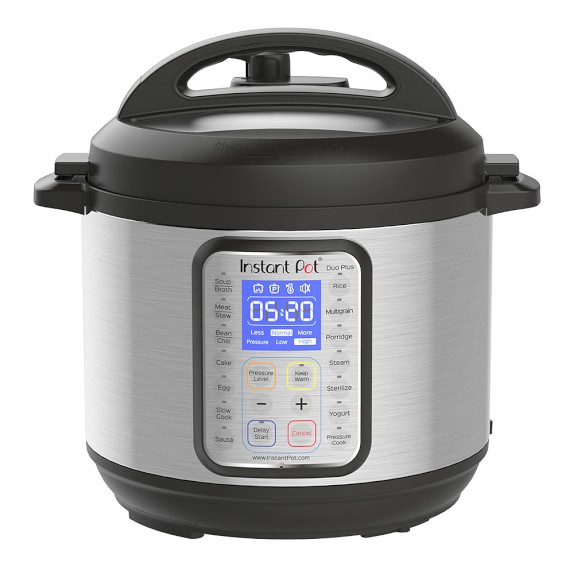
Fullwill Dual-Pot 12-in-1: The Short Answer
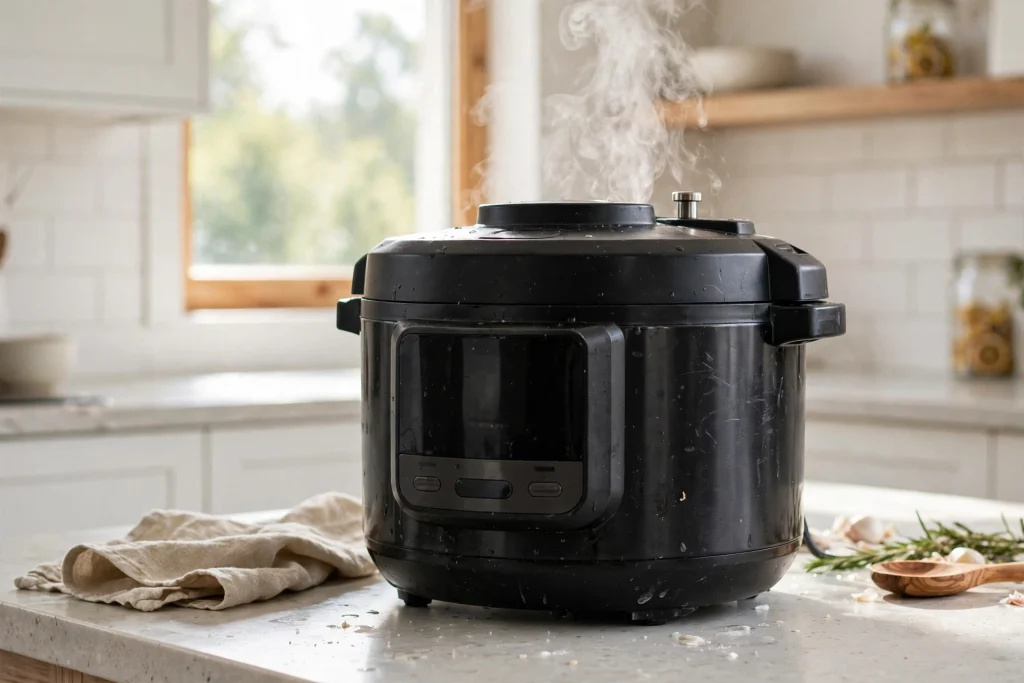
The Fullwill Dual-Pot Electric Pressure Cooker (model YLD60-100R) is a 6-quart, 1000-watt multicooker whose signature feature is not two cooking chambers but two interchangeable inner pots: a 304 stainless steel pot for searing and stews, and a nonstick ceramic pot for rice and delicate dishes. With 12 functions, dishwasher-safe pots, and a 24-hour delay timer, it is a strong value alternative to single-pot rivals like the Instant Pot Duo Plus.
Specifications at a Glance
| Spec | Detail |
|---|---|
| Model | Fullwill YLD60-100R |
| Capacity | 6 quarts |
| Power | 1000 watts, 120V |
| Pressure | 1.7x atmospheric pressure (per manufacturer) |
| Inner pots | Two included: 304 stainless steel + nonstick ceramic (used one at a time) |
| Functions | 12-in-1: pressure cook, meat stew, rice, sauté, bake, soup, porridge, yogurt, poultry, beans, and more |
| Controls | Touch panel, 24-hour delay start, keep warm |
| Safety | Safer steam release with auto-shutoff, overheat protection, one-touch lid locking |
| Cleanup | Both inner pots and lid dishwasher safe |
| Dimensions | 12" D x 12" W x 13" H, 10.9 lbs (per the product listing) |
| Extras | Free recipe cookbook included |
“Dual-Pot” Means Two Interchangeable Inner Pots, Not Two Cookers
The Fullwill does not cook two dishes at once — its “dual-pot” design gives you two different inner pots to swap into one cooker body. This is the most misunderstood part of this product, so be clear: use the 304 stainless steel pot for searing, browning, and hearty stews (durable, takes high heat, fine for metal utensils), and switch to the nonstick ceramic pot for rice, porridge, and delicate foods where sticking is the enemy. If you truly need two pressure cookers running simultaneously, that is a different purchase entirely.
12 Functions: The Ones You Will Actually Use
Pressure cook, sauté, and slow cook do 90% of the work; the other nine functions are conveniences, not reasons to buy. The Fullwill covers the core list — pressure cook, meat stew, rice, sauté, soup, porridge, poultry, beans, yogurt, bake — which replaces a slow cooker, rice cooker, and steamer on most counters. Do not pay extra chasing a function count: pick the cooker based on the two or three programs you will run weekly.
Pressure Performance: What 1.7x Atmospheric Pressure Gets You
The claimed 1.7x atmospheric pressure is the reason a beef stew can finish in about 40 minutes instead of two hours on the stovetop. That speed advantage applies to tough cuts, dried beans, and grains — the foods where pressure cooking earns its keep. Plan real-world timing honestly: a “10-minute” recipe still needs 10–20 minutes for the 6-quart pot to reach pressure, plus release time, so the true cycle is closer to 30–40 minutes.
Safety and Cleanup: Built for Beginners
Modern electric multicookers are beginner-safe by design, and the Fullwill’s checklist covers the essentials. One-touch lid locking, overheat protection, and an auto-shutoff steam release handle the scary parts of pressure cooking automatically. Cleanup is straightforward: both inner pots and the lid are dishwasher safe. Removable silicone sealing rings and the anti-block shield should be rinsed regularly — a ring that is dirty or seated wrong is the most common reason a cooker fails to reach pressure.
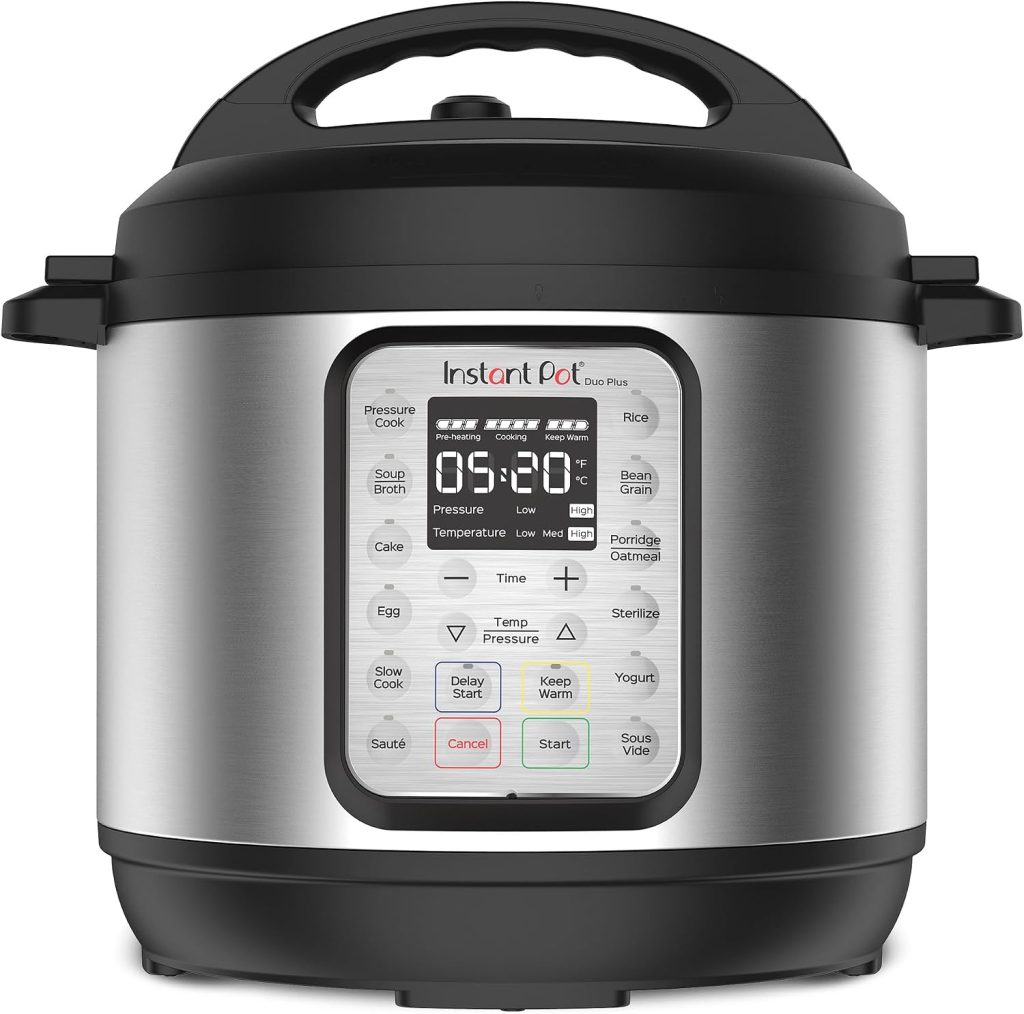
Fullwill Dual-Pot vs. Instant Pot Duo Plus 6-Qt
| Factor | Fullwill Dual-Pot 12-in-1 | Instant Pot Duo Plus 9-in-1 |
|---|---|---|
| Signature feature | Two interchangeable inner pots (stainless + ceramic) | One stainless pot, wider function ecosystem and community |
| Functions | 12 presets | 9 presets (adds cake, egg, sterilize) |
| Capacity / power | 6 qt, 1000W | 6 qt, 1000W class |
| Delay start | 24-hour delay timer | 24-hour delay start on most variants |
| Buy it if… | You want two pot materials for different foods at a value price | You want the most established brand with the biggest recipe community |
Is 6 Quarts the Right Size for You?
For 3–5 people, 6 quarts is the sweet spot — and it is where the Fullwill sits. It handles family stews, whole chickens, batch rice, and meal-prep quantities without the pressure-build penalty of an 8-quart. Single cooks can go 3-quart, but the small pot limits batch cooking; large families and heavy meal preppers are the ones who justify 8 quarts and its extra counter footprint.
Five Mistakes That Frustrate New Multicooker Owners
Nearly all first-week frustration traces back to these five avoidable mistakes.
1. Overfilling past the Max Fill line. Foods that expand (rice, beans) need headroom. Overfilling forces food through the steam valve and can be unsafe.
2. Forgetting to deglaze after sautéing. Browned bits stuck to the bottom trigger the “Burn” warning. Scrape them loose with a splash of liquid before pressure cooking.
3. Budgeting only the “cook time.” Pressure build (10–20 minutes) plus release adds real time. A 10-minute recipe is really a 30–40 minute cycle.
4. Ignoring the sealing ring. If the silicone ring is dirty, damaged, or seated wrong, the cooker never pressurizes. Check it every time.
5. Quick-releasing everything. Quick release is loud and can toughen meats. Use natural release for meats, soups, and foamy foods; save quick release for vegetables, pasta, and seafood.
Frequently Asked Questions
Can the Fullwill Dual-Pot cook two dishes at the same time?
No. “Dual-pot” means two interchangeable inner pots (304 stainless steel and nonstick ceramic) for one cooker body. You cook one dish at a time, choosing the pot material that suits the recipe.
Is 6 quarts enough for a family of four?
Yes. A 6-quart cooker comfortably serves 3–5 people — stews, a small roast, batch rice, and meal-prep quantities all fit. Step up to 8 quarts only for 5+ people or serious meal prepping.
Which inner pot should I use — stainless steel or ceramic?
Stainless steel for searing, browning, and hearty stews (durable, handles high heat); ceramic nonstick for rice, porridge, and delicate foods where sticking matters most.
How loud is pressure release?
Natural release is nearly silent — just a soft hiss at the end. Quick release is loud by design: a forceful whooshing burst of steam for a few minutes. Keep the vent clear of cabinets and use an oven mitt.
Does it replace a slow cooker and rice cooker?
For most households, yes. Its 12 functions include slow cooking, rice, sauté, and steaming, which covers what those single-purpose appliances do. You will still need a toaster, blender, or stand mixer for everything else.
The Bottom Line
The Fullwill Dual-Pot 12-in-1 earns its place with one clear differentiator: two interchangeable inner pots, so you get a durable 304 stainless vessel and a forgiving ceramic one in a single 6-quart, 1000-watt cooker. Add 12 functions, dishwasher-safe parts, a 24-hour delay timer, and a recipe cookbook, and it is a strong value pick against the Instant Pot Duo Plus — especially if you like matching the pot material to the dish.
Buy it if you want versatile one-pot cooking for a family of 3–5 at a sensible price. Look elsewhere if you need to run two pressure cookers at once, because no matter how the name reads, this cooks one dish at a time.
Keep reading: Instant Pot RIO Wide Plus & Duo Plus: 9-in-1 Pressure Cooker Multicooker Review · Review: Instant Pot Pro Plus 10-in-1 & Duo Plus 9-in-1 Electric Pressure Multi-Cookers
Common Questions About Fullwill Dual-Pot 12-in-1 Pressure Cooker
What does 'dual-pot' mean on the Fullwill pressure cooker?
It means two interchangeable inner pots — a 304 stainless steel pot and a nonstick ceramic pot — used one at a time, not two simultaneous cooking chambers. You pick the pot that suits the dish: stainless for searing and stews, ceramic for rice and delicate foods.
This is genuinely useful: sear in stainless without babying a coating, then switch to ceramic for sticky rice. It solves the one-pot compromise that forces most multicooker owners to choose a single pot material.
Is the Fullwill a good alternative to the Instant Pot Duo Plus?
Yes, as a value alternative — the 6-quart Fullwill matches the Duo Plus on core pressure-cooking capability, adds the dual-pot flexibility Instant Pot lacks, and typically costs less. For budget buyers it is one of the more compelling alternatives. If you value proven reliability over features-per-dollar, the Duo Plus retains its edge with a decade of community support. Strong value for budget-conscious buyers.
The trade-offs are ecosystem and track record: Instant Pot has a decade of recipes, accessories, and community troubleshooting behind it, while Fullwill is newer with a smaller support footprint. If you value proven reliability over features-per-dollar, the Duo Plus retains its edge.
Is 6 quarts enough for a family of four?
Yes — 6 quarts is the family standard for multicookers, handling a whole chicken, large soups and stews, and batch grains comfortably. Most families of three to five find it the right balance of capacity and counter footprint. Step up to 8 quarts only for very large families or serious weekly meal-prepping.
Step up to 8 quarts only for very large families or serious weekly meal-prepping. And remember pressure cookers should never be filled past two-thirds (half for foaming foods), so usable capacity is less than the headline number.
Can the Fullwill cook two dishes at the same time?
No — despite the 'dual-pot' name, only one pot cooks at a time; the second pot is a spare for the next dish, not a parallel chamber. True simultaneous two-dish cooking needs a dual-chamber appliance, a different and pricier category.
Where the second pot shines is workflow: start rice in the ceramic pot, swap in the stainless pot for the main dish, and dinner's components stay warm without extra dishes. It is sequential convenience, not parallel cooking.
What mistakes frustrate new multicooker owners?
The biggest is ignoring total time — recipes list pressure time but not the 10 to 20 minutes of preheating plus release, so meals land late until you budget the full cycle. Second is the startling steam release, which is normal but alarming the first time.
Third is bland food from skipping the sauté step — browning meat and aromatics before pressure cooking builds the flavor pressure alone cannot. Fourth is overfilling past the max line, which risks sputtering and uneven cooking. Learn these four and the learning curve flattens fast.