The influencer held up the basket and tapped it with a metal fork. On camera. To show how tough the ceramic coating was. The comments were full of people saying they were switching from their old fryer immediately.
I want to be clear about something. If you tap a ceramic-coated basket with a metal fork, repeatedly, as a demonstration, you are damaging the coating. The fact that it survived one tap on camera proves nothing except that coatings do not fail theatrically. They fail gradually, quietly, over months, and then one day your eggs stick.
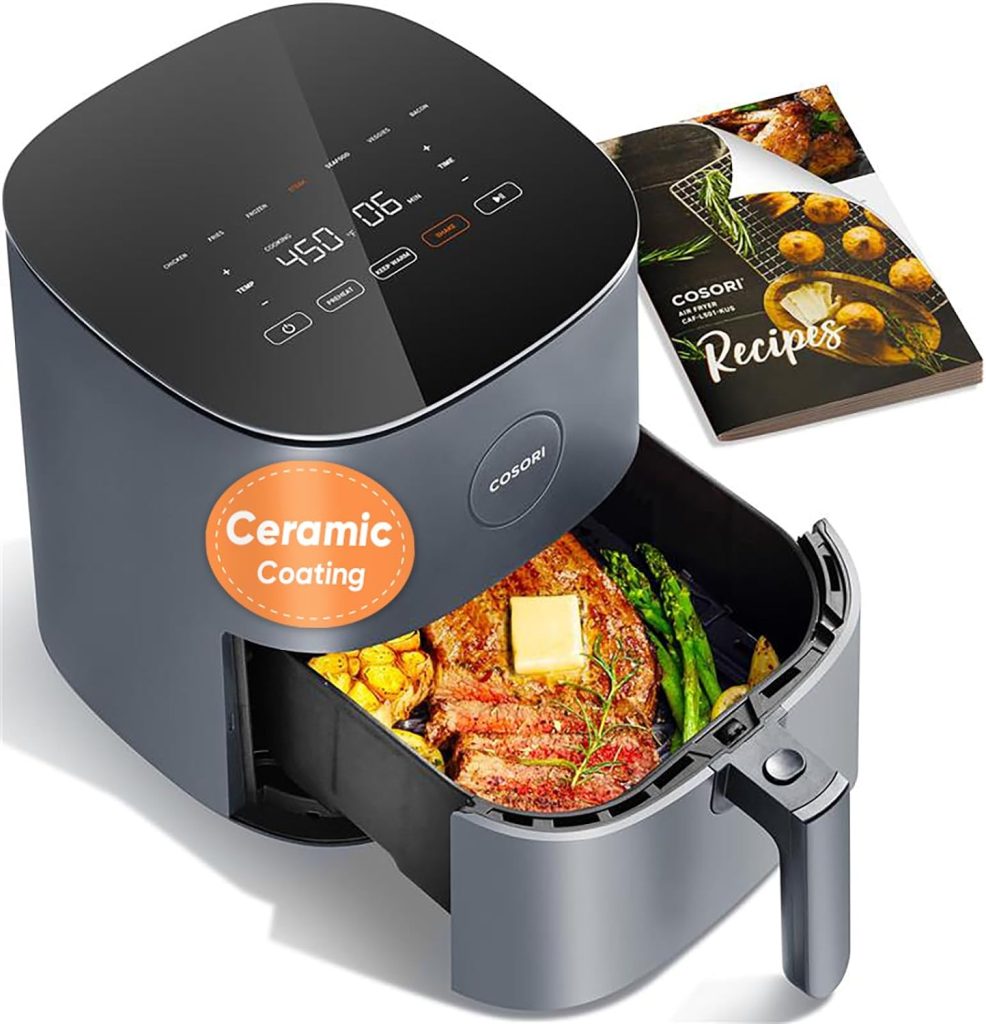
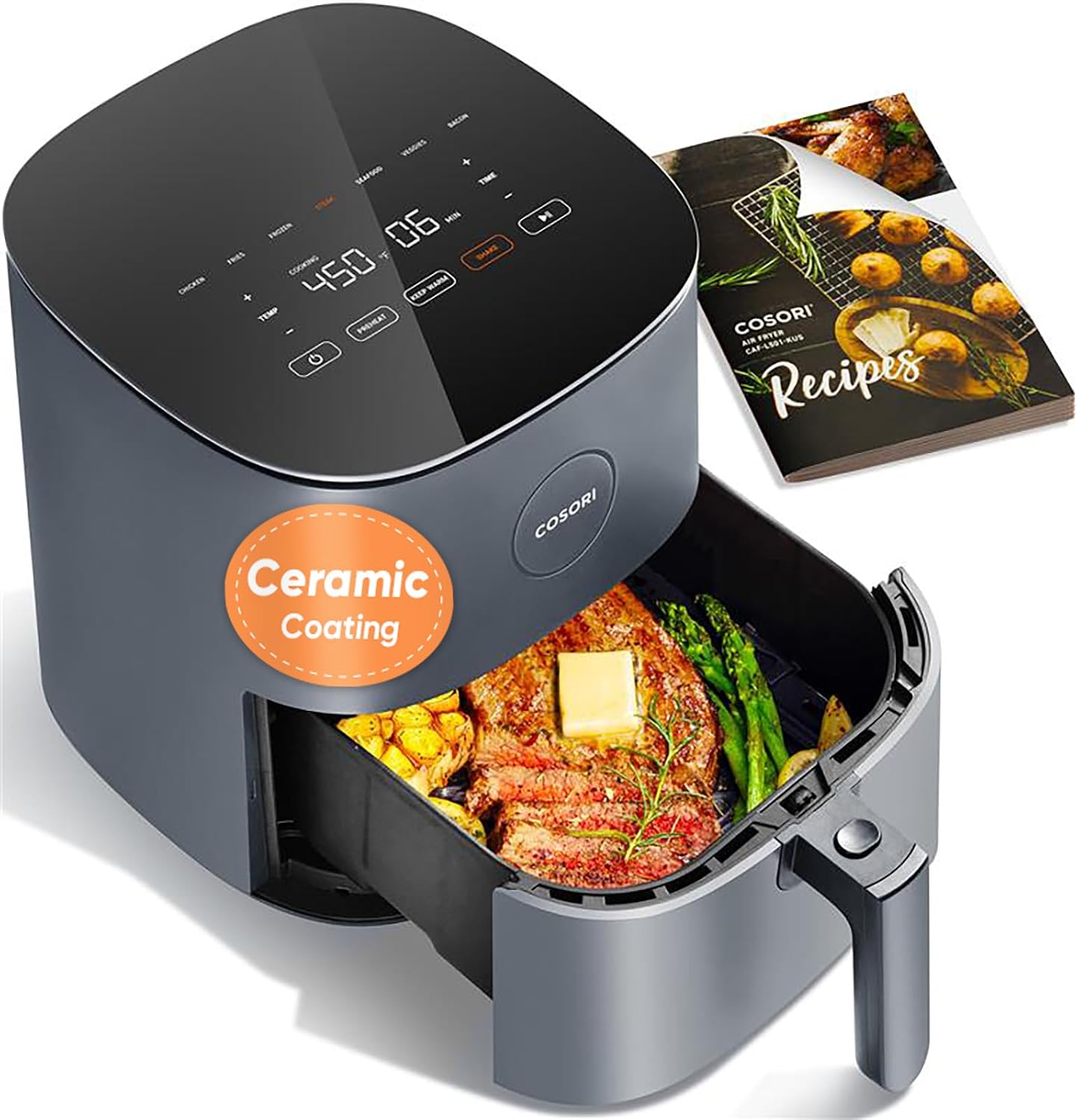
The COSORI Pro LE’s ceramic coating is genuinely PFAS-free, and that is a real advantage. Ceramic is made from inorganic materials, no forever chemicals, and for health-conscious buyers that matters. But ceramic is not armor. It is a coating with a lifespan, and the lifespan depends entirely on how you treat it.
What ceramic actually needs from you
Silicone or wooden utensils. No metal, ever, no matter what the fork-tapping video showed. Handwashing when you can stand it. No abrasive scrubbers. No thermal shock.
Follow those rules and a good ceramic coating lasts well. Break them and it degrades like any other coating, just without the PFAS. The “free” in PFAS-free refers to the chemistry, not the maintenance. I have seen ceramic baskets go sticky in under a year under metal-utensil abuse, and I have seen them last three years with gentle handling. Same coating. Different owners.
This is the part of the ceramic story that gets lost in the marketing. The coating is better for you. It is not better at surviving abuse. If anything, it is less forgiving than the old formulations, which were chemically questionable and mechanically tough. We traded durability for safety, which is the right trade, but it is a trade, and you should know you made it.
The shake reminder, and why it is smarter than it sounds
The Pro LE beeps partway through cooking to remind you to shake the basket. This sounds like a trivial feature. It is not.
Shaking is the single highest-impact habit in air frying. It redistributes food, exposes new surfaces to hot air, and is the difference between evenly crispy and half-steamed. But everyone forgets to do it. You set the timer, you walk away, you come back to fries that are crispy on top and pale underneath.
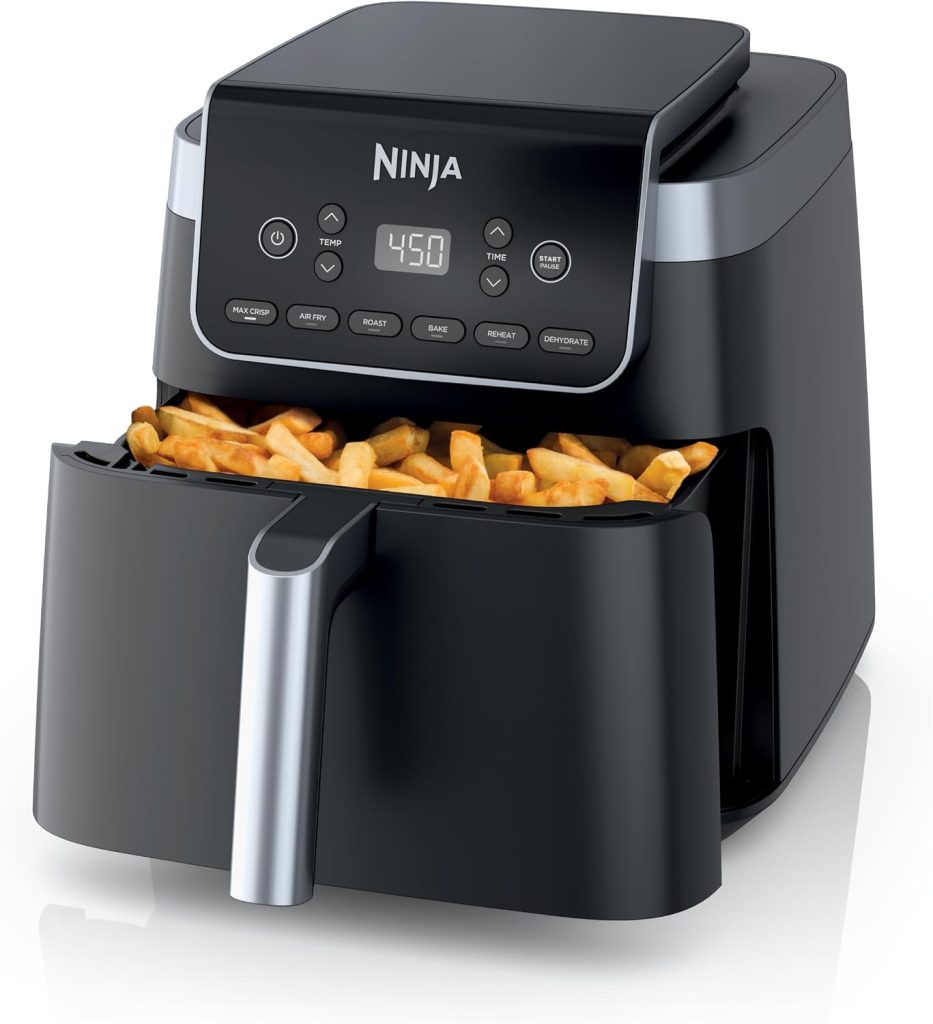
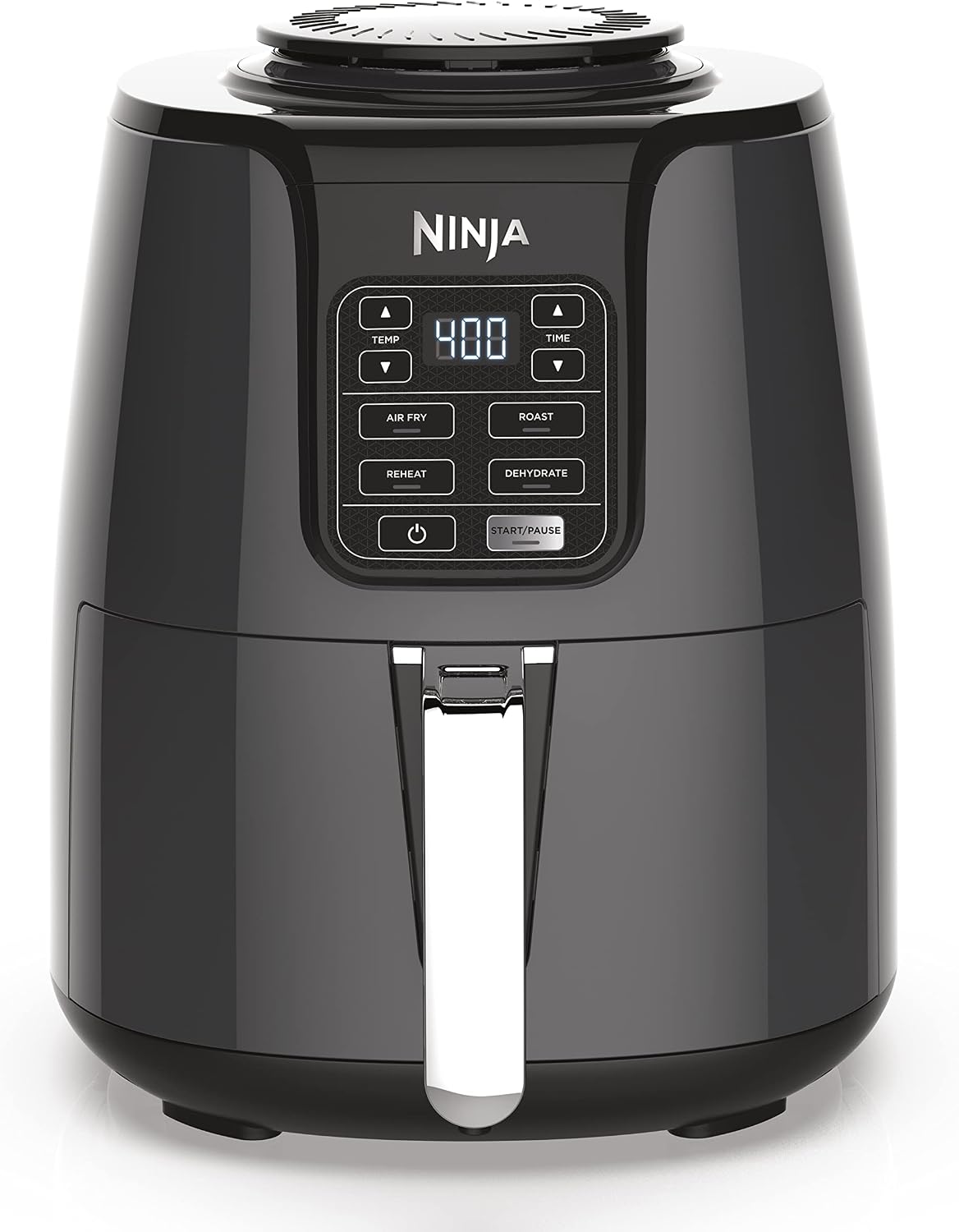
A reminder that actually fires mid-cook solves the most common user error in the category. It is a small piece of design intelligence, the kind that comes from watching real people use the thing. I wish more fryers had it. The Ninja AF101 does not remind you, and I have forgotten to shake in that basket more times than I will admit.
5 quarts, 1500 watts, and the 9-in-1 label
Five quarts serves up to three people comfortably. A pound of fries. A couple of chicken breasts. A small roast. For a fourth person, you are batching. The capacity math is the capacity math.
1500W is the right power for 5 quarts. Fast preheat, good recovery, proper crisp. No complaints.
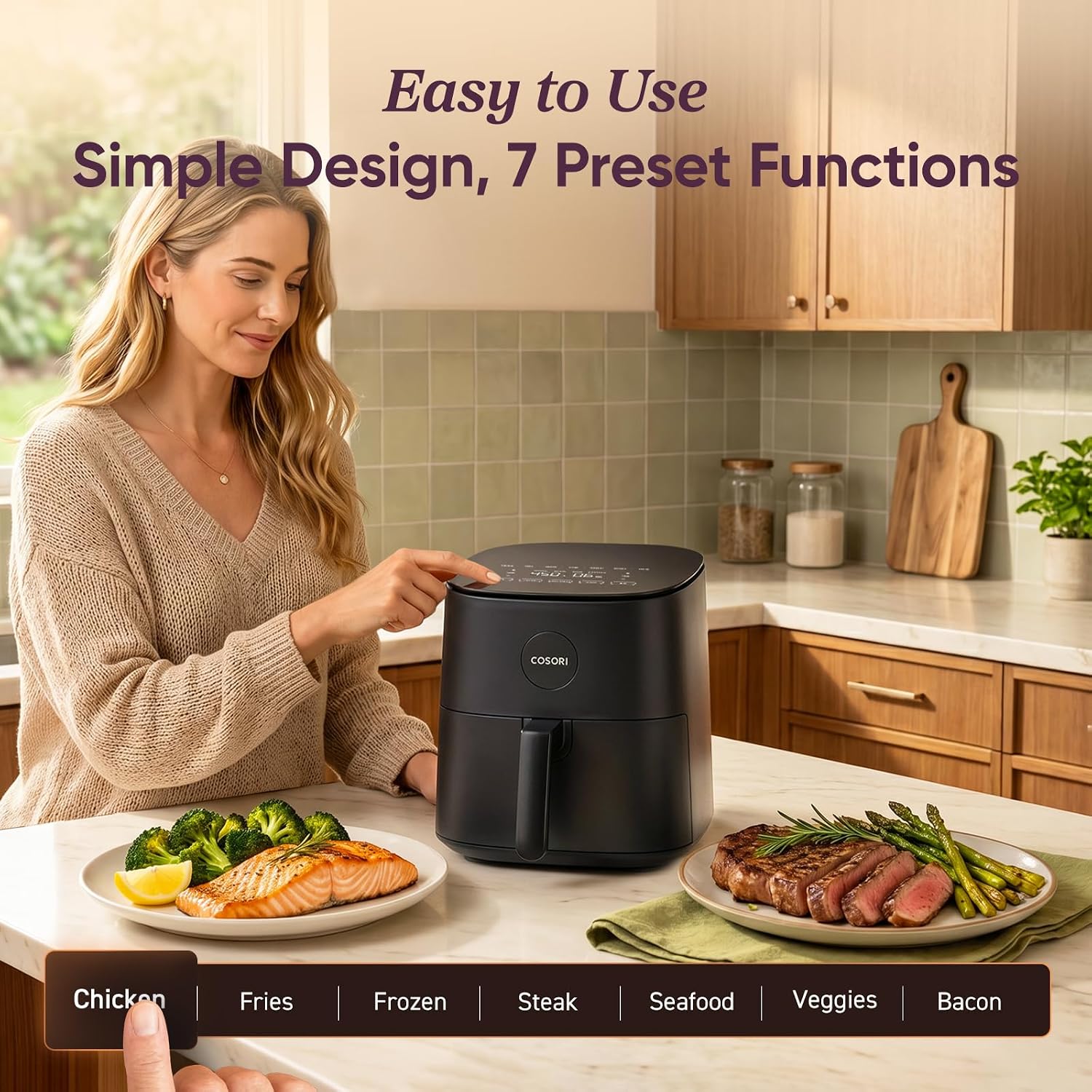
Nine functions. Air fry, roast, bake, reheat, frozen, broil, proof, dehydrate, keep warm. You know my views on function inflation. The hardware is one element and one fan. The presets are convenient. Do not pay extra for the count.
Actually, let me give one of them credit. The frozen function is genuinely useful if you cook a lot from frozen, because it adjusts the time-temp curve for the thaw phase instead of blasting frozen food with full heat. The rest are the usual suspects.
The COSORI ecosystem question
COSORI has a large installed base, which means what it always means. Replacement baskets exist. Long-term reviews exist. Someone has already encountered whatever problem you will encounter and posted about it.
The Pro LE sits below the Pro Gen 2 5.8-Qt in the lineup, smaller and simpler. The LE is the value play. The Gen 2 is the step up. Both have the ceramic coating story. If the 5-quart size fits your household, the LE is the rational buy. If you regularly wish for more room, the extra quart and change of the Gen 2 is worth the premium.
This site contains affiliate links. We may earn a commission on qualifying purchases.
The category’s honesty problem, ceramic edition
Here is what bothers me. The marketing presents ceramic as the final answer, the coating that solved everything. PFAS-free, non-stick, easy-clean, done.
But the care instructions tell the real story. Gentle utensils. Handwash recommended. Avoid abrasive cleaners. Avoid thermal shock. That is not the care sheet of an indestructible surface. That is the care sheet of a surface that needs you to be nice to it.
I am not saying ceramic is bad. I am saying the gap between the marketing confidence and the care-sheet anxiety is where consumer disappointment lives. People buy the fork-tapping promise, treat it roughly, and then leave one-star reviews when it sticks in year two. The coating did not fail them. The expectation failed them.
Buy the Pro LE for what it is. A well-sized, well-powered, PFAS-free basket fryer with a genuinely useful shake reminder, from a brand with parts availability. Treat the ceramic like the nice thing it is. Silicone tools. Handwash. No forks, no matter what the video showed.
My utensil drawer has a silicone turner that is stained orange from years of service. It looks terrible. It has never scratched a coating. The fork stays in the other drawer, far from the fryer, where it belongs.