This article contains affiliate links. If you buy through them, we may earn a commission at no extra cost to you.
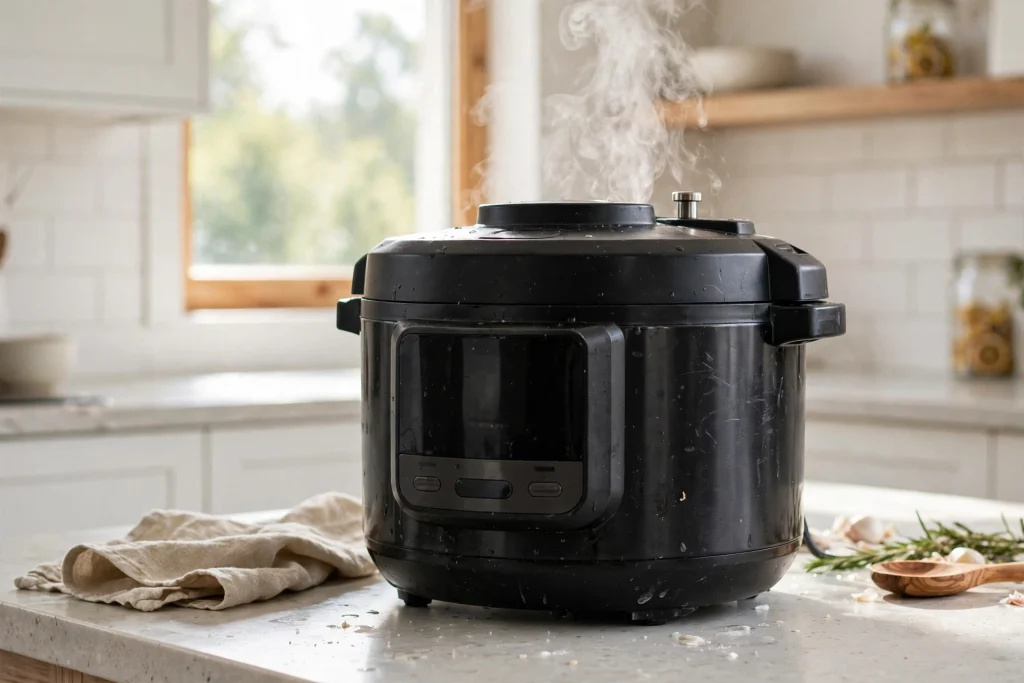
Two lids. That is the whole review, really — everything else about the Duo Crisp 11-in-1 and the Duo Plus 9-in-1 is two good pressure cookers being good at pressure cooking, and the decision lives in a cupboard, on a fridge top, in the square footage of a second lid’s permanent address. I cook daily, I have owned both patterns, and I can report that the air fryer lid of the Crisp is a genuinely enjoyable object: it turns pressure-cooked chicken into something with skin worth eating, and it finishes wings like it means it. I can also report that mine lives on the fridge, has lived on the fridge for over a year, and has been dusty every single time I have reached for it. Both reports are the review.
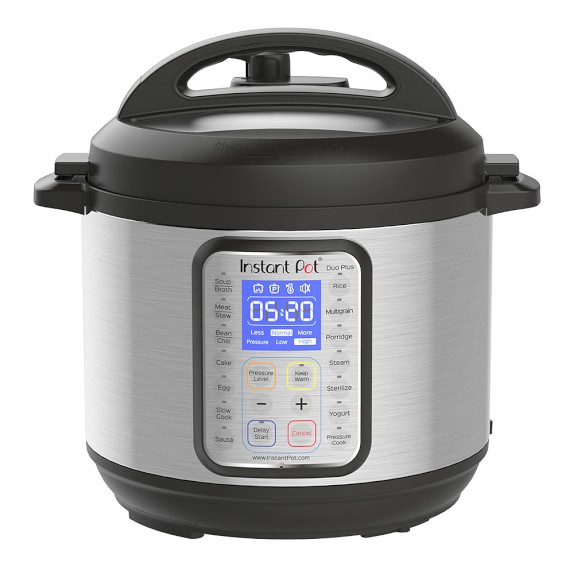
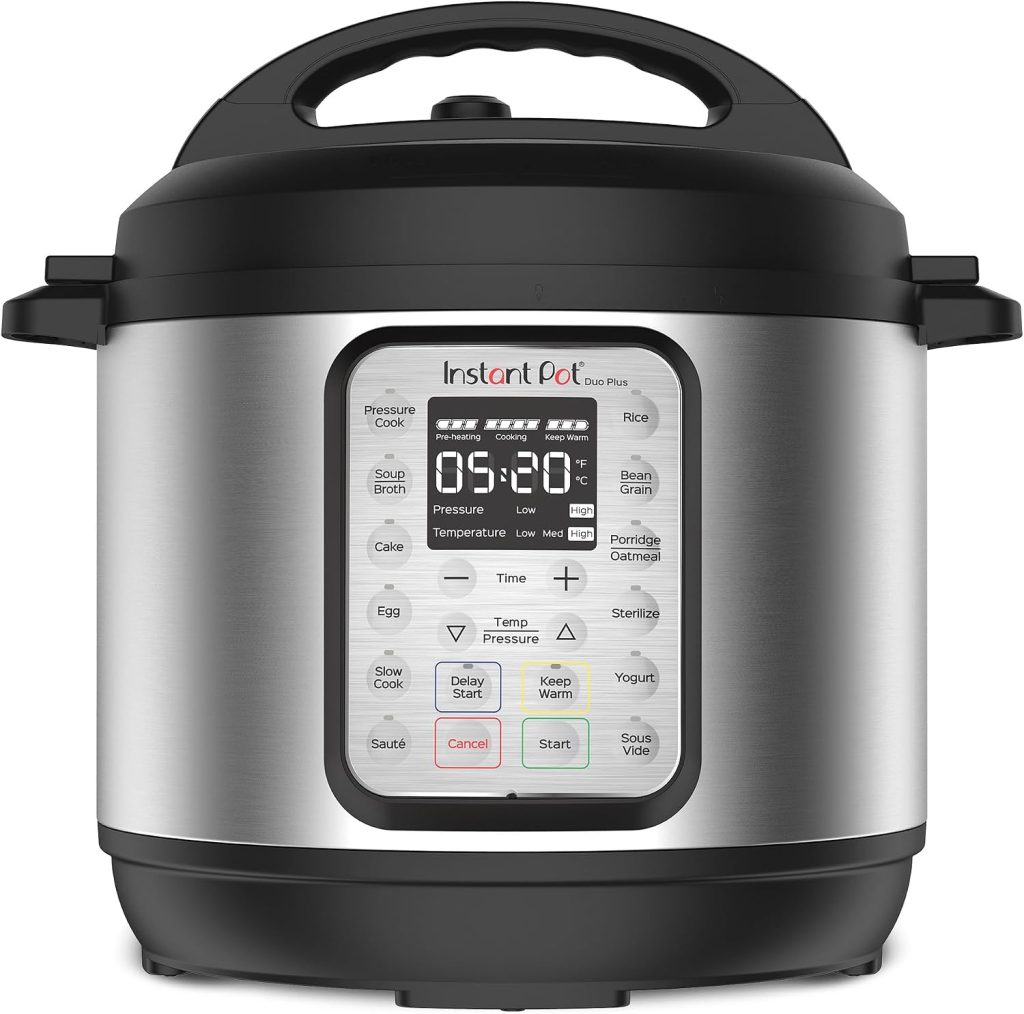
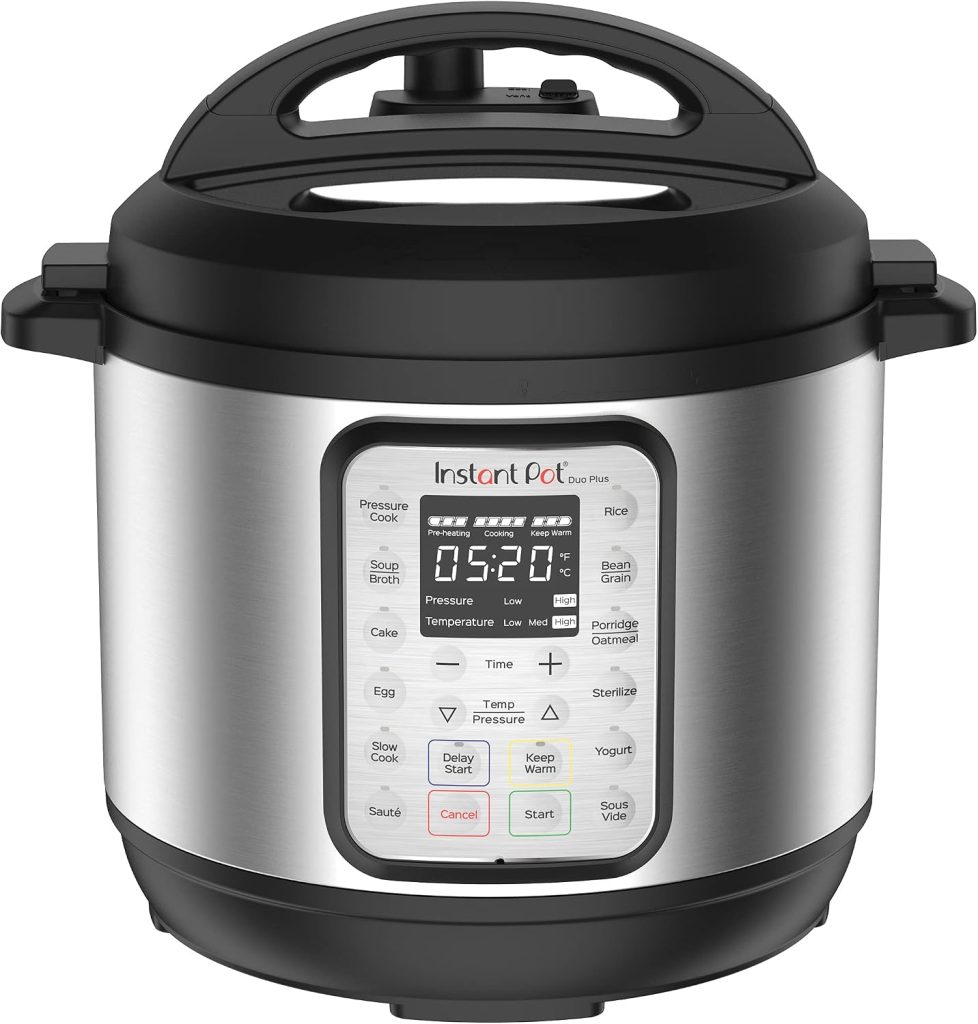
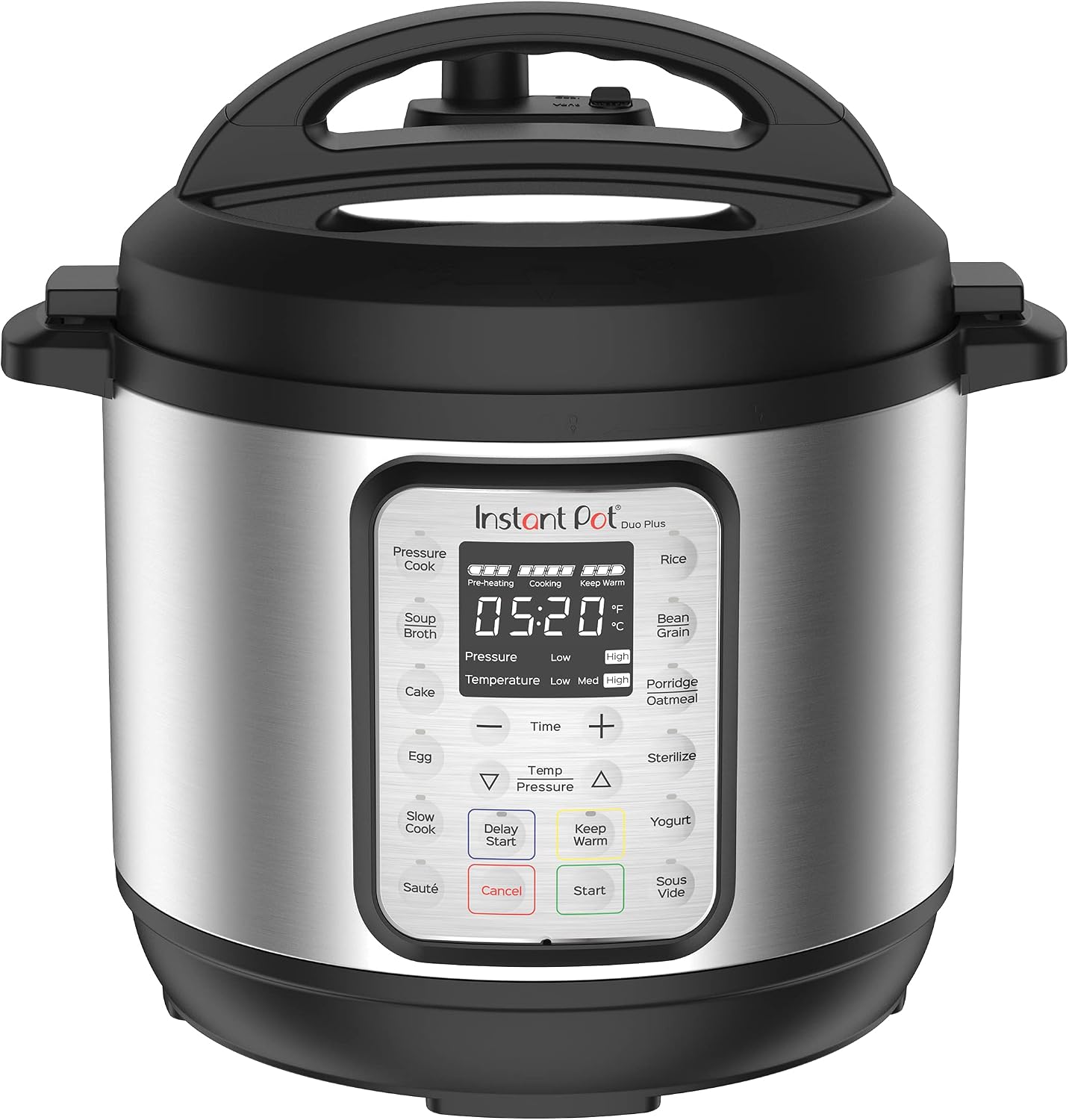
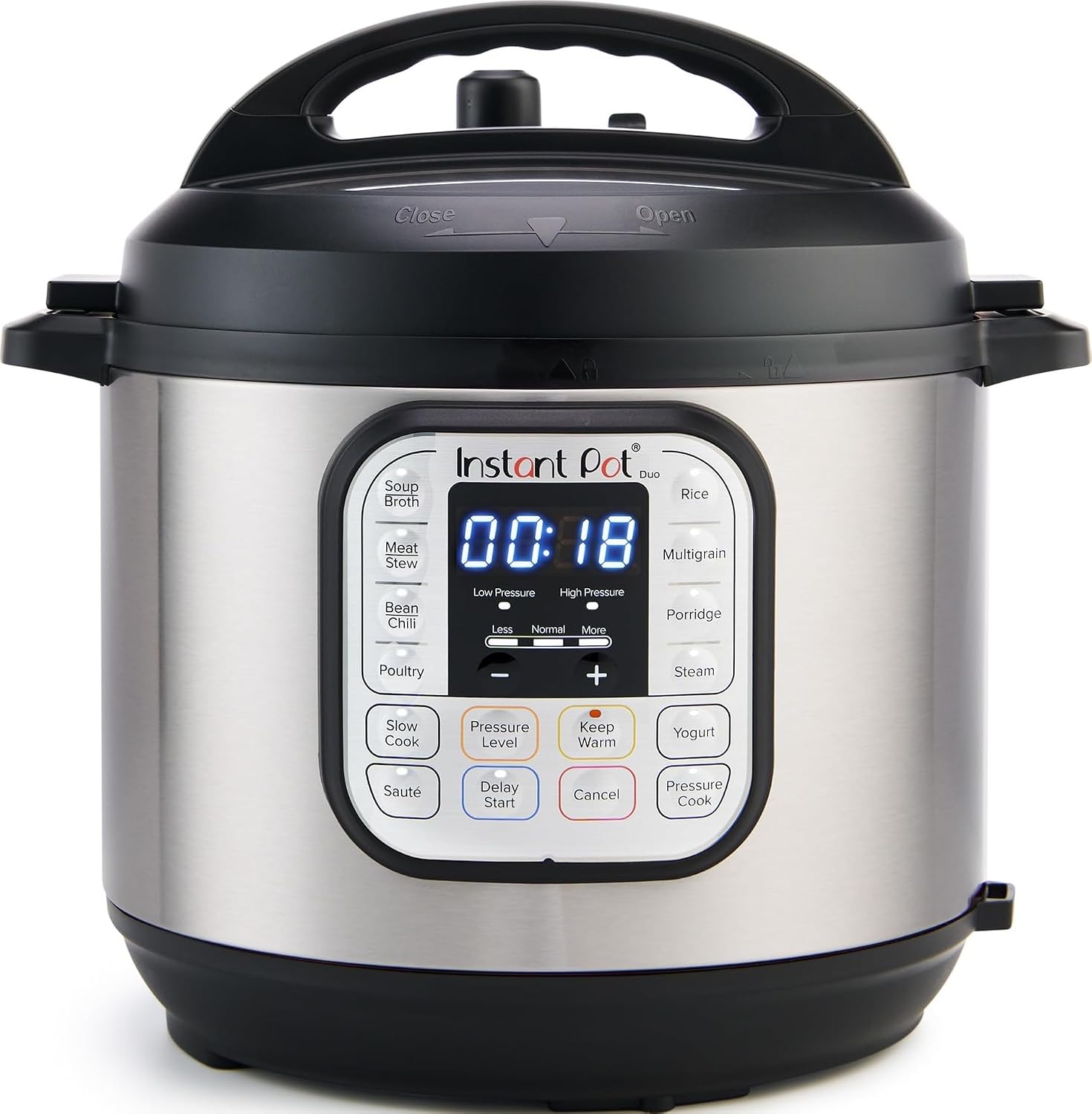
The 8-quart Crisp pot is the other half of the trade, and it is not a free half. Eight quarts is batch-cooking country — stock, big cuts, a family’s worth of soup — and it is also a pot that fills a sink and a presence that fills a counter, in kitchens that measure both. The Duo Plus in this comparison comes in the same family’s sizes, and its entire design argument is subtraction: one lid, a quieter steam release, a control face that a decade of recipes speaks fluently. Nobody has ever stood in my kitchen and admired a Duo Plus. It is not an admirable object. It is a kettle-class appliance, part of the furniture of feeding people, and its boringness compounds daily in its favour the way interest does.
The chicken, since everyone asks about the chicken
Yes, the crisped whole chicken is as good as the photographs, and I will not be cynical about it — pressure-cook the bird tender, swap the lid, and ten minutes later the skin is browned and audibly crisp, and a weeknight dinner acquires an event’s posture. It is the Crisp’s best trick and it is a real one. The honest footnote is frequency. Whole chickens are a Sunday rhythm in my house, not a Tuesday one, and a feature used twice a month must be weighed against a lid stored thirty days a month. The Duo Plus household’s answer to the same dinner is a hot oven for the finish, which works, uses an appliance already owned, and crisps a flatter, wider area than any pot lid can. Less elegant. More honest about how kitchens actually allocate space.
Where the Crisp quietly wins is the unphotographed jobs: reheating. Leftover fried anything, day-old pizza, the remains of a roast — the air fryer lid restores texture in a way the microwave murders and the oven overkills for a single portion. If I total my lid’s actual outings, reheating outnumbers the chicken three to one, and nobody’s marketing leads with reheating because it is not a story. It is, however, a life, and the lid is good at it. The Duo Plus cannot do this trick at all; its leftovers go to the oven or accept their fate, and households that eat a lot of leftovers — most households — should weigh that more heavily than the function count suggests.
Eleven functions, nine functions, four functions
The count difference between these machines is the emptiest number in the category. Both pressure cook, slow cook in the mediocre way of all multicookers, make rice adequately and yogurt for the one household member in ten who ever does. The Crisp adds the lid’s family — air fry, roast, bake, dehydrate — and the Plus counters with a calmer steam release and, on its side of the family generally, a price that leaves money for the ingredients, which never appear in comparison charts and decide more dinners than any function. My rule after years of these: list the functions you used in the last month on your current cooker. That list, not the box, is your requirement. It is always shorter, and it always embarrasses the marketing a little.
A word about the lids as physical objects, because storage is a physical problem. The Crisp’s air fryer lid is not enormous, but it is awkward — a wide, heavy disc with a hot underside that needs a resting place mid-cook as well as a home between cooks, and the mid-cook resting place is the detail nobody plans: a trivet, counter clearance, a household agreement about the hot disc by the sink. The pressure lid stores on the pot. The fryer lid stores in your life. Kitchens with a spare deep drawer absorb all of this without thinking. Kitchens like mine, where the fridge top is the annex, think about it every time we dust, which is — I checked the lid before writing this — not often enough.
The rest of the family tree is worth a look before deciding: the Duo Crisp Ultimate single-lid review is where the two-lid problem went to be solved, and the Duo Plus 9-in-1 review is the one-lid baseline this whole argument stands on.
Questions people actually ask
Where do people actually store the air fryer lid?
In order of honesty: a deep drawer if one exists, a pantry shelf, the top of the refrigerator, and — in more kitchens than admit it — on the pot itself in a corner of the counter, turning the cooker into a two-storey monument. The storage answer should be settled before purchase, because the lid that has no home migrates, and a migrated lid means the crisping function quietly leaves your cooking life while remaining on your conscience. Measure the drawer or the shelf the way you would measure for the machine itself. The lid is, functionally, a second appliance with one trick.
Is the Duo Crisp worth it over the Duo Plus for a family?
If the family eats whole chickens, wings and leftovers at a rhythm of several times a month, yes — the lid earns its storage with the crisping and especially the reheating, which becomes a near-weekly use. If the family’s cooking is soups, beans, rice and braises with an occasional roast finished in the oven, the Plus does the same dinners for less money and one lid’s worth of storage and washing. The deciding question is not the function count, eleven against nine. It is how often crisping happens in your actual month, counted honestly, including the reheating nobody puts in the brochure.
Does the 8-quart size matter, or is 6-quart enough?
It matters in both directions. Eight quarts is the batch and whole-bird size: stock, large cuts, soup for a crowd, and a chicken with room to crisp under the lid. It is also a larger pot to wash, store and bring to pressure for small amounts, and small households feel that tax nightly. Six quarts covers most families’ daily cooking with room to spare. The mistake pattern in this category is buying the biggest size for the biggest hypothetical day, then living with the bulk through three hundred ordinary ones. Size for the ordinary, improvise the feast.
What about the Pro in the comparison box — where does it fit?
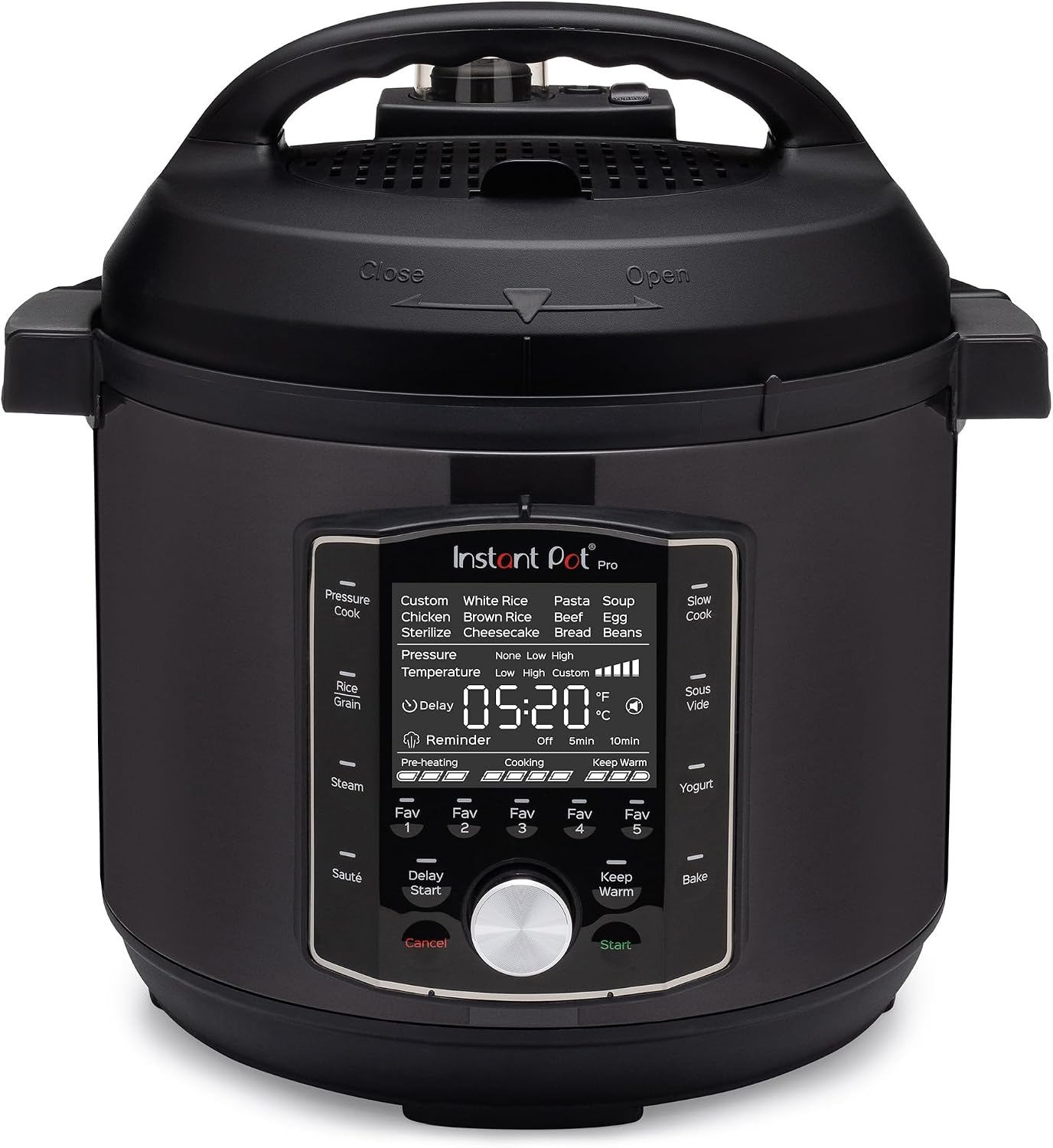
The Pro is the pressure cooker for people who pressure cook constantly and want the refinements: a pot that goes to the stovetop, a gentler and better-controlled steam release, a dial-and-display interface that ages better than membranes of buttons. It does not crisp — there is no lid trick — so it competes with the Duo Plus rather than the Crisp, and beats it on daily feel while losing nothing that matters in results. If crisping is not your deciding feature, the real shortlist is Plus versus Pro, and the answer is how much the daily interface and the stovetop pot are worth to the person who will use them a thousand times.
The lid is still on the fridge. I moved it to dust before writing this, thought about selling the whole arrangement, thought about Sunday’s chicken, and put it back with the care of a person shelving a book they are not finished with. Maybe that is the truest verdict the comparison can offer: the Crisp is a machine you keep negotiating with, and the Plus is a machine you stop noticing, and households differ — really, legitimately differ — in which of those relationships they want with the object that feeds them.
This article contains affiliate links. If you buy through them, we may earn a commission at no extra cost to you.