Disclosure: This article contains affiliate links. If you buy through one of them, we may earn a small commission at no extra cost to you.
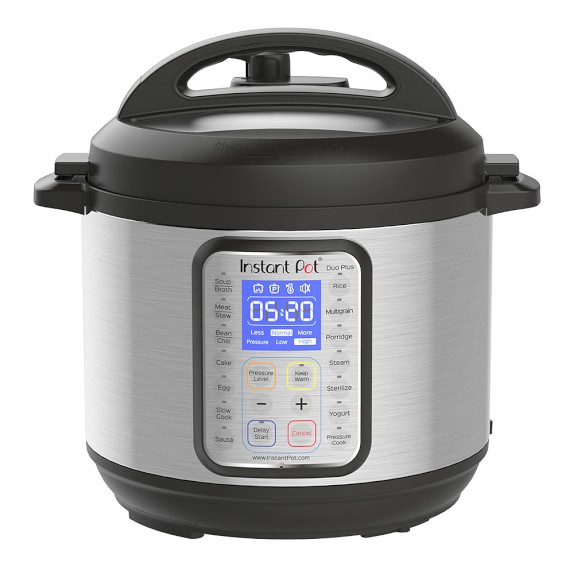
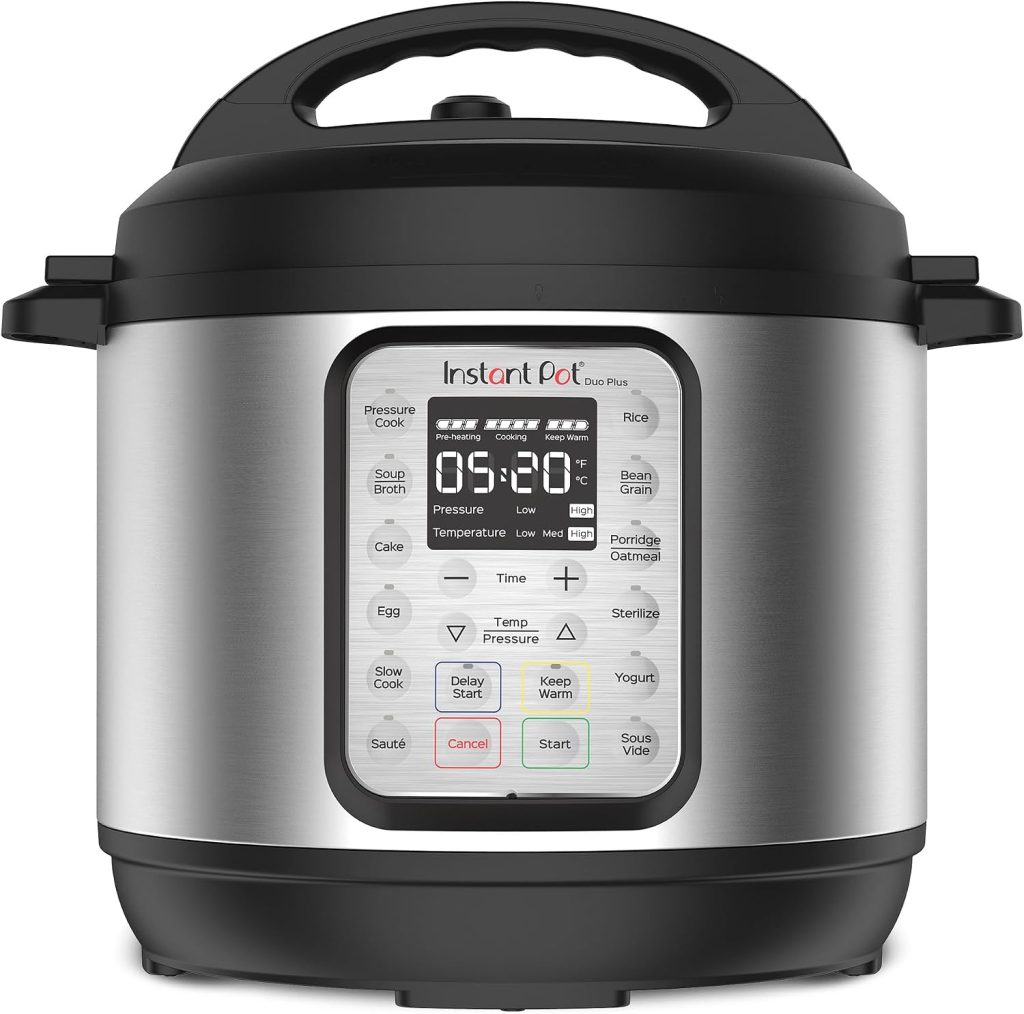
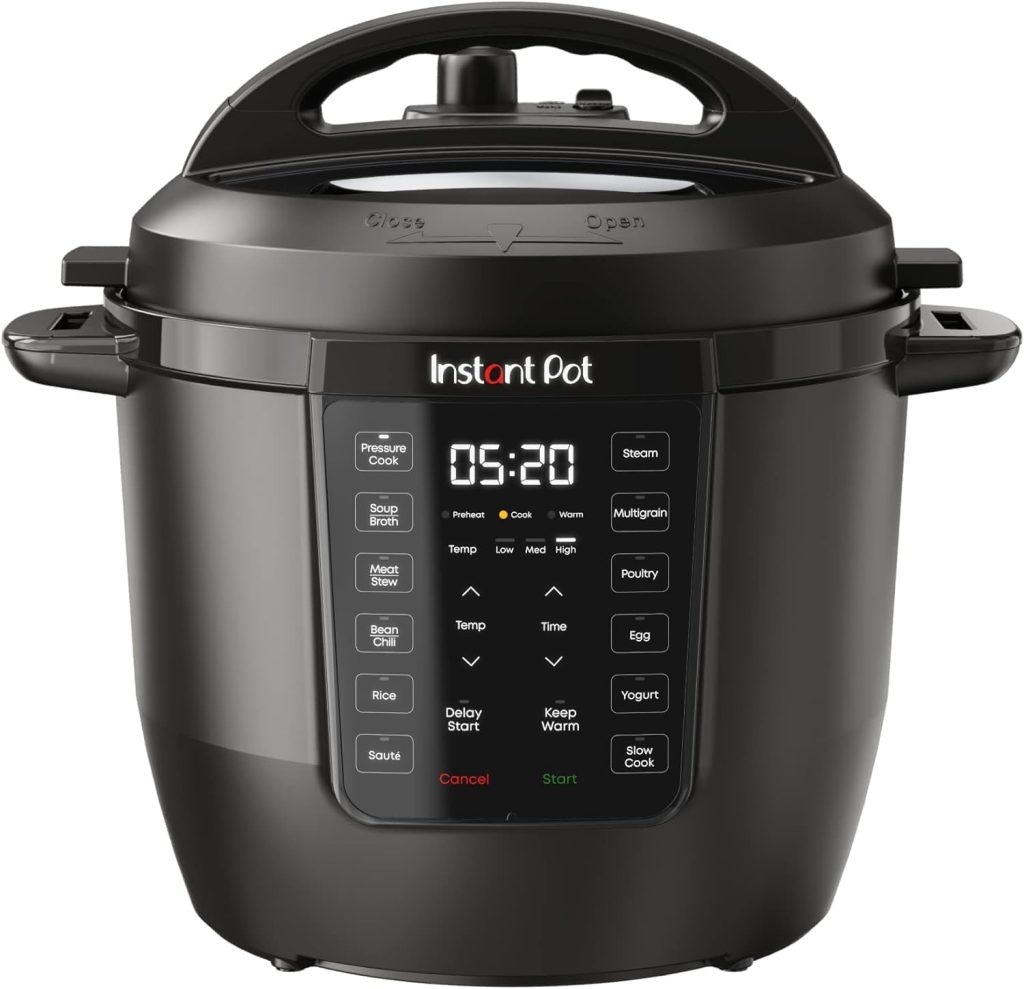
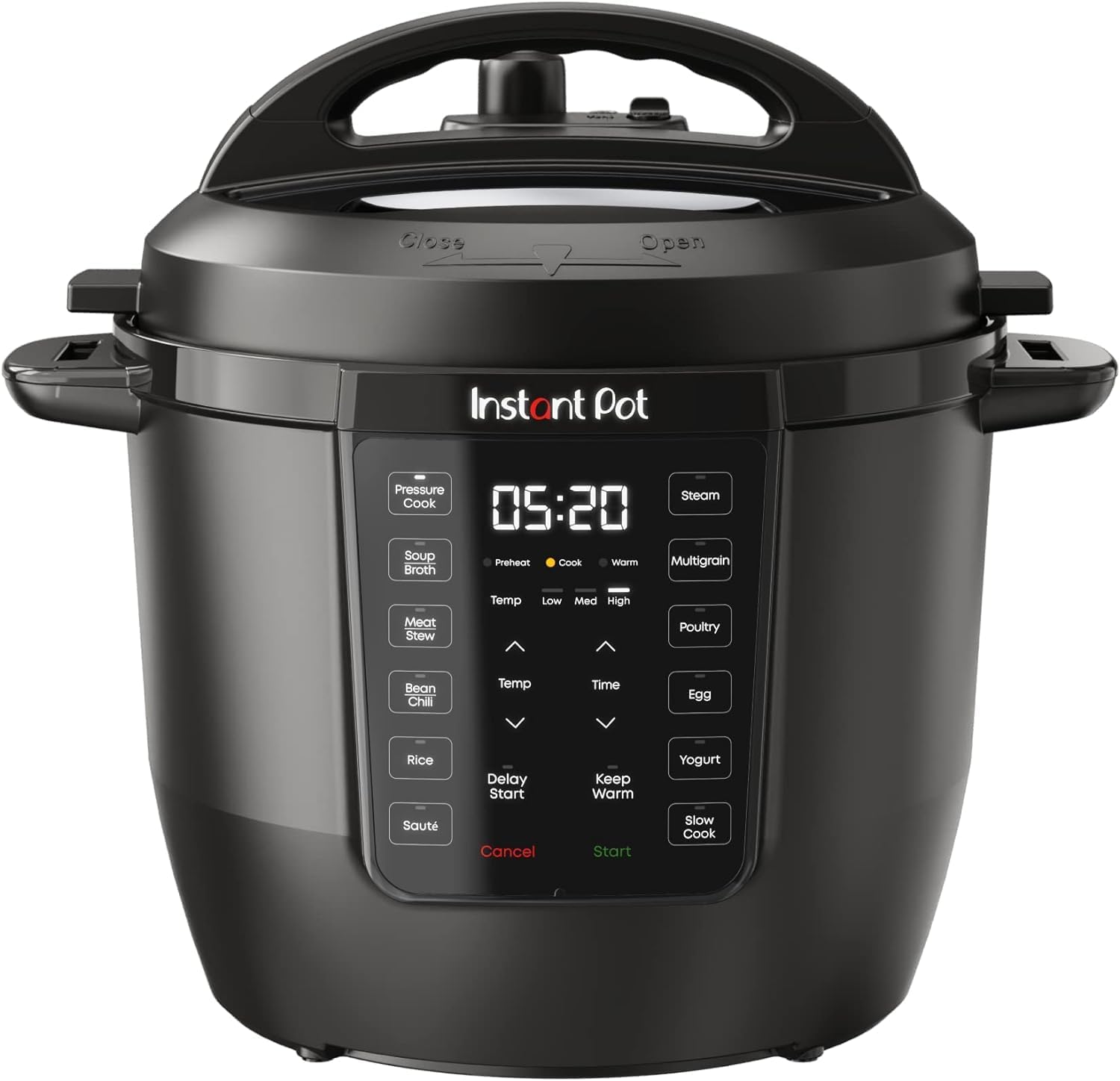
“So which one do I actually buy.” That is the whole conversation about these two cookers, asked in my kitchen by a friend standing between the RIO on the left and the Duo Plus on the right, both 6-quart, both black and steel, both promising nine or seven or eleven functions depending on which year’s box you read. The honest answer starts with a confession: for the first month I owned both, I used them interchangeably and could not have told you blindfolded which one had made dinner. The differences exist. They just live in places the spec sheet does not photograph.
“The RIO feels faster,” my friend said, and she was right and wrong in an instructive way. The wide, low pot shape heats a broader base, so searing covers more area and a sauce reduces without crowding, and the front panel is the simpler of the two to read at arm’s length with wet hands. What it does not do is pressure-cook any faster, because pressure cooking does not care about your pot’s silhouette. The time goes where it always goes: coming up to pressure, and coming back down. “So the wide one is a better pan that also pressure cooks.” Yes. That sentence took me a month to earn and it is the review in miniature.
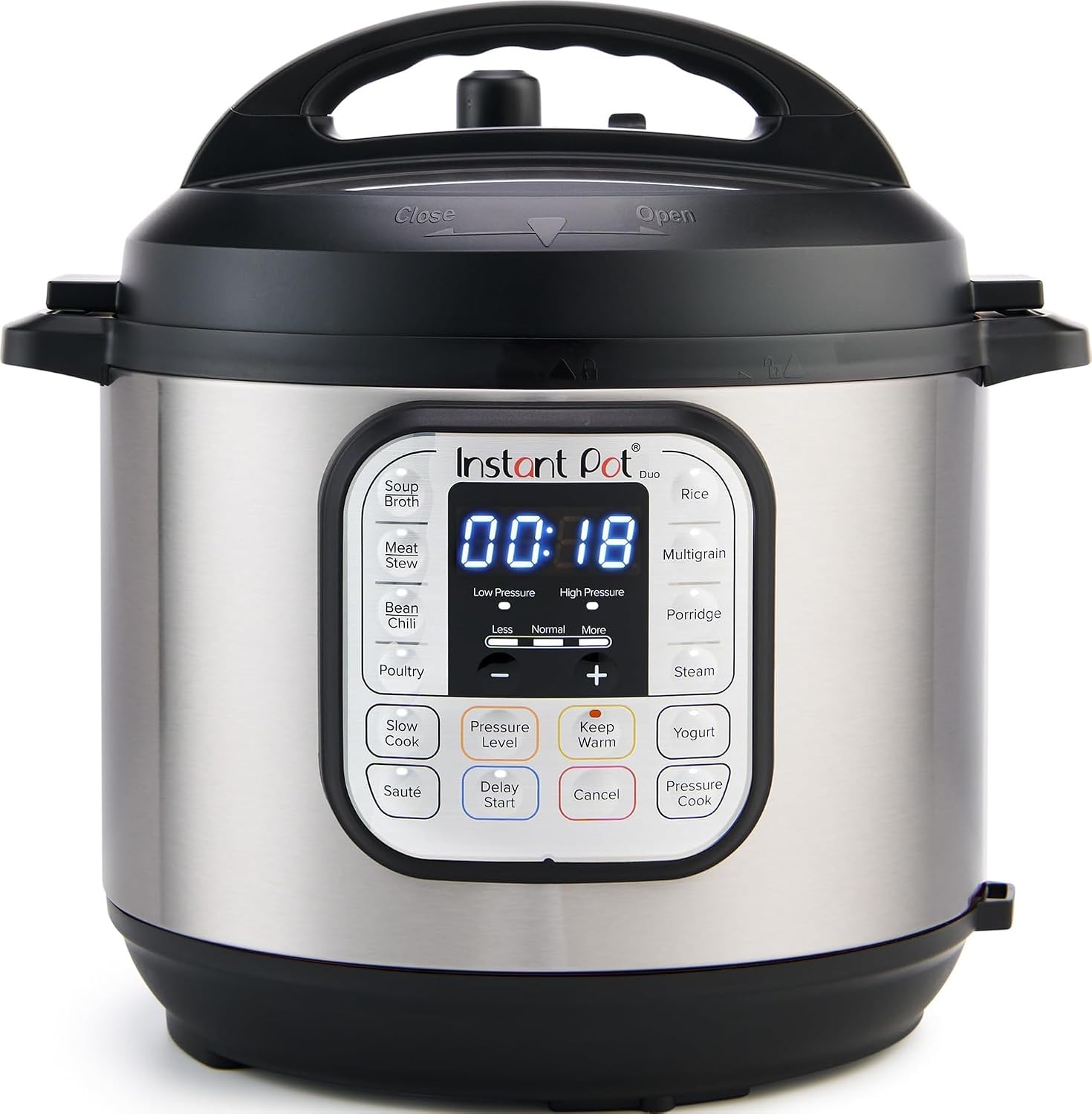
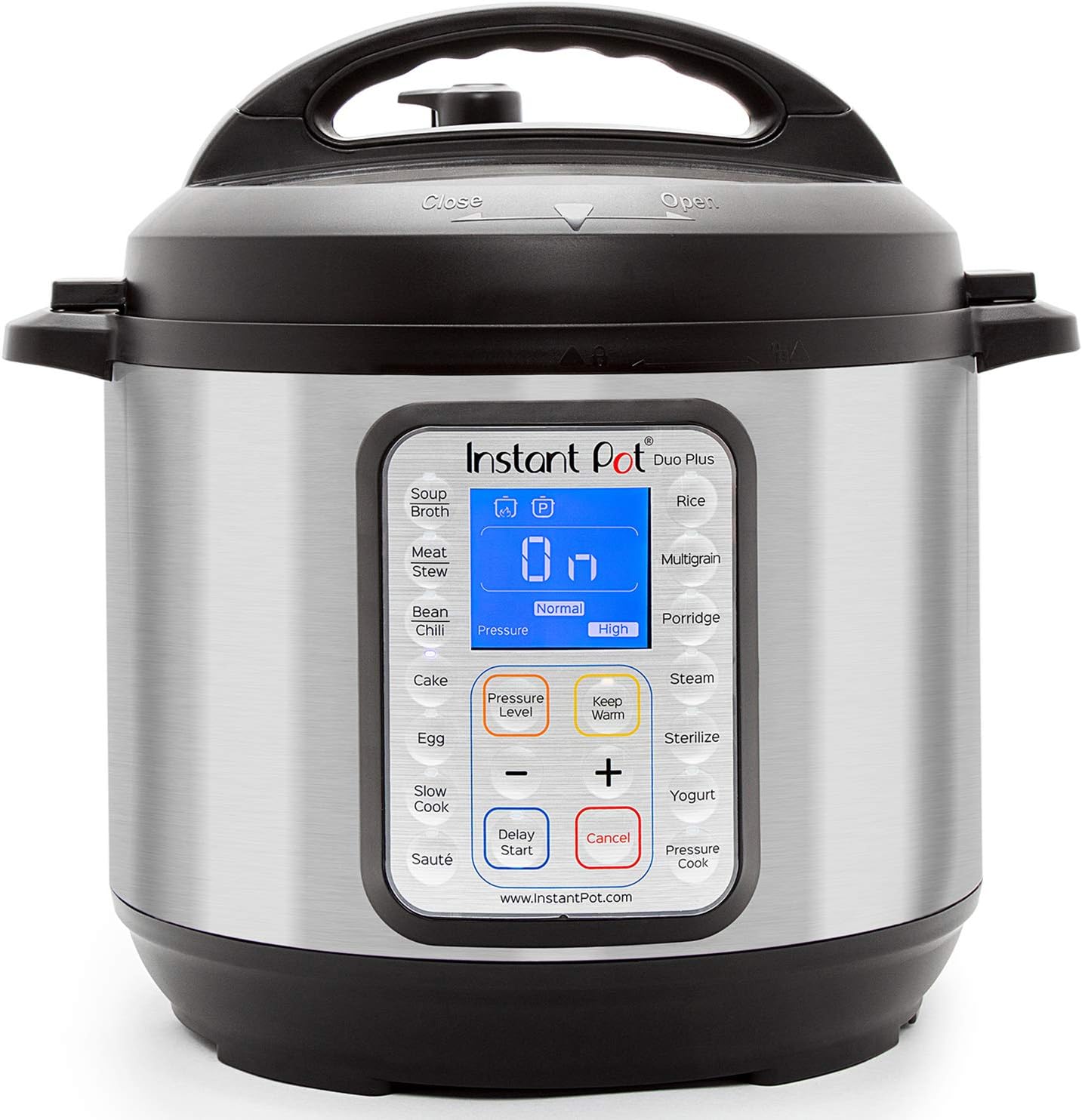
The Duo Plus answers with the lid and the seal. Its steam release is the quieter, tidier mechanism, a covered diffusing vent instead of an open whistle of vapour across the counter, and on a weeknight that difference is not cosmetic, it is the difference between cooking under the cabinets and moving the machine out from under them. “You are telling me to choose based on steam.” I am telling you everyone chooses based on something this size. The function lists are functionally the same list. Nobody’s ninth function has ever been used. The vent gets used twice a day.
The two machines have each been through this kitchen’s longer tests, the Duo Plus review with the corrected capacity notes and the earlier 6-quart Duo Plus test, and the through-line of both is the same: the spec sheet is the least useful page in the box.
Capacity is the other place the conversation goes wrong, because both boxes say 6-quart and the shapes make liars of the number in opposite directions. The wide pot takes a whole chicken laid flat and a rack of ribs cut in two, where the taller pot wants them stacked and argued with. The taller pot takes a cheesecake pan and a stack of jars for canning-adjacent projects the wide one swallows awkwardly. Quart is a volume. Dinner is a shape. Measure your actual food, the frozen block of stock, the squash, the batch of soup you freeze in bricks, against the pot you are considering, because the returns data on both machines is full of people who bought a volume and needed a geometry.
The two machines in the conversation, plus the older Duo that half the country’s kitchens already run on, are the three below. Prices move around; shapes do not:
Where I land, after a season of both: the RIO is the better daily driver for a cook who sears and sautés as much as they pressure cook, and the Duo Plus is the better neighbour for a small kitchen that lives under cabinets and hates drama. Neither is an upgrade over the other, whatever the pricing ladder implies; they are a fork, not a staircase. My friend bought the wide one, for the ribs. She has used the pressure function perhaps a dozen times and the sauté function a hundred, and she considers it money well spent, which tells you the last thing worth knowing: in this category you are not buying the headline function. You are buying the shape of your own cooking, wearing a lid.
Frequently Asked Questions
What is the real difference between the RIO and the Duo Plus?
Shape and steam, not functions. The RIO is wide and low, with a broader base that sears more food at once and reduces sauces faster, and a simpler front panel. The Duo Plus is taller, with a quieter, diffused steam release that is kinder to the cabinets above it. Their pressure-cooking performance is effectively identical, because pressurising and depressurising take the same time regardless of silhouette. The function lists overlap almost completely. Choose by geometry: wide for flat, broad food and stovetop-style cooking, tall for stacked loads, jars and small footprints, and by how much steam your kitchen tolerates overhead.
Is the wide pot actually better for searing?
Yes, measurably, because searing is about surface area and evaporation. A wider base fits more pieces in a single layer, and a single layer is what browns; crowded food steams in its own juice and greys. The wide pot also reduces a sauce faster for the same reason, more surface exposed. What it does not improve is anything about pressure cooking itself. If your cooking is mostly pressure work, soups, beans, braises from frozen, the wide base earns you little. If half your use is the sauté function before or after the lid goes on, it earns you something every single meal.
Which one should I buy if my kitchen is small?
The Duo Plus, for two unglamorous reasons. Its footprint is smaller, and its diffused steam release does not send a vertical jet of vapour into the underside of your cabinets every time you cook, which in a small kitchen means you can leave it in its home corner instead of hauling it to a clear patch of counter. The wide model needs lateral room, for the lid, for the venting, for its own elbows. Small kitchens punish width more than height. Measure the counter the machine will actually live on, including the space above it, before you fall for either one’s function list.
Do I need the extra functions on the Duo Plus?
Almost certainly not, and the honest evidence is your own current cooker: count the programs you have used more than twice. For most households it is two, pressure and sauté, with rice or slow cook appearing seasonally. The additional presets on either machine are mostly time-and-pressure combinations you can set manually in seconds. What is worth paying for in this class is the lid mechanism, the seal quality, the vent design and the pot shape, the things you touch daily. Functions are how these machines are marketed. Geometry and steam are how they are lived with, and the returns come from the second list, not the first.
Disclosure: This article contains affiliate links. If you buy through one of them, we may earn a small commission at no extra cost to you.