Keurig K-Express Review: Strong Brew Button, 42oz Reservoir, 3 Cup Sizes
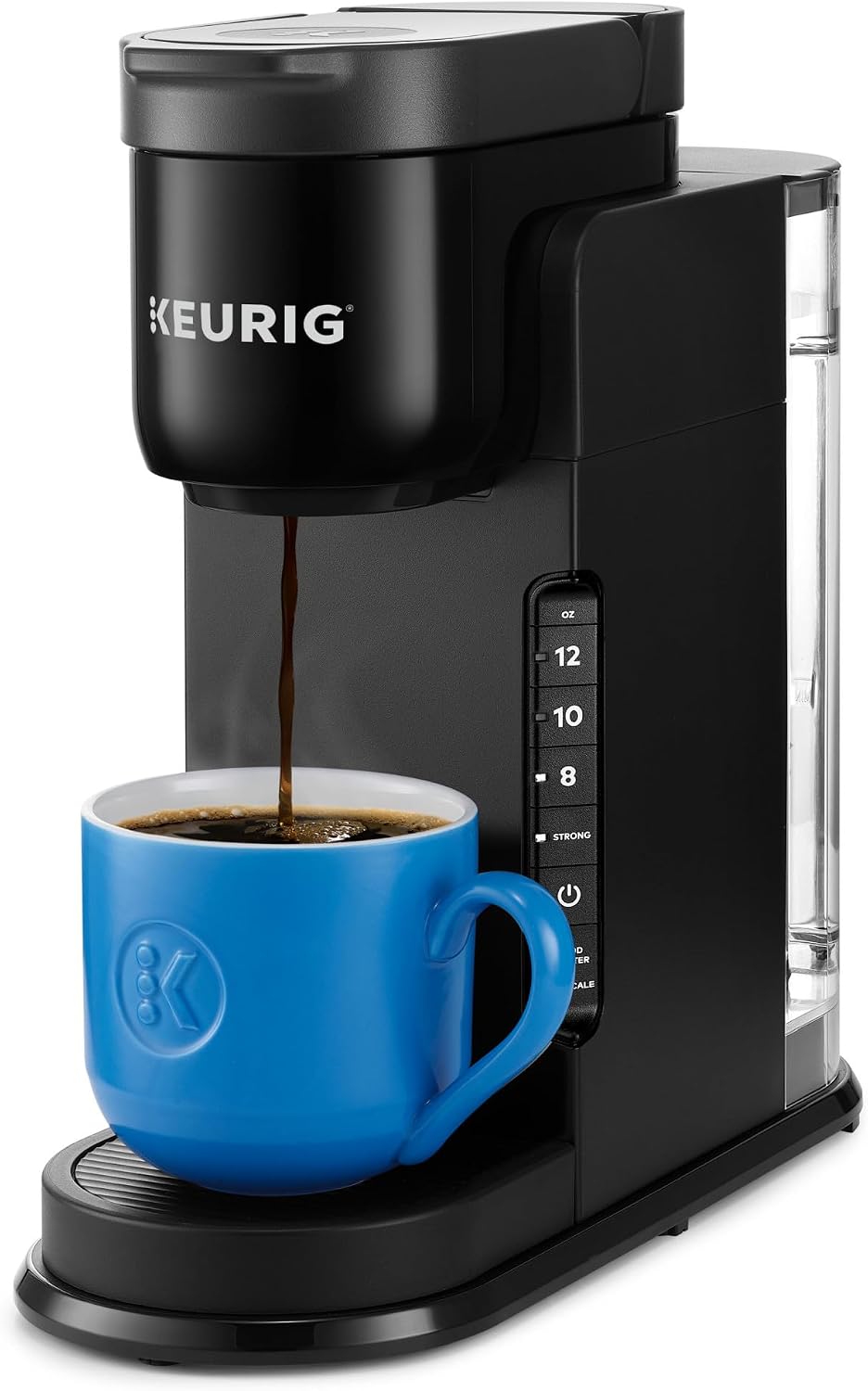
Single-serve coffee makers all promise the same thing — fast coffee, no fuss. The Keurig K-Express sits in the middle of the lineup: a 42 oz reservoir so you’re not refilling every cup, three cup sizes, and a Strong button for bolder brews. This guide puts the K-Express under the microscope, compares it honestly with the smaller K-Mini and the espresso-leaning Nespresso Vertuo Next, and answers the question that actually matters: which one belongs on your counter.
Quick Answer
Related: See our Kitchen in the Box 3.2Qt Mini Stand Mixer Review< for a detailed comparison.
Related: See our Cuisinart 14-Cup Food Processor Review for a detailed comparison.
Related: See our Brita Everyday 10-Cup Water Filter Pitcher Review for a detailed comparison.
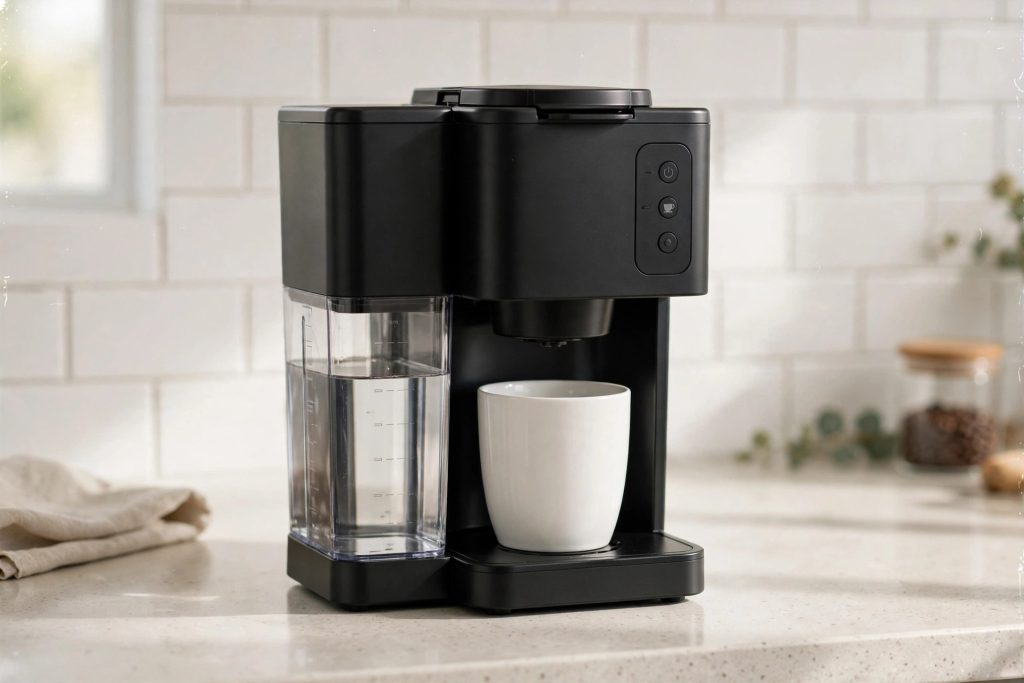
The Keurig K-Express is the best all-around single-serve brewer for most households — the 42 oz reservoir handles multiple cups without refills, the Strong button genuinely intensifies flavor, and three cup sizes cover everything from a quick 8 oz to a 12 oz travel mug. It’s the sensible middle of the Keurig line.
Tight on space or cash? The K-Mini is smaller and cheaper but makes you refill water every single cup. Craving real espresso with crema? The Nespresso Vertuo Next is a different (pricier) universe.
Compare Top Single-Serve Coffee Makers
Three proven picks side by side — choose the one that fits your needs.
Keurig K-Express
42 oz reservoir + Strong brew + 3 cup sizes — the balanced everyday brewer.
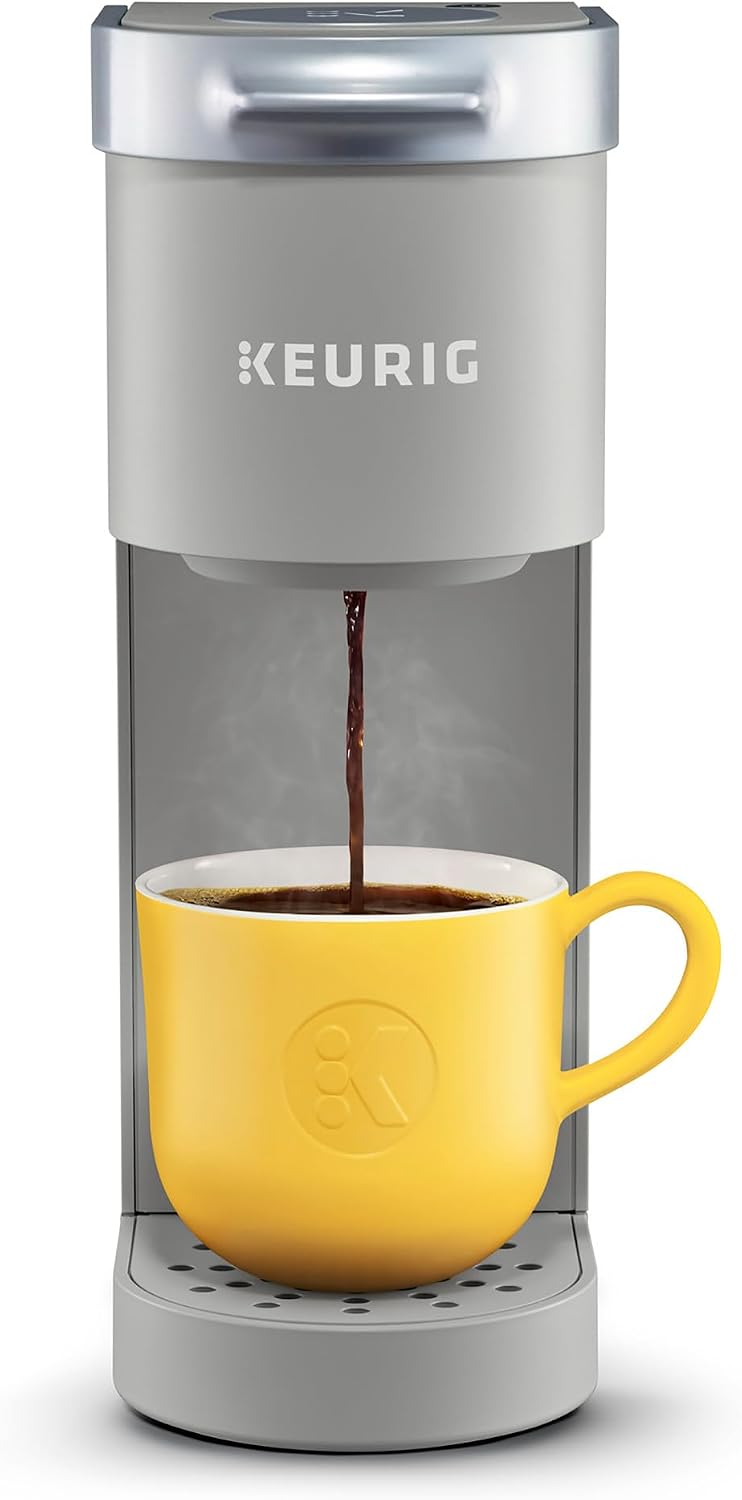
Keurig K-Mini
Ultra-compact and budget-friendly — one-cup reservoir, dorm-room footprint.
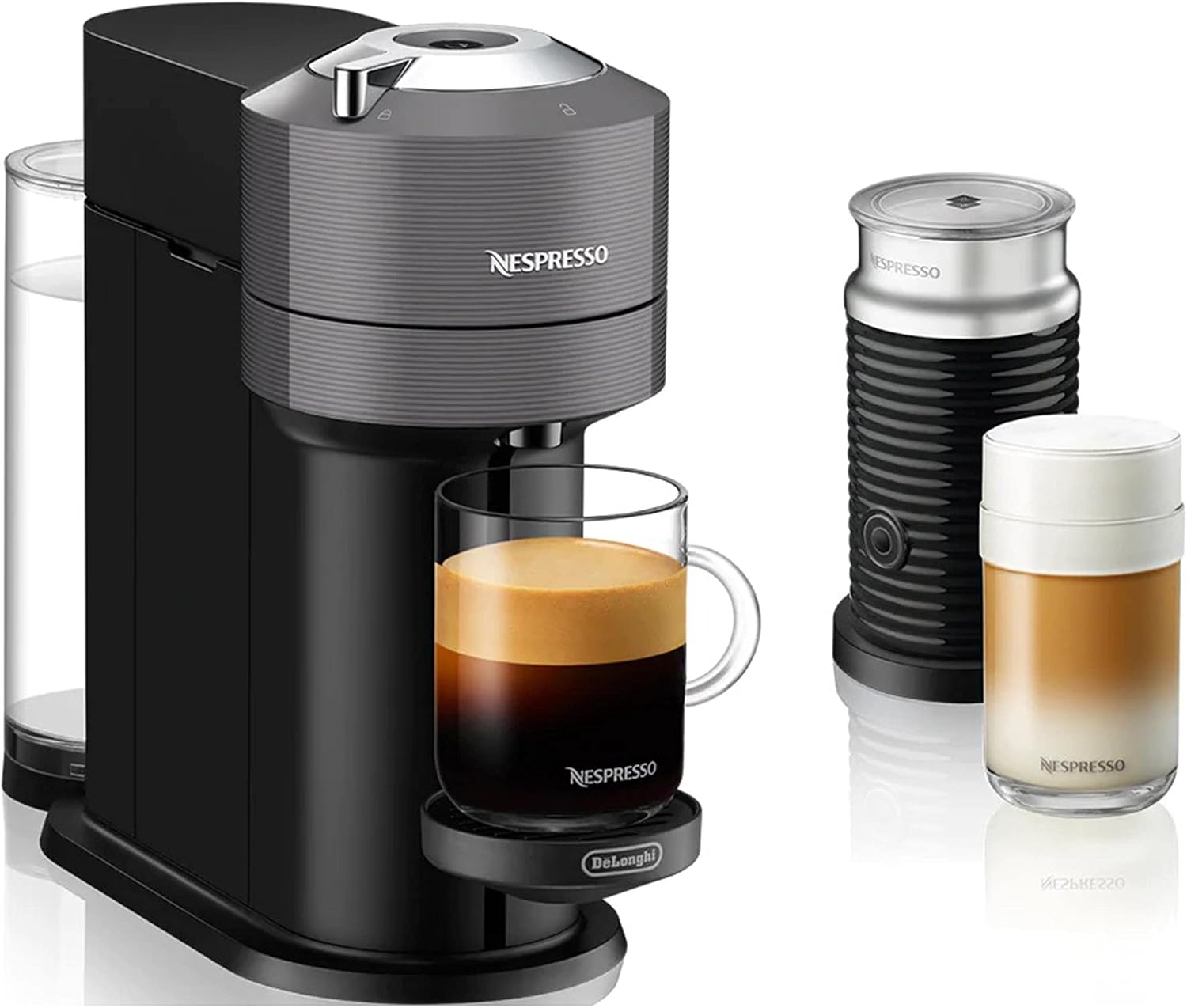
Nespresso Vertuo Next
Real espresso + coffee with crema — the flavor upgrade pick.
Prices and availability may vary — tap any product to check the current listing.
What to Look For When Buying a Single-Serve Coffee Maker
All pod brewers look alike until you live with one. Then the differences — reservoir size, brew strength, pod cost — start running your mornings.
1. Reservoir size: the daily friction factor
The K-Express’s 42 oz reservoir brews roughly four to five 8–10 oz cups before needing a refill. That sounds minor. It isn’t. Refilling a one-cup reservoir every single morning — the K-Mini’s reality — gets old by week two. The reservoir is the single biggest quality-of-life difference between single-serve models, and it’s the K-Express’s core advantage over its smaller sibling.
Trade-off, of course: a bigger reservoir means a bigger machine. The K-Express has a real counter footprint. And water sitting in a reservoir for days isn’t ideal — if you brew once a day, empty and refresh it every couple of days. Stale water makes stale coffee.
2. The Strong button: does it actually work?
Yes — with a caveat. The Strong setting slows the brew and adjusts the water flow to extract more from the same pod, producing a noticeably bolder cup. It’s not espresso; nobody’s claiming that. But side by side, a Strong-brewed 8 oz cup has more body and less of the watery thinness that pod coffee gets accused of.
The honest limitation: it can’t create flavor the pod doesn’t have. A mediocre pod on Strong is just a bolder mediocre cup. Pair the feature with pods you actually like and it’s the best button on the machine.
3. Cup sizes and the travel-mug question
Three sizes — 8, 10, and 12 oz — cover the realistic range. The 8 oz is the flavor sweet spot (less water per pod = stronger cup); the 12 oz is for travel mugs and long mornings. Removable drip tray accommodates taller mugs, which matters more than it sounds — nothing kills the vibe like a brewer your favorite mug doesn’t fit under.
One thing to internalize: bigger cup size with the same pod means weaker coffee. That’s physics, not a defect. If you want a big and strong cup, that’s what the Strong button plus 10 oz is for.
4. Pod ecosystem and the real cost of ownership
Here’s the conversation nobody has before buying a pod machine, and everybody has after: pods cost more per cup than ground coffee. Dramatically more. The K-Express uses K-Cup pods, which means access to the largest pod variety on the market — hundreds of roasts, teas, cocoas — but you’re signing up for that per-cup premium indefinitely.
The escape hatch is the reusable My K-Cup filter, which lets you brew your own grounds. It works, it cuts costs enormously, and it adds about 30 seconds of prep and cleanup. Most owners buy it within the first month. Budget for it.
5. Speed and the morning math
Pod brewers win on speed: heat-up plus brew in about a minute or two, no grinding, no measuring, no carafe to wash. For households where two people want different coffees at different times, that’s the whole argument — no wasted half-pot going stale.
The flip side is per-cup cost and environmental waste, both real. There’s a reason this category keeps showing up in conversation — it solves a real annoyance (stale pot coffee, morning friction) while creating a new one (pod waste). Reusable filters and recyclable pods soften it. They don’t erase it.
6. Descaling and maintenance reality
Every pod brewer needs descaling every few months — mineral buildup slows heating and eventually kills the pump. The K-Express will remind you. The process takes about 30–45 minutes of mostly waiting around. Skip it and you’ll be shopping for a replacement in a year or two instead of five. This isn’t a Keurig-specific flaw; it’s true of every water-heating appliance. But pod machines die of neglect more than anything else.
How to Match the Brewer to Your Situation
The multi-cup household. Two coffee drinkers, different schedules, different tastes. The K-Express is built for exactly this: 42 oz reservoir means nobody’s refilling between cups, three sizes cover everyone’s preference, and the Strong button satisfies the one who likes it bold. This is the default right answer for most families.
The tiny kitchen / dorm / office desk. Space is the constraint and one cup at a time is the reality. The K-Mini’s sub-5-inch width fits where the K-Express can’t, and the one-cup reservoir is fine when you’re only brewing for yourself. You trade convenience for footprint — a fair deal in a dorm.
The flavor-first drinker. You care about crema, body, and espresso-based drinks. Pod coffee — even Strong-brewed — will always leave you slightly underwhelmed. The Nespresso Vertuo Next brews real espresso and full-size coffee with genuine crema via its centrifusion system. Pods cost more and variety is narrower, but the cup quality is a clear step up. Different machine, different religion.
How the Tiers Compare
| Type / Tier | Best For | Price Tier | Key Feature | Watch-Out |
|---|---|---|---|---|
| Keurig K-Express | Everyday multi-cup households | Mid-range | 42 oz reservoir, Strong brew, 3 sizes | Bigger footprint; pod costs add up |
| Keurig K-Mini | Small spaces, solo drinkers | Budget | Ultra-compact, simple | Refill water every cup; no Strong button |
| Nespresso Vertuo Next | Espresso + coffee lovers | Premium | Real espresso with crema, 5–6 brew sizes | Pricier pods, narrower variety |
| Drip coffee makers | Pot-at-a-time households | Budget–mid | Cheapest per cup, familiar | Stale leftovers; slower mornings |
The K-Express is the balanced mainstream choice — the reservoir and Strong button solve the two most common pod-brewer complaints.
The K-Mini wins when space or budget is the hard constraint — accept the per-cup refill ritual.
The Vertuo Next is the flavor upgrade — pay more per pod, get genuinely better coffee and real espresso.
Drip machines remain the economy kings for households that drink a pot together — cheapest per cup by far, just less flexible.
Questions People Ask Before Buying
Keurig K-Express vs K-Mini — which one should I get?
Get the K-Express if you brew more than one cup a day or share the machine — the 42 oz reservoir and Strong button are worth it the moment refilling water every cup starts annoying you. The K-Mini is genuinely great for dorms, tiny kitchens, and solo drinkers who value the sub-5-inch footprint over convenience. The decision is almost entirely about the reservoir: one-cup refills are charming on day one and tedious by day thirty. If two people use the machine, or you drink 2+ cups daily, the K-Express pays for itself in eliminated friction.
Does the Strong button on the Keurig K-Express actually make stronger coffee?
Yes — the Strong setting produces a noticeably bolder, fuller cup by slowing extraction, though it can’t outperform the quality of the pod itself. Think of it as turning a good pod from a 7 to an 8.5, not turning a bad pod good. It’s most effective at the 8 oz size, where the coffee-to-water ratio is already favorable. Owners who like bold coffee use it daily; owners who prefer milder cups ignore it entirely. Either way it’s a free feature, not a gimmick — just calibrate expectations.
Is the Keurig K-Express worth it if I already have a drip coffee maker?
Yes, if your drip pot routinely goes half-wasted or household members want different coffees — the K-Express eliminates stale leftovers and brews each cup fresh in about a minute. It’s not worth it if everyone drinks the same pot together every morning; drip remains cheaper per cup by a wide margin. The honest test: look at your current routine. Poured-out stale coffee more than twice a week? The K-Express will pay for itself in reduced waste alone, never mind the time savings.
How often do I need to refill the K-Express water reservoir?
A full 42 oz reservoir brews roughly four to five standard cups, so a two-cup-a-day household refills about every other day. Heavy multi-cup households refill daily; light users stretch it longer — though you shouldn’t, since water sitting for days makes flat-tasting coffee. Practical habit: top it off each morning while the machine heats. Compared to the K-Mini’s every-single-cup refill, the K-Express reservoir is the feature owners mention most when asked what they’d miss.
Keurig vs Nespresso — which is better?
Choose Keurig for variety and convenience — hundreds of pod options including tea and cocoa at lower per-pod cost; choose Nespresso Vertuo for better-tasting coffee and real espresso with crema at higher per-pod cost. They’re different answers to different questions. Keurig wins the “everyone in the house drinks something different” scenario. Nespresso wins the “I care about the cup itself” scenario. The K-Express sits at Keurig’s sweet spot; the Vertuo Next at Nespresso’s. Pick your religion based on what you actually drink, not what sounds impressive.
Two Coffee Drinkers, Different Schedules? Read This
This is the K-Express’s best-case scenario and it’s worth spelling out. Partner one wants a strong 8 oz at 6:30 AM. Partner two wants a mild 12 oz at 8:00. With a drip machine, that’s either two pots or compromise. With the K-Express, it’s two pods, two buttons, zero waste.
The 42 oz reservoir covers both cups plus a mid-morning refill without anyone touching the water tank. The Strong button lives for partner one. Nobody’s drinking the other person’s coffee or pouring half a pot down the drain. This is the use case that justifies the machine.
Small Kitchen? Measure Before You Buy
The K-Express is not huge, but it’s not the K-Mini either. It needs real counter space plus clearance to lift the reservoir out for refilling — the part people forget until the machine is wedged under a cabinet. Give it a dedicated spot near an outlet where you can comfortably remove the tank.
If your counter is genuinely maxed out, that’s a legitimate reason to choose the K-Mini instead. A brewer that lives in a cabinet because there’s no room for it is a brewer you won’t use. Be honest about your counter.
Common Mistakes Buyers Make
1. Brewing 12 oz with a light-roast pod and calling the machine weak. Big cup + mild pod = watery coffee, always. Match bold pods to big cups, or use the Strong button. The machine is fine; the pairing was wrong.
2. Never descaling. The #1 killer of pod brewers is mineral buildup, not defects. Descale every 3–6 months depending on your water hardness. The machine will tell you when — listen to it.
3. Letting reservoir water sit for a week. Stale water, stale coffee. Refresh every couple of days if you’re a light user. It takes ten seconds.
4. Skipping the reusable filter. The My K-Cup filter pays for itself fast if you have a favorite ground coffee, and it rescues you when pods run out. Most owners wonder why they waited.
Why, How, What: Quick Answers
Why does pod coffee sometimes taste weak?
It’s a ratio problem. A standard pod holds a fixed amount of coffee — roughly enough for a proper 8 oz cup. Brew it at 10 or 12 oz and you’re stretching the same grounds through more water, which dilutes flavor linearly. The Strong button compensates by extracting more from the pod, but it can’t add coffee that isn’t there. The fix is simple: match pod to size (bold roasts for big cups), or just brew smaller. People blame the machine for what is, honestly, a recipe error.
How do I keep my Keurig tasting fresh?
Three habits: fresh water every couple of days, descale on schedule, and run a water-only brew occasionally to flush the lines. If coffee starts tasting off or brewing slower, descale first — nine times out of ten that’s the fix. Also: wipe the pod puncture needles now and then; coffee grounds build up and affect flow. None of this is complicated. It’s just the maintenance nobody does until something tastes wrong, and then everybody wishes they had.
What pods work best in the K-Express?
Any K-Cup pod works — that’s the platform’s strength. For best results, match roast to cup size: medium and dark roasts for 8–10 oz, extra-bold or dark roasts for 12 oz, and use the Strong button when you want more body. The reusable My K-Cup filter opens the door to any ground coffee you like, which is where the real savings and flavor control live. Tea and cocoa pods are genuinely good in these machines too — the K-Express is a hot-beverage brewer, not just a coffee brewer.
Frequently Asked Questions
Does the Keurig K-Express work with all K-Cup pods?
Yes — any standard K-Cup pod works, from hundreds of coffee roasters plus tea and cocoa brands. The reusable My K-Cup filter also fits, letting you brew your own ground coffee.
Can I use my own coffee grounds in the K-Express?
Yes, with the reusable My K-Cup filter (sold separately). Fill it with your favorite medium-ground coffee, pop it in like a pod, and brew. It cuts per-cup cost dramatically.
How long does it take to brew a cup?
About a minute or two including heat-up — heat, puncture, brew, done. It’s the fastest realistic path from “want coffee” to “drinking coffee” short of instant.
Does the K-Express make iced coffee?
Yes — brew a strong 8 oz (use the Strong button) directly over a tumbler full of ice. Use pods labeled for iced coffee for best results; regular pods work but taste thinner over ice.
How often should I descale the K-Express?
Every 3–6 months depending on water hardness — the machine’s descale reminder will prompt you. Hard-water households should lean toward every 3 months. Skipping descaling is the fastest way to shorten the machine’s life.
Is the K-Express noisy?
It makes the standard pod-brewer sounds — pump hum and brew gurgle for about a minute. Noticeable but brief, and quieter than a blade grinder. Early risers won’t wake the house.
Final Recommendation
For most households, the Keurig K-Express is the single-serve brewer to buy: the 42 oz reservoir removes the daily refill annoyance, the Strong button fixes pod coffee’s biggest complaint, and three cup sizes cover every realistic scenario. It’s the middle of the lineup in price and the top in everyday livability.
Space-constrained solo drinker? The K-Mini. Espresso ambitions? The Vertuo Next. Everyone else — the K-Express, plus a reusable filter, and you’re set for years.
OUR TOP PICK
Keurig K-Express
42 oz reservoir + Strong brew + 3 cup sizes — the balanced everyday brewer.
Decision Tree: Which Brewer Fits You?
Multi-cup household, everyday use → Keurig K-Express.
Tiny space, solo drinker, tight budget → Keurig K-Mini.
Espresso + crema ambitions → Nespresso Vertuo Next.
Everyone drinks the same pot together → stick with drip, save your money.
Key Takeaways
✅ 42 oz reservoir = multiple cups without refilling — the K-Express’s core advantage.
✅ Strong button genuinely bolds the cup; pair it with pods you like.
✅ 8 oz = flavor sweet spot; 12 oz needs bold pods or the Strong button.
✅ Budget for the reusable filter — it pays for itself and rescues pod shortages.
✅ Descale on schedule; neglected brewers die young.
Common Questions About Keurig K-Express Coffee Makers
Is the Keurig K-Express worth buying?
The K-Express earns its middle-of-the-lineup spot with a 42 oz reservoir you don't refill every cup, three cup sizes, and a Strong button for bolder brews — meaningful upgrades over the basic K-Mini for households with multiple coffee drinkers. Solo light drinkers can save with the smaller model, so buy the K-Express when convenience across several daily cups matters.
Solo light drinkers can save with the smaller model.
Buy the K-Express when convenience across several daily cups matters.
What does the Strong button on the Keurig actually do?
The Strong button slows the brew and adjusts extraction to produce a bolder, more intense cup from the same K-Cup — it's the closest a single-serve machine gets to a stronger brew without changing pods. It won't turn light roast into espresso, but the difference is noticeable for drinkers who always wish their Keurig tasted stronger.
It won't turn light roast into espresso, but the difference is noticeable.
If you consistently wish your Keurig tasted stronger, this button is the reason to step up.
Keurig K-Express vs K-Mini: which should I buy?
Buy the K-Express if you drink multiple cups daily or share the machine — the bigger reservoir, extra cup sizes, and Strong button justify the step up. Buy the K-Mini if you're a solo one-cup drinker with a tiny kitchen, since it's cheaper and takes up barely any counter space at all.
Buy the K-Mini if you're a solo one-cup drinker with a tiny kitchen, since it's cheaper and takes up barely any counter.
The deciding factor is cups per day times drinkers, not features alone.
Is the 42 oz reservoir big enough?
For most households, yes — 42 ounces brews roughly four to five cups before refilling, which covers a morning for one or two coffee drinkers without the constant refilling smaller reservoirs demand. Heavy multi-drinker households will still refill daily, but that's true of any sensibly sized machine on the market.
Heavy multi-drinker households will still refill daily, but that's true of any sensibly sized machine.
Bigger reservoirs exist, but they trade counter space for fewer refills.
Are K-Cups expensive compared to ground coffee?
Yes, per cup, K-Cups cost noticeably more than brewed ground coffee — you're paying for the convenience of single-serve speed, variety, and zero cleanup. Reusable filter pods with your own grounds cut the cost dramatically, so go in clear-eyed: Keurig sells convenience, and the pods are where that convenience is priced.
Reusable filter pods with your own grounds cut the cost dramatically if the pod premium bothers you.
Go in clear-eyed: Keurig sells convenience, and the pods are where that convenience is priced.