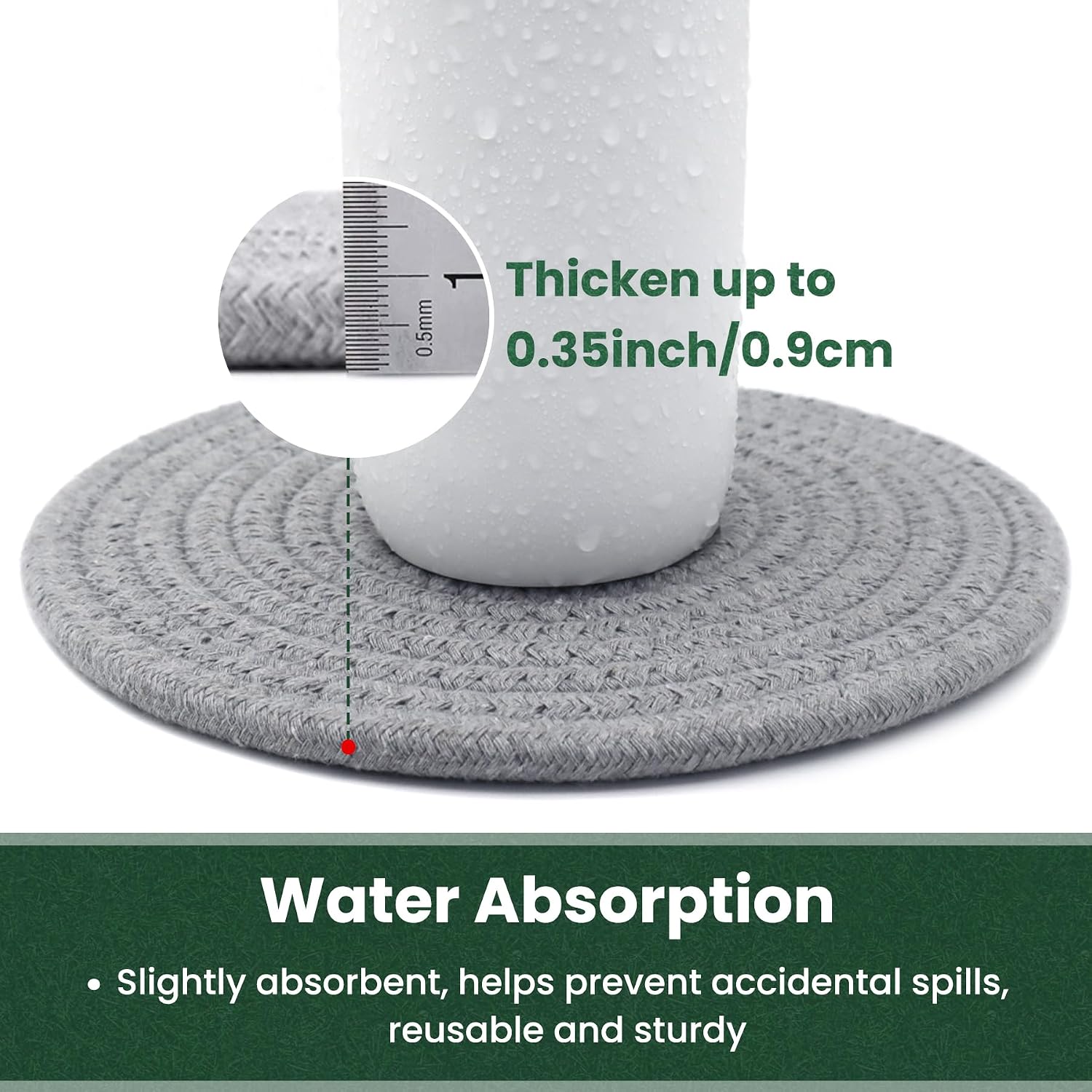
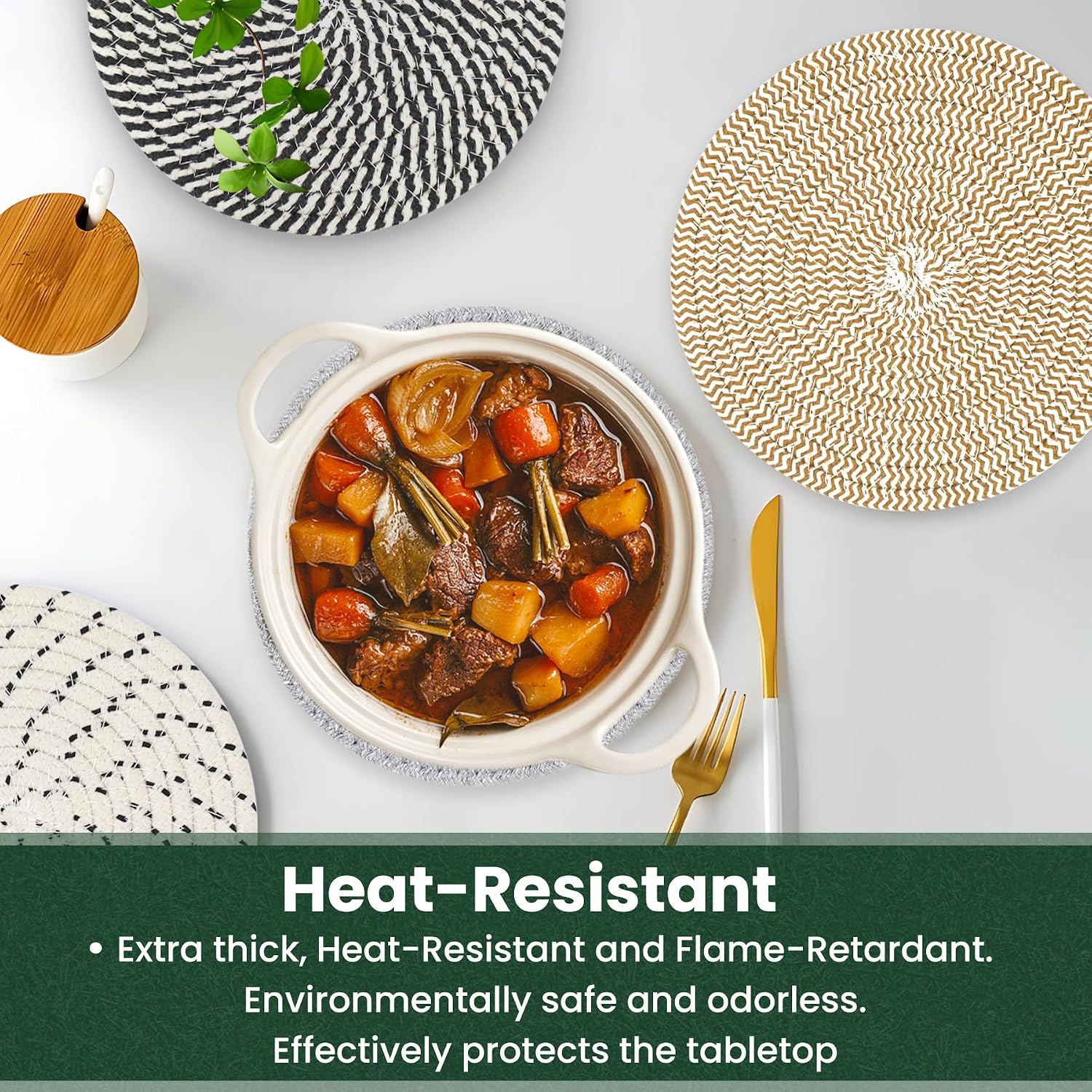
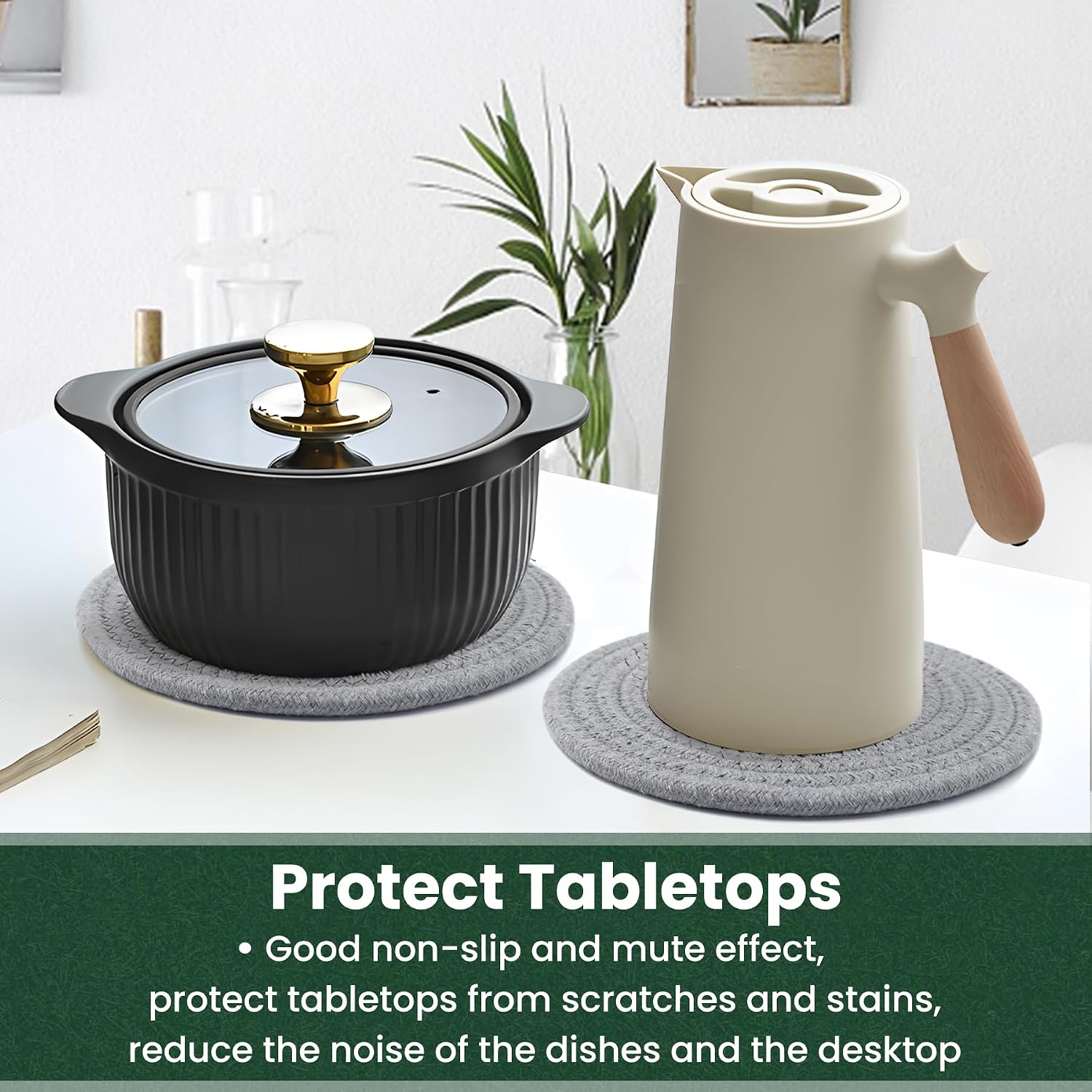
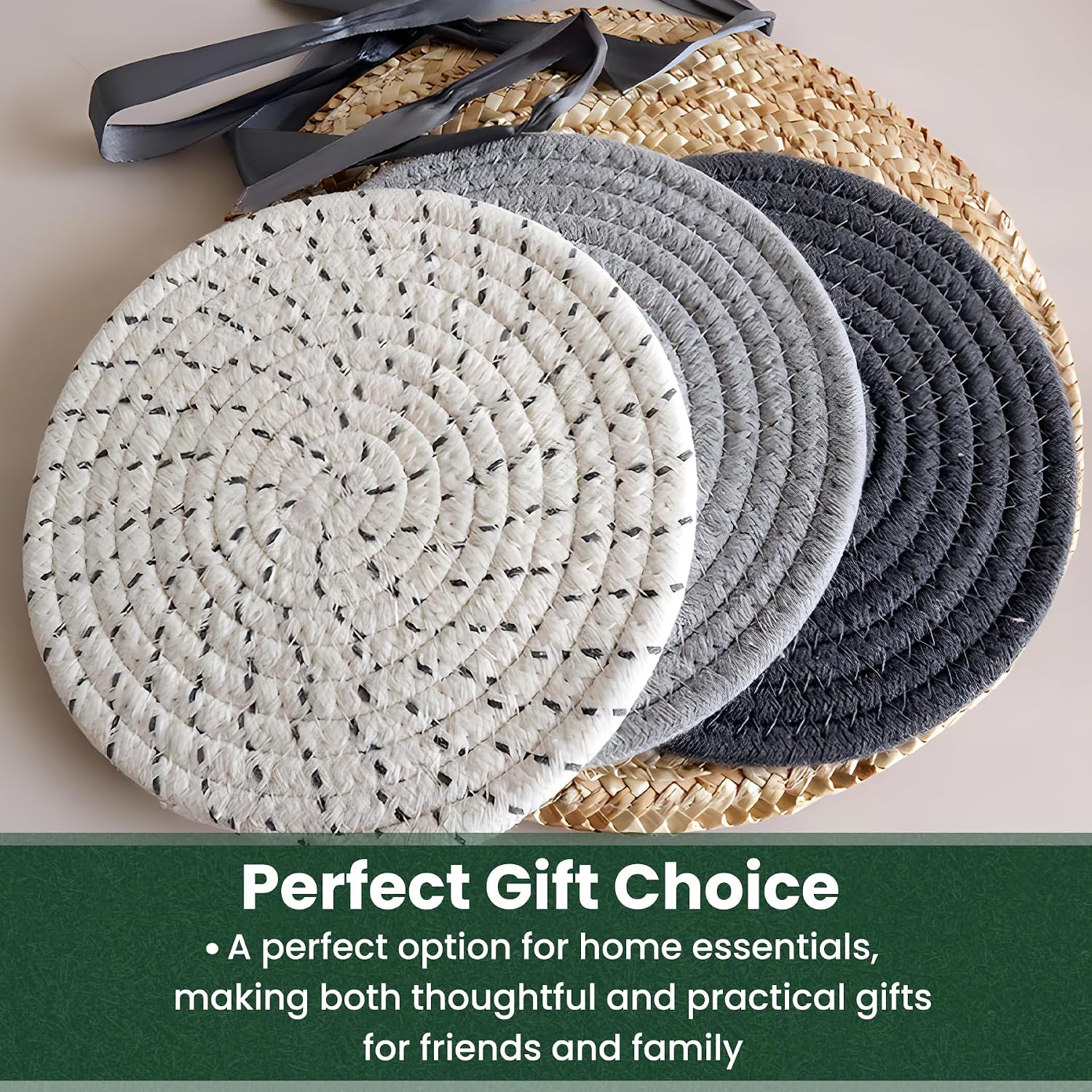
Decoding the Dilemma of 8 Inch Trivets for Hot Dishes: What Really Keeps Your Surfaces Safe?
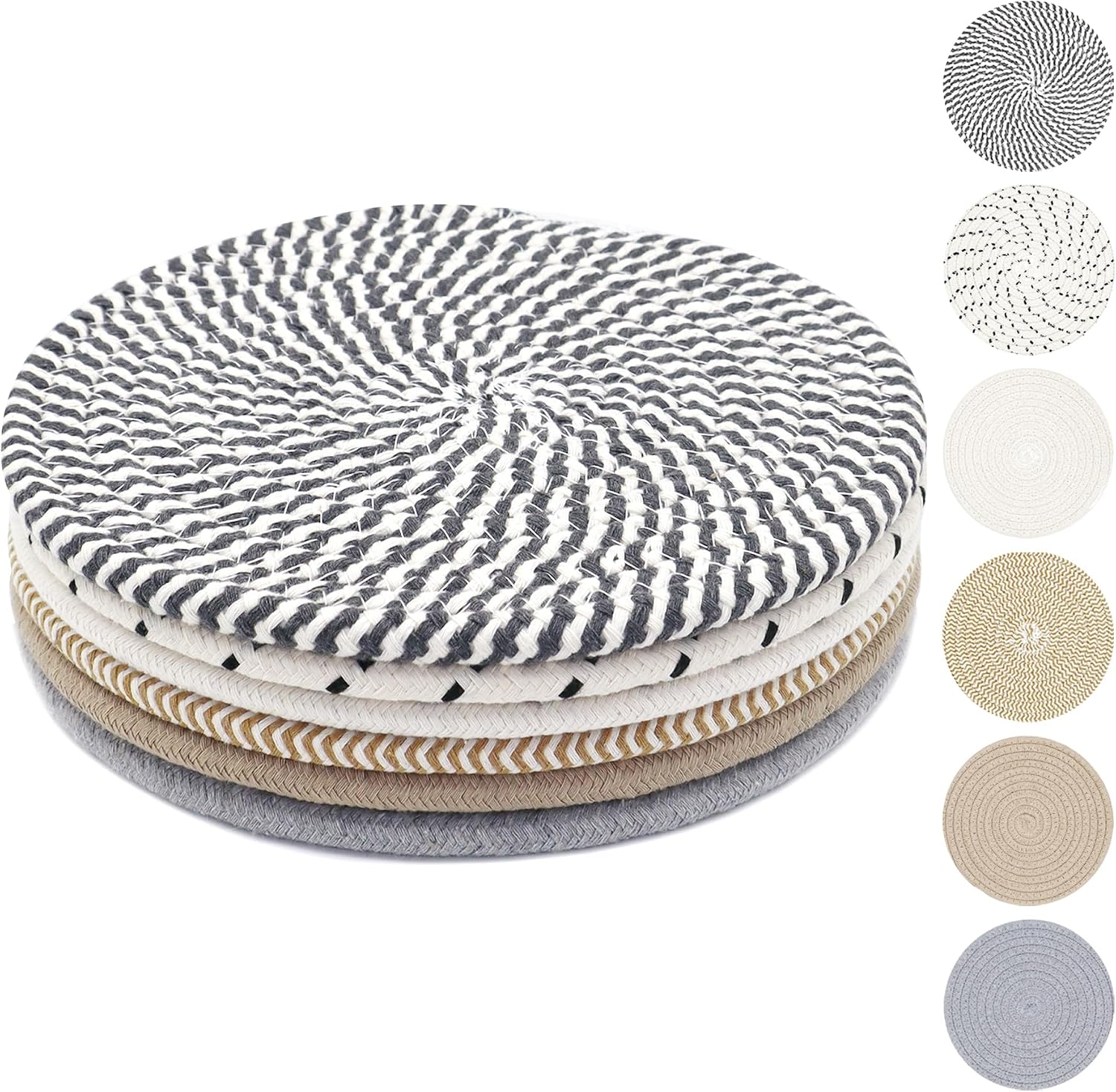
This guide cuts through the clutter surrounding trivets – specifically the popular 8-inch varieties – to help you figure out what truly matters for safeguarding your countertops and tables. We’re looking at thick heat resistant options, exploring their role as hot pads and large coasters for kitchen use, and how they fit into your everyday cooking life and even as kitchen decor. If you’ve ever winced watching a hot pan approach your polished dining table, this one’s for you.
Quick Answer
For most households, a set of versatile, thick heat resistant trivets, ideally around 8 inches, offers the best balance of protection and utility. Look for materials that suit your specific surface types and cleaning preferences, prioritizing genuine heat resistance over mere aesthetic appeal. Don’t skimp on quality; a cheap trivet isn’t worth a ruined countertop.
What to Look For (The Buying Criteria)
Navigating the world of kitchen essentials can feel surprisingly complicated, even for something as straightforward as a trivet. But a few key factors truly separate the contenders from the pretenders when you’re trying to keep hot pots and pans from marring your surfaces. It’s not just about grabbing the first thing you see. Oh no.
Material Matters, Big Time
Let’s talk about what these things are actually made of, because that’s where the rubber meets the road – or, more accurately, where the scorching hot pan meets the protective layer. You’ll mostly see silicone, cork, wood, and cast iron. Each has its quirks. Silicone trivets are often lauded for their flexibility and extreme heat resistance. They’re usually non-slip, which is a huge bonus when you’ve got a heavy, steaming pot of stew. Plus, cleaning them is usually a breeze; a quick wipe or a trip through the dishwasher often does the trick. However, some folks find their modern, utilitarian look doesn’t quite mesh with their rustic kitchen aesthetic. That’s a real trade-off, isn’t it?
Then you’ve got cork trivets. These are fantastic for basic heat insulation, fairly lightweight, and generally budget-friendly. They absorb condensation well, too, doubling as a sort of large coaster for kitchen use. But they aren’t impervious to everything. Prolonged exposure to very high heat can scorch them, and they aren’t exactly waterproof. A spill might stain them permanently. Think about that messy pasta sauce night. Not ideal.
Wood trivets bring warmth and a natural feel to any table setting, making them a popular choice for kitchen decor. Hardwoods like bamboo or teak are often used due to their natural density and heat resistance. They feel substantial, they look nice. But they can be susceptible to moisture damage if not properly sealed, and they can eventually show burn marks with enough abuse. You’ll want to check if they have little feet or a raised design to allow airflow, which really ups their protective game. Without that, you’re relying solely on the wood’s thickness, which might not always be enough for those really blistering-hot sheet pans straight from the oven.
Finally, cast iron trivets. These things are robust. They’re heavy. And they’re generally incredibly effective at dissipating heat thanks to their open, elevated designs. Many have rubberized feet to prevent scratches on your table, which is a detail you absolutely cannot overlook. They are, however, often quite expensive. And if those feet wear off or get lost, you’re left with a heavy, potentially abrasive metal object sitting directly on your beautiful surfaces. Tread carefully there.
Size and Shape: It’s Not One-Size-Fits-All
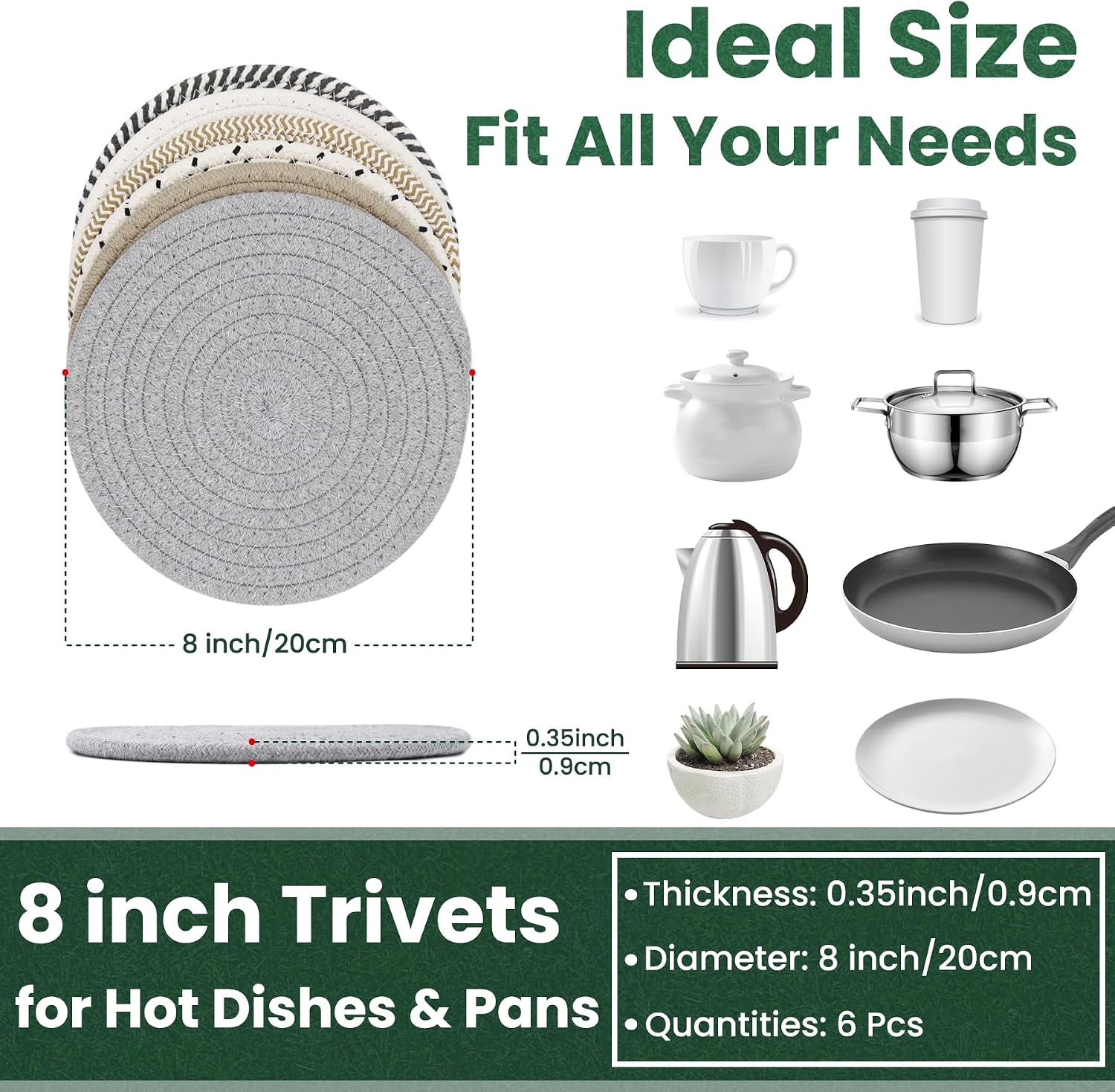
The target here is 8 inch trivets, and for good reason. That size offers a decent footprint for most common hot dishes and medium-sized hot pots. Anything smaller, and you’re playing a risky game of balance. Larger diameter pans? You might need two, or a more specialized, expandable design. Beyond the diameter, consider the shape. Round is classic, sure. But rectangular or square options can sometimes be more efficient for larger baking dishes or serving platters. Some ingenious designs even interlock or fold, giving you flexibility for various pot sizes. But beware the “universal” designs; sometimes trying to do everything means not doing anything particularly well.
Heat Resistance: The Core Mission
This is non-negotiable, right? You need thick heat resistant properties. Don’t just trust the label; look for specific material ratings if you can find them. Silicone, for instance, typically handles temperatures up to 450-500°F. Cast iron, essentially metal, can take much more, but its elevation is key. A thin trivet, no matter the material, just won’t cut it for a pan that’s been cooking at 400°F for an hour. The heat will transfer. So, a good rule of thumb? If it feels flimsy, it probably is. Your surfaces deserve better.
Stability and Surface Protection
A trivet isn’t just about heat. It’s about not scratching your table, too. And it needs to stay put. Look for features like non-slip feet on wood or cast iron models, or the inherent grip of silicone. A trivet that slides around with a slight bump is asking for trouble. Imagine a full, hot dutch oven shifting suddenly. Disaster. Some decorative ceramic options, while pretty, often lack proper padding underneath and can be surprisingly abrasive. This is where those little rubber feet become an actual lifesaver for your tabletop. Don’t overlook them.
Cleaning and Maintenance
Life happens. Spills happen. A good trivet needs to be easy to clean. Silicone generally wins here, being dishwasher safe and non-porous. Wood needs a wipe-down and shouldn’t be soaked. Cork? Treat it gently, and don’t expect miracles for serious stains. Cast iron? Wipe it clean, make sure it’s dry to prevent rust if it’s not coated, and maybe avoid abrasive cleaners. Honestly, who wants more kitchen chores? Pick something that cleans up as fast as you can make a mess.
Aesthetics and Kitchen Decor Integration
Finally, yes, looks matter. These are visible kitchen essentials. Does it blend with your existing kitchen decor? Do you want it to be a statement piece, or simply disappear into the background? Some sleek, minimalist silicone designs fit into almost any modern kitchen. Rustic wood or intricate cast iron patterns might be better suited for a farmhouse or traditional setting. The trade-off here is often between pure functionality and visual appeal. A super-functional, industrial-looking silicone mat might not be what you want on your formal dining table for a dinner party. But for everyday countertop protection? It might be just what you need.
How to Match the Product to Your Situation
Finding the right trivet isn’t about the absolute best one out there, but the one that slots neatly into your life. We all cook differently, entertain differently, and have different demands on our kitchen essentials.
The Everyday Cook & Countertop Protector
You’re in the kitchen constantly. Dinners, lunches, baking experiments – something hot is always coming off the stove or out of the oven. Your priority is reliable, no-fuss protection for your daily-use countertops. You need something that can handle frequent, high-heat exposure, cleans up fast, and perhaps offers a bit of grip. Durability is key; you don’t want to be replacing these every year.
The Entertainer & Tabletop Stylist
For you, trivets aren’t just functional; they’re part of the presentation. You host dinner parties, holiday meals, and often serve dishes directly from the pot or casserole dish at the table. While heat resistance is paramount, aesthetics play a much larger role. You want something that complements your kitchen decor and elevates the dining experience without looking out of place. Protection from scratches and spills on a nice dining table is a significant concern.
The Budget-Conscious & Minimalist Homeowner
You need effective protection without breaking the bank or cluttering your space. Simplicity and utility are your watchwords. You might not need a dozen different styles, but a solid set of versatile hot pads that get the job done efficiently is important. Easy storage, perhaps even stackable designs, would be a plus. You appreciate value and practicality above all else.
Trivet Types: A Quick Look
| Type/Tier | Best For | Price Tier | Key Feature | Watch-Out |
|---|---|---|---|---|
| Silicone Mats | Everyday high-heat cooking, easy cleanup | Budget-friendly | Superior heat resistance, non-slip, dishwasher safe | Can stain with certain foods, less formal appearance |
| Cork Squares | Light to medium heat, basic table protection | Budget-friendly | Lightweight, eco-friendly, good for condensation | Not ideal for very high heat, prone to staining/scorching |
| Wooden Boards | Aesthetic appeal, moderate heat, decor | Mid-range | Natural look, versatile as serving boards | Can warp or char over time, requires more care |
| Cast Iron Stands | Extreme heat, heavy pots, rustic decor | Premium | Robust, excellent elevation and heat dissipation | Heavy, can scratch surfaces if feet are missing/worn |
Silicone mats are your workhorses, absorbing serious heat and staying put, though a vibrant tomato sauce might leave a lasting memory. Cork squares are kind to your wallet and your surfaces for general use, but don’t expect them to save a delicate table from a roaring hot cast iron skillet. Wooden boards double as a charming presentation piece, but treat them right and oil them occasionally if you want them to last and avoid unsightly heat marks. As for cast iron stands, they’re built like tanks and offer incredible protection due to their elevated design, but you must ensure those little rubber feet are always in place to prevent table damage.
Before You Buy: Thinking Beyond the Kitchen
You’ve considered the materials and how they stack up, but let’s talk about how these 8 inch trivets actually live and breathe in your home. It’s not just about cooking.
The Outdoor & Grilling Enthusiast
Do you often entertain outdoors? Perhaps a barbecue, or a potluck on the patio? Those hot platters of grilled veggies or smoking racks of ribs need somewhere to land. Outdoor surfaces, like patio tables or picnic benches, aren’t always as delicate as your indoor dining table, but they still need protection. For this scenario, something rugged and easily washable is key. Silicone tends to shine here, shrugging off drips and splashes, but a sturdy cast iron option can also provide reliable elevation and heat dispersal for heavier items. You want something that won’t blow away in a breeze, either.
The Baker’s Best Friend
Baking brings a whole new level of heat. Sheet pans, ceramic casserole dishes, loaf pans – they often come out of the oven scorching. For the dedicated baker, trivets that can handle sustained, high-temperature items are essential. Here, thickness becomes even more critical. A thin cork pad just won’t cut it. You need genuine thick heat resistant materials. Sometimes a larger, expandable hot pad or a set of interlocking pieces proves more effective for accommodating odd-shaped baking vessels. Think about that huge lasagna straight from the oven; it demands serious surface defense.
Common Mistakes Buyers Make
Even with something as seemingly simple as trivets, folks make some head-scratching mistakes. Don’t be one of them.
- Underestimating Heat: People often assume “heat resistant” means “indestructible.” It doesn’t. A cheap, thin trivet won’t protect against a 450°F casserole dish straight from the oven for more than a few seconds. You need materials explicitly designed for high temps. This is about real thick heat resistant qualities, not just marketing fluff.
- Forgetting About Grip: A beautiful wooden trivet with no feet or a slick ceramic one is an accident waiting to happen. Hot, heavy pots shifting on a smooth surface is dangerous. Always consider the non-slip aspect, especially if you have a busy kitchen or serve meals family-style where dishes are passed around.
- Prioritizing Looks Over Function: Yes, kitchen decor matters. But a trivet’s primary job is protection. A flimsy, pretty wire design might look chic, but if it doesn’t effectively elevate or insulate, you’re just asking for heat damage. Find a balance, absolutely, but never compromise on the core purpose.
- Ignoring Cleaning Needs: Some intricate cast iron designs are gorgeous, but they can be a pain to clean if food gets stuck in the crevices. Porous materials like cork or some unsealed woods stain easily. Think about how you cook. If you’re prone to spills, ease of cleaning should be high on your list.
Why/How/What
Why are 8 inch trivets so popular for hot dishes?
Well, 8 inches provides a sweet spot. It’s large enough to safely accommodate the bases of most standard serving bowls, small-to-medium pots, and everyday dinner plates, without being so cumbersome that it takes up half your table. It balances protection with practicality, offering a substantial landing zone for hot pots and pans.
How do thick heat resistant trivets protect my surfaces?
They work primarily by creating an insulating air gap and a barrier between the hot item and your surface. The thickness prevents direct heat transfer, while some materials like cork or wood absorb a bit of that thermal energy. Elevated designs, especially in metal trivets, allow air to circulate underneath, further dissipating heat before it ever reaches your countertop. Simple physics, really.
What’s the real difference between a hot pad and a trivet?
Honestly? The terms are often used interchangeably, but generally, a hot pad suggests something more flexible, often textile-based, like a quilted fabric square that you might also use to grab a hot handle. A trivet, on the other hand, usually implies a more rigid, solid structure – wood, metal, cork – specifically designed to sit under a hot item on a surface. Both serve the same ultimate goal of surface protection, though.
FAQ
H3: Do I really need specific 8 inch trivets, or can smaller ones work?
For most hot dishes and hot pots, an 8 inch trivet offers much safer coverage than smaller options. Using a too-small trivet means parts of your pot or dish could overhang and still damage your surface. Why risk it?
H3: Can I use a fabric pot holder as a trivet for very hot items?
While a thick fabric pot holder can offer some protection, it generally doesn’t provide the same sustained heat resistance or consistent surface elevation as a dedicated trivet. For truly scorching pans, you’re better off with materials like silicone, wood, or cast iron. Don’t push your luck.
H3: How many trivets should a typical kitchen have?
For most households, having 3-4 versatile trivets, especially a set of 8 inch trivets, is a good starting point. This allows for multiple hot dishes during meal prep or serving, plus an extra one for an unexpected pot. More if you entertain frequently.
H3: Are decorative trivets effective for heat protection?
Some decorative trivets are indeed highly effective, especially those made from well-designed cast iron or thick, well-sealed wood. However, some purely aesthetic designs might lack the necessary thickness or elevation for real heat resistant protection. Always check the material and construction. Looks can be deceiving.
H3: Can I put a hot glass baking dish directly on a silicone trivet?
Yes, silicone trivets are generally safe for hot glass baking dishes. They’re designed to handle high temperatures and provide a stable, non-slip surface. Many people find them incredibly reliable for this very purpose.
H3: What’s the best way to clean my wooden trivets?
For wooden trivets, a simple wipe-down with a damp cloth is usually sufficient. Avoid soaking them in water or putting them in the dishwasher, as this can cause warping or cracking. Periodically, you might want to rub them with a food-safe mineral oil to keep the wood from drying out.
H3: Are cork trivets good for protecting against condensation rings too?
Absolutely, cork trivets are surprisingly effective at absorbing condensation from chilled bottles or glasses, doubling their utility as a large coaster for kitchen use. This makes them a versatile choice for both hot and cold items.
Final Recommendation
So, which trivets are right for you? If you’re like most people, balancing everyday cooking needs with occasional entertaining, a diverse set is your friend. Start with a core collection of thick heat resistant silicone trivets, preferably around the 8 inch mark, for daily heavy-duty use. They’re non-slip, easy to clean, and handle serious heat. These are your workhorses.
Then, consider adding a couple of wooden trivets or perhaps an elegant cast iron option for when you want to make a statement or need maximum elevation at the dining table. They elevate the meal presentation, acting as genuine kitchen decor, and offer fantastic protection for those particularly precious surfaces. Mix and match to cover all your bases – practicality for the weekdays, panache for the weekends. Your surfaces will thank you.
#Inch #Trivets #Hot #Dishes #Hot #Pots #Pans #Pcs #Thick #Heat #Resistant #Large #Coaster #Kitchen #Hot #Pads #Kitchen #Essentials #Kitchen #Decor #Table #Countertop