Decoding the Best Bamboo Cutting Boards for Kitchen Duty: A Smart Shopper’s Handbook
Navigating the dizzying array of kitchen gear can be a real headache, especially when you’re after something as fundamental as a reliable cutting board. This guide cuts through the marketing fluff, focusing specifically on bamboo cutting boards for kitchen use. We’ll explore what actually matters in a chopping board, how different models stack up, and what makes a bamboo option truly shine – or fall short. Ready to find a reversible, knife friendly, and genuinely useful chopping board for your everyday food prep? This is for you.
Quick Answer
For most home cooks, a mid-range bamboo cutting board with a deep juice groove and a reversible design offers the sweet spot between functionality, durability, and a reasonable cost. While many claim to be dishwasher safe, true longevity for a bamboo cutting board often hinges on proper hand washing and occasional oiling. Prioritize a model that feels sturdy but is still a lightweight board enough to manage, and your knives will thank you.
What to Look For (The Buying Criteria)
Choosing a cutting board isn’t rocket science, but ignoring a few key factors can lead to quick disappointment. You want something that actually helps, not hinders, your kitchen flow.
1. Material Matters: Why Bamboo (and its quirks)
When we talk bamboo cutting boards for kitchen use, we’re discussing a specific beast. Bamboo is a grass, not a tree, and that gives it some distinct advantages. It’s incredibly fast-growing and sustainable, which feels good. Construction-wise, these boards are typically made from strips of bamboo pressed together with adhesive. They’re generally harder than many hardwoods, which can be a double-edged sword: knife friendly to an extent, but some really hard bamboo can still dull softer steel blades over time. Plastic boards, on the other hand, often feel cheap and can harbor bacteria if not aggressively cleaned, plus they really chew up knife edges. Hardwood options, like maple or walnut, are beautiful and incredibly gentle on blades, but they come with a weight and price tag that bamboo often sidesteps. The big trade-off with bamboo? Moisture is its arch-nemesis, which brings us to the next point…
2. Dishwasher Safe? Let’s Get Real.
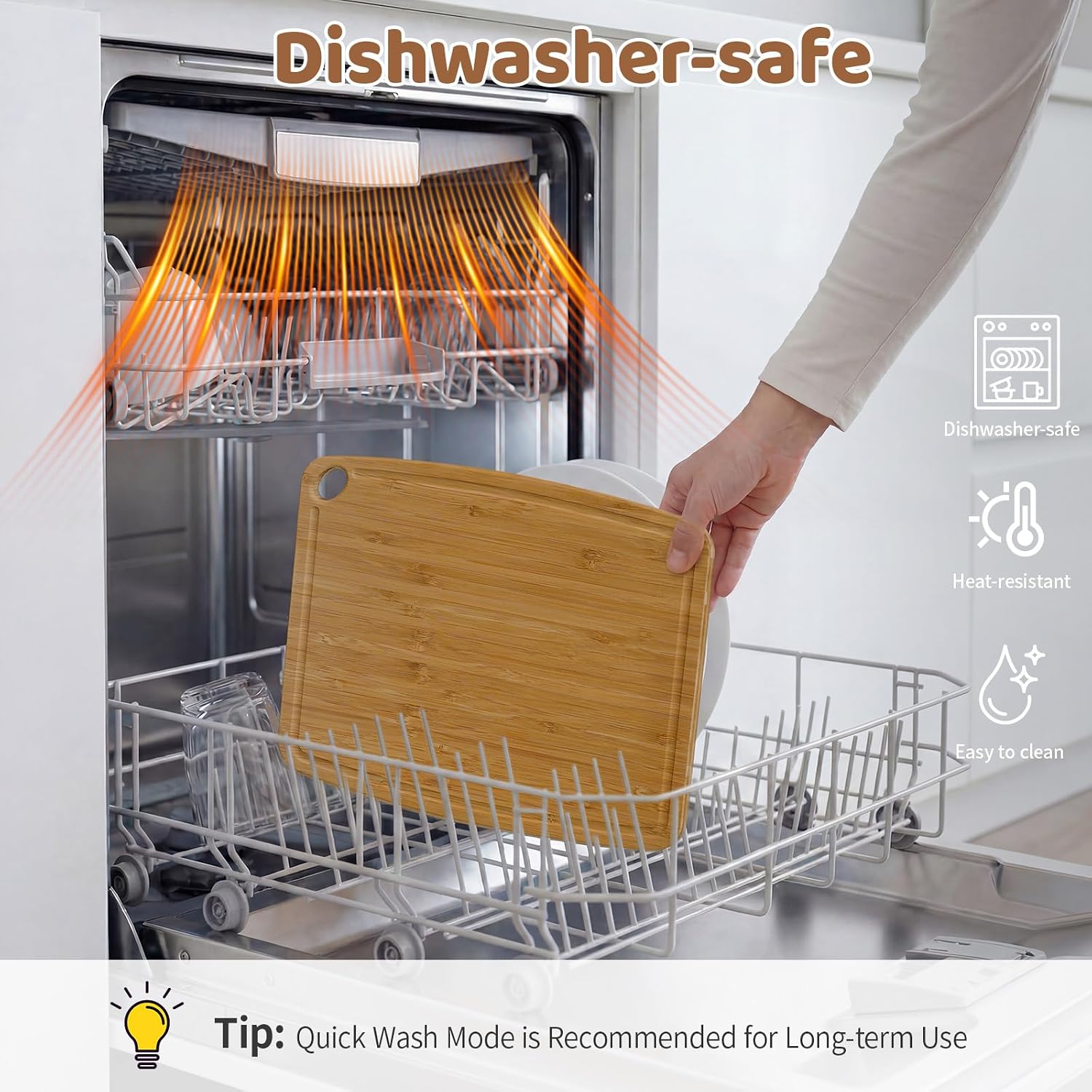
Look, the phrase “dishwasher safe chopping board” gets thrown around a lot. And it’s misleading for most bamboo and wooden boards. While some manufacturers might slap that label on, subjecting any natural wood product to the intense heat, harsh detergents, and prolonged soaking of a dishwasher cycle is typically a recipe for disaster. Expect warping, cracking, and a significantly shortened lifespan. Yes, it’s a huge convenience factor to just toss it in. But if you want your bamboo cutting board to last, treat it kindly. Hand washing with warm, soapy water and drying immediately is the way. Anything else is a gamble you usually lose.
3. Size, Thickness, and Stability: The Goldilocks Zone
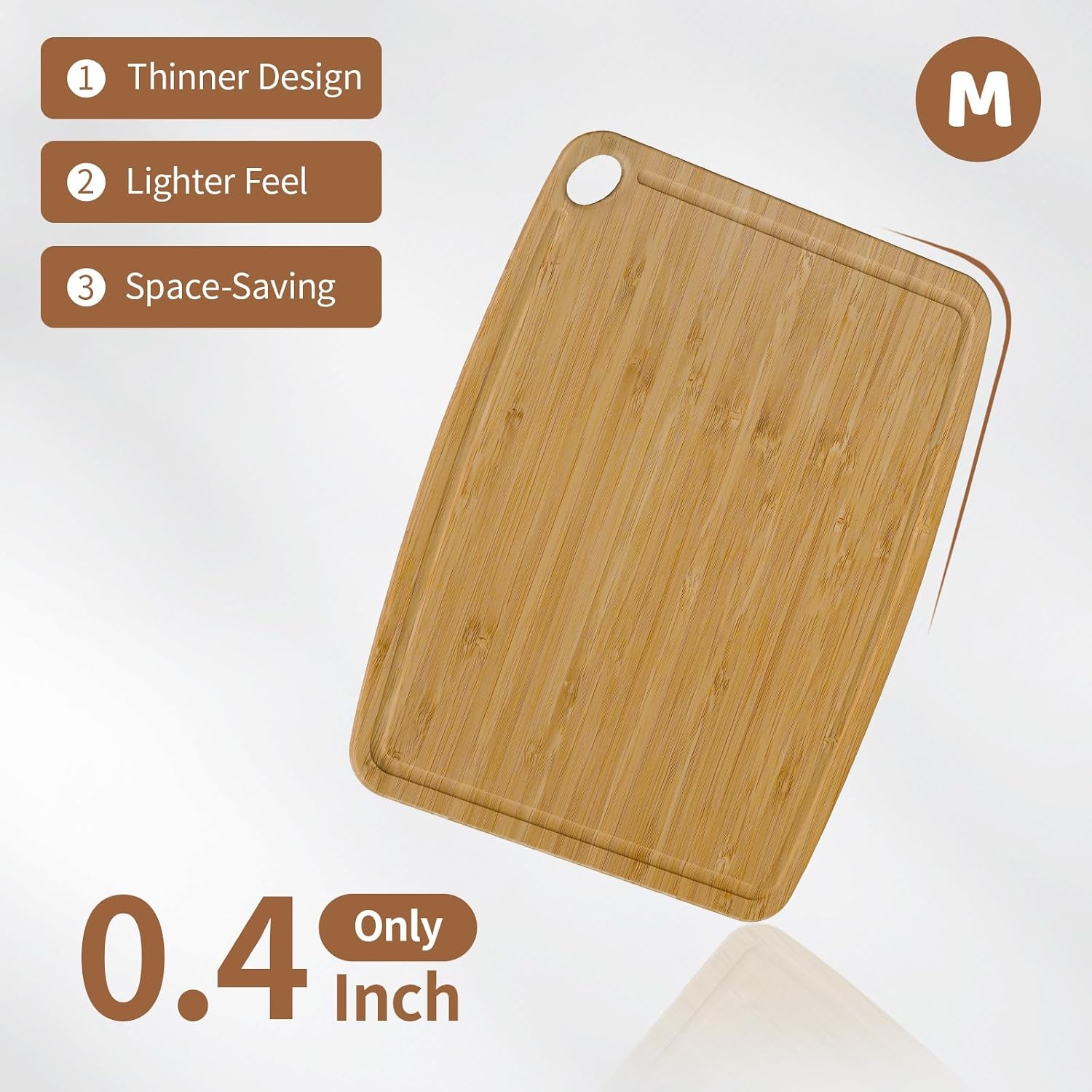
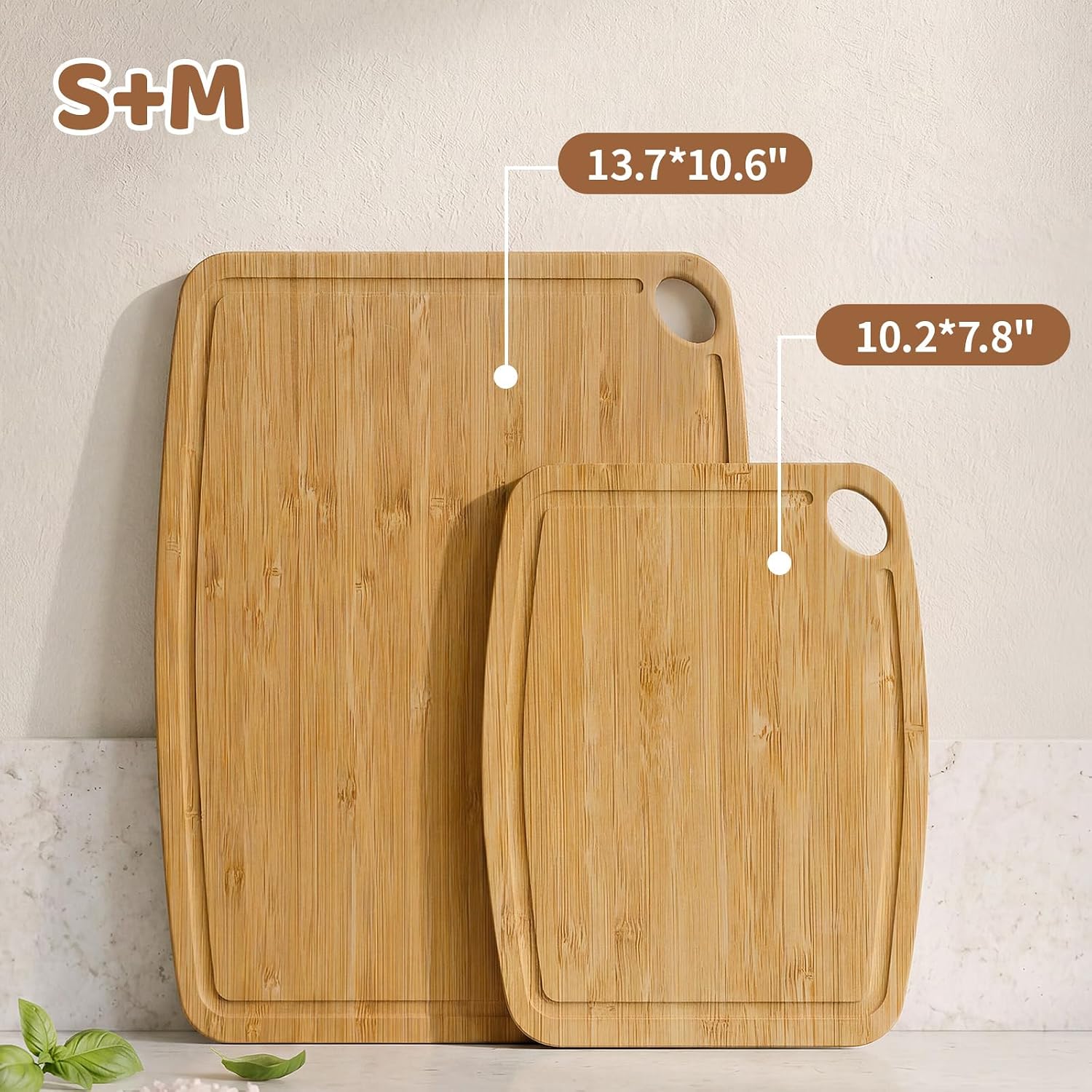
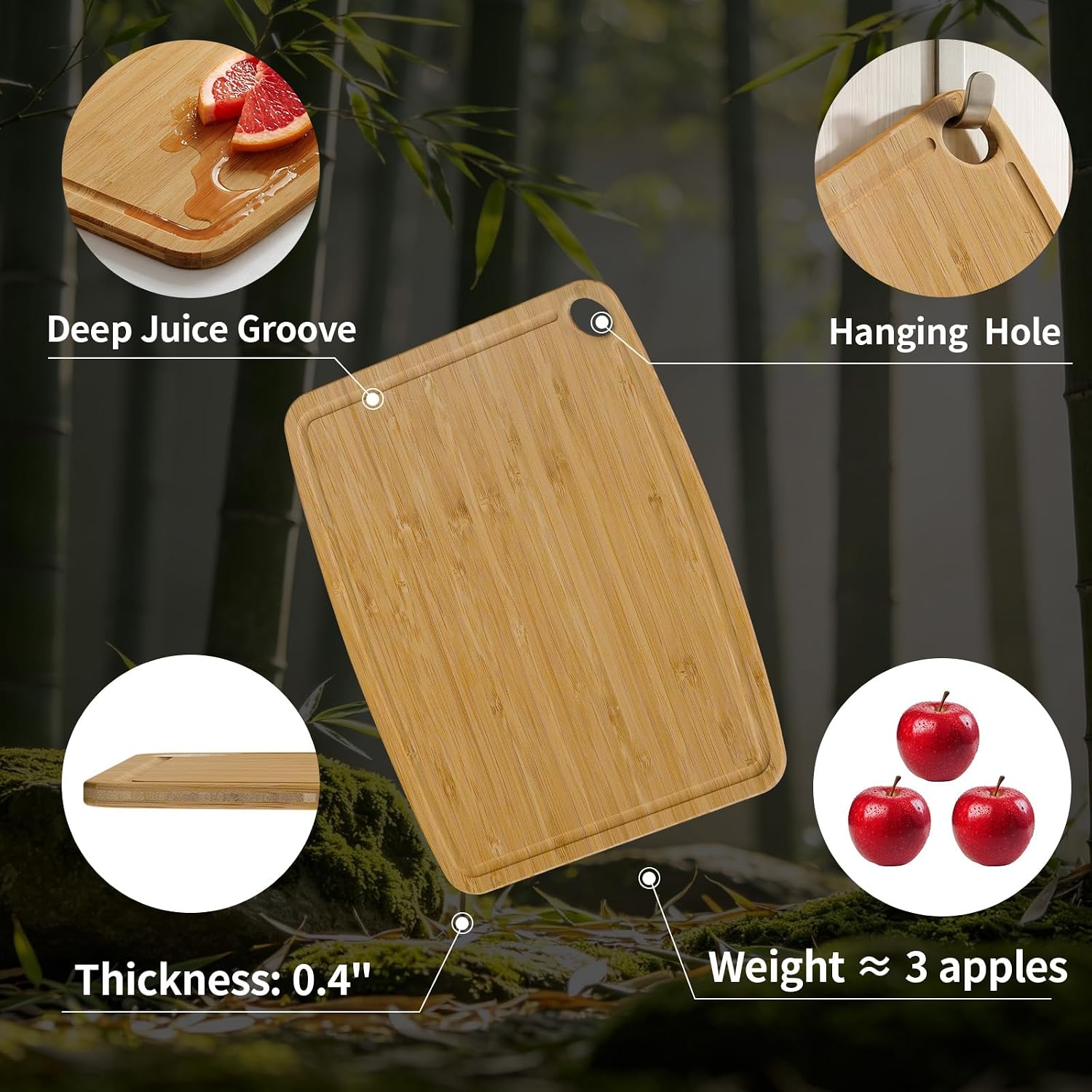
Think about your usual kitchen tasks. Are you dicing a single onion, or prepping a whole Thanksgiving turkey? A small chopping board is nimble for quick jobs and tucks away easily. A larger one offers ample real estate for substantial food prep and can double as a stunning serving platter for cheeses or sliced meats. Thickness impacts stability; a flimsy, thin board will slide around and feel precarious. You want something substantial enough to stay put, but not so heavy it’s a chore to lift and clean. A good kitchen board strikes a balance.
4. The Mighty Juice Groove and Reversible Design
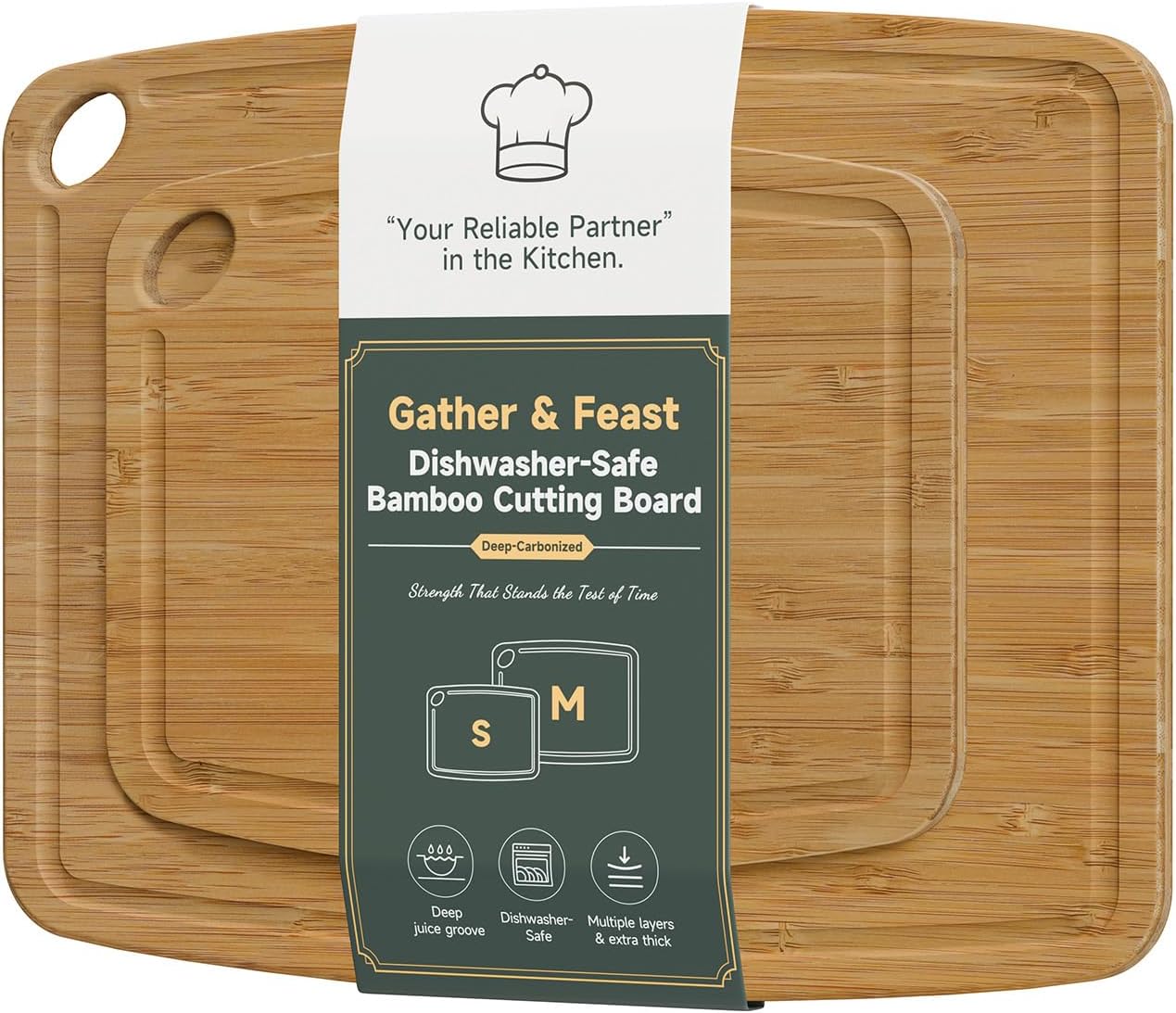
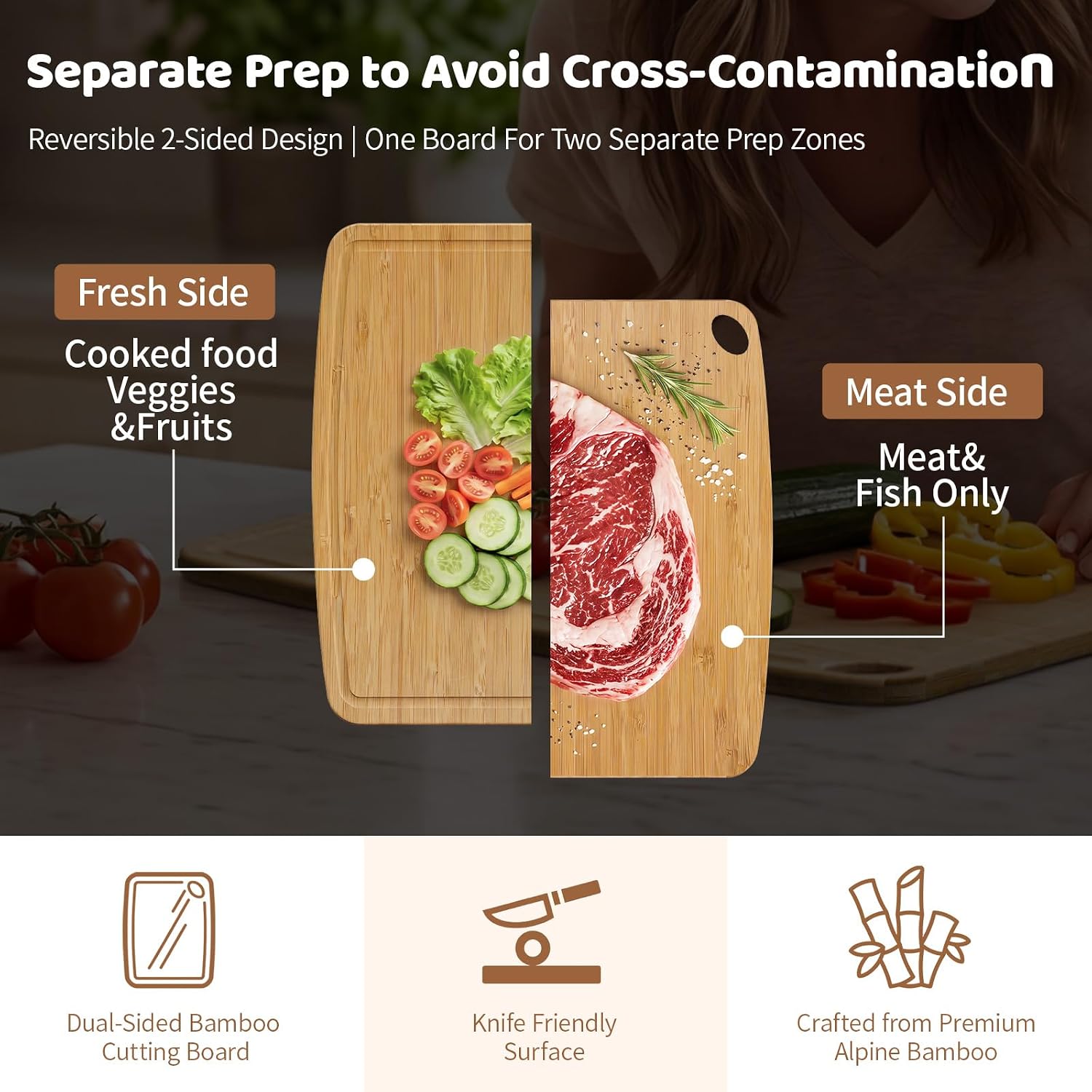
Ever cut a ripe tomato or a juicy roast only to have liquid cascade onto your counter? A deep juice groove is your friend here. It’s a simple feature, often overlooked, but invaluable for keeping your workspace clean. Not all grooves are created equal, though. Some are barely there; you need one that’s actually deep enough to hold a decent amount of liquid. And a reversible design? That’s just smart. One side can be your workhorse for raw meats and veggies (with that groove doing its job), while the other smooth side becomes your charcuterie board or presentation surface. Versatility is key, no?
5. Knife Friendliness: Protecting Your Blades
A truly knife friendly surface is one that yields slightly to your blade, protecting the delicate edge of your knives. Bamboo is generally considered a good material here, often softer than ultra-hard plastic and certainly gentler than stone or glass boards (which, by the way, are knife-killers). While not as soft as end-grain hardwood, a quality bamboo cutting board will generally keep your edges happier than a cheap plastic model. If you’ve invested in good knives, protecting their edge should be a non-negotiable.
How to Match the Product to Your Situation
Your ideal chopping board really depends on who you are in the kitchen.
The Weeknight Warrior (Busy Home Cook)
You’re not looking to spend hours on meal prep, but you need reliable tools. Convenience is a high priority. You’ll want a bamboo cutting board that’s a decent medium size, maybe around 12×18 inches, with a substantial deep juice groove. A lightweight board makes quick clean-up easier. You might gravitate towards models marketed as “easy clean,” but remember our talk about dishwashers. Hand-washing quickly, though, won’t feel like a chore with a board that’s not overly heavy. Look for a robust, simple design.
The Culinary Enthusiast (Aspiring Chef/Foodie)
You appreciate quality ingredients and the tools that help them shine. Blade longevity is important to you. A larger, thicker bamboo cutting board is probably on your radar, maybe even something that blurs the line between utility and serving platter. A truly knife friendly surface is paramount. You’re likely willing to put in a little extra effort for care, perhaps oiling your board regularly to keep it in prime condition. Aesthetics matter, especially if you’re using it as a charcuterie board for guests.
The Small Kitchen Survivor (Compact Space Dweller)
Every inch counts in your kitchen. You need a cutting board that’s multi-functional and easy to store. A smaller, yet thick and stable, bamboo cutting board is ideal. A reversible design becomes incredibly valuable here, letting one board serve multiple purposes without cluttering your precious counter space. You might even consider a two-piece set: a smaller lightweight board for everyday tasks, and a slightly larger one for more ambitious food prep or occasional serving charcuterie.
Comparison of Popular Cutting Board Types
| Type/Tier | Best For | Price Tier | Key Feature | Watch-Out |
|---|---|---|---|---|
| Basic Bamboo Board | Everyday food prep, budget-conscious |
Budget-Friendly | Sustainable material, generally knife friendly |
Can be thin, prone to warping if not cared for |
| Premium Bamboo Board | Versatile use, meal prep, aesthetic serving |
Mid-Range | Deep juice groove, reversible design, sturdy | Still needs hand washing despite “dishwasher safe” claims |
Plastic Chopping Board |
Raw meat prep, true dishwasher convenience | Budget-Friendly | Highly hygienic (if cleaned), truly dishwasher safe |
Very hard on knife edges, can look cheap and scratch easily |
Hardwood Kitchen Board |
Knife enthusiasts, heavy use, beautiful serving platter |
Premium | Ultimate knife friendly, exceptional durability | Heavy, requires diligent oiling and specific care, quite an investment |
The basic bamboo board is often a starting point; it’s decent for general chopping but can feel a bit insubstantial. The premium bamboo option, that’s where things get interesting. It’s often thicker, has that useful juice groove, and just feels more substantial for serious work. While plastic boards offer unmatched hygiene for raw poultry, they’re notorious for dulling knives quickly. Then there’s hardwood. These are the workhorses of professional kitchens and for serious home cooks who prioritize their knives above all else. They demand respect and care.
Scenario-Specific Considerations
For Heavy-Duty Meal Prep
If you’re the kind of cook who preps a week’s worth of lunches on a Sunday, or you regularly cook for a crowd, you need a substantial surface. A larger bamboo cutting board, say 15×20 inches or more, will give you the room to maneuver. It needs to be thick enough that it won’t rock or slide during vigorous chopping. That deep juice groove becomes absolutely essential when you’re working through multiple juicy ingredients – tomatoes, watermelons, cooked meats. Think about boards designed with a slightly heavier build; they won’t feel like a lightweight board in your hands, but the stability is worth it. You don’t want a board that shifts mid-chop.
When Presentation Matters (Charcuterie & Serving)
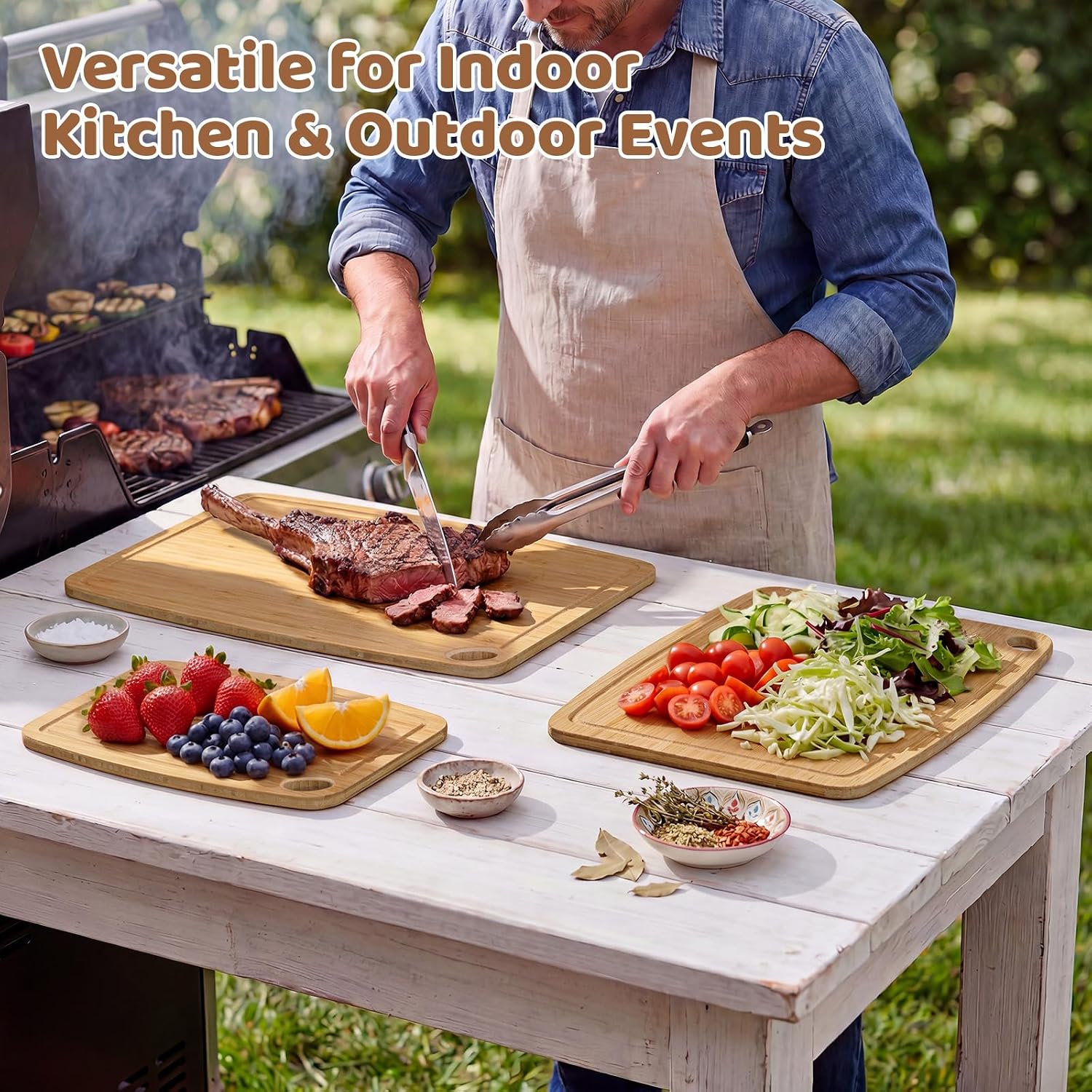
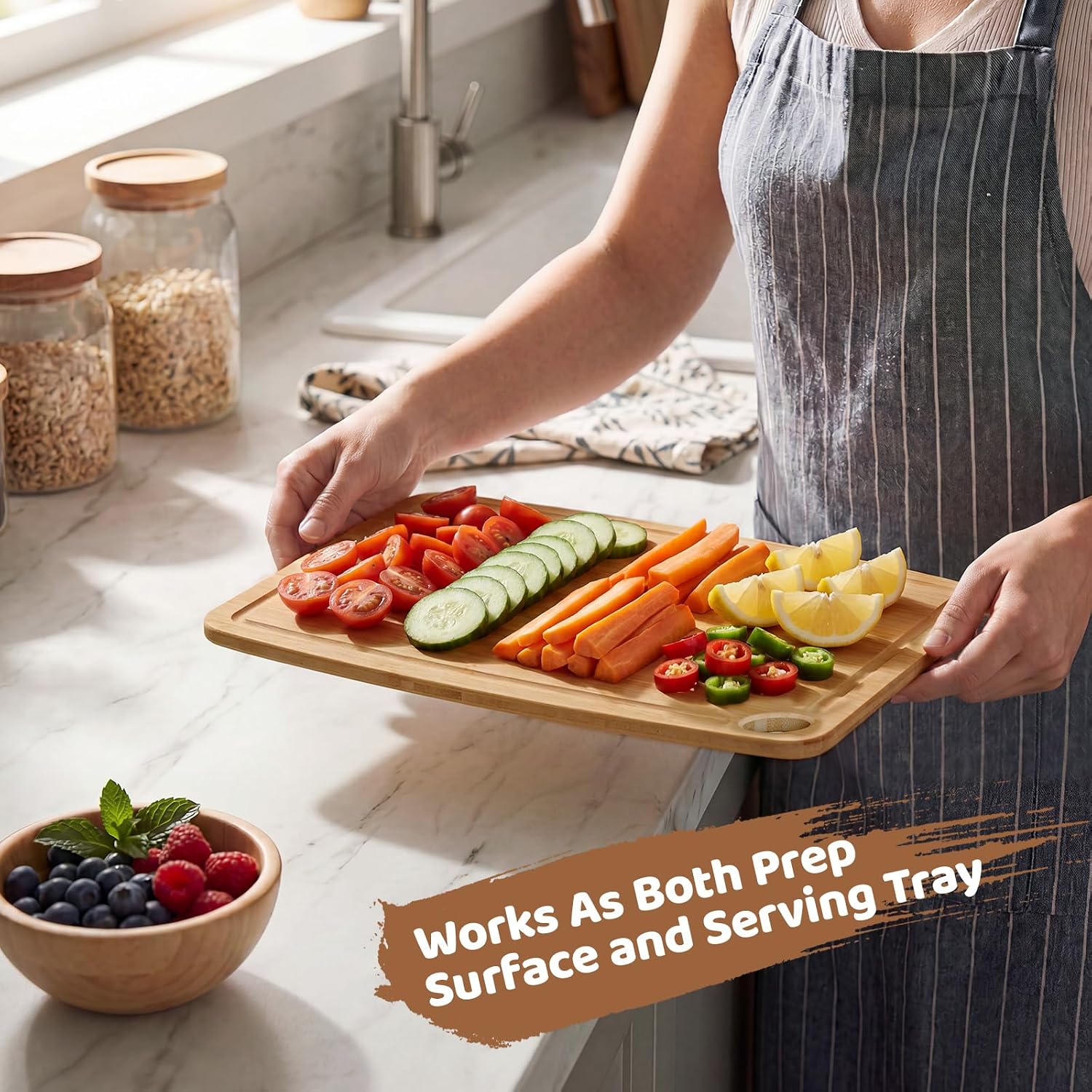
Planning a get-together? Your bamboo cutting board can pull double duty as a stunning charcuterie board. For this, aesthetics become as important as utility. Look for a board with a smooth, unmarred surface on at least one side (that reversible design comes in handy here). Some models boast different wood tones or patterns within the bamboo, which can be quite attractive. Consider boards with handles or a slightly more refined finish if you plan to move it from kitchen to table as a serving platter. A thick, well-oiled bamboo board looks sophisticated and natural, a much more appealing presentation than a scratched plastic board.
If Dishwasher Convenience Is Your Absolute Priority
Okay, so we’ve talked about the “dishwasher safe” myth for bamboo. But what if you truly, truly need a chopping board you can just toss in the dishwasher without a second thought? You’ll likely need to compromise on bamboo’s natural beauty and knife-friendliness. Your best bet here is a high-quality plastic chopping board. They’re designed for it. Just be prepared to replace them more frequently as they accumulate knife marks (which can trap bacteria) and be mindful that they’ll be far harder on your knife edges. Some modern composite boards claim dishwasher safe status for food prep and are more knife-friendly than hard plastic, but they often come at a premium price. You really have to weigh that convenience against your knife investment.
Common Mistakes to Avoid
Plenty of folks go wrong with cutting boards, often without realizing it. Don’t be one of them.
- Trusting the “Dishwasher Safe” Label Blindly: Seriously, most bamboo and wood boards are not. You put a handsome bamboo cutting board into the inferno of a dishwasher cycle and it’s a goner. Expect cracks. Expect warping. Then expect to buy another one, because you ignored the care instructions implicit in the material itself.
- Skipping the Oil Treatment: Bamboo is natural, and it dries out. Just like your skin. Regularly oiling your chopping board with food-grade mineral oil prevents cracking, keeps it looking good, and helps repel water. Ignoring this simple step shortens its life.
- Using One Board for Everything (Without Proper Sanitation): This is a huge food safety no-no. Cutting raw chicken, then rinsing and chopping vegetables on the same surface without thoroughly sanitizing in between? Cross-contamination waiting to happen. Consider having a dedicated board for raw meats, or at least use the reversible design with clear delineation, and always clean properly.
- Buying Too Small: It’s a common rookie error. You think a small board is cute and saves space. Then you try to chop a whole head of cabbage, and bits are flying everywhere. Your
food prepbecomes a chaotic mess. Size up! A slightly larger kitchen board makes a world of difference in usability.
Why/How/What Mini-Section
Why choose a bamboo cutting board over other materials?
Bamboo offers a unique blend of benefits. It’s an eco-conscious choice due to its rapid growth, generally kinder to knife edges than hard plastic or glass, and often more affordable than premium hardwoods. Plus, a well-made bamboo cutting board brings a natural, warm aesthetic to your kitchen, making it versatile enough for daily chopping and even serving charcuterie.
How do you properly clean and maintain a bamboo chopping board?
The key to longevity for your bamboo cutting board is hand washing immediately after use with warm, soapy water. Rinse thoroughly, and then—this is crucial—dry it completely with a towel. Don’t let it air dry standing upright or flat in a puddle. Every few weeks, depending on use, rub it down with food-grade mineral oil. This keeps the wood hydrated and resilient.
What does “knife friendly” actually mean for a cutting board?
A knife friendly surface is one that allows your knife’s edge to sink ever so slightly into the material, rather than fighting against it. This protects your blade from dulling quickly, micro-chipping, or rolling. While bamboo is generally good, truly knife friendly materials have a certain “give.” It helps preserve the sharpness and integrity of your expensive cutlery.
FAQ
Q: Does a bamboo cutting board absorb odors or stains easily?
A: Like most natural wood products, bamboo can absorb strong odors and stains if not cleaned promptly. Cleaning immediately after use and regular oiling can help minimize this, creating a barrier.
Q: Can I really use a bamboo board for a charcuterie spread?
A: Absolutely! Many bamboo cutting boards have an attractive grain and a smooth surface on one side, making them ideal as a charcuterie board or a general serving platter. Just make sure it’s clean and dry.
Q: My bamboo board warped. Can I fix it?
A: Sometimes, minor warping can be slightly corrected by re-wetting and then slowly drying with pressure, or by consistently oiling the concave side. However, severe warping, often from dishwasher exposure, is usually permanent.
Q: How often should I oil my bamboo chopping board?
A: For regular use, aim to oil your bamboo cutting board at least once a month. If you use and wash it frequently, or if it starts looking dry, a quick oiling every couple of weeks can do wonders.
Q: Are all bamboo cutting boards equally durable?
A: No, not at all. Durability varies significantly based on the thickness of the board, the quality of the bamboo strips used, and the adhesive. Thicker, more solidly constructed kitchen boards tend to hold up better over time.
Final Recommendation
For the vast majority of home cooks, the mid-range bamboo cutting board is where you’ll find the most value and satisfaction. Look for a model that boasts a deep juice groove, a truly reversible design, and feels substantial without being overly heavy – somewhere in that 1.5-inch thickness range is often just right. This kind of chopping board offers plenty of space for food prep, is gentle on your knives, and looks good enough to pull double duty as a charcuterie board.
While the allure of “dishwasher safe” is strong, remember that proper hand washing and occasional oiling are key to making any natural wood board, including bamboo, last. Invest a little in care, and this versatile cutting board will serve your kitchen well for years to come.
#Bamboo #Cutting #Boards #Kitchen #Dishwasher #Safe #Chopping #Board #Reversible #Deep #Juice #Groove #Knife #Friendly #Lightweight #Board #Kitchen #Chopping #Serving #Charcuterie