The Enduring Appeal of the Cast Iron Skillet: Is the Lodge 12-Inch Worth It?
So, you’re eyeing a cast iron skillet, maybe even the widely popular Lodge Seasoned Cast Iron Skillet 12 Inches. Good choice. This guide cuts through the marketing fluff to help you figure out if this classic piece of cookware, or any cast iron for that matter, truly deserves a spot in your kitchen. We’ll unpack what makes these pans tick and where they shine brightest, making sure your hard-earned cash lands on something genuinely useful.
Quick Answer Box
For most home cooks seeking a workhorse skillet that’ll last generations, the Lodge 12-inch cast iron skillet is an exceptional value. Its pre-seasoned finish gets you cooking fast, and its robust construction handles everything from stovetop searing to campfire cooking without breaking the bank. Just be ready for its heft and a bit of learning curve on care.
What to Look For (The Buying Criteria)
Size and Weight
This is probably the first thing you’ll notice. A 12-inch cast iron skillet, like the Lodge model, is a solid middle-ground for families or anyone cooking more than a single serving. It’s versatile enough for a couple of steaks, a decent batch of cornbread, or even a small roast chicken. But here’s the kicker: cast iron is heavy. A 12-inch pan isn’t just a little weighty; it’s substantial, which can be a real pain if you have wrist issues or struggle to lift heavy pots with one hand. Smaller pans, say 8 or 10 inches, are easier to maneuver but offer less cooking surface. Bigger ones? You might need two hands. Always consider the tradeoff between ample cooking space and handling comfort.
Pre-Seasoning vs. Bare
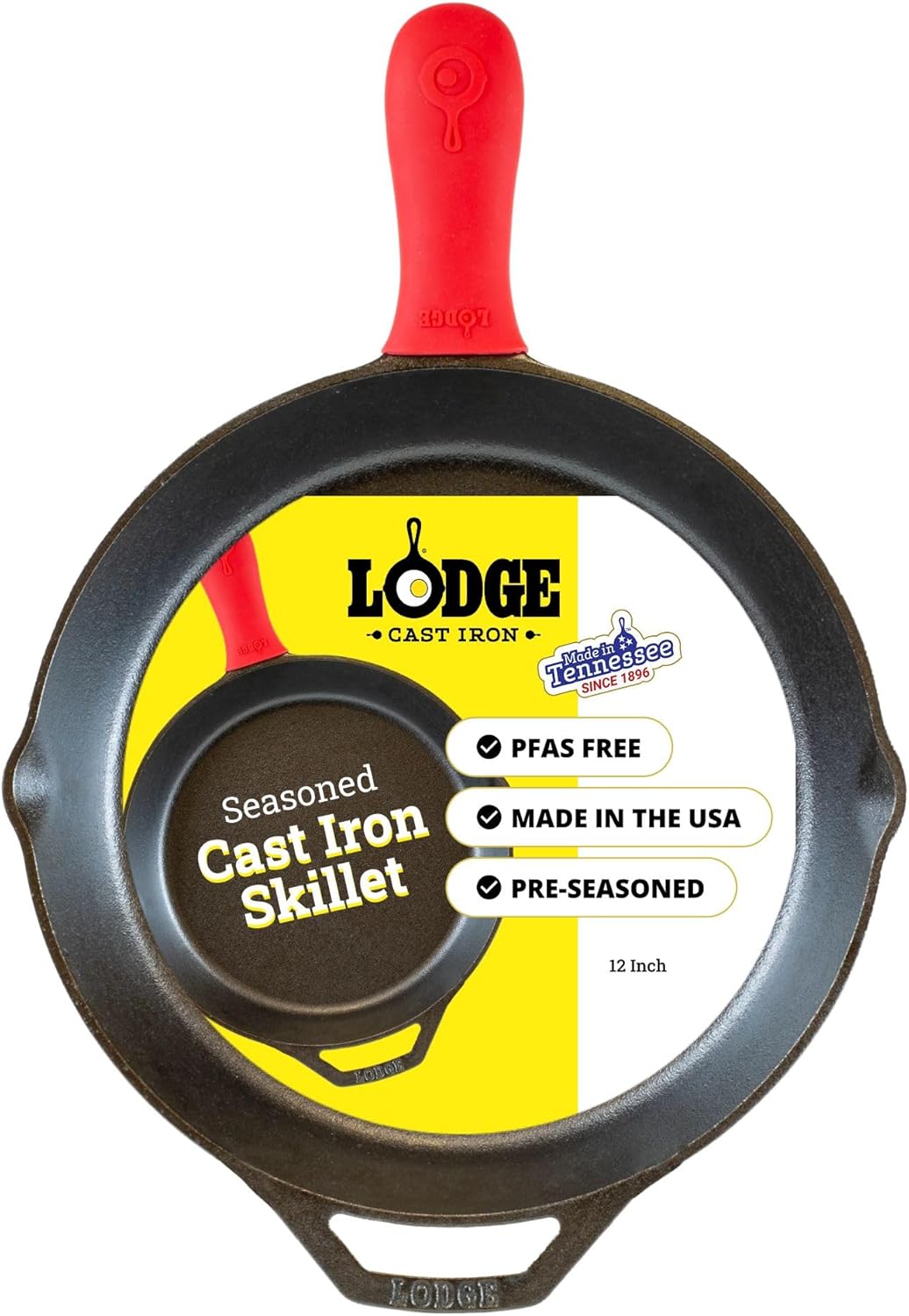
Many modern cast iron skillets, including the Lodge Seasoned Cast Iron Skillet 12 Inches, come pre-seasoned. This means they’ve been treated with a layer of baked-on oil that gives them a decent head start on their nonstick properties. It’s a huge convenience for beginners, allowing you to cook almost immediately. Older, traditional cast iron often came bare, requiring you to season it yourself before first use—a process that involves multiple layers of oil and baking, which can be time-consuming. While pre-seasoned pans are ready to go, their initial seasoning isn’t always robust; you’ll still need to build it up over time through regular use and proper care. Don’t expect a perfectly non-stick surface right out of the box like a brand new Teflon pan.
Handle Design and Ergonomics
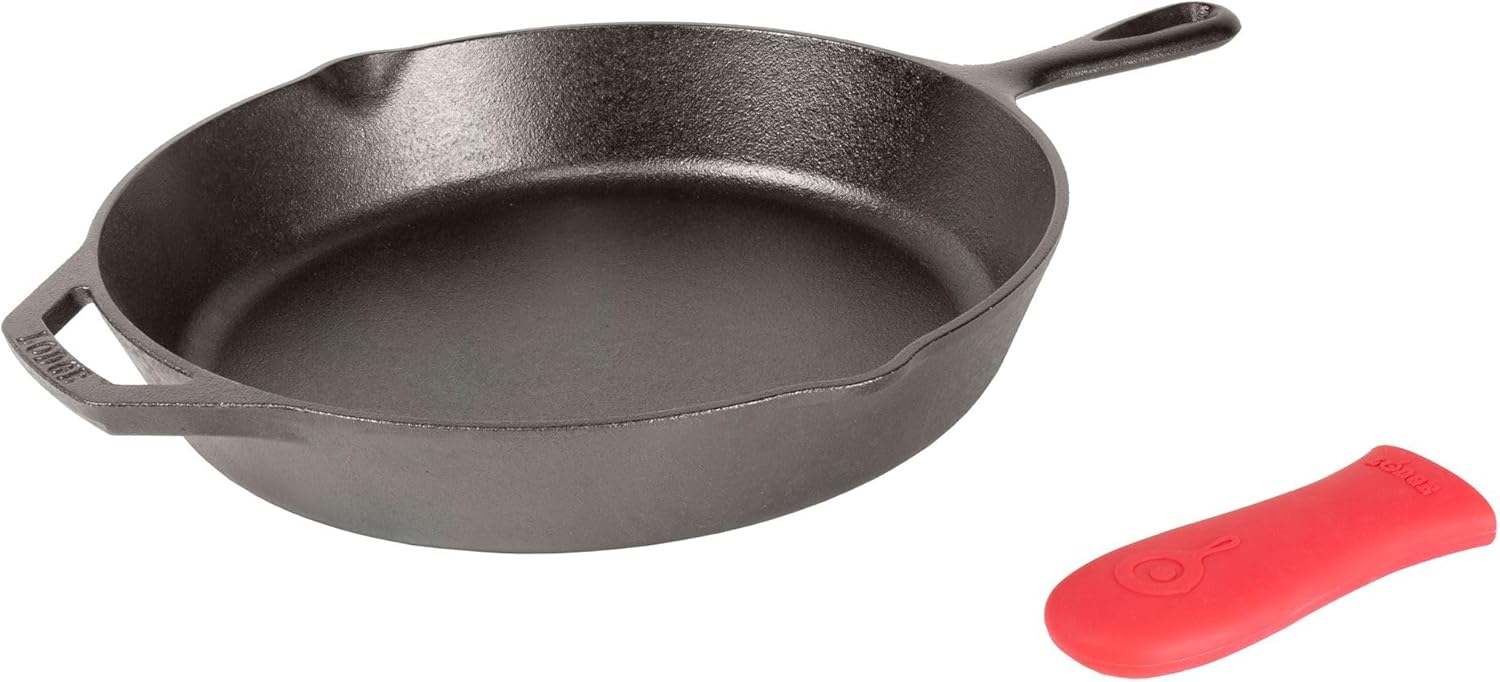
Cast iron gets hot. Seriously hot. And that heat radiates throughout the entire pan, handle and all. Traditional cast iron skillets typically have a short, solid cast iron handle. This design is incredibly durable and oven-safe, but it becomes unusable without some form of heat protection. The Lodge 12-inch skillet thoughtfully includes a silicone hot handle holder, which is a practical addition. However, those silicone covers can still get warm after extended use or if left in the oven too long. Some premium brands offer redesigned handles that are more ergonomic or even include a secondary assist handle for easier lifting, especially on larger pans. The standard Lodge design is functional, but it isn’t always the most comfortable for prolonged stirring or flipping.
Cooking Surface Smoothness
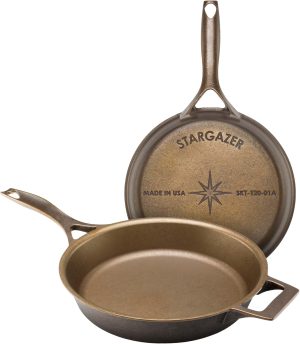
Traditional cast iron, like Lodge, often has a slightly textured cooking surface. This isn’t a flaw; it’s a characteristic of how it’s made. Some people even prefer it, believing it helps seasoning adhere better. More premium, higher-end cast iron brands sometimes feature a machined smooth surface, almost mirror-like. This smoother surface can be easier to clean and, for some, offers a truly non-stick experience sooner. But it also costs more, significantly more, for that extra finishing step. For searing and general everyday cooking, the textured surface of a Lodge is perfectly fine. It’s a matter of preference and budget.
Wall Thickness and Heat Retention
One of the main reasons people love cast iron is its incredible heat retention. It holds heat like nobody’s business, making it perfect for searing steaks, achieving that perfect crust on bread, or deep frying. Thicker walls generally mean better heat retention and more even heat distribution across the pan, though they also contribute to the weight. Most standard cast iron skillets, including the Lodge, have a consistent thickness that provides reliable performance. You might find some thinner, lighter cast iron options out there, but they often sacrifice a bit of that legendary heat stability. A thinner pan will heat up faster, sure, but it’ll also lose heat quicker when you add cold food.
Versatility and Compatibility
The beauty of a cast iron skillet is its go-anywhere attitude. The Lodge 12-inch specifically calls out its suitability for the stove, oven, grill & campfire. This isn’t just marketing fluff; it’s genuinely true. You can start a dish on the stovetop, transfer it to the oven to finish, or even cook over an open flame. This makes it incredibly versatile, especially if you enjoy cooking outdoors or want a pan that can truly do it all. The only real limitation is sometimes on induction cooktops, where the pan’s heavy weight and rough bottom can scratch glass surfaces if dragged. Always be careful.
How to Match the Product to Your Situation
Buying a cast iron skillet isn’t a one-size-fits-all deal. Your cooking habits, your kitchen setup, and even your patience level play a big part in finding the right fit.
- The Weekend Warrior/Newbie Cook: You’re just starting out, maybe you dabble in cooking, or you’re looking to elevate your weekend brunch game. You need something reliable, forgiving, and budget-friendly that won’t require a ton of upfront work. The Lodge Seasoned Cast Iron Skillet 12 Inches is practically tailor-made for you. It’s pre-seasoned, widely available, and durable enough to withstand a few beginner mistakes. You get all the benefits of cast iron without a steep entry cost or complicated prep. You might struggle a bit with the weight at first, but you’ll get used to it.
- The Everyday Home Chef: Cooking is a regular part of your routine. You appreciate quality tools but aren’t necessarily looking to spend a fortune. You need a pan that can handle daily use, from frying eggs to searing chicken, and that can go from stove to oven without a hitch. The Lodge 12-inch still shines here, offering solid performance day in and day out. For those who demand a bit more, perhaps a pan with a slightly smoother cooking surface for easier flipping or one with better handle ergonomics might be worth exploring, though the Lodge will certainly get the job done. The included silicone handle is a boon for frequent use.
- The Cast Iron Enthusiast/Outdoor Adventurer: You already know the magic of cast iron, maybe you have a few pieces, and you’re looking to expand your collection or replace an old favorite. You might also be someone who cooks outdoors regularly, relying on your pan for camping trips or backyard barbecues. Durability and consistent performance are paramount. The Lodge 12-inch holds its own in this category, especially for rough-and-tumble outdoor use where you don’t want to risk damaging a more expensive piece. For the enthusiast seeking specific features, like lighter weight from spun cast iron or ultra-smooth finishes for specific culinary tasks, you might look at specialty brands. But for sheer utility and ruggedness on the grill & campfire, Lodge remains a strong contender.
A Comparison of Cast Iron Skillet Tiers
Not all cast iron is created equal, though many perform a similar job. Here’s a quick rundown of what’s out there.
| Type/Tier | Best For | Price Tier | Key Feature | Watch-Out |
|---|---|---|---|---|
| Standard/Budget-Friendly Cast Iron (e.g., Lodge) | Everyday cooking, beginners, outdoor use | Budget-friendly | Durable, excellent heat retention, pre-seasoned | Can be quite heavy; initial seasoning needs building up for optimal non-stick. |
| This tier offers incredible value, providing all the core benefits of cast iron without breaking the bank. It’s tough, reliable, and practically indestructible. | ||||
| Premium/Machined Cast Iron (e.g., Finex, Smithey) | Cooks who prioritize smoother surfaces, aesthetics | Premium | Smoother, often polished cooking surface, unique design | Significantly more expensive; still heavy, requires same care as traditional cast iron. |
| These pans are often heirloom quality, with a refined finish that can make them easier to clean and contribute to a more immediate non-stick experience. | ||||
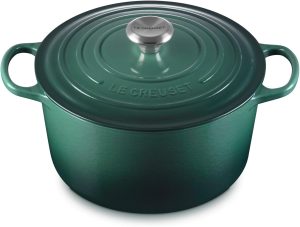
| Enameled Cast Iron (e.g., Le Creuset, Staub) | Acidic foods, slow cooking, vibrant kitchen décor | Premium | Non-reactive enamel coating, wide color range | Cannot achieve the same searing crust as bare cast iron; prone to chipping if dropped. |
| Enameled options are fantastic for braising and dishes with acidic ingredients, as they don’t react with the food, but they lack the raw searing power and robust seasoning of bare iron. | ||||
| Carbon Steel Skillets (e.g., De Buyer, Matfer) | Quick heating, lighter weight, professional kitchens | Mid-range to Premium | Lighter than cast iron, heats and cools faster | Requires more diligent seasoning from scratch; can warp if overheated too quickly. |
| While not technically cast iron, carbon steel is often compared due to similar seasoning requirements and cooking properties. It’s more responsive to temperature changes, which some chefs prefer. |
Scenario-Specific Skillet Choices
Choosing the right pan often boils down to how you’ll actually use it. The Lodge Seasoned Cast Iron Skillet 12 Inches fits a lot of bills, but let’s get specific.
For the Avid Saucemaker and Seeker of Crispy Crusts
If your culinary dreams involve perfectly seared steaks, crispy fried chicken, or skillet cornbread with that enviable golden crust, a traditional cast iron skillet is your champion. Its unparalleled heat retention means it stays hot even when you drop cold protein into it, preventing a temperature dip that leads to steaming instead of searing. This consistency is crucial. The Lodge 12-inch excels here, delivering reliable, high-heat cooking every time.
When Kitchen Storage is a Premium and Versatility is Key
Got a small kitchen? Can’t afford to clutter your cabinets with a dozen specialized pans? A single, versatile cast iron skillet becomes your best friend. The Lodge 12-inch handles pretty much everything: stovetop frying, baking in the oven, even outdoor cooking on the grill & campfire. It replaces several single-purpose pans, earning its spot in tight quarters. Its rugged durability means you won’t need to replace it, ever. One pan to rule them all.
For Those Who Prioritize Low-Maintenance and Non-Toxic Cooking
Many people are moving away from chemical non-stick coatings, and cast iron offers a fantastic alternative. Once properly seasoned, it develops a natural nonstick surface without any synthetic materials. The Lodge comes pre-seasoned, giving you a head start. While it does require a specific cleaning routine (no soap for some folks, definitely no dishwasher), it’s not particularly difficult. And for the health-conscious, knowing your pan is just iron and baked-on oil is reassuring.
Common Mistakes When Buying or Using Cast Iron Skillets
Look, cast iron isn’t rocket science, but people still trip up. Avoid these pitfalls to get the most out of your pan.
- Expecting instant non-stick magic: Just because it’s pre-seasoned doesn’t mean it’s Teflon-slick from day one. That initial seasoning is a base. You need to cook with it, especially with fats, and season it occasionally to build up a truly superb nonstick cooking surface. Patience is key. People get frustrated when eggs stick on their first try, but that’s just part of the journey.
- Not understanding heat management: Cast iron holds heat incredibly well, but it takes its sweet time to get there. Trying to blast it with high heat from the get-go often leads to scorching. You need to preheat it slowly and evenly for several minutes on medium heat. And remember, once it’s hot, it stays hot. Don’t underestimate its thermal mass.
- Using abrasive soaps or dishwashers: This is the quickest way to ruin your hard-earned seasoning. Most seasoned cast iron can be cleaned with just hot water and a stiff brush or scraper. If you must use a tiny bit of soap for a really stubborn mess, make it gentle and re-season immediately. A dishwasher? Forget about it. That’s a death sentence for your pan’s seasoning and can lead to rust.
- Neglecting to dry and oil properly: Water is cast iron’s nemesis. After washing, always dry your skillet thoroughly, either on the stovetop over low heat or with a towel. Then, apply a thin layer of cooking oil (like vegetable or grapeseed) to the entire surface, inside and out. This protects against rust and continues to build up the seasoning. Skip this step at your peril; rust spots are a tell-tale sign of neglect.
Why/How/What Cast Iron Questions
- Why does cast iron get so hot? Cast iron is dense, a truly heavy metal. This density means it absorbs a lot of thermal energy and, crucially, holds onto it for a long time. It acts like a thermal battery. This is why it’s so good for searing – the pan doesn’t lose much heat when you add cold food, ensuring a consistent, high-temperature cooking surface for that perfect crust.
- How do you re-season a cast iron skillet? Re-seasoning is simpler than it sounds. First, clean the pan thoroughly, removing any rust or old flaking seasoning. Then, apply a very thin, even layer of high smoke-point oil (like flaxseed, grapeseed, or vegetable oil) to the entire pan, inside and out. Wipe off any excess so it looks dry. Bake it upside down in a hot oven (around 450-500°F) for an hour, letting it cool completely in the oven. Repeat this process 3-4 times for a durable new layer.
- What are the key differences between cast iron and carbon steel? While both require seasoning and offer excellent high-heat cooking, carbon steel is generally lighter and heats up (and cools down) faster than cast iron. Cast iron’s thicker walls mean it retains heat for much longer, making it superior for maintaining consistent high temperatures. Carbon steel offers more responsiveness, akin to stainless steel, but with a non-stick, seasoned surface.
FAQ
What’s the deal with “pre-seasoned” Lodge skillets?
They come with an initial layer of baked-on vegetable oil, giving you a good base. It’s not a perfect non-stick surface immediately, but it lets you start cooking right away. You’ll build up a better, truly non-stick coating over time with regular use and care.
Can I really use a cast iron skillet on a campfire?
Absolutely, that’s one of its strong suits! Cast iron’s durability and ability to withstand extreme temperatures make it ideal for cooking over open flames or coals. Just remember the handle will get incredibly hot, so use the silicone hot handle holder or another heat-safe glove.
How do I stop food from sticking in my cast iron pan?
Mostly, it comes down to proper preheating and enough fat. Heat your skillet slowly to an appropriate temperature, then add oil or butter generously. Make sure your food isn’t too cold when it goes in. And always keep your seasoning well-maintained.
Is the 12-inch size the right choice for everyone?
For most home cooks, the 12-inch cast iron skillet is a versatile sweet spot. It handles family meals, bigger batches, and larger cuts of meat. If you mostly cook for one or two, or have limited storage, a 10-inch might be more manageable.
Can I cook acidic foods like tomato sauce in my cast iron?
You can, but it’s generally not recommended for prolonged cooking. The acid can strip away your seasoning and impart a metallic taste to the food. For tomato sauces and other acidic dishes, enameled cast iron or stainless steel are better choices.
What’s the main benefit of cast iron over regular non-stick pans?
The biggest benefit is durability and lack of synthetic coatings. Cast iron lasts forever and gets better with age. It also offers superior heat retention for searing and baking. Regular non-stick pans wear out quickly and often contain chemicals you might prefer to avoid.
What should I do if my cast iron skillet starts to rust?
Don’t panic! It’s usually fixable. Scrub the rust away with steel wool or a stiff brush, then wash and dry the pan thoroughly. Immediately apply a thin layer of oil and re-season it in the oven. It’ll be good as new, proof of its lasting power.
Final Recommendation
So, is the Lodge Seasoned Cast Iron Skillet 12 Inches worth it? Unequivocally, yes, for most people eyeing a traditional cast iron skillet. This pan stands out as the ultimate entry point into the cast iron world, offering unparalleled value. Its robust durability, reliable heat retention, and impressive versatility across the stove, oven, grill & campfire make it a workhorse that will genuinely last a lifetime. The included silicone hot handle holder is a thoughtful touch that enhances usability right out of the box.
If you’re a beginner or an everyday cook looking for a reliable, non-toxic cooking surface that excels at searing and baking, and you don’t mind a bit of weight and a minimal learning curve for care, then the Lodge 12-inch is an absolute no-brainer. For those who prioritize aesthetics or an ultra-smooth finish from the get-go, more premium options exist, but they come with a hefty price tag. For sheer performance, longevity, and bang-for-your-buck, the Lodge 12-inch remains a timeless kitchen essential.
#Lodge #Seasoned #Cast #Iron #Skillet #Inches #Quality #Frying #Pan #Stove #Oven #Grill #Campfire #Includes #Silicone #Hot #Handle #Holder #NonToxic #Nonstick #LongLasting