
Is the Oxford Wide Rule 1-Subject Spiral Notebook Still the Go-To for Smart Shoppers?
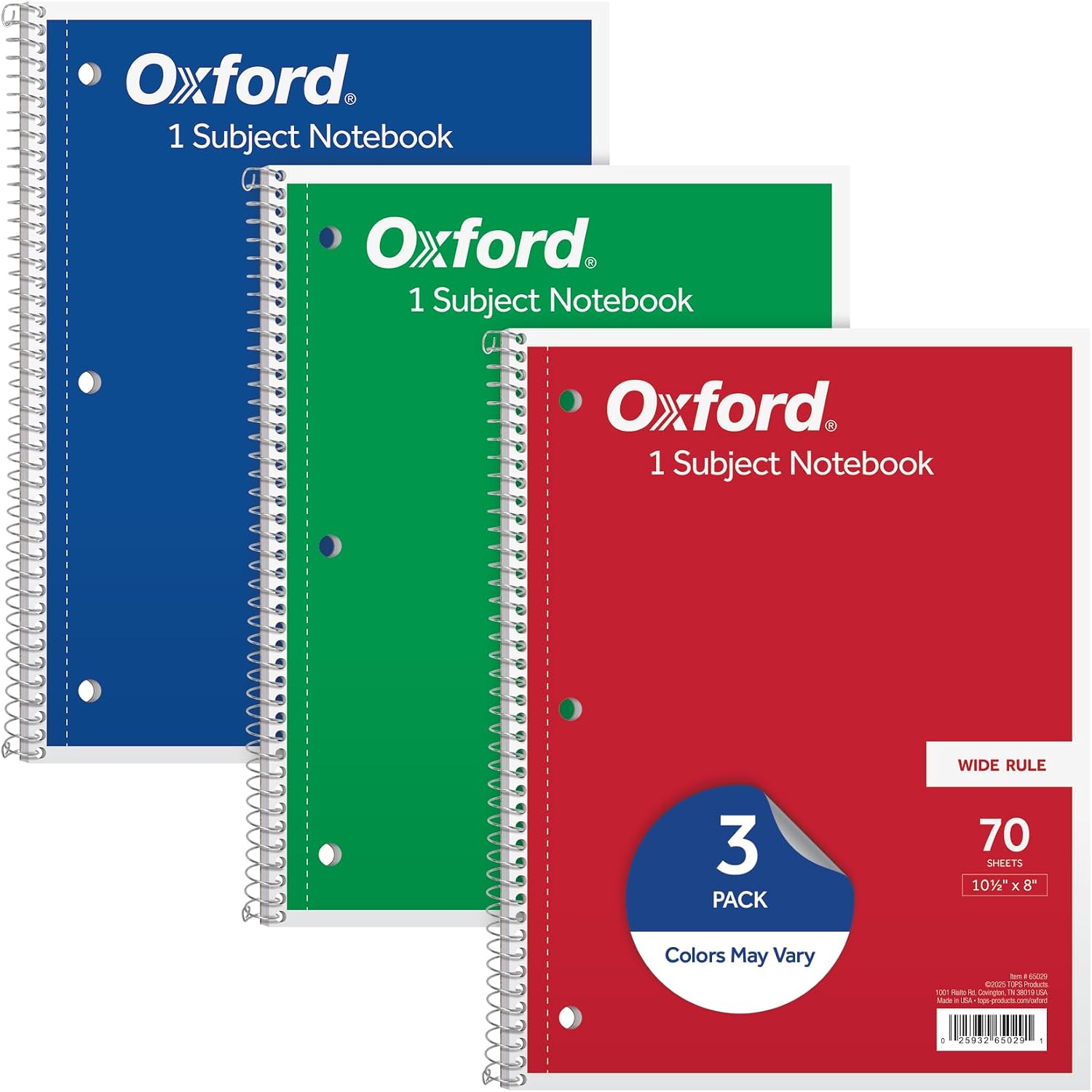
Let’s cut right to it: when you’re thinking about a basic, everyday note-taking tool, the Oxford Wide Rule 1-Subject Spiral Notebook often pops into mind. This guide isn’t here to just review a notebook; we’re diving deep into whether this classic, unassuming item truly offers the value and reliability savvy shoppers expect. We’ll unpack what makes a good notebook, look at how the Oxford stacks up against its rivals, and help you decide if it’s the right choice for your needs.
Quick Answer
The Oxford Wide Rule 1-Subject Spiral Notebook remains a solid, dependable option for everyday note-takers, especially students and those who appreciate consistent paper quality without breaking the bank. Its sturdy construction and widely available format make it a practical choice for many, though it’s not always the absolute cheapest nor the most “premium” feeling out there.
What to Look For (The Buying Criteria)
Choosing a notebook seems simple enough, doesn’t it? Grab one, jot notes. But for something so ubiquitous, there are actually a bunch of subtle factors that completely change the experience. When you’re picking out an Oxford Wide Rule 1-Subject Spiral Notebook or any competitor, keep these criteria in mind. They make a bigger difference than you might think.
1. Paper Quality: The Unsung Hero
Honestly, this is where most notebooks either shine or fail miserably. We’re talking about weight, texture, and how well it handles different writing instruments. Thinner paper, often found in the cheapest options, means more bleed-through – your pen ink showing up on the other side of the page. It’s frustrating. It makes both sides of the sheet unusable, or at least highly distracting. Worse still, some papers feel like you’re writing on sandpaper, dragging your pen and making legible notes a chore. A decent paper stock, like what you usually find in an Oxford, offers a smoother glide, less feathering, and certainly less bleed-through. It’s about being able to write confidently, without worrying if your favorite gel pen will ruin the back of the page. Still, even “good” paper has its limits; some heavy markers or fountain pen inks will challenge even the best general-purpose notebook.
2. Cover Durability and Material:
A notebook’s cover isn’t just for looks; it’s its armor. Think about tossing your notebook into a backpack with textbooks, keys, and who knows what else. A flimsy paper cover will be shredded in a week. A durable cover, typically made from a thicker cardstock or sometimes a flexible plastic, protects your valuable notes. It resists bends, tears, and spills far better. The Oxford notebooks often feature a stiff, coated paperboard cover that’s pretty robust for daily hauling. But here’s the rub: even a sturdy cover won’t stand up to everything. If you need something truly indestructible for outdoor work or really rough conditions, you might need a fully plastic or synthetic cover, which an Oxford isn’t.
3. Binding Type and Robustness:
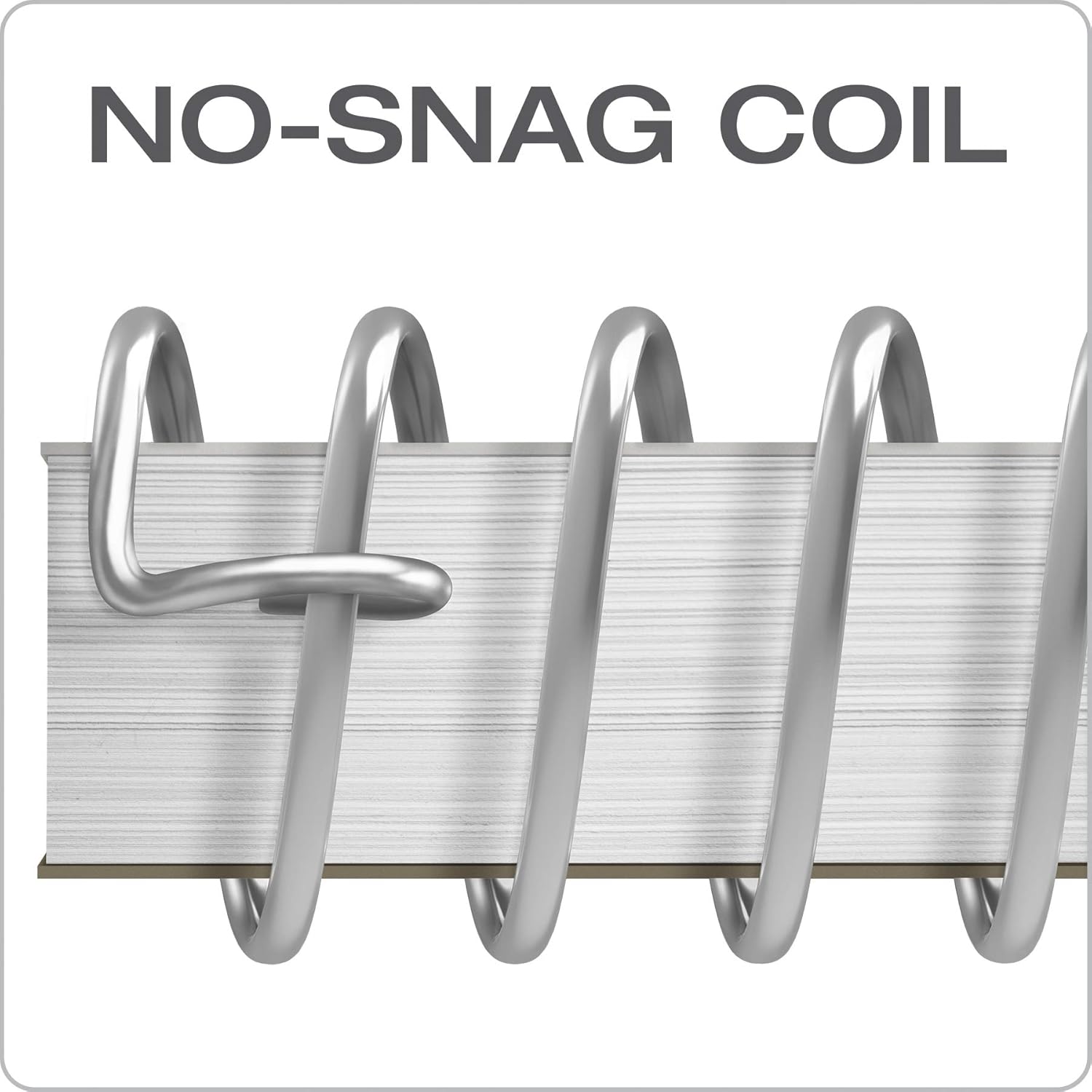
For a spiral bound notebook, the coil is everything. A cheap, flimsy spiral can easily snag, bend, or unravel, leaving you with loose pages and a mess. Look for a strong wire spiral, often double-coil, that feels substantial. The way the spiral is inserted matters too; if it’s too loose, pages flop around. If it’s too tight, turning pages is a struggle. A well-designed spiral allows the notebook to lay flat, which is a blessing for comfortable writing, especially if you’re taking notes on a cramped desk or in your lap. The Oxford’s spiral is generally well-regarded for its durability, but no spiral binding is truly immune to being crushed if you’re not careful.
4. Perforated Pages: A Small Detail, a Big Difference
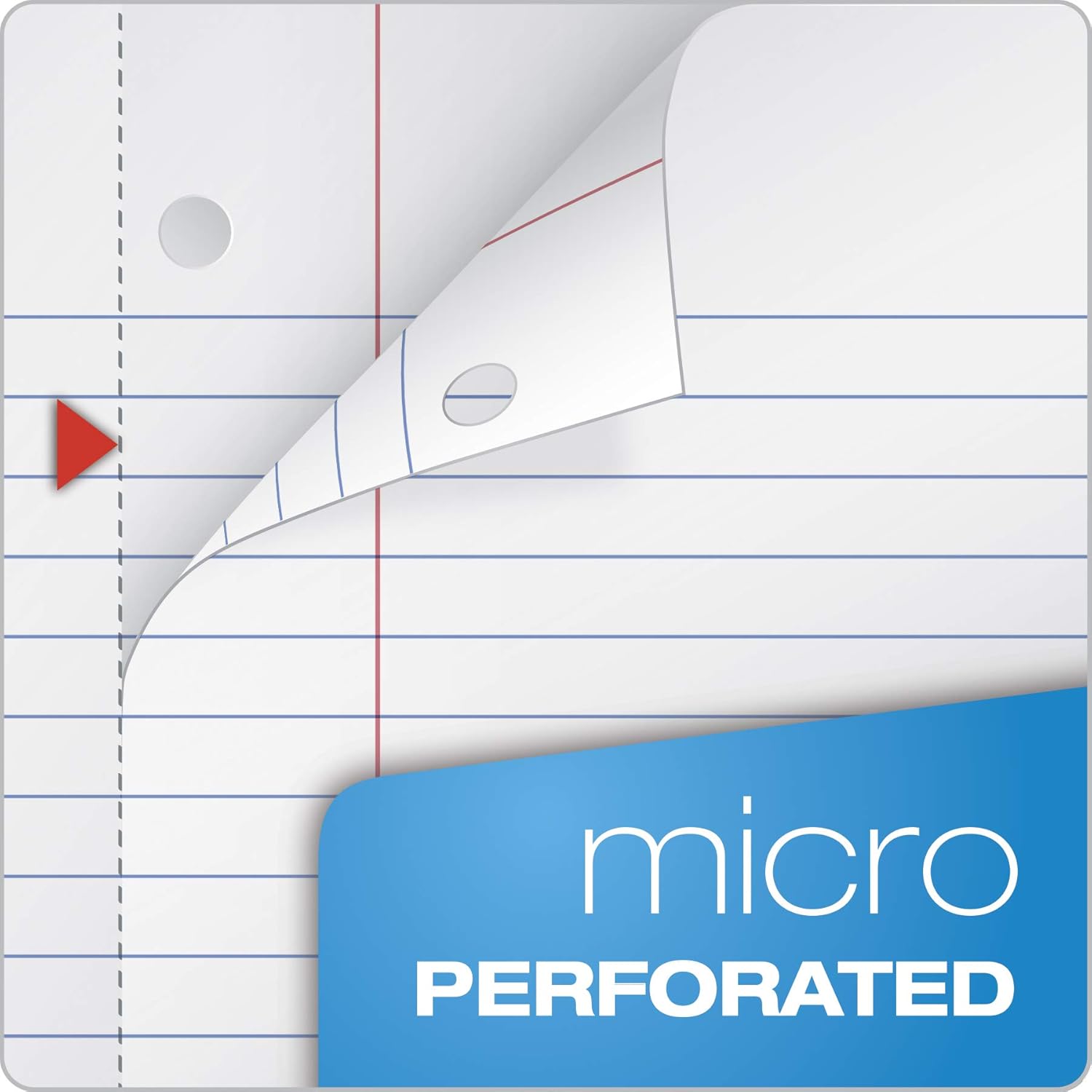
Do you ever need to tear out a page neatly? For submitting homework, sharing notes, or just tidying up your personal records? Then good perforations are a must. They should allow pages to detach cleanly and easily, without ripping into the main body of your notes or leaving jagged edges. The frustration of trying to pull out a page only to have it shred halfway down is real. Some notebooks omit perforations entirely, which is fine if you never, ever need to remove a sheet. For the rest of us, crisp, consistent perforations save a lot of grief. Oxford models usually include micro-perforations, and they generally do the job well.
5. Ruled Spacing: Wide vs. College
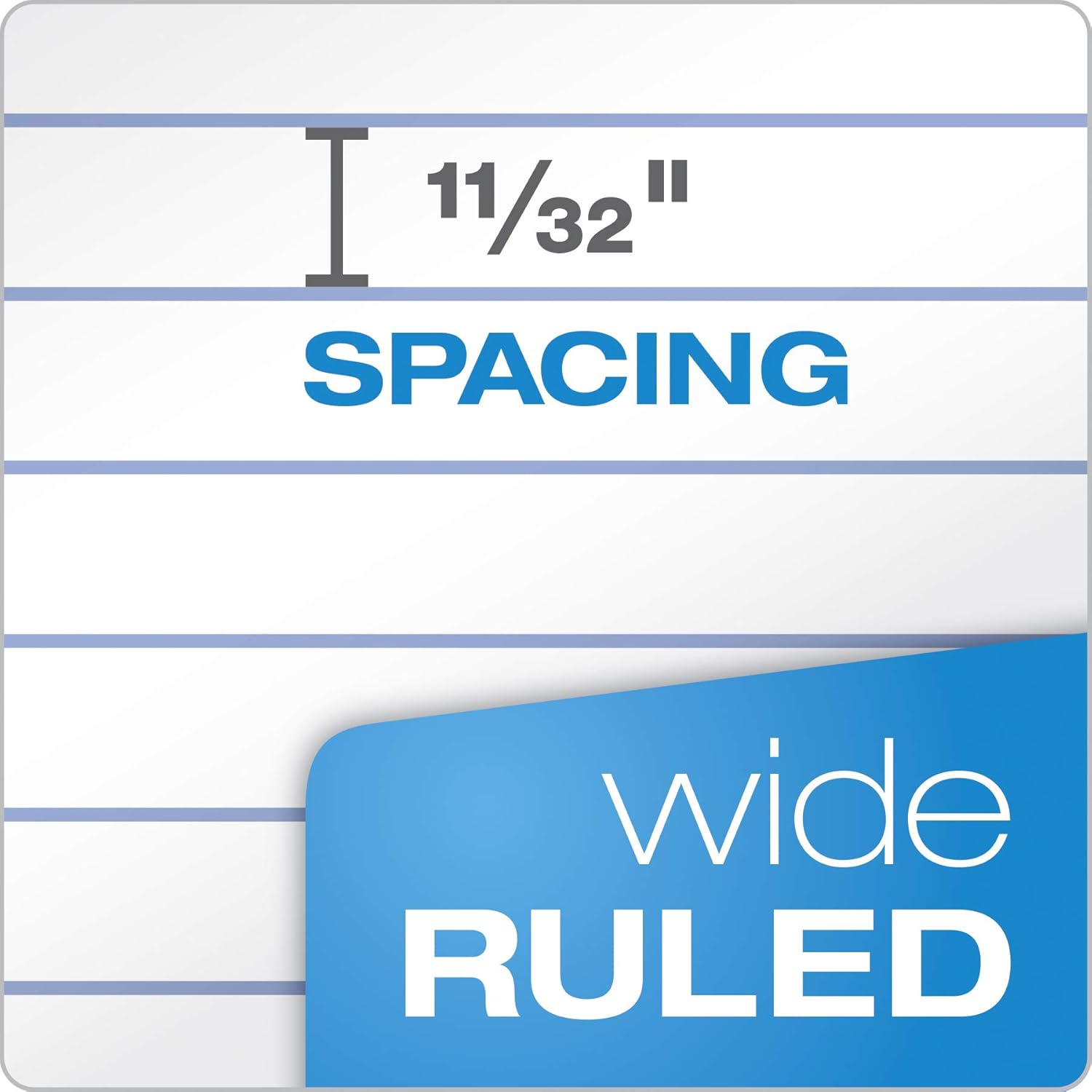
This might seem obvious, but it’s crucial. Wide rule means more space between lines, making it easier for those with larger handwriting or younger students still developing their penmanship. It’s also often preferred for casual note-taking or journaling where density isn’t the goal. College rule, conversely, has narrower spacing, letting you fit more text on each page. This is usually the choice for extensive note-taking, like in lectures or meetings, where maximizing information per page is key. The “Wide Rule” in our keyword is specific, so ensure it matches your writing style. Don’t compromise here.
6. Page Count and Extra Features:
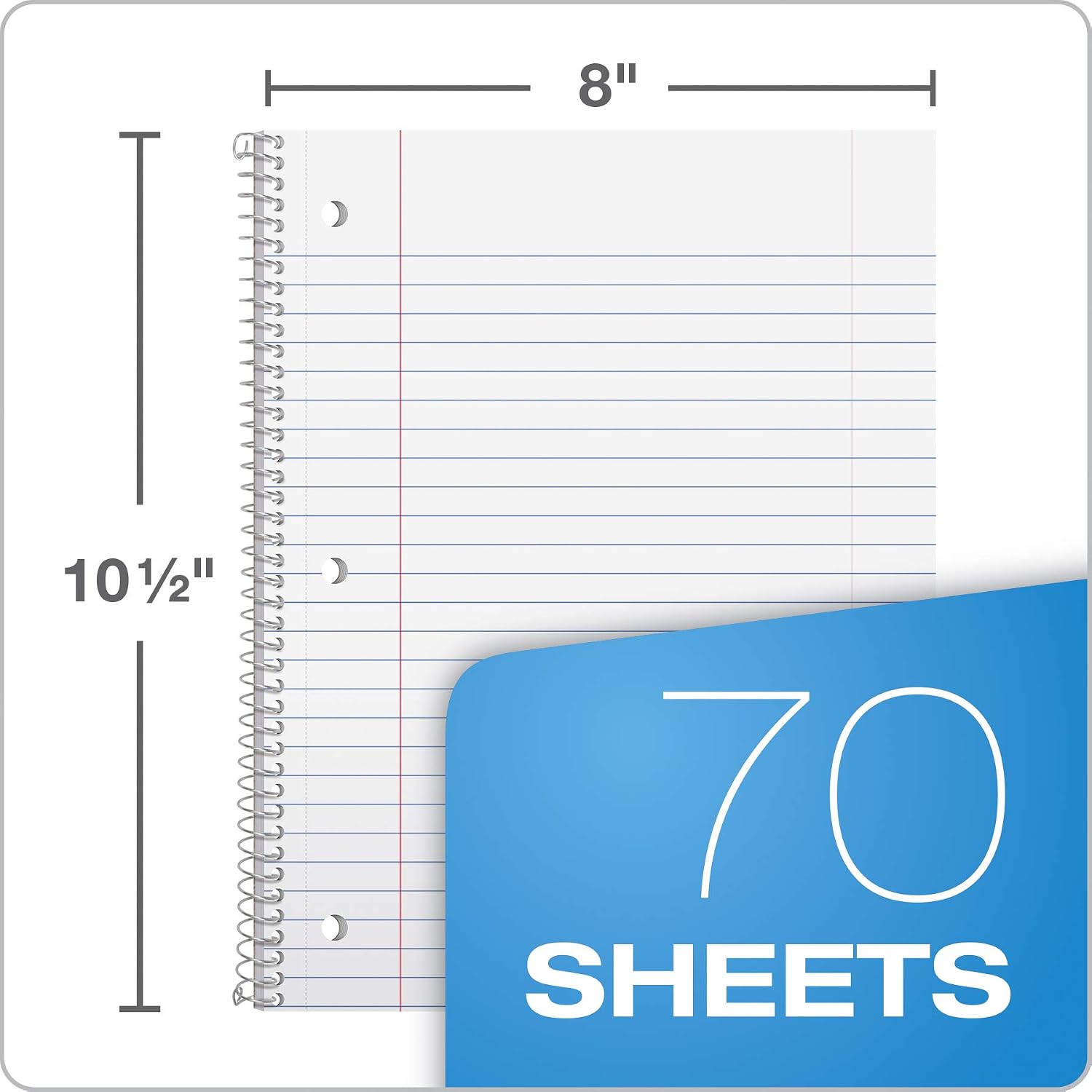
How many pages do you actually need? A thin notebook for a short project or a behemoth for a year-long course? More pages often mean a thicker, heavier notebook, so balance capacity with portability. Some notebooks also throw in extra features: internal pockets for loose papers, index pages, or even built-in dividers. These can be genuinely useful for organization, turning a simple notebook into a more comprehensive note-taking system. However, these additions also add to the cost and bulk. Decide which extras are worth it for your workflow, and which are just… clutter.
How to Match the Product to Your Situation
Finding the right Oxford Wide Rule 1-Subject Spiral Notebook (or its equivalent) isn’t about picking the fanciest one. It’s about aligning the notebook’s practicalities with your specific daily grind. Who are you, and what are you doing with it?
1. The Budget-Conscious Student:
You’re juggling classes, part-time work, and a social life, meaning every dollar counts. You need reliable tools that won’t give out halfway through the semester, but you can’t splurge on boutique stationery. For you, the Oxford Wide Rule 1-Subject Spiral Notebook is a strong contender. Its consistent paper quality handles everyday pens without too much fuss, and the binding usually holds up through backpack abuse. You’ll appreciate the wide rule for quick lecture notes or homework assignments where legibility trumps page density. The focus here is on dependable utility and cost-effectiveness for high-volume use.
2. The Professional Note-Taker/Idea Generator:
Your notebook isn’t just for school; it’s a critical tool for client meetings, project brainstorming, or daily to-do lists. You need something that looks reasonably professional, handles a variety of pens (maybe even a nice fountain pen!), and won’t fall apart if you spill your coffee near it. While an Oxford Wide Rule is perfectly functional, you might lean towards options with slightly heavier paper stock or a more robust cover. Perhaps a notebook with a dedicated pocket for business cards or loose handouts. The wide rule might be good for brainstorming, giving ideas room to breathe, but for detailed meeting minutes, you might prefer college rule. Your priority is reliability under pressure and a clean, professional presentation.
3. The Casual Journaler/Doodler:
You use your notebook for personal reflection, creative writing, or just sketching out random thoughts. Bleed-through is a pet peeve because you love using colorful markers or stickers. A flimsy cover is annoying because your journal gets toted everywhere, from coffee shops to park benches. The wide rule offers ample space for sprawling thoughts or spontaneous drawings. You might not need perforations, but a solid spiral that allows the notebook to lie completely flat is a huge plus for comfortable, immersive writing. For you, the Oxford provides a good, affordable canvas, but you might find yourself wishing for slightly thicker, more art-friendly paper or a more aesthetically pleasing cover design. The goal is personal expression and comfortable use in various settings.
A Comparative Look at Notebook Tiers
Not all notebooks are created equal, even within the same general “spiral bound” category. Here’s a quick breakdown to help you gauge where the Oxford Wide Rule 1-Subject Spiral Notebook generally sits.
| Type/Tier | Best For | Price Tier | Key Feature | Watch-Out |
|---|---|---|---|---|
| Ultra-Budget Utility | High-volume, disposable note-taking | Very budget-friendly | Sheer affordability, basic functionality | Prone to bleed-through, flimsy covers, weak spirals |
| Oxford Wide Rule Standard | Everyday student/office use, consistent quality | Mid-range | Reliable paper, durable coil, generally consistent | Not always the absolute cheapest, basic aesthetic |
| Premium Utility Notebook | Professionals, avid writers, specific ink use | Moderate to premium | Thicker paper, robust binding, often includes pockets | Higher cost, can be overkill for casual use |
| Specialty/Artisan Notebook | Journaling, creative work, fountain pen users | Premium | Exceptional paper, unique binding/covers, archival quality | Significant investment, less practical for bulk notes |
- Ultra-Budget Utility: These notebooks are often found in multi-packs for barely anything. They’re great for situations where you just need something to jot down quick notes that won’t be kept long-term. Don’t expect your pen to glide, or your notes to survive a coffee spill. Paper is thin, often feels rough.
- Oxford Wide Rule Standard: This is the workhorse. It offers a noticeable step up in paper quality and overall construction from the ultra-budget options. You get better bleed-through resistance and a binding that’s less likely to fail prematurely. It’s a sweet spot for value and performance.
- Premium Utility Notebook: Here, you’ll start seeing heavier paper, often smoother finishes, and much more robust covers – sometimes plastic or textured cardstock. These are designed to withstand more abuse and provide a superior writing experience, making them suitable for important professional notes or long-term projects.
- Specialty/Artisan Notebook: These are for enthusiasts. Think incredibly smooth, heavy paper specifically designed for fountain pens, unique cover materials like genuine leather, or lay-flat bindings that go beyond the typical spiral. They’re beautiful, durable, and a joy to write in, but they command a much higher price point.
What’s Your Notebook Scenario?
The context matters. A notebook that’s ideal for one situation might be completely wrong for another. Let’s think about where an Oxford Wide Rule 1-Subject Spiral Notebook truly shines, and where you might consider something different.
1. The Daily Grind (Heavy Classroom or Office Use):
If this notebook is going to be your constant companion, hauled between classes, crammed into a locker, or sitting precariously on a crowded desk, durability is non-negotiable. It’s not just about the spiral; it’s about the cover holding up to constant friction, the pages resisting dog-ears, and the whole thing generally looking respectable through weeks of use. An Oxford Wide Rule 1-Subject Spiral Notebook usually holds its own here. Its basic, tough design handles a lot of day-to-day abuse better than many cheaper alternatives. But be real, if you’re throwing it around, don’t expect it to look pristine by the end of term.
2. Occasional Brainstorming or Home Project Planning:
Perhaps you need a notebook for your occasional recipe ideas, garden plans, or household repair notes. It might sit mostly at home, pulled out once a week or so. Here, extreme durability isn’t the primary concern. You’ll likely prioritize a comfortable writing experience and perhaps a pocket for stashing receipts or paint swatches. The wide rule is often perfect for these uses, giving you room to sprawl out diagrams or bullet points. The Oxford serves this purpose well, providing reliable paper without being overly expensive for something that doesn’t see daily, punishing travel. It’s simple, effective, and won’t feel like an indulgence.
3. Focused Subject Notes (Like Math or Science):
When accuracy and neatness are paramount – like in a math class where equations need clear spacing or a science lab where diagrams are key – the consistent ruling of an Oxford Wide Rule is beneficial. You don’t want lines that fade in and out or are crooked. The paper needs to be sturdy enough for erasing without tearing. While some might prefer graph paper for these subjects, for general notes and calculations, a reliable wide rule provides structure. However, if you’re doing incredibly detailed work, you might crave paper that’s a touch thicker to prevent any ghosting from complex diagrams drawn with darker pens.
Common Mistakes Buyers Make
Even with something as straightforward as a notebook, people often stumble. A little foresight can save you a headache (and maybe a few bucks) down the line.
- Underestimating Paper Quality: This is a big one. Many shoppers grab the cheapest notebook, only to regret it when their ink bleeds through every page, rendering half their notebook unusable. It’s incredibly frustrating. Always consider what type of pen you typically use. If it’s anything beyond a basic ballpoint, invest a little more in better paper. An Oxford notebook generally sits above this “too thin” threshold, thankfully.
- Ignoring Binding Type and Strength: A flimsy spiral is a false economy. It’ll bend, snag, and detach pages before you’ve even used half the notebook. Reinforced binding or a sturdy double-wire construction, like those found in most quality spiral bound notebook options, is essential for anything that will see regular use or travel. Don’t compromise here.
- Forgetting Perforations (or Their Lack Thereof): Do you ever need to tear out a page? For submitting an assignment? Giving a note to a colleague? If the answer is yes, then make sure your notebook has well-designed, micro-perforated pages. Trying to rip out a non-perforated page neatly is a fool’s errand. Seriously, it never works out well.
- Misjudging Page Count: Buying a 50-page notebook for a year-long course? You’ll be buying replacements constantly, which is wasteful and annoying. Conversely, a huge 200-page notebook for a short project just adds unnecessary bulk and weight. Think about your actual usage duration and volume.
Why/How/What Mini-Section
Why choose an Oxford Wide Rule 1-Subject Spiral Notebook over a cheaper generic?
Look, the truth is, a cheaper generic might save you a dollar or two upfront. But what you often get is noticeably thinner paper that bleeds, a flimsy cover that rips the second it touches your bag, and a spiral that unravels quicker than a bad sweater. The Oxford brand, for its price point, delivers a consistent, dependable level of quality. It’s about not having to think about your notebook failing you; it simply works. That reliability is worth a little extra, I think.
How can I make my spiral bound notebook last longer?
Simple precautions go a long way. Avoid overfilling the notebook with loose papers. Don’t fold the cover back on itself completely if the spiral isn’t designed for it, as this can strain the binding. Be gentle when tossing it into bags, especially if other hard objects are in there. And for goodness sake, protect it from liquids. A plastic cover helps, sure.
What’s the real difference between wide rule and college rule?
It’s all about line spacing. Wide rule has lines further apart, typically 11/32 of an inch. College rule is tighter, at 9/32 of an inch. This means wide rule is easier to read for those with larger handwriting and generally feels less cramped. College rule lets you fit more text onto a page, which is ideal for dense note-taking. The choice is purely personal preference and often depends on how much content you need on each sheet.
FAQ
Q: Is Oxford paper prone to bleed-through with gel pens?
A: Generally, Oxford paper handles most standard gel pens pretty well without significant bleed-through, especially compared to very cheap options. However, extremely dark or wet gel inks might show some ghosting or slight bleeding, so test it if you’re particularly sensitive.
Q: How durable are the covers on these notebooks?
A: The covers are typically made from a sturdy, coated cardstock. They’re designed for everyday use and can withstand typical school or office wear and tear. They’re not indestructible, of course, but they’re considerably more robust than the thin, uncoated paper covers found on ultra-budget notebooks.
Q: Can I find Oxford Wide Rule notebooks with a pocket folder?
A: Yes, many Oxford Wide Rule 1-Subject Spiral Notebook models do include a two-sided storage pocket. It’s a handy feature for keeping loose papers, handouts, or notes organized within the notebook itself. Always check the product description if that’s a key feature for you.
Q: Are Oxford notebooks made with recycled materials?
A: It varies by specific product line. Some Oxford notebooks, including certain Wide Rule options, are manufactured with a percentage of recycled content. If environmental considerations are important, look for specific certifications or details on the product’s packaging or description.
Q: Is wide rule suitable for adult professionals, or is it just for students?
A: Absolutely suitable for adult professionals! Many find wide rule easier to read and appreciate the extra space for quick notes, brainstorming, or even just a more relaxed writing style. It really comes down to personal preference for legibility and how much content you need on a page.
Q: Do these notebooks lay flat when open?
A: Most Oxford spiral bound notebook models are designed to lay relatively flat when open, thanks to their wire binding. This is a significant advantage for comfortable writing, especially if you’re taking notes in a tight space or need to use both hands.
Final Recommendation
When it comes down to brass tacks, the Oxford Wide Rule 1-Subject Spiral Notebook is a solid, no-nonsense choice for anyone seeking reliable performance without entering the premium stationery price bracket. For the everyday student or the professional who needs a workhorse notebook that won’t flake out, it truly hits a sweet spot. Its consistent paper quality, durable spiral, and widely available format make it a dependable option for anyone needing a notebook they can count on.
If you’re constantly fighting against flimsy covers, paper that inks right through, or spirals that buckle under pressure, investing in an Oxford notebook is a smart move. It’s not the cheapest thing on the shelf, nor is it trying to be a fancy journal. What it is, though, is consistently good at its job, which for a utility item, is exactly what you want.
#Oxford #Wide #Rule #1Subject #Spiral #Notebook

Reviews
There are no reviews yet.