
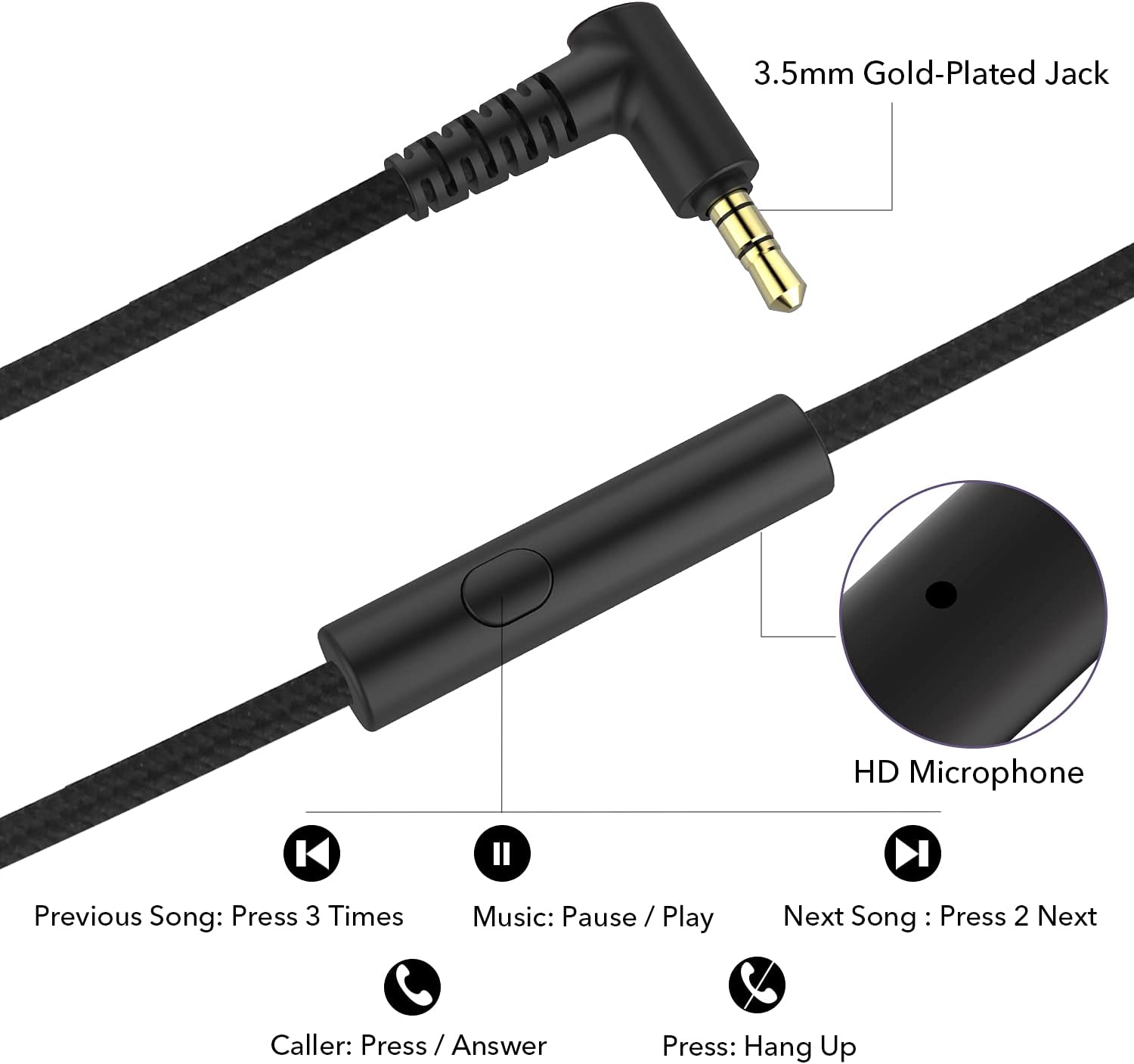

Deciphering the R10 Kids Headphones: Are These Wired Wonders Worth Your Wallet?
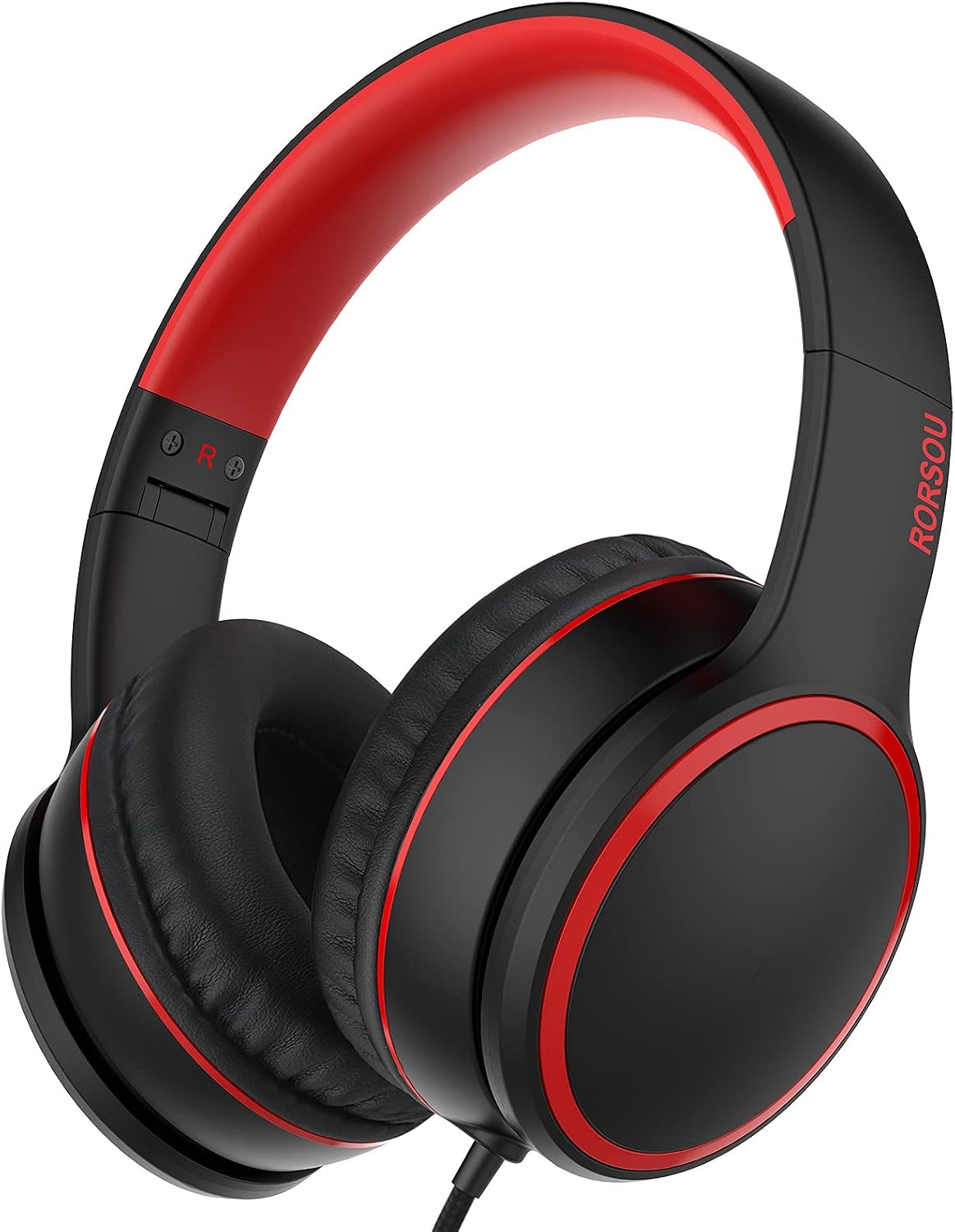
Shopping for kids’ headphones? It’s a minefield out there, packed with flashy marketing and dubious claims. This guide cuts through the noise, focusing squarely on the R10 Kids Headphones Over-Ear with Microphone, Lightweight Folding Stereo Bass Headset with 1.5M No-Tangle Cord, Portable Wired Headphones for Smartphone Tablet Computer MP3 / 4 (Black). We’re going to peel back the layers on this specific model, helping savvy parents and gift-givers decide if it truly offers the value and features your child needs, or if you’d be better off looking at other options.
Quick Answer
The R10 Kids Headphones aim to hit a sweet spot: affordability, decent audio for children, and practical features like a microphone and a no-tangle cord. They’re a solid contender for everyday use, especially for remote learning or casual listening, but they won’t blow anyone away with premium features. For the typical kid and budget-conscious parent, they present a compelling, functional choice.
What to Look For (The Buying Criteria)
When you’re sifting through the seemingly endless options for kids’ headphones, it’s easy to get sidetracked by bells and whistles. But honestly, most of that stuff is just noise. What really matters boils down to a few key things, particularly when we’re talking about a wired headset like the R10.
First up, and probably the most crucial for little ears, is volume limiting. Look, kids don’t understand long-term hearing damage. They just want to crank up “Baby Shark” until their eardrums vibrate. A good pair of kids’ headphones, like the R10 often boasts, should have built-in tech that caps the sound at a safe level—usually around 85dB. This isn’t just a nice-to-have; it’s a non-negotiable health feature. You’ll find some premium models offering adjustable limits, which is cool, but even a fixed limit is far better than none. Without it? You’re playing a risky game with their hearing.
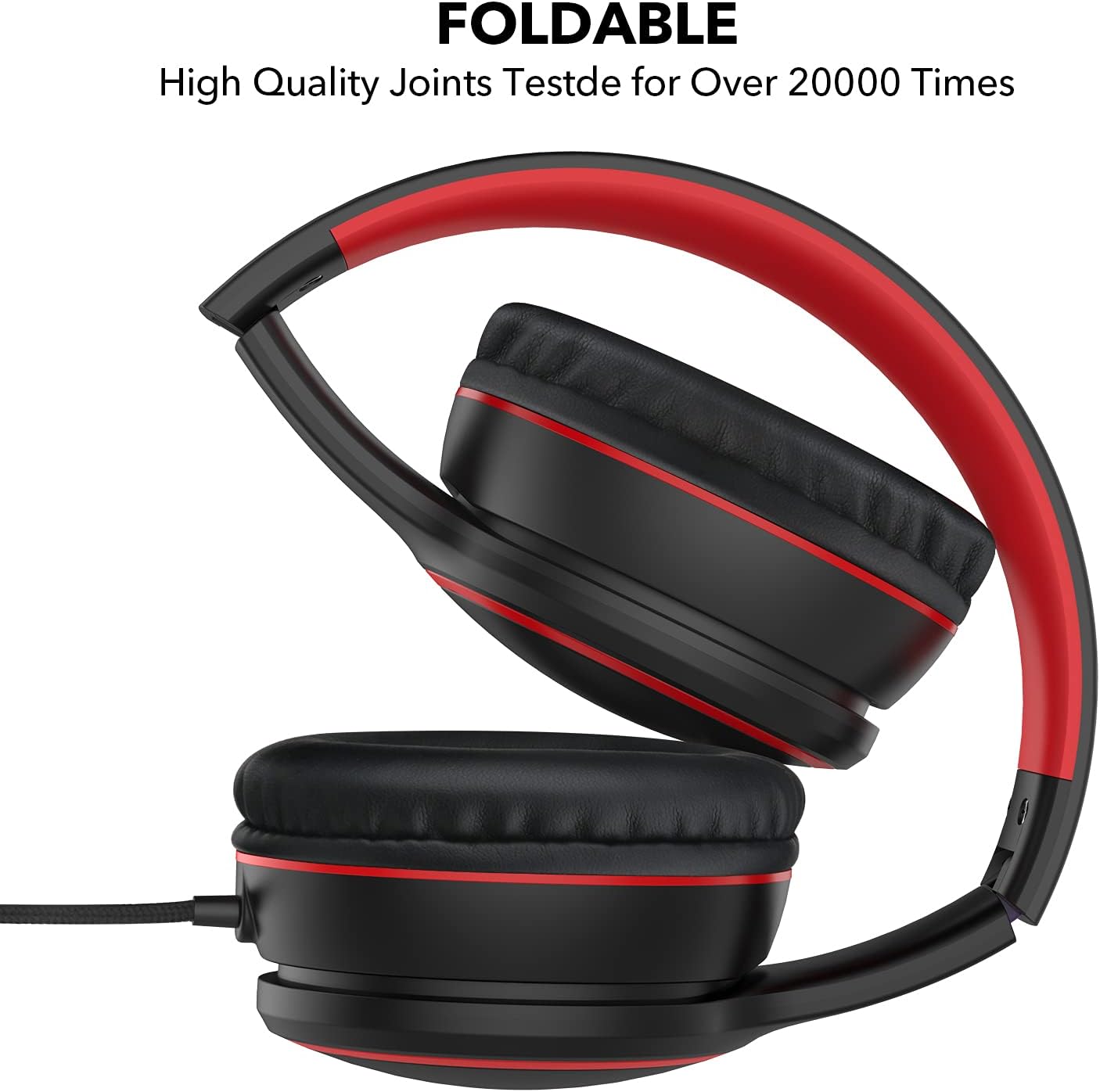
Then there’s durability and design. Kids are, shall we say, enthusiastic users. They yank cords. They drop things. They sit on things. A flimsy plastic build just isn’t going to cut it. The R10 Kids Headphones, with their lightweight folding design, seem to tackle part of this. Folding is great for portability, sure, but what about the hinges? Are they going to snap after a week? You want materials that can bend and twist without cracking. Flexible headbands, reinforced stress points, and robust earcups are your friends here. And that 1.5M no-tangle cord? It’s a huge plus. We’ve all fought the dreaded headphone knot. Kids are even worse at it. This feature alone saves a lot of headaches, both yours and theirs.
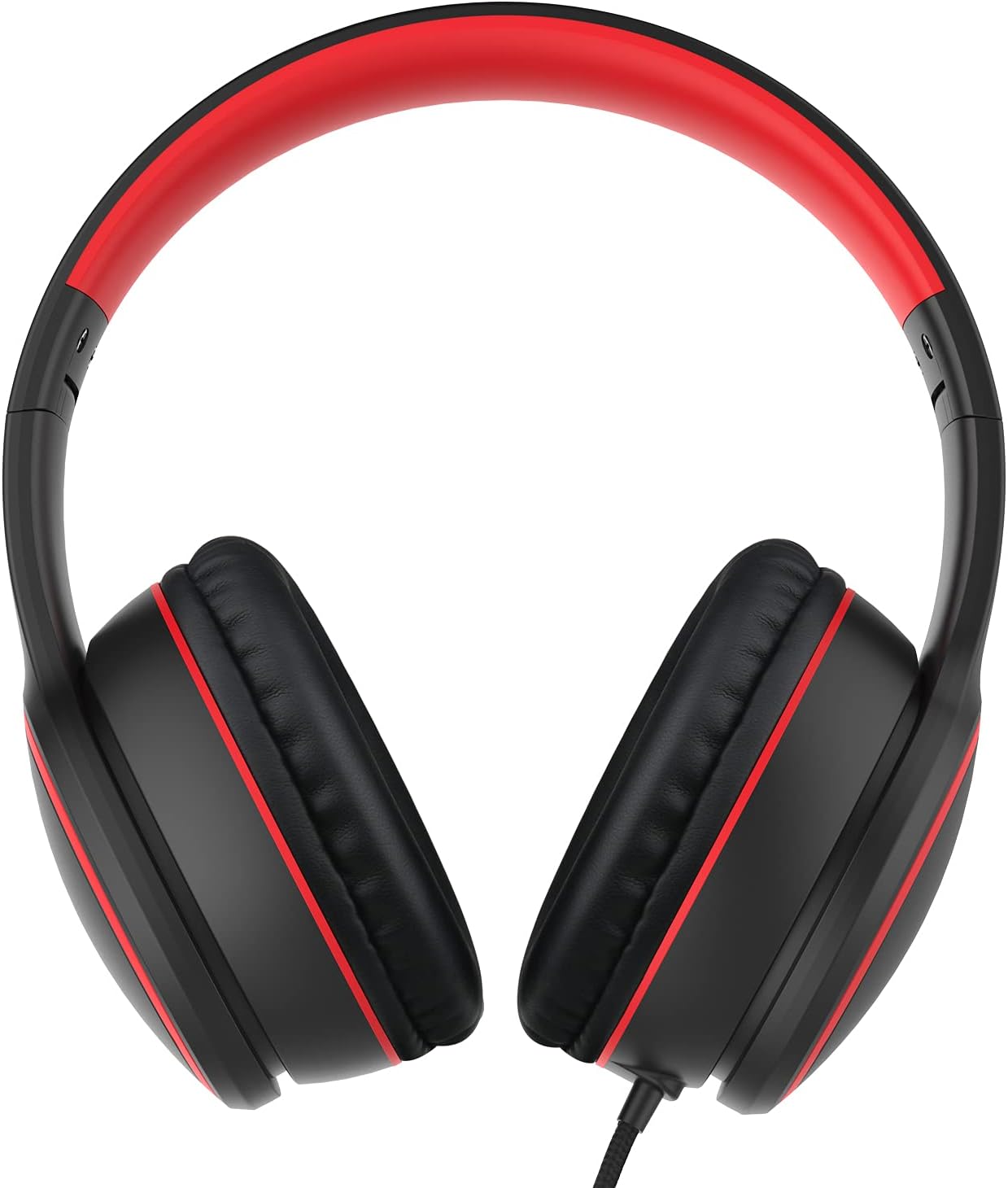
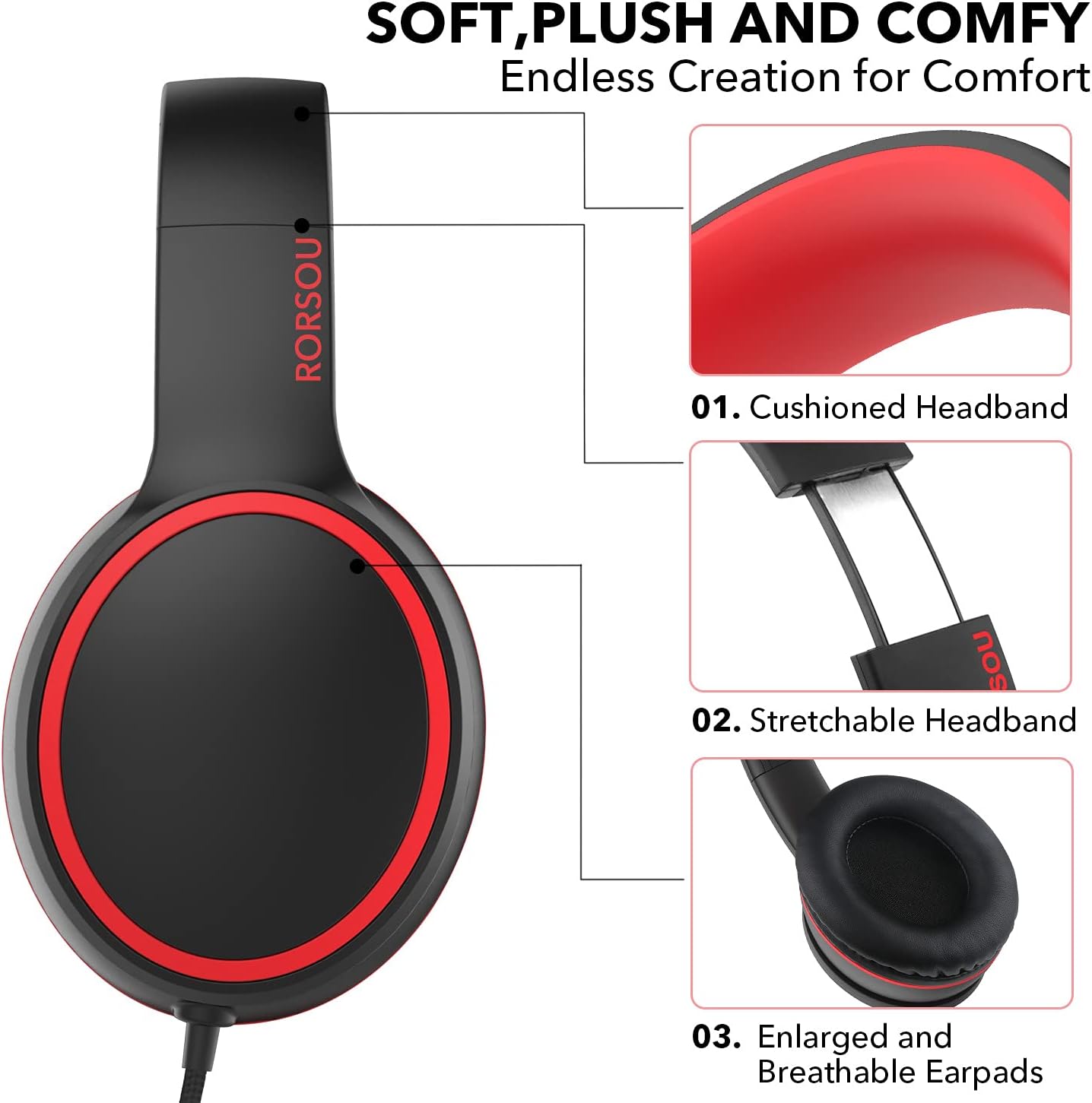
Comfort and fit matter, too. An over-ear design, like this stereo bass headset offers, can be fantastic for comfort, distributing pressure better than on-ear models. But are the earcups padded sufficiently? Do they get too hot? Is the headband adjustable enough for a growing child? A headset that feels awkward or pinches means it’ll end up discarded, regardless of how good the sound is. Kids are surprisingly picky about how things feel on their heads. Trust me, I’ve seen it firsthand.
A built-in microphone is practically essential these days, especially with the rise of online learning and video calls. The R10 comes with one, which immediately makes it more versatile. But not all microphones are created equal. Is it clear enough for a teacher to understand? Does it pick up too much background noise? While it won’t be broadcast-quality, a functional microphone makes a wired headphones for kids far more useful than just for listening to tunes. This capability moves the headset from a simple entertainment device to a genuine productivity tool.
Sound quality, for kids, is a bit different than for audiophiles. You’re not looking for studio-grade clarity. What you want is clear, balanced audio that presents voices and music faithfully, without distortion, even at those volume-limited levels. A “stereo bass headset” sounds promising, suggesting a richer sound profile than some tinny alternatives. Just remember, excessive bass for kids isn’t usually the goal; clarity and balance are. They aren’t going to appreciate a flat frequency response, but they will notice if their cartoons sound muffled.
Finally, consider connectivity. The R10 is a wired headphones model, explicitly designed with a 1.5M cord for smartphones, tablets, computers, and MP3/4 players. This simplicity is a double-edged sword. No charging worries, ever. Plug it in, and you’re good. That’s a huge win for reliability. But it also means tethering your child to their device. For travel, this is often preferred – less to lose, fewer compatibility headaches. However, if your child needs freedom of movement, or their primary devices lack a headphone jack, this wired setup becomes a limitation. It’s a trade-off, always.
How to Match the Product to Your Situation
Finding the right kids’ headphones means thinking about who’s using them and where. The R10 Kids Headphones are a good example of a product that fits specific niches well. Let’s sketch out a few scenarios.
The Remote Learner
Picture this: your child needs to connect to online classes daily. They’re juggling schoolwork, perhaps chatting with classmates, and watching educational videos. For this use case, the R10’s built-ear microphone is a godsend. It ensures their teacher can hear them clearly, making participation easier. The wired connection means one less device to worry about charging mid-lesson. Plus, that 1.5M no-tangle cord offers a bit of slack if they shift around at their desk. The over-ear design provides some passive noise isolation, helping them focus even if there’s background hubbub. They won’t block out everything, but it’s enough to dial down distractions. This setup offers reliability where it counts.
The Frequent Traveler
Are you constantly on the go, whether it’s long car rides, plane trips, or just heading to Grandma’s? Portability and simplicity are paramount. The R10’s lightweight folding design truly shines here. It collapses neatly into a backpack or carry-on, taking up minimal space. And because it’s wired, there’s no frantic search for chargers or dealing with Bluetooth pairing woes when you’re already stressed trying to get to your gate. Just plug the durable wired headphones in and let them get lost in their audiobooks or tablet games. Less fuss for everyone. The no-tangle cord helps keep things tidy in tight spaces.
The Budget-Conscious Everyday Listener
Maybe your kid just needs something dependable for listening to music, playing games, or watching cartoons at home. Nothing fancy, just functional. For this person, the R10 hits the right note on value. It’s built for general use, offers decent stereo bass sound for a child, and has the essential volume limiting feature to protect their hearing. It’s not trying to be a premium offering, and that’s okay. It’s an effective solution that doesn’t break the bank, suitable for daily, varied use without any frills. It’s the kind of reliable workhorse that just works without demanding much attention.
A Comparison of Kids’ Headphone Types
Let’s put the R10 Kids Headphones in context by looking at the broader landscape. Not all kids’ headphones are created equal, and understanding the different tiers helps you spot the genuine value.
| Type/Tier | Best For | Price Tier | Key Feature | Watch-Out |
|---|---|---|---|---|
| Basic Wired Headsets | Everyday listening, casual travel, classrooms | Budget-Friendly | Simplicity, no battery worries, typically durable | Limited advanced features, tethered to device |
| R10 Kids Headphones | Online learning, travel, reliable daily use | Budget-Friendly | Built-in mic, folding design, no-tangle cord | Wired only, sound quality is good but not premium |
| Mid-Range Wireless/Wired | Active kids, devices without headphone jacks | Mid-Range | Wireless freedom, often dual-mode (wired/BT) | Requires charging, potential pairing hiccups |
| Premium Kids’ Headphones | Extended listening, specific sound needs | Premium | Superior durability, advanced volume limiting | Higher cost, often overkill for casual use |
Basic Wired Headsets: These are your entry-level options. They prioritize functionality and low cost. Often, they’re fairly robust because their simplicity means fewer points of failure. The main limitation is, well, they’re wired.
R10 Kids Headphones: This particular model slots nicely into the upper end of the budget-friendly wired category. It takes the core functionality of a basic wired headset and thoughtfully adds features like the integrated microphone and that handy folding design, without pushing into the mid-range price bracket. It’s a smart upgrade from the absolute cheapest options.
Mid-Range Wireless/Wired: Once you step up, you often get into models that offer both wired and wireless connectivity. This versatility is a huge draw for parents whose kids use various devices. But remember, the wireless aspect means another thing to charge.
Premium Kids’ Headphones: These are built for the long haul, often boasting exceptional durability, better materials, and sometimes more sophisticated volume-limiting technology or even active noise cancellation. The trade-off is often a significantly higher cost, which might not be justifiable for a child who just needs something to watch cartoons. Do you really need those bells and whistles?
Scenario-Specific Uses for Kids Headphones
Let’s drill down into some specific ways these kinds of headphones get used. The R10’s specific features make it more suitable for certain situations than others.
Educational Focus with a Microphone
Remote learning. Online tutoring. Connecting with grandparents across the country. All these scenarios demand a reliable way for kids to not just listen, but also speak. A built-in microphone, as featured on the R10 Kids Headphones, transforms a passive listening device into an interactive communication tool. It’s often clearer and more stable than relying on a tablet’s internal mic, which tends to pick up a lot of room echo. For younger kids especially, having the mic right there, usually on the cord, is much easier than fumbling with separate devices. It’s less clunky. This directly supports better engagement in virtual classrooms.
Long-Haul Travel Entertainment
Anyone who’s traveled with kids knows the struggle. Keeping them quietly entertained for hours on end? A Herculean task. Wired headphones for kids, especially a portable and comfortable over-ear design like the R10, are travel essentials. They don’t run out of battery—ever—which is a huge relief when power outlets are scarce. The 1.5M no-tangle cord gives them enough slack to get comfortable in their seat without snagging everything. That folding stereo bass headset design means it tucks away neatly into a seat-back pocket or a small bag. Plus, if the device they’re using has a standard audio jack, you’re set. No Bluetooth pairing headaches when you’re already stressed about missed connections. Less to worry about, frankly.
Common Mistakes When Buying Kids Headphones
Buying kids’ headphones often seems simple, right? Grab a colorful pair, ensure they fit, and call it a day. But a few common missteps can lead to frustration and wasted money.
First off, ignoring volume limiting is a huge oversight. Many parents just assume all kids’ headphones are safe. Not true! Some merely look like kids’ headphones but lack any true volume regulation. This is critical for preventing hearing damage over time. Always double-check this specification, because an uncontrolled device can be genuinely harmful.
Another big mistake? Overlooking durability for aesthetics. Sure, that headset with the cute animal ears looks adorable, but if it’s made of brittle plastic, it’s destined for the trash bin after a few drops or stretches. Kids are rough. Period. Look for flexible, robust materials, and reinforced connections. That includes the cord connection on wired headphones for kids; it’s a notorious weak point.
Then there’s getting caught up in “premium” features your child won’t use. Active noise cancellation, super high-fidelity audio, app-controlled EQ settings—these are great for adults, but a 6-year-old simply won’t appreciate them. And you’ll pay a hefty premium for capabilities that will go ignored. Focus on the core needs: safety, comfort, and basic functionality. Don’t fall for marketing hype designed for a different demographic.
Finally, neglecting the microphone’s importance. In today’s hybrid world, a microphone isn’t just for gaming. It’s for school, for connecting with family, for virtual playdates. Buying a great-sounding pair of headphones without an integrated, decent mic severely limits its utility. You want a headset that can pull double duty, or triple duty. A dedicated microphone, like the one on the R10, is a major value-add that many buyers initially dismiss.
Why/How/What Mini-Section
Why are wired headphones still a smart choice for kids?
Look, in a world dominated by wireless tech, wired options like the R10 Kids Headphones can feel a bit old school. But for children, they cut out a ton of headaches. No batteries to charge, ever. No finicky Bluetooth pairing that leaves a frustrated kid (and parent). They just work, every single time you plug them in. This simplicity is incredibly appealing, especially for younger users or for use in places where charging isn’t convenient, like a long car journey. It’s reliability, pure and simple.
How does “stereo bass headset” translate to a child’s listening experience?
When you see “stereo bass headset” on something like the R10, it generally means the audio profile aims for a fuller, richer sound than really cheap, tinny alternatives. For kids, this translates to music sounding more engaging and voices in shows or games having more depth. It’s not about booming bass that vibrates their skull; it’s about a balanced sound that makes audio content enjoyable and clear, without being overly sharp or muffled. Good stereo separation also helps with understanding directionality in games or perceiving layers in music.
What does “lightweight folding design” truly offer for a busy family?
A lightweight folding design, like that of the R10 Kids Headphones, is all about practicality. It means the headset can be easily tucked into a backpack, a car seat pocket, or even a larger coat pocket without becoming a cumbersome burden. For families constantly on the move, this compact portability is invaluable. It helps protect the headphones from damage when they’re not in use, by allowing them to be stored safely rather than left sprawling where they might get crushed. It’s a simple feature that significantly boosts convenience.
Key Takeaways for Your Wallet
So, after all that, what should you really hold onto when thinking about the R10 Kids Headphones or any similar option? Here’s the deal: prioritize the real essentials. Volume limiting isn’t negotiable. Durability comes next; kids will test the limits of anything you give them. Beyond that, consider your child’s primary use cases. Is it for school? Get that mic. For travel? Folding and wired is golden. Don’t overspend on features they won’t appreciate. Value is about getting what you need, nothing more, nothing less.
FAQ
Are R10 Kids Headphones really suitable for all ages mentioned (smartphone, tablet, computer, MP3/4)?
Yes, typically. Since they’re a wired headphones for kids with a standard 3.5mm jack, they should connect universally to most devices that still include that port. Always check the specific device, though, as some newer gadgets have dropped the headphone jack entirely.
How does the no-tangle cord on the R10 actually work?
The no-tangle cord usually features a flattened or braided design, which makes it far less prone to twisting into knots than traditional round cables. This design choice saves a lot of frustration, especially for kids who might not be meticulous about how they put their headphones away. It simply resists tangling better.
Can the microphone on the R10 Kids Headphones be used for gaming?
Absolutely. The microphone, integrated into the R10 Kids Headphones, is designed for general voice communication, which includes online gaming, particularly on platforms like computers or tablets where a standard headphone jack is present. It might not be a dedicated gaming headset mic, but it’ll get the job done for casual play.
Is the “stereo bass headset” sound safe with the volume limiting feature?
Yes, the “stereo bass headset” descriptor refers to the audio profile, while volume limiting is a safety feature. The two work together: you get a full-bodied sound that’s electronically capped at a safe decibel level to protect your child’s hearing, ensuring enjoyable listening without risk. It’s the balance that matters here.
What are the main benefits of an over-ear design like the R10’s for children?
An over-ear design generally offers superior comfort compared to on-ear models, as the earcups sit around the ear rather than pressing directly on it. This can reduce pressure and make extended listening sessions more pleasant. Plus, it often provides better passive noise isolation, helping children focus on their audio.
How important is the lightweight aspect for kids’ headphones?
Very important! A lightweight design prevents neck strain and discomfort, making it easier for children to wear the headphones for longer periods. Heavy headphones can become cumbersome and quickly lead to complaints, causing the child to ditch them. The R10’s lightweight folding headset is a definite positive in this regard.
Does the R10 Kids Headphones come in other colors besides black?
While this specific listing mentions “Black,” many manufacturers offer children’s headphones in a variety of vibrant colors. If color is a priority, it’s worth checking the broader product line or similar models from the brand, as often, a single model will have multiple colorways available through major retailers.
Final Recommendation
For parents navigating the crowded market of kids’ audio, the R10 Kids Headphones Over-Ear with Microphone, Lightweight Folding Stereo Bass Headset with 1.5M No-Tangle Cord, Portable Wired Headphones for Smartphone Tablet Computer MP3 / 4 (Black) emerges as a genuinely strong contender in the budget-friendly wired category. If your primary needs lean towards reliable performance for online learning, frequent travel, or just consistent everyday use without fuss, these are a smart choice.
They strike a sensible balance by incorporating critical features like a microphone and a tangle-resistant, durable cord, all while maintaining that essential volume limiting. You get practicality and safety without overspending on features your child likely doesn’t need. It’s a pragmatic pick for those who value dependability and straightforward functionality above all else.
#R10 #Kids #Headphones #OverEar #Microphone #Lightweight #Folding #Stereo #Bass #Headset #1.5M #NoTangle #Cord #Portable #Wired #Headphones #Smartphone #Tablet #Computer #MP3 #Black



Reviews
There are no reviews yet.