
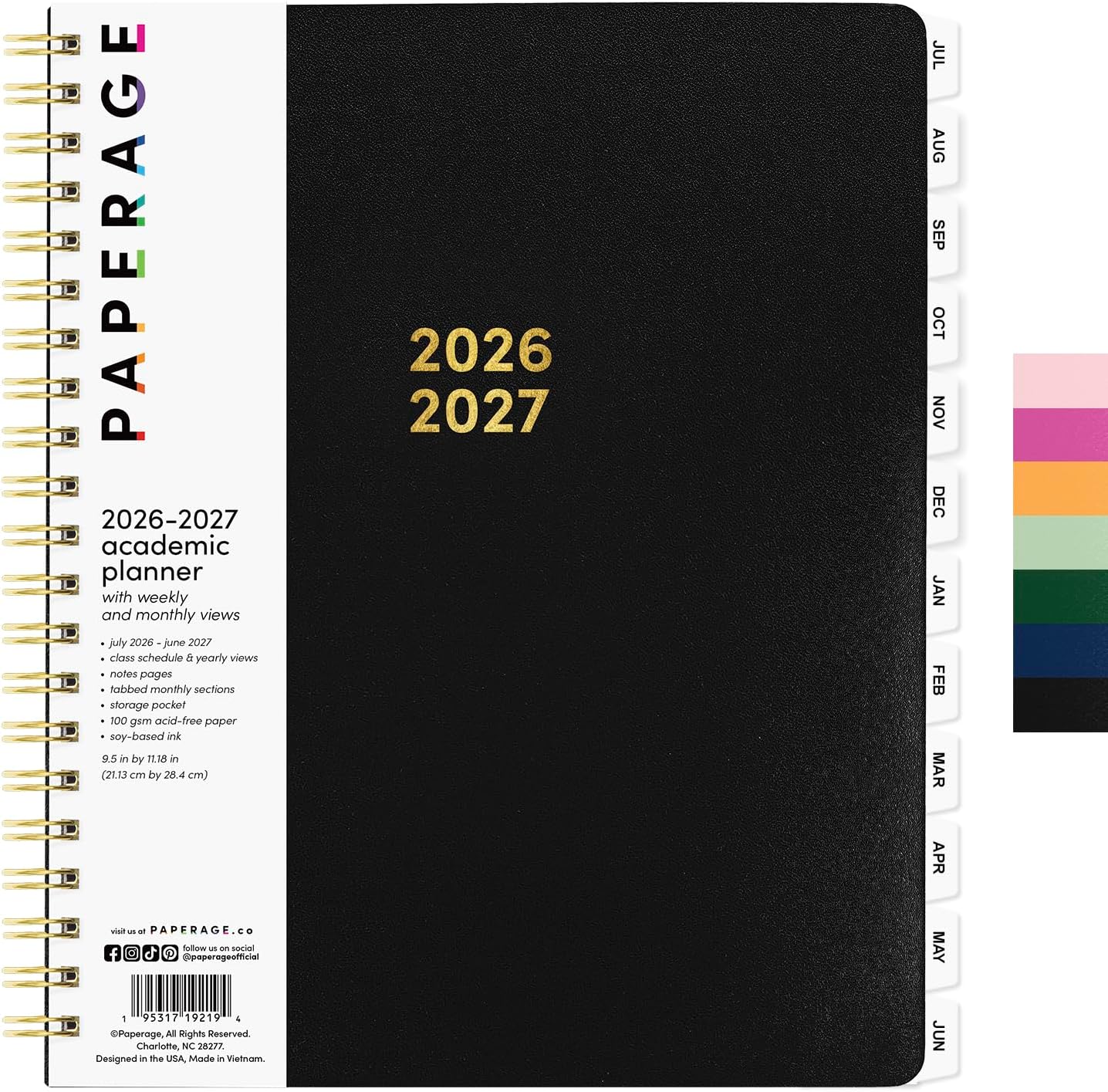
The PAPERAGE Academic Planner: Is This Weekly & Monthly Layout Right For Your Study Schedule?
This guide slices through the noise around academic planners, focusing specifically on the PAPERAGE Academic Planner, Weekly & Monthly Planner. We’re here to help savvy students, busy parents, and anyone juggling a complex schedule figure out if this popular organization tool genuinely fits their needs. Forget generic fluff; we’ll dissect its value, compare it to other options, and help you make a smart buying decision.
Quick Answer
The PAPERAGE Academic Planner, with its integrated weekly and monthly layout, stands out as a solid choice for those needing a clear overview of their academic year and day-to-day tasks. It’s often praised for its durable construction and clean design, offering a reliable middle-ground for students who aren’t looking for overly complex features but still demand structure. Consider it if you need a straightforward, dependable planner that can withstand a semester’s worth of backpack commutes.
What to Look For (The Buying Criteria)
Choosing the right academic planner isn’t just about picking one off a shelf. It’s a commitment, really. You’ll be living with this thing for a semester, maybe even a whole year. So, let’s dig into what truly matters when you’re weighing options, especially with the PAPERAGE model in mind.
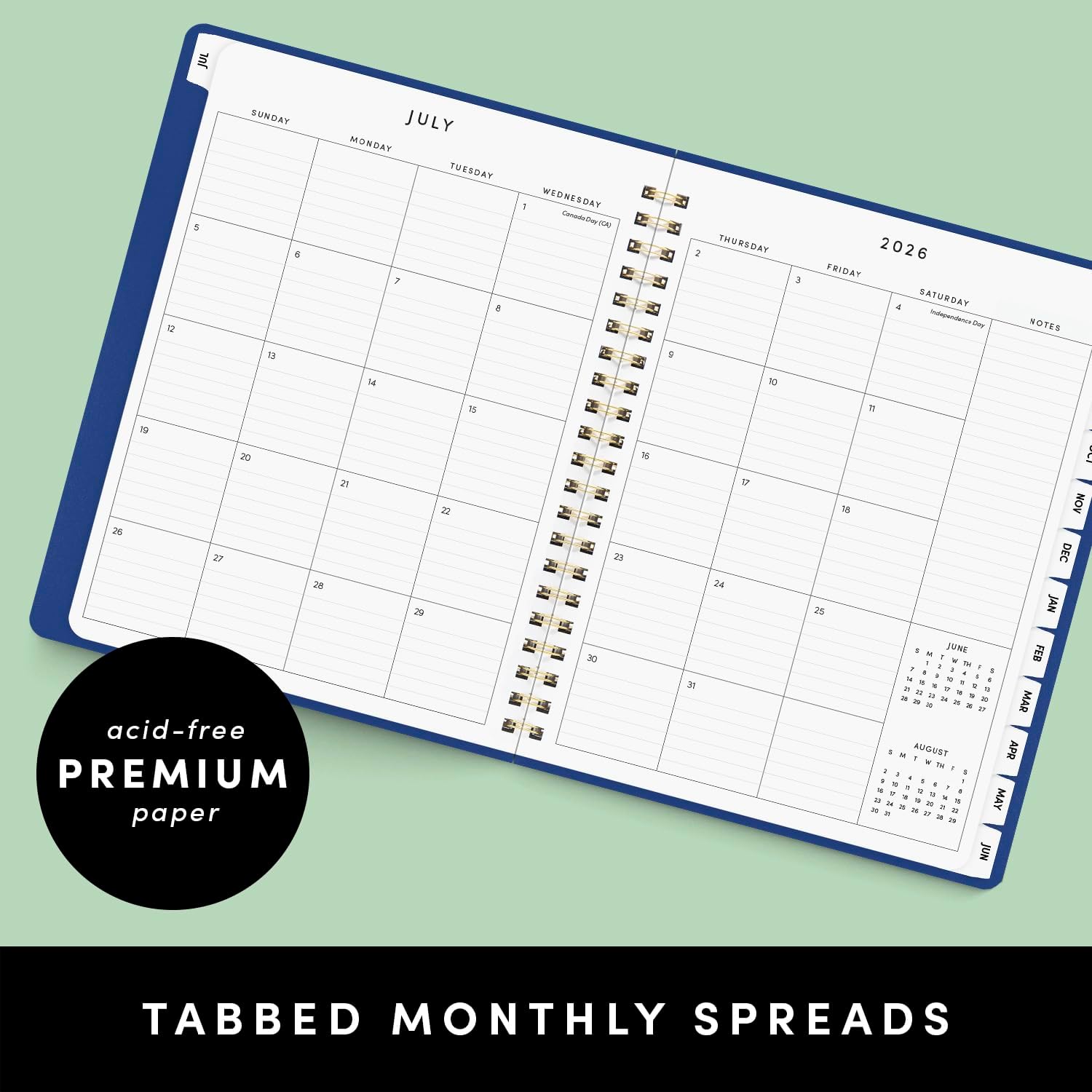
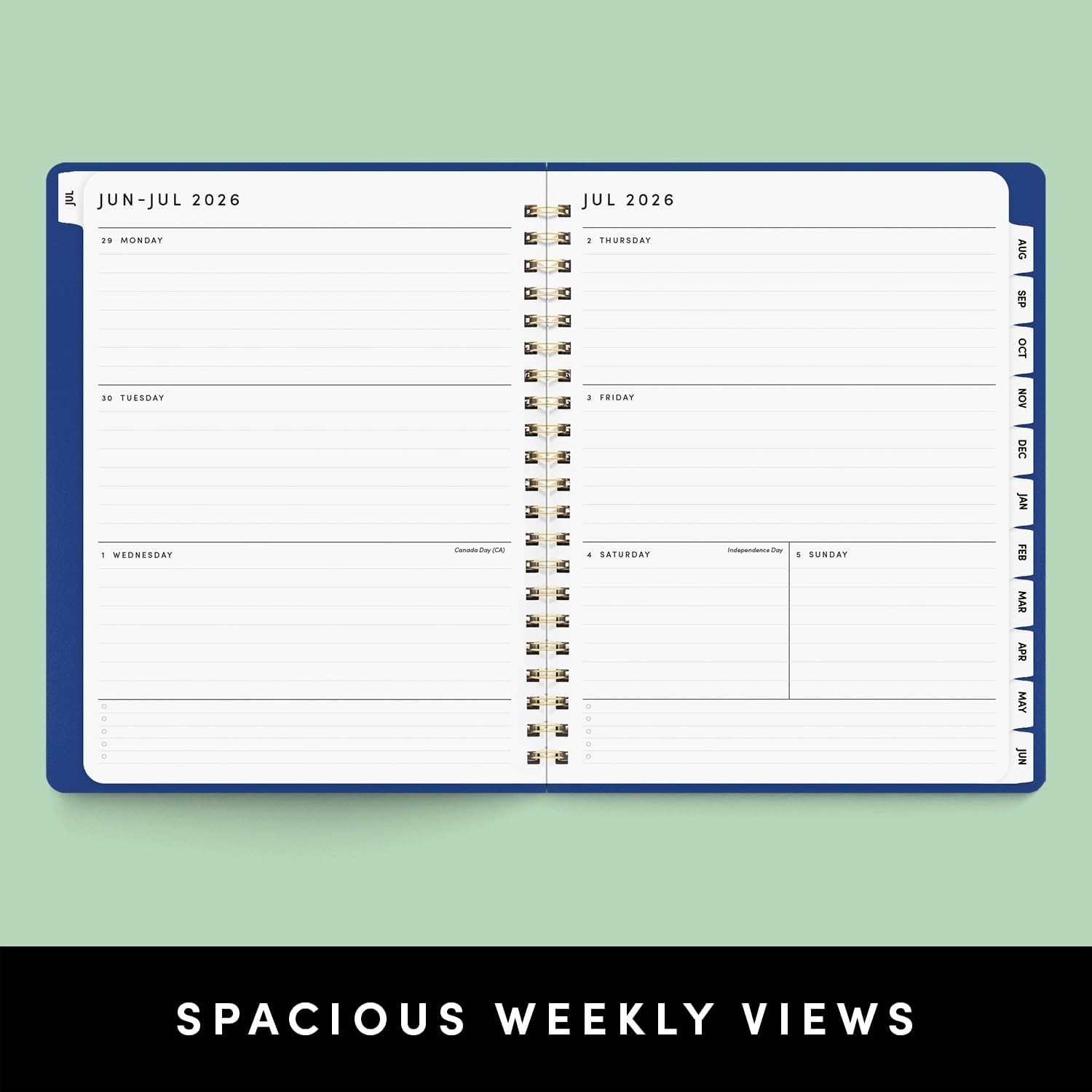
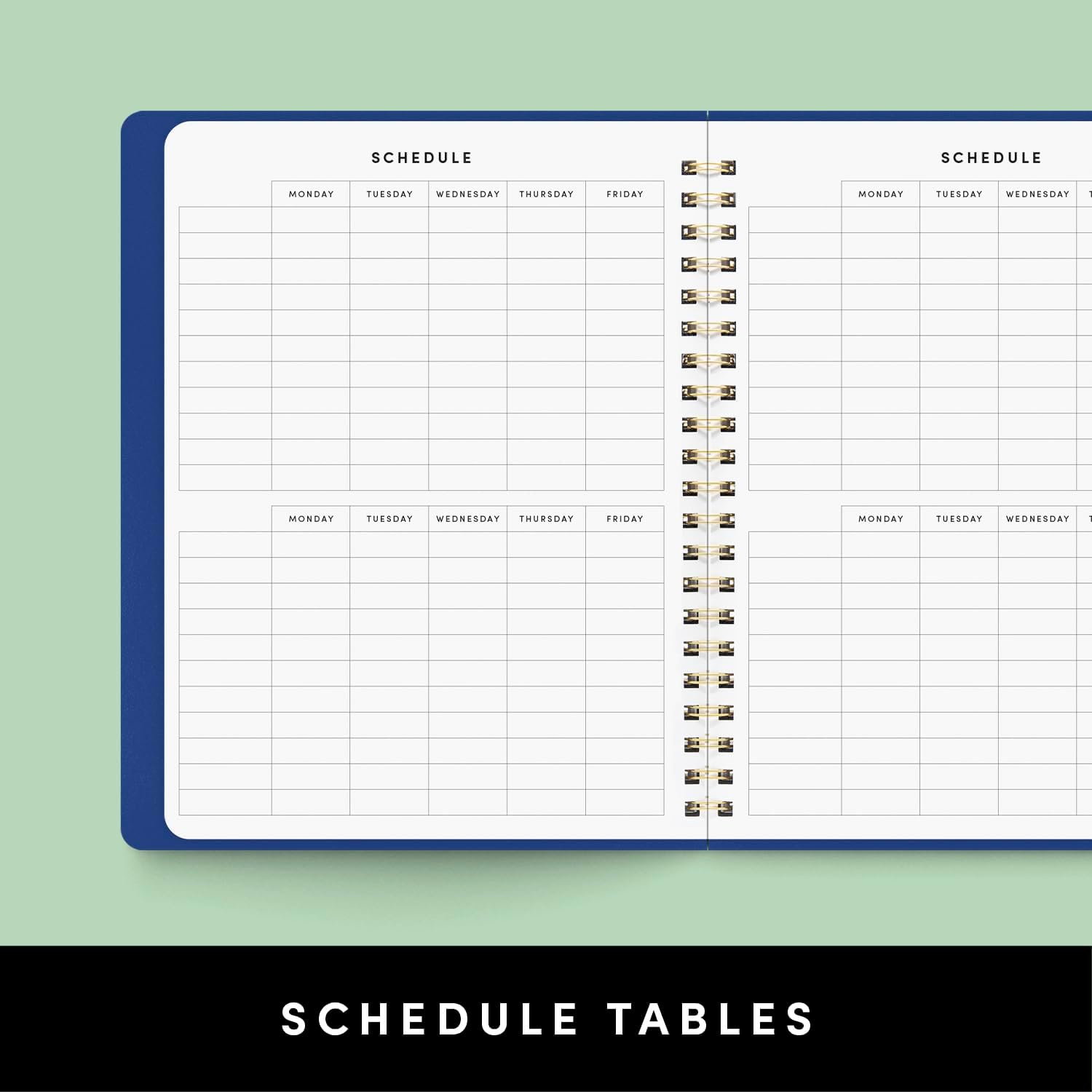
First up, Layout Preference. This is huge. You’ve got weekly, monthly, and daily layouts. The PAPERAGE offers a combination – weekly spreads for detailed task management and monthly spreads for seeing the big picture. This hybrid approach works wonders for most academic scenarios. You can block out exam dates and major projects on the monthly calendar, then break down the steps and deadlines into your weekly view. The downside? If you need super granular, hour-by-hour planning every single day, a dedicated daily planner might give you more real estate. But honestly, for tracking classes, assignments, and key events, the weekly/monthly combo is usually enough. It stops you from getting lost in too much minutia.
Next, Paper Quality and Durability. Look, you’re going to be writing in this thing a lot. If the paper is flimsy, your pen ink will bleed through, or ghost, making the other side unusable. Nobody wants that. A good academic planner needs paper that can handle various pens—ballpoints, gel pens, even a highlighter or two—without turning into a stained mess. Generally, PAPERAGE planners get decent marks here; the paper isn’t necessarily luxury stock, but it tends to be robust enough for everyday use. Still, if you’re a fountain pen aficionado, you might notice some slight feathering or ghosting. It’s a trade-off for a planner in this price range.
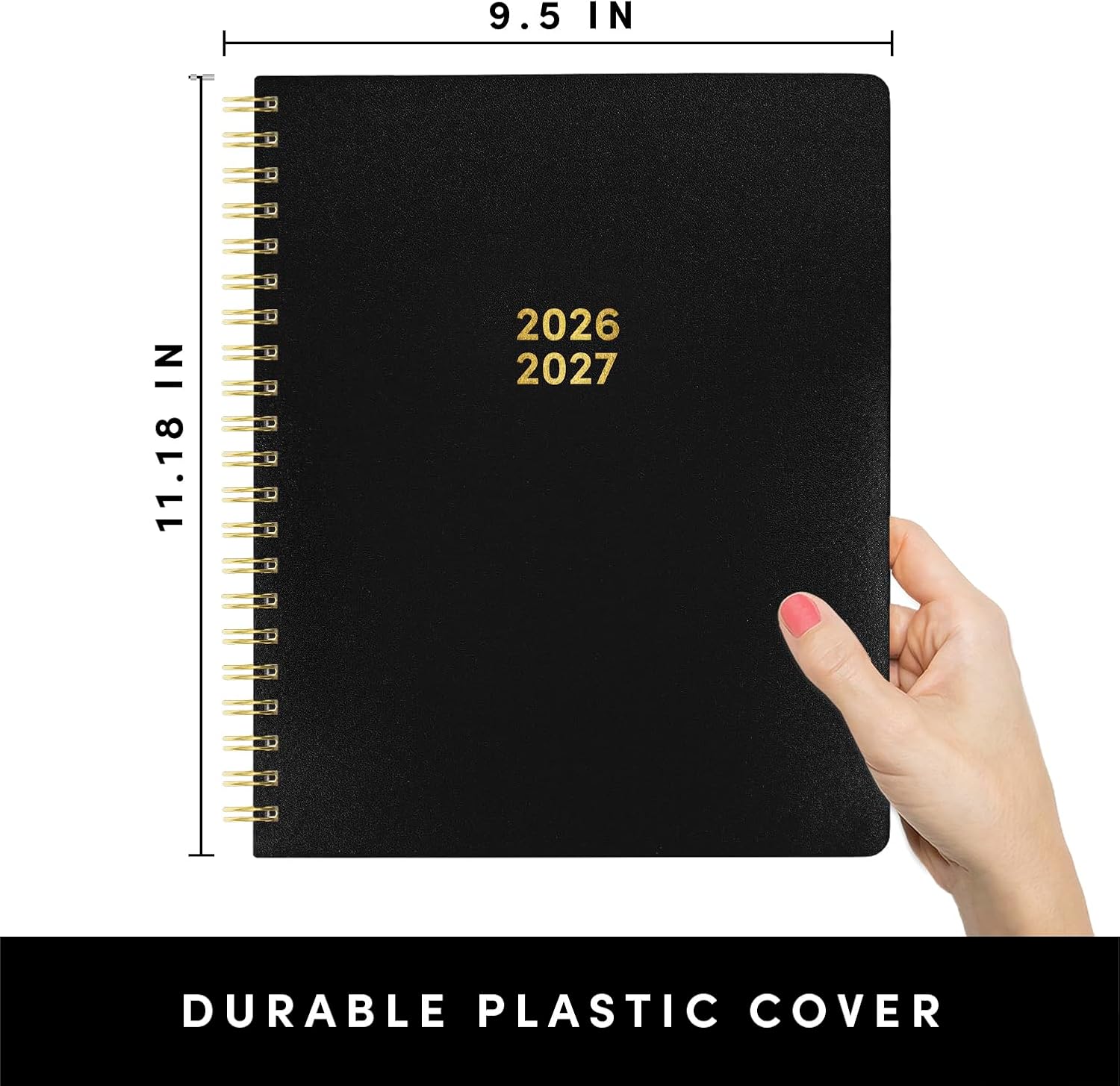
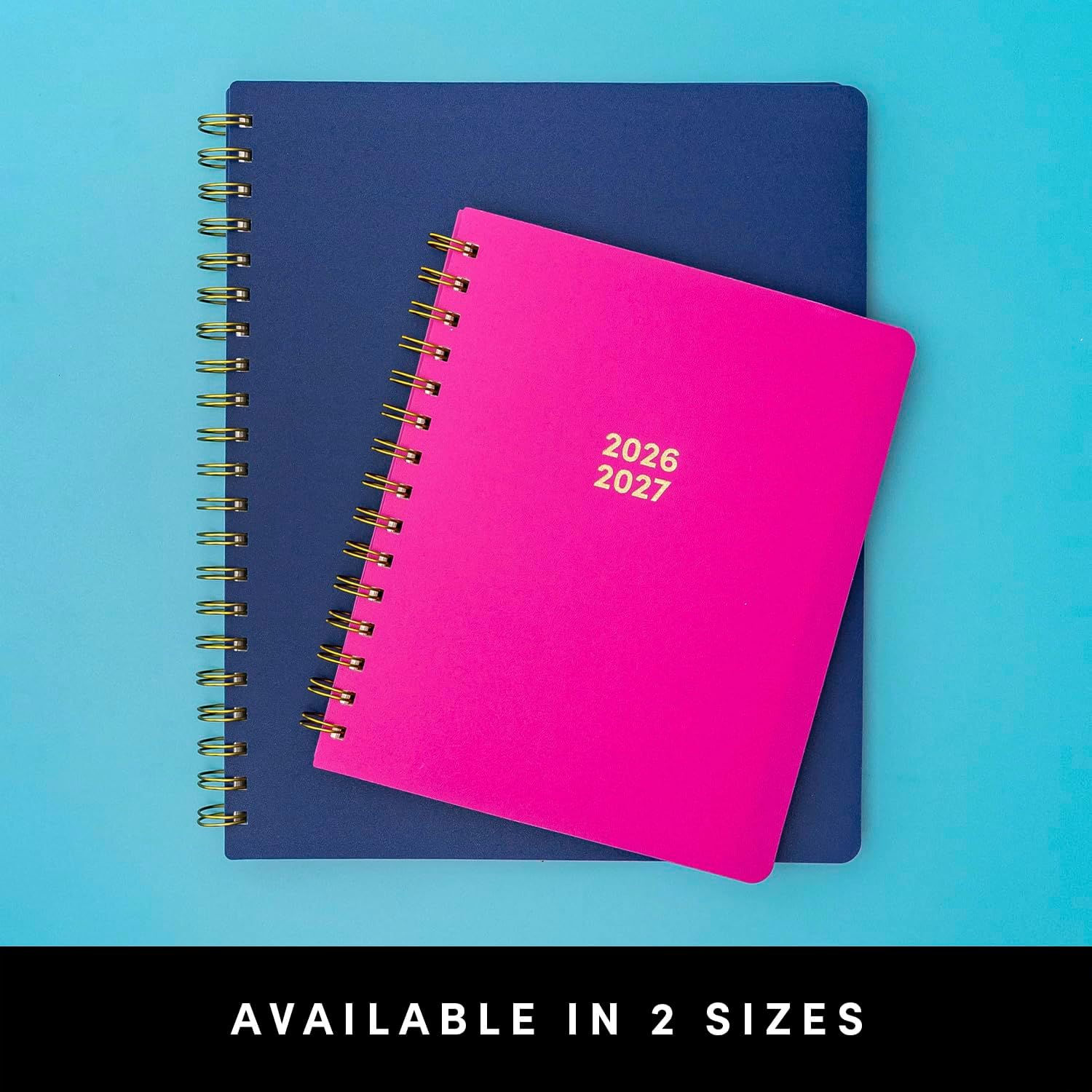
Then there’s Size and Portability. Are you stuffing this into a backpack every day? Or will it live on your desk? A smaller, more compact planner is fantastic for on-the-go organization, but you’ll sacrifice writing space. A larger planner gives you ample room for notes, doodles, and detailed schedules, yet it can feel like carrying a small textbook around. The PAPERAGE Academic Planner often hits a sweet spot, offering enough space without being overly bulky. Think about your daily carry situation before committing to any size. Will it fit in your bag without bending? That matters more than you’d think.
Don’t overlook the Cover Material and Longevity. This planner is going to take a beating. From coffee spills to being shoved into overcrowded bags, a planner’s cover needs to withstand some serious wear and tear. Hardcovers tend to offer superior protection and a more professional feel, often surviving a full academic year with grace. Flexible covers, while lighter, can show scuffs and bends more readily. Spiral bindings are popular for lying flat, which is a major convenience, but those spirals can get bent or snagged in a bag. A sewn, lay-flat hardcover, like some PAPERAGE models offer, provides durability and functionality. Make sure the binding feels solid; a planner falling apart mid-semester? That’s just frustrating.
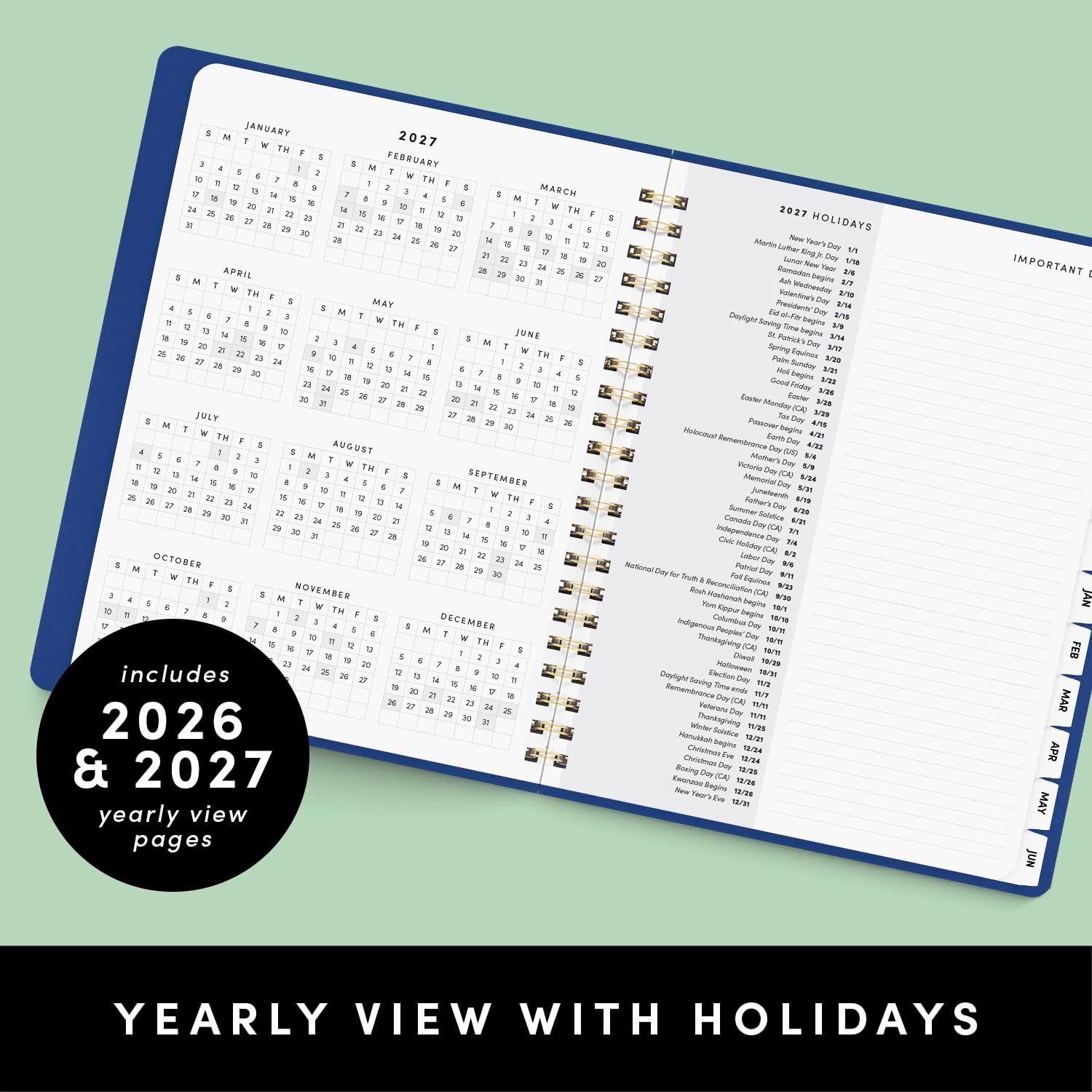
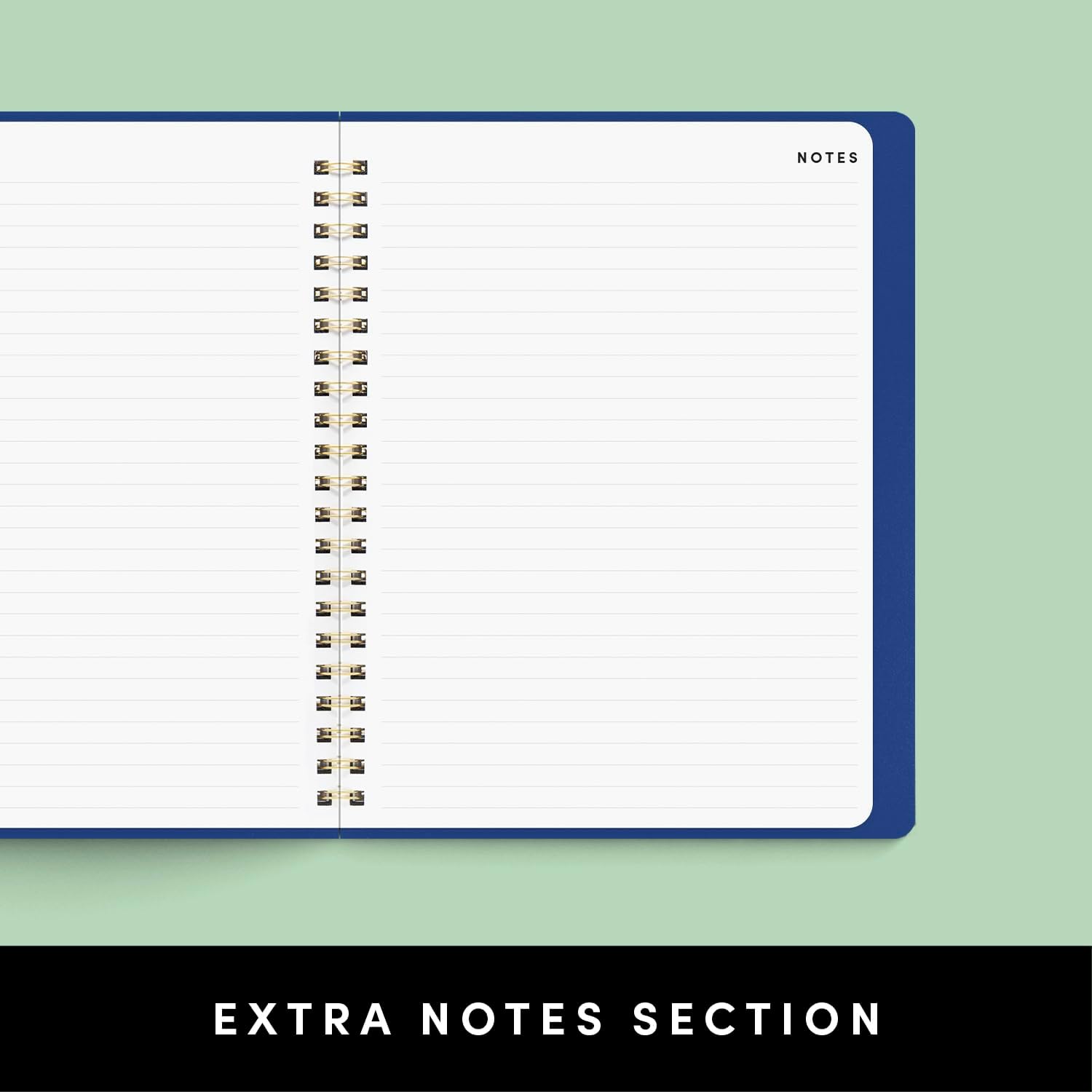
What about Extra Features and Sections? Some planners are packed with goal-setting pages, habit trackers, mind map sections, inspirational quotes, and more. Others keep it strictly to the calendar. The PAPERAGE typically provides enough extra space for notes, contact info, and yearly overviews without going overboard. You need to ask yourself if you’ll actually use those elaborate extras. Paying for features you never touch? That’s a waste. Focus on what genuinely supports your planning style, not just what looks cool. A few simple dedicated pages are often more useful than a dozen complex ones.
Finally, think about Aesthetic and Personalization. While it doesn’t affect functionality, the look of your planner absolutely influences how much you enjoy using it. Do you prefer a sleek, minimalist design, or something more vibrant and expressive? The PAPERAGE Academic Planner tends to lean towards clean lines and understated covers, which works well for many, projecting a professional yet accessible vibe. For some, a minimalist approach means fewer distractions. For others, it might feel a bit bland. You’re going to be looking at this planner every day, so pick something that speaks to you. If it inspires you to open it, that’s half the battle.
How to Match the Product to Your Situation
Finding the right planner means knowing yourself and your habits. The PAPERAGE Academic Planner, with its balanced approach, caters to a few distinct types of organizers.
First, there’s The Focused Student. This person is knee-deep in coursework, juggling multiple classes, group projects, and exam schedules. They need a planner that clearly maps out deadlines, provides space for assignment breakdowns, and helps them keep track of study blocks. The weekly layout of the PAPERAGE planner is fantastic for seeing each class’s tasks, while the monthly view ensures big tests or project due dates don’t sneak up. Durability is key for this student; that planner is coming to class, the library, and back home daily. Its sturdy build often makes it a reliable companion for demanding academic life.
Then we have The Multi-Tasking Professional/Parent. This individual isn’t just dealing with academic deadlines but also work commitments, family appointments, and maybe even personal goals. They need a system that offers both high-level visibility for major life events and enough detail for daily to-dos, without becoming a second job to maintain. The PAPERAGE planner’s monthly view is superb for family calendars or work project timelines, while the weekly spreads can handle a mix of professional meetings, school pickups, and personal errands. It’s a versatile tool for someone who needs to see across different life domains at a glance.
Lastly, consider The Budget-Conscious Organizer. This person wants effective planning tools without breaking the bank. They’re savvy shoppers looking for value—a planner that works reliably, looks decent, and won’t demand a premium price tag for features they don’t strictly need. The PAPERAGE Academic Planner often fits squarely into this category. It delivers solid paper quality, a practical layout, and good construction, proving you don’t always need to spend top dollar for an organizing workhorse. You get the essential functionality and a respectable build without paying for all the bells and whistles.
A Comparison of Academic Planner Types/Tiers
Let’s put the PAPERAGE Academic Planner in context by looking at a few different options in the market. Each has its own strengths and weaknesses.
| Type/Tier | Best For | Price Tier | Key Feature | Watch-Out |
|---|---|---|---|---|
| PAPERAGE Academic Planner | Balanced academic & personal use | Mid-range | Integrated weekly and monthly spreads | Paper quality, while good, might not suit all pen types. |
| High-End, Feature-Rich | Intensive goal-setting & personal development | Premium | Extensive trackers, motivational content, premium paper | Can be pricey, and some features go unused. |
| Minimalist, Basic Planner | Straightforward scheduling, no frills | Budget-friendly | Simple dated or undated calendar pages | Lacks extra sections for notes or long-term goals. |
| Digital Planning Apps | Tech-savvy, dynamic scheduling, sync needs | Variable/Subscription | Cloud sync, customizable views, infinite space | Requires a device, can be distracting, less tactile. |
The PAPERAGE Academic Planner hits that sweet spot for many, offering a robust academic planner experience without leaning into the luxury or bare-bones categories. It truly delivers on its promise of a practical weekly and monthly layout, making it a reliable choice for daily organization. High-end options, while beautiful and often featuring exceptional paper, can feel like overkill unless you’re truly dedicated to every single one of their numerous journaling and self-reflection prompts. Minimalist planners are incredibly affordable and get the job done for basic scheduling, but you’ll miss out on dedicated spaces for long-term planning or project breakdowns. And digital apps? They offer unparalleled flexibility and sync capabilities, but for many, the physical act of writing things down is part of the planning process itself, and those digital notifications can quickly become a distraction.
Decision Tree: Which Academic Planner is Right for You?
Choosing a planner often feels like a winding path. Let’s navigate it a bit, focusing on where the PAPERAGE Academic Planner fits in.
Are you primarily tracking assignments and big deadlines, or do you need to meticulously plan every single hour of your day? If it’s the former—managing academic workload, key projects, and exam dates—then a weekly and monthly layout will likely serve you well. It provides enough detail for daily tasks without forcing you into an hourly grind. But if you absolutely need to schedule every 15-minute block, a planner with dedicated hourly daily pages might be a better bet, though it’ll be thicker and heavier.
Next, consider your daily routine. Do you carry your planner everywhere, from lectures to coffee shops, then home again? If so, portability and durability are paramount. A planner that feels substantial but isn’t overly bulky, one with a sturdy cover, is a huge plus. The PAPERAGE Academic Planner’s common sizes often strike this balance; it’s designed to live in a backpack. However, if your planner rarely leaves your desk, a larger, heavier, or even a less robust option could work just fine.
What about your budget and aesthetic preferences? Are you looking for a planner that feels premium, almost luxurious, or something more practical and straightforward? If “reliable,” “functional,” and “clean design” resonate more than “artisanal paper” or “bespoke cover,” then the PAPERAGE line often aligns perfectly. It offers a clean, professional look without unnecessary frills or a steep price tag. But if you want a vibrant, highly decorative planner that expresses your personality through its every page, you might find PAPERAGE’s aesthetic a bit too subdued. Ultimately, it’s about aligning functionality with your personal planning style.
Scenario-Specific Planner Needs
Planners aren’t one-size-fits-all, especially when your academic or personal life throws unique challenges your way. The PAPERAGE Academic Planner shines in specific situations.
Consider the student grappling with a High-Volume Course Load. Think pre-med, engineering, or a double major. You’re drowning in readings, lab reports, and multiple essay deadlines all converging at once. A planner that lets you quickly jot down due dates on the monthly spread for an overall view, then dive into the weekly pages to schedule study sessions and break down large assignments, is indispensable. The PAPERAGE’s clear weekly layout prevents things from falling through the cracks, allowing you to allocate time for each commitment without feeling overwhelmed. It’s about keeping a birds-eye view while still seeing the immediate steps.
Then there’s Project-Based Learning. Maybe you’re working on a thesis, a capstone project, or a long-term research assignment. These don’t have daily deadlines but require consistent progress over weeks or months. Here, the monthly overview in the PAPERAGE planner is invaluable for marking major project milestones. You can then use the weekly sections to block out research time, writing sessions, and meeting prep, breaking that massive project into manageable chunks. It supports the iterative nature of such work, helping you track progress step-by-step.
Finally, think about those Balancing Work & School, or life in general. Maybe you’re taking evening classes while working full-time, or you’re a parent going back to school. Your planner isn’t just for academic tasks; it needs to integrate work shifts, family appointments, and personal obligations. The PAPERAGE Academic Planner’s straightforward weekly and monthly format makes it easy to separate academic deadlines from work meetings and soccer practice. This clear demarcation is crucial for maintaining sanity and ensuring nothing gets overlooked. It’s an organization hub for a truly hybrid life.
Common Mistakes When Choosing a Planner
It’s easy to get caught up in the excitement of a fresh start, but I’ve seen people make the same missteps time and again when picking an academic planner. Avoid these pitfalls.
One of the biggest blunders is Overbuying Features. That planner with 10 different habit trackers, a mood chart, a budget tracker, and a manifest page might look cool. Does it, though? If you’re only ever going to use the weekly calendar, all those extra pages are just dead weight. You’re paying more for unused real estate, and it makes the planner thicker and heavier. Be honest with yourself about what you truly need versus what’s just a nice-to-have. Simplicity often triumphs over complexity when it comes to daily tools like a planner.
Another common mistake is Underestimating Durability Needs. You might find a gorgeous planner with a flimsy paper cover and a delicate binding. It looks pretty on the shelf. But once it starts rattling around in your backpack, getting tossed on desks, and enduring countless openings, that pretty cover might quickly become tattered. A planner needs to survive the semester, not just the first week. For an academic planner, especially for students, robust construction—a strong cover, decent binding—is non-negotiable. Don’t prioritize aesthetics over resilience.
And here’s one many people overlook: Ignoring Personal Writing Style. Some folks write tiny, neat script. Others scribble large, sprawling notes. If you’re the latter, tiny daily boxes and narrow line spacing will drive you absolutely bonkers. You’ll feel cramped and frustrated, which defeats the purpose of an organizing tool. Before you buy, visualize yourself writing in the planner. Are the boxes big enough? Is there enough space for margin notes? Take a moment. It really makes a difference.
Finally, people often Forget Portability. That beautiful, large, desk-bound planner looks amazing when spread open. But if you have to carry it across campus all day, every day, its weight and bulk will become a chore. Eventually, it just gets left behind. A planner that’s too cumbersome quickly becomes an unused planner. Think about how often it will leave your immediate vicinity and choose a size that genuinely supports that mobility. A planner you actually use is infinitely better than a “perfect” one that stays home.
Why/How/What to Make the Most of Your Planner
An academic planner is more than just a calendar; it’s a strategy tool. Let’s unravel how to truly harness its power, especially one like the PAPERAGE Academic Planner.
Why use an academic planner in the first place? Beyond simply jotting down deadlines, it forces you to externalize your mental load. Getting everything out of your head and onto paper reduces anxiety, improves recall, and allows you to visualize your schedule and commitments. It becomes a single source of truth for your academic and personal life, enabling proactive planning instead of reactive scrambling. It frees up brainpower for actual learning, honestly.
How to integrate a PAPERAGE planner into your digital workflow? Look, it’s not about choosing one or the other; it’s about synergy. Use digital calendars for reminders and events that might change often, especially if you share them with others. Then, transfer the firm, non-negotiable deadlines and key tasks into your physical PAPERAGE planner. Use the planner for your deep work planning, task breakdowns, and reflective notes—things that benefit from the tactile experience. It acts as the anchor, complementing your digital tools rather than competing with them.
What are the key sections to focus on for academic success? Prioritize the monthly view for major course milestones, exam dates, and long-term project deadlines; this gives you the big picture. Then, dive into the weekly spreads for breaking down assignments into daily steps, scheduling study blocks, and tracking specific tasks. Don’t forget the notes pages for brainstorming, jotting down ideas during lectures, or compiling reading lists. These three elements—monthly, weekly, and notes—form the backbone of an effective academic planning system.
Key Takeaways for Your Academic Planner Purchase
Navigating the world of academic planners can be a bit much, but if you remember a few core principles, you’ll land on a winner. For anyone eyeing the PAPERAGE Academic Planner, its blend of weekly and monthly layouts offers a robust framework for managing a busy schedule. It hits a sweet spot: durable enough for daily backpack life, spacious enough for detailed entries, yet not so overwhelming with features that you feel lost.
The real win here is its practicality. You’re getting a tool that balances overview with detail, making it superb for students juggling multiple classes or professionals balancing work and further education. Don’t chase every shiny new planner trend. Focus on quality paper, a sturdy cover, and a layout that matches your actual planning style. If a reliable, no-nonsense academic planner is what you’re after, the PAPERAGE model usually delivers. It’s a solid, mid-range contender that consistently provides strong value.
FAQ
Is the PAPERAGE planner truly “academic” specific?
Yes, many PAPERAGE models are designed with academic terms in mind, often running from July/August through June, which aligns perfectly with school calendars. The layouts focus on coursework tracking and assignment management, not just general daily appointments.
Does the paper hold up to various pens?
Generally, the paper quality in PAPERAGE planners is quite good for its tier, handling most ballpoint, gel, and rollerball pens without significant bleed-through. However, very wet fountain pen inks or heavy markers might show some slight ghosting on the reverse side.
What’s the real difference between a weekly and daily planner?
A weekly planner shows your entire week on a two-page spread, giving you a broader overview for task allocation and big events. A daily planner dedicates a full page or more to each day, offering extensive space for hourly schedules, detailed notes, and specific to-dos.
Can I start using this planner at any time of year?
Some PAPERAGE academic planners are dated, meaning they’re set for a specific academic year. Others are undated, allowing you to fill in the dates yourself, which makes them perfect for starting any time you need them, without wasting pages.
Is the cover sturdy enough for a backpack?
Absolutely. Many PAPERAGE academic planners come with durable hardcovers designed to withstand the rigors of being carried daily in a backpack. They’re built to protect your notes and schedules from typical wear and tear throughout the academic year.
How does the size compare to other popular options?
PAPERAGE academic planners often come in practical sizes like 6″x8″ or 8″x10″, placing them in a versatile medium range. This makes them small enough to be portable but large enough to offer ample writing space, unlike some overly compact or excessively large planners.
Are there enough extra sections for notes and goals?
While not overly packed with extras, PAPERAGE planners typically include dedicated pages for notes, important dates, holidays, and sometimes a yearly overview or goal-setting space. They offer enough supplementary content without becoming cluttered.
Final Recommendation
For the busy individual — be it a student navigating a packed course load, a parent managing family logistics alongside study, or anyone needing a reliable system to keep their ducks in a row — the PAPERAGE Academic Planner, Weekly & Monthly Planner, is a solid, intelligent choice. It strikes an admirable balance between functionality, durability, and cost. It’s not the most extravagant planner out there, nor is it the most bare-bones; it simply works.
If you need a straightforward, well-constructed planner that provides a clear overview of your academic year and ample space for weekly task management, without any unnecessary fluff or a premium price tag, then this PAPERAGE model truly delivers. However, if your planning style demands hourly breakdowns, extensive journaling prompts, or a truly luxurious paper experience, you might find yourself needing to explore options in a different tier. But for dependable, everyday academic organization? This one’s a winner.#PAPERAGE #Academic #Planner #Weekly #Monthly #Planner
![Roblox Digital Gift Card - 1,000 Robux [Includes Exclusive Virtual Item] [Digital Code]](https://www.decorwild.com/wp-content/uploads/2026/08/Roblox-1000-Robux-Digital-Code-Exclusive-Virtual-Item-300x189.jpg)


Reviews
There are no reviews yet.