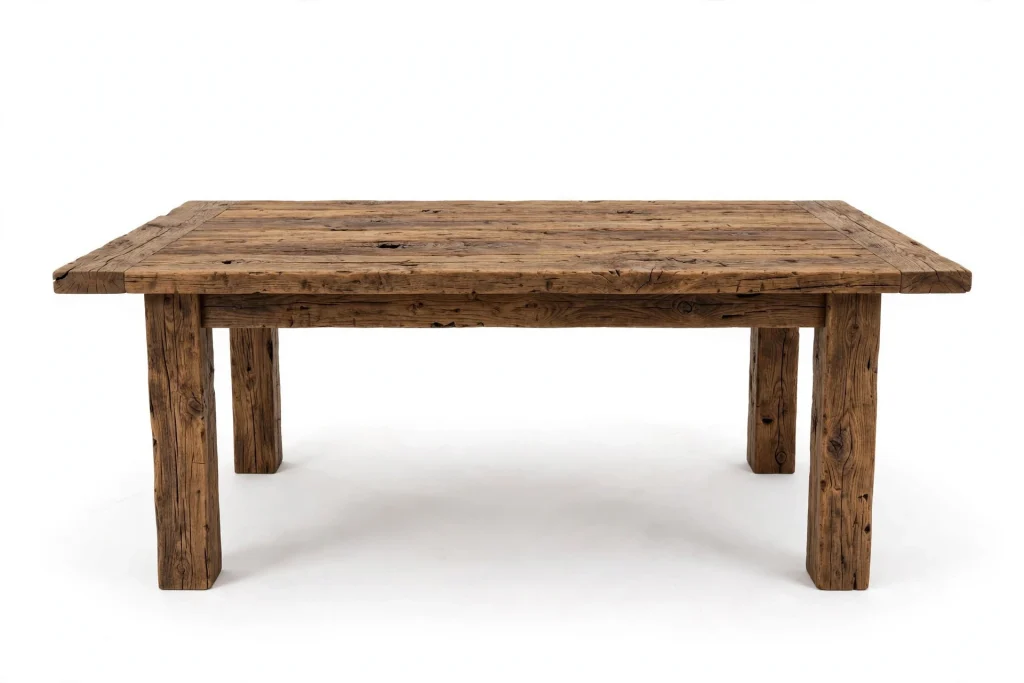
The “solid wood” dining table you’re looking at is not solid wood. It’s particle board with a 0.2mm wood veneer glued on top. The listing says “100% solid pine.” The 0.2mm veneer is technically pine. The other 38mm is sawdust and glue.
This isn’t a rare scam. It’s the industry standard for anything under $800. And the veneer will bubble within six months if your dining room gets humid in summer. I’ve seen it happen in three different apartments. Same pattern every time: tiny blister near the edge, then it spreads like a rash.
The immediate verdict: does it justify the floor space?
A $400 “solid wood” dining table that needs replacing in two years costs you $200/year. A $900 actual solid wood table that lasts fifteen years costs $60/year. The cheap one is three times more expensive. People buy the $400 table because the price tag feels safe. The math says it’s not.
Measure your space before you buy anything. A dining table needs 36 inches (91cm) of clearance behind it — otherwise you can’t pull the chair out without blocking the walkway. Most product photos are shot in 400-square-foot studios. Your dining room is not a studio. Get a tape measure. Mark the footprint on your floor with painter’s tape. Sit in the imaginary chair. If your back hits the wall, the table is too big.
The 10-second veneer test
You can check veneer thickness in a store with your phone flashlight. Shine it at a sharp angle across the table edge. Real solid wood shows continuous grain running through the edge. Veneer shows a thin line — the glue seam — where the pretty layer stops and the particle board starts.
Another test: tap your knuckle hard against the underside. Solid wood gives a dense, low thud. Particle board sounds hollow and papery. Salespeople hate this test. Do it anyway.
Check the screw heads too. If they’re stripped or show signs of being removed and reinserted, the floor model has been repaired. That tells you something about the joint quality.
Six-month aging: what the photos don’t show
High-gloss finishes look incredible in listings. Six months of wiping with a damp cloth and they show every micro-scratch. The coating on budget tables is typically 0.1mm of polyurethane — about as thick as a human hair. One slide of a ceramic plate without a placemat and you’ve got a permanent mark.
The legs are where cheap tables die. Look at the joint where the leg meets the apron. If it’s held by a single bolt through particle board, that bolt will wallow out the hole within a year of daily use. The table starts wobbling. You tighten the bolt. It strips further. Eventually you’re putting folded cardboard under one leg and pretending it’s fine.
Solid wood joints use mortise and tenon or at least dowels with wood glue. The connection gets stronger as the glue cures. Particle board connections get weaker every time you tighten them. That’s the fundamental difference, and no amount of veneer can hide it.
The hidden cost ledger
Buy the $400 table. Year one: $400. Year two: the veneer bubbles, you buy wood filler and sandpaper ($25), spend a Saturday fixing it. Year three: the legs wobble beyond repair, you buy the $900 solid wood table you should have bought originally. Total: $1,325 plus two weekends of labor.
Buy the $900 table first. Year fifteen: still using it. Total: $900.
The “budget” option cost 47% more. This math applies to bookshelves, bed frames, dressers — anything with structural joints. We saw the same particle-board tricks in our wood coffee table review. Decorative items? Buy cheap. Anything that bears weight? Buy once.
Quick Answer
Avoid “solid wood” furniture under $800 — it’s almost always particle board with thin veneer. The 10-second flashlight test (check for glue seams on edges) and knuckle-tap test (hollow sound = particle board) reveal the truth before you buy.
Will a 200-pound person break it?
Sit down hard. Not gently — drop your weight into the chair like you’re exhausted. Listen. Creaking means the joints are flexing. Flexing means the fasteners are working loose. A well-built chair takes a 200-pound drop without a sound.
Check the weight rating, then ignore it. Manufacturers test with static loads in labs. Real humans shift, lean back, tilt. Dynamic loads are 2-3x static. A chair rated for 250 lbs static might fail at 150 lbs of real human fidgeting. Look for metal reinforcement brackets at stress points. If the entire chair is held together by wood screws into particle board, it’s a two-year chair no matter what the rating says.
Sturdy Furniture That Survives Real Use
Heavy-duty frames with honest construction — no veneer tricks.
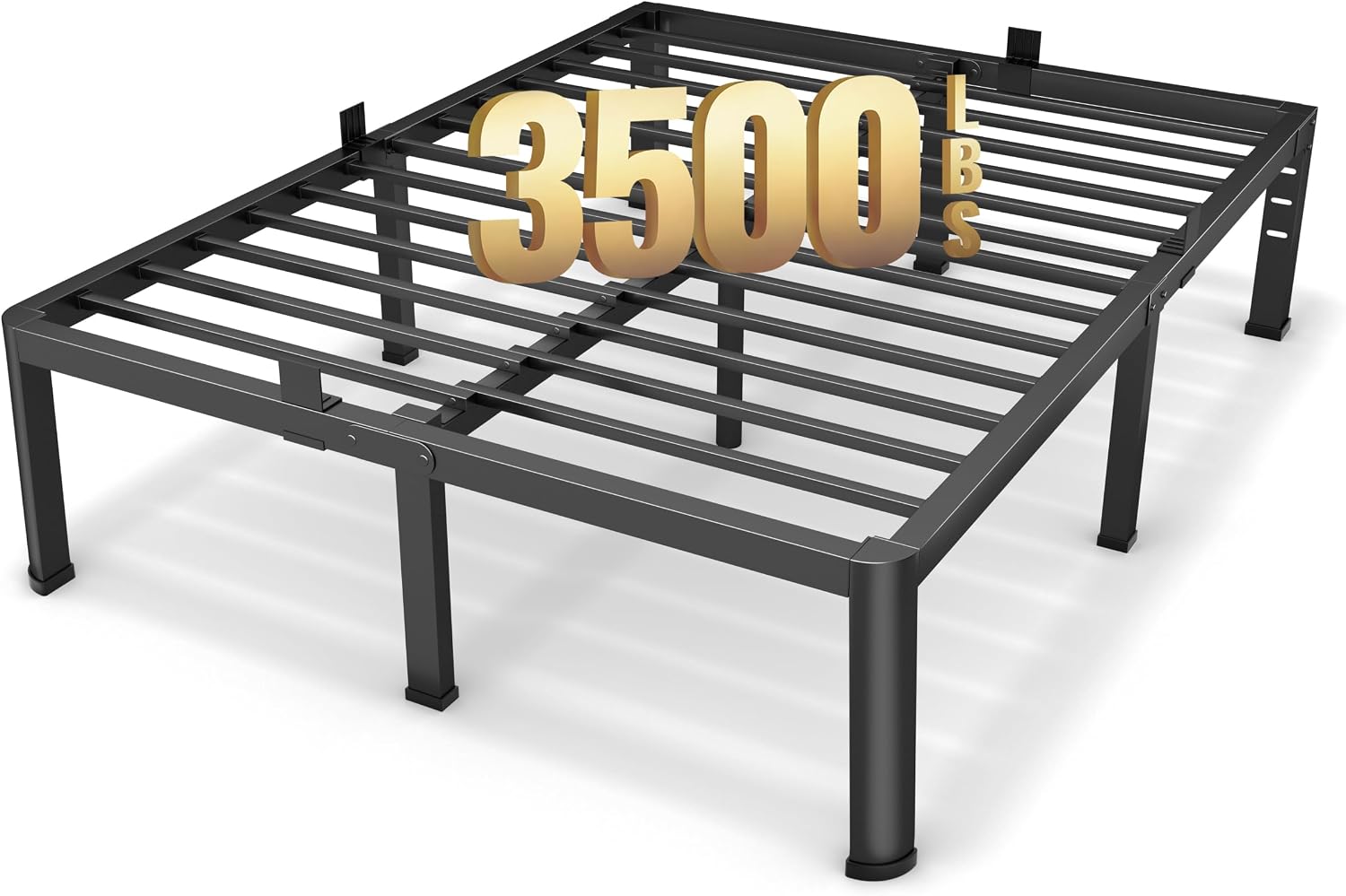
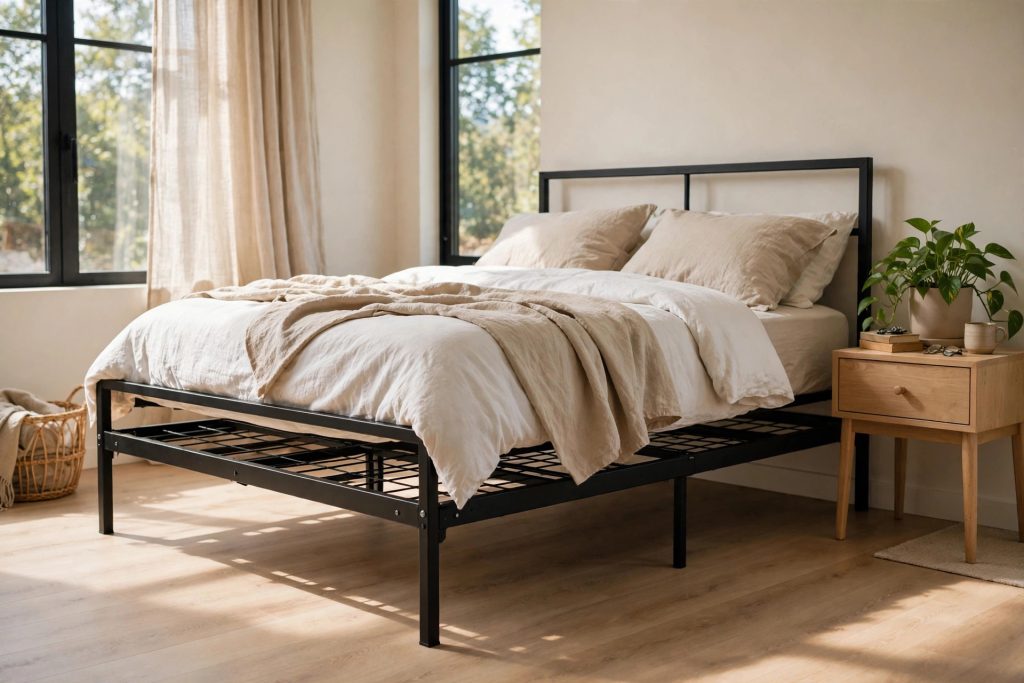
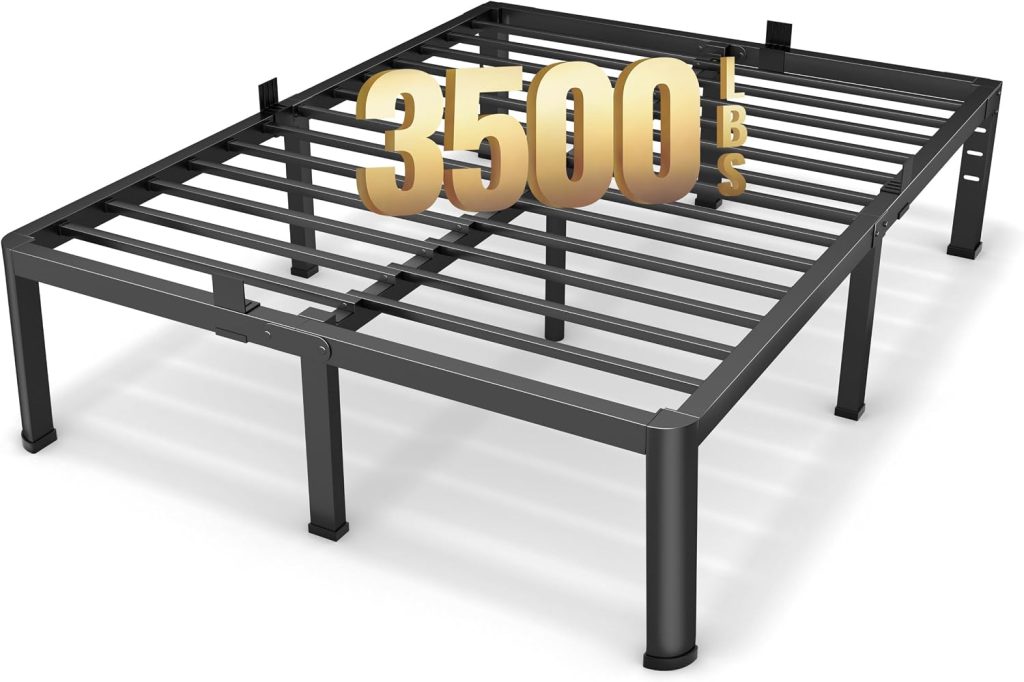
Superay 18″ Queen Platform, Round-Corner Legs
Heavy-duty metal frame, no box spring needed — built to last
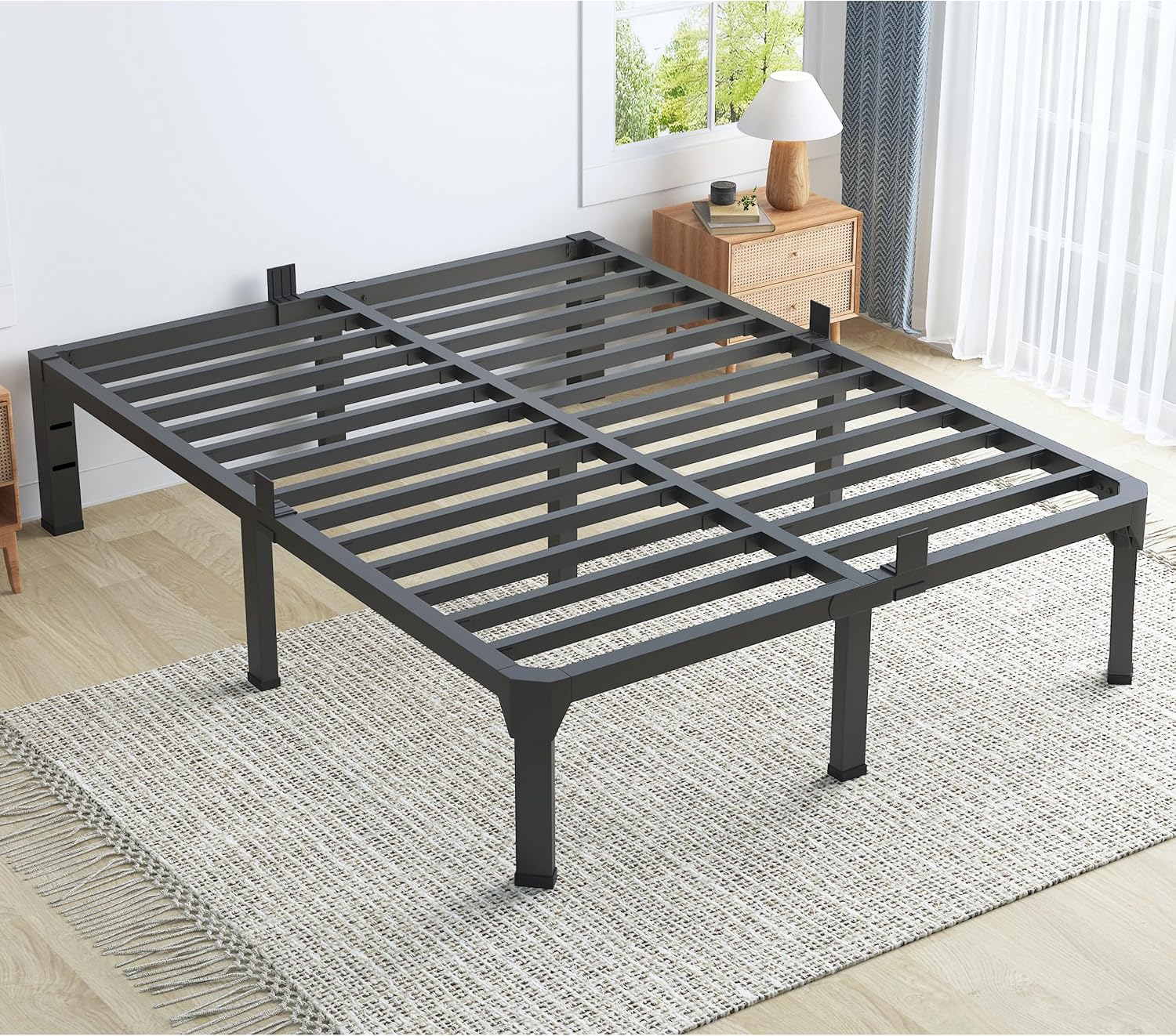
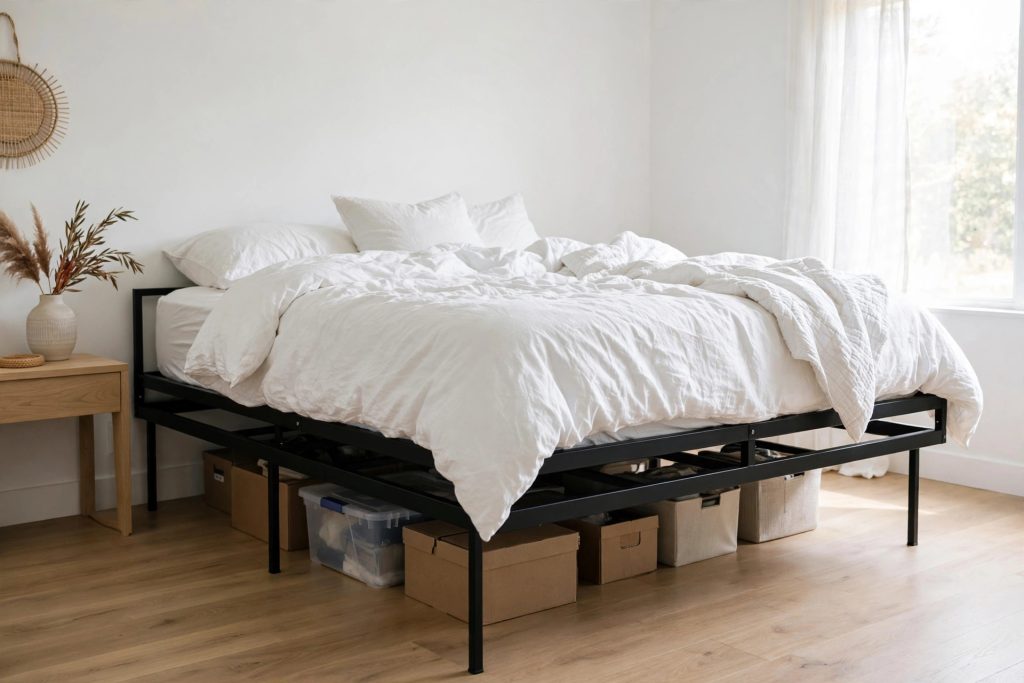
Superay 18″ Queen, 4-Pc Mattress Stopper
Keeps mattress locked in place — stops sliding for good
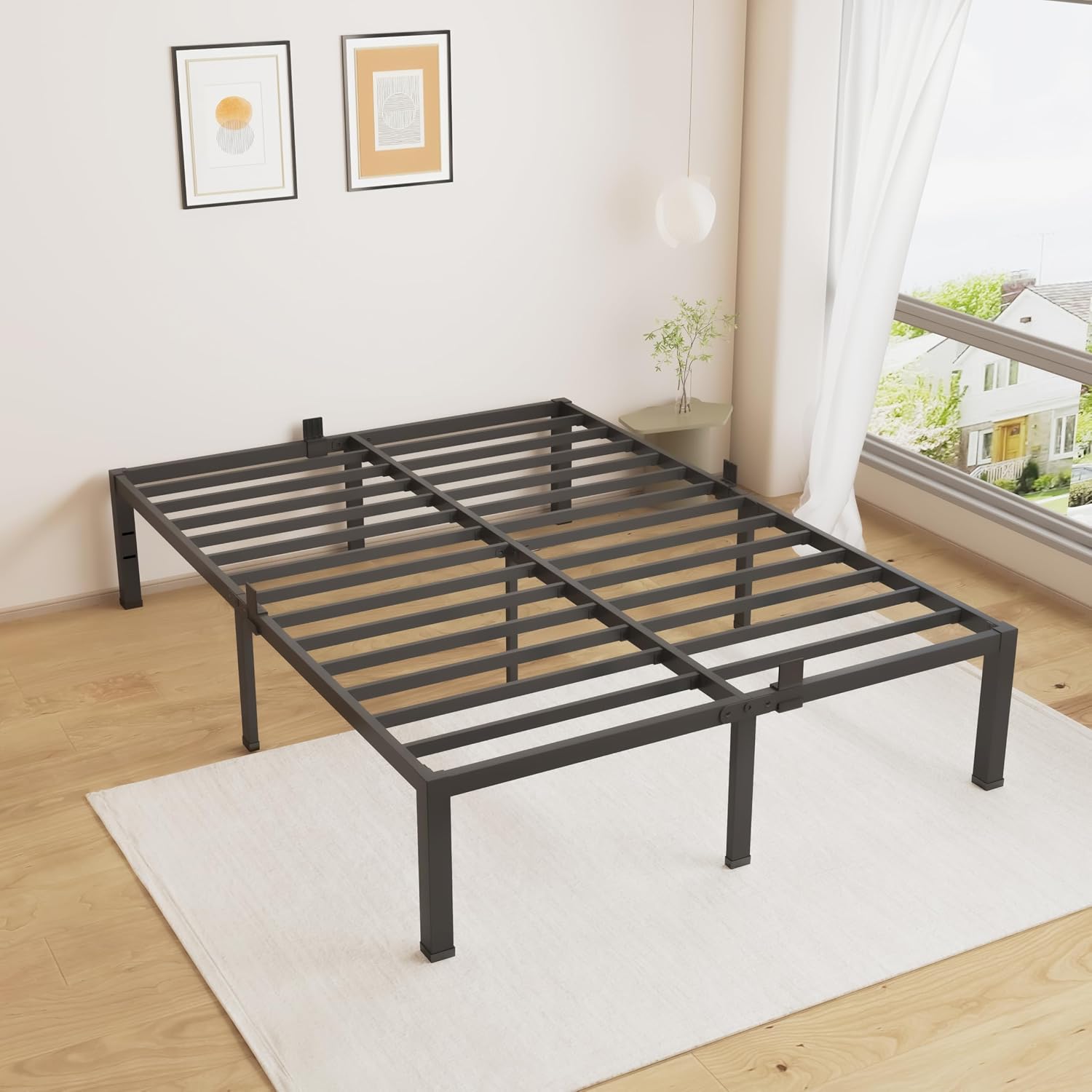
Superay 18″ Queen, Headboard Holes
Headboard-compatible version — full customization options
This site contains affiliate links. We may earn a commission on qualifying purchases.