Breville Bambino Plus Review: Is This Compact Espresso Machine Worth It?
Shopping for a home espresso machine usually starts with a fantasy and ends with a footprint problem. You want café drinks in your kitchen, but the machines that promise them look like restaurant equipment. This Breville Bambino Plus review is for the space-conscious drinker who still wants the real thing — genuine espresso, properly textured milk, in a machine that fits under a cabinet.
Quick Answer
Related reading: Not ready for the espresso learning curve? Our Keurig K-Express review covers the simpler pod route. Espresso starts with good water — our Fellow Stagg EKG kettle review is essential reading for temperature control.
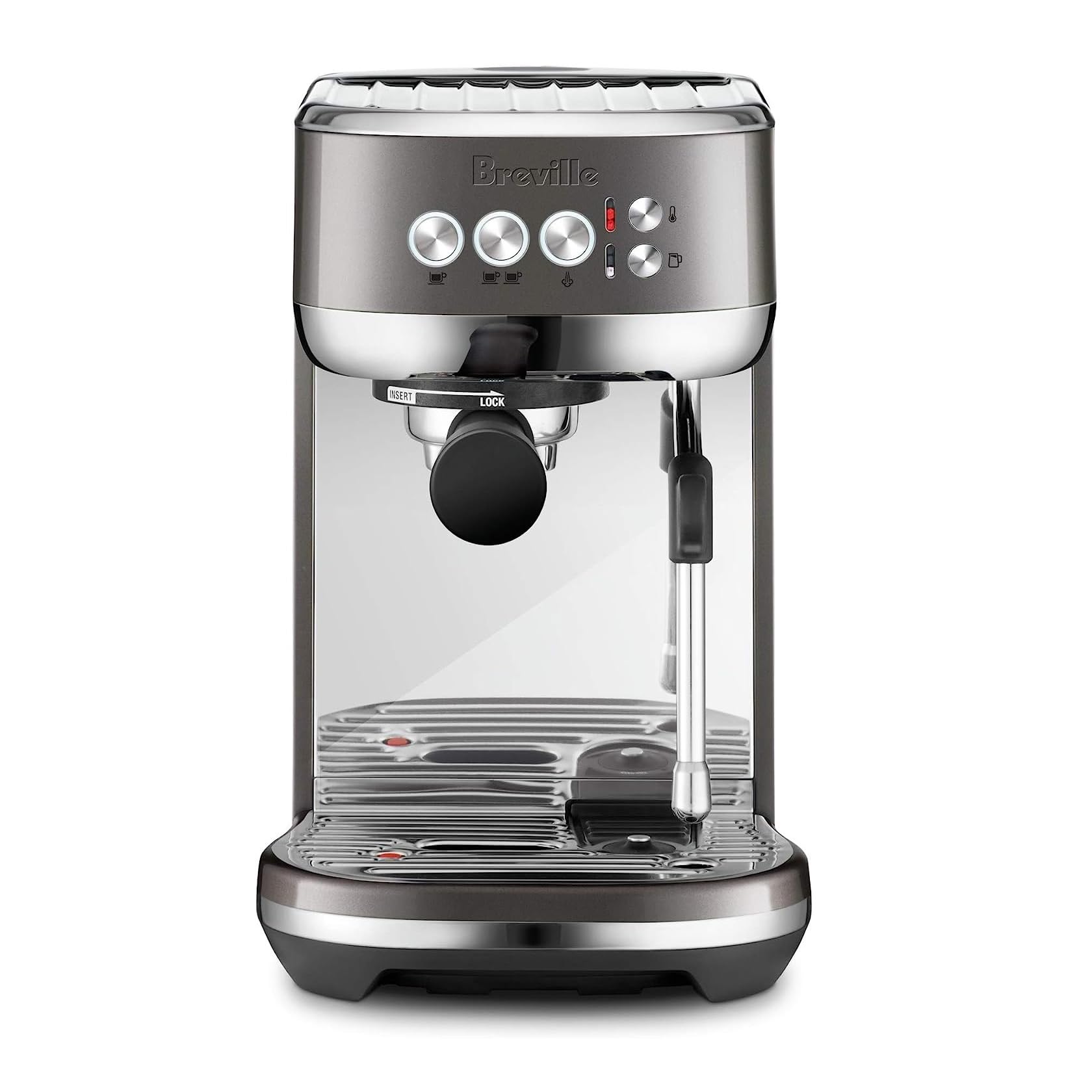
The Breville Bambino Plus removes the two biggest excuses for skipping home espresso: space and morning patience. It heats up in seconds, textures milk automatically with adjustable settings, and occupies a footprint smaller than most drip brewers. It won’t satisfy a tinkerer who wants to mod everything. For everyone else who wants a proper flat white fast, it’s the sweet spot of the compact category.
Compare Top Compact Espresso Machines
Three proven picks side by side — choose the one that fits your kitchen.
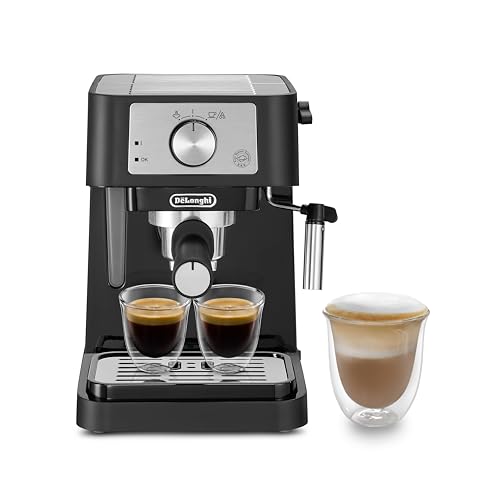
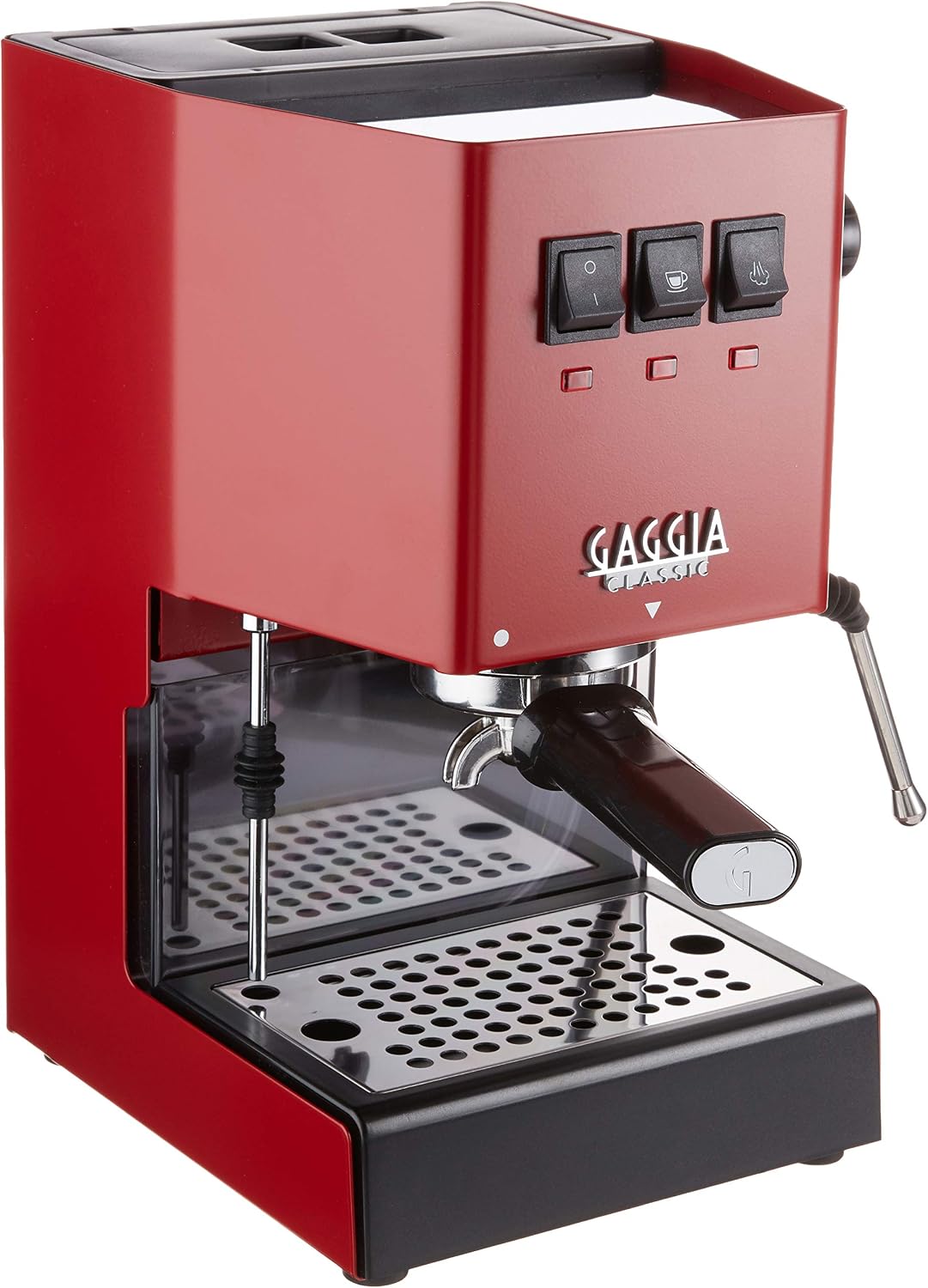
Prices and availability may vary — tap any product to check the current listing.
What to Look For When Buying a Home Espresso Machine
Espresso machines punish the wrong priorities: shoppers obsess over pump pressure and end up with bitter shots. Here’s what actually matters.
Heat-up speed: habit or paperweight
Most traditional machines need ten to twenty minutes to get ready. That sounds fine until you’re standing in the kitchen at 7am waiting. The Bambino Plus uses a fast-heating system that’s ready in seconds, and that single trait changes ownership more than any other feature. A machine you must preheat is a machine you skip on busy mornings. One you switch on and use immediately becomes part of your routine like a kettle.
Milk texturing: automatic help vs. manual control
Half the buyers in this category really want lattes. The Bambino Plus meets them halfway with an automatic steam wand that textures milk to your chosen temperature and foam level, then stops. You still pour the art yourself. The trade-off is control — a manual wand like the Stilosa’s teaches real technique and rewards it with silkier foam once you’ve practiced. Be honest about which person you are. I’ve seen people spend way too long chasing barista skills they’ll use twice a month.
Footprint: real kitchens have limits
The Bambino Plus is genuinely narrow and low enough to slide under wall cabinets where taller machines can’t live. That matters because an espresso machine that doesn’t fit on your counter lives in a closet — and closet machines don’t make coffee. Compact costs you tank size, so you’ll refill more often when making back-to-back drinks for guests. For one or two daily drinkers, a non-issue.
Temperature stability: the invisible quality factor
Espresso is fussy about water temperature — a few degrees of drift turns shots sour or bitter. The Bambino Plus includes digital temperature control that holds brew water steadier than basic thermoblock machines at its tier, which is why its shots taste consistent day to day. It’s not a dual-boiler machine; pull a shot and steam milk back-to-back and you’ll feel it working harder. For the standard home sequence — shot, then milk — it keeps up fine.
The grinder question: budget for both
No machine in this category includes a grinder, and espresso needs a fine, consistent grind only a decent burr grinder delivers. Pre-ground coffee works in the pressurized baskets and produces a drinkable shot, but it won’t be café-level. Anyone telling you the machine alone is the whole investment is selling you half a setup. Plan the grinder as phase two of the same purchase, not an optional extra.
Cleaning: the part nobody demos
The Bambino Plus keeps maintenance tolerable: the drip tray slides out, the cleaning cycle is machine-guided, and there aren’t many fiddly parts to disassemble. Compared with the Gaggia, which expects you to enjoy maintenance as a hobby, this is the low-effort option. Still, descale on schedule — hard water shortens the life of any fast-heating machine, and filtered water makes better-tasting shots too.
How to Match the Machine to Your Situation
The right machine depends less on your taste buds than your routine. See which of these sounds like your mornings.
The rushed latte drinker
You want one good milk drink before work, made fast, with minimal ceremony: seconds to heat up, automatic milk texturing, a genuinely good shot. You won’t touch the manual controls on a prosumer machine, so don’t pay for them.
The curious beginner
You’re new to espresso and a little intimidated. The Bambino Plus is forgiving where it counts: pressurized baskets while you learn, standard baskets when you add a grinder, and an automatic steam wand for your first lattes. Upgrade your skills on it, not your machine.
The apartment dweller
Counter space is your scarcest resource and the machine must earn it daily. The slim profile fits where most machines won’t, and instant heat-up means no twenty-minute preheat in a small kitchen. The smaller tank is the one compromise — fine for one or two drinkers.
How the Tiers Compare
Compact home espresso machines cluster into clear tiers. Here’s where the Bambino Plus sits.
| Type / Tier | Best For | Price Tier | Key Feature | Watch Out |
|---|---|---|---|---|
| Entry manual machines (Stilosa’s tier) | Budget-first beginners | Budget-friendly | Slim, simple, capable shots | Manual steam wand learning curve |
| Compact auto-assisted (Bambino Plus’s tier) | Daily milk-drink makers | Mid-range | Fast heat-up, auto milk texturing | No grinder included; smaller tank |
| Mod-friendly classics (Gaggia’s tier) | Hobbyists who tinker | Premium | Commercial-style parts, modding scene | Slow heat-up, needs mods for best results |
| All-in-one with grinder | One-box convenience seekers | Premium | Built-in grinder, fewer counter items | Grinder quality lags behind separates |
Entry manual machines like the Stilosa are the cheapest honest route into real espresso — respectable shots, but you’ll earn your lattes through practice.
The Bambino Plus’s tier is where convenience peaks without going full super-automatic: you control the shot while the machine handles heat-up and milk.
Mod-friendly classics like the Gaggia Classic Pro appeal to tinkerers — commercial-style parts and a deep modding scene, with a steeper learning curve.
All-in-one machines look tidy, yet their built-in grinders are the compromise — fine to start, limiting later, and you can’t upgrade the grinder alone.
Small Kitchen, Real Espresso
This is the scenario the Bambino Plus was built for: an apartment counter with exactly one appliance slot. Its slim width and low height slide in — even under wall cabinets — while machines twice its size force a lifestyle choice about what lives in the closet. The catch is tank capacity: more refills when making drinks for guests, but a fair trade for one or two daily drinkers.
Upgrading From a Drip Brewer or Pod Machine
Moving from push-button coffee to espresso means accepting five minutes of process instead of ninety seconds of convenience. The Bambino Plus softens that landing: fast heat-up removes the waiting, auto milk texturing removes the skill barrier, and the shots reward the extra effort. Keep the old brewer for a week — most people never plug it back in.
Common Mistakes Buyers Make
1. Comparing pump pressure instead of temperature control
Fifteen bars is a marketing number — every machine claims it. What separates drinkable shots from bitter ones is steady brewing temperature. Judge machines on that, not the pressure on the box.
2. Forgetting the grinder budget
A machine like this plus a solid burr grinder is the real cost of café-level espresso. Buy the machine alone and you’ll blame it for flat shots that are actually the pre-ground coffee’s fault. Plan both from day one.
3. Buying for the drinker you wish you were
People buy manual-wand machines dreaming of latte-art glory, then discover they just want caffeine fast. Be honest about your mornings — if five minutes of craft sounds romantic now but not at 7am, choose the auto-assisted machine.
4. Ignoring water quality
Hard water scales up fast-heating systems and dulls flavor at the same time. A simple filter pitcher protects the machine and tastes better — the cheapest upgrade in espresso, and the most skipped.
Why, How, What: Quick Answers
Why does my espresso taste bitter or sour?
Bitterness usually means over-extraction — water too hot, grind too fine, shot pulled too long. Sourness is the opposite. The fix is rarely a new machine: adjust one variable at a time, starting with grind size. Most frustration traces back to stale pre-ground coffee, which is why the grinder matters so much.
How do you get better milk foam at home?
Cold milk, a cold pitcher, the wand tip just below the surface to introduce air, then deeper to swirl. The automatic wand handles the hard part — stopping at your chosen temperature and texture. Manual technique learned later transfers to any machine.
What’s the difference between single and double wall baskets?
Single-wall baskets need a proper grinder but reward you with richer shots. Dual-wall (pressurized) baskets forgive inconsistent grinds and work with pre-ground coffee. Start pressurized, graduate when you buy a grinder — no shame in the training wheels.
Questions People Ask Before Buying
These are the questions shoppers actually type when they’re close to buying. Straight answers, no fluff.
Is the Breville Bambino Plus worth it?
Yes — if you want genuine espresso and properly textured milk drinks without dedicating half your counter or ten minutes of preheating to the hobby, the Bambino Plus is worth it: it heats in seconds, pulls consistent shots via digital temperature control, and its automatic steam wand textures milk to your chosen temperature and foam level. It’s not for tinkerers who want to mod everything — it’s for people who want a great flat white, fast, every day.
Breville Bambino Plus vs De’Longhi Stilosa — which should I buy?
Buy the Stilosa if budget decides and you’ll learn manual steaming — honest espresso for far less money, and practice improves your technique; buy the Bambino Plus for daily milk drinks made fast, since instant heat-up and automatic texturing turn mornings from a chore into a two-minute ritual. The price gap buys convenience and consistency, not fundamentally different espresso.
Do I need a grinder with the Bambino Plus?
For the best results, yes — espresso demands a fine, consistent grind that only a decent burr grinder delivers, and pre-ground coffee goes stale within days of opening the bag, which is why flat shots usually trace back to stale coffee rather than the machine. The included pressurized baskets still make drinkable shots from store-bought ground coffee, so you can start without one and add the grinder later.
Can the Bambino Plus make latte art?
The machine textures milk well enough for basic latte art, because the automatic steam wand produces the glossy microfoam that good pouring requires — the foundation is handled for you, so the equipment side of latte art is covered from day one. The rest is your pouring technique: expect good-looking drinks immediately and actual hearts and tulips after a few weeks of practice.
Breville Bambino Plus vs Gaggia Classic Pro — which is better?
It depends on the buyer: the Gaggia Classic Pro suits hobbyists with its commercial-style parts, huge modding community, and sturdier feel, but it punishes beginners with slow heat-up and a real learning curve that demands patience before it rewards you. The Bambino Plus suits daily drinkers — ready in seconds, automatic milk, forgiving out of the box. Choose the Gaggia if espresso is your hobby; choose the Breville if espresso is your morning.
Frequently Asked Questions
How long does the Breville Bambino Plus take to heat up?
Just seconds — far quicker than traditional boiler machines that need ten to twenty minutes. Switch it on and pull a shot almost immediately: the single biggest reason owners use it daily.
Does the Bambino Plus work with ESE pods?
It’s designed for ground coffee in its filter baskets, not pods. If pod convenience is the priority, that’s a different machine category entirely.
Can beginners use the Bambino Plus?
Yes — pressurized baskets forgive imperfect grinds, the automatic wand handles milk, and the guided cleaning cycle keeps maintenance simple. It grows with you: switch to standard baskets once you add a grinder.
How often should I descale the Bambino Plus?
It depends on your water hardness — the machine prompts you when due. Filtered water stretches the interval and improves taste. Don’t skip it: scale is the most common killer of fast-heating machines.
What’s the difference between the Bambino and Bambino Plus?
The Plus adds automatic milk texturing with adjustable temperature and foam level, plus a larger tank. The base Bambino uses a manual steam wand and costs less. Mostly straight espresso? The base suffices; milk-drink lovers should get the Plus.
Final Recommendation
So, is the Breville Bambino Plus worth it? If your goal is genuinely good espresso and milk drinks in a real kitchen on a real schedule — yes. It removes every excuse: no twenty-minute preheat, no steam-wand anxiety, no counter takeover. The shots are consistent, the milk is properly textured, and the footprint fits where other machines can’t. What you give up is hobbyist depth — no modding scene, no dual boiler, no grinder in the box.
Choose the De’Longhi Stilosa if the budget is tight and you’ll learn manual steaming — the honest cheap route into real espresso. Choose the Gaggia Classic Pro if espresso is the hobby itself and you’ll enjoy the tinkering. For everyone else — the rushed, the curious, the apartment-bound — the Bambino Plus is the machine that gets used every single morning. And that’s the only spec that matters.
OUR TOP PICK
Breville Bambino Plus
Auto milk texturing · heats in seconds · compact footprint
Decision Tree: Should You Buy It?
→ Want milk drinks daily, made fast? Yes → strong match.
→ Counter space tight or low cabinets? Yes → the slim profile earns its spot.
→ Espresso as a tinkering hobby? Yes → look at the Gaggia Classic Pro instead.
→ Budget-first and willing to learn? The Stilosa gets you in honestly.
Key Takeaways
• Heat-up speed decides whether a machine becomes a habit — seconds beats twenty minutes.
• Budget for a burr grinder too; the machine alone is only half the setup.
• Buy for your actual mornings, not the barista fantasy — convenience wins daily.