Selecting Your Ideal Stand Mixer: From the Compact Kitchen in the box 3.2Qt Small Electric Food Mixer to Robust Kitchen Essentials
Choosing a stand mixer can feel overwhelming. This guide cuts through the noise, offering practical advice for anyone contemplating a new kitchen workhorse, whether you’re a first-time baker eyeing an appliance like the Kitchen in the box 3.2Qt Small Electric Food Mixer or an experienced cook seeking an upgrade. I’ve spent fifteen years helping home bakers navigate these decisions, from understanding motor performance to matching capacities to actual baking habits. You’ll learn what truly matters when investing in an electric stand mixer, avoiding common pitfalls and ensuring your choice fits your culinary journey.
Quick Answer
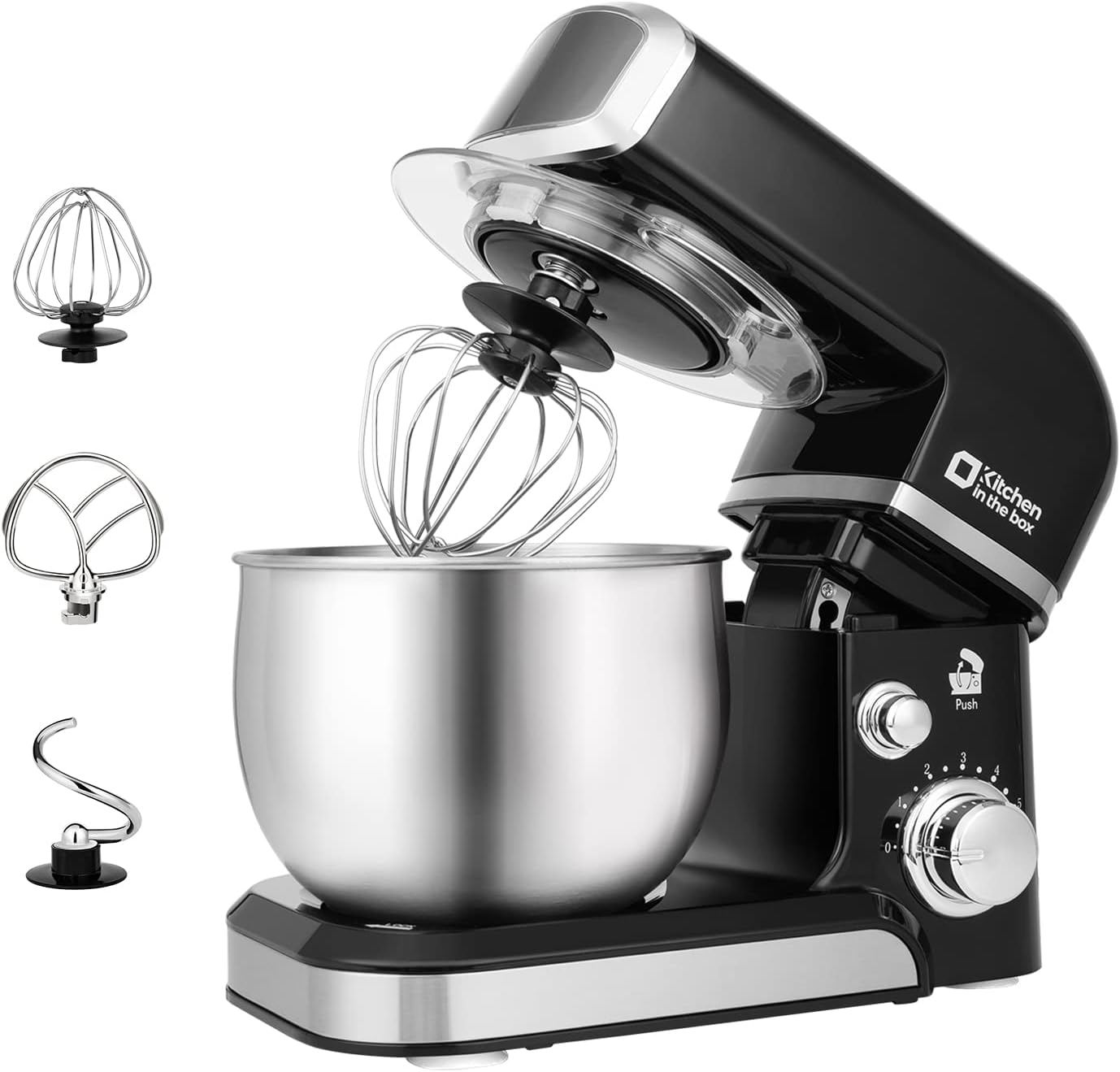
For many home bakers, especially those starting out or with limited kitchen space, a mid-range tilt head stand mixer around 4.5 to 5 quarts offers an excellent balance of capacity and versatility. If you’re considering a smaller appliance like the Kitchen in the box 3.2Qt Small Electric Food Mixer, it’s a solid choice for lighter tasks and small batches, but be mindful of its limitations for heavy doughs or larger recipes.
What to Look For in a Stand Mixer
A stand mixer isn’t just another gadget; it’s a kitchen investment. Knowing what features to prioritize helps you make a choice you won’t regret. Many factors influence performance and longevity, extending far beyond initial aesthetics.
Capacity: How Many Quarts Do You Really Need?
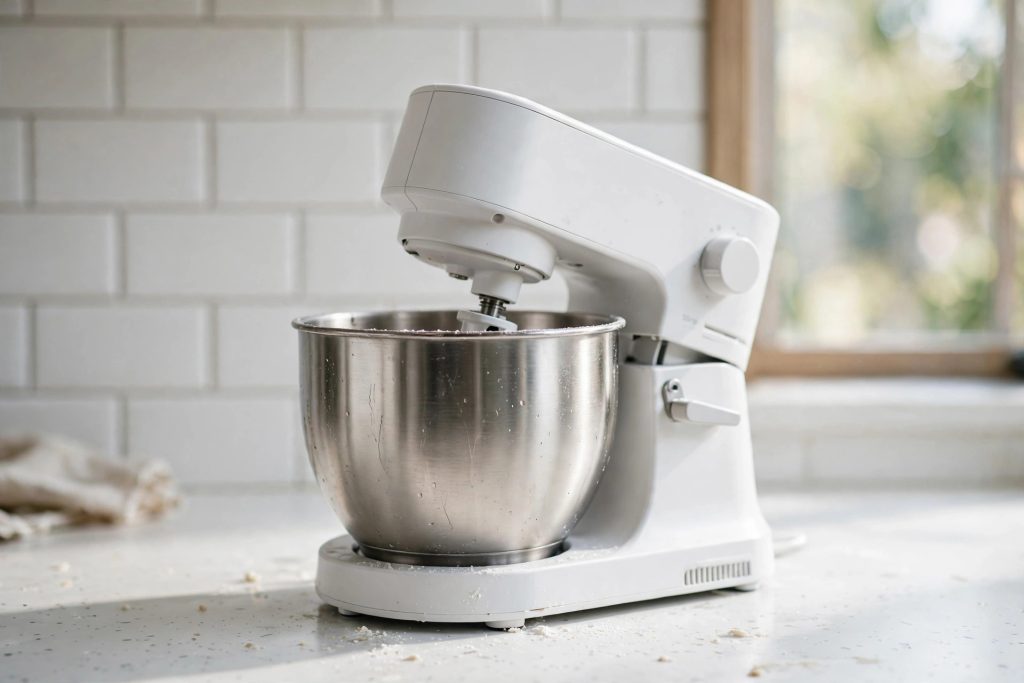
Mixer capacity, measured in quarts, is perhaps the most fundamental decision. A larger bowl handles bigger batches, certainly, but it also takes up more counter space. The Kitchen in the box 3.2Qt Small Electric Food Mixer, for instance, is designed for smaller households or occasional bakers.
- 3-4 Quarts (like the 3.2Qt Small Electric Food Mixer): These compact kitchen stand mixer models are ideal for single servings, small dessert recipes, or light tasks like whipping cream, beating eggs, or making a single loaf of quick bread. They won’t handle stiff cookie dough for a crowd or multiple loaves of artisan sourdough. Their smaller footprint is a distinct advantage in tight kitchens.
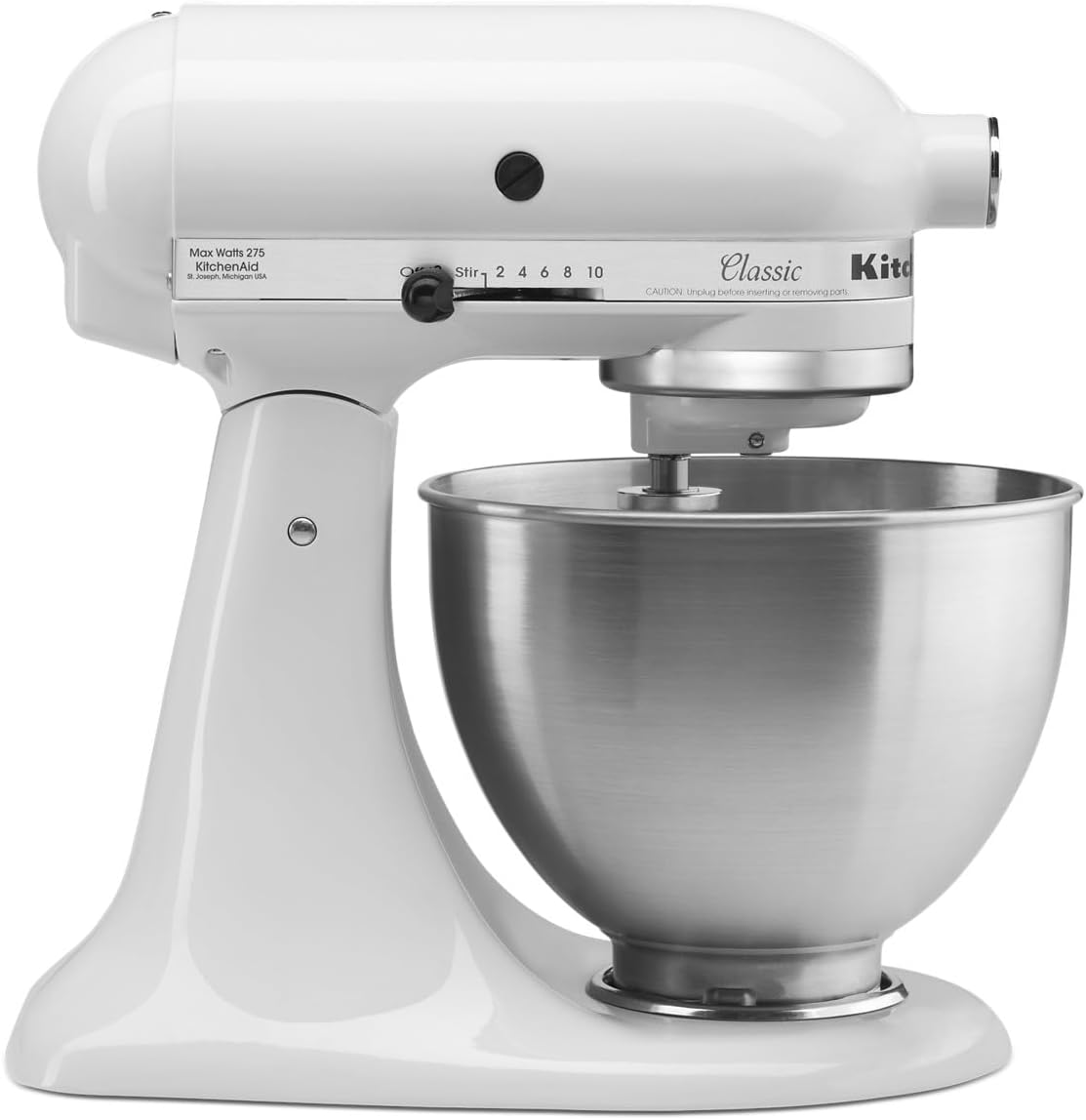
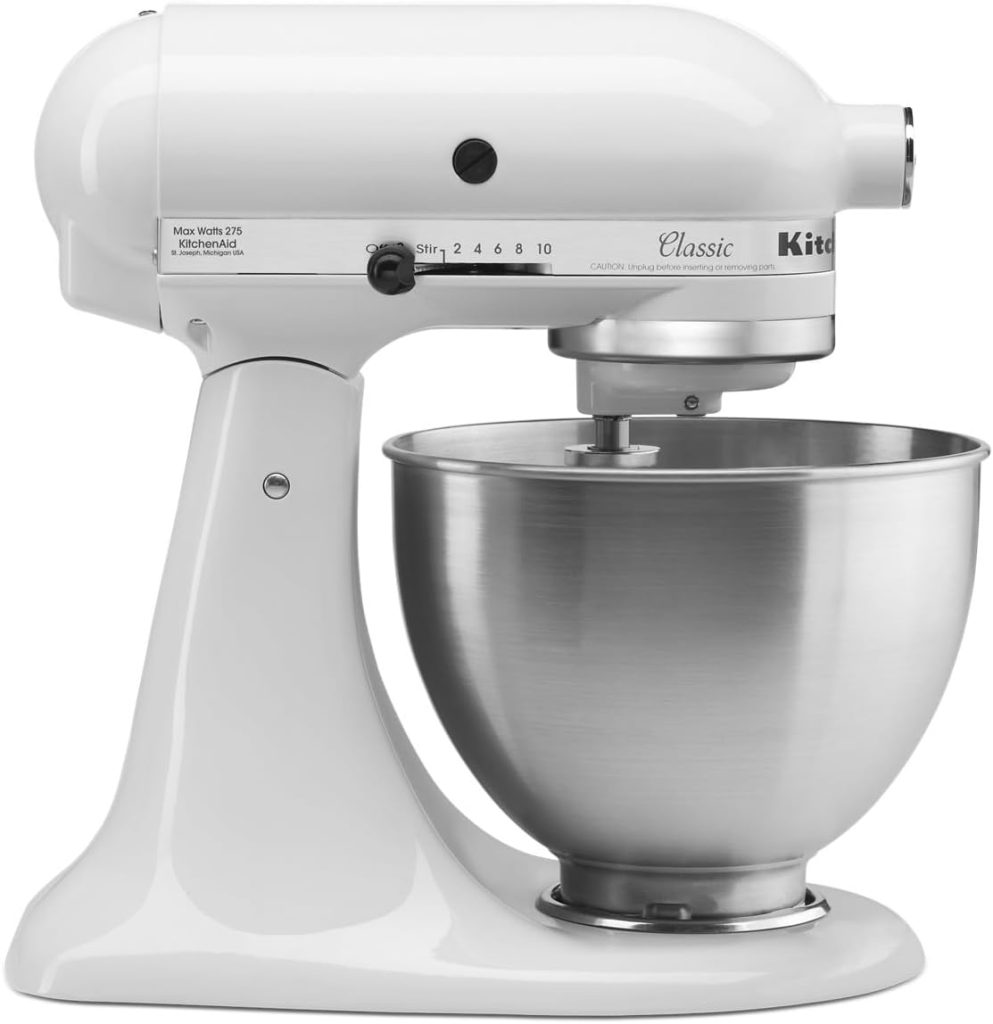
- 4.5-5 Quarts: This is the sweet spot for many home bakers, often seen in popular models like the KitchenAid Artisan 5 quart. It comfortably mixes cookie dough for 2-3 dozen cookies, a standard cake batter, or a batch of bread dough with 4-5 cups of flour. This size offers versatility without being overly bulky.
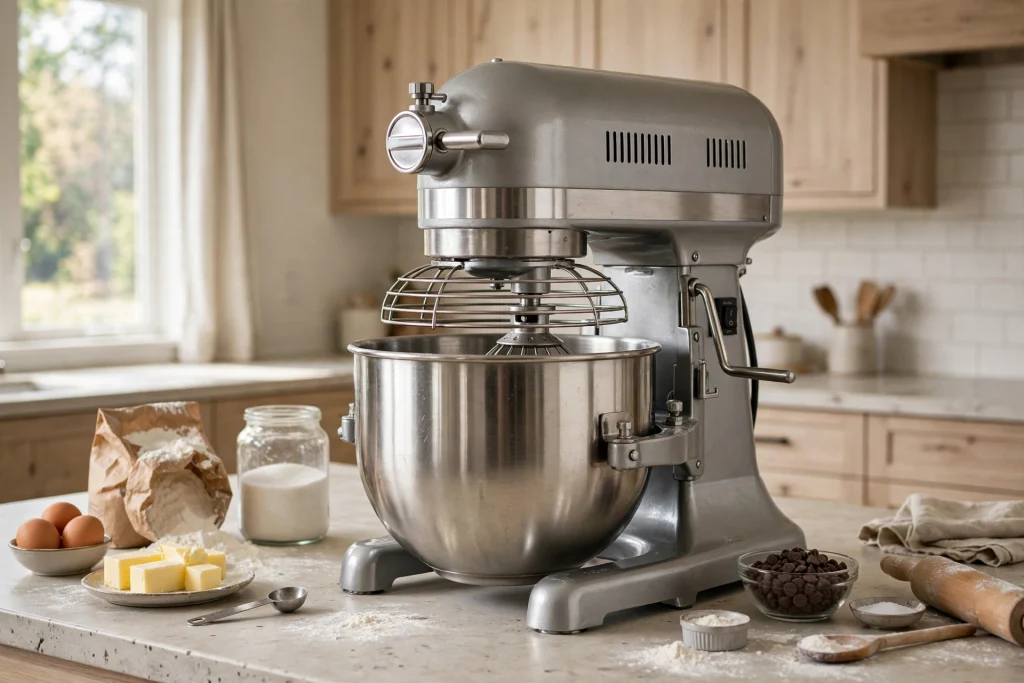
- 6-7 Quarts and Up: A professional stand mixer in this range is built for serious bakers, large families, or those who frequently entertain. Expect to mix double batches of cookies, multiple bread loaves, or heavy, dense doughs without issue. These machines are often bowl-lift designs, requiring more vertical clearance, and come with a higher price tag.
The general rule: a mixer that’s too small quickly becomes frustrating, but one that’s excessively large might sit unused, taking up valuable real estate. Be honest about your typical batch sizes.
Motor Power: Watts, Torque, and Drive System
Manufacturers frequently market electric stand mixer models by their wattage, but this isn’t the whole story. While a higher wattage (e.g., 500W vs. 300W) can indicate more raw power, the mixer’s internal gearing and drive system play a crucial role in how that power is delivered to the mixing bowl. A high-wattage motor with flimsy plastic gears might struggle more than a lower-wattage motor with robust metal gears and a direct-drive system when tackling stiff dough.
- Wattage: Generally, 250-300 watts is sufficient for light to moderate tasks (whipping, cake batter, light cookie dough), typical for a smaller machine like the Kitchen in the box 3.2Qt Small Electric Food Mixer. For regular bread baking or heavy loads, look for 325-500+ watts.
- Torque: Torque is the rotational force that actually turns the attachments. A mixer with good torque maintains speed under load, preventing bogging down or overheating. Many premium brands, irrespective of their exact KitchenAid mixer wattage comparison, focus on efficient power transfer and torque delivery rather than just a high wattage number. This is where metal gears become vital.
- Drive System: Direct-drive motors tend to be more efficient and durable, transferring power directly to the attachments without a lot of power loss. Belt-driven systems can be quieter but might wear down over time.
Don’t let a low wattage number immediately deter you from a compact mixer if your needs are light. For serious bread bakers, however, prioritizing torque and sturdy internal components over a mere watt count is critical.
Mixer Mechanism: Tilt-Head vs. Bowl-Lift
The two primary designs for a stand mixer dictate how you access the bowl and attachments.
- Tilt-Head Stand Mixer: This design features a head that tilts back, allowing you to easily remove the bowl, scrape down the sides, or change attachments. They are generally simpler to operate and clean. Many mid-range and smaller mixers, including potentially the Kitchen in the box 3.2Qt Small Electric Food Mixer (though specific mechanism isn’t clear from product name, smaller mixers are often tilt-head), use this mechanism. However, they can be less stable for very heavy doughs and require more vertical clearance under overhead cabinets when tilted open. This design also offers slightly less power transfer for extremely dense mixtures compared to a bowl-lift counterpart.
- Bowl-Lift Stand Mixer: With this design, the mixing head is stationary, and a lever raises and lowers the bowl into place. Bowl-lift mixers are typically more robust, stable, and powerful, making them the preferred choice for a professional stand mixer handling large quantities of stiff dough. They also tend to be shorter, fitting better under cabinets, but require more clearance at the front to slide the bowl in and out. The trade-off? They can be a bit more cumbersome to scrape down the sides of the bowl or add ingredients mid-mix, and they generally come at a higher price point.
Attachment Hub Compatibility
Most stand mixer with attachments offer a front-mounted power hub, allowing you to expand your mixer’s capabilities beyond mixing. This is a significant differentiator between basic models and more versatile ones.
- Proprietary Hubs: Some brands use unique attachment hubs, limiting you to their specific accessories.
- Universal or Widely Compatible Hubs: Brands like KitchenAid have established a de facto standard for their attachment hub, meaning a vast ecosystem of third-party attachments is available, from pasta makers and spiralizers to meat grinders and ice cream makers. Investing in a mixer with a widely compatible hub significantly broadens its utility, making it a true multi-purpose kitchen stand mixer. For a smaller, simpler model like the Kitchen in the box 3.2Qt Small Electric Food Mixer, attachment compatibility might be limited or nonexistent, which is perfectly fine if you only need it for basic mixing tasks.
Consider what you might want to do with your mixer down the line. Do you dream of homemade pasta or fresh-ground sausage? Then attachment hub compatibility becomes a key buying factor.
Build Materials and Durability
The construction materials of a stand mixer directly impact its durability and how it handles demanding tasks.
- Housing: Look for metal construction, especially in the mixer’s head and base. Plastic housings are lighter and more affordable, found often in budget models, but they can flex or crack under heavy loads, diminishing longevity.
- Gears: Metal gears are far more durable and resilient than plastic gears, especially when working with stiff doughs or over long periods. While plastic gears are fine for occasional light baking, they’re a common failure point in less expensive machines.
- Bowl: Stainless steel bowls are the industry standard for good reason: they’re durable, non-reactive, and easy to clean. Glass bowls are attractive and let you see the mixing action, but they are heavier and breakable.
Counter Footprint and Storage
Don’t underestimate the physical presence of a kitchen stand mixer. These appliances are heavy and often live on the countertop.
- Dimensions: Measure your available counter space, including the height under overhead cabinets (especially for tilt-head models). A compact unit like the Kitchen in the box 3.2Qt Small Electric Food Mixer is designed precisely for those with limited space.
- Weight: Heavier mixers, usually those with more metal components, tend to be more stable during operation, preventing “walking” across the counter with heavy doughs. However, this also makes them harder to move in and out of storage. A lighter mixer might be easier to tuck away if you don’t use it daily.
What a First Mixer Actually Needs (A Beginner Baker’s Checklist)
Starting your baking journey with the right stand mixer for beginner bakers means balancing capability with cost and complexity. Here’s what matters most for your first appliance:
- Sufficient Capacity (4.5-5 Quarts Recommended): While a 3.2-quart model like the Kitchen in the box Small Electric Food Mixer is fine for very small tasks, a slightly larger bowl offers more flexibility for common recipes without being too cumbersome.
- Reliable Motor for Basic Tasks: Don’t obsess over top-tier wattage. A mixer with 250-325 watts and decent gearing is perfectly adequate for cake batters, whipping cream, and standard cookie dough.
- Tilt-Head Design: This mechanism is generally easier to use for beginners, allowing simple access to the bowl and attachments.
- Essential Attachments Included: Your mixer should come with a flat beater, wire whisk, and dough hook to cover most basic recipes.
- Durability for Occasional Use: A machine with a mix of metal and durable plastic components is acceptable. You don’t need a professional-grade unit for your first foray into baking.
- Manageable Counter Footprint: Choose a size that fits comfortably in your kitchen without dominating the space, ensuring it gets used rather than stored away.
- Affordable Price Point: Avoid overspending on features you might not use yet. There are many capable options that serve as a fantastic budget alternative to KitchenAid mixer.
Matching Your Stand Mixer to Your Situation
Your ideal stand mixer isn’t just about specs; it’s about how it fits your life.
For the Occasional Baker or Small Kitchen
If you bake a few times a month, mostly cakes, cookies, or whipped cream, and space is at a premium, a compact electric stand mixer is a wise choice. Models in the 3.2 to 4-quart range, such as the Kitchen in the box 3.2Qt Small Electric Food Mixer, are fantastic for these lighter tasks. They’re often more affordable and easier to store. You won’t be churning out artisanal bread loaves, but you’ll have a capable helper for everyday treats.
For the Weekly Home Baker
Baking once or twice a week, perhaps tackling the occasional batch of bread or multiple dozens of cookies, calls for a more robust machine. A 4.5 to 5-quart tilt head stand mixer is likely your best bet. These mixers, like the ubiquitous KitchenAid Artisan 5 quart, offer the power and capacity for most common recipes without feeling like overkill. They strike a good balance between performance and price. Consider the long-term value here; a well-built appliance will last.
For the Avid Baker or Large Family
If your kitchen is a constant hub of baking activity, producing multiple loaves of bread, large quantities of dough, or intricate desserts regularly, you’ll benefit from a professional stand mixer in the 6-quart-plus range. These are almost always bowl-lift stand mixer designs, built for heavy-duty tasks and often boasting stronger motors and full metal construction. While they represent a more significant investment, their durability and performance under strenuous conditions justify the cost for dedicated bakers.
The KitchenAid Debate: Overpriced or Worth It?
The question “is KitchenAid mixer overpriced?” is one I hear constantly. It’s a genuine debate with strong arguments on both sides.
On one hand, many consider a KitchenAid stand mixer worth it for its reputation, perceived durability, and the sheer breadth of its attachment ecosystem. These machines often become multi-generational hand-me-downs, speak to a long warranty period, and command decent resale value. The brand has built a legacy of reliable performance, and for many, that consistency and the aesthetic appeal are worth the premium.
Conversely, a substantial segment argues that you’re paying for the brand name and aesthetics, and that equally capable (or even more powerful for specific tasks) alternatives exist at a lower price point. When comparing a Hamilton Beach stand mixer vs KitchenAid, or looking at offerings from brands like Cuisinart or Cosori, you often find machines with similar capacities and wattage ratings that cost significantly less. Critics point to instances of plastic gears in some KitchenAid models, suggesting the build quality isn’t universally superior for the price.
Ultimately, deciding if a KitchenAid stand mixer worth it comes down to your priorities. If you value a classic design, a vast range of attachments, and a proven track record that makes it a 10+ year appliance for weekly baking, the premium might be justified. If you’re an occasional baker, are budget-conscious, or prioritize raw motor power and don’t care about the brand name, a budget alternative to KitchenAid mixer will likely suit you just fine, offering excellent value. It’s about aligning the brand’s offering with your personal baking frequency and desired longevity.
Stand Mixer Tiers and Types
| Type | Best For | Price Tier | Key Feature | Watch-Out |
|---|---|---|---|---|
| Compact Electric Food Mixer (e.g., Kitchen in the box 3.2Qt) | Beginner bakers, small batches, light tasks, limited space | Budget-Friendly | Small footprint, easy storage | Limited power for heavy dough, smaller bowl capacity |
| Mid-Range Tilt-Head Stand Mixer (e.g., 5-Quart Artisan) | Regular home bakers, versatile tasks | Mid-Range | Balance of capacity, power, and features | Less stable for very heavy doughs, requires vertical clearance |
| Heavy-Duty Bowl-Lift Stand Mixer | Avid bakers, large batches, dense doughs | Premium | Robust power, superior stability, high capacity | Higher cost, can be cumbersome to scrape bowl |
| Specialized High-Capacity Mixer (e.g., Bosch Universal) | Dedicated bread bakers, unique mixing motions | Premium | Unique design excels at bread dough | Can be bulky, niche design might not suit all bakers |
Compact Electric Food Mixer (e.g., Kitchen in the box 3.2Qt): These mixers are designed for convenience and efficiency in smaller kitchens, excelling at whipping cream or making a small cake, but will struggle with dense cookie dough or multiple loaves of bread.
Mid-Range Tilt-Head Stand Mixer (e.g., 5-Quart Artisan): Often the default choice for general home baking, these machines capably handle most recipes, from cookies to light bread doughs, though they might “walk” slightly if the dough is particularly stiff.
Heavy-Duty Bowl-Lift Stand Mixer: Engineered for maximum power and stability, these mixers are the workhorses of serious home kitchens, making quick work of large quantities of dense doughs without complaint, but they come at a higher investment.
Specialized High-Capacity Mixer (e.g., Bosch Universal): Featuring a different mixing action (often bottom-drive), these are often favored by bread bakers for their ability to handle large, sticky doughs efficiently and gently, though their unique design can take some getting used to.
Common Mistakes Buyers Make
Even with careful research, it’s easy to stumble when buying a stand mixer.
- Buying Based on Wattage Alone: As discussed, wattage is only one piece of the puzzle. A KitchenAid mixer wattage comparison with an off-brand model might show similar numbers, but internal gear quality, torque, and drive system matter more for real-world performance, especially with stiff dough. Prioritize overall build and user reviews on performance under load, not just the sticker wattage.
- Underestimating Counter or Storage Space: A stand mixer is a significant appliance. Many buyers fail to measure their counter height, leading to tilt-head models that can’t fully open under cabinets. Equally, these machines are heavy; if you plan to store it away, make sure you have an accessible, sturdy spot.
- Overbuying Capacity for Occasional Bakers: Getting a 6-quart professional stand mixer when you only bake a couple of times a year for a small household is often overkill. The large bowl can be harder to mix small quantities in effectively, and the machine itself is more expensive and takes up more space. A 3.2-quart electric stand mixer like the Kitchen in the box model is often plenty.
- Ignoring Attachment Hub Compatibility Before Buying Accessories: If you dream of making your own pasta or grinding meat, check that your chosen stand mixer with attachments uses a widely compatible power hub. Many budget models have proprietary or no attachment hubs, limiting future expansion of its utility.
Why/How/What for Your Stand Mixer
Why invest in a stand mixer over a hand mixer?
A stand mixer provides consistent, hands-free mixing power that a hand mixer simply can’t match. It excels at tasks requiring extended mixing times (like creaming butter and sugar), kneading dense bread dough, or whipping large quantities of egg whites to stiff peaks, freeing your hands to prepare other ingredients. This consistency often leads to better baked goods and less fatigue.
How do I maintain my stand mixer for longevity?
Regular cleaning is paramount; wipe down the housing after each use and wash attachments and bowls promptly. Avoid forcing the motor with overly stiff doughs or exceeding capacity limits, which can strain internal components. Refer to your manual for specific lubrication or service recommendations, particularly for older models, ensuring your electric stand mixer provides years of reliable service.
What are the key differences between stand mixer color options?
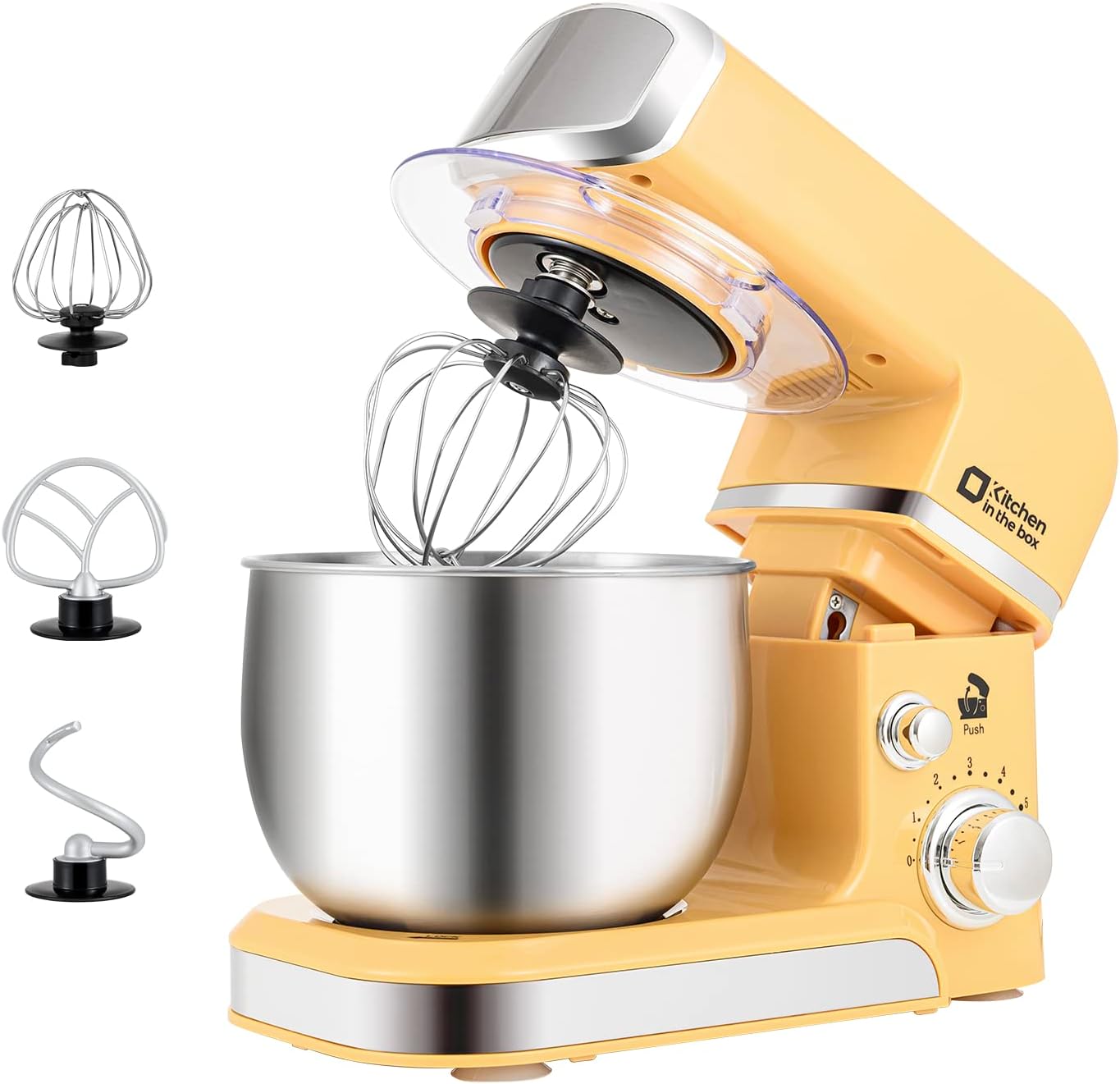
Beyond personal aesthetic preference for your kitchen stand mixer, the best stand mixer color options often signify different model lines or materials, though primarily it’s a design choice. While some professional series might come in specific utilitarian finishes, for most home bakers, color is purely cosmetic. Choose a shade that complements your kitchen décor and brings you joy, whether that’s a classic silver or a vibrant red, as the color itself won’t impact performance.
FAQ
Is a 3.2-quart stand mixer big enough for bread dough?
A 3.2-quart mixer, such as the Kitchen in the box 3.2Qt Small Electric Food Mixer, can handle very small batches of bread dough (e.g., a single mini-loaf with 1-2 cups of flour), but it will struggle significantly with standard bread recipes calling for 3+ cups of flour due to motor strain and bowl size.
Are tilt-head stand mixers less powerful than bowl-lift ones?
Generally, bowl-lift mixers are designed for heavier duty tasks and often have more robust motors and a more stable design, making them better for very dense doughs. Tilt-head models are perfectly powerful for most home baking, but they might not handle continuous, heavy-duty kneading as efficiently.
What’s a good budget alternative to a KitchenAid mixer?
Brands like Hamilton Beach, Cuisinart, and Cosori offer compelling budget alternative to KitchenAid mixer options. They often provide similar capacity and wattage at a lower price point, making them excellent choices for occasional bakers or those starting out.
Should I prioritize a higher wattage or more speeds for a stand mixer?
Neither wattage nor speed count should be the sole deciding factor. Look for a balance. A mixer with around 300-500 watts and 6-10 variable speeds provides ample control and power for most recipes. Torque and internal gear quality are often more important than the absolute highest wattage number.
Do all stand mixers come with a pouring shield?
No, not all stand mixer with pouring shield models include one as standard. A pouring shield helps prevent ingredients from splattering out of the bowl, especially when adding dry ingredients to wet ones, and is a useful accessory to look for or purchase separately.
Final Recommendation
For the beginner baker or anyone with limited kitchen space who bakes occasionally, the allure of a compact unit like the Kitchen in the box 3.2Qt Small Electric Food Mixer is strong, and rightly so. It’s a capable, space-saving choice for lighter tasks like whipping cream, cake batter, and small batches of cookies. Understand its limitations for heavy dough, and you’ll find it a valuable assistant for your culinary explorations.
If your baking ambitions grow, or you find yourself tackling heavier doughs and larger quantities more often, consider stepping up to a 4.5 to 5-quart tilt head stand mixer. This size offers the versatility and power that most home bakers eventually appreciate, providing a long-lasting, reliable kitchen stand mixer that can handle everything from weekly bread baking to holiday cookie marathons.
#Kitchen #box #Stand #Mixer3.2Qt #Small #Electric #Food