Ninja HyperHeat vs Instant Pot Duo Plus: 9-in-1 Cooker Review

Is the Instant Pot Duo Plus 9-in-1 Multicooker Worth It? A Consultant’s Comparison

Deciding on a new countertop appliance can feel overwhelming with all the options available. This guide cuts through the marketing noise, focusing on what truly matters when considering an Instant Pot Duo Plus 9-in-1 Multicooker and how it stacks up against alternatives like the Ninja® HyperHeat 9-in-1 Pressure Cooker, 6.5-qt, Stone. You’ll learn how to assess its value for your specific kitchen needs, whether you’re replacing a slow cooker, eyeing a dedicated electric pressure cooker, or just trying to consolidate. My goal is to equip first-time buyers and experienced home cooks alike with the knowledge to make an informed choice.


Quick Answer

The Instant Pot Duo Plus 9-in-1 Multicooker offers a versatile cooking experience, combining pressure cooking, slow cooking, sautéing, and more in a single appliance. It’s an excellent investment for home cooks seeking efficiency and multi-functionality, especially when aiming to replace several individual units. Its value hinges on your cooking frequency, desired features, and willingness to explore various cooking methods beyond basic pressure cooking.


What to Look for in a Multicooker: Buying Criteria

Kitchen appliances are significant purchases. Understanding the key features and their implications will help you make a truly informed decision.

Capacity and Quart Size

The first decision many home cooks face, and arguably one of the most impactful, is capacity. Multicookers, including the Instant Pot Duo Plus, typically come in 6-quart and 8-quart sizes, with some smaller 3-quart options and larger 10-quart models also available. A 6-quart Instant Pot is the most popular choice for a reason. It fits comfortably in most kitchens, striking a balance between adequate cooking volume and reasonable counter space consumption. This size is generally well-suited for serving 2-4 people with some leftovers, or up to 6 for a single meal. Many Instant Pot recipes are developed with the 6-quart in mind.

However, a 6-quart can quickly feel too small if you regularly prepare larger items like whole chickens, substantial roasts, or extensive meal prep Instant Pot batches for a family of five or more. Imagine trying to fit a 5-pound pot roast and a variety of vegetables into a 6-quart; it’s possible, but it pushes the limits. For bigger families, frequent entertaining, or serious batch cooks who aim to freeze meals, an 8-quart Instant Pot is often the better fit. This size offers ample space for larger cuts of meat, doubling recipes, or cooking multiple components of a meal simultaneously (e.g., meat on the bottom, vegetables in a steamer basket above). The trade-off? An 8-quart model takes up noticeably more counter real estate and often weighs more, making it less convenient to store away. Furthermore, it requires a larger volume of liquid and food to reach pressure, which means it can take a bit longer to come to pressure compared to its smaller sibling. You’ll need to weigh your typical cooking volume against your available kitchen space and storage options. Is sacrificing a bit of counter for more capacity worth it for your lifestyle?

Program and Preset Count

Beyond basic pressure cooking, a multicooker like the Instant Pot Duo Plus offers a variety of preset programs that aim to simplify specific cooking tasks. These often include dedicated settings for rice, yogurt, eggs, sauté, steaming, and even baking functions for things like cake. While having numerous presets can seem incredibly appealing on paper – suggesting a machine that does ‘everything’ – it’s important to consider which of these you’ll genuinely use. Many home cooks, myself included when advising clients, find themselves sticking to just a few core functions: the manual pressure cook setting, sauté, and slow cook. The other presets often simply adjust temperature and pressure duration, which you can typically control manually anyway.

More advanced models, like the Instant Pot Pro, might offer even more specialized programs, customizable ‘favorites’ settings, or a progress bar to show pressure build-up. These can certainly be beneficial for experienced users who enjoy fine-tuning their recipes and appreciate a more intuitive interface. For beginners, however, a simpler set of programs, such as those found on the standard Instant Pot Duo, can actually be less intimidating, even if it means fewer options on the control panel. Don’t fall into the trap of paying a premium for a long list of features you’ll never touch. Focus on core functionality that aligns with your actual cooking habits, especially if you’re trying to figure out if the Instant Pot worth it for you.

Pressure Release Options and Noise Level

Understanding the different pressure release methods is crucial for both safety and achieving desired recipe outcomes. Multicookers offer two primary ways to release pressure: natural pressure release (NPR) and quick pressure release (QPR). Natural release allows the pressure to dissipate gradually over time, usually 10-40 minutes depending on the volume of food and liquid. This method is often preferred for meats, legumes, and grains as it prevents food from drying out, helps tenderize, and reduces foaming. Quick release, on the other hand, involves manually opening the steam release valve, rapidly venting steam through the top. This method is much faster, often taking just a few minutes, but it can be quite loud.

The Instant Pot noise level during a quick release is a common point of discussion. While it’s not an ear-splitting alarm, the sudden, forceful burst of steam can be startling, particularly in an open-plan kitchen or if you have young children or sensitive pets. It’s akin to the sound of a strong tea kettle whistling, but more intense and sustained for a minute or two. Some higher-end models from various brands, including certain Instant Pot Pro iterations, attempt to mitigate this with a quieter or more controlled steam release mechanism, but no electric pressure cooker is completely silent during quick release due to the physics of rapidly de-pressurizing. The Ninja® HyperHeat 9-in-1 Pressure Cooker also employs a rapid pressure release, and while the underlying principle of steam escaping quickly remains the same, manufacturers do implement different valve designs that can influence the character and perhaps the direction of the noise. It’s important to manage expectations here; pressure cooking inherently involves steam, and steam venting creates sound. For sensitive households, natural release is often the better, albeit slower, option.

Footprint and Counter Space

Kitchen real estate is almost always at a premium, especially in smaller homes or apartments. Before committing to a multicooker, it’s non-negotiable to measure your available counter space and any overhead cabinet clearance. A 6-quart Instant Pot or the 6.5-quart Ninja® HyperHeat takes up a significant footprint, comparable to a small slow cooker, a full-size stand mixer, or a large blender. These aren’t compact devices. An 8-quart Instant Pot will, of course, be even larger in diameter and height.

Beyond its in-use footprint, think about where you’ll store it when not in use. Many multicookers are quite heavy – a 6-quart can weigh upwards of 12-15 pounds, and an 8-quart even more – making them inconvenient to move frequently from a pantry or lower cabinet to the counter. Its sheer physical presence on your countertop might surprise you if you’re used to smaller appliances. Will it fit under your cabinets? Is there an accessible outlet? Will it become another piece of kitchen clutter, or a frequently used tool? These are practical considerations that directly impact whether a multicooker becomes a cherished aid or an expensive dust collector.

Cleanup and Dishwasher-Safe Inner Pot

The ease of cleanup directly correlates with how often you’ll actually use an appliance. Fortunately, most modern multicookers, including the Instant Pot Duo Plus, feature a removable stainless steel inner pot. This is a significant convenience because the vast majority of these inner pots are dishwasher-safe, simplifying cleanup after cooking. For the Ninja® HyperHeat 9-in-1 Pressure Cooker, its ceramic-coated inner pot also offers easy cleanup due to its non-stick properties, often just needing a quick wash.

However, the cleanup doesn’t end with the pot. The lid itself, with its various valves, anti-block shield, and silicone sealing ring, usually requires more careful handwashing. Food particles can get trapped, and ensuring all components are thoroughly clean is important for both hygiene and proper functioning. The silicone sealing ring, in particular, often needs separate attention. It can absorb strong odors from foods like curry or garlic, and while washing helps, some cooks choose to purchase extra sealing rings to dedicate to sweet or savory dishes. Don’t overlook these components in your cleanup assessment; while the main pot is easy, the lid often demands a bit more fuss.

Safety Features

The history of pressure cookers, particularly older stovetop models, instilled some apprehension in many home cooks. However, electric pressure cooker safety has come a very long way. Modern multicookers like the Instant Pot Duo Plus and Ninja® HyperHeat are designed with numerous robust safety mechanisms. These include a lid that locks securely and cannot be opened when under pressure, an anti-block shield to prevent food particles from clogging the steam release valve, and automatic temperature and pressure control systems to prevent overheating or over-pressurization.

You’ll also find a pressure regulator, a safety vent for emergency pressure release, and sensors to detect if the lid is improperly seated. These redundant features make them significantly safer and far less intimidating than their predecessors for new users. However, user adherence to guidelines is still paramount. Always read the manual thoroughly, follow instructions meticulously, particularly regarding maximum fill lines, and ensure the lid is properly sealed before operation. These appliances are sophisticated tools, not simple pots; treating them with respect and understanding their operation is key to safe and enjoyable cooking.

Matching a Multicooker to Your Cooking Situation

Choosing the right multicooker isn’t about finding the “best” model on a review site; it’s profoundly about finding the ideal match for your unique kitchen, your cooking habits, and your family’s needs. I’ve guided countless clients through this very decision process, and it always comes back to a few core questions.

Consider how often you cook from scratch. If you’re currently relying heavily on takeout or convenience foods, a multicooker could be a game-changer, making healthy, home-cooked one-pot meals much more accessible. But if your kitchen sees action only a couple of times a week, a high-end model might be an overinvestment.

Think about what you cook. If your diet includes a lot of dried beans, tough cuts of meat, or whole grains, the pressure cooking function will be invaluable, drastically cutting down on cooking times compared to traditional stovetop methods. For these scenarios, the Instant Pot Duo Plus will quickly become a cherished workhorse.

Are you aiming to genuinely replace multiple kitchen gadgets you already own? A 9-in-1 multicooker can truly consolidate if you effectively use its pressure cook, slow cook, sauté, steam, and yogurt functions. However, if you already love your dedicated slow cooker, rice cooker, or air fryer, trying to force a multicooker to perfectly replicate those specific experiences might lead to disappointment. For instance, a specific Ninja® HyperHeat model prioritizes very fast pressure cooking and high-heat searing, which might not be your primary need if you’re mostly concerned with gentle slow cooking.

For the Solo Cook or Couple: Streamlined Simplicity

If you’re cooking for just yourself or one other person, a 3-quart or 6-quart model is usually more than enough. Smaller capacities not only heat up faster but also take significantly less counter space – a crucial consideration in compact kitchens. The 6-quart Instant Pot Duo Plus provides plenty of room for single meals with planned leftovers or a small batch of meal prep Instant Pot staples. Going larger for this demographic often results in a machine that feels oversized and inefficient for daily use.

For the Active Family of 3-5: Balancing Capacity and Versatility

The 6-quart Instant Pot Duo Plus remains a strong contender for medium-sized families, especially if you’re comfortable scaling recipes down a bit or cooking certain components separately. It can handle most family dinners. However, if you frequently prepare larger main dishes, enjoy roasting whole chickens, or commit to regular, substantial meal prep Instant Pot sessions, an 8-quart model begins to make more sense. That extra capacity provides flexibility for bigger batches, ensuring everyone gets enough. It’s a key consideration for busy households who value convenience.

For the Large Family, Entertainer, or Serious Batch Cooker: Maximizing Volume

An 8-quart or even 10-quart model is almost essential for large families, frequent entertainers, or anyone serious about large-scale batch cooking for freezing. This ensures you can cook enough to feed everyone comfortably, host gatherings, or prepare large quantities of staples like broth, chili, or pulled pork. These larger units offer significant space for those one-pot meals that simplify dinner for many. Don’t skimp on size here; attempting to force large quantities into a smaller pot is frustrating and can compromise safety.

For the Beginner vs. Experienced User: Learning Curve and Features

For Instant Pot for beginners, an entry-level multicooker like an Instant Pot Duo or the Duo Plus offers an accessible control panel and core functions without unnecessary complexity. These models focus on the most popular uses, making the learning curve gentler. You won’t be overwhelmed by niche buttons. Experienced users, those who enjoy tinkering with settings, or appliance enthusiasts might appreciate the added control, custom programs, and perhaps a more robust inner pot or advanced display found in higher-tier models such as the Instant Pot Pro. These often feature benefits like quicker pressure build, automated pressure release, or sous vide functionality, justifying the higher price point for those who will truly leverage them.

Multicooker Tiers: Instant Pot and Beyond

Understanding the different tiers and competing models is crucial for determining if an Instant Pot Duo Plus 9-in-1 Multicooker aligns with your budget and expectations. The market offers a spectrum, from basic pressure cookers to advanced multi-functionality.

Type Best For Price Tier Key Feature Watch-Out
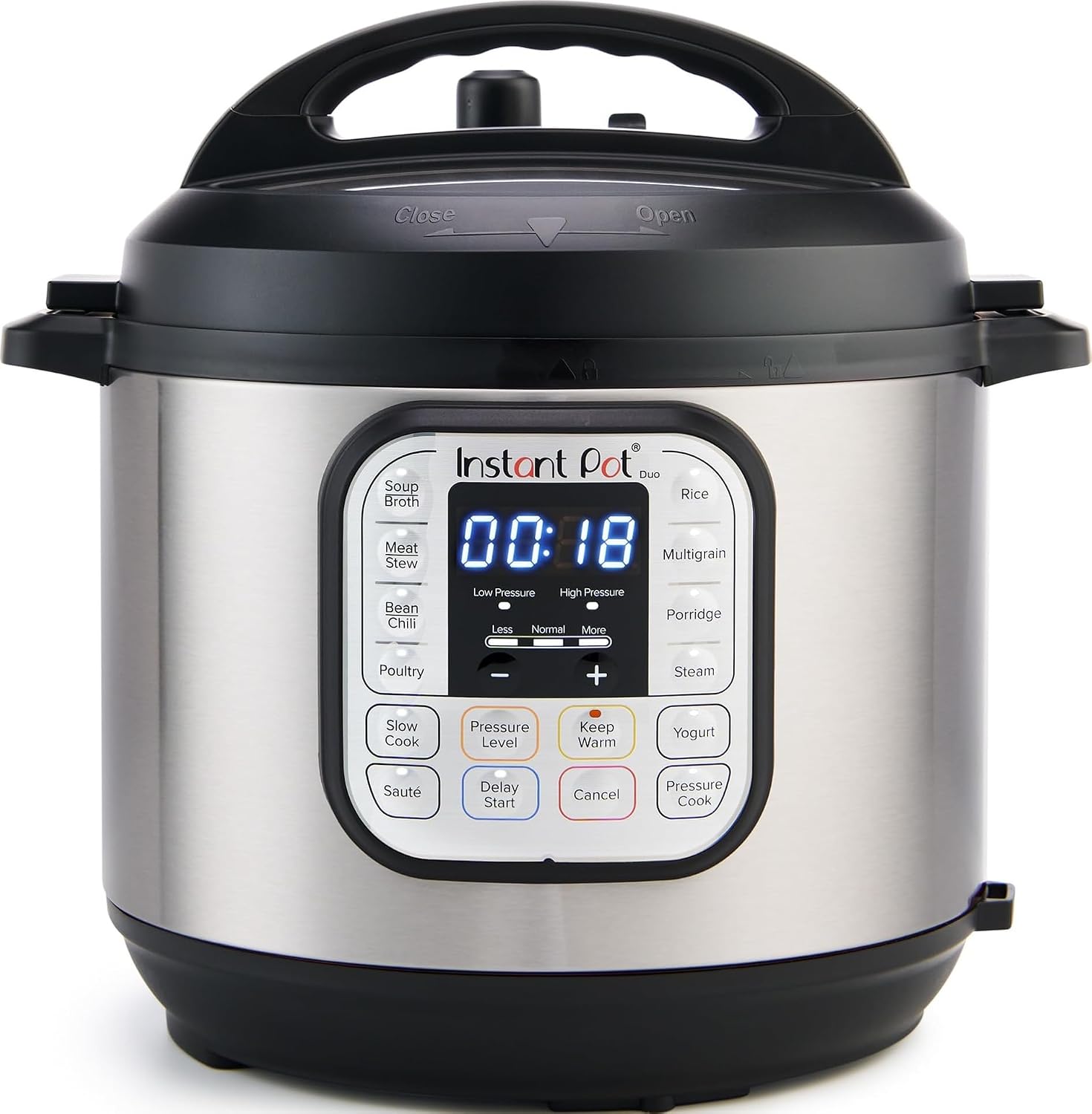
Instant Pot Duo (Entry-Level) First-time pressure cookers, budget-conscious users, basic functions. Accessible Core pressure cooking, slow cook, sauté, steam. Fewer preset programs compared to higher tiers; no automatic sealing or venting.
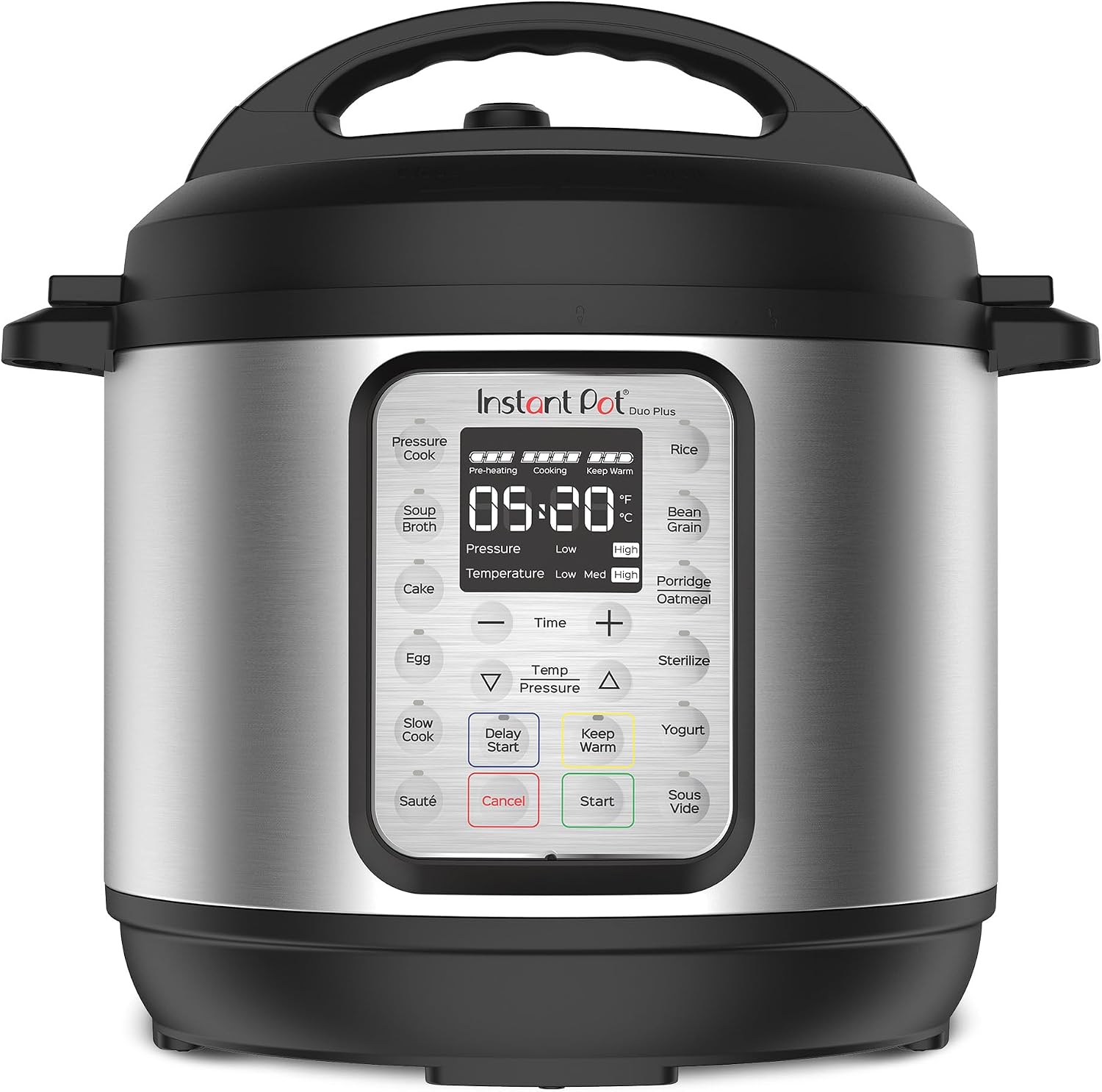
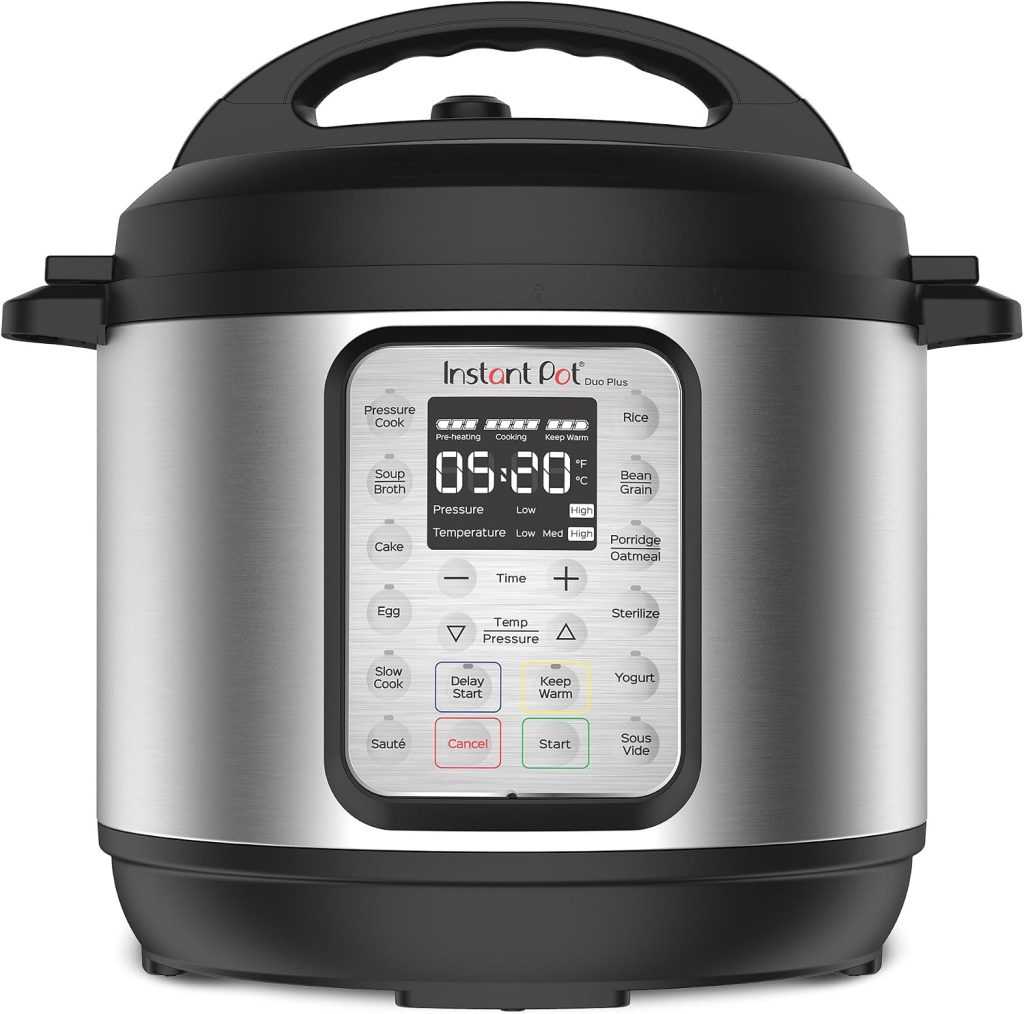
Instant Pot Duo Plus (Mid-Tier) Versatile home cooks, replacing multiple appliances, exploring more functions like yogurt and cake. Mid-range Added functions (cake, eggs, sterilize, yogurt, often sous vide), improved display. Can be overwhelming initially with more buttons; slightly higher cost than basic models.
Instant Pot Pro (Premium-Tier) Advanced users, precise control, frequent use, appliance enthusiasts, quick pressure build/release. Higher-end Faster pressure build, advanced display, custom programming, automated venting, improved inner pot. Significant investment; many features may be overkill for casual users, takes up more space.
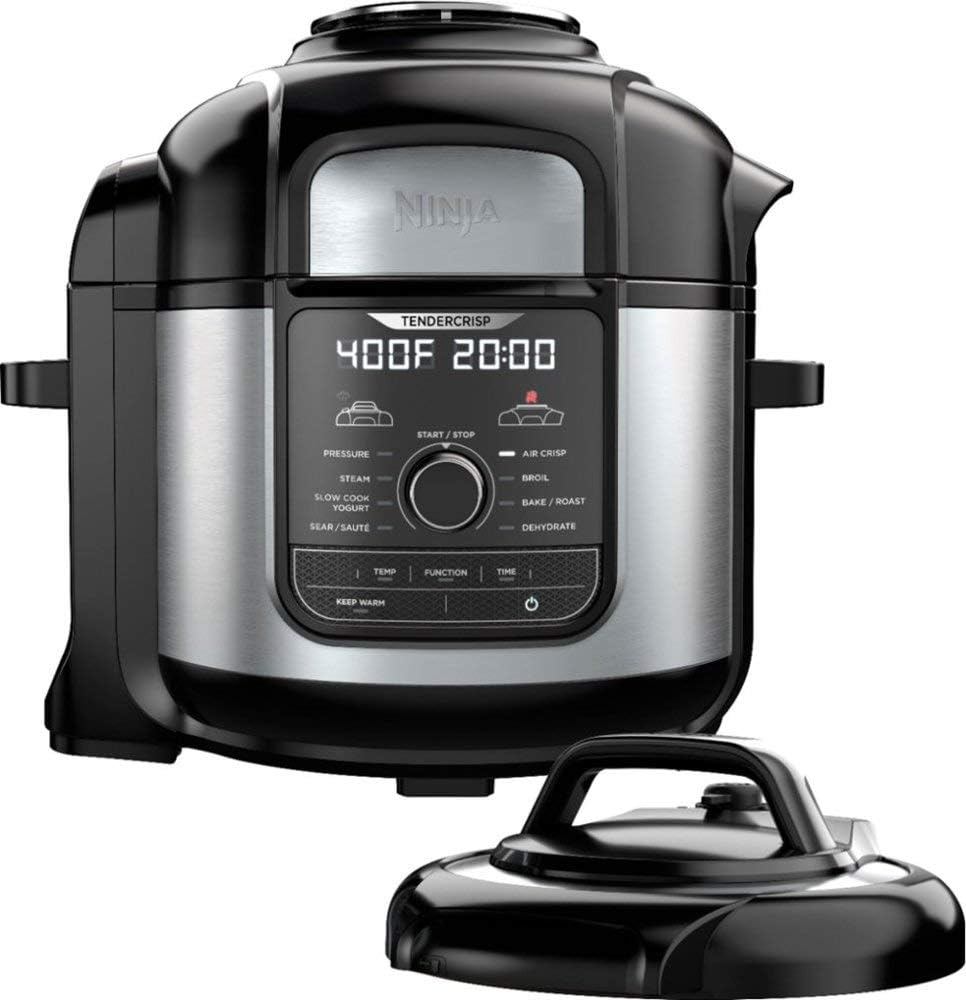
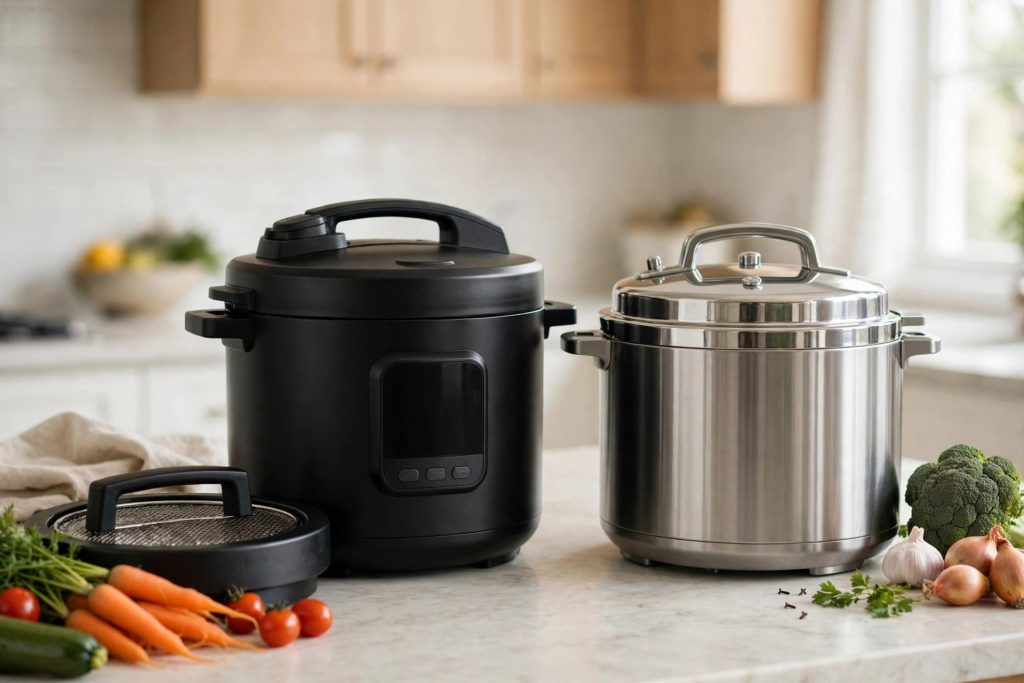
Ninja® HyperHeat 9-in-1 Pressure Cooker, 6.5-qt, Stone Speed-focused cooks, specific design preference, powerful searing, non-stick cooking. Mid to High Rapid pressure cooking with faster pre-heating, high-heat searing function, ceramic-coated pot. Non-standard capacity (6.5-qt) means some recipes need adaptation; different interface and ecosystem than Instant Pot; non-stainless inner pot durability.
  • Instant Pot Duo (Entry-Level): This foundational model provides all the essential electric pressure cooker capabilities. It’s a fantastic starting point for anyone curious about pressure cooking without committing to a pricier unit, offering solid performance for basic functions like fast stews and soups. It proves that the core benefits are accessible.
  • Instant Pot Duo Plus (Mid-Tier): Stepping up from the basic Duo, the Duo Plus expands on its capabilities with additional preset programs and often an enhanced display. It’s designed for users who want more versatility for dishes like homemade yogurt, perfect eggs, or even sterilizing baby bottles, truly living up to the multicooker designation. This model represents a strong value proposition for many households.
  • Instant Pot Pro (Premium-Tier): For those who demand more control, speed, and convenience, the Pro line offers advanced features. Expect quicker pressure build-up, a more intuitive, often larger display, and usually a better quality inner pot with handles, along with innovative features like automated pressure release. However, this comes at a higher price point, and some users might find many of the advanced settings redundant for their daily cooking.
  • Ninja® HyperHeat 9-in-1 Pressure Cooker, 6.5-qt, Stone: This model carves its own niche by often boasting faster pressure cooking capabilities and powerful searing. Its ceramic-coated inner pot provides a non-stick surface many appreciate, and its distinct interface sets it apart from the Instant Pot ecosystem. It offers an alternative for those prioritizing raw speed and high-temperature browning, but you trade the widely adopted Instant Pot interface for a different approach.

Common Mistakes Buyers and New Users Make

Even with comprehensive safety features, learning a new appliance takes some adjustment. I’ve walked clients through choosing between models who then encountered these common issues:

  1. Overfilling the Pot: Never fill the inner pot above the “Max Fill” line, especially with foods that expand like rice or beans, or liquids that foam. This can lead to unsafe pressure levels and blocked steam vents. It’s a critical electric pressure cooker safety rule often overlooked.
  2. Forgetting to Deglaze: After sautéing ingredients, always deglaze the pot with a splash of liquid and scrape up any browned bits before sealing for pressure cooking. Leftover stuck-on food can cause a “Burn” error and prevent the cooker from coming to pressure.
  3. Opening the Lid Too Soon: You must wait for the pressure to fully release before attempting to open the lid. Forcing it open before the float valve drops is extremely dangerous and can result in severe burns from hot steam or food. Patience is a virtue here.
  4. Underestimating Total Cook Time: New users often only factor in the active pressure cook time from a recipe. They forget to account for the time it takes for the multicooker to build pressure (which can be 10-20 minutes depending on volume and temperature) and any natural pressure release time. Total cooking time is usually longer than just the pressure setting.
  5. Neglecting the Sealing Ring: The silicone sealing ring inside the lid is crucial. If it’s not seated correctly, or if it’s damaged or dirty, the multicooker won’t come to pressure properly. Inspect it before every use.

Why, How, and What of Multicookers

Why should I consider an Instant Pot Duo Plus 9-in-1 Multicooker?

You should consider the Instant Pot Duo Plus 9-in-1 Multicooker if you’re looking to streamline your cooking, save time, and potentially replace several single-function appliances. It excels at quickly tenderizing tough cuts of meat, cooking grains perfectly, and making impressive one-pot meals. Its multiple functions, including slow cook and sauté, offer genuine versatility, making it a compelling option for busy households or those with limited kitchen space.

How does the Instant Pot Duo Plus compare to a traditional slow cooker?

While the Instant Pot Duo Plus includes a slow cook function, it operates differently from a dedicated slow cooker. Traditional slow cookers have stoneware inserts and are designed for long, low-temperature cooking, often providing richer flavor development over many hours. The multicooker’s slow cook function, while effective, uses the same metal inner pot and heating element, which can sometimes cook hotter or differently. For truly “set it and forget it” all-day cooking, a classic slow cooker might still be preferred, though the multicooker offers a convenient alternative for occasional slow cooking. The pressure cooker vs slow cooker debate often comes down to speed versus traditional low-and-slow results.

What are some essential Instant Pot recipes for beginners?

For Instant Pot for beginners, start with simple, forgiving Instant Pot recipes like hard-boiled eggs, plain rice, or basic chicken and broth. These build confidence without requiring complex steps or ingredients. Once comfortable, move to chili, pulled pork, or creamy pasta dishes. The vast online community means you’ll find countless recipes, but always begin with basics to understand your machine’s operation before tackling gourmet creations.

FAQ: Your Multicooker Questions Answered

Is Instant Pot worth it for someone who barely cooks?

If you barely cook now, a multicooker like the Instant Pot Duo Plus might not be worth it initially. Its value comes from frequent use across its various functions. However, if your goal is to start cooking more efficiently and expand your culinary repertoire, it can be a highly motivating tool, encouraging quick, healthy one-pot meals.

How noisy is the Instant Pot Duo Plus during operation?

The Instant Pot Duo Plus noise level is generally low during the pressure build-up and cooking phases, often just a quiet hum. The primary source of noise is during the quick pressure release, where steam vents rapidly. This can be startling but is brief. Natural pressure release is much quieter, only involving a gentle hiss as pressure dissipates.

Can an Instant Pot truly replace a slow cooker?

The Instant Pot Duo Plus features a slow cooker setting, making it a viable replacement for many. However, some find that a dedicated slow cooker with its ceramic insert and consistent low heat still produces slightly different results, particularly for dishes cooked for extended periods. It’s a capable substitute, but discerning cooks might notice subtle differences.

What’s the main difference between a 6-quart and 8-quart Instant Pot?

The main difference between a 6-quart vs 8-quart Instant Pot is capacity and physical size. A 6-quart is ideal for 2-4 people and takes up less counter space. An 8-quart is better for larger families, batch cooking, or whole poultry, but it’s larger and takes longer to come to pressure.

Is the ceramic-coated pot of the Ninja® HyperHeat better than stainless steel?

The ceramic-coated pot of the Ninja® HyperHeat 9-in-1 Pressure Cooker offers a non-stick surface, which some users prefer for easier cleanup and searing. However, it’s generally less durable than stainless steel and can be scratched or chipped. Stainless steel, like in the Instant Pot Duo Plus, is more robust, though it may require a little more oil to prevent sticking and proper deglazing. Each material has its advantages.

Do Instant Pot recipes work for the Ninja® HyperHeat, and vice versa?

Generally, most Instant Pot recipes can be adapted for the Ninja® HyperHeat and other electric pressure cookers, as the core pressure cooking principles are similar. You might need to adjust liquid amounts slightly or cooking times, especially for the Ninja’s HyperHeat specific functions. Always use a recipe written for an electric pressure cooker, not a stovetop one, for safety and accuracy.

How often should I replace the sealing ring on my multicooker?

The silicone sealing ring on your Instant Pot Duo Plus or other multicooker should be inspected regularly for cracks, tears, or stretching. Many manufacturers recommend replacing it every 6-12 months, or sooner if it shows signs of wear or permanently retains strong odors. Having a spare on hand is always a good idea.

Final Recommendation

If you’re aiming for a single, versatile appliance that excels at speed and offers a robust set of cooking functions, the Instant Pot Duo Plus 9-in-1 Multicooker is an excellent choice. It hits a sweet spot for features and value, making it highly worth it for most families and enthusiastic home cooks. This model truly delivers on its promise of multi-functionality, allowing you to venture into everything from yogurt making to perfectly cooked grains and tender meats.

However, if your absolute top priority is raw speed in pressure cooking and a ceramic non-stick cooking surface, the Ninja® HyperHeat 9-in-1 Pressure Cooker, 6.5-qt, Stone presents a compelling alternative. Understand that its specific features, while powerful, might lead to a different overall user experience. Evaluate your priorities: do you need broad versatility with solid performance, or hyper-specific speed and searing capabilities? The Duo Plus remains my default recommendation for balancing utility and consistent results for the widest range of home cooking needs.

#Ninja #HyperHeat #9in1 #Pressure #Cooker #6.5qt #Stone

Leave a Comment

Your email address will not be published. Required fields are marked *

Shopping Cart
Kitchen & Home
Privacy Overview

This website uses cookies so that we can provide you with the best user experience possible. Cookie information is stored in your browser and performs functions such as recognising you when you return to our website and helping our team to understand which sections of the website you find most interesting and useful.