This article contains affiliate links. If you buy through them, we may earn a commission at no extra cost to you.
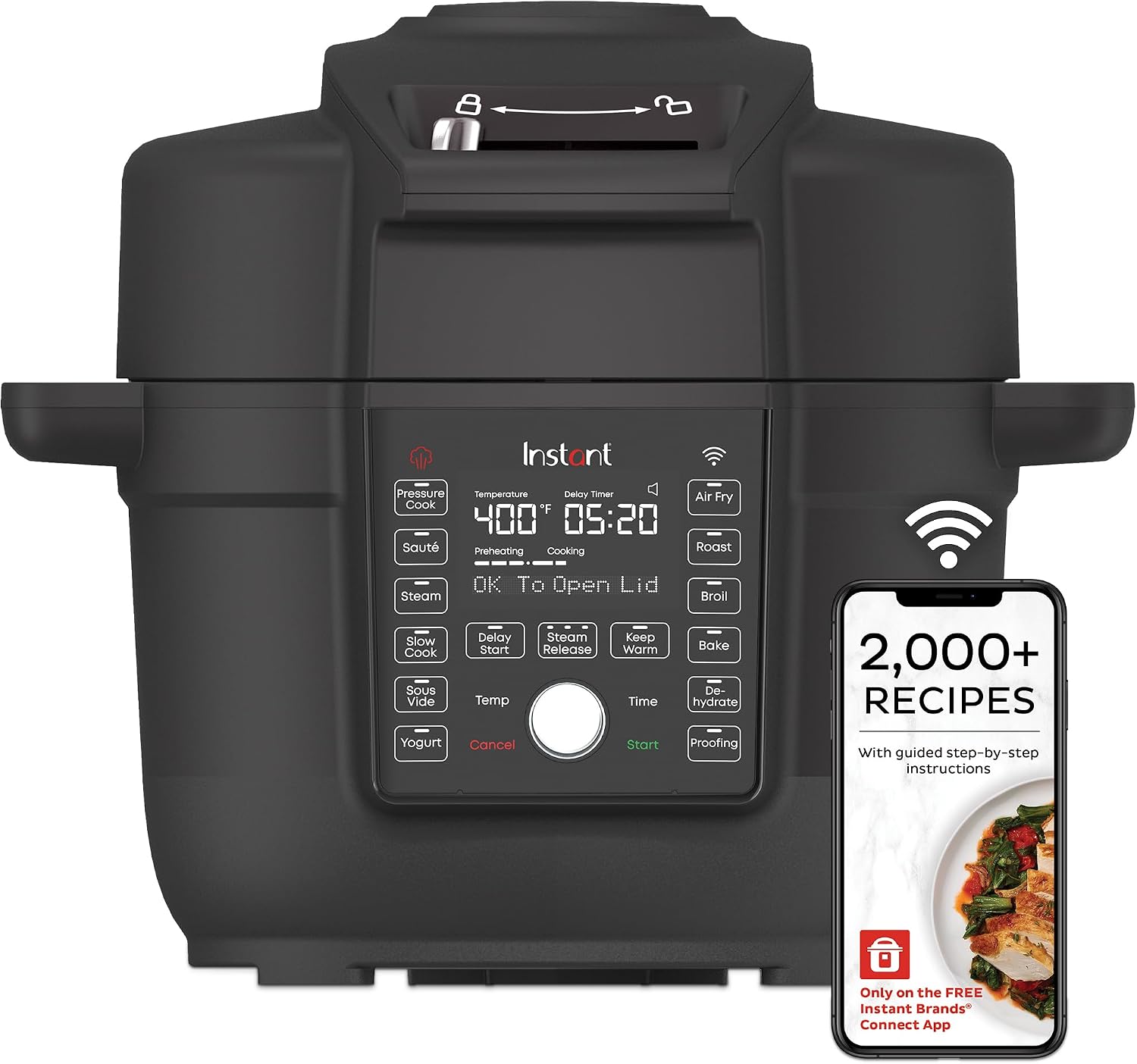
The Ultimate Lid is an argument about lids, conducted in stainless steel. For a decade the multicooker’s dirty secret was the second lid: pressure lid for the wet work, crisping lid for the finish, and a cupboard or a fridge top drafted into service as the second lid’s home. This machine folds the argument into a single hinged top with an inner plate you swap — pressure plate on, air fry plate on — and the Duo Crisp line’s whole reason to exist compresses into that swap. I test these machines by buying them and living with the consequences, and the consequence here is mostly that my cupboard got its shelf back. Whether that is worth the premium over the two-lid design is the entire review, and anyone who tells you it is about the thirteen functions is selling you the box copy.
The plate swap itself is well judged, which is not faint praise — swaps are where convertible appliances usually go to be resented. The plates click with a positive feel, the machine knows which one is fitted, and the whole exchange takes less time than finding the second lid used to. It also moves the failure modes: instead of a spare lid to lose, you have a small plate to keep clean and correctly seated, and a hinge that now carries the full career of the machine. Hinges on daily appliances live hard lives. Ask me again in three years about the hinge; today it is tight, the lid alignment is honest, and the steam behaves itself, which on pressure cookers is the compliment that matters.
Six and a half quarts, the size with a past
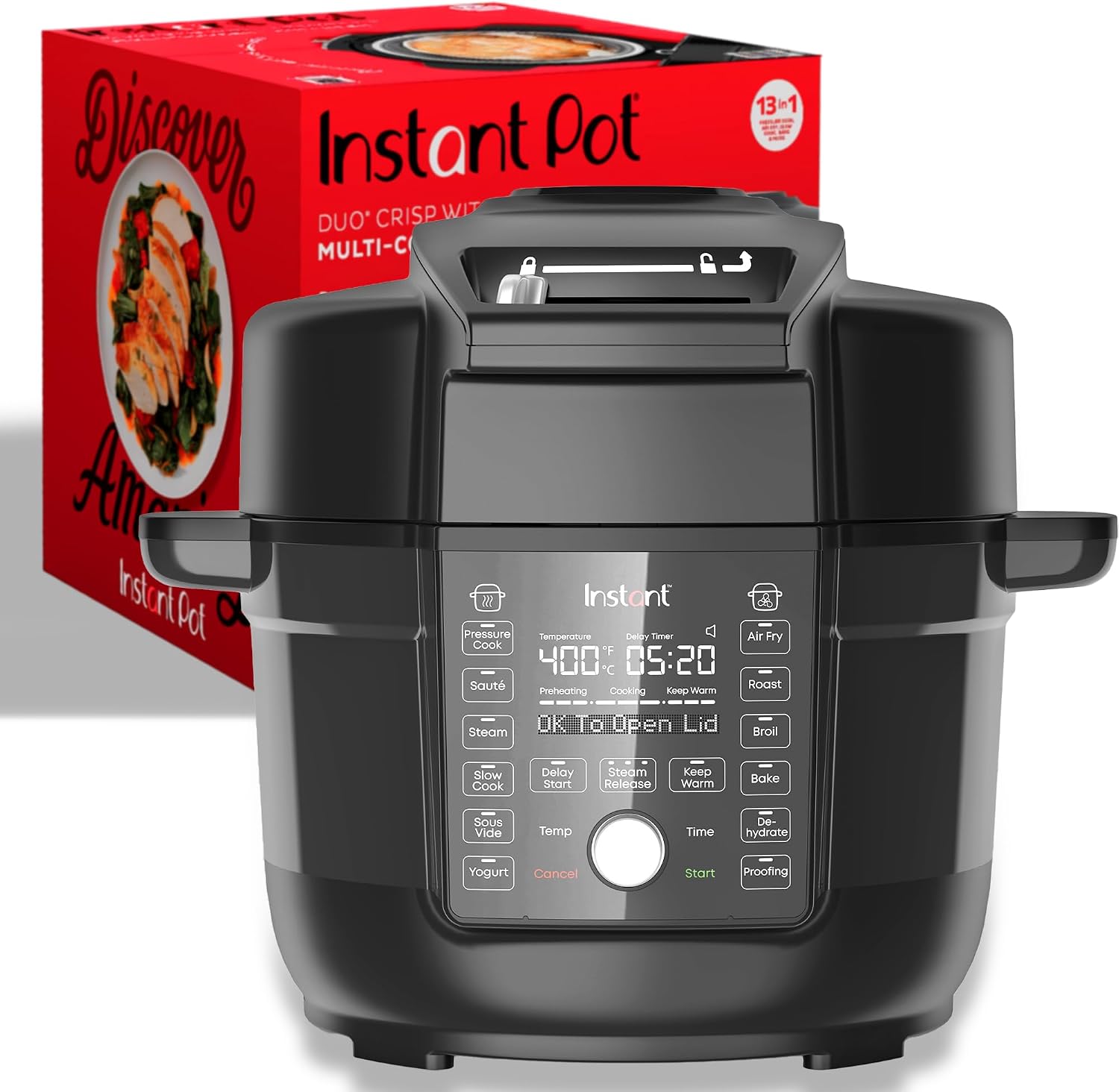
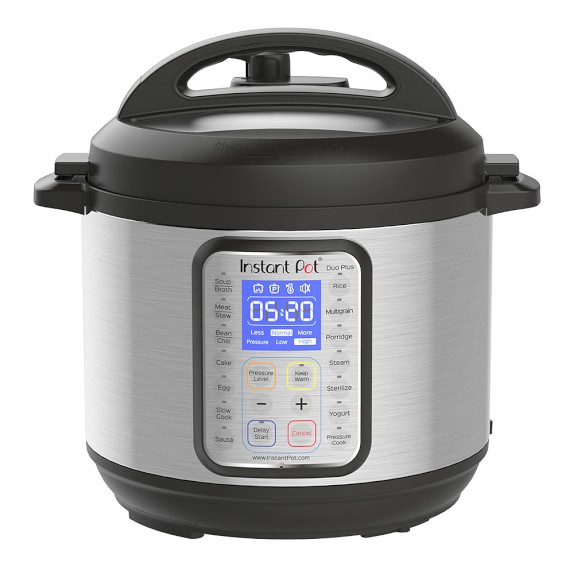
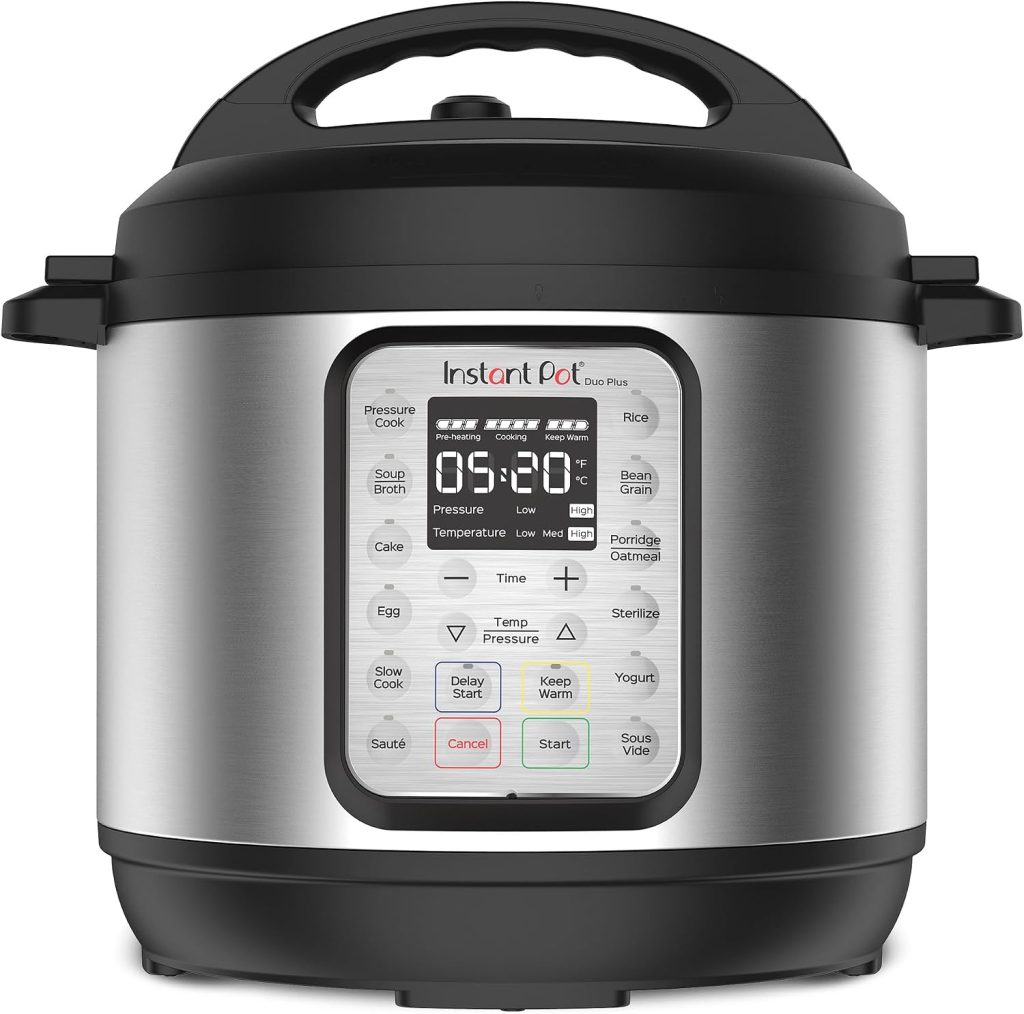
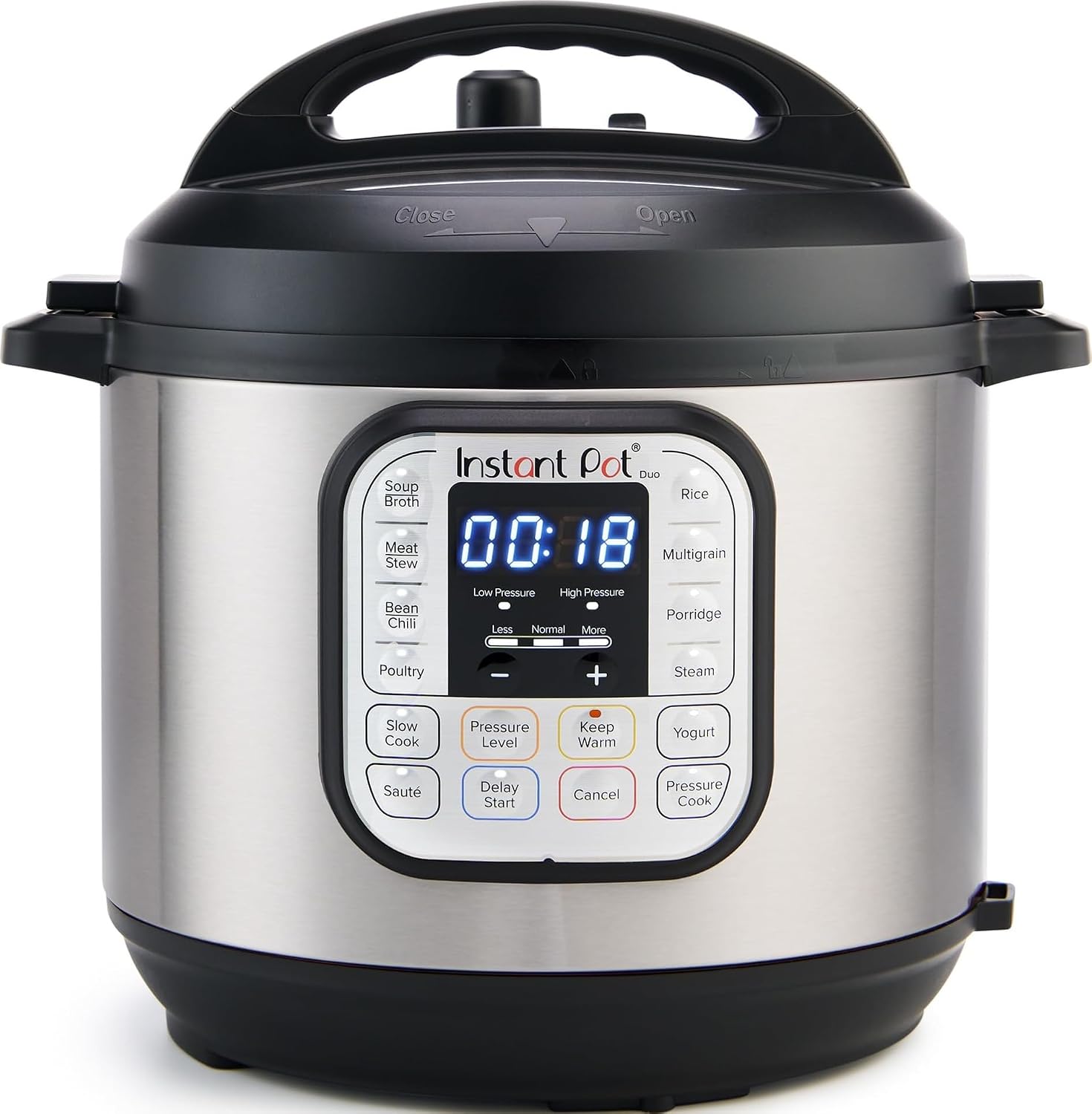
The 6.5-quart capacity is the quiet headline nobody prints, because it is an in-between size in a category that trained buyers to think in sixes and eights. In practice it is well aimed: a whole chicken with room to crisp, batch cooking for a family without the eight-quart’s counter and sink penalty, pressure headspace that behaves. The old Duo in the box remains the six-quart benchmark, and side by side the difference reads less as capacity than as posture — the Ultimate is a machine designed after the category grew up, with guided prompts and a dial, while the Duo is the appliance equivalent of a paper map: fewer features, nothing to update, and a decade of recipes written in its exact vocabulary.
WiFi, on the middle model, gets its own honest paragraph. Remote monitoring of a pressure cooker answers a question I have never once asked in a kitchen I was standing in, and the app layer adds an account, a password and a future discontinuation date to an appliance whose virtue should be twenty years of dumb reliability. There, I have said the grumpy part. The fair part: notifications when a long cook finishes are mildly useful, and some households run these machines from the sofa like a slow television. If that is your household, the connected model is not a mistake. It is simply the only part of this machine I expect to age badly, and pricing should reflect that the screen and dial models will be cooking long after the app is a museum piece.
Crisping, where the category justifies itself
The air fry finish is why any Duo Crisp exists, so: it works, within the physics of a deep pot. Pressure-cooked wings finished under the crisping plate come out with actual texture, which the plain Duo cannot imitate at any setting, and a whole chicken’s skin goes from boiled-looking to roasted-looking in the last ten minutes. The pot shape is the limit — air frying in a deep cylinder browns the top layer gloriously and the lower layers politely, so batch discipline still applies, one layer for crisping, always. Buyers who expect a wide, flat air fryer’s results from a pot will write the disappointed reviews. Buyers who expect a pressure cooker that can finish will write the five-star ones, and the machine cannot make both groups right.
Cleaning and the daily ledger, since that is where my testing actually lives. One lid means one lid’s worth of gasket and plate washing instead of two, and the pressure plate’s crevices are the fiddliest part of the whole machine — a brush lives by my sink now that did not before. The pot is the pot; a decade of Duo ownership has taught the world its habits and this one inherits them, including the gasket that absorbs curry and must be aired like laundry. Nothing here is a dealbreaker. It is a ledger of minutes, and the Ultimate’s ledger is shorter than the two-lid version’s mostly because a part that does not exist cannot be stored, lost or washed.
The family it belongs to is mapped in the Duo Crisp 11-in-1 and Duo Plus comparison and in the Duo Plus 6-quart quiet-steam review — two lids, one lid, swapped plates: the category keeps re-asking the same storage question in new metal.
Questions people actually ask
Is one swappable-plate lid really better than two separate lids?
For storage and daily friction, yes — the second lid’s home was always a cupboard, a fridge top or a drawer it did not quite fit, and the plate swap takes seconds with a positive click and no hunting. The trade is concentration of risk: the hinge and plates now carry the machine’s whole career, and a lost or damaged plate disables a function until replaced. Households short on storage feel the benefit nightly. Households with a pantry and no storage problem were never paying the two-lid tax, and for them the older design’s simplicity and lower price remain a fair argument.
Do I want the WiFi model?
Only if you will genuinely use remote notifications and app control, because that is the whole of the difference. The cooking hardware is the same platform; what you are buying is a software layer with an account attached, on an appliance category whose appeal is decade-long, software-free reliability. Software ages faster than steel — apps get redesigned, services get retired. If the connected features will be used weekly, enjoy them with that understood. If they would be used twice out of curiosity, the non-connected version is the same dinners at a lower price, with one less password in your life.
Can it replace a separate air fryer?
It replaces one for finishing and small batches, not for tray-style air frying. The pot crisps a single layer beautifully — wings, a chicken’s skin, the top of a casserole — and that covers the jobs most households actually borrowed an air fryer for after pressure cooking. It does not match a wide basket or oven-style fryer for fries and frozen items in family volume, because depth is the enemy of crisping and the pot is deep. Judge by your dominant use: pressure-first households get a genuine two-in-one. Air-fry-first households should keep the dedicated machine and let this be the cooker.
Is 6.5 quarts enough, or should I size up to 8?
For most families, 6.5 is the size the category should have standardised on years ago: a whole chicken with crisping room, real batch cooking, and a pot that still fits a normal sink and counter. The 8-quart earns its space in households that cook for six-plus routinely or batch for the freezer as a system. Its costs are permanent — footprint, washing, storage — while its benefit shows up only on the big days. The returns pattern in this category is consistent: oversized pots come back from small households. Buy for the Tuesday pot, rent the cauldron energy from a neighbour on the rare big day.
It sits where the old Duo sat, which is the truest sentence in this review — the category’s centre held, and this is its current shape: one lid, swapped plates, a size chosen by someone who cooks. The Duo is still on a shelf in the garage, demoted rather than discarded, because ten years of recipes are written in its buttons and some nights I want the map instead of the screen. The new machine does the finishing the old one never could. The old one will probably outlive us both. Both things are true, and the kitchen, unlike a comparison chart, has room for the contradiction.
This article contains affiliate links. If you buy through them, we may earn a commission at no extra cost to you.