
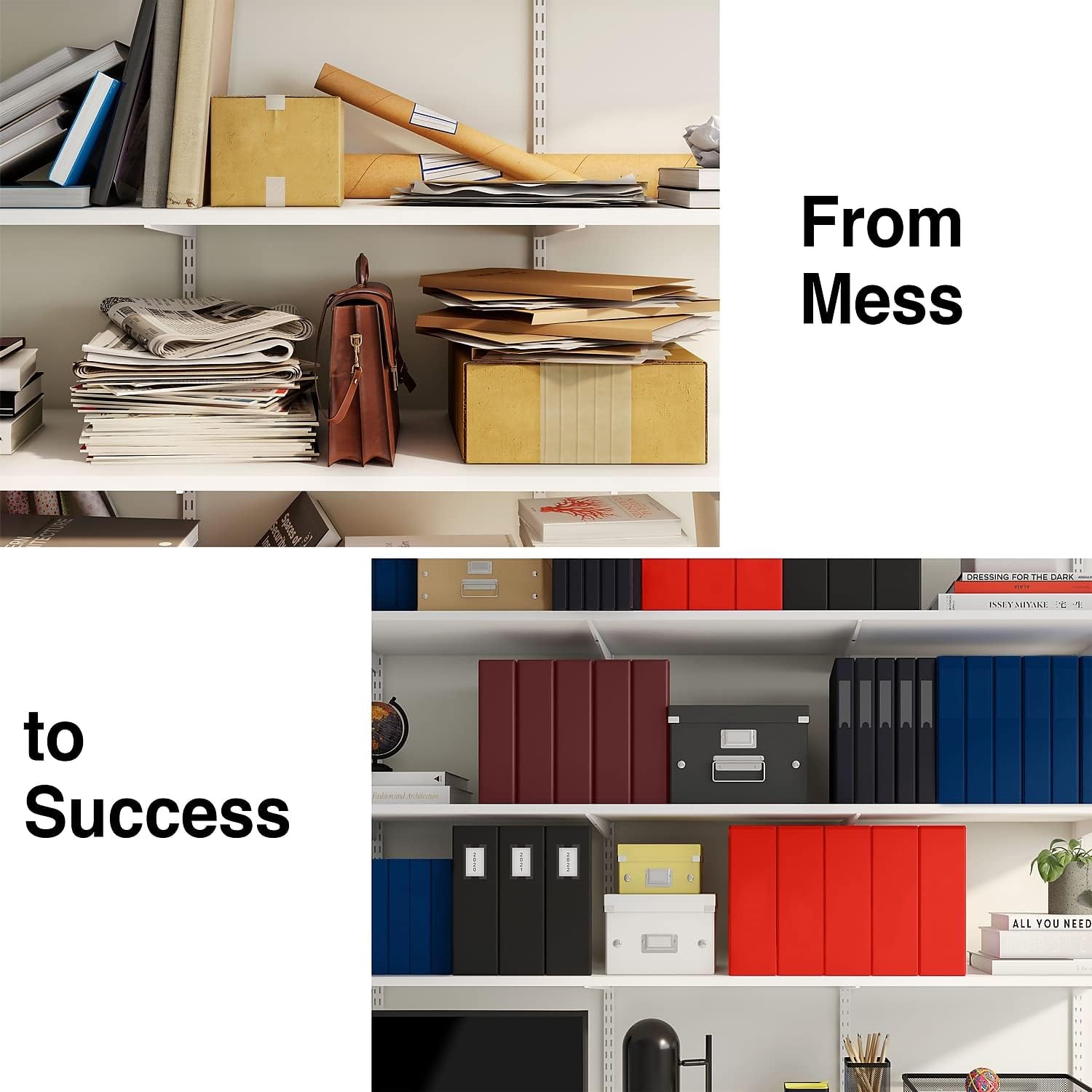
Is the Staples Heavy-Duty 1.5-Inch D-Ring Binder Really Worth It? A Savvy Shopper’s Guide
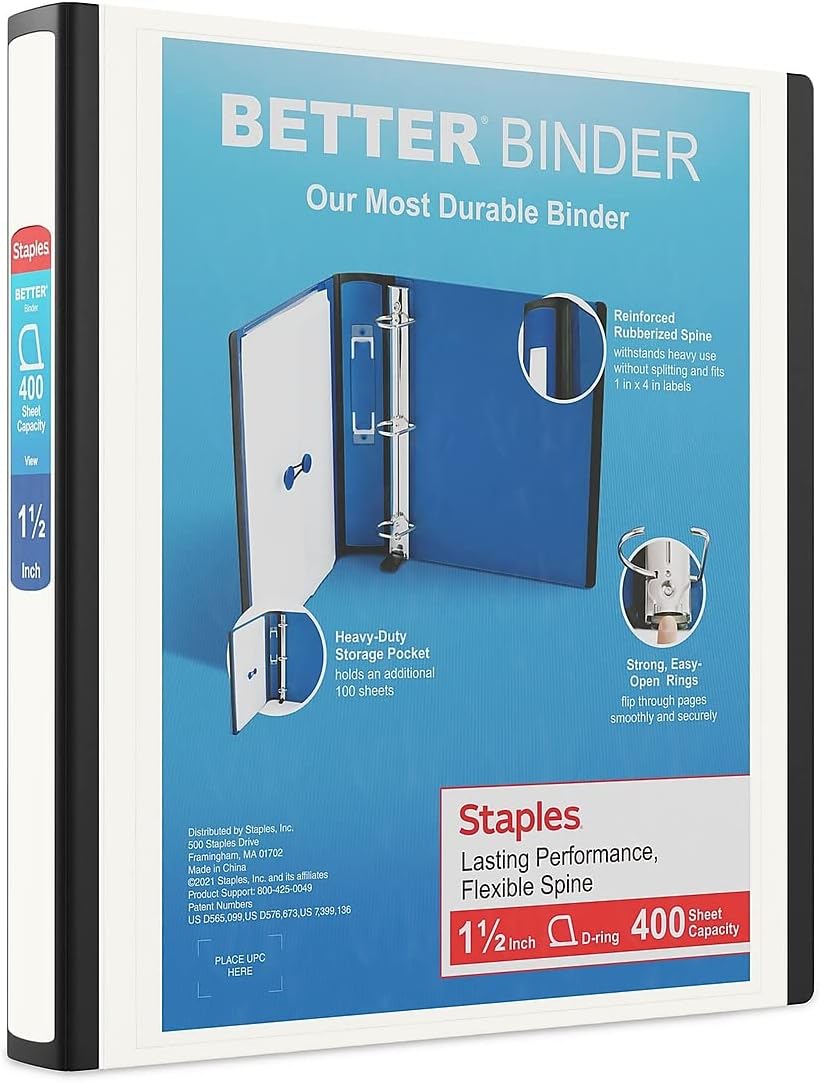
This guide cuts through the binder aisle clutter, focusing squarely on the Staples Heavy-Duty 1.5-Inch D-Ring Binder – Large Capacity 3-Ring Binder with Pockets & Spine Label for School & Office. We’re talking about more than just holding papers; it’s about reliable organization. If you’re tired of flimsy binders failing at the worst possible moment, or wondering if shelling out for “heavy-duty” is actually worth it, you’re in the right place. We’ll dissect its features, compare it to other options, and help you decide if it’s the right fit for your demanding tasks.
Key Takeaways
For anyone dealing with frequent use, chunky reports, or long-term storage, the Staples Heavy-Duty 1.5-Inch D-Ring Binder delivers on its promise of durability and superior paper management. Its D-ring mechanism and robust build make it a standout against basic options, offering better value for demanding tasks. You’ll likely find it a smart move if standard binders just don’t cut it.
What to Look For (The Buying Criteria)
Choosing a binder, even a seemingly simple one, involves more than just picking a color. The nuances, particularly for something labeled “heavy-duty,” actually matter quite a bit. Forget the flashy marketing copy for a moment; let’s talk about the guts of the thing.
1. Ring Type and Mechanism: D-Ring vs. The Others
This is perhaps the most crucial distinction, and it’s why the D-ring in the Staples Heavy-Duty 1.5-Inch D-Ring Binder is a big deal. Most budget binders feature standard round rings. They’re fine for a handful of sheets, but stack them up, and papers snag, tear, and generally look like they’ve been through a paper shredder. Round rings, bless their simple hearts, just aren’t built for volume.
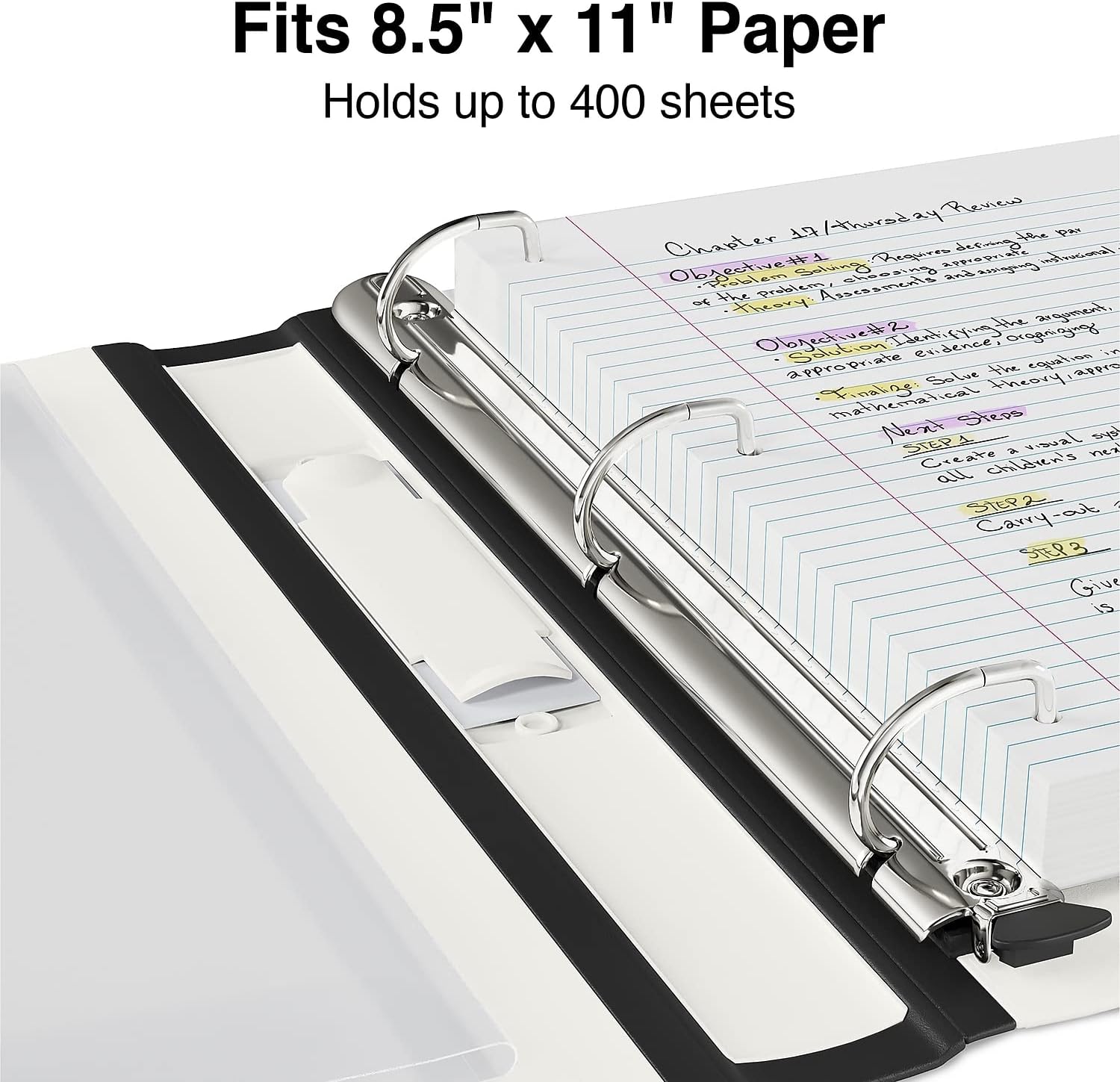
Enter the D-ring. Its flat side, attached to the binder’s spine, allows pages to stack much more evenly. This means less tearing around the punch holes and a far greater usable capacity. You can genuinely fit more pages without that awkward, slanted stack that jams up other binders. The downside? D-rings tend to make binders a bit wider than their round-ring counterparts, even for the same stated capacity. Something to consider if you’re tight on shelf space.
2. Cover Material and Durability: Beyond Just “Plastic”
A “heavy-duty” binder isn’t just about the rings; it’s also about the outer shell. Flimsy vinyl covers are notorious for splitting at the seams, cracking along the spine, and developing an unpleasant sticky residue over time. Ever had that happen? It’s truly annoying. The better heavy-duty binders, including this Staples model, often use a more robust polypropylene or a thicker, non-stick vinyl.
This translates to better tear resistance and a more rigid structure that protects your documents from bending and creasing. Good materials also mean a non-stick surface, which prevents ink and toner from lifting off your documents and onto the binder cover. A minor point, you might think, but crucial for long-term storage of important papers. Just remember, even the toughest cover material won’t survive intentional abuse. Don’t expect it to stop a bullet or anything.
3. Sheet Capacity and Spine Size: The Reality of 1.5-Inch
A 1.5-inch D-ring binder is a solid mid-range option for capacity. While manufacturers often quote a specific number of sheets (like 350-375 pages), this is almost always based on standard 20lb copier paper with no dividers. Realistically, once you add tabs, heavier paper, or maybe a few page protectors, that number shrinks. Consider it more a guideline than a gospel truth.
The D-ring design helps maximize that 1.5 inches, but be honest about your needs. If you’re regularly stuffing a binder to its absolute limit, perhaps a 2-inch or even a 3-inch D-ring might be a smarter investment. Otherwise, you’ll be struggling with pages, and those rings, however sturdy, will eventually start to gap.
4. Internal Pockets and Organization: The Little Things
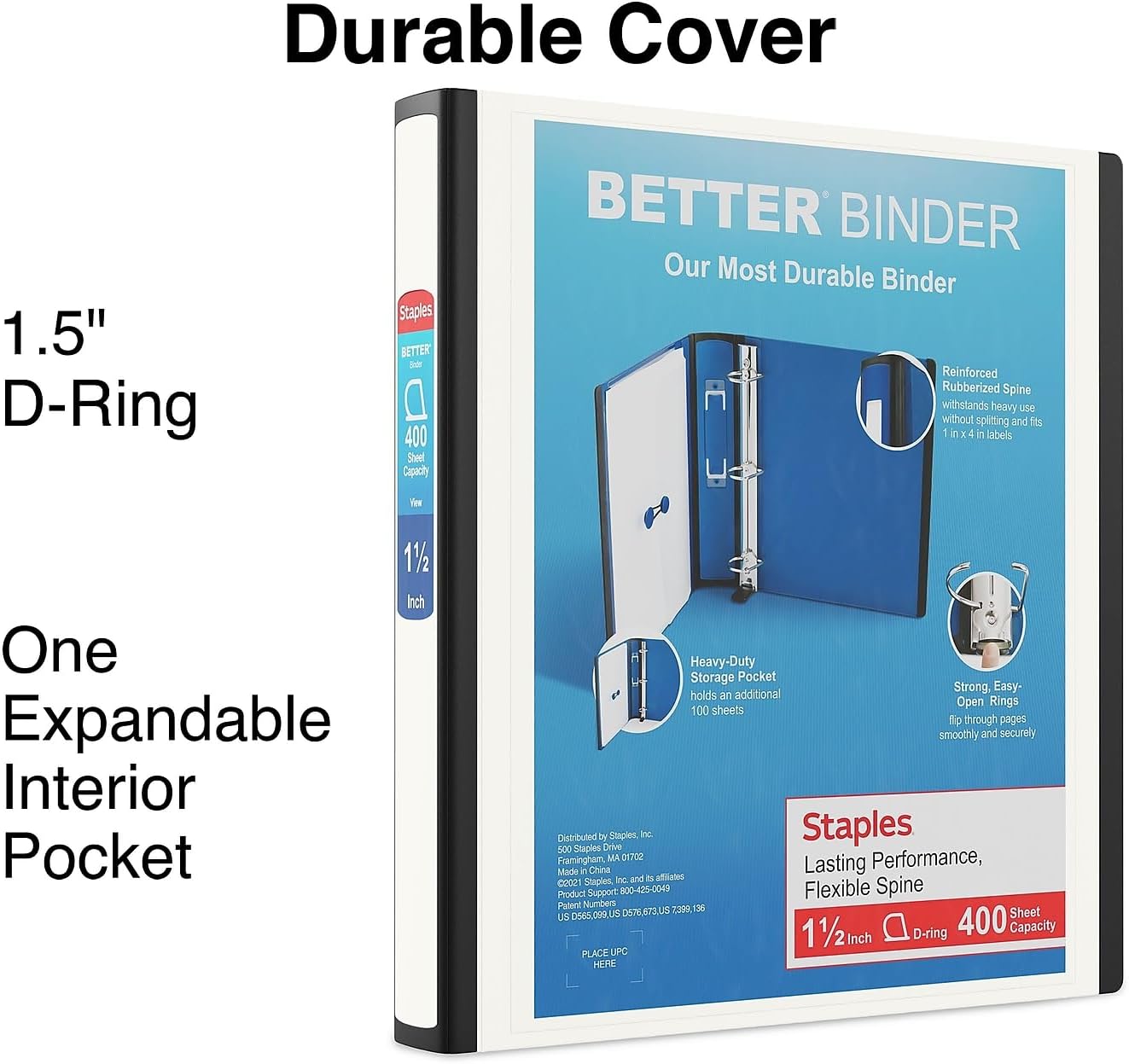
Most binders, even basic ones, offer internal pockets. But how good are they? The Staples Heavy-Duty 1.5-Inch D-Ring Binder typically features two pockets. The key is their construction. Are they thin plastic flaps that will tear the moment you shove a few extra handouts in? Or are they made from the same durable material as the cover, perhaps even gusseted for a bit more give?
Good pockets hold loose papers, flash cards, or a stray pen securely without bursting at the seams. It’s a small detail, sure, but a torn pocket just adds to the general chaos, doesn’t it? The real trade-off here is that robust pockets can add a slight amount of bulk, especially if you never use them.
5. Spine Label Functionality: Keeping Things Identifiable
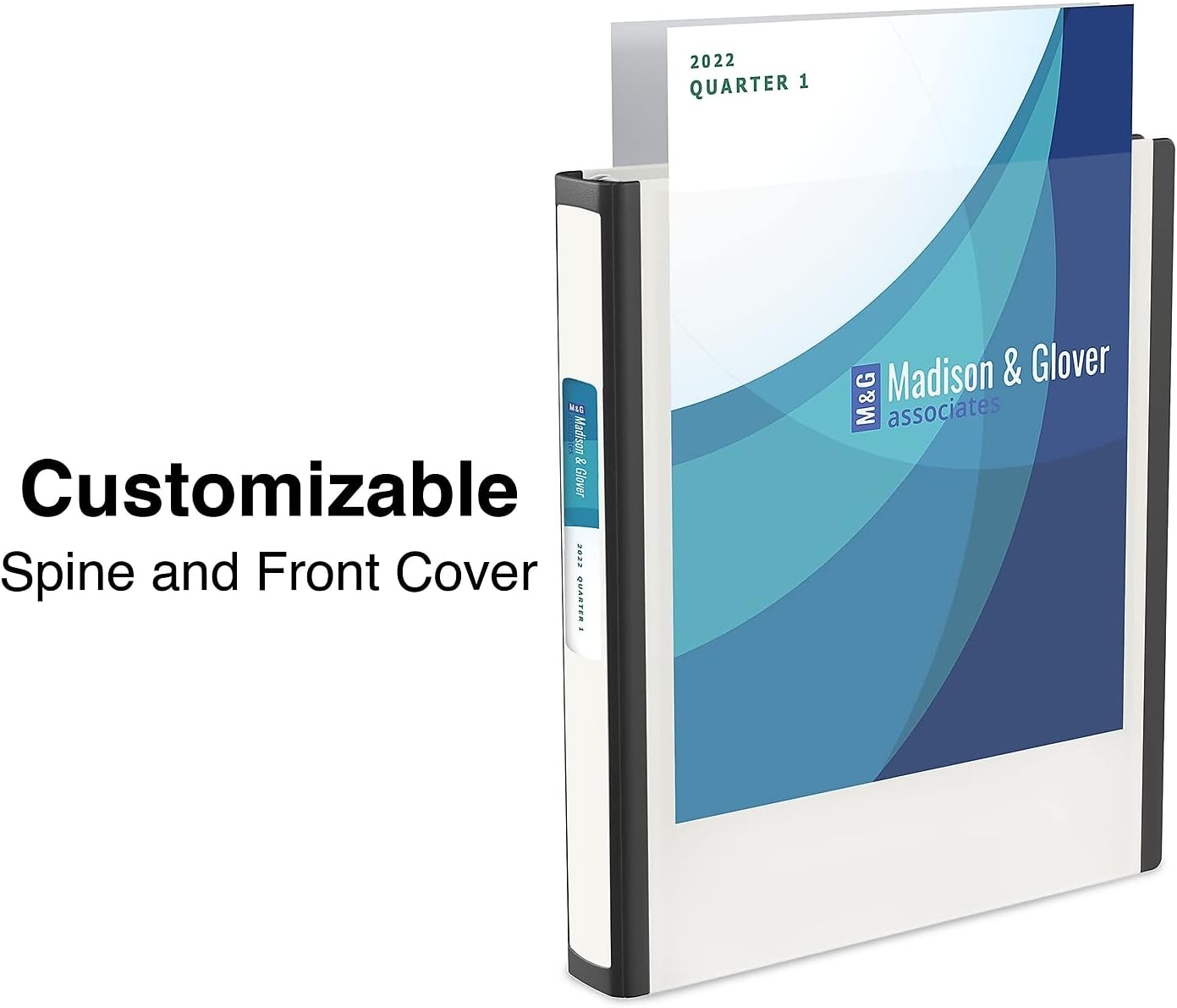
That spine label is a simple feature, but a game-changer for organization. For a binder meant for heavy-duty use, you’re probably filing projects, client documents, or academic subjects. Being able to quickly identify the contents without pulling it off the shelf and opening it saves you time and frustration.
A dedicated spine label sleeve is far superior to just writing on the binder itself. You can print neat labels, swap them out easily as projects evolve, or repurpose the binder for something new. Without a sleeve, you’re stuck with messy handwriting or adhesive labels that leave residue. It’s truly a minor convenience, but if you’re managing a dozen binders, it becomes absolutely essential.
6. Archival Quality: Preserving Your Past (and Future)
Many heavy-duty binders, including this Staples model, boast “non-stick” or “archival safe” properties. What this means is the materials used in the binder (the plasticizers in vinyl, for instance) won’t lift ink from your documents or cause them to yellow over time. This is a bigger deal than you might think, especially for legal documents, photos, or anything you plan to keep for years.
If you’re just holding temporary meeting notes, then archival quality isn’t going to rock your world. But for tax documents, family records, or important contracts, it’s a non-negotiable feature. The slight cost difference is absolutely worth it for peace of mind. Otherwise, you could be opening up a binder years later to find your important papers degraded by their own storage solution. A real bummer, that.
How to Match the Product to Your Situation
Choosing the right binder isn’t just about features; it’s about matching those features to your life. Who are you, and what are you doing with this thing?
The Overwhelmed Student
You’re lugging textbooks, notebooks, and binders from dorm to lecture hall, coffee shop, and back again. Your backpack is heavy, often shoved under desks, and sometimes, let’s be honest, dropped. For you, the Staples Heavy-Duty 1.5-Inch D-Ring Binder isn’t a luxury; it’s a necessity. The durable cover stands up to daily abuse, and the D-rings keep your lecture notes from tearing out when you’re flipping furiously for that one crucial diagram. The pockets are a godsend for syllabi and loose handouts. You need resilience.
The Project Manager/Office Organizer
Your binders hold client presentations, project timelines, quarterly reports – documents that get updated, shared, and referenced constantly. Professional appearance matters. The large capacity binder needs to stand up straight on a shelf, and its contents need to be easily accessible. The D-ring ensures a crisp, flat presentation every time you open it. The spine label sleeve? Indispensable for quick identification, especially when you’re grabbing a dozen different project binders in a hurry. You require efficiency and a professional look.
The Home Archiver
You’re storing important papers: utility bills, insurance policies, medical records, old tax returns. These documents might not be touched for months, even years, but when you need them, they better be in pristine condition. Here, the “archival safe” and “non-stick” properties are paramount. The heavy-duty construction means the binder won’t fall apart on the shelf, protecting irreplaceable documents from dust and damage. The 1.5-inch capacity lets you consolidate years of records into fewer, more organized units. You demand long-term protection.
Binder Comparison: Where the Heavy-Duty D-Ring Stands
Okay, so you’ve got options. Let’s break down where the Staples Heavy-Duty 1.5-Inch D-Ring Binder sits in the grand scheme of things, from the cheapest to the more specialized.
| Type/Tier | Best For | Price Tier | Key Feature | Watch-Out |
|---|---|---|---|---|
| Basic Round-Ring Binder | Light, infrequent use, temporary storage | Budget-friendly | Simple, widely available for quick buys. | Rings often misalign, covers crack easily under stress. |
| Staples Heavy-Duty D-Ring | Regular use, large projects, demanding schoolwork | Mid-range | D-ring capacity, durable cover, non-stick surface. | Still might not survive extreme abuse or constant, heavy overstuffing. |
| Premium Archival Binder | Critical long-term storage, high-value documents | Higher-end | Acid-free materials, reinforced hinges, superior rings. | Overkill for simple daily tasks, can be significantly pricier. |
| Specialty Presentation Binder | Client-facing, high polish, specific aesthetics | Premium | Clear overlay for custom covers, unique textures, sometimes extra pockets. | Can be pricey, features for aesthetics, not just sheer function. |
Basic Round-Ring Binder: These are your dime-a-dozen binders. Think quick school supplies, a temporary place for meeting notes, or holding a single report that won’t see much action. Their covers are thin, rings gap easily, and they tend to disintegrate with anything more than casual use. If you only need it for a week? Fine. Beyond that, you’re just inviting frustration.
Staples Heavy-Duty D-Ring: This is your workhorse. It bridges the gap between flimsy and overkill. The D-rings actually hold pages properly, the cover resists common wear and tear, and those pockets won’t tear after two uses. It’s built for consistency and daily grind. For most people needing consistent, reliable organization, this is where you ought to be looking.
Premium Archival Binder: If you’re running a law office, protecting family heirlooms, or dealing with museum-grade documents, these are your guys. They go above and beyond with acid-free components, super robust hinges, and often thicker, almost rigid covers. You’re paying for longevity and absolute protection. But honestly, for your average student or office worker, the extra cost is usually unwarranted. It’s like buying a tank to drive to the grocery store.
Specialty Presentation Binder: These are all about appearances. They might have clear overlays for custom covers, fancy textures, or magnetic closures. They look sharp and are built for making an impression, not necessarily for holding the maximum number of pages or surviving a semester of backpack torture. If your goal is to impress, sure. If it’s pure function? Probably not the most cost-effective choice.
Scenario-Specific Mini-Sections
Binders aren’t one-size-fits-all. Your usage scenario dictates what features truly shine.
For the Constant Commuter: Hauling That Binder Around
If your binder spends more time in transit than on a shelf, you need something that can take a beating. Think about it: shoved into bags, dropped on floors, jostled in crowded spaces. A flimsy binder will split its spine, bend its covers, and generally become a sad, warped mess. The Staples Heavy-Duty 1.5-Inch D-Ring Binder is specifically designed for this kind of active life. Its robust covers resist bending, and the D-rings hold pages more securely, reducing the chance of tearing when you’re constantly opening and closing it on the go. You need something that won’t betray you mid-presentation.
For the Desk-Bound Archivist: When It Lives on a Shelf
Not all binders are travelers. Some are destined for the hallowed halls of a filing cabinet or the quiet solitude of a bookshelf. Here, durability takes on a slightly different meaning. You’re less worried about impact damage and more concerned with long-term integrity. Will the covers resist fading? Will the rings start to rust or warp? Will the material leach onto your important documents? The heavy-duty designation, coupled with “non-stick” properties, means this binder will hold its shape and protect its contents for the long haul. It’s about a sturdy, consistent presence over years, not just weeks.
For the Collaborative Creative: Passed Around and Shared
Ever had a project binder that gets passed between team members? Everyone has their own way of opening it, some are gentler than others. Pages are added, removed, referenced, and updated frequently. For this kind of dynamic, high-touch environment, you need a binder that can withstand multiple hands and constant interaction. The D-ring mechanism holds up better to repeated opening and closing cycles than standard round rings, which often become misaligned. A robust cover means it won’t look shredded after a few weeks of communal use. Plus, having a clear spine label sleeve makes it easy for anyone to quickly identify and return the correct project. Less confusion. More creation.
Common Mistakes Buyers Make
Even with something as seemingly straightforward as a binder, folks often stumble into a few common pitfalls. Don’t be that person.
-
Underestimating Capacity Needs: You think you only need a 1-inch binder, but then you add dividers, page protectors, and suddenly, it’s bursting at the seams. Always err on the side of slightly larger, especially with something like the Staples Heavy-Duty 1.5-Inch D-Ring Binder. A slightly larger binder can always hold less, but a too-small one is just a headache.
-
Ignoring Ring Type for Heavy Loads: Folks often grab the cheapest round-ring binder because “a binder is a binder,” right? Wrong. If you’re putting a substantial amount of paper into it, those round rings will gap, tear pages, and eventually fail. D-rings are genuinely superior for anything beyond a few dozen sheets. It’s an investment in your sanity.
-
Assuming All “Heavy-Duty” Is Equal: The label “heavy-duty” isn’t strictly regulated, you know. Some brands slap it on a slightly thicker piece of vinyl. True heavy-duty implies a robust ring mechanism, durable cover material that resists tearing and sticking, and often reinforced hinges. Always scrutinize the details, even if it feels tedious.
-
Overlooking Archival Claims for Important Documents: If you’re storing tax records, legal documents, or anything you need to keep for years, the “non-stick” or “archival safe” designation isn’t just marketing fluff. Cheap binder materials can chemically react with paper and ink, causing yellowing, fading, or even sticking. Don’t let your memories (or your financial records) get ruined by a cheap binder.
Why/How/What Mini-Section
Why choose a D-ring over a round ring for a heavy-duty binder?
D-rings offer significantly more usable capacity because their straight edge allows pages to stack evenly, preventing the crescent shape and torn holes common with overstuffed round rings. This flat stacking means your documents stay neater, last longer, and are much easier to flip through. For heavy-duty use, where you’re likely putting a lot of pages in, it simply performs better.
How does “non-stick” really benefit me?
“Non-stick” means the binder’s material won’t lift ink or toner from your printed pages, preventing smudging and preserving document clarity over time. It also helps avoid that gross sticky residue that can appear on older vinyl binders. This is especially important for long-term storage of important papers, ensuring they remain legible and professional-looking.
What’s the real difference in cover materials for durability?
Basic binders often use thin vinyl that quickly cracks at the spine and corners. A heavy-duty binder like the Staples Heavy-Duty 1.5-Inch D-Ring Binder typically employs a thicker polypropylene or a premium non-stick vinyl. These materials resist tearing, bending, and splitting significantly better, maintaining the binder’s structural integrity and protecting your documents from external damage. It’s a noticeable step up in resilience.
FAQ
Is a 1.5-inch D-ring binder actually big enough for a full semester’s notes?
It largely depends on how many classes you’re consolidating. For one or two subjects with a moderate amount of handouts and notes, a 1.5-inch D-ring can certainly handle it, especially because D-rings maximize usable space. However, if you’re taking five heavy-reading classes, you might need two of these, or consider a larger 2-inch option.
Can I really trust the pockets to hold extra handouts without ripping?
With a heavy-duty binder, the pockets are generally more robust than those in basic models. They’re often made from a thicker material, similar to the cover, and can withstand a reasonable amount of loose papers. Still, don’t try to stuff a small book in there; they’re designed for a few dozen loose sheets or smaller items.
What’s the trick to keeping the spine label neat and changeable?
The built-in spine label sleeve is your friend here. Just cut a standard sheet of paper to size, print your label, and slide it in. This lets you swap labels easily for different projects or semesters, keeping everything looking tidy and professional without sticky residue or scribbled titles.
Do these heavy-duty binders lie flat when open for easier writing?
Most heavy-duty D-ring binders, including the Staples version, are designed to lie relatively flat when open, especially once they’ve been used a few times. The D-ring mechanism helps pages align better, making it much easier to write on documents without fighting a constantly closing binder. It’s definitely an improvement over some round-ring binders.
Are D-rings prone to gapping over time like some round rings?
While no ring mechanism is immune to wear and tear, D-rings are generally less prone to gapping than round rings, particularly in heavy-duty binders. Their design allows for more even pressure distribution on the pages. If treated reasonably, a good quality D-ring binder should maintain ring alignment for a long time.
Is the cover truly rigid enough to protect documents in a crowded bag?
Yes, a heavy-duty binder’s cover is significantly more rigid than standard options. This enhanced stiffness helps protect your documents from bending, creasing, and general wear and tear when tossed into a backpack or briefcase. It acts as a better shield for your important papers.
What’s the lifespan difference between a heavy-duty and a standard binder?
A standard, budget-friendly binder might last a semester or a few months of light use before showing significant signs of wear like cracked spines or gapping rings. A heavy-duty model, especially one like the Staples Heavy-Duty 1.5-Inch D-Ring Binder, can easily last for years of regular use, often surviving multiple academic terms or ongoing office projects. It’s a noticeable step up in longevity.
Final Recommendation
So, is the Staples Heavy-Duty 1.5-Inch D-Ring Binder – Large Capacity 3-Ring Binder with Pockets & Spine Label for School & Office worth the cost over a basic model? Absolutely, for the right user. If your documents are important, handled frequently, or stored long-term, this binder’s robust construction and superior D-ring mechanism offer undeniable value. It’s a clear choice for students tired of replacing flimsy binders, office professionals managing critical projects, or anyone needing reliable organization for their home archives.
Don’t settle for the frustration of cheap binders that fail when you need them most. Opt for this heavy-duty option if you demand durability, better paper management, and a binder that won’t give up on you halfway through the semester or project cycle. It’s a smarter investment in your sanity and the longevity of your important papers.
#Staples #HeavyDuty #1.5Inch #DRing #Binder #Large #Capacity #3Ring #Binder #Pockets #Spine #Label #School #Office
![Roblox Digital Gift Card - 1,000 Robux [Includes Exclusive Virtual Item] [Digital Code]](https://www.decorwild.com/wp-content/uploads/2026/08/Roblox-1000-Robux-Digital-Code-Exclusive-Virtual-Item-300x189.jpg)

Reviews
There are no reviews yet.