Ditching the Cling: Your Smart Guide to Reusable Food Wraps, Featuring OHIYO Bowl Covers
If you’re wading into the world of reusable food wraps, trying to figure out what actually works, this guide is for you. We’re cutting through the greenwashing and marketing fluff to look at practical, long-lasting alternatives to single-use plastics, with a special nod to products like the OHIYO Reusable Beeswax Bowl Covers. This isn’t about fleeting trends; it’s about making smart choices for your kitchen and the planet.
Quick Answer
Reusable food wraps, particularly adaptable options like elastic cotton cloth covers and traditional beeswax wraps, offer a durable, eco-friendlier way to store leftovers and proof dough. They’re a significant upgrade from disposable plastic wrap, providing breathability and a tight seal that varies by material, making them ideal for everything from keeping sliced fruit fresh to covering your sourdough bread in a proofing basket.
What to Look For (The Buying Criteria)
Navigating the landscape of reusable food wraps can feel a bit overwhelming. Everyone promises the moon, but what truly matters for day-to-day use? Here’s where to focus your attention, because not all wraps are created equal.
First up, consider the material composition. You’ve got a few main players: beeswax-infused cotton, silicone, and various fabric options, like those elastic cotton cloth covers. Beeswax wraps, for instance, are naturally tacky, providing a good seal for bowls and produce. They’re also breathable, which is fantastic for things like cheese or sourdough bread that don’t love being suffocated. The downside? They can’t handle hot food, and washing them in anything but cool water will strip that crucial wax coating. Silicone, on the other hand, is super durable, heat-resistant, and provides an airtight seal. But sometimes, they pick up food odors, and that can be a real pain to get rid of. Fabric covers, like the OHIYO Reusable Beeswax Bowl Covers, bring a different vibe. They’re usually breathable, easy to wash, and great for larger items or when you need something flexible to drape over mixing containers. Just don’t expect a vacuum seal from them.
Next, seal type and versatility. Some wraps, like many silicone stretch lids, aim for an airtight seal, mimicking plastic film. This is wonderful for preventing freezer burn or keeping highly aromatic foods contained. Others, like the cotton cloth sourdough bread cover, offer more of a breathable barrier. This is exactly what you want for a sourdough starter, allowing air exchange without drying out the surface. Think about what you’re primarily storing. If it’s a bowl of soup, airtight is key. If it’s your rising dough, a breathable elastic cotton cloth cover is the way to go. You’ll find a wrap that excels at one thing might falter at another.
Durability and longevity can’t be stressed enough. The whole point of reusable products is to reuse them, repeatedly. A beeswax wrap that falls apart after a dozen washes isn’t saving anyone money or headaches, let alone the planet. Look for sturdy fabrics, strong elastic bands on those bowl caps, and well-stitched edges. Quality matters. Some cheaper options might seem like a win initially, but they often degrade quickly, ending up in the landfill far sooner than you’d hope. That defeats the purpose, doesn’t it?
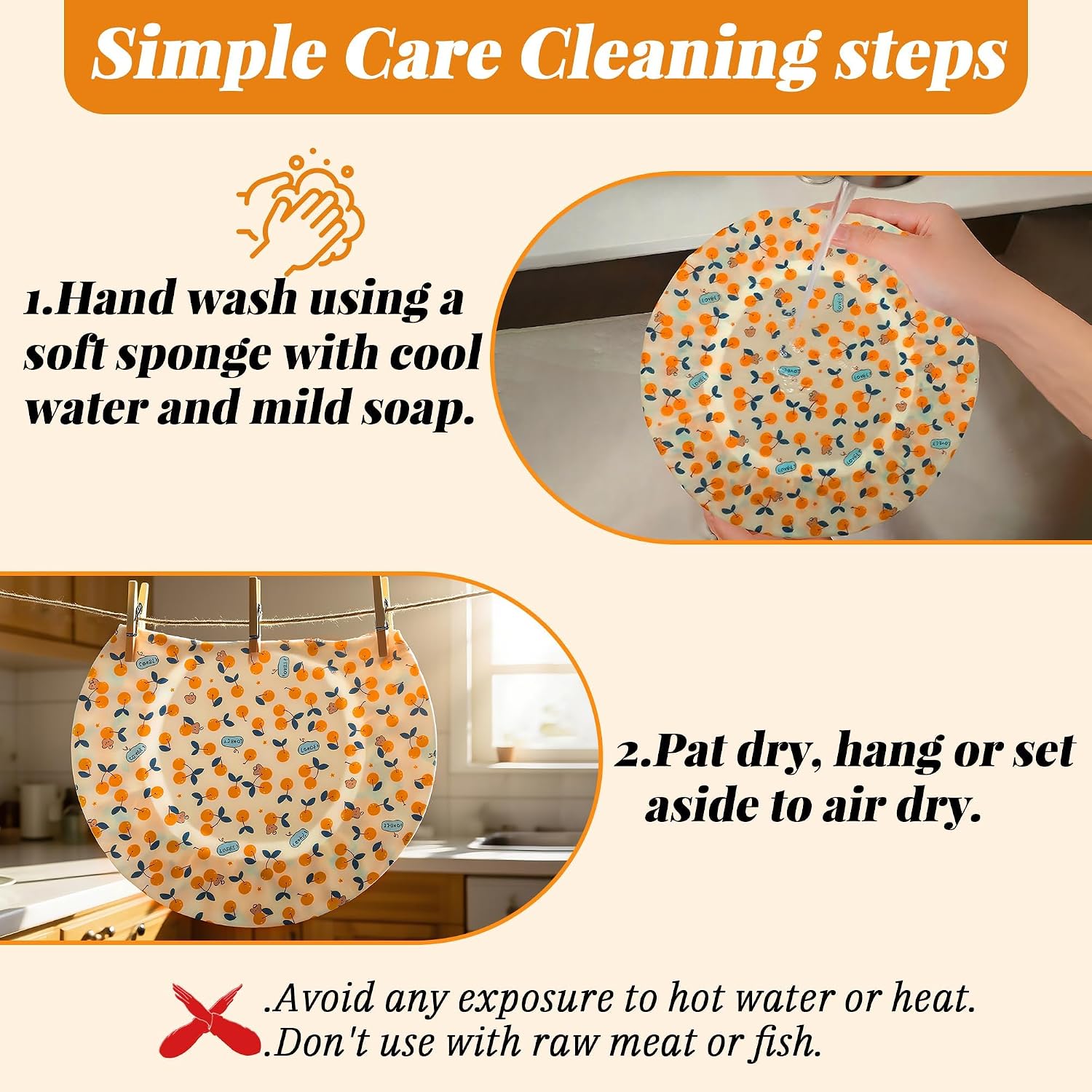
Then there’s the ease of cleaning and maintenance. This is a big one. If a wrap is a hassle to clean, you just won’t use it. Beeswax wraps require cool water and gentle soap, then air drying. Silicone lids can often go in the dishwasher, which is a major convenience for some. Fabric covers, especially those designed for bread proofing baskets, usually do well with a quick hand wash or even a gentle machine cycle, though air drying helps them keep their shape. Honestly, if it’s complicated, you’ll revert to plastic cling film. I’ve seen people spend way too much on features they never use because the upkeep was too much bother.
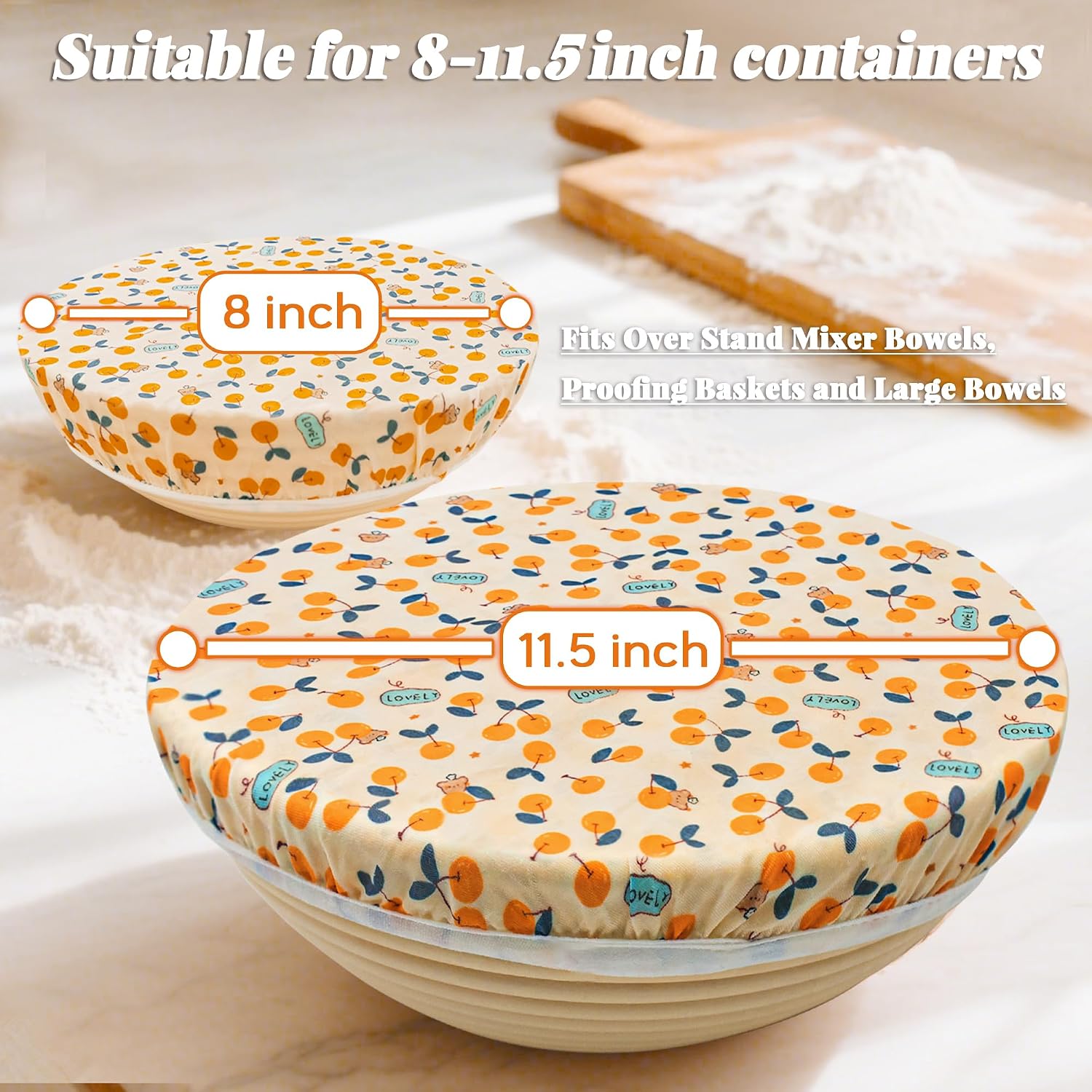
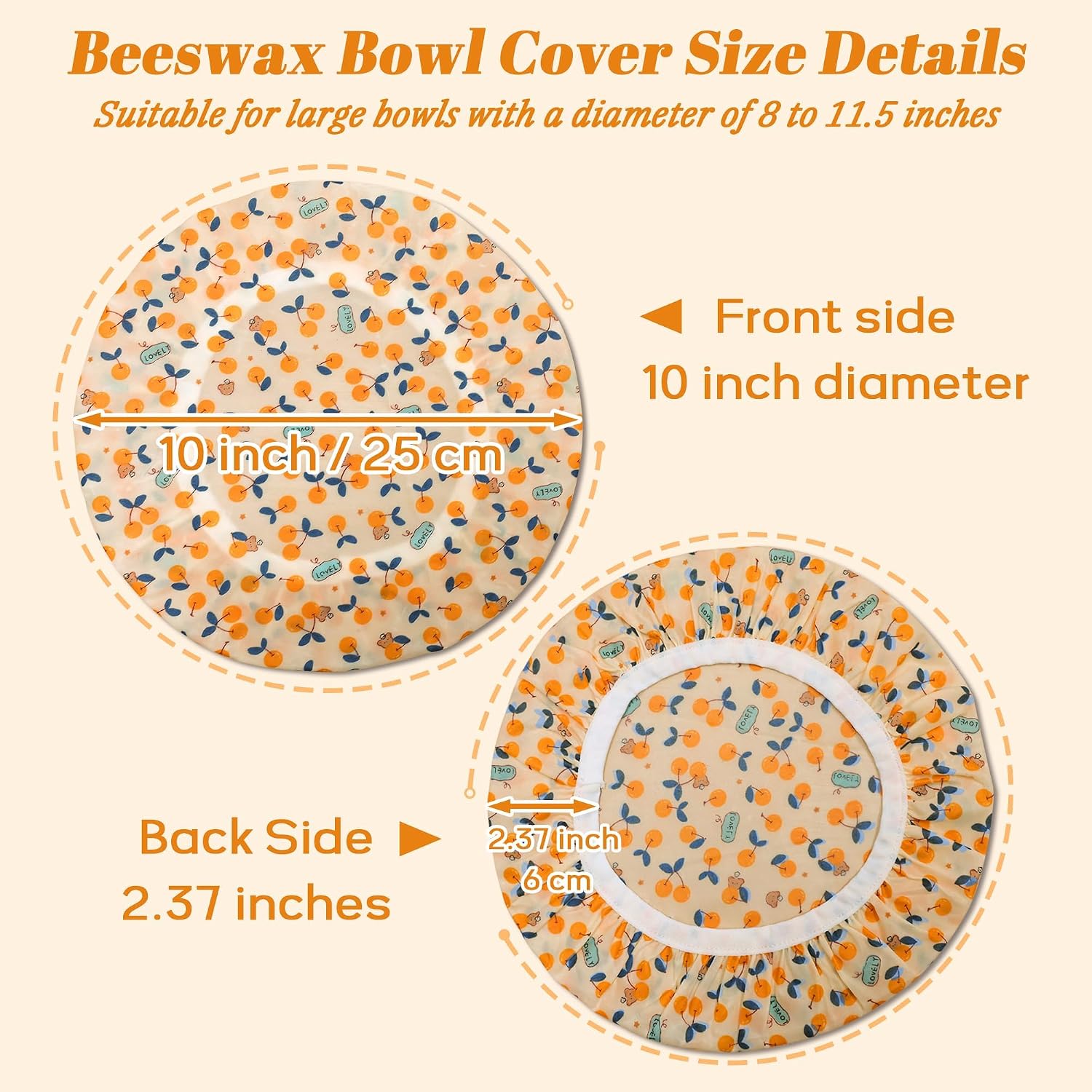
Size and shape variety is also crucial. What good is a single small beeswax wrap if you’re trying to cover a huge salad bowl or a large mixing container? Many brands offer multi-packs with various sizes, which is smart. The OHIYO set, for example, focuses on two large 12-inch reusable bowl caps, perfect for bigger tasks like sourdough proofing or covering a big batch of cookie dough. But you might still need smaller sizes for half an avocado or a small jar. Consider your typical food storage needs. Do you mostly cover bowls, wrap individual items, or deal with specific baking tasks?
Finally, think about aesthetic and kitchen integration. Call it superficial, but if something looks good and feels right in your kitchen, you’re more likely to use it. Many reusable food wraps come in charming patterns or muted tones. The appeal isn’t just about looks, though. It’s about creating a kitchen system that makes sense for you. Are these items going to stack neatly? Do they clash terribly with your existing setup? Sometimes, these little things make a big difference in actual adoption.
How to Match the Product to Your Situation
Finding the right reusable food wraps isn’t about picking the “best” one; it’s about picking what’s best for your life. Different kitchens, different routines, different needs.
Let’s consider a few types of users:
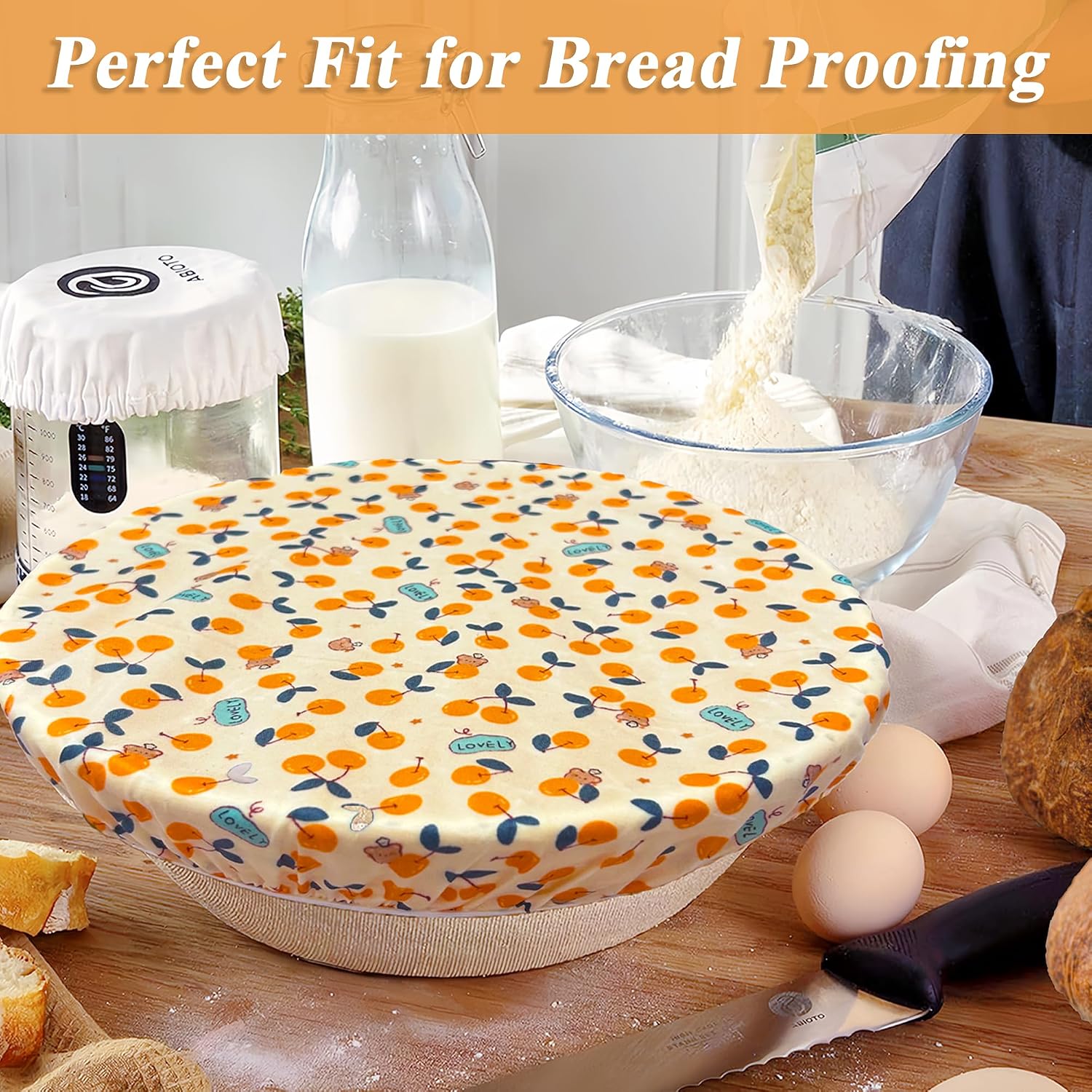
The Avid Baker & Fermentation Fanatic: You’re probably elbow-deep in flour most weekends, nurturing a sourdough starter, proofing bread in baskets, and mixing dough in large containers. For you, breathability is king. An airtight seal will actually hinder your fermentation processes. The OHIYO Reusable Beeswax Bowl Covers, particularly the elastic cotton cloth sourdough bread cover, are practically tailor-made for this. Their breathable nature prevents condensation that can mess with proofing, and the elastic fit means they stay put on various bowl shapes and proofing baskets. You’ll likely want multiple large 12-inch reusable bowl caps.
The Leftover Lunch Packer & Daily Food Prepper: Your main goal is practical, everyday food storage. You need something that can go from fridge to lunch bag, keep yesterday’s dinner fresh, or cover a cut veggie. You’re probably less concerned with sourdough and more with convenience and reliable sealing. Here, a mix might be your friend. Silicone stretch lids offer a strong, generally airtight seal for bowls and dishes. Traditional beeswax wraps work well for wrapping sandwiches, cheese, or individual fruits and veggies. You’ll want versatility across sizes and reliable sealing capabilities.
The Eco-Conscious Minimalist: You’re serious about reducing waste and keeping your kitchen streamlined. Every item needs to earn its spot. You value simple, natural materials and easy upkeep. For you, the elegance and natural composition of beeswax wraps might appeal most, especially if they’re made from organic cotton and natural beeswax. You appreciate their compostability at the end of their long life. You’re also probably keen on the idea of simple cotton cloth covers for larger bowl caps and proofing baskets, aligning with a less-is-more approach. The focus here is on sustainable materials and long-term environmental impact, even if it means a little more hand-washing.
A Comparative Look at Reusable Food Wrap Types
Different needs call for different tools. Here’s how common reusable food wraps stack up, including specific mentions like the OHIYO covers.
| Type/Tier | Best For | Price Tier | Key Feature | Watch-Out |
|---|---|---|---|---|
| Beeswax Wraps | Wrapping produce, cheese, sandwiches, small bowls | Mid-range | Natural adhesion, breathable, compostable | Sensitive to heat, not truly airtight, requires gentle washing. |
| Silicone Stretch Lids | Airtight seals for bowls, cans, jars | Mid-to-Premium | Strong, durable, heat-resistant, dishwasher-safe | Can sometimes absorb odors, less breathable, not for wrapping. |
| Elastic Fabric Covers | Large mixing containers, bread proofing baskets, covering dough | Budget-to-Mid | Breathable, flexible, machine washable, fits irregular shapes | Not airtight, less effective for strong odors, can stain. |
Beeswax Wraps: These are fantastic for keeping many things fresh without suffocating them. Their natural adhesion from the beeswax is pretty neat, though it’s not a true airtight seal. Just remember, don’t use them on hot food, and keep them away from hot water during cleaning, or you’ll quickly lose that sticky magic.
Silicone Stretch Lids: If you need a serious seal, these are your go-to. They stretch over bowls, cups, and even cut fruits, creating a surprisingly snug fit that really keeps air out. But they’re not for wrapping items directly; they’re bowl covers. And yes, some foods, especially anything garlicky or oniony, can leave a lingering scent on them.
Elastic Fabric Covers: Think of products like the OHIYO Reusable Beeswax Bowl Covers, but without the wax. These elastic cotton cloth covers are brilliant for large mixing containers, sourdough bread cover duty, or as 12 inch reusable bowl caps for various baking needs. They offer breathability, which is essential for things that need to “breathe” a bit, like dough. The trade-off? They’re definitely not airtight, and they won’t keep liquids from spilling.
Scenarios for Your Reusable Food Wraps
Let’s get down to brass tacks: when do these actually shine in a real kitchen?
The Sourdough Saga: Proofing Perfection
For anyone dedicated to the craft of sourdough, the right cover makes a tangible difference. You’re not just throwing a towel over your bread proofing baskets anymore, are you? An elastic cotton cloth sourdough bread cover, like the large OHIYO Reusable Beeswax Bowl Covers (but again, the cotton version for this specific task), is a godsend. It lets your dough breathe, preventing that gross, sticky skin from forming on top while still protecting it from drying out too fast. It’s breathable, not airtight, which is key for fermentation. Plus, it stays put on those proofing baskets, which is often not a standard bowl size. This keeps fruit flies out, a minor annoyance but a persistent one.
Battling the Leftover Conundrum
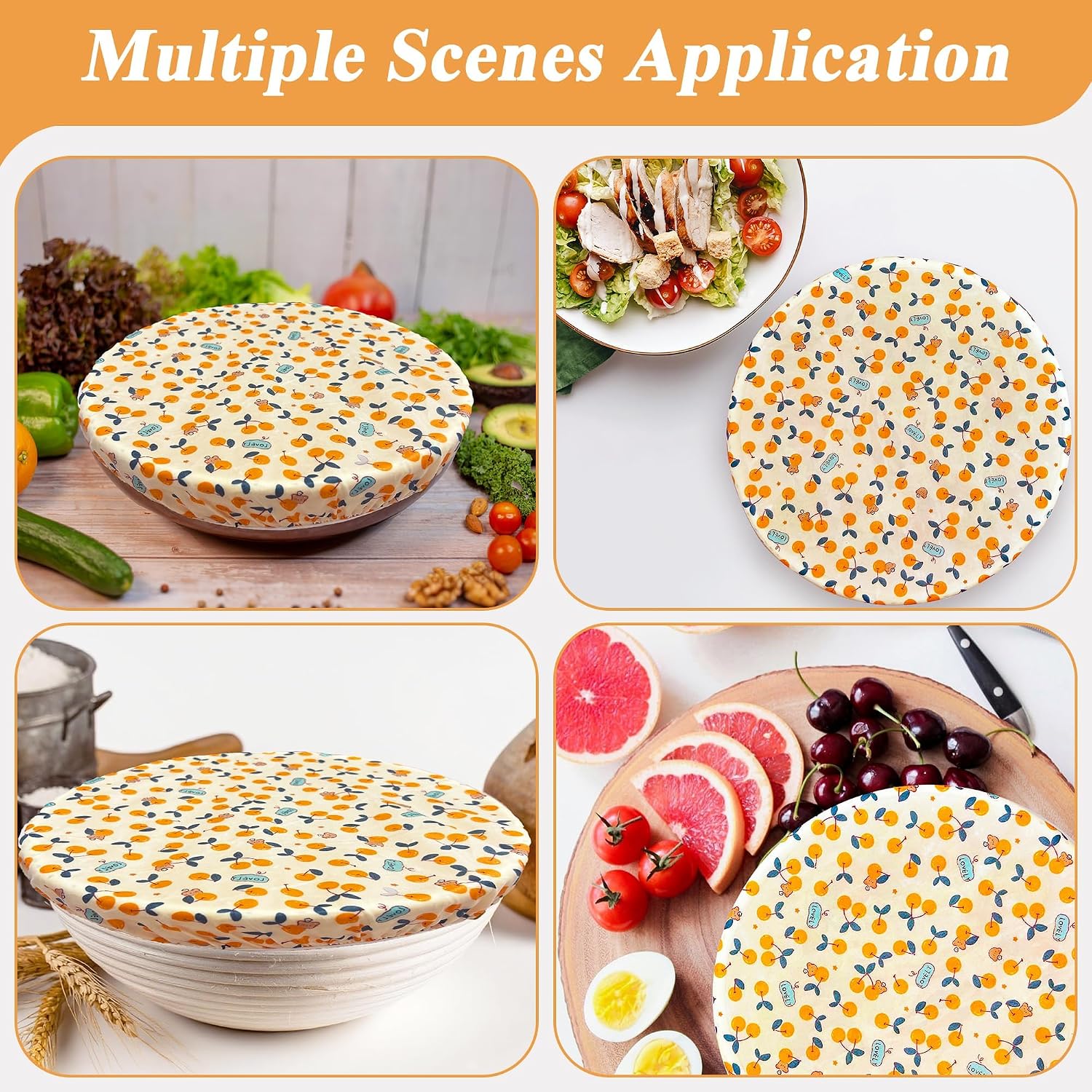
We all have leftovers. Sometimes they’re in a big casserole dish, sometimes just a small bowl of dip. Trying to stretch flimsy plastic film over a giant serving bowl is a frustrating exercise in futility, right? This is where versatile reusable bowl caps or silicone stretch lids truly prove their worth. For things like salad, roasted veggies, or last night’s pasta in a big serving bowl, a 12-inch reusable bowl cap can provide a much better seal and easier application than fumbling with a cling film replacement. They’re quick, they’re sturdy, and they really cut down on that plastic waste.
Simplifying Outdoor and Potluck Prep
Transporting food, especially for a picnic or potluck, usually means Saran wrap chaos. How many times have you arrived only to find the cling film has peeled back? It’s annoying. Using robust reusable food wraps, like the elastic OHIYO Reusable Beeswax Bowl Covers, for large mixing containers means your food stays covered, even during transit. No more wrestling with sticky plastic when you’re trying to get a fruit salad to the park. These covers are much more secure and resilient, and they wash up easily when you get home. A true stress-reducer, if you ask me.
Common Mistakes Buyers Make
Even with something as seemingly straightforward as reusable food wraps, folks can trip up. Here are some pitfalls I’ve seen over the years:
Firstly, many people buy a single type of wrap, expecting it to do everything. That’s like buying a screwdriver and expecting it to hammer nails. Different materials have different strengths. A breathable fabric cover, like the OHIYO elastic cotton cloth cover for sourdough, is terrible for storing liquids. An airtight silicone lid is useless for wrapping a block of cheese that needs to breathe. Diversify your arsenal; don’t put all your eggs in one beeswax basket.
Another frequent error: neglecting care instructions. Beeswax wraps, in particular, are finicky about heat. Washing them in hot water or putting them over hot food will melt the wax right off, rendering them useless. Then people complain they “don’t work.” It’s not the wrap; it’s the user. Take two minutes to understand what your specific type of reusable food wraps needs. It really extends their life.
Then there’s the size mismatch problem. People often buy a small multipack of wraps, then find they mostly need covers for their large mixing containers or big serving bowls. Suddenly, those cute little wraps for lemons sit unused. Assess your actual needs before purchasing. If you frequently bake, those 12-inch reusable bowl caps or a dedicated sourdough bread cover are probably more critical than a tiny wrap for a cucumber end.
Finally, underestimating the learning curve. Yes, there’s a slight adjustment moving from disposable plastic wrap. You might not get a perfect seal on your first try with a beeswax wrap, or you might struggle to stretch a silicone lid over an awkwardly shaped container. Don’t get discouraged. Stick with it. The habit forms quicker than you think, and soon you’ll wonder why you ever bothered with single-use plastic.
Why/How/What
Why should I switch to reusable food wraps?
Switching to reusable food wraps is a simple, impactful way to cut down on household waste. Every time you grab a beeswax wrap or an elastic cotton cloth cover instead of plastic film, you’re diverting waste from landfills and reducing your reliance on petroleum products. It’s a small change that adds up, not just for the environment but also for your wallet over time. Think about how much plastic wrap you toss; it really accumulates.
How do reusable food wraps keep food fresh?
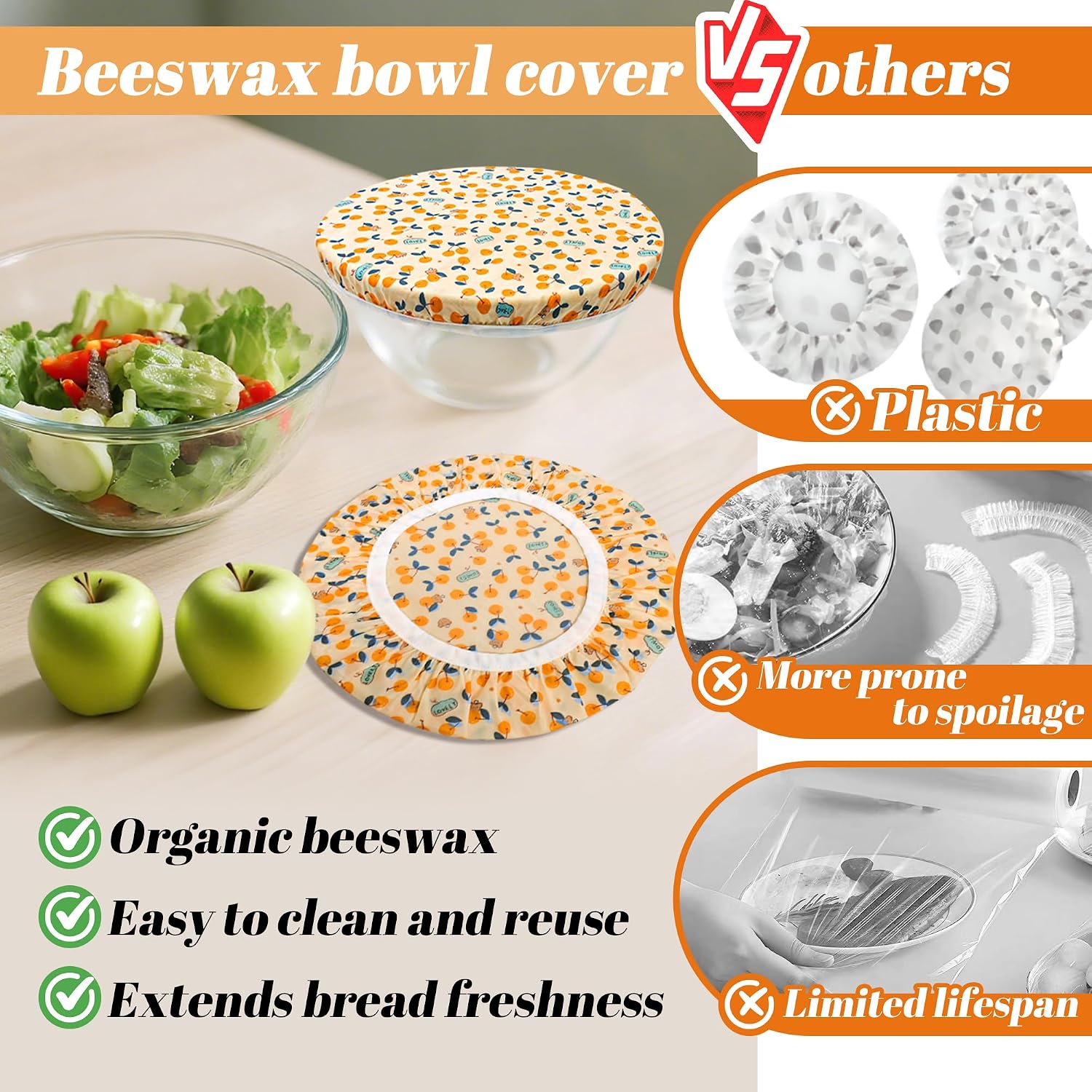
They work by creating a barrier between your food and the air, similar to plastic wrap, but often with added benefits. Beeswax wraps use the natural properties of wax to cling and protect while still allowing some breathability, which is ideal for produce. Silicone covers create a tight, suction-like seal to block out air and moisture entirely. Fabric covers, like the OHIYO Reusable Beeswax Bowl Covers (specifically the cotton ones), act as a physical barrier, keeping dust, pests, and ambient air out while allowing necessary air circulation, crucial for things like proofing dough.
What are OHIYO Reusable Beeswax Bowl Covers made for?
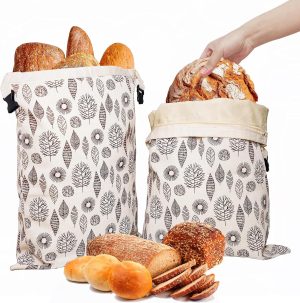
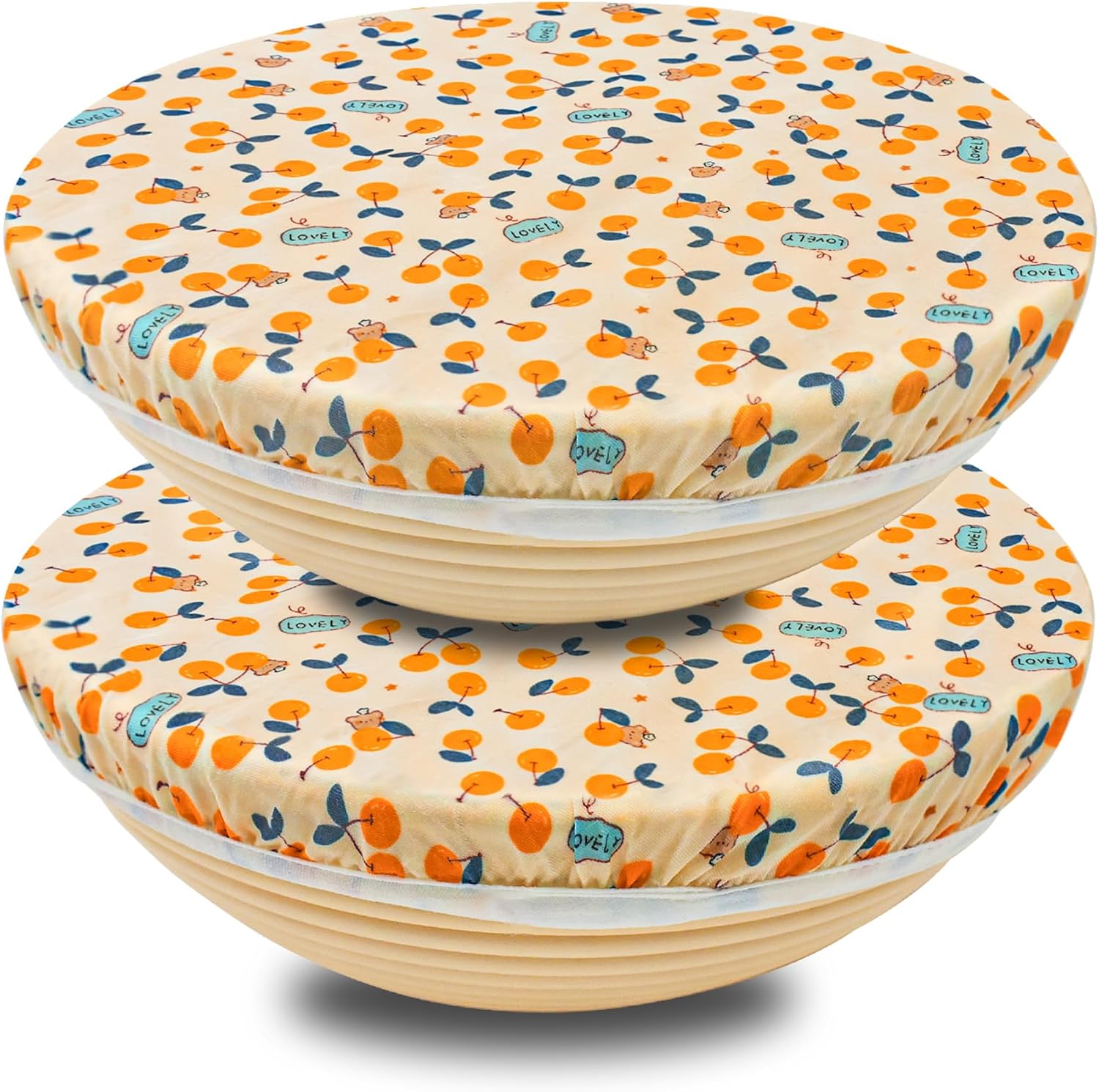
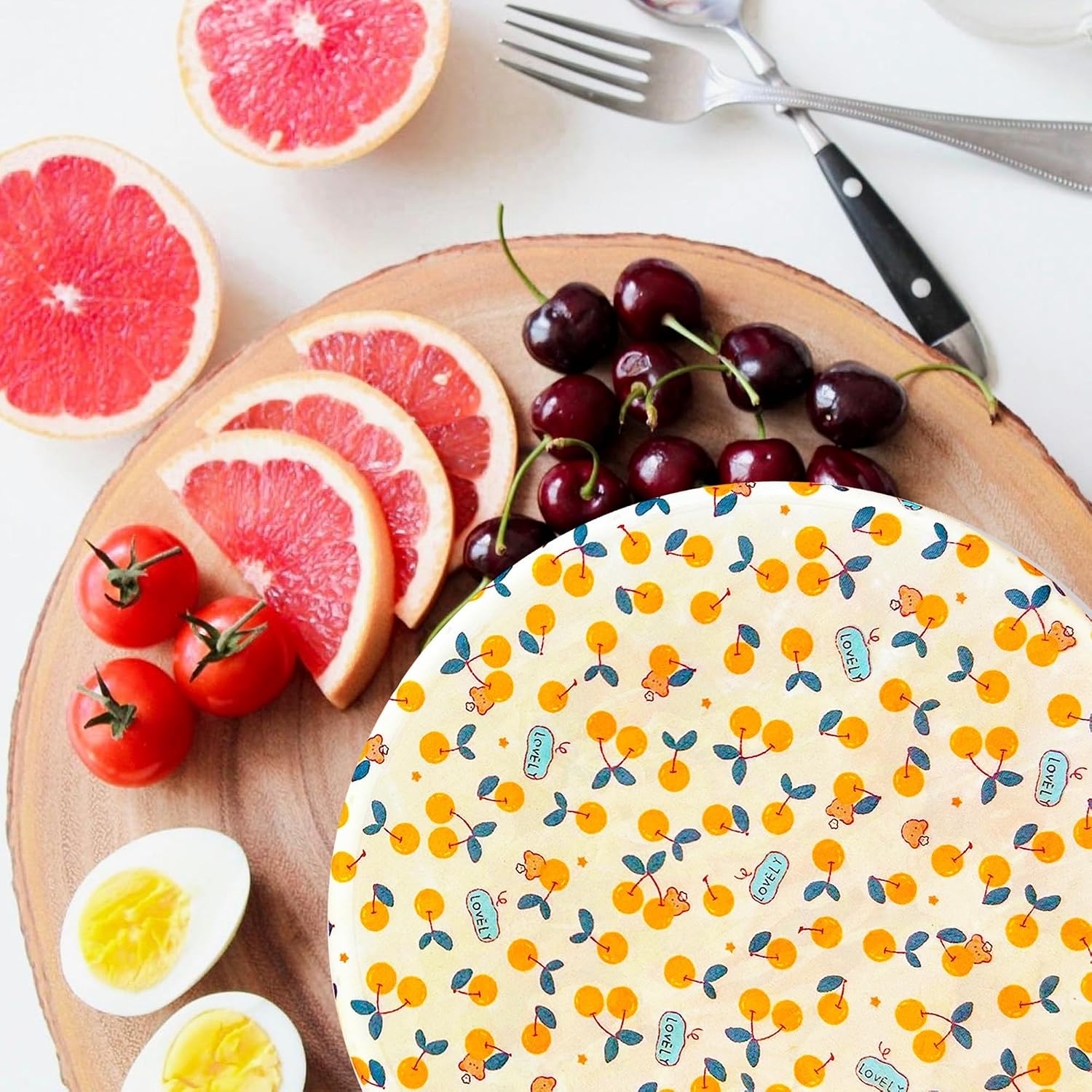
The OHIYO Reusable Beeswax Bowl Covers (2 Large), along with their elastic cotton cloth sourdough bread cover, are specifically designed for larger food storage needs and baking. Their 12-inch reusable bowl caps are perfect for covering large mixing containers, keeping dough moist during proofing, or topping off big salad bowls. They excel where a standard flat wrap might fall short, providing a flexible, breathable cover that stays securely in place thanks to the elastic.
FAQ
How long do reusable food wraps typically last?
Their lifespan really depends on the material and how well you care for them. Beeswax wraps might last anywhere from six months to a year or more with proper cool-water washing. Silicone covers can last for many years, even decades. Elastic fabric covers often fall somewhere in between, usually offering a couple of years of regular use before the elastic starts to give out.
Can I use reusable food wraps in the microwave?
Absolutely not for beeswax wraps; the wax will melt. Silicone covers usually handle microwave heat just fine, but check the manufacturer’s specific guidelines. Fabric covers, like the cotton ones, are generally safe for microwave use to prevent splatters, but they won’t seal in moisture like plastic. Always be cautious.
Are reusable food wraps truly airtight?
Most beeswax wraps are not truly airtight; they provide a good seal but allow some minimal air exchange, which is a feature for certain foods. Silicone stretch lids, however, can create a very effective airtight seal when applied correctly to a smooth rim. Fabric covers are breathable, not airtight.
What foods should I not use with beeswax wraps?
Avoid using beeswax wraps with raw meat or anything particularly greasy or oily, as these can be difficult to clean off the wax and harbor bacteria. Also, keep them off hot food. Stick to fruits, vegetables, baked goods, cheese, and covering bowls of leftovers once they’ve cooled.
Can reusable food wraps replace all my plastic wrap?
While reusable food wraps can replace a significant amount of plastic wrap use, there might be specific situations where you still reach for cling film, perhaps for very sticky, messy items or extreme freezer protection. However, for most everyday food storage, covering bowls, and wrapping sandwiches, they’re a fantastic, reliable alternative.
Final Recommendation
For those looking to make a genuine impact on their kitchen waste, particularly the avid home bakers and big-batch cooks among us, a combination of reusable food wraps is your best bet. Start with something like the OHIYO Reusable Beeswax Bowl Covers (2 Large) because those 12-inch reusable bowl caps solve a common problem: covering large mixing containers and providing the ideal environment for your sourdough bread cover. Their elastic cotton cloth construction offers the crucial breathability your proofing baskets need.
Beyond that, complement your OHIYO covers with some good quality silicone stretch lids for when you need that airtight seal on regular bowls and a few beeswax wraps for wrapping up smaller produce or a block of cheese. This multi-material approach ensures you have the right tool for every food storage challenge, making the switch away from single-use plastic not just a moral victory, but a genuinely practical one.
#OHIYO #Reusable #Beeswax #Bowl #Covers #Large #Elastic #Cotton #Cloth #Sourdough #Bread #Cover #inch #Reusable #Bowl #Caps #Bread #Proofing #Baskets #Large #Mixing #Containers