I bought my first stand mixer because of a number. Twelve speeds. Twelve! My hand mixer had three, so twelve felt like upgrading from a bicycle to a sports car.
Then I used it. Speeds one through three: stirring. Speeds four through six: mixing. Speeds seven through twelve: a progressively louder way to do the exact same thing as speed six, except now the flour is on the ceiling.
That was my first lesson in appliance math. More is not better. More is just more.
My second lesson arrived in a cardboard box that was too big for my kitchen. I live in an apartment where counter space is measured in inches, not feet. The toaster lives on top of the microwave. The microwave lives wherever it fits that week. So when the mixer showed up and I realized it was staying on the counter permanently, because at that weight nobody is lifting it in and out of a cabinet, I had to rearrange my entire kitchen around it. This is the part of mixer ownership nobody photographs.
Wait, so how many speeds do you actually need?
Five. Maybe six if you are generous.
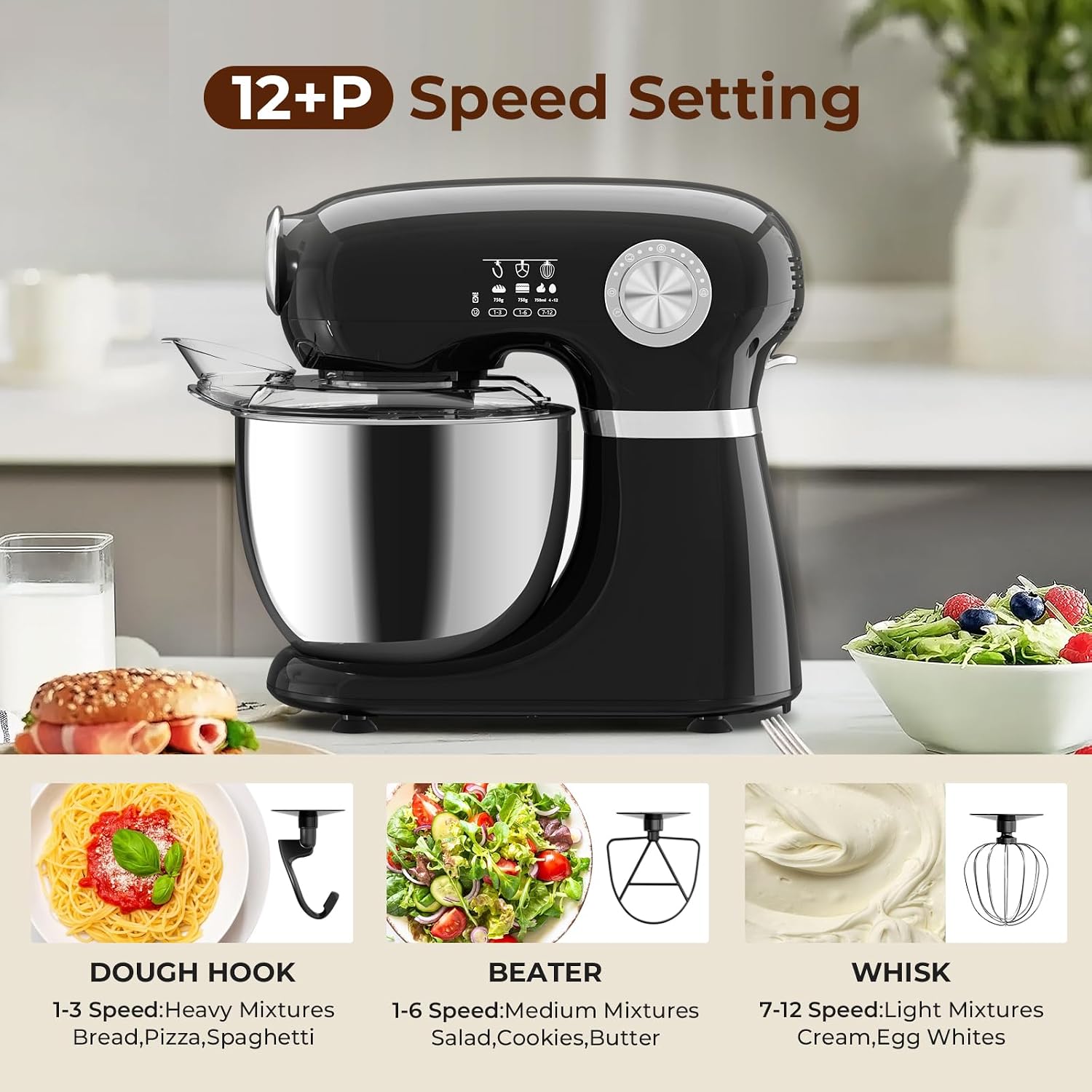
You need a slow stir for folding in flour without redecorating the kitchen. You need a couple of middle speeds for batters and doughs. You need a high speed for whipping cream and meringue. That is the whole list. Everything beyond that is marketing granularity, tiny notches on a dial so the box can print a bigger number than the competitor’s box.
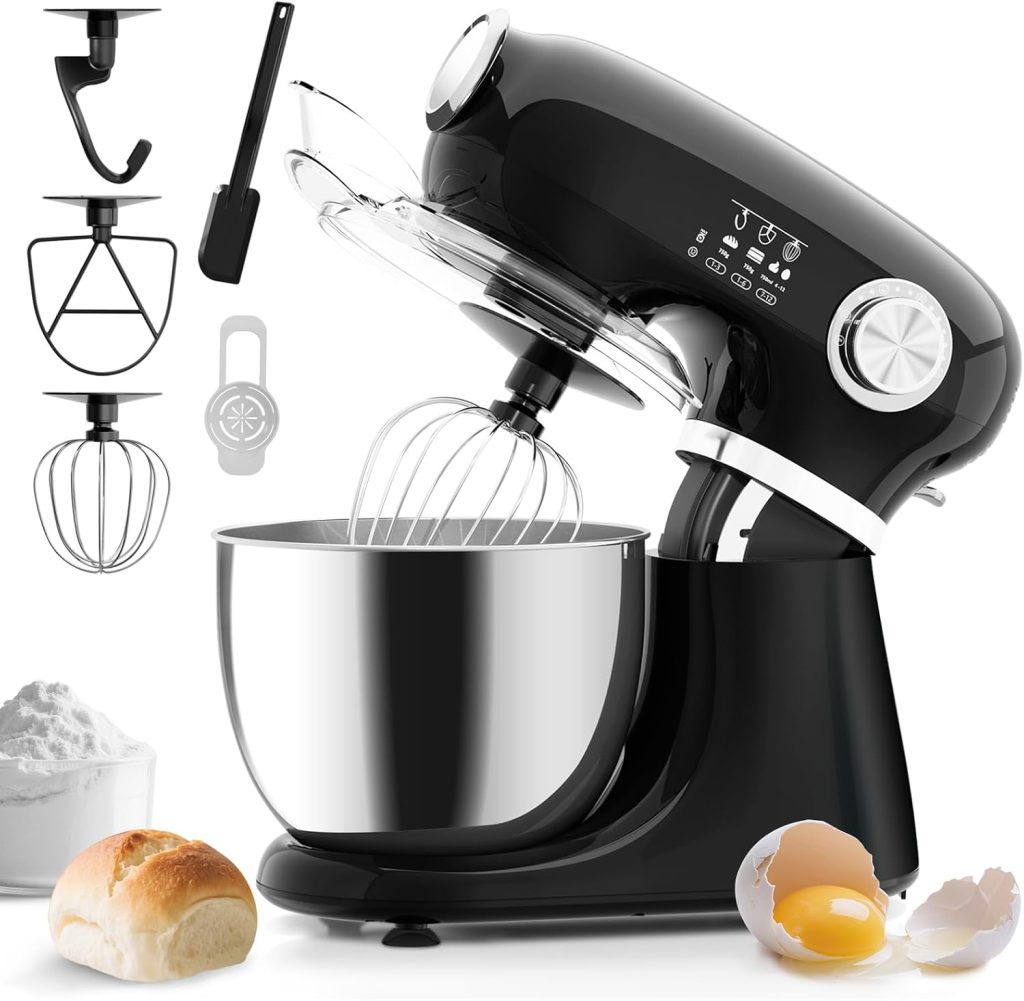
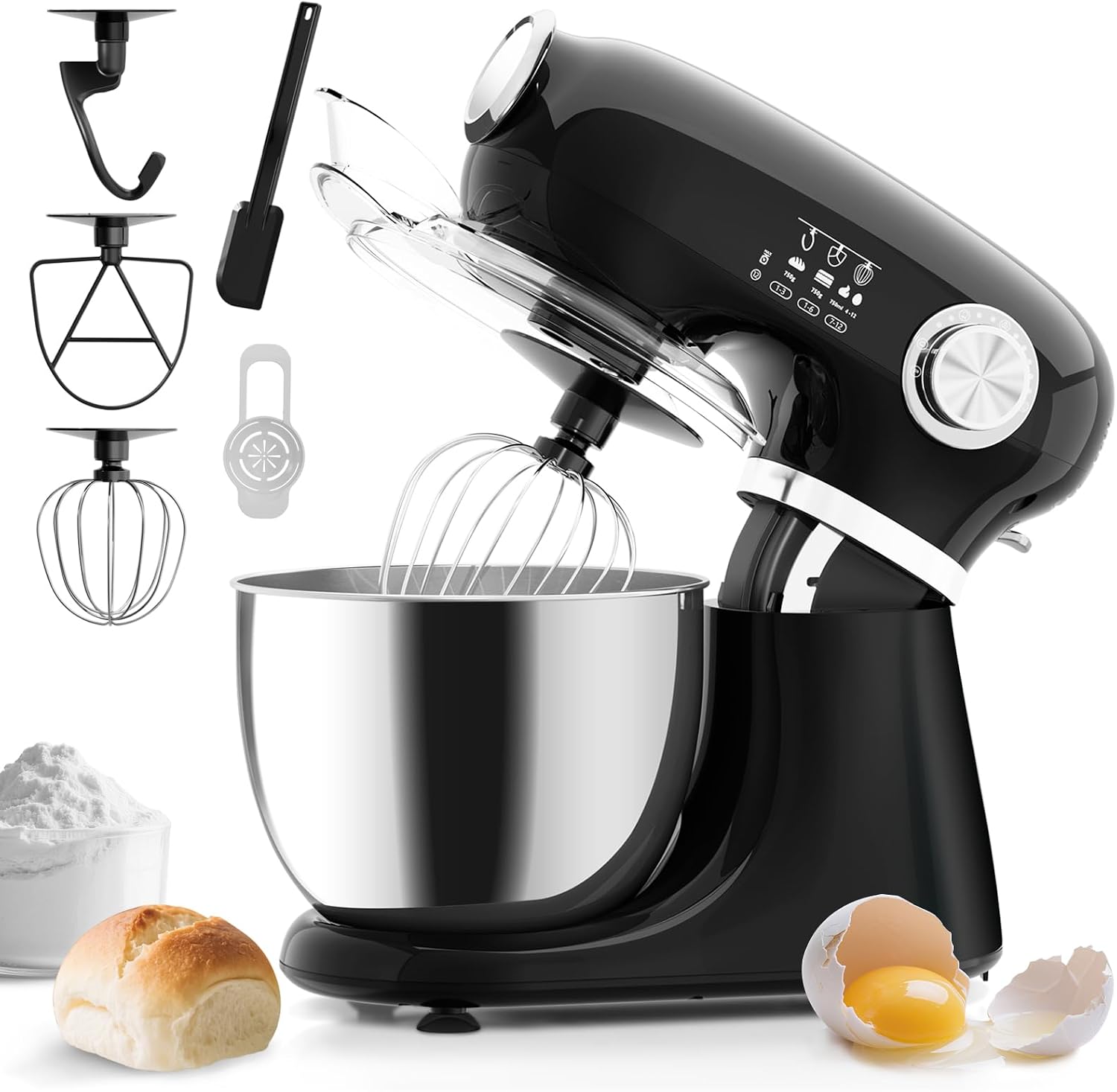
The Electactic 5.3-Quart lists 12 speeds. Here is the thing, though. I have come around on this slightly. Having many small steps between slow and fast means you can creep up on a speed instead of jumping. Going from stir straight to medium on some mixers launches a flour cloud. Twelve little steps let you ease in. Is that worth advertising as a headline feature? Not really. But it is not nothing either. Actually, no. Let me be honest. It is a small nothing. A polite nothing.
Low noise gets a mention on this one too. Every mixer claims low noise. Every single one. What they mean is “quieter than the one that sounds like a leaf blower.” It is a relative claim wearing an absolute costume. I have no way to verify decibels from a listing, and neither do you. This is one of those specs you just have to live with.
Is 5.3 quarts the right size for a normal human?
Probably. This is the least controversial thing I will say today.
Five quarts is the industry’s default answer for a reason. It handles about 9 dozen cookies, a double batch of cake batter, or two standard loaves of bread dough, roughly 8 to 9 cups of flour. That covers weeknight baking, birthday cakes, holiday cookies for the neighbors. The extra 0.3 quarts on the Electactic is a rounding error with a marketing department, but it does give you a little headroom against splatter. Fine. I will take it.
Go smaller, like the 3.5-quart compacts, and you will be splitting every recipe in half. Go bigger, like the FEST 8.45QT, and you need both the counter space and the baking volume to justify it. For one person in a small kitchen who bakes on weekends, 5-ish quarts is the sweet spot. I measured my cabinet clearance three times before buying. Three times. Learn from my anxiety.
The tilt-head thing, explained by someone who knocked one over
Not knocked over. That is dramatic. Let us say I tilted the head back to add eggs, and the whole machine did a little rock forward because the base is lighter than the head assembly with the bowl full. It did not fall. My heart did a thing, though.
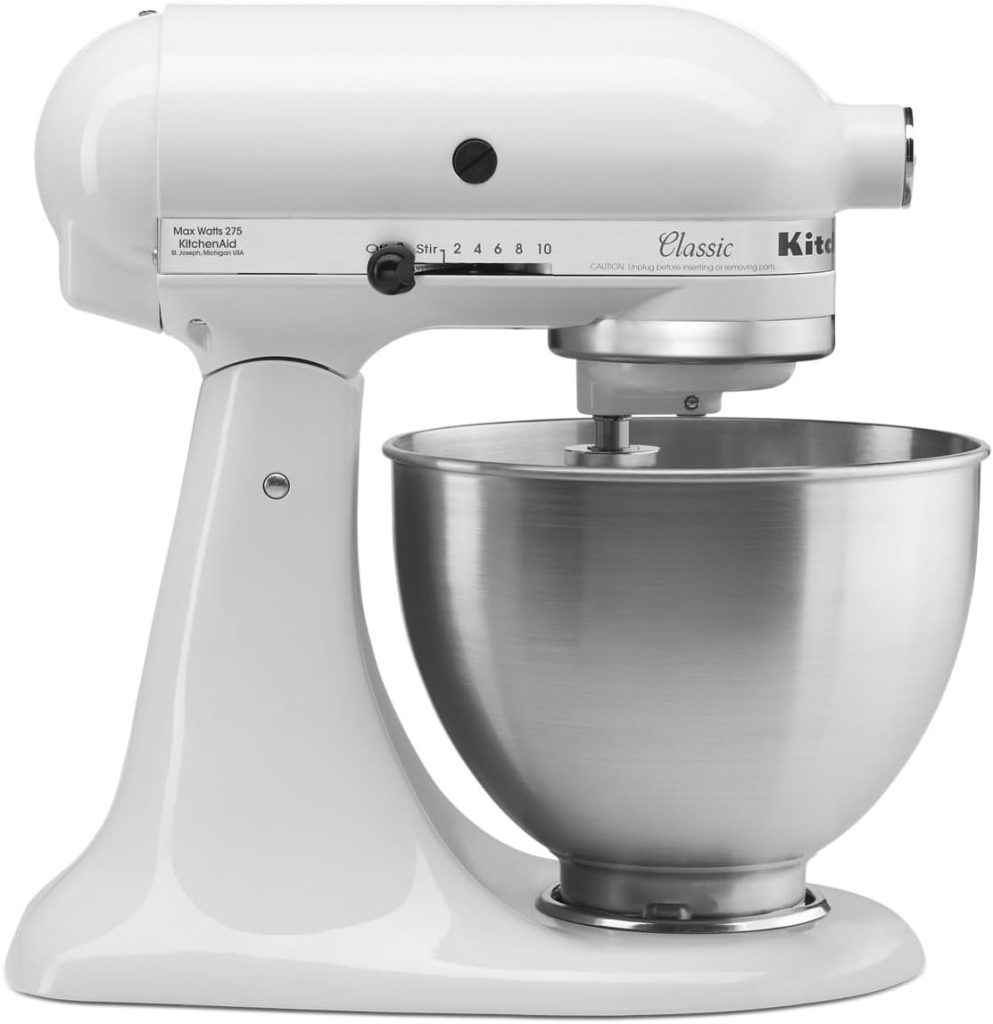
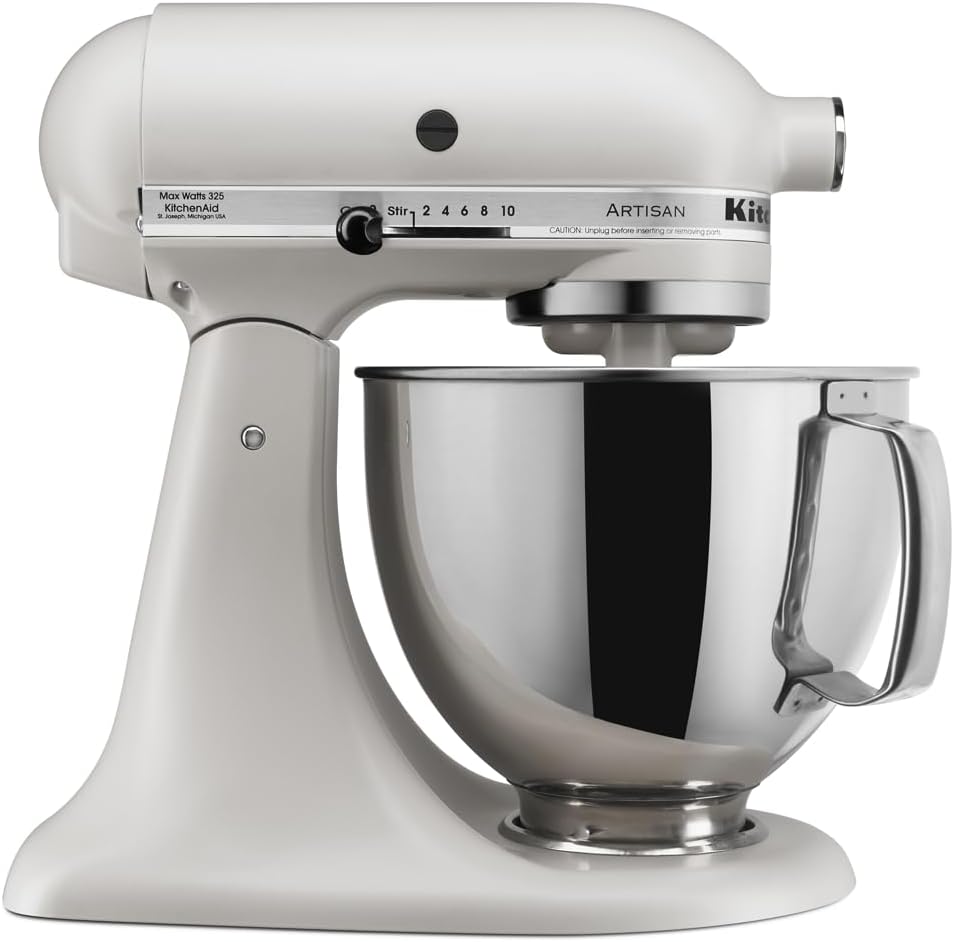
Tilt-head is the standard design at this size. The head tips back, you get full access to the bowl, everything is easy. It fits under most cabinets. The KitchenAid Artisan 5-Qt made this design famous. The trade-off is that a hinge is a hinge. With very stiff dough, some tilt-heads develop a slight wobble at the joint. For normal home baking, cakes, cookies, soft bread doughs, it is a non-issue. If you are doing dense bagel dough every week, that is when you start wanting a bowl-lift machine, and also a bigger kitchen.
This site contains affiliate links. We may earn a commission on qualifying purchases.
Can we talk about the return I did not want to make?
My first mixer was not this one. It was a cheaper no-name unit with a glowing listing and about four thousand suspiciously enthusiastic reviews, all posted within the same two weeks. You know the pattern. Five stars, broken English, “very good mixer, my wife love it.”
It lasted five months. The failure mode was classic: the motor still ran, but the beater started slipping under load. Plastic gears. The listing never said plastic gears, because listings never say plastic gears. They say “powerful motor” and “durable construction” and let you fill in the blanks optimistically.
That is my real grudge with this category. Not the prices. Not the speed-count inflation. The asymmetry. They know the gear material and the true torque and the actual noise level in decibels, and they print “12 SPEEDS” and “LOW NOISE” instead. Every mixer listing is a magic trick where the numbers you get are the numbers that sell, and the numbers you need are in a manual PDF.
So no, I have not owned the Electactic for three years. I cannot tell you what it sounds like in year three. What I can tell you is what to check on any mixer in this price range: metal gears or plastic, metal attachments or coated, and whether the return window is long enough to run a stiff dough through it twice. The dough test in week one. Always.
What actually comes in the box matters more than the speed count
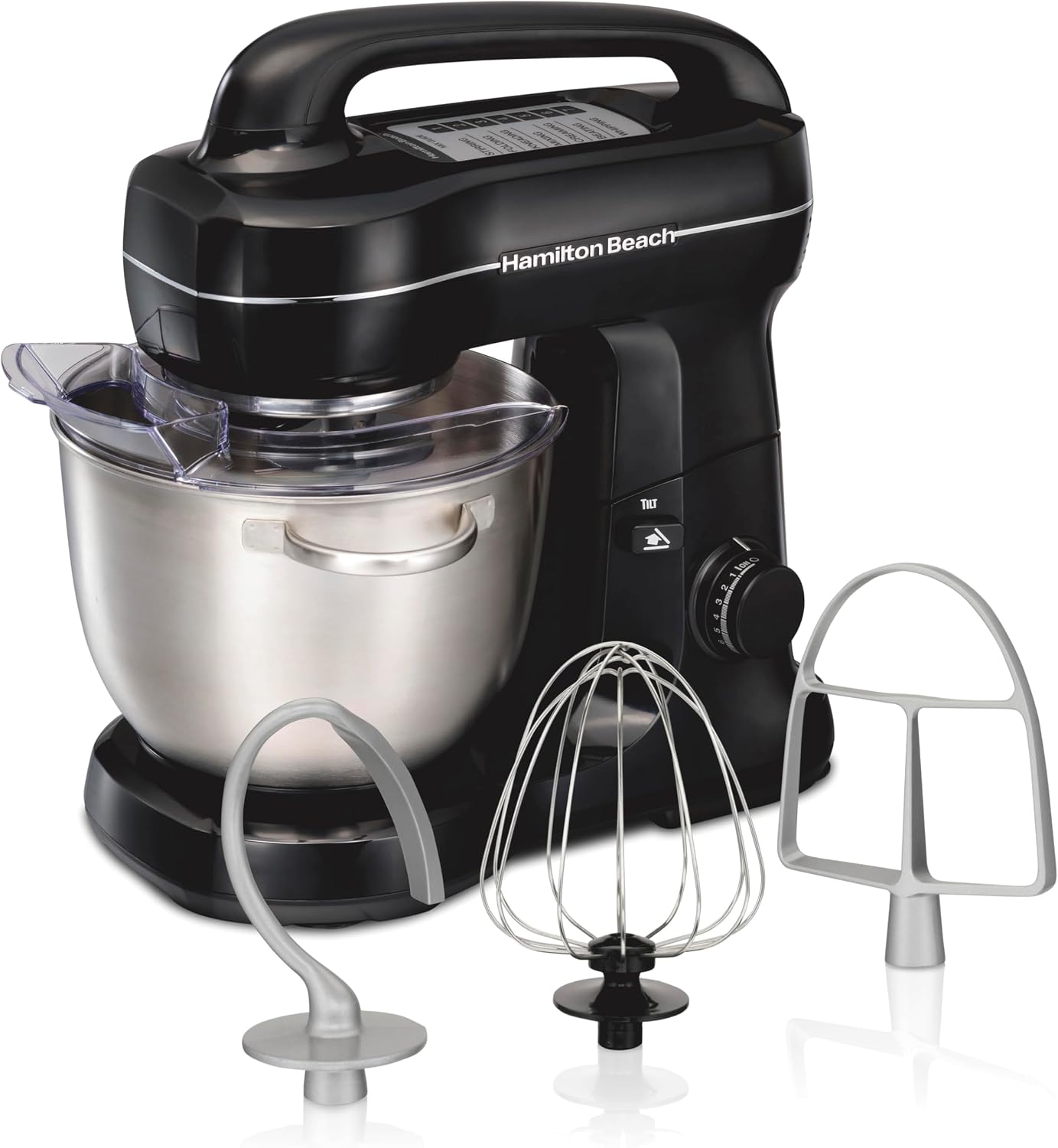
Flat beater, wire whisk, dough hook. The trinity. Check that they are metal, not coated mystery material that chips into your frosting by month six.
A pouring shield is the accessory that sounds boring and saves your kitchen. Adding flour to a running mixer without one is how you learn about air currents in your home. If it is included, that is a genuine plus. If not, it is a separate purchase, and you should know that going in.
The attachment hub is the longer game. KitchenAid’s hub fits dozens of accessories across most of its models, which is a real ecosystem advantage. Budget brands usually offer a hub with a handful of attachments, or none at all. If you think you might want a pasta roller someday, that matters. If you just want to mix batter, it does not. Be honest about which person you are. I am the second person. I have never once thought “I wish my mixer could grind meat.” But some people do, and they should know before they buy.
Here is where I landed. Twelve speeds is a silly headline for a genuinely reasonable machine. The size is right for most people. The tilt-head design is right for most kitchens. The price is a fraction of the big names. The open question is durability, and it is open on every budget mixer, every single one, because none of them will tell you what the gears are made of.
My mixer sits on the counter where the fruit bowl used to be. The fruit bowl now lives on top of the microwave, next to the toaster. The kitchen looks like a game of Tetris. But on Sundays there is fresh bread, and the twelve speeds, all twelve of them, mostly stay parked between two and five.