
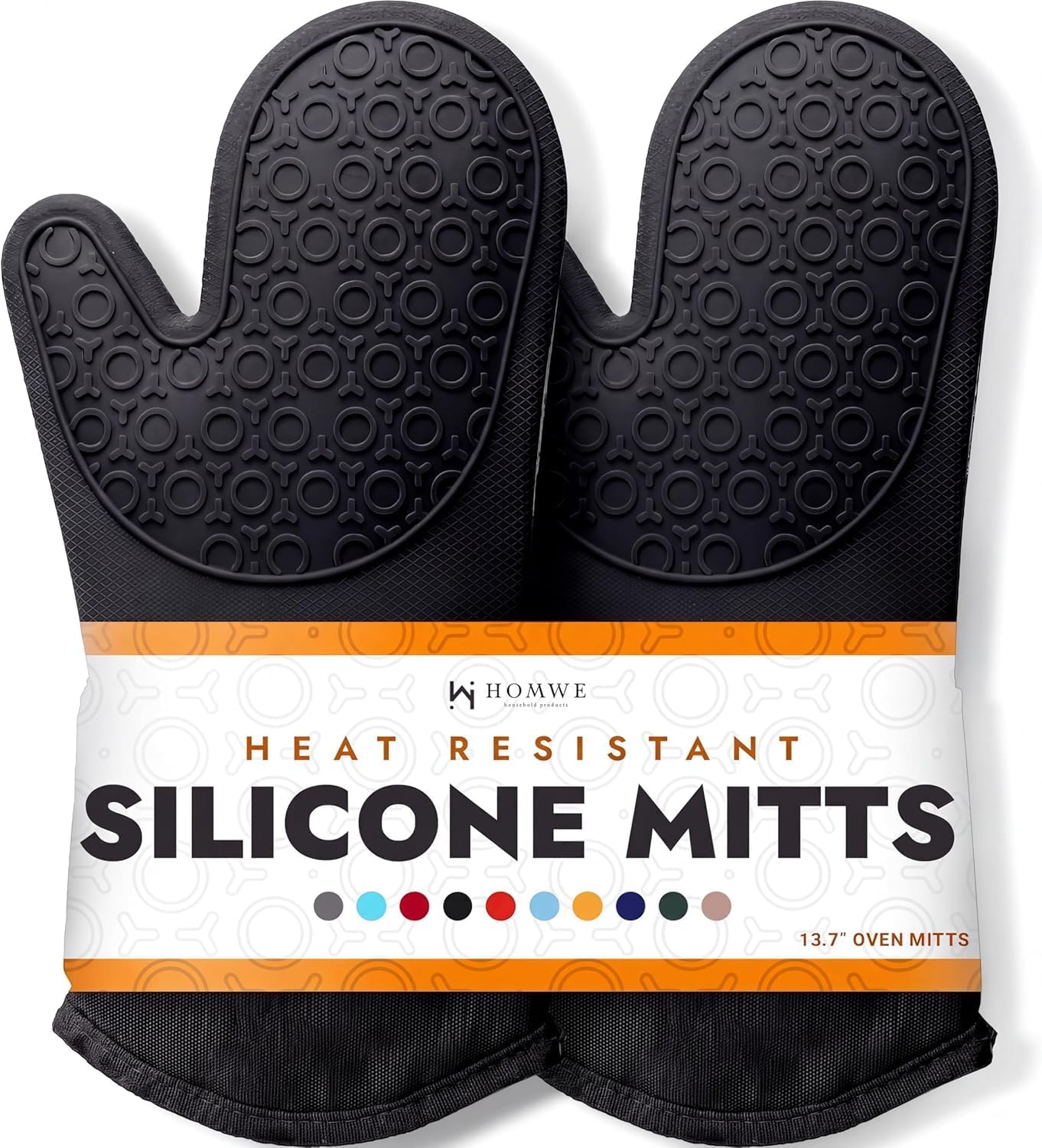
Beyond the Burn: Are BPA-Free Silicone Oven Mitts Really Worth It?
Navigating the world of kitchen gear can be surprisingly complex, especially when it comes to something as seemingly simple as protecting your hands. This guide cuts through the marketing fluff to help you understand whether BPA-free silicone oven mitts, particularly those promising ultra heat resistance up to 500°F with a thick cotton liner, are truly the smart choice for your kitchen. We’re digging into the practicality and value, aiming to equip you with solid insights, not just product descriptions.
Quick Answer
For most home cooks who regularly handle hot dishes, BPA-free silicone oven mitts with a robust cotton lining are a worthy upgrade. They offer superior heat protection and a more secure, slip-resistant grip compared to traditional cloth or hybrid options, making them a solid investment in both safety and kitchen efficiency. Just be sure to match the length and flexibility to your typical cooking tasks.
What to Look For (The Buying Criteria)
Choosing the right hand protection for your culinary adventures involves more than just picking a color. It’s about safety, comfort, and longevity. Here’s what seasoned cooks consider before making a choice in the realm of silicone oven mitts.
First off, heat resistance is paramount. Many mitts claim to withstand high temperatures, but pay close attention to the stated maximum – 500°F is a common benchmark for high-quality silicone. But here’s the kicker: that rating often applies to the silicone exterior itself, not necessarily how long your hand can stay comfortably inside. The internal lining plays a massive role in actual heat transfer to your skin. A dense, multi-layer thick cotton liner is essential for true thermal insulation, preventing that immediate “ouch” moment. Some cheaper options skimp here, leading to surprisingly quick heat penetration, even if the exterior silicone doesn’t melt. That’s a deal-breaker, frankly.
Then there’s the material composition and flexibility. We’re talking about BPA-free silicone here, which is critical for food safety; you don’t want questionable chemicals migrating from your mitt to, say, the rim of a hot casserole dish. Silicone is inherently more flexible than some fabric alternatives, which makes a difference for delicate maneuvers. However, not all silicone is created equal. Some feels stiff, like wearing a wetsuit on your hands, hindering dexterity. Look for descriptions that emphasize flexible oven gloves – this usually means a softer grade of silicone or thoughtful ergonomic design. The trade-off? Utterly rigid mitts might protect a bit more in extreme scenarios, but they’re a nightmare for grabbing smaller items.
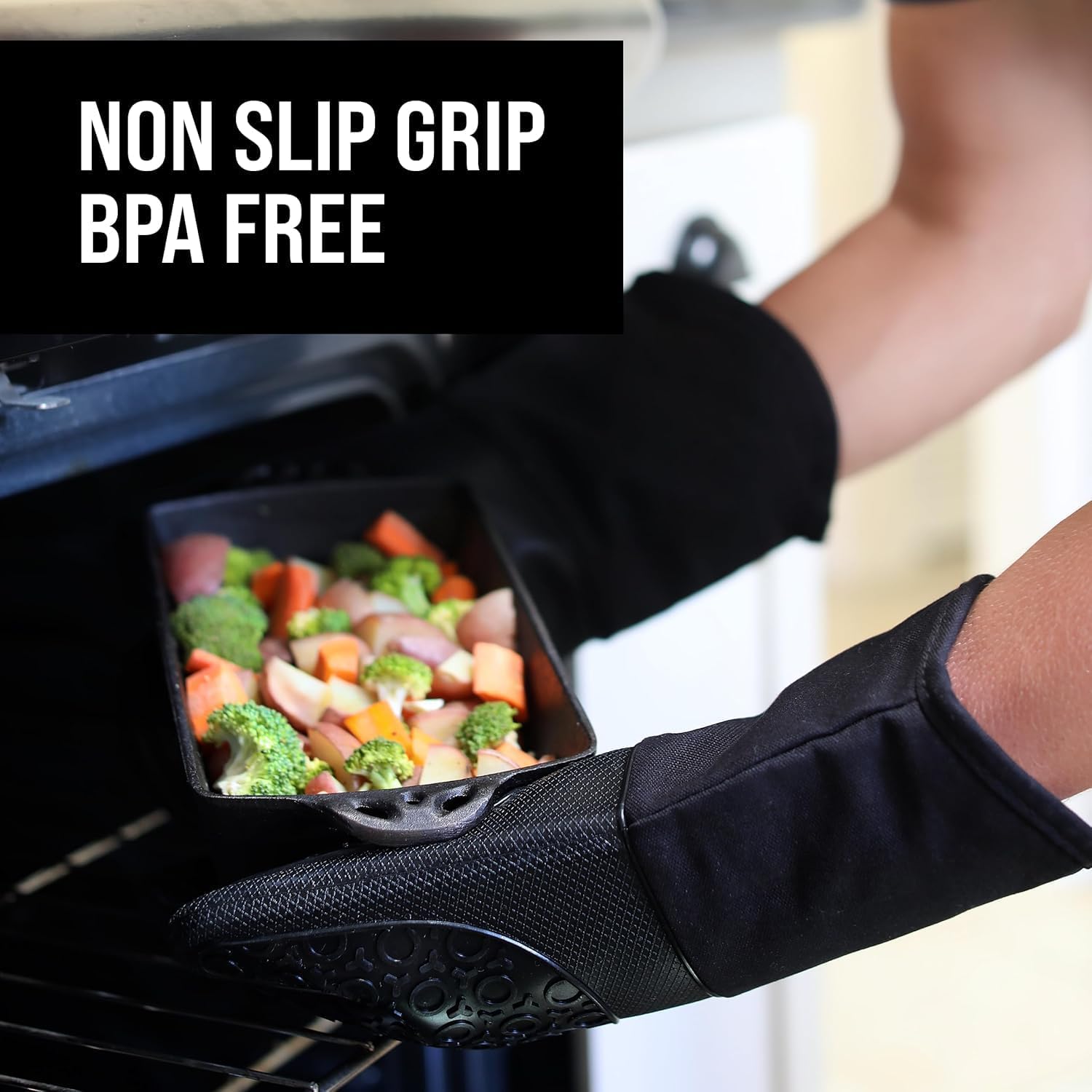
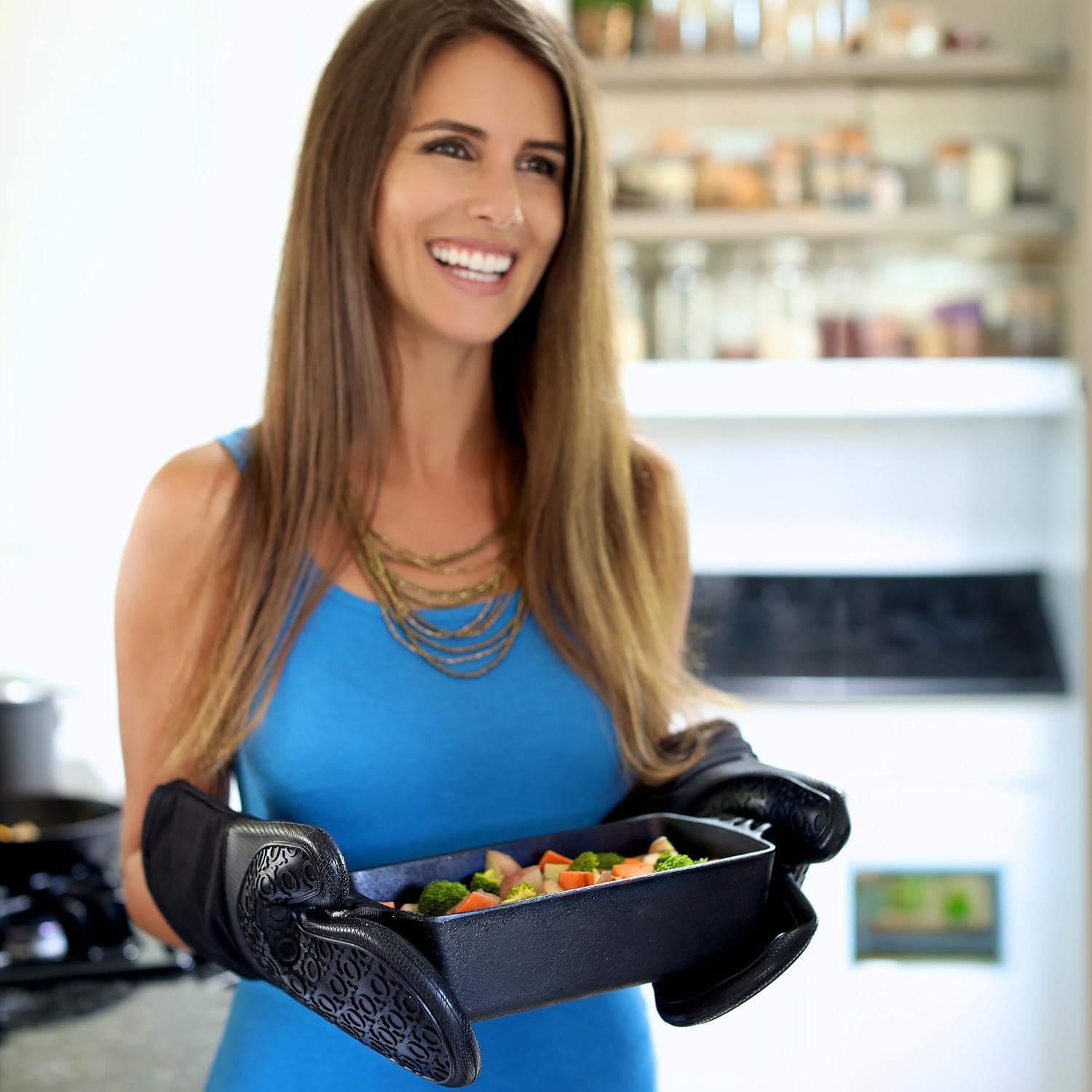
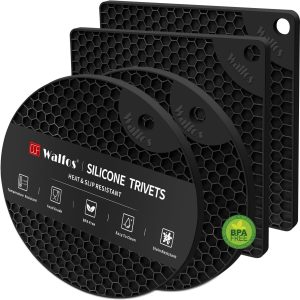
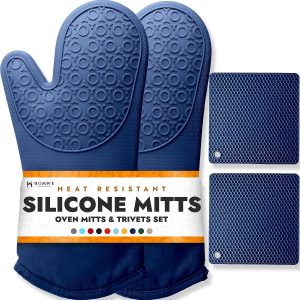
Grip and anti-slip properties are non-negotiable. What’s the point of heat protection if your roasting pan slides out of your grasp? Quality slip-resistant pot holders often feature a textured pattern on the silicone surface, sometimes raised nubs or a honeycomb design. This isn’t just for show; it genuinely provides purchase on greasy or wet surfaces. Without a good grip, you’re just juggling hot stuff, and nobody wants that. Some designs are too smooth, which is a significant oversight.
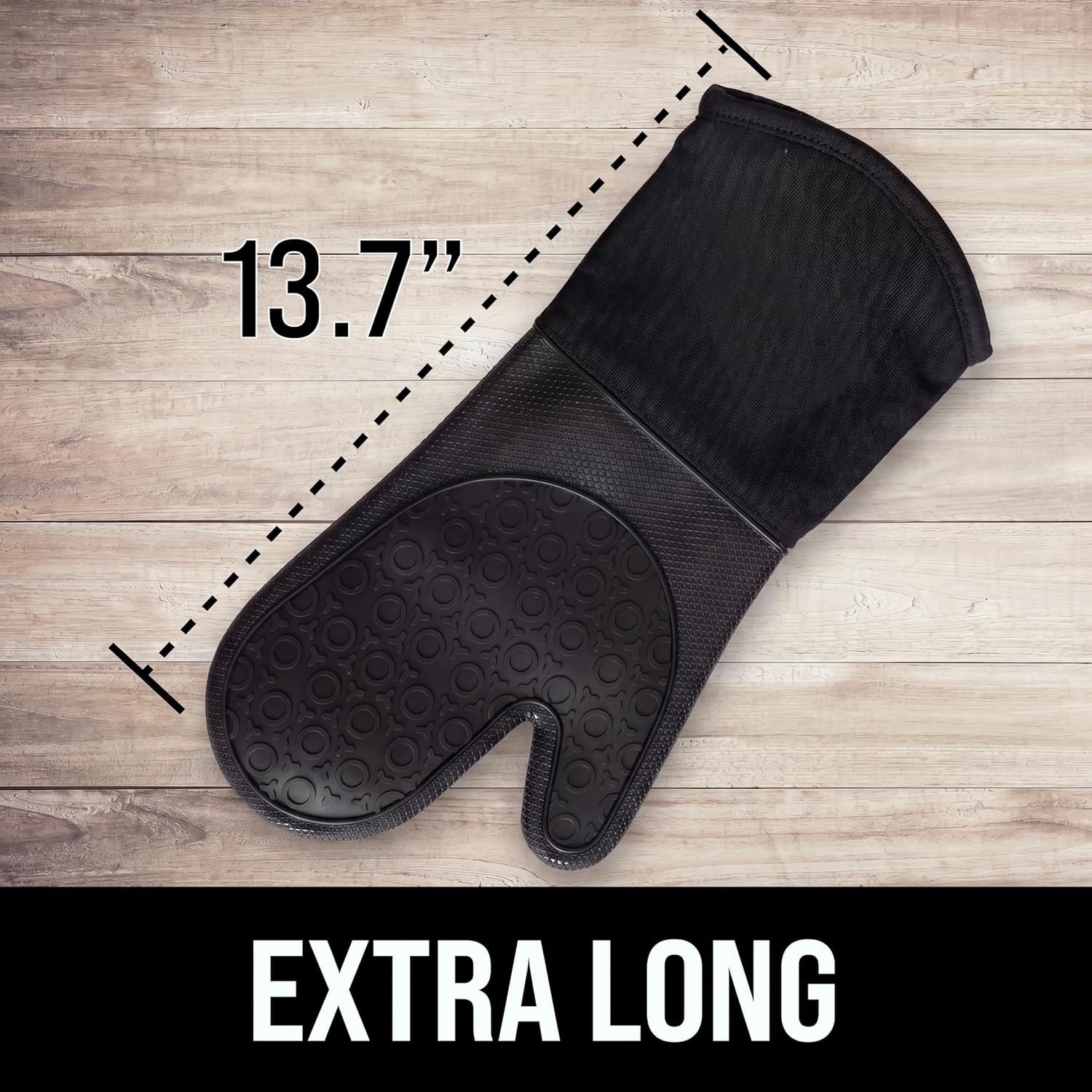
Length and cuff design deserve attention. The description mentions long mitts, and for good reason. A 13.7-inch mitt, for example, extends well past the wrist, protecting your forearm from incidental contact with oven racks or hot pot edges. This might seem minor until you scrape your forearm pulling out a Dutch oven. Shorter mitts are quicker to pull on and off, sure, but they leave too much skin exposed. It’s a balance: too long and they can feel cumbersome; too short and you’re asking for trouble.
Finally, durability and ease of cleaning round out the list. Silicone is known for being hard-wearing, resistant to staining, and simple to wipe clean. But the cotton liner needs to stand up to repeated washing. Does the mitt maintain its shape after a trip through the laundry? Does the cotton shrink or bunch up, making it uncomfortable? Some lower-quality mitts lose their inner structure quickly, making them awkward to use. And frankly, a dirty oven mitt is just…gross.
How to Match the Product to Your Situation
Finding the right silicone oven mitt isn’t a one-size-fits-all deal. Your cooking style and how often you’re wrestling with hot things should dictate your choice. Let’s think about a few common kitchen personalities.
The Casual Cook (The Weekend Warrior): Maybe you bake cookies once a week, or pull out a frozen pizza. You’re not roasting a turkey every Sunday. For you, a mid-range pair of BPA-free silicone oven mitts is probably plenty. You don’t need the absolute maximum dexterity, but you want reliability and protection for those occasional high-heat bursts. Look for that crucial 500°F rating and a decent, though perhaps not super-thick, cotton liner. You value a straightforward, no-fuss solution that won’t break the bank.
The Avid Home Chef (The Culinary Enthusiast): You’re in the kitchen a few times a week, maybe more. Roasting vegetables, searing meats, baking bread – your oven sees a lot of action. You need something more robust, offering both superior heat resistance and better tactile feedback. Long, flexible oven gloves with a genuinely thick cotton liner are your jam. You’ll appreciate the slip-resistant texture for handling heavy pots and pans with confidence. For you, the slight extra cost for features like enhanced dexterity and comprehensive forearm protection is a smart investment in comfort and safety. You expect your gear to perform under pressure.
The Serious Baker/BBQ Pitmaster (The Heat Handler): Whether you’re pulling multiple heavy cast-iron skillets from a blistering oven or tending to a fiery grill, your hands are constantly exposed to intense, sustained heat. You need the top-tier, heavy-duty stuff. Think ultra heat resistant up to 500°F (or even higher, if you find it) with an exceptionally thick and well-insulated cotton lining. The 13.7″ long design isn’t just a preference; it’s a necessity for protecting your entire forearm. You’re looking for professional-grade protection that withstands constant, high-temperature abuse. Don’t compromise here. Your hands will thank you.
Comparison of Oven Mitt Types
| Type/Tier | Best For | Price Tier | Key Feature | Watch-Out |
|---|---|---|---|---|
| Basic Fabric Mitts | Light, infrequent use; quick grabs. | Budget | Simple, easy to store. | Limited heat resistance; no grip; soak up spills. |
| Hybrid Silicone/Fabric | Everyday kitchen tasks; general baking. | Mid-range | Better grip, some heat protection. | Silicone often only on palm; forearm still vulnerable. |
| Full Silicone (Lined) | Regular high-heat cooking; roasting. | Mid-range | Full silicone coverage; good grip. | Liner quality varies; can be stiff. |
| Premium Full Silicone (BPA-Free, Thick Liner) | Intense cooking; heavy pots; prolonged contact. | Premium | Ultra heat resistance; superior grip and flexibility. | Higher initial investment. |
- Basic Fabric Mitts are the old standby, fine for grabbing a warm plate, but they absorb liquids and offer minimal thermal protection for anything truly hot. They’re cheap, sure, but your hands are worth more.
- Hybrid Silicone/Fabric designs attempt to blend the best of both worlds, often putting silicone only where the palm meets the pan. They’re a step up in grip and offer some basic heat defense, but don’t expect them to save you from a hot oven rack.
- Full Silicone (Lined) options provide comprehensive exterior protection, with the silicone wrapping around the entire hand. The critical difference between models here usually comes down to the quality and thickness of that all-important inner lining.
- Premium Full Silicone (BPA-Free, Thick Liner), like the kind we’re discussing, represents the top tier. These prioritize genuine safety and comfort with robust heat ratings, excellent internal insulation, and usually a more ergonomic, flexible fit. Yes, they cost more, but the peace of mind and performance are a marked improvement.
Scenario-Specific Considerations for Your Silicone Oven Mitts
Cooking isn’t just one thing, right? It’s a whole dance of different tasks and heat levels. That means your oven mitts need to be ready for whatever you throw at them – or rather, whatever you pull out of the oven.
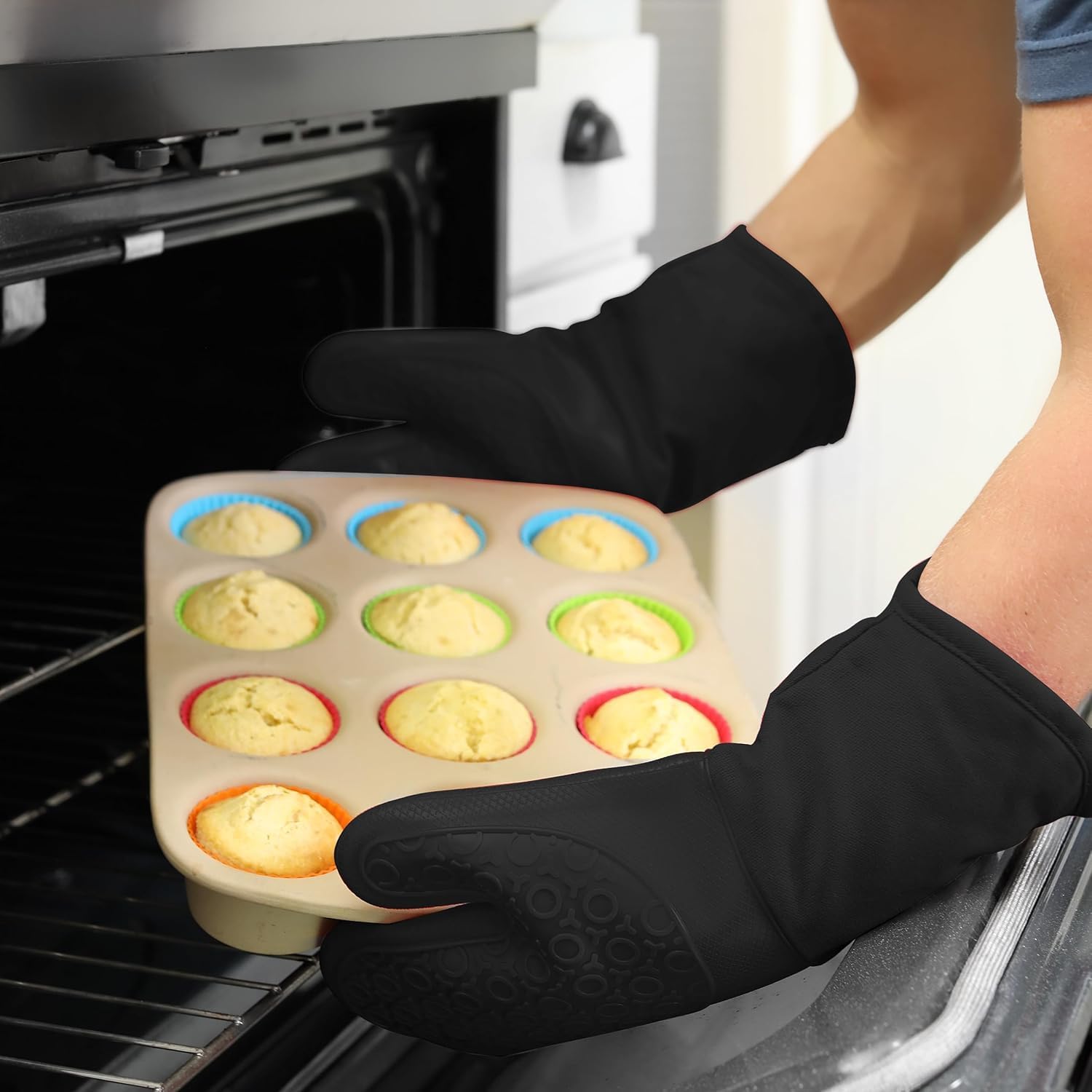
When you’re dealing with high-frequency, long-duration oven use, say, during a holiday feast prep where you’re constantly pulling sheet pans and casseroles out, those BPA-free silicone oven mitts really shine. The consistent heat protection, especially the ultra heat resistant up to 500°F aspect, prevents that cumulative heat buildup you get with lesser mitts. You’re not swapping mitts halfway through the cooking process because your hands are getting warm. The thick cotton liner maintains its insulating properties even after repeated exposures. This is where the long design, like 13.7 inches, truly earns its keep by guarding against accidental brushes.
For tasks that demand finer motor control and precision, like rotating a delicate pastry or carefully transferring a sizzling skillet from burner to oven, the flexibility of good silicone oven gloves is absolutely crucial. Stiff, bulky mitts make these actions clumsy, increasing the risk of dropping something or even burning yourself. A well-designed silicone mitt allows for a much more natural hand movement, letting you grip edges, handles, or small dishes with confidence. It’s about not feeling like your hands are encased in rigid armor.
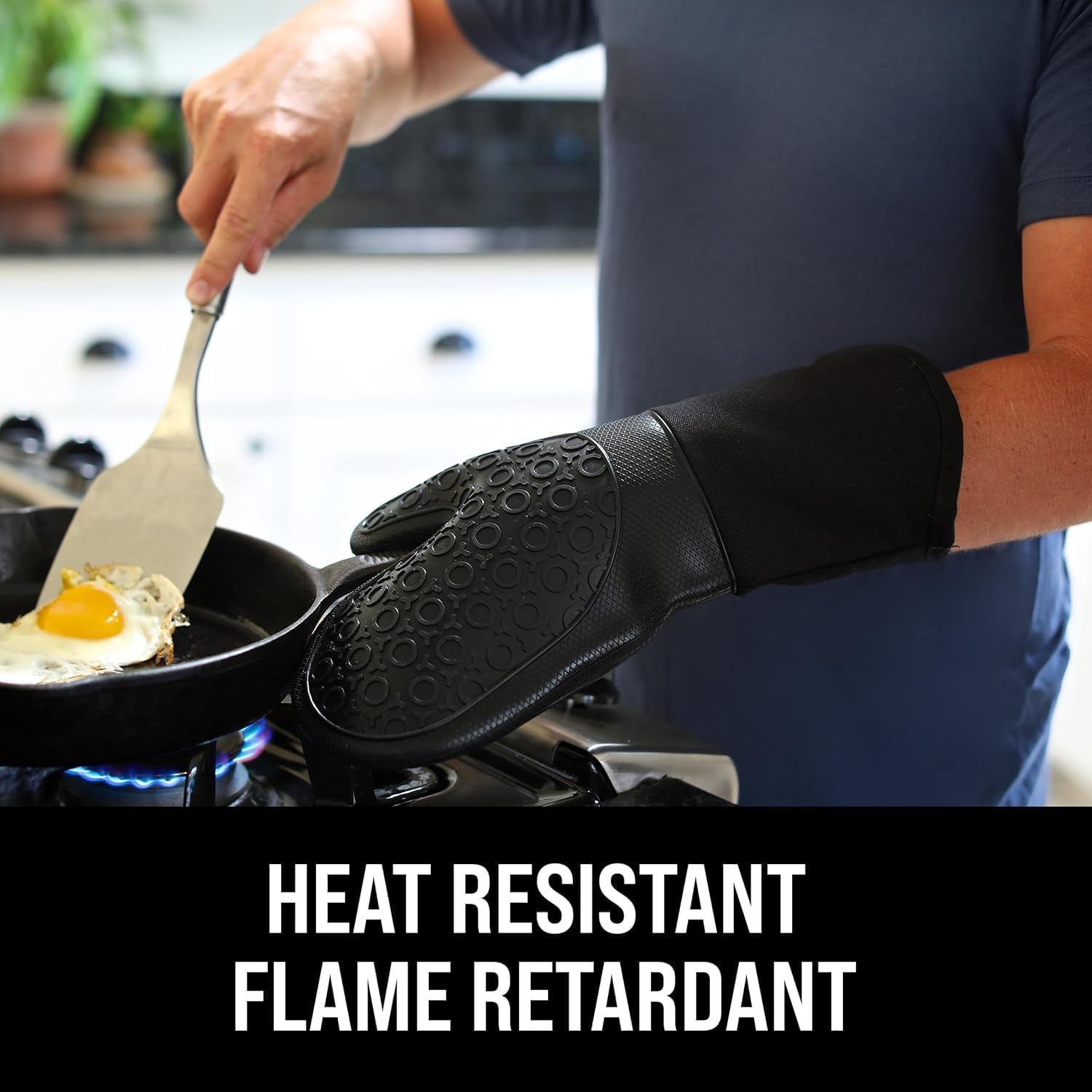
And let’s not forget about outdoor grilling or smoking setups. These environments often expose your hands to not just direct heat, but also radiant heat from open flames or coals. Traditional fabric mitts are a fire hazard waiting to happen. Slip-resistant silicone, especially one rated for high temperatures, handles sparks and hot grease splatters with aplomb. Plus, the longer design gives you that critical barrier between your forearm and the searing grates or the edge of a hot smoker. Trying to use a flimsy cloth mitt over an open flame? Just don’t. It’s a recipe for disaster.
Common Mistakes Buyers Make
Even with something as straightforward as oven mitts, people often stumble, ending up with gear that just doesn’t cut it. Don’t be that person.
First, underestimating the need for forearm protection. So many folks grab mitts that barely clear their wrist. But think about it: when you reach deep into an oven to retrieve a large casserole, your forearms are often the first thing to brush against scorching hot racks. Investing in long oven mitts, like that 13.7-inch design, is not overkill; it’s preventative safety. Shorter mitts might save you a few bucks, but a burn costs a lot more in pain and hassle.
Another common slip-up? Ignoring the internal lining. People get hung up on the silicone exterior’s heat rating, assuming it tells the whole story. But a thin, cheap cotton liner under a high-temp silicone shell is like wearing a winter coat with no insulation. The heat will get to you, and fast. The “thick cotton liner” isn’t a luxury; it’s an essential component for actual, sustained heat protection. Always check what’s on the inside.
Finally, prioritizing absolute rigidity over flexibility and grip. Some buyers equate thicker, stiffer silicone with better protection. While very thick silicone can offer more insulation, if it compromises your ability to securely grasp items, it becomes a hazard. A lack of flexible oven gloves leads to fumbling, and a slippery exterior, despite being silicone, completely defeats the purpose of slip-resistant pot holders. You need that balance: robust protection with tactile feedback and a secure hold. Don’t sacrifice control for perceived invulnerability.
Why/How/What Mini-Section
Why are BPA-free silicone oven mitts generally preferred over traditional fabric ones for high-heat cooking?
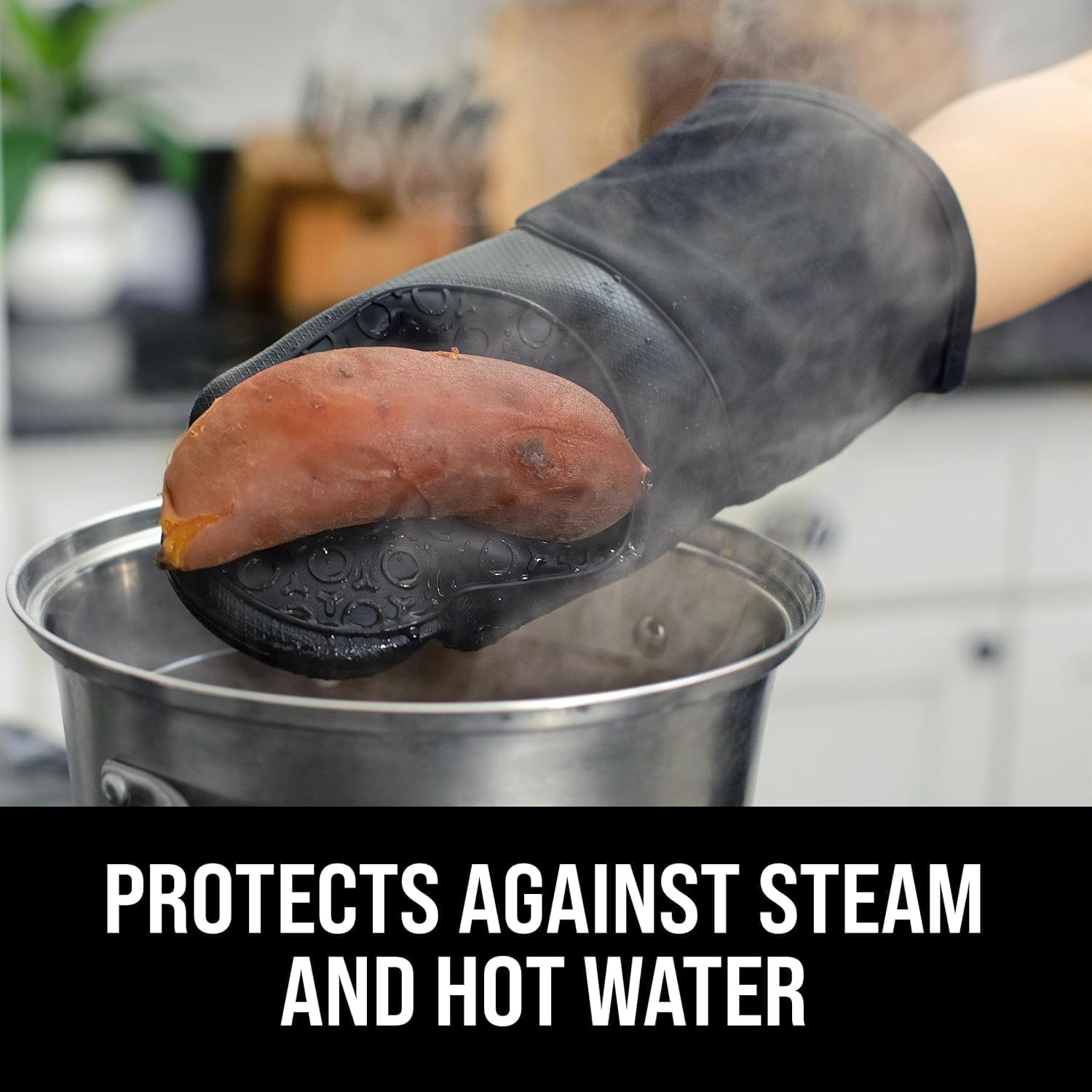
They offer a non-porous, waterproof barrier that fabric mitts can’t match, stopping hot liquids, steam, and oils from reaching your hands. Silicone’s thermal resistance is inherently superior to most cloth materials, providing a much longer window of protection against intense heat. Plus, they’re easier to clean and resist staining.
How does a thick cotton liner improve the performance of silicone oven mitts?
The cotton liner acts as a critical insulating layer, trapping air and slowing the transfer of heat from the silicone exterior to your hand. Without a substantial liner, even the best silicone would eventually conduct enough heat to become uncomfortable quickly. It also adds a layer of comfort, absorbing any perspiration and making the mitt more pleasant to wear for extended periods.
What does “slip-resistant” truly mean in the context of silicone oven mitts?
It means the silicone surface has a textured pattern – typically raised bumps, ridges, or a honeycomb design – specifically engineered to enhance friction. This texture provides a secure grip on smooth, wet, or greasy surfaces like glass baking dishes, metal handles, or ceramic bowls, significantly reducing the chance of accidental drops. It’s the difference between fumbling and confidently handling hot items.
FAQ
H3: Are silicone oven mitts truly safe for food contact?
Yes, as long as they are certified BPA-free, which is a crucial distinction. Quality silicone is an inert material that won’t leach chemicals into your food, making it a safe choice for kitchen tools that might brush against dishes.
H3: How do I clean my silicone oven mitts?
Most silicone oven mitts are incredibly easy to clean. For light messes, a quick wipe with a damp cloth or sponge often suffices. For heavier grease or residue, you can usually wash them by hand with dish soap or even toss them in the washing machine on a gentle cycle, especially if they have a cotton liner. Always check the manufacturer’s care instructions.
H3: Can I use silicone oven mitts for grilling or dealing with open flames?
Absolutely, the ultra heat resistant properties of silicone make them well-suited for grilling and outdoor cooking. They offer excellent protection against high temperatures and can even resist direct contact with embers for very brief moments without melting or igniting, unlike fabric alternatives. The long design is especially beneficial for grill work.
H3: Do silicone oven mitts get stiff over time?
Good quality flexible oven gloves generally maintain their pliability, though some cheaper models might stiffen slightly with prolonged heat exposure or improper cleaning. The inner cotton liner, however, can sometimes become less pliant if it’s repeatedly exposed to high heat and then shrinks without proper care.
H3: Is the 500°F rating consistent across all brands?
While 500°F is a common benchmark for silicone oven mitts, the actual performance can vary. Some brands might achieve this rating for the silicone material itself, but the overall thermal protection of the mitt, factoring in the liner, might differ. Always look for mitts that highlight a thick cotton liner for comprehensive heat defense.
H3: How important is the “slip-resistant” feature?
It’s surprisingly important. Hot dishes, especially those with condensation or a bit of grease, can be incredibly slippery. A genuinely slip-resistant surface provides the necessary friction to maintain a secure grip, preventing potentially dangerous accidents in a busy kitchen. It’s a key safety feature.
H3: Are longer mitts always better?
For maximum protection, especially from oven racks and deep pots, longer mitts (like 13.7″) are definitely advantageous, shielding more of your forearm. However, some users with smaller arms might find very long mitts slightly cumbersome. It’s a trade-off between comprehensive coverage and ease of movement, so consider your own reach and typical tasks.
Final Recommendation
When it comes to outfitting your kitchen with reliable gear, skimping on hand protection just doesn’t make sense. For anyone serious about cooking, from the regular home chef to the frequent baker, a high-quality pair of BPA-free silicone oven mitts is a non-negotiable asset. The distinct advantages of their ultra heat resistant up to 500°F exterior combined with a truly thick cotton liner provide a level of safety and comfort that cheaper alternatives simply can’t match.
My advice? Invest in a pair of long, flexible oven gloves with a pronounced slip-resistant texture. That means going for the premium full silicone options. The initial cost might be a little more than basic fabric mitts, but the long-term durability, superior protection, and sheer peace of mind are well worth it. Your hands are your most important kitchen tools, after all. Protect them right.
#BPAFree #Silicone #Oven #Mitts #Ultra #Heat #Resistant #500F #Oven #Mitts #Thick #Cotton #Liner #Long #Slip #Resistant #Pot #Holders #Flexible #Oven #Gloves #Black
Reviews
There are no reviews yet.