
Navigating the Nook of Nibblers: A Parent’s Guide to Scotch Kids Pointed Tip Scissors and Classroom Crafts
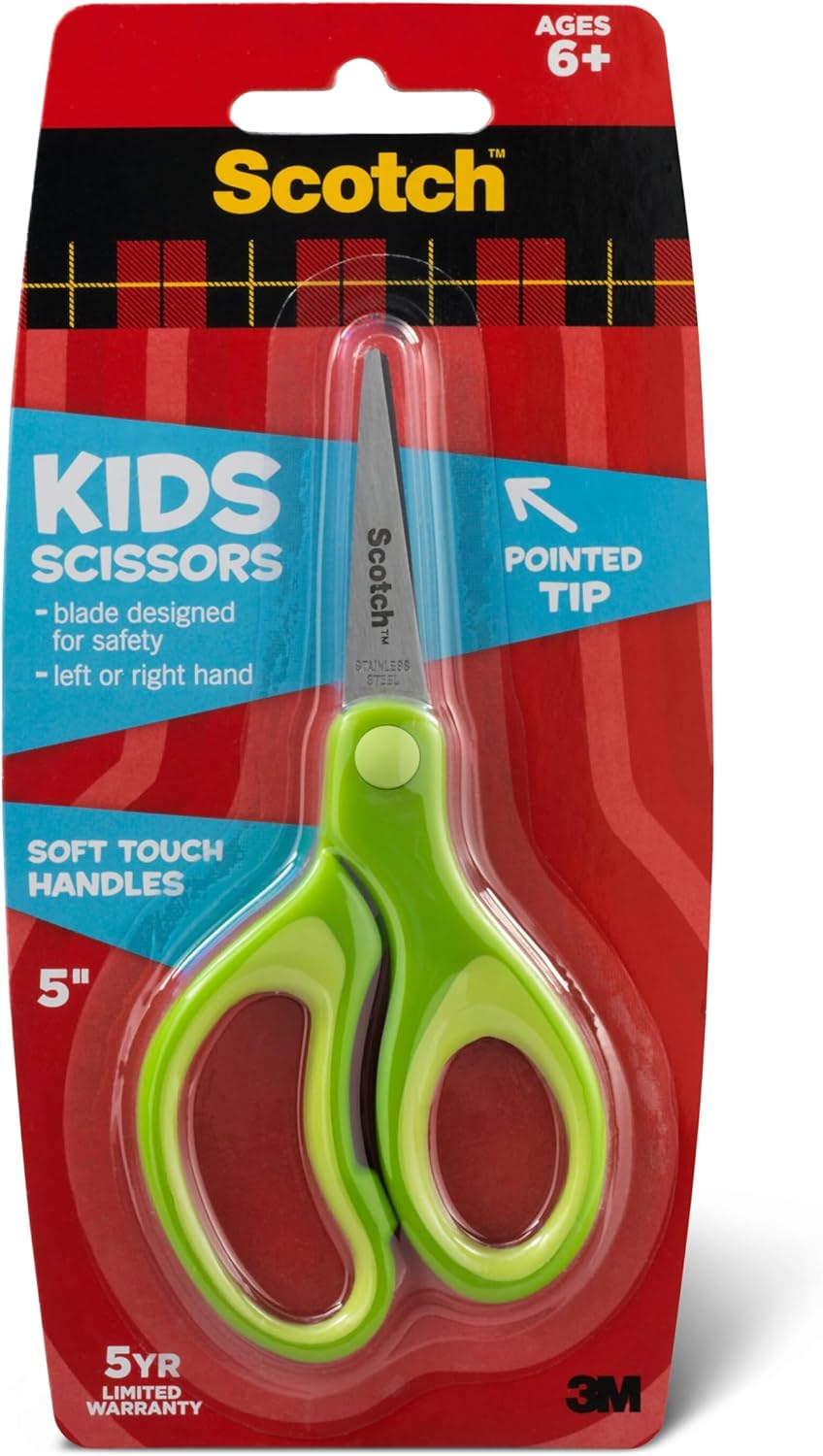
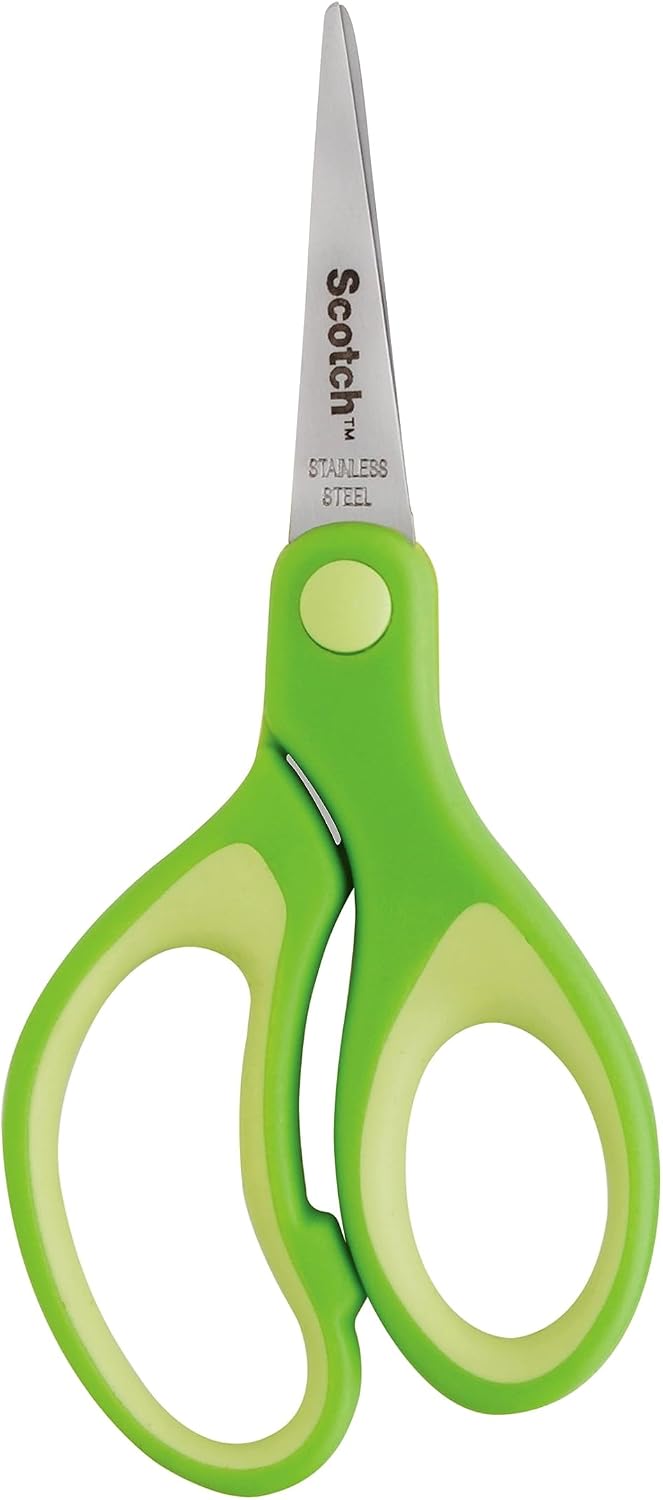
Shopping for kids’ scissors can feel surprisingly complicated, right? Especially when you’re trying to figure out if something like the Scotch Kids Pointed Tip Scissors with Soft Touch, 5″ (Colors may vary) | Stainless Steel Blades For Classroom Crafts is truly the right tool for your little one’s art adventures. This guide cuts through the marketing fluff, focusing on practical use, durability, and safety, so you can make an informed choice for those endless craft sessions. We’re digging into what makes a good pair of kids’ scissors and whether a specific product like this one fits into your family’s creative chaos.
Quick Answer Box
These Scotch Kids Pointed Tip Scissors are a solid pick for elementary school-aged children ready for a bit more precision in their cutting tasks. Their 5-inch length and soft-touch handles are designed for small hands, while the stainless steel blades offer reliable performance for typical classroom crafts. Just remember, the pointed tip means they’re best suited for kids who’ve already mastered basic cutting skills with safer, blunt-tip options.
What to Look For (The Buying Criteria)
Choosing the right pair of scissors for a child isn’t about finding the “prettiest” color (though that helps, let’s be real). It’s a balance of safety, comfort, and the actual cutting performance. You want something that encourages creativity, not frustration, or worse, a trip to the ER.
1. Blade Type: Pointed vs. Blunt, That’s the Question
This is probably the biggest decision you’ll face. The Scotch Kids model we’re discussing? It has a pointed tip. For younger children, say preschoolers or early kindergarteners, blunt-tip scissors are non-negotiable. They significantly reduce the risk of accidental pokes, especially with less refined motor skills. As kids get older, typically around ages 6-8, and their hand-eye coordination improves, a pointed tip becomes valuable. It allows for more intricate cuts, getting into tighter corners, and generally offers greater precision for detailed crafts. So, for those classroom crafts that involve cutting out small shapes or following fine lines, a pointed tip can be a game-changer. But, and this is a big “but,” it requires more supervision. Don’t rush it.
2. Size and Ergonomics: Fit Matters, A Lot
A 5-inch scissor, like the Scotch Kids model, is a pretty standard, versatile size for elementary-aged hands. Anything much larger becomes unwieldy, anything too small might cramp their grip. Beyond length, look at the finger holes. They shouldn’t be too tight, pinching developing fingers, nor too loose, causing slippage. Some designs have larger finger loops for the thumb and two fingers, others accommodate one finger per loop. The goal is comfort during prolonged use. Uncomfortable scissors lead to frustration and ultimately, less crafting.
3. Handle Comfort and Grip: Soft Touch is Just the Start
The “soft touch” feature in the Scotch Kids scissors is a definite plus. Why? Because plastic handles, while durable, can dig into small hands after a few minutes of cutting. A soft, rubberized grip can reduce fatigue and prevent blisters, making crafting sessions much more enjoyable. It also provides a bit more traction, helping prevent the scissors from slipping out of their grasp. Some handles are ambidextrous, meaning they work for both left and right-handed users, which is handy if you have multiple kids or aren’t sure which hand your child favors. Others are specifically molded for right or left hands, offering superior comfort for those users, but a potential headache for the other. It’s a trade-off.
4. Blade Material and Durability: Stainless Steel is King
The Scotch Kids scissors boast stainless steel blades. This is generally what you want. Stainless steel offers a good balance of sharpness, durability, and rust resistance. Cheaper blades might be thinner, dull faster, or even bend under pressure, especially if a child tries to cut something too thick. Dull blades are actually more dangerous than sharp ones because they require more force, increasing the chance of slips and accidents. Look for blades that meet cleanly all the way to the tip. A minor gap can make cutting frustratingly difficult, particularly for kids still developing fine motor control.
5. Age Appropriateness and Supervision: Know Your Kid
This criterion loops back to the pointed vs. blunt tip debate. The product name itself emphasizes “Kids Pointed Tip Scissors,” which implicitly suggests they’re for children beyond the initial learning phase. If your child is still just snipping random bits of paper or struggling with a straight line, a blunt-tip pair is the safer bet. For kindergarteners, for instance, even with supervision, blunt is usually best. Once they show good control and an understanding of tool safety, then you can consider introducing a pointed tip for those more involved classroom crafts. A pointed tip is not a starter tool. It’s an upgrade.
6. Cleaning and Maintenance: Keeping Them Snip-Ready
While not the most exciting factor, consider how easy the scissors are to clean. Craft projects can get messy with glue, glitter, and various sticky bits. Stainless steel blades are usually simple to wipe clean with a damp cloth. Avoid anything with intricate crevices where gunk can easily build up, affecting performance and hygiene. A little care goes a long way in extending the life of any tool, even kids’ scissors.
How to Match the Product to Your Situation
Finding the right tool means understanding who’s using it and for what. Kids’ scissors aren’t a one-size-fits-all deal.
The Budding Artist (Frequent Crafter)
- Who they are: This is the child who lives for art time, constantly asking for paper, glue, and, of course, their trusty scissors. They’re probably elementary-aged, maybe 6-9, and have fairly developed motor skills. They’re making intricate paper snowflakes, cutting out magazine pictures, and generally using scissors several times a week.
- What they need: Durability and comfort are paramount. The Scotch Kids Pointed Tip Scissors could be a strong contender here. The stainless steel blades will hold up to frequent use, and the soft touch handles will prevent hand fatigue. The pointed tip allows them to execute those more detailed cuts that separate a “snipped” artwork from a “crafted” one. They’re past the beginner stage and need a tool that can keep up with their ambition.
The Occasional Helper (Light Use)
- Who they are: This child might be a bit younger, perhaps 4-5 years old, or just not as enthusiastic about cutting. They use scissors under direct supervision for simple tasks, like cutting a straight line across a piece of construction paper or preparing paper strips for a chain. They’re still developing their fine motor skills and might not grasp proper scissor safety instantly.
- What they need: Absolute safety comes first. For this group, the pointed tip on the Scotch Kids model might be too much too soon. You’d likely want a dedicated blunt-tip scissor for this stage. Something very basic, maybe with plastic blades or a spring-assist feature to make cutting easier. The comfort features of the Scotch are nice, but the tip is the dealbreaker here. This isn’t their primary tool yet.
The Classroom Collaborator (School-Provided Use)
- Who they are: These kids are primarily using scissors within a school setting, often sharing communal supplies or bringing what’s on the school list. The focus here is on general utility for standard classroom crafts and assignments, not necessarily high-volume personal art projects. They need something reliable but also practical for a group environment.
- What they need: A good balance of durability, safety, and cost-effectiveness. The Scotch Kids Pointed Tip Scissors fit this bill well for the elementary grades. They’re robust enough for daily classroom use, the pointed tip serves a wide range of common school tasks, and they’re usually a readily available option. For teachers stocking up, having a reliable, general-purpose tool that can handle cutting paper, cardstock, and perhaps some light fabric is key.
Comparing Your Options: A Snip Above?
| Type/Tier | Best For | Price Tier | Key Feature | Watch-Out |
|---|---|---|---|---|
| Basic Blunt-Tip Scissors | Youngest learners (preschool-kindergarten) | Budget-friendly | Maximum safety, often smaller size, spring-assist | Limited precision for older kids, can feel flimsy |
| Standard Pointed Tip | Elementary schoolers (like Scotch Kids) | Mid-range | Good precision, durable stainless steel blades | Still requires supervision, not for total beginners |
| Ergonomic/Specialty Pointed | Older elementary/tween, specific needs | Premium | Advanced comfort, left-handed specific design | Higher cost, often overkill for basic cutting tasks |
Basic blunt-tip scissors are your entry-level option, perfect for building confidence without major safety concerns, though their cutting power can be a bit lacking for anything beyond thin paper. Standard pointed-tip scissors, like the Scotch Kids Pointed Tip Scissors with Soft Touch, hit the sweet spot for versatility, offering that needed precision without breaking the bank for typical school and home crafts. Ergonomic or specialty pointed scissors are designed for extended, comfortable use or for specific hand dominance, but their premium price often makes them a niche choice unless you have a truly dedicated crafter or a child with specific dexterity needs.
Scenarios for Snip-Happy Hands
1. Everyday School Assignments & Classroom Crafts:
When you think “school scissors,” you’re often picturing something capable of tackling a variety of classroom crafts. This means cutting construction paper for projects, snipping magazine cut-outs for collages, or working with felt for a craft. The Scotch Kids Pointed Tip Scissors are right in their element here. The stainless steel blades hold up to consistent use without dulling too quickly, and the 5-inch length is standard for desk work. The pointed tip allows for neat edges on shapes and figures, making presentations look tidier. It’s a workhorse for the school bag.
2. Intricate Home Art Projects & Detail Work:
Does your child spend hours at the kitchen table creating elaborate dioramas or tiny paper sculptures? Then the precision offered by a pointed tip is non-negotiable. While a blunt tip can get the job done for large shapes, it frustrates when trying to cut along a detailed line or create small, sharp angles. The soft touch grip of the Scotch model will also make a difference during these longer, more focused sessions, keeping hands comfortable. This is where a slightly more advanced tool truly shines. Think less brute force, more delicate finesse.
3. Sharing and Communal Use (Playdates & Craft Parties):
If you’re buying for a household where scissors might be passed around, or for occasions like playdates, you need something robust and generally user-friendly. The Scotch Kids Pointed Tip Scissors are a solid choice for this environment, assuming all the children are at an appropriate age for a pointed tip. Their durable construction means they won’t fall apart after a few enthusiastic uses. Plus, the colors may vary, which honestly, sometimes helps kids identify “their” pair even if they’re technically communal. Just make sure there’s adult supervision when multiple young hands are involved, especially with pointed tools.
Common Mistakes Buyers Make
1. Ignoring Age Appropriateness for Blade Type:
This is probably the biggest blunder. Handing a pair of pointed tip scissors to a 3-year-old is asking for trouble. Parents, myself included, sometimes underestimate the coordination required. Always start with blunt-tip scissors for very young children. Transition to pointed tips only when they demonstrate good control and understand basic safety rules. A few years of blunt tips is a small price to pay for preventing an injury.
2. Prioritizing Price Over Blade Quality:
It’s tempting to grab the cheapest pair, especially if you anticipate them getting lost or abused. But flimsy, dull blades are counterproductive. They don’t cut cleanly, requiring more force, which then leads to frustration and potentially slips. A slightly higher investment in stainless steel blades, like those in the Scotch Kids Pointed Tip Scissors, will pay off in better performance, less frustration for your child, and a longer lifespan. You want clean cuts, not jagged rips.
3. Forgetting About Hand Dominance (Left-Handed Users):
While many kids’ scissors are designed to be ambidextrous, a truly left-handed pair can make a world of difference for a left-dominant child. Standard right-handed scissors often obscure the cutting line for lefties, forcing them to twist their hand or cut awkwardly. If you know your child is left-handed, seeking out a specific left-handed design, even if it’s a specialty item, can dramatically improve their cutting experience. Don’t make them fight the tool.
4. Overlooking Handle Comfort and Grip:
“Soft touch” isn’t just a marketing gimmick for the Scotch Kids line. Hours of cutting for classroom crafts or home projects can lead to sore hands if the handles are hard plastic. Ignoring this means a less enjoyable, more fatiguing experience for your child. A comfortable grip also gives them better control, which, again, circles back to safety.
Why/How/What Mini-Section
Why are pointed tips used on kids’ scissors at all?
A pointed tip allows for much greater precision. It helps kids get into tight corners, start cuts with more accuracy, and follow intricate lines, which is crucial for more advanced classroom crafts and detailed art projects. It’s the natural progression once a child has mastered basic, straight-line cutting with a blunt tool.
How do I know if my child is ready for pointed tip scissors?
Look for consistent control. Can they cut a relatively straight line? Do they understand not to run with scissors or point them at others? Are they able to open and close the blades smoothly without struggle? If they’re using blunt scissors confidently and accurately, they’re likely ready for a supervised introduction to a pointed tip, perhaps around age six or seven.
What makes “soft touch” handles important for kids?
Soft touch handles, like those on the Scotch Kids Pointed Tip Scissors, reduce pressure points and hand fatigue during extended cutting sessions. They also provide a better, non-slip grip, giving children more control over the tool. This comfort encourages longer periods of focused crafting and helps prevent blisters or discomfort, making the activity more enjoyable.
FAQ
Q: Are these Scotch Kids Pointed Tip Scissors good for preschoolers?
A: Generally, no. While they have a soft touch grip and stainless steel blades, the pointed tip makes them less ideal for preschoolers who are still developing fine motor skills and safety awareness. Stick to blunt-tip scissors for that age group.
Q: Can these scissors cut through thicker materials than paper, like felt or thin cardboard?
A: The stainless steel blades are quite capable. They’ll handle felt and thinner cardstock for classroom crafts with ease. For very thick cardboard, you might struggle, as these are designed for general-purpose paper and craft materials.
Q: My child is left-handed. Will these work for them?
A: The Scotch Kids Pointed Tip Scissors are often designed with ambidextrous handles, meaning the finger holes usually accommodate both left and right hands reasonably well. However, a truly left-handed specific scissor will offer a more natural cutting action and better visibility for a lefty.
Q: How do I clean glue off the stainless steel blades?
A: Most water-based glues can be wiped off immediately with a damp cloth before they dry. For dried glue, a bit of rubbing alcohol on a cotton pad usually does the trick without harming the stainless steel blades. Just be careful around the pointed tip.
Q: Do the “colors may vary” mean I can’t choose a specific color?
A: Correct. When purchasing, the color you receive will typically be a random selection from the available options. If a specific color is a must-have, you might need to check product listings carefully for options where specific colors are guaranteed.
Q: How durable are these scissors for long-term classroom use?
A: The stainless steel blades and soft-touch handles are designed for durability. For typical classroom crafts and regular school use, they should hold up well throughout a school year and beyond with proper care. They’re built to last for their intended purpose.
Q: Are these scissors appropriate for cutting fabric for sewing projects?
A: While they can cut fabric in a pinch, these aren’t specialized fabric shears. Using them on fabric will dull the blades faster than just cutting paper. For serious fabric work, invest in dedicated fabric scissors.
Final Recommendation
When it boils down to it, the Scotch Kids Pointed Tip Scissors with Soft Touch, 5″ (Colors may vary) | Stainless Steel Blades For Classroom Crafts are a seriously strong contender for elementary-aged children. If your child is past the initial fumbling stage with blunt-tip scissors and needs a tool that offers greater precision for detailed classroom crafts or home art projects, this model hits a sweet spot. The stainless steel blades mean reliable cutting, and the soft touch handles? Well, those are just good sense for small hands that spend a lot of time snipping.
Don’t overthink it, but don’t underspend either. For consistent use in school or at home, where detail matters more than absolute beginner safety, these Scotch scissors are a sensible, mid-range investment that will serve your young artist well. Just make sure the “pointed tip” aligns with your child’s skill level and your comfort with supervision.
#Scotch #Kids #Pointed #Tip #Scissors #Soft #Touch #Colors #vary #Stainless #Steel #Blades #Classroom #Crafts
![Roblox Digital Gift Card - 1,000 Robux [Includes Exclusive Virtual Item] [Digital Code]](https://www.decorwild.com/wp-content/uploads/2026/08/Roblox-1000-Robux-Digital-Code-Exclusive-Virtual-Item-300x189.jpg)
Reviews
There are no reviews yet.