This site contains affiliate links. We may earn a commission on qualifying purchases.
Nobody tells you that a pressure cooker almost never dies at the heating element. I fix small appliances, and the machines that come to me with a pressure cooker badge on them have died, in order of frequency, at a lost silicone cap the size of a thumbnail, at a float valve gummed shut with starch, at a gasket that has taken a permanent set, and only then at anything electrical. Keep that list in mind while we talk about the CARORI 3QT, an 8-function compact electric pressure cooker with a ceramic nonstick inner pot, because a 3-quart machine lives a harder life than a big one — it gets used daily, washed daily, and filled closer to its limits — and its survival is decided by exactly those small parts. One disclosure before the praise and the complaints: the original version of this article boxed a 6-quart Duo and an 8-quart Carori alongside this pot, and neither of those listings could be confirmed live at this rewrite, so the box below pairs the Carori with the current Duo Plus listings in 6 and 8 quarts, opened and checked today.
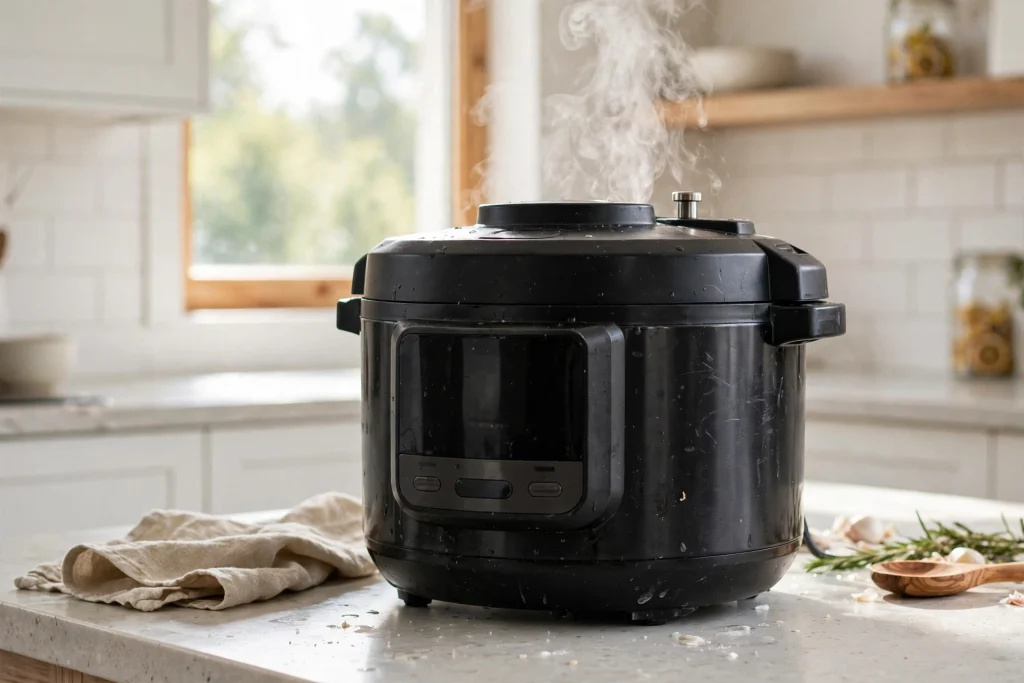
The pot itself first. Three quarts, working capacity about two under pressure and about one and a half for anything that foams, which makes it a one-to-three-person machine by arithmetic rather than by marketing. The ceramic nonstick inner pot is the headline and, unusually, it deserves to be: pressure cookers scorch at the sauté step, and a nonstick floor forgives the thirty seconds of inattention that a stainless floor records permanently. The forgiveness has a price I am obliged to state. Ceramic nonstick is a coating with a lifespan, shortened by metal utensils, by thermal shock from a cold tap on a hot pot, and by the dishwasher’s hottest cycle, and when it goes, it goes as the cooking surface of the whole machine. Use wood or silicone in it. Hand-wash it when you can. I have replaced too many otherwise healthy pots to pretend the coating is a detail, though I will also say the Carori’s pot, treated gently, should outlast the gasket twice over, and the gasket is a consumable by design.
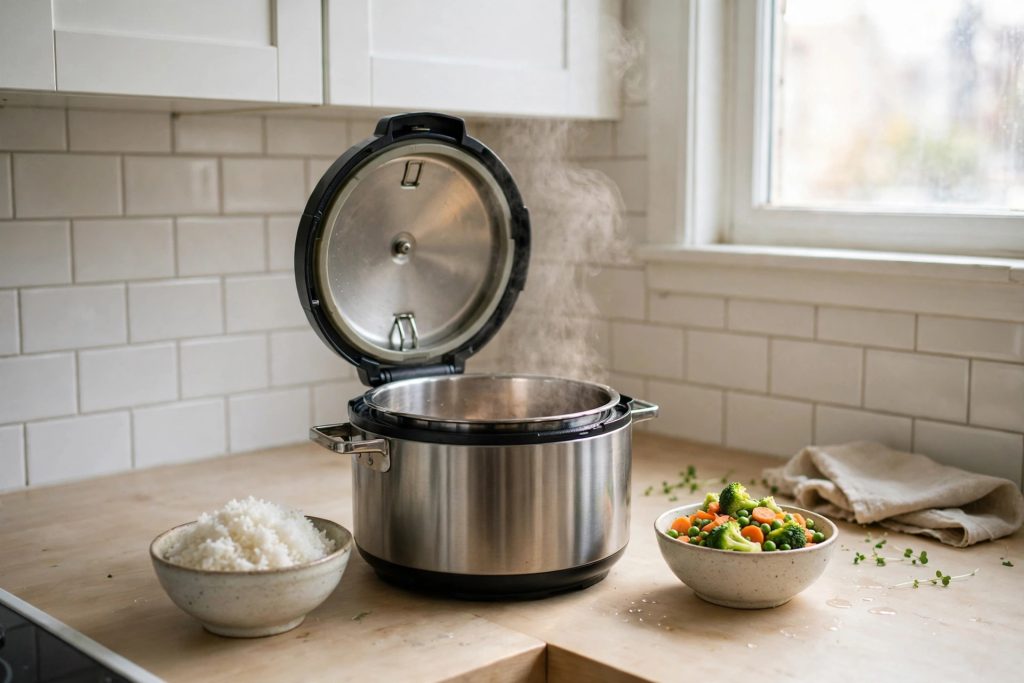
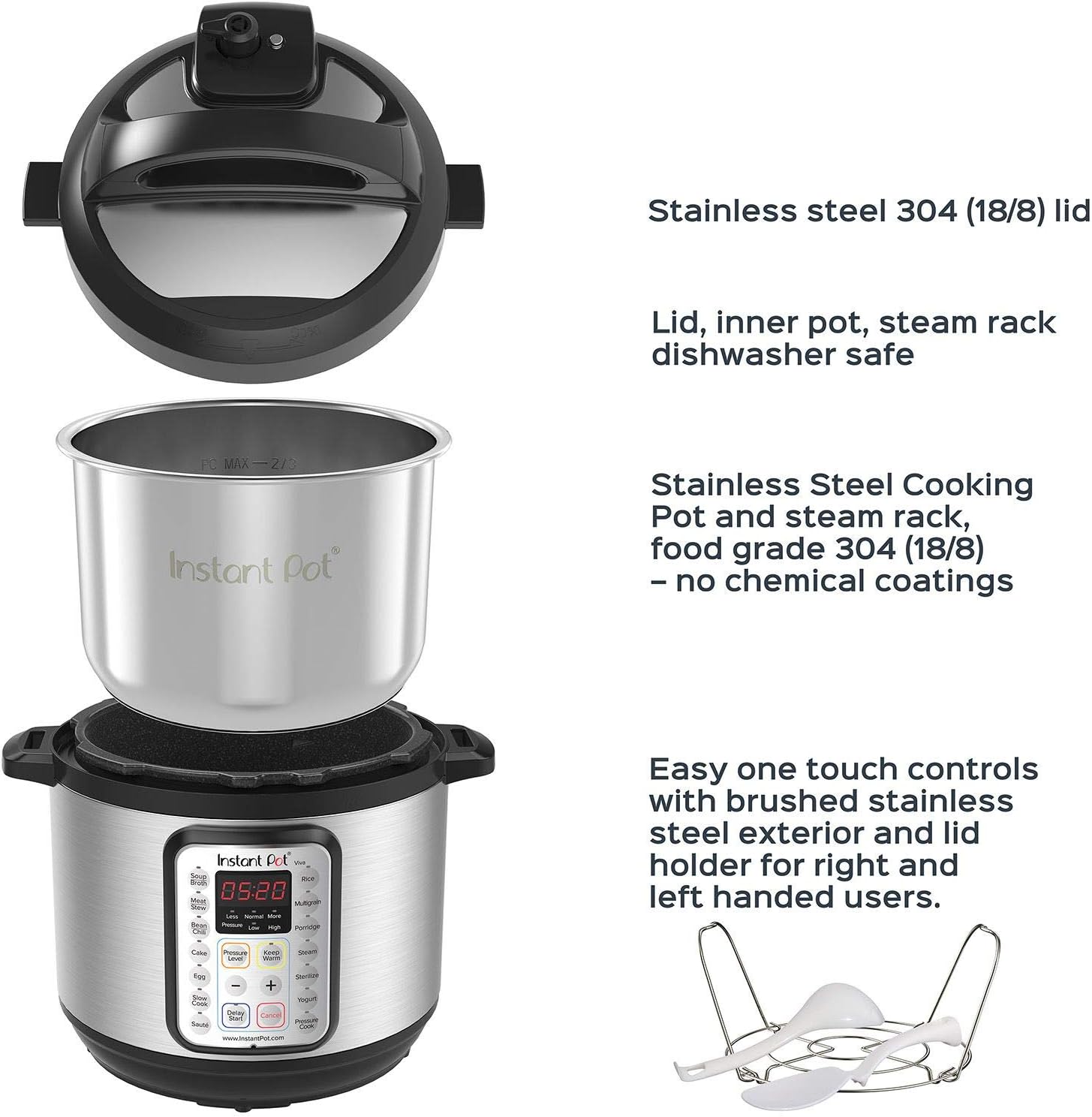
The lid is where this class of machine keeps its secrets, so let us open it. Under the lid sits an anti-block shield, a perforated cap over the steam path, and it clogs with starch film from rice and bean cooking in a way that is invisible until the venting turns lazy and spits. Pop it off, rinse it, put it back — thirty seconds, monthly, and it prevents the single most common pressure cooker service call, which is some version of the machine venting wrong. The float valve beside it is a loose pin with a tiny silicone cap underneath, and that cap is the thumbnail-sized part from my opening list: it falls off in sinks, it gets swept away with the rinsing, and without it the pot will never come to pressure, it will just sigh steam and cook nothing while the timer runs happily. If your cooker ever does that, do not order a heating element. Check the cap. Check the shield. Check the gasket seat. The electrical parts are innocent in nine cases out of ten, and I do not have the tenth case in front of me often enough to change the order.
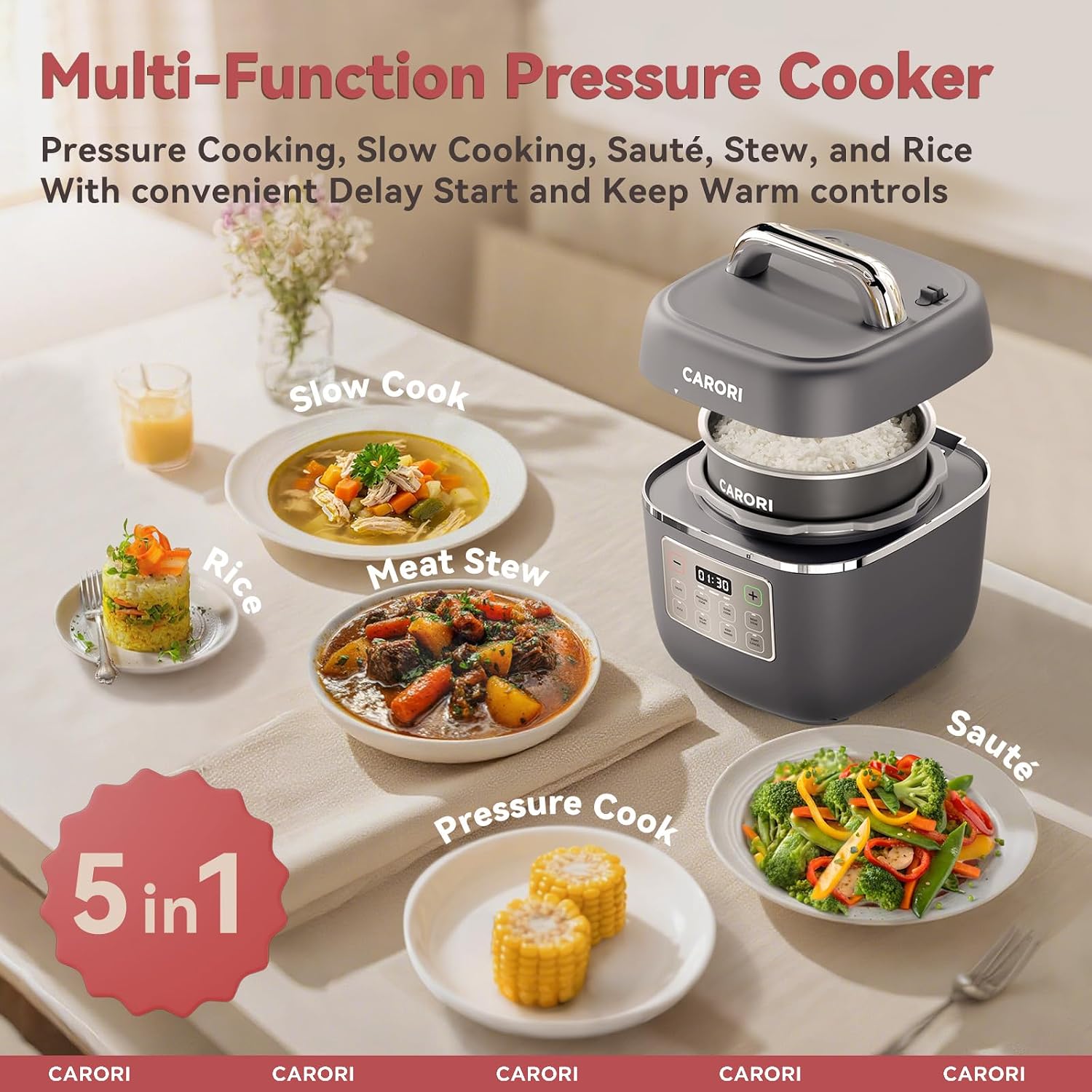
Cooking behavior, since a repair bench still has to eat. The Carori comes to pressure quickly — small volume, less to heat — and for rice, steel-cut oats, eggs, and the two-person stew it is genuinely the right-sized tool, the one that gets chosen on weeknights while the 6-quart sits. (the Carori and Duo Plus comparison compares this pot against the Duo Plus family head to head, for readers who want the cooking-side argument in full.) Where the small pot asks for discipline is headspace: fill it like a saucepan and the foaming foods will find the valve, and finding the valve means starch where starch should never dry. Half full for beans and grains. Two-thirds for everything else. Those numbers are not caution, they are the design, and the owners who learn them once clean a valve never, while the owners who learn them eventually clean a valve exactly once, thoroughly, with feeling.
The big pots in the box, from the bench side
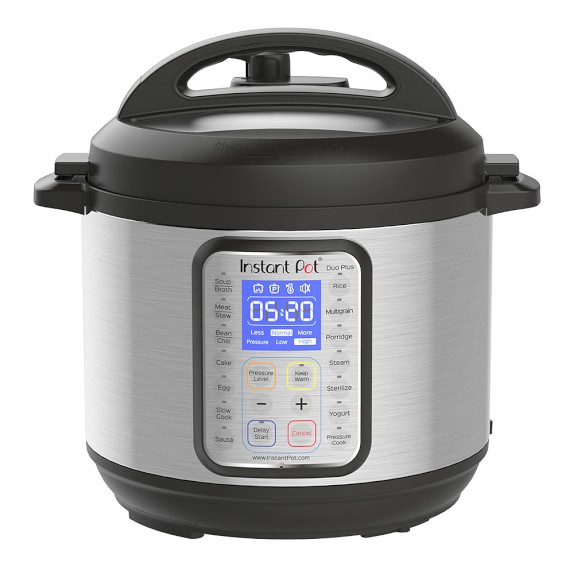
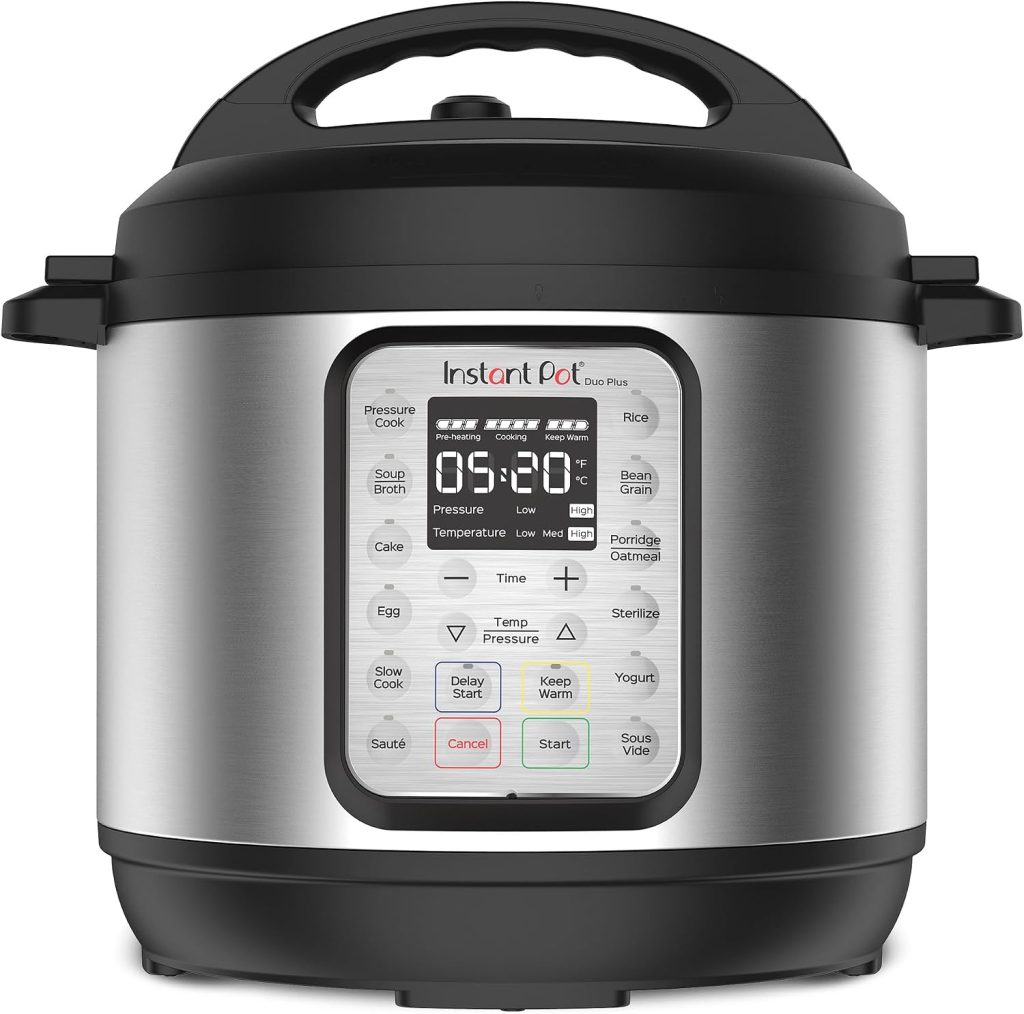
The Duo Plus listings in the box — 6-quart and 8-quart versions of the current 9-in-1 — are there because half the readers of a 3-quart review are actually deciding whether small is a mistake. From a repair standpoint the Duo Plus family has the virtue of ubiquity: gaskets, float valves, anti-block shields, and inner pots are everywhere and cheap, because the installed base is enormous. That is not a glamorous virtue. It is the virtue that decides whether a five-year-old cooker gets a six-dollar part or gets replaced. The 6-quart is the size the accessory world assumes; the 8-quart adds batch headroom and a longer come-to-pressure time that owners consistently underestimate, because a bigger pot of cold soup is a bigger pot of cold soup. Steam release on the Plus line is the diffused, quieter style, which matters if your cabinets hang low over the counter — a straight steam jet into a cabinet bottom, weekly, for years, will swell the board, and I have seen that damage blamed on everything except the cooker venting under it.
What breaks on the big pots is the same list as the small one, with one addition: the condensation collector, that little cup clipped at the back of the rim, cracks and gets lost, and then the rim water goes down the back of the machine instead of into the cup, and the owner reports a leak that is not a leak. When you wash any of these lids, the routine that prevents most of my service calls takes one minute: gasket out and washed, shield off and rinsed, float valve dropped and checked for free movement, collector emptied. Do it monthly. Do it after bean day without fail. The machines do not ask for much. They ask for that minute, and they ask forever, and the gap between owners who give it and owners who do not is the entire difference between a cooker that lasts a decade and one that gets reviewed at month fourteen as unreliable. I cannot judge the Carori’s ten-year story yet — nobody can, the model has not had ten years — but its parts are standard enough in pattern that I am cautiously optimistic, and cautious is as far as a repair bench honestly goes.
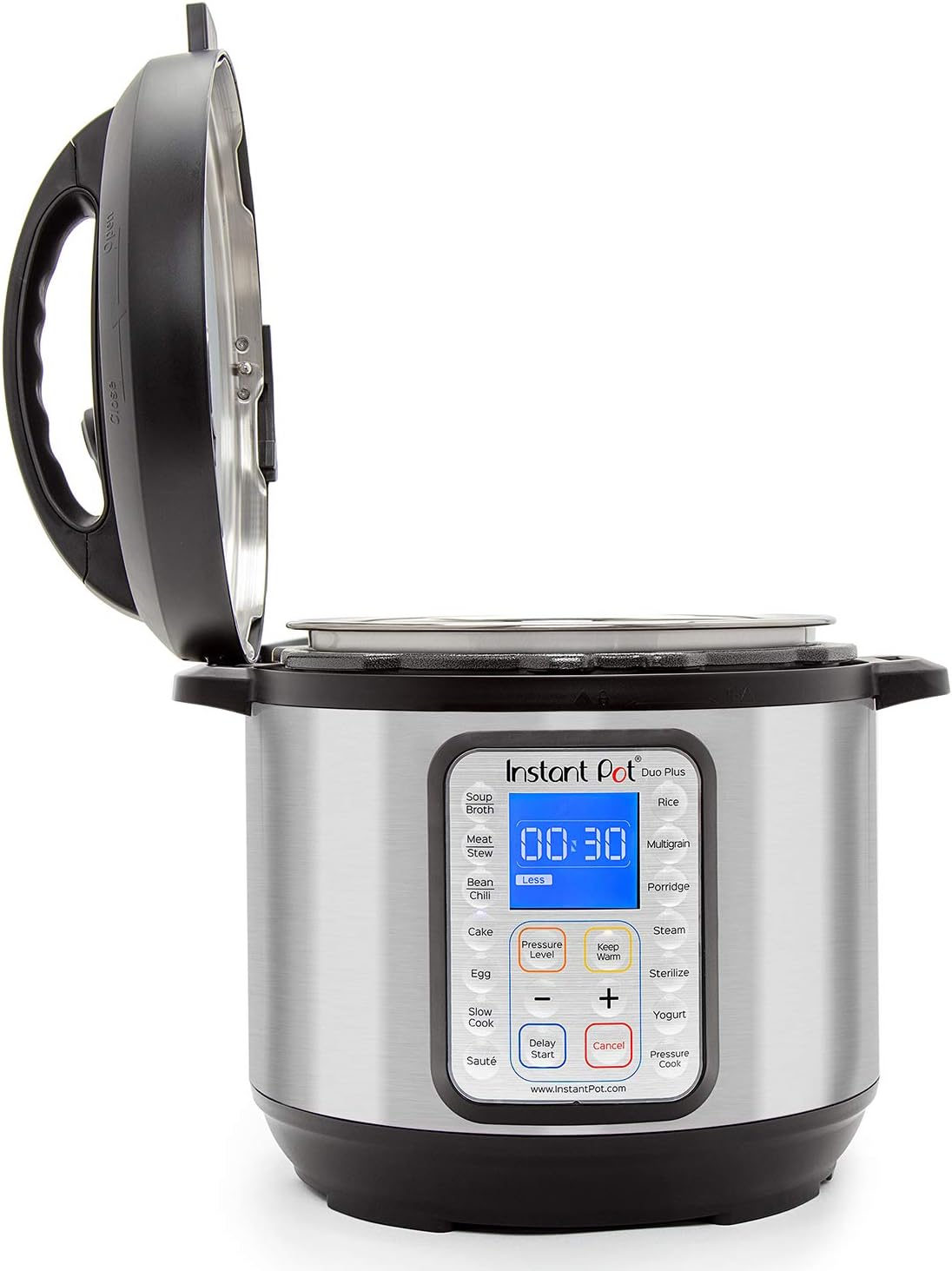
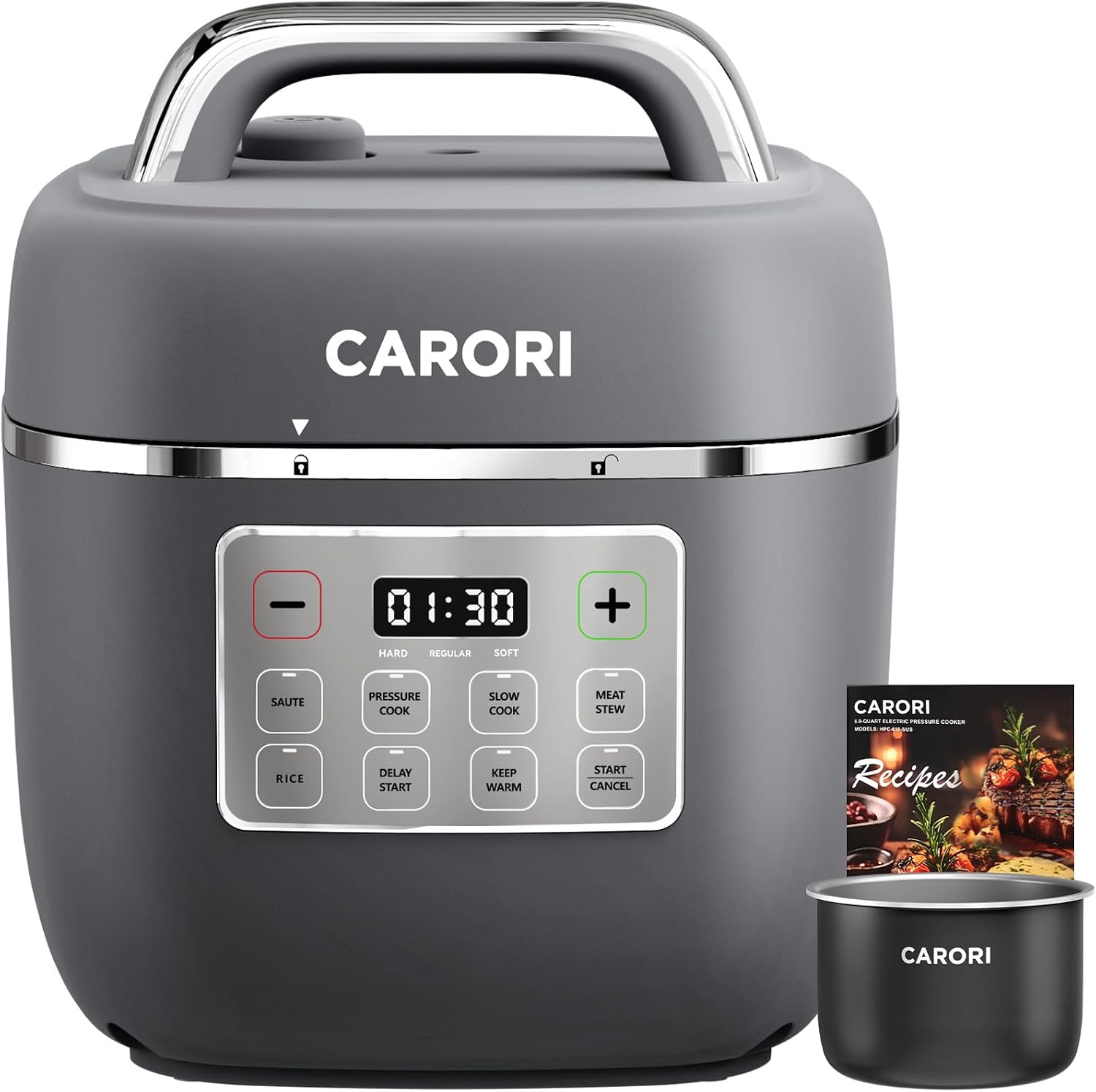
8 functions, ceramic nonstick pot, compact footprint
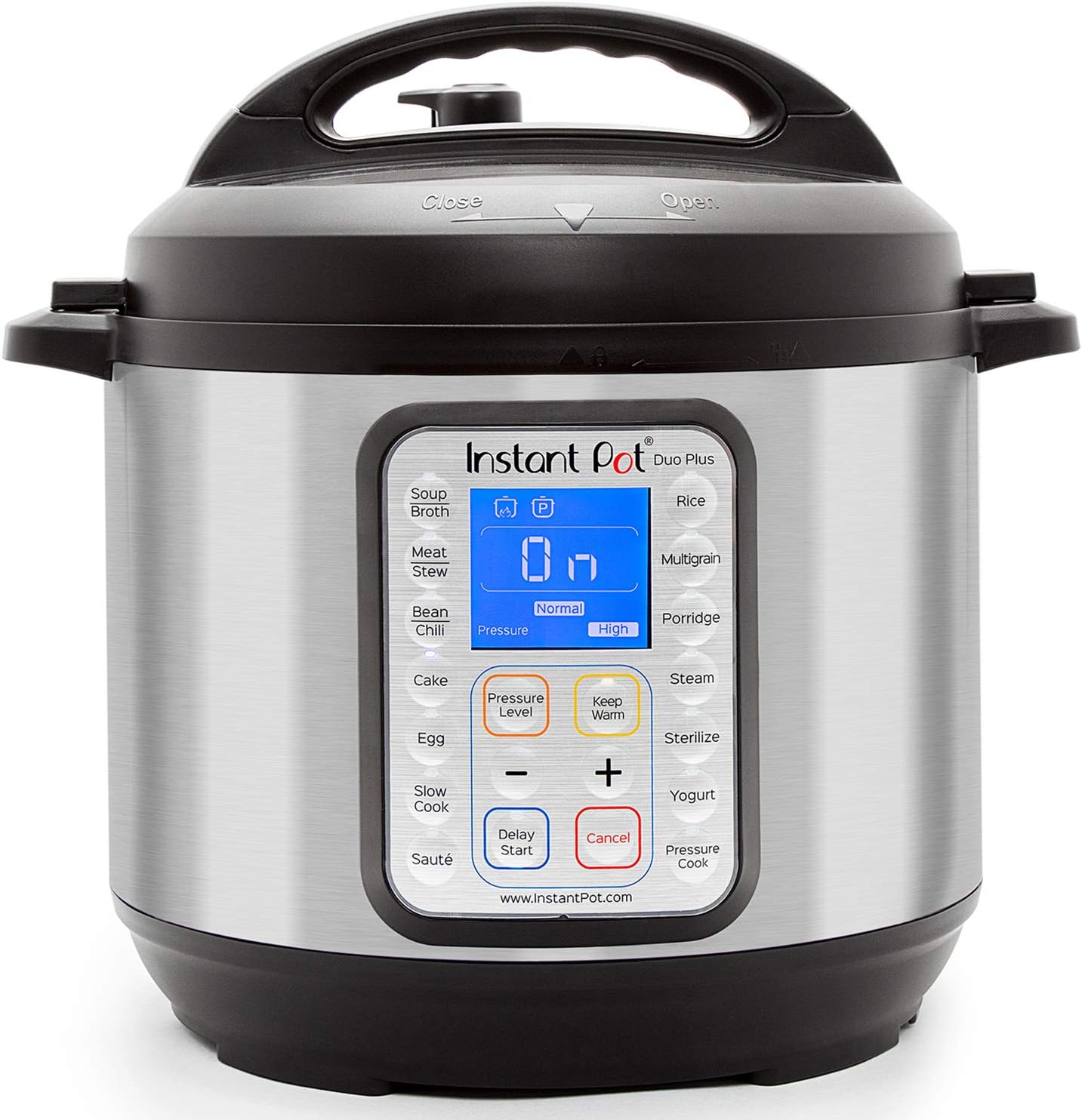
The current Duo Plus listing, 15 one-touch programs
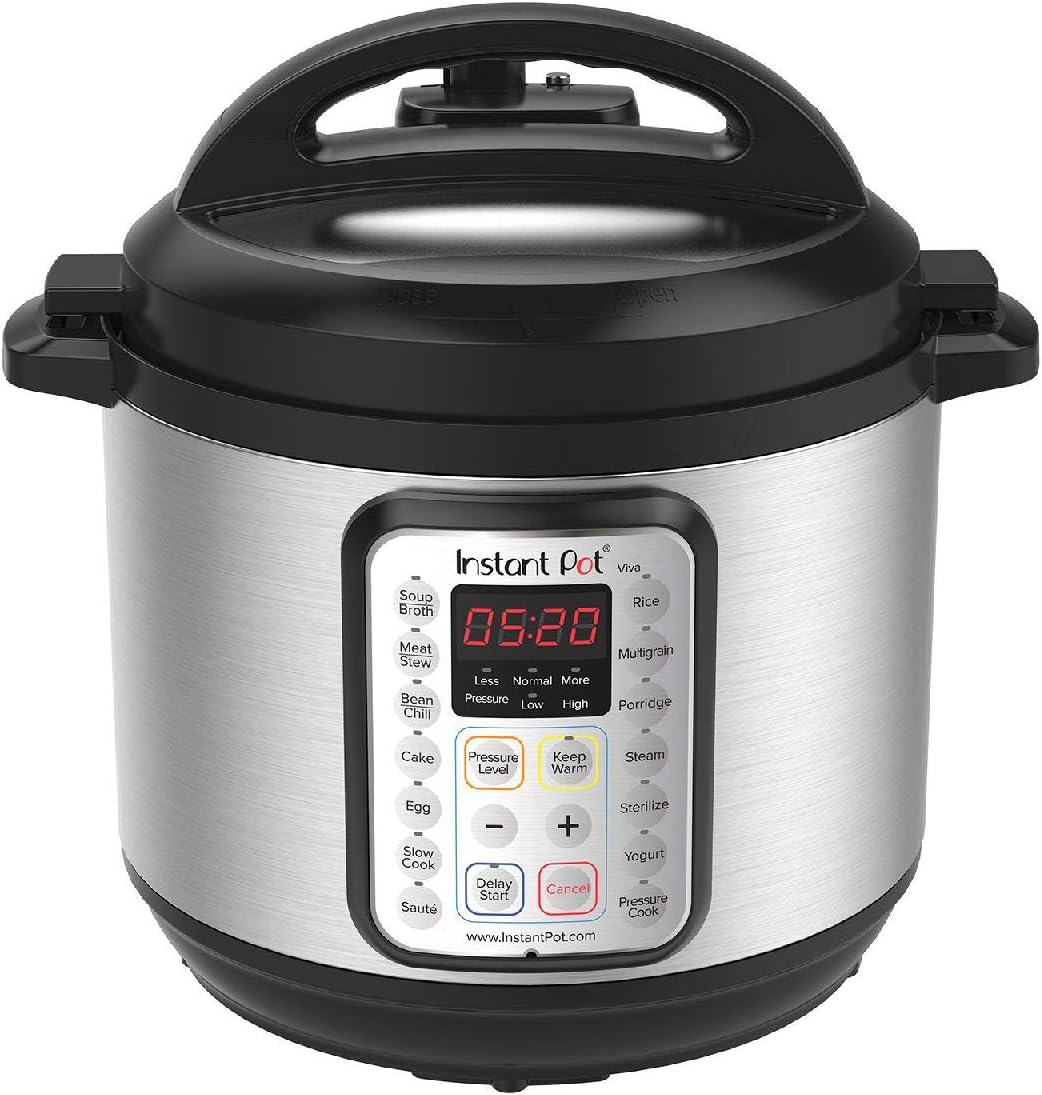
Prices and availability change; the listing is the final word.
The 9-in-1 language in this article’s own title deserves the bench treatment too. The Carori box says 8 functions; the title up there says 9-in-1; the Duo Plus says 9-in-1 with fifteen programs. Here is what those numbers contain: one heating element, one pressure sensor, one timer, and a library of presets. Pressure cook, sauté, slow cook, rice, yogurt, warm — these are temperatures and times wearing name tags. I do not say that to diminish the machines, because a good preset library is a convenience and the yogurt hold on these pots genuinely makes yogurt. I say it because buyers cross-shop function counts as if they were engine sizes, and they are not, and the disappointment that follows is the one service call nobody can fix, because nothing is broken. Buy on pot size, pot coating, lid parts, and the control layout your hands like. (the Duo 6 quart review walks the older Duo generation through the same reality check.)
One last bench note, on storing the lid. Store it upside down on the pot, gasket aired, never latched shut on a clean dry cooker for weeks — a gasket stored compressed and sealed takes a set and starts holding the smell of its last cook in a way that transfers. Curry into rice is the famous version; the quiet version is everything tasting faintly of everything, forever, until the gasket is replaced. Replacement gaskets are cheap for the Duo Plus sizes and, at present, findable for the Carori pattern. Buy the spare when you buy the cooker, whichever cooker it is. Future you, standing in a kitchen with a pot that will not seal the night before a dinner that matters, will be grateful in direct proportion to how unnecessary the purchase felt at the time.
Questions that come up
My cooker counts down but never actually pressurizes, and steam leaks around the lid. Is the element dead?
The element is almost never the problem. Work the short list in order: the tiny silicone cap on the float valve, which falls off in sinks and takes pressure with it; the anti-block shield under the lid, clogged with starch film; the gasket, unseated, twisted, or set hard with age; and the steam release, left a fraction open from the last use. Clean and reseat all four and most sighing cookers seal again. A pot that heats, steams, and counts down is a pot whose electrics are working and whose seal is not. Elements fail silent and cold. Seals fail warm and noisy, which is what you have, and seals are the cheap end of the machine.
Can I use metal utensils in the ceramic pot if I am gentle?
Gentle is a promise the third month breaks. Ceramic nonstick coatings die by a thousand small insults rather than one big one, and metal edges are the fastest insult there is — a spoon’s rim dragged once across a scorched spot does more than a year of wooden spoons. Since the inner pot is the cooking surface of the entire machine, its coating is not a cosmetic feature you can afford to spend. Wood or silicone, a soak instead of a scour, and no cold water into a screaming-hot pot, because thermal shock crazes the coating from underneath. Treated that way, expect years. Treated casually, expect the slow gray patch in the middle and a pot that starts sticking exactly where you sauté, which is where you can least afford it.
Is a 3-quart cooker a false economy if I might need a bigger one later?
It depends which mistake you would rather make, because one of the two is coming. A 3-quart bought by a household that batches will be outgrown, visibly, within a year. A 6- or 8-quart bought by a household of two that cooks fresh will spend its life heating mostly air, coming to pressure slowly, and taking up the cabinet the small pot would have fit twice. The telling question is not how many people you feed at holidays — borrow capacity for holidays — it is what Tuesday looks like. Tuesday is rice for two, soup for two, eggs for the week. If your Tuesdays are small, the small pot is the economy and the big one is the indulgence, whatever the price tags say. I own both sizes, I use the small one four days out of five, and the big one’s main job in my kitchen is beans — a noble job, but not a daily one.
The Carori on my bench right now is not broken. It is in for a gasket and a lost float-valve cap, which is to say it is in for the two things these machines are always in for, and it will go home cooking like new for the price of a sandwich. I wish more appliances failed this honestly. Most of them, in my experience, do not get the chance — they get replaced at the first sigh of steam, by owners who never learned the one-minute lid routine, and that is the part of this work I have stopped trying to make peace with.
This site contains affiliate links. We may earn a commission on qualifying purchases.