Choosing Your Ideal Stand Mixer: A Guide to Value, Performance, and the Hamilton Beach 4 Qt Electric Stand Mixer With 7 Speeds
Deciding on a stand mixer can feel overwhelming, whether you’re a budding baker, replacing an old machine, or gifting a kitchen essential. This guide, drawing on 15 years of helping home bakers, cuts through the noise to help you understand what truly matters in an electric stand mixer. We’ll specifically examine where a model like the Hamilton Beach 4 Qt Electric Stand Mixer With 7 Speeds fits into the diverse landscape of kitchen appliances, weighing its value against premium options and other budget alternatives.
Quick Answer
For many home bakers, especially those starting out or baking occasionally, the Hamilton Beach 4 Qt Electric Stand Mixer With 7 Speeds offers a compelling balance of affordability and functionality. It handles everyday tasks well, serving as a practical entry point into the world of powered mixing without the significant investment required for a professional stand mixer. However, serious bakers or those tackling dense doughs frequently will likely find more robust, higher-capacity machines a better long-term choice.
What to Look For in a Stand Mixer
Purchasing a new kitchen stand mixer involves more than just picking a color. Understanding the core features and their implications will ensure your appliance meets your baking demands without overspending or underserving. It’s about finding the right tool for your specific culinary journey.
Capacity in Quarts
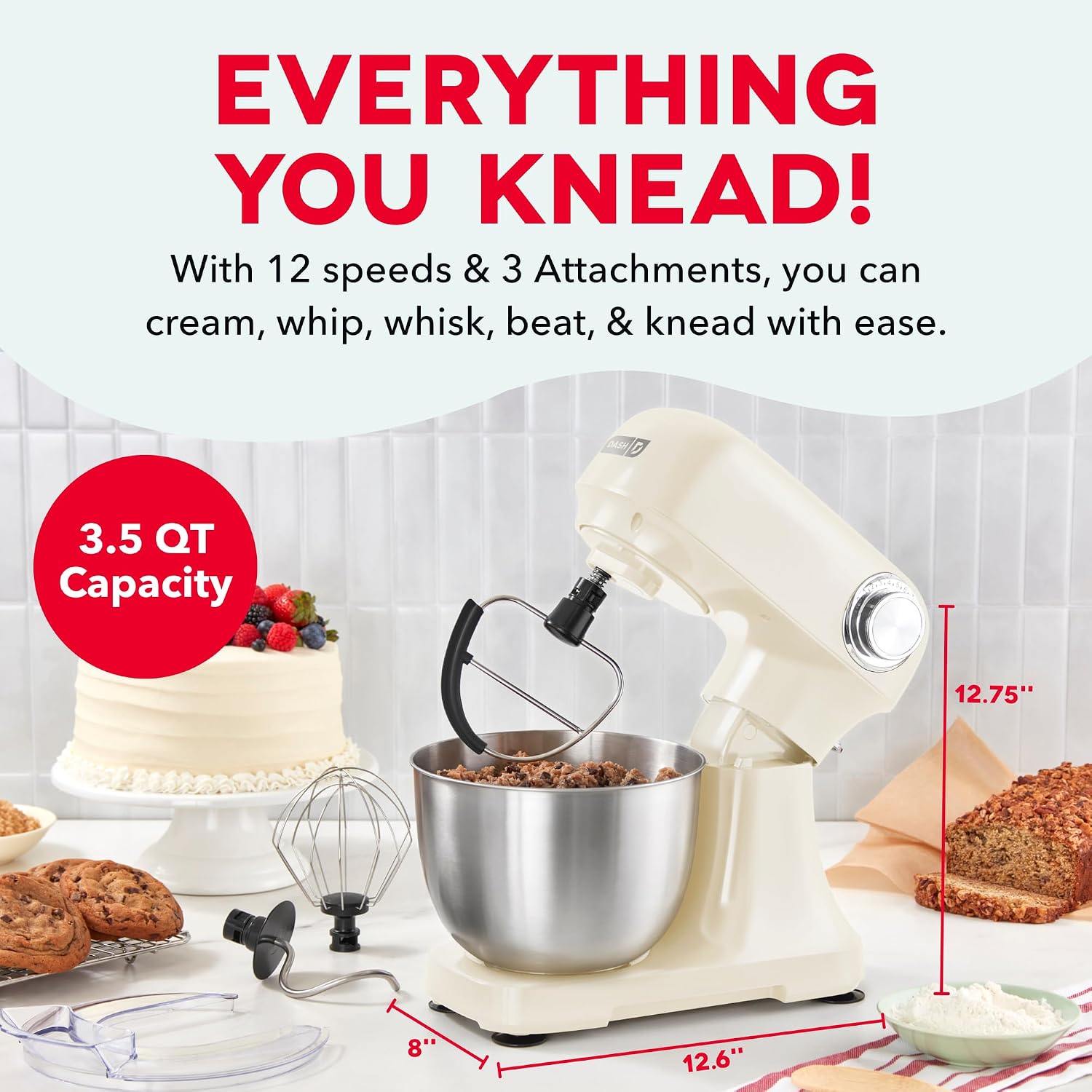
Mixer bowl capacity, measured in quarts, is a fundamental consideration. A 4-quart mixer, like the Hamilton Beach model, is typically suitable for smaller households or occasional bakers. It handles single batches of cookies (around 2-3 dozen), a standard cake mix, or a loaf of bread dough quite effectively. For larger families, frequent entertaining, or baking in bigger batches, you might find yourself needing to split recipes or wishing for more room. A 5-quart stand mixer is generally considered the sweet spot for many home bakers, accommodating double batches or larger bread recipes without overflow. Going up to 6 or 7 quarts is usually reserved for those tackling heavy-duty tasks or significant volume. Remember, a larger bowl often means a larger overall footprint on your counter.
Motor Wattage and Torque vs. Wattage-Alone Marketing
Wattage is often touted as the primary measure of a mixer’s power, but it’s a deceptive metric when considered in isolation. While a higher wattage motor can indicate more power, the true measure of a mixer’s capability, especially for heavy doughs, is its torque and how efficiently that power is delivered through its gearing. Many budget electric stand mixers list high wattage numbers, but if the internal gears are plastic or less robust, that raw power won’t translate into sustained performance under heavy load. The motor might strain, overheat, or even burn out.
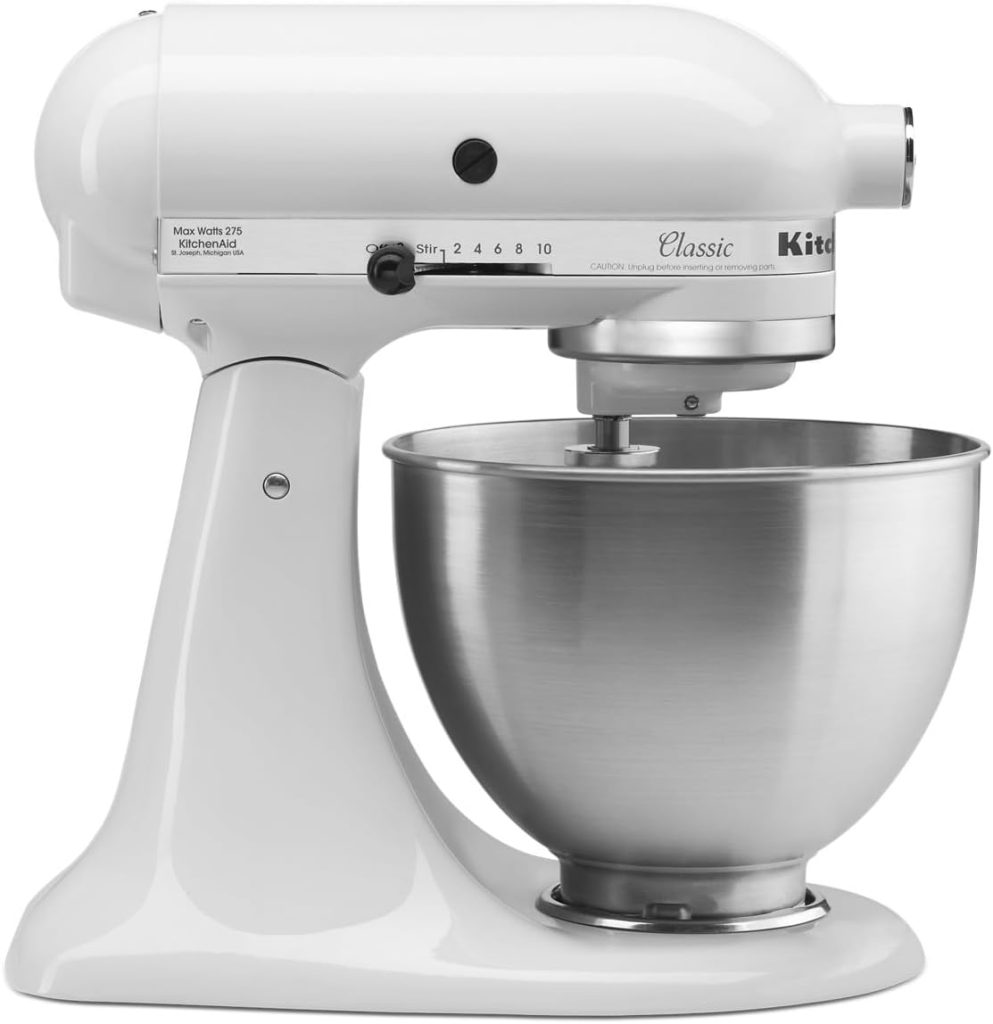
A powerful motor paired with sturdy metal gears, common in more premium machines, provides consistent torque and durability. This is where models like the KitchenAid Artisan 5 quart often distinguish themselves, offering a balance of wattage and robust gearing that translates into reliable performance. When comparing, don’t just look at the wattage; consider the brand’s reputation for build quality and motor design. A lower-wattage motor with well-engineered gears can sometimes outperform a higher-wattage motor with weaker internal components.
Tilt-Head vs. Bowl-Lift Mechanism
The two primary stand mixer designs are tilt-head stand mixer and bowl-lift.
Tilt-head stand mixers are generally more common for capacities up to around 5 quarts. Their mixing head tilts back, providing easy access to add ingredients, scrape the bowl, and attach or remove accessories. This design is often preferred for its user-friendliness and compact vertical storage. However, they can sometimes struggle with very stiff doughs, as the tilting head might vibrate or flex under extreme stress.
Bowl-lift stand mixers, usually found in 5-quart and larger models, feature a stationary head and a bowl that locks into place and is lifted into the mixing position via a lever. This design typically offers greater stability and power transfer, making them the preferred choice for handling large quantities of heavy bread dough or dense batters. The trade-off? They can be a bit more cumbersome to add ingredients, and their taller profile means they require more vertical clearance on your counter or in storage. If you plan on kneading dense doughs weekly, a bowl-lift model will likely offer a more reliable experience.
Attachment Hub Compatibility
Most stand mixer with attachments come with a standard set: a flat beater, wire whip, and dough hook. But the real versatility often lies in the accessory hub. Many premium brands offer a universal attachment hub that can power a vast array of specialized accessories, from pasta makers and meat grinders to spiralizers and ice cream makers. This significantly expands the mixer’s utility beyond basic baking.
Budget alternatives, like some Hamilton Beach stand mixer models, may have proprietary attachment hubs or none at all, limiting their expandability. If you foresee wanting to diversify your culinary toolkit with powered attachments, investigate the hub compatibility before you buy. Investing in a machine with a versatile hub can save you from buying separate single-purpose appliances later.
Build Materials
The construction of your electric stand mixer plays a crucial role in its longevity and performance. Premium mixers often boast full metal construction, from the casing to the internal gears. This provides superior durability, reduces vibration, and helps dissipate motor heat more effectively. These machines are built to be workhorses, often lasting a decade or more.
Conversely, many budget models, including some Hamilton Beach stand mixers, utilize plastic housings and, crucially, plastic internal gears. While this significantly reduces manufacturing costs and purchase price, it also means a shorter lifespan, especially if frequently used with heavy loads. Plastic gears can strip under stress, leading to motor failure. When considering a stand mixer for beginner bakers, this trade-off might be acceptable for occasional use, but for serious or regular baking, robust materials are paramount.
Counter Footprint and Storage
A stand mixer is a substantial appliance. Before you commit, measure your available counter space, paying attention to both width/depth and the height beneath any overhead cabinets, especially for tilt-head models that need room for the head to lift. Bowl-lift mixers are often taller even when not in use.
If counter space is limited, consider whether you have a dedicated cabinet or pantry shelf for storage. Remember that a heavier, more robust machine will be less convenient to pull out and put away frequently. A smaller, lighter model like the Hamilton Beach 4 Qt Electric Stand Mixer With 7 Speeds might be a better fit for compact kitchens where it won’t live permanently on the counter. Don’t underestimate the impact of an appliance’s physical presence in your kitchen.
Matching a Stand Mixer to Your Baking Habits
Choosing the right kitchen stand mixer means honestly assessing how often you bake and what you typically make. There’s no single “best” mixer; only the best one for your lifestyle. Do you whip up cookies once a month, or are you kneading sourdough every week? Your answer dictates the features and durability you truly need.
Decision Tree: Finding Your Stand Mixer Match
| If you bake… | Choose this tier… | Because… |
|---|---|---|
| A few times a year (light tasks) | Entry-Level (e.g., Hamilton Beach 4 Qt) | This tier offers basic functionality for occasional baking without a big financial commitment. It handles cake mixes, cookie doughs, and lighter batters sufficiently. You won’t feel the pinch of unused features or an expensive appliance gathering dust. |
| Weekly (moderate tasks) | Mid-Range/Standard (e.g., KitchenAid Artisan 5 quart) | This is the sweet spot for many home bakers. A 5-quart stand mixer with robust construction provides the durability and power needed for regular use, including bread doughs, stiffer batters, and double batches. It offers versatility with attachment hubs and generally lasts many years. |
| Multiple times a week (heavy tasks) | Premium/Professional (e.g., larger KitchenAid Pro Line, Bosch Universal) | For serious bakers, high-capacity, high-torque machines with all-metal gears are a must. These are built to withstand constant, demanding use, efficiently mixing large, dense doughs without strain. The investment pays off in reliability, longevity, and superior performance under pressure. |
- Entry-Level mixers are often compact and budget-friendly, making them ideal for small kitchens or those just dipping their toes into baking. They might not have the raw power for dense doughs, but they excel at lighter tasks.
- Mid-Range/Standard mixers represent a balance of power, durability, and features, making them a versatile choice for most avid home bakers. They handle a wider range of recipes and are generally built to last longer than entry-level models.
- Premium/Professional mixers are engineered for endurance and power, designed for bakers who treat their craft seriously. They come with a higher price tag but offer unparalleled performance and resilience for constant, heavy-duty use.
Stand Mixer Tiers: Value vs. Premium
The market for stand mixers spans a wide spectrum, from budget-friendly options designed for occasional use to professional-grade appliances built for daily demands. Understanding these tiers helps contextualize the value proposition of a machine like the Hamilton Beach 4 Qt Electric Stand Mixer With 7 Speeds.
| Type | Best For | Price Tier | Key Feature | Watch-Out |
|---|---|---|---|---|
| Budget-Friendly | Beginner bakers, occasional use, light batters | Entry-level | Highly affordable, compact footprint, user-friendly controls. | Less durable components (plastic gears), limited power for dense doughs, fewer attachment options. |
| Mid-Range/Standard | Regular home bakers, diverse recipes | Mid-range investment | Good balance of power and durability, versatile attachment hub. | Significant step up in price from budget models, may still struggle with very large/dense batches. |
| Premium/Heavy-Duty | Avid bakers, large batches, heavy doughs | Significant investment | Robust metal construction, high torque motors, consistent performance. | Larger footprint, heavier, highest price point, potentially overkill for light users. |
- Budget-Friendly options, such as the Hamilton Beach 4 Qt Electric Stand Mixer With 7 Speeds, serve as an excellent starting point. They are often lighter, more compact, and come with a price tag that won’t break the bank. These machines are perfect for whipping cream, mixing cake batter, or making a single batch of cookies. Their main limitation lies in their internal components; plastic gears and less powerful motors mean they’re not built for sustained heavy use, and often won’t last as long as their premium counterparts.
- Mid-Range/Standard mixers, exemplified by the KitchenAid Artisan 5 quart, are the workhorse for many households. They typically feature sturdy metal gears, good motor power (often direct drive for better torque), and a widely compatible attachment hub. This tier offers a blend of durability and versatility, handling everything from delicate meringues to moderately stiff bread dough with relative ease. They represent a solid investment for someone baking weekly.
- Premium/Heavy-Duty machines, including larger KitchenAid Pro Line models or Bosch Universal mixers, are designed for serious volume and demanding tasks. They boast powerful motors, all-metal construction, and exceptional torque, making them ideal for frequently kneading multiple loaves of dense sourdough or mixing large quantities of stiff cookie dough. While the initial cost is higher, their longevity and consistent performance under stress often justify the expense for dedicated bakers.
The Hamilton Beach 4 Qt Electric Stand Mixer With 7 Speeds: A Closer Look
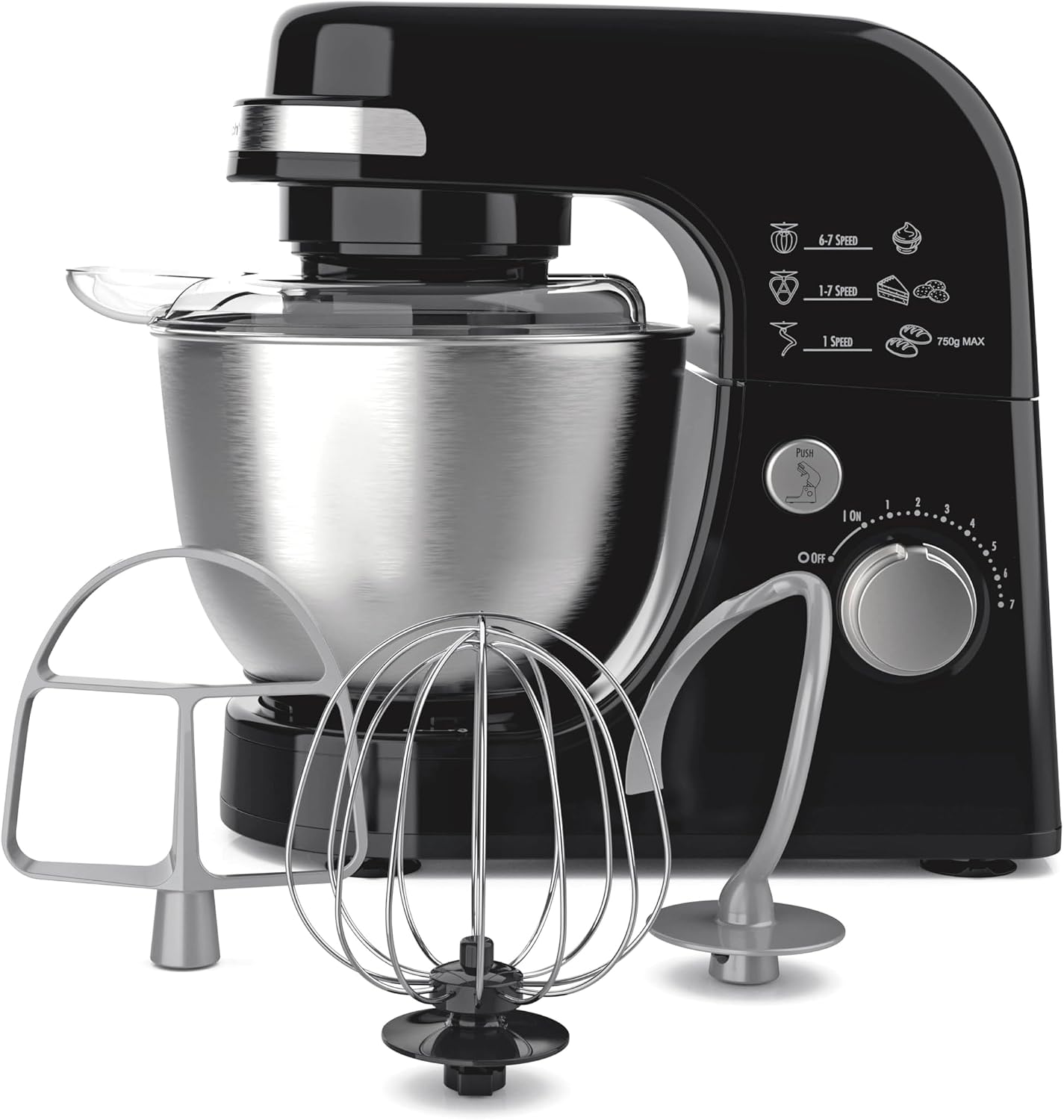
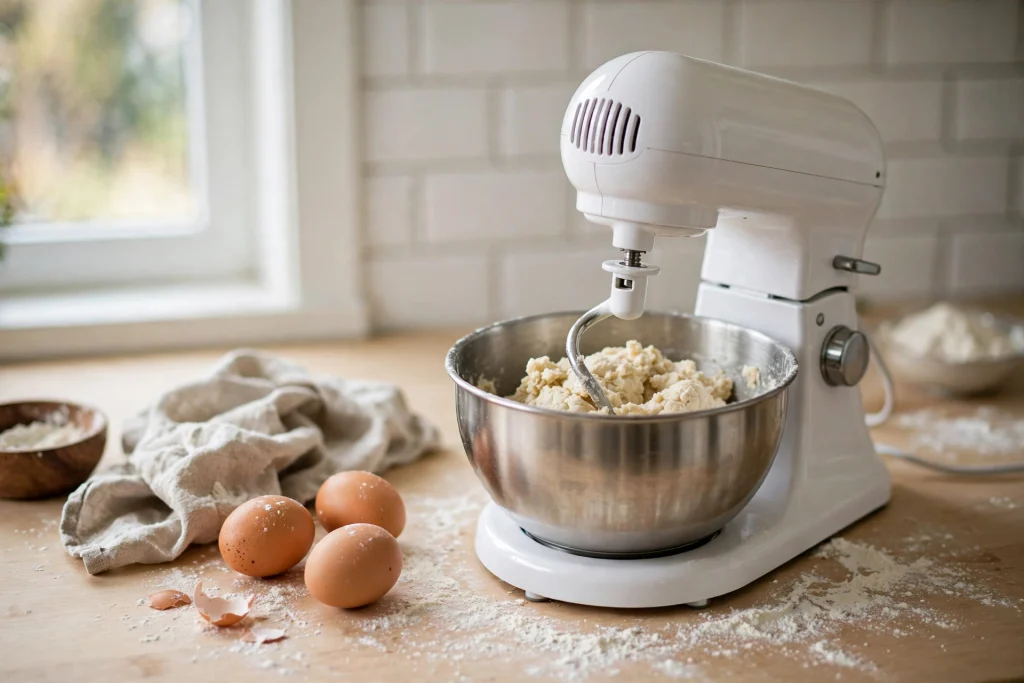
When considering a stand mixer, the Hamilton Beach 4 Qt Electric Stand Mixer With 7 Speeds often catches the eye for its approachable price point and practical features. This appliance is clearly designed for the home cook who needs reliable, basic mixing capabilities without the significant investment of a premium machine. Its 4-quart capacity is suitable for most everyday baking tasks, like whipping up a batch of brownies or a single cake. With 7 speeds, it offers enough control to go from a gentle stir to a fast whip, accommodating various recipe requirements.
It’s important to manage expectations for this tier of mixer. While it handles standard tasks commendably, pushing it with extremely stiff doughs or very large batches regularly will likely test its limits. The focus here is on convenience and affordability. This makes it an excellent stand mixer for beginner bakers or as a secondary mixer for lighter tasks, rather than a heavy-duty workhorse intended for daily, rigorous use in a high-volume kitchen. Its lighter weight also makes it easy to move in and out of storage if counter space is at a premium.
Navigating the “Is KitchenAid Overpriced?” Debate
The discussion around whether a KitchenAid stand mixer is worth it or if it’s overpriced is a long-standing one among home bakers. There are compelling arguments on both sides, and your personal baking habits ultimately determine where you’ll land.
On one hand, proponents argue that a KitchenAid Artisan 5 quart or similar model is a lifetime investment. They point to the robust all-metal construction, durable direct-drive motors, and the extensive ecosystem of stand mixer with attachments that expand its functionality far beyond just mixing. Many users report these machines lasting 10, 20, or even 30 years, often with minimal maintenance. The strong resale value is another factor, suggesting a KitchenAid retains its worth better than many other kitchen appliances. For a baker who uses their machine weekly for a variety of tasks, the durability and versatility justify the premium.
Conversely, skeptics argue that the KitchenAid mixer is overpriced for what many casual users actually need. They contend that for the cost of one KitchenAid, you could purchase several budget alternative to KitchenAid mixer options, such as a Hamilton Beach stand mixer vs KitchenAid comparison would reveal, or other brands like Cuisinart or Cosori. These alternatives, while perhaps not built to last decades, perform adequately for occasional baking at a fraction of the cost. Why pay for features and durability you won’t utilize? This perspective suggests that if you only bake once a month, a high-end mixer might represent unnecessary spending, and a more modest machine would perfectly suit your needs without the significant initial outlay. The debate boils down to anticipated usage, budget, and a preference for long-term investment versus immediate affordability.
Common Mistakes When Buying a Stand Mixer
Even with careful research, buyers sometimes make preventable missteps. Avoid these common pitfalls to ensure you’re happy with your electric stand mixer purchase.
One frequent mistake is buying based on wattage alone instead of considering torque and gear quality. High wattage numbers on budget models can be misleading if the internal components, particularly the gears, are made of less durable plastic. These mixers might quickly strain or fail when tackling dense cookie dough or bread. Always research reviews that speak to a mixer’s performance under load, not just its advertised power.
Another pitfall is underestimating the counter and storage space needed. Stand mixers are large appliances. A tilt-head model needs clearance for its head to lift, while bowl-lift models are inherently taller. Don’t assume it will fit neatly under your cabinets or into that one empty corner without measuring first.
Many new bakers overbuy capacity for occasional baking. If you only bake small batches a few times a year, a 6-quart or 7-quart mixer is likely overkill. A 4-quart or 5-quart model will be easier to handle, store, and more than sufficient for your needs. Larger bowls also require larger minimum ingredient quantities to mix effectively.
Finally, ignoring attachment hub compatibility before buying accessories can lead to frustration. If you plan to expand your mixer’s capabilities with a pasta maker or meat grinder, ensure your chosen model has a universal or widely compatible attachment hub. Some budget stand mixer with attachments lack this versatility, meaning you’d need to buy separate, standalone appliances later.
Why, How, What
Why invest in a stand mixer for baking?
A stand mixer for baking dramatically reduces the physical effort and time involved in many common kitchen tasks. It offers consistent, hands-free mixing, kneading, and whipping, which is nearly impossible to achieve manually. This consistency improves the quality of your baked goods, ensuring even textures and thorough incorporation of ingredients every time. It’s a genuine time-saver and a significant upgrade for any serious home baker.
How does a stand mixer handle different doughs and batters?
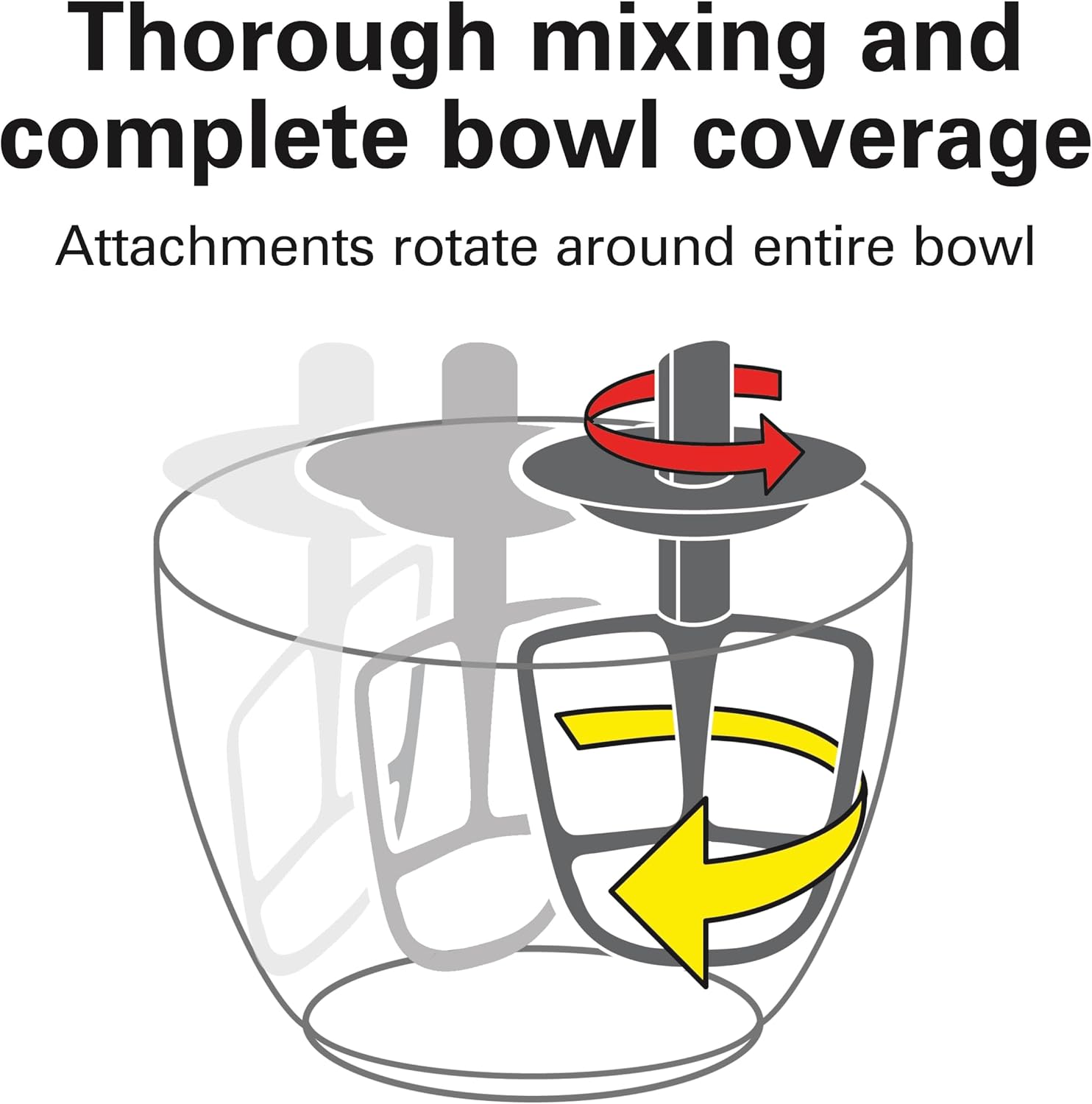
The various attachments that come with a stand mixer are key to its versatility. The flat beater is for general mixing, like cookie doughs and cake batters. The wire whip aerates ingredients, perfect for meringues, whipped cream, and light batters. The dough hook is specifically designed to knead yeast doughs, mimicking the stretching and folding action of hand kneading, developing gluten efficiently for bread, pizza, and pasta. Each attachment ensures the mixer applies the correct action for different consistencies.
What attachments are essential for a beginner baker?
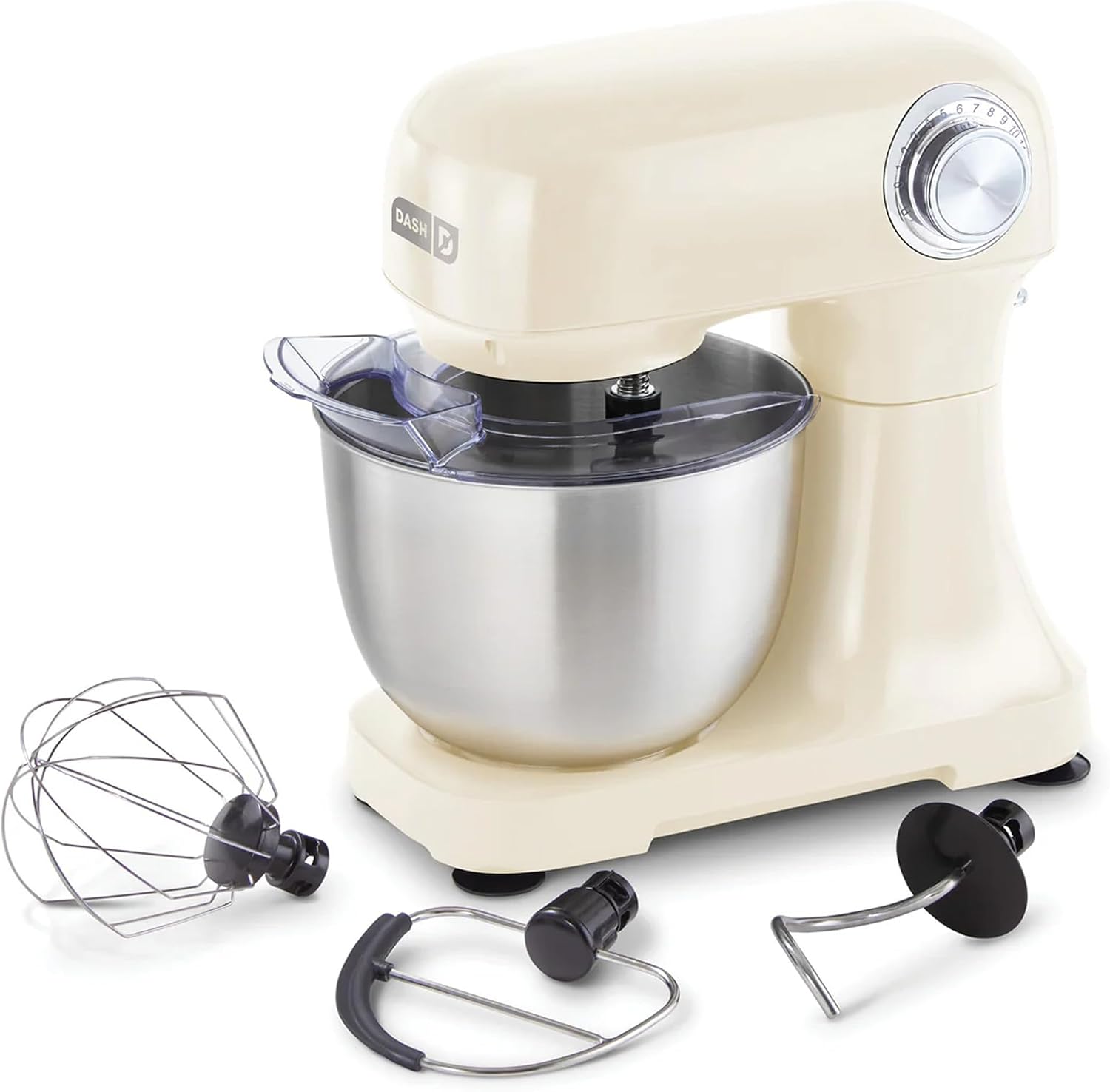
For someone just starting with a stand mixer for beginner bakers, the three standard attachments are usually all you’ll need: the flat beater, wire whip, and dough hook. These cover the vast majority of common baking recipes. Beyond these, a stand mixer with pouring shield is incredibly useful for adding ingredients without splatter, keeping your counter clean. More specialized attachments can be added later as your baking repertoire grows.
FAQ
What’s the main difference between a budget stand mixer and a premium one?
The primary distinctions lie in build quality, motor durability, and overall power under load. Budget mixers often use plastic components and smaller motors, suitable for light, occasional use, while premium mixers feature all-metal construction and powerful motors built for heavy, frequent use and longevity.
Is a 4-quart stand mixer big enough for a family?
A 4-quart stand mixer like the Hamilton Beach 4 Qt Electric Stand Mixer With 7 Speeds is generally sufficient for a small family or single batches of most recipes. For larger families, frequent baking, or double batches, you might find a 5-quart or larger model more convenient to avoid overcrowding the bowl.
Can I really make bread dough with a Hamilton Beach stand mixer?
You can make lighter bread doughs with a Hamilton Beach 4 Qt Electric Stand Mixer With 7 Speeds, but it’s not designed for heavy, dense, or large batches of bread dough regularly. Pushing it with stiff doughs might strain the motor and reduce the appliance’s lifespan. For consistent bread making, a more powerful mixer with metal gears is advisable.
What does “7 speeds” mean in a stand mixer?
“7 speeds” refers to the number of distinct speed settings the electric stand mixer offers. This allows for precise control, from a very slow stir for incorporating dry ingredients without a cloud of flour, to a high whip for aerating egg whites or cream. More speed options provide greater versatility in recipe execution.
How important is a pouring shield for a stand mixer?
A stand mixer with pouring shield is a simple yet invaluable accessory. It minimizes splashes and keeps dry ingredients like flour contained within the bowl, especially at higher speeds. While not strictly essential for operation, it significantly improves cleanliness and ease of use, making ingredient additions much smoother.
Key Takeaways
Choosing a stand mixer comes down to aligning its capabilities with your specific baking routine and budget. For those just starting out, or baking infrequently, a reliable and affordable option like the Hamilton Beach 4 Qt Electric Stand Mixer With 7 Speeds provides excellent value. It’s a practical, space-saving machine that handles everyday tasks without the premium price tag.
However, if your passion for baking means you’re kneading dense doughs weekly, preparing large batches for family gatherings, or aspire to use a range of powered attachments, then investing in a more robust, higher-capacity machine like a KitchenAid Artisan 5 quart makes better long-term sense. These machines are built for endurance and versatility, justifying their higher cost through decades of consistent performance. Consider your long-term baking goals to make the smartest choice.
Final Recommendation
For the new baker or the occasional home cook, the Hamilton Beach 4 Qt Electric Stand Mixer With 7 Speeds stands out as a smart, budget-conscious choice. It offers enough power and versatility for common recipes without demanding a significant investment or occupying excessive counter space. It’s an ideal entry point into the world of stand mixers, providing all the essential functionality needed for cakes, cookies, and lighter batters.
If your baking progresses to include frequent, heavy-duty tasks like multiple loaves of artisan bread or large-batch holiday preparations, you’ll eventually benefit from upgrading to a premium model with superior power and durability. But for most home bakers seeking a reliable, functional electric stand mixer that won’t break the bank, this Hamilton Beach model is a solid, practical solution.
#Hamilton #Beach #Electric #Stand #Mixer #Speeds