Choosing Your Next Stand Mixer: A Consultant’s Guide to Capacity, Mechanisms, and Features
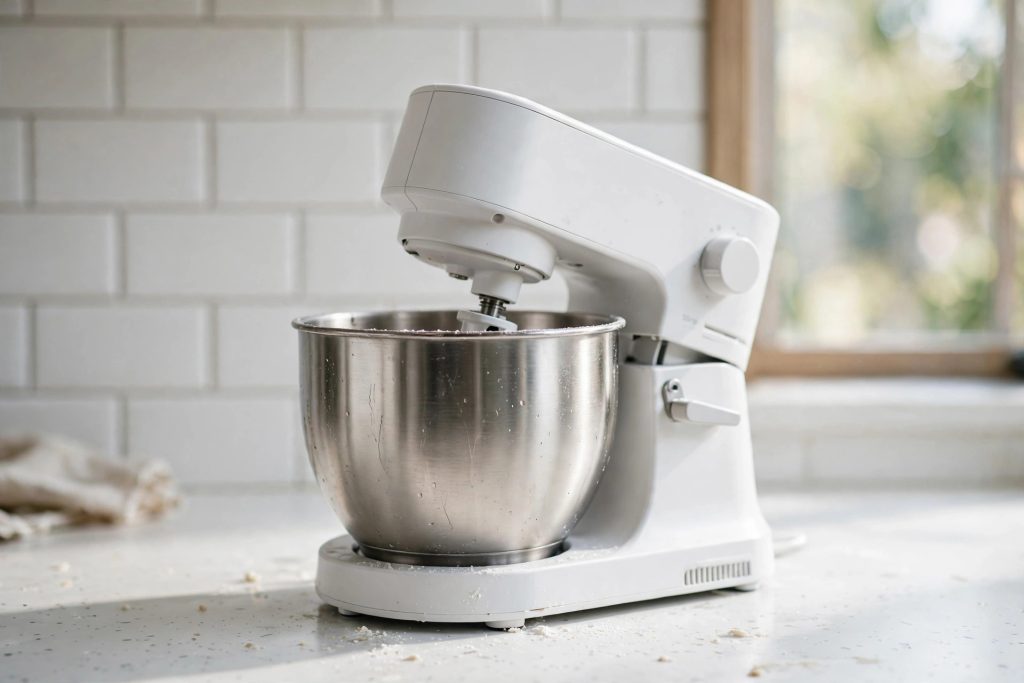
Deciding on the right stand mixer can feel overwhelming with so many options available in 2026. This guide is for anyone looking to understand the core differences between models, from a basic electric stand mixer to more specialized appliances like the VIVOHOME Stand Mixer with Dough Proofing, 6-Quart Tilt-Head. We’ll cover key considerations to help you select a kitchen stand mixer that perfectly fits your baking aspirations and kitchen setup.
Quick Answer
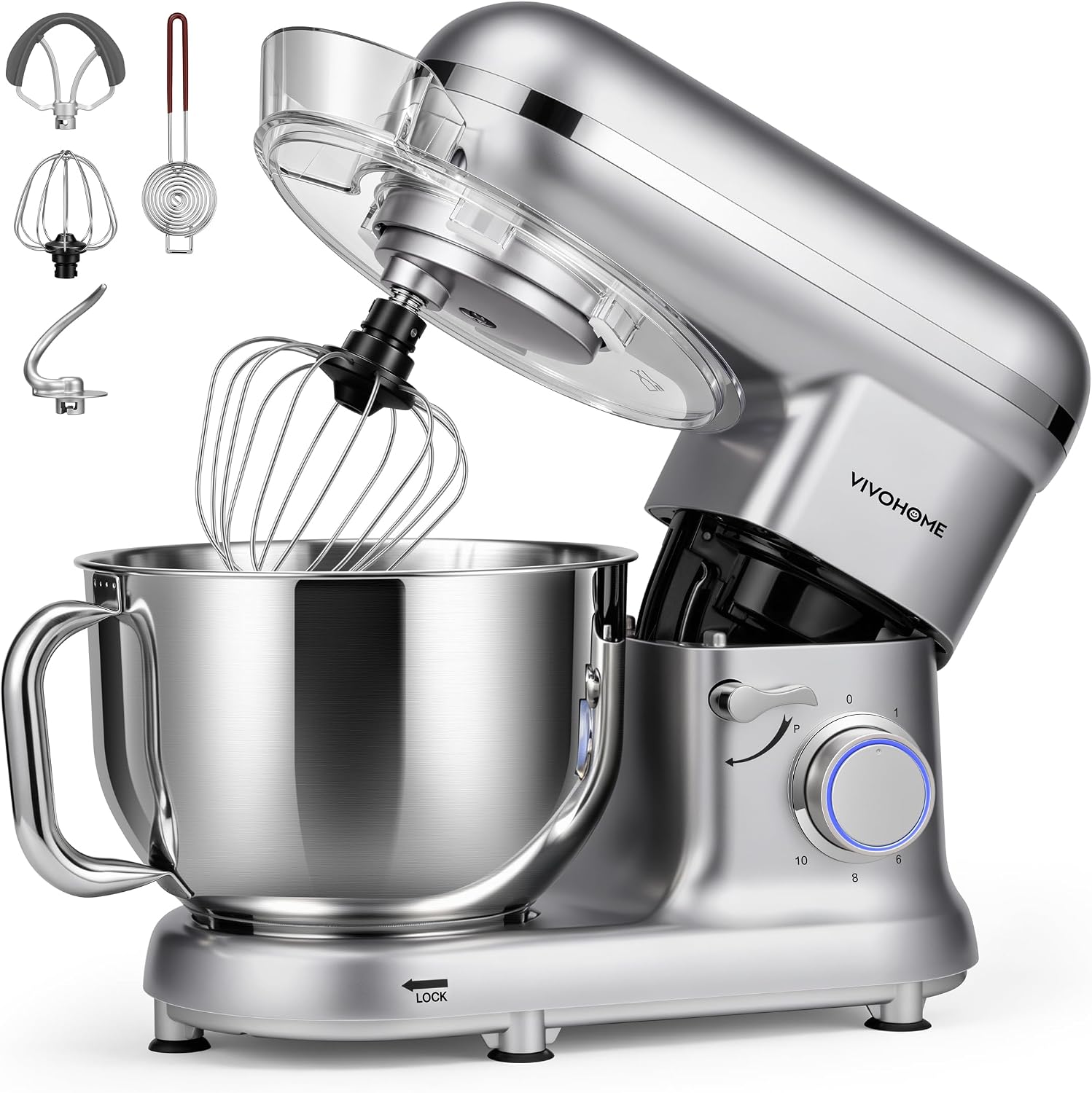
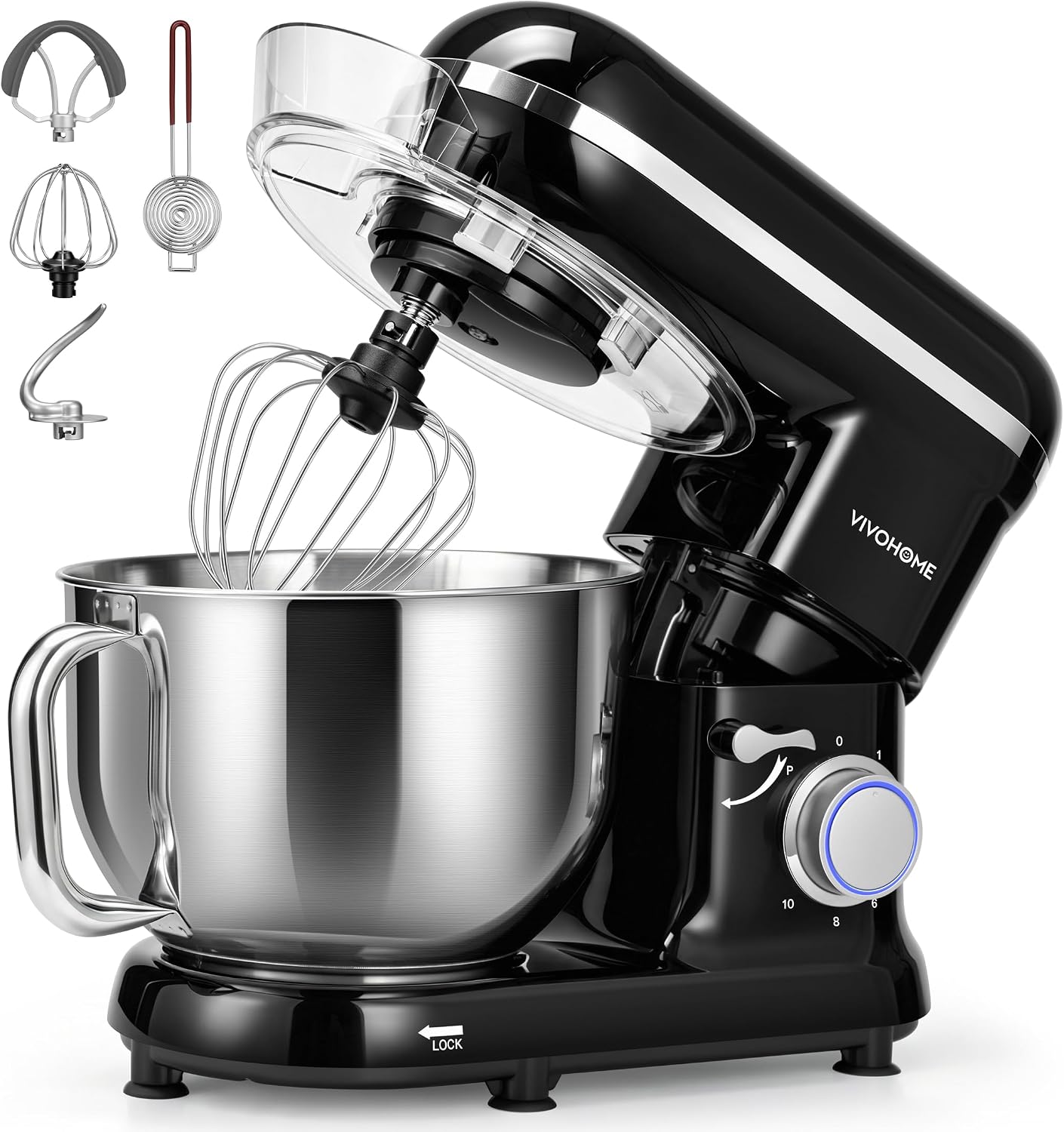
The right stand mixer depends on your baking frequency, the types of dough you’ll make, and your kitchen space. For home bakers tackling a variety of recipes, a tilt head stand mixer around the 6-quart mark, like the VIVOHOME Stand Mixer with Dough Proofing, offers a versatile blend of capacity, ease of use, and unique features for bread making, making it a strong contender for those seeking specific dough handling capabilities beyond standard mixing.
What to Look For in a Stand Mixer: Beyond the Bowl
When you’re ready to invest in a stand mixer, several critical factors go beyond just color or price. Understanding these elements will help you choose a machine built for your actual needs, whether you’re a beginner baker or a seasoned pro.
Capacity in Quarts: Finding Your Volume Sweet Spot
Mixer capacity, typically measured in quarts, dictates how much you can mix at once. A stand mixer 5 quart capacity is often seen as a versatile sweet spot for most home bakers, comfortably handling a batch of cookies or two loaves of bread. A smaller 4.5-quart unit might suit individuals or couples who bake infrequently, or those with very limited storage.
Stepping up to a 6-quart tilt head stand mixer, like the VIVOHOME model, provides significant flexibility. This size can easily manage larger batches, such as multiple pizza doughs or triple recipes for cakes, without strain. Keep in mind, however, that a larger bowl might sometimes make mixing very small quantities (like a single egg white) less efficient, requiring more scraping down of the sides. Think about your typical batch size before committing.
Motor Wattage and Torque: Power That Matters
Many buyers look straight at wattage as a measure of power, assuming higher numbers always mean a more capable machine. While wattage indicates the motor’s raw electrical input, it doesn’t tell the whole story. A KitchenAid mixer wattage comparison often reveals varying specs across models, but the true test is torque. Torque refers to the twisting power delivered to the mixing attachment, which is crucial for kneading stiff doughs.
A lower wattage motor with high-quality, durable gears can outperform a higher wattage motor with cheaper components, particularly when tackling dense bread doughs. Look for terms like “direct drive” for efficiency and longevity. The VIVOHOME, designed with dough proofing in mind, suggests a focus on handling bread dough, which means the motor and gearing should be robust enough for consistent kneading. Without adequate torque, a motor can overheat or wear out prematurely, regardless of its initial wattage rating.
Tilt-Head vs. Bowl-Lift Mechanism: Which Works for You?
The two primary designs for electric stand mixer units are tilt-head stand mixer and bowl-lift. Each has distinct advantages and some limitations.
- Tilt-Head: This design allows the head of the mixer to tilt back, giving you clear access to the bowl and attachments for scraping or adding ingredients. Many home bakers find this more convenient for everyday use. They often have a slightly smaller footprint when stored and can fit under more cabinets. The VIVOHOME is a 6-quart tilt head stand mixer, so it offers this ease of access. The trade-off? The tilting mechanism can sometimes introduce a slight wobble with very stiff doughs, and they generally aren’t as robust as their bowl-lift counterparts for heavy-duty, continuous professional stand mixer use.
- Bowl-Lift: These mixers feature a stationary head, with the bowl attaching to arms that are then lifted into place. This design is typically found in professional stand mixer models. It often provides more stability and power for large batches and very heavy doughs. The downside? They generally require more vertical clearance on your counter during operation, and adding ingredients or scraping the bowl can be a bit more awkward since the head doesn’t move out of the way.
Attachment Hub Compatibility: Expanding Your Mixer’s Utility
A stand mixer with attachments extends its utility far beyond basic mixing. Most major brands offer a universal attachment hub on the front of the mixer, allowing a range of accessories to connect. Common attachments include a dough hook for kneading, a whisk for aerating, and a flat beater for general mixing. Beyond these, you can find pasta makers, meat grinders, spiralizers, and even ice cream makers.
It’s important to consider if the mixer you choose has a widely compatible attachment hub. While many mixers come with basic attachments, understanding the full ecosystem can save you from buying a separate appliance later. The VIVOHOME Stand Mixer with Dough Proofing integrates a unique feature, the proofing function, directly into its design. This means it offers a specialized capability that goes beyond standard attachment hub accessories, providing an all-in-one solution for bread enthusiasts.
Build Materials and Durability: An Investment in Longevity
The internal and external construction of your stand mixer significantly impacts its lifespan. Look for models with metal gears rather than plastic, particularly if you plan to frequently make heavy doughs. A robust, die-cast metal body feels substantial and absorbs vibrations better than a lighter plastic housing.
A well-built mixer is an investment. While a budget alternative to KitchenAid mixer might save you money upfront, models with quality construction, often seen in premium brands, are designed to last a decade or more. Consider the warranty too; a longer warranty often signals a manufacturer’s confidence in their product’s durability.
Counter Footprint and Storage: Real Estate Matters
A kitchen stand mixer is not a small appliance. It demands significant counter space, both in its resting position and when in use. A tilt head stand mixer needs vertical clearance to tilt its head back, while a bowl-lift design requires more height overall. If you have limited cabinet space or plan to store it away, measure carefully. Some models are surprisingly heavy, making frequent moving a chore. The VIVOHOME’s 6-quart capacity implies a certain size, so visualize it on your counter before purchase. Does it fit comfortably under your cabinets?
Unique Features: The Dough Proofing Function
The VIVOHOME Stand Mixer with Dough Proofing stands out with its integrated proofing feature. For avid bread bakers, this is a significant advantage. Dough proofing requires a consistent, warm, and often humid environment to encourage yeast activity. Typically, home bakers improvise this with warm ovens, microwave tricks, or dedicated proofing boxes.
Having this function built directly into the mixer streamlines the bread-making process. It eliminates the need for transferring dough to a separate environment, ensuring a stable, controlled proofing condition right in the mixing bowl. This specialized feature makes the VIVOHOME particularly appealing for those who regularly bake artisanal breads or yeasted doughs and value convenience and precision in their proofing step.
Matching a Stand Mixer to Your Baking Habits
Your personal baking style dictates the kind of stand mixer that will serve you best. Do you bake once a month or several times a week? Are you mostly making cookies, or do you aspire to bake sourdough? These questions will guide your selection.
Decoding the Stand Mixer Landscape: A Tiered Comparison
Understanding the different categories of mixers available can help clarify where models like the VIVOHOME Stand Mixer with Dough Proofing fit in. Here’s a look at common tiers:
| Type | Best For | Price Tier | Key Feature | Watch-Out |
|---|---|---|---|---|
| Entry-Level Tilt-Head | Occasional baking, light batters, small batches | Budget | Compact size, affordable | Lower power, less durable for heavy use |
| Mid-Range Tilt-Head | Regular home baking, varied recipes | Mid-range | Versatile capacity, moderate power | May struggle with very stiff doughs repeatedly |
| Premium Tilt-Head | Frequent home baking, brand loyalty | Premium | Robust build, aesthetic options | Higher price point, some features may be redundant |
| Heavy-Duty Bowl-Lift | Large batches, dense doughs, serious bakers | Higher-end/Prosumer | High power, maximum stability | Larger footprint, less accessible bowl |
- Entry-Level Tilt-Head: These mixers, like some Hamilton Beach or Cosori models, are ideal for bakers who make cookies or light cakes a few times a year. They offer basic functionality at an accessible price.
- Mid-Range Tilt-Head: This tier, which includes the VIVOHOME Stand Mixer with Dough Proofing and some Cuisinart options, provides a good balance of features, capacity, and power for regular home baking. The VIVOHOME stands out here with its integrated proofing function, a unique proposition for dedicated bread makers.
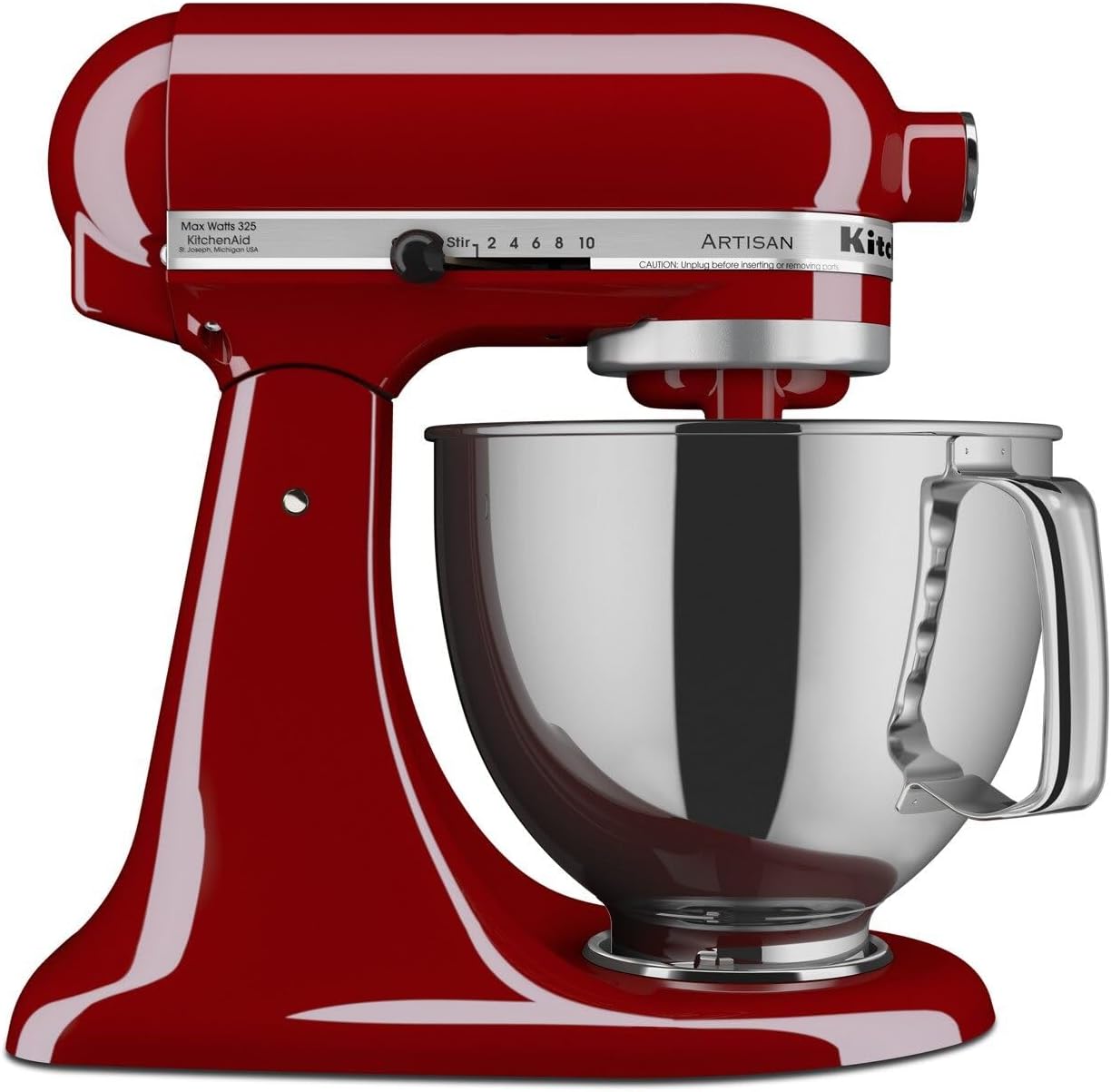
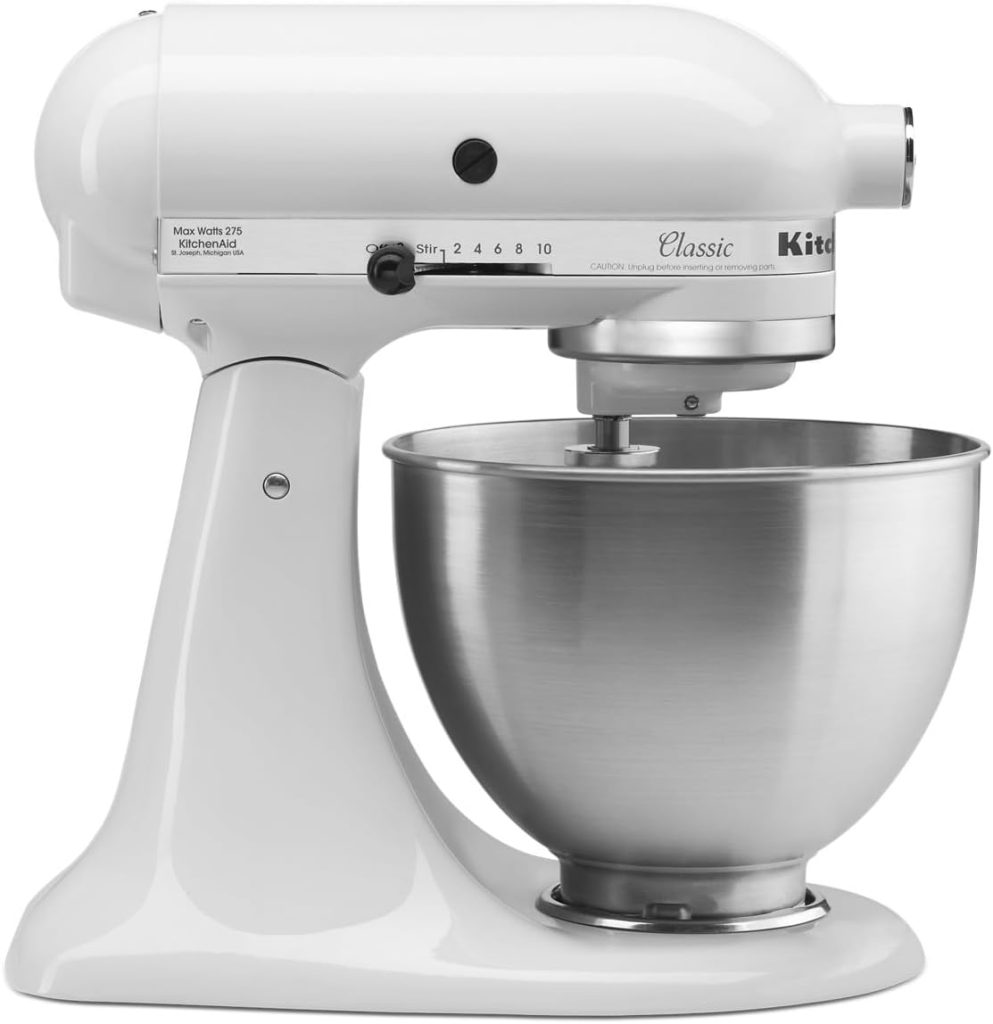
- Premium Tilt-Head: The KitchenAid Artisan 5 quart series is a prime example of this category. These mixers are known for their sturdy construction, wide array of colors, and extensive attachment options. They represent a significant investment, often chosen for perceived quality and kitchen aesthetics.
- Heavy-Duty Bowl-Lift: This tier encompasses more robust machines, including professional stand mixer versions of KitchenAid and models from brands like Bosch. They are built for serious bakers tackling multiple loaves of dense sourdough or high-volume baking.
Scenario-Specific Choices for Your Kitchen
Your ideal stand mixer isn’t just about technical specs; it’s about how the appliance integrates into your life and kitchen.
The Occasional Baker: Don’t Overbuy
If you only bake a few times a year for special occasions, do you really need a top-tier professional stand mixer? Probably not. An entry-level or budget alternative to KitchenAid mixer will likely serve your needs perfectly well. These more affordable models can handle cake batters and lighter cookie doughs without issue, allowing you to enjoy the convenience of a mixer without a hefty investment. Don’t feel pressured to buy the largest or most powerful machine if your usage won’t justify it.
The Dedicated Bread Maker: Embrace Specialized Features
For those passionate about baking bread, from rustic boules to soft sandwich loaves, features like the VIVOHOME Stand Mixer with Dough Proofing become incredibly valuable. The ability to mix and then proof your dough in the same bowl, under optimal conditions, saves time and enhances consistency. This integrated approach can make your bread-making process much smoother and more reliable, reducing variables that often lead to inconsistent results. It’s a game-changer for serious home bakers focused on yeasted goods.
Kitchen Space & Aesthetics: Balancing Form and Function
Does your kitchen have generous counter space, or are you working with limited square footage? A large 6-quart tilt head stand mixer like the VIVOHOME will demand its fair share of prime real estate. If your counter space is tight, a more compact model might be a better fit, even if it means slightly less capacity. Beyond pure function, aesthetics play a role for many. The best stand mixer color options can turn an appliance into a kitchen statement piece. While the VIVOHOME focuses on utility, brands like KitchenAid are renowned for their extensive color palettes. Consider how the mixer will look and fit into your kitchen’s overall design. Is it going to be a functional workhorse, or a decorative focal point?
Common Mistakes When Buying a Stand Mixer
Choosing a stand mixer can be tricky, and some common pitfalls can lead to buyer’s remorse. Avoid these missteps for a more satisfying purchase.
- Buying Based on Wattage Alone: As discussed, raw wattage doesn’t equal kneading power. Many consumers overlook the importance of motor type, gear quality, and torque. A high-wattage mixer with plastic gears for a low price might disappoint when faced with stiff bagel dough.
- Underestimating Counter and Storage Space: These appliances are substantial. Many people buy a large capacity mixer without truly considering where it will live or how much vertical clearance it needs, especially a tilt head stand mixer when its head is up.
- Overbuying Capacity for Occasional Use: If you only bake a few times a year, a 6-quart or 7-quart mixer is likely overkill. A smaller 4.5 or stand mixer 5 quart might be more manageable, less expensive, and perfectly adequate for light, infrequent tasks.
- Ignoring Attachment Hub Compatibility: If you envision making homemade pasta or grinding your own meat, check that your chosen mixer’s attachment hub is compatible with the accessories you desire. Some budget models have proprietary systems or limited attachment options.
- Neglecting Specific Needs (Like Dough Proofing): If you’re a dedicated bread baker, overlooking a specialized feature like the VIVOHOME’s integrated dough proofing function means missing out on significant convenience and improved results. Don’t settle for a generic model if your passion lies in a specific area of baking.
Why Consider a Stand Mixer with Dough Proofing?
For anyone serious about bread, a mixer with a proofing function, such as the VIVOHOME, streamlines the entire process. It provides a consistently warm, controlled environment right in the mixing bowl, which is essential for activating yeast and achieving a proper rise. This eliminates the need for improvised methods, reducing uncertainty and leading to more reliably great bread every time. It’s about precision and convenience for the dedicated baker.
How Does a Tilt-Head Stand Mixer Compare to a Bowl-Lift for Daily Use?
A tilt head stand mixer is generally more convenient for everyday tasks, offering easier access to the bowl to add ingredients, scrape sides, or remove attachments. This is often preferred by home bakers for its user-friendliness. Bowl-lift models, however, are typically more stable and robust for heavy, continuous use, making them a better choice for very stiff doughs or commercial quantities, though they can be less convenient to operate for smaller jobs.
What Capacity Stand Mixer Do I Really Need for Home Baking?
The capacity you need depends entirely on your typical batch sizes and household. A stand mixer 5 quart is versatile for most families, handling standard cookie recipes and loaves of bread. If you frequently bake for larger gatherings, make multiple batches, or knead very dense bread dough, a 6-quart or 7-quart model would be a more suitable choice. Don’t automatically opt for the largest model; consider what you genuinely bake.
Frequently Asked Questions About Stand Mixers
Is a KitchenAid stand mixer worth it, or is it overpriced?
The debate around is KitchenAid mixer overpriced is a common one. On one hand, many bakers consider the KitchenAid stand mixer worth it due to its reputation for durability, extensive attachment ecosystem, high resale value, and iconic design with a vast array of best stand mixer color options. These machines are often seen as a decade-plus investment for weekly bakers. On the other hand, a premium price means you’re paying for brand legacy and aesthetics, and many budget alternative to KitchenAid mixer options, like Hamilton Beach stand mixer vs KitchenAid, offer comparable basic mixing power at a significantly lower cost. For occasional bakers, the premium might not justify the use.
What’s the real difference between wattage and motor power in an electric stand mixer?
Wattage measures the electrical input to the motor, but it’s not the sole indicator of power for an electric stand mixer. True mixing power, especially for dense doughs, relies more on torque – the twisting force delivered to the attachments. High-quality gearing and motor design contribute significantly to torque, meaning a mixer with moderate wattage but superior internal components can often outperform a higher-wattage unit with less robust engineering.
Can a 6-quart tilt head stand mixer handle heavy doughs?
A 6-quart tilt head stand mixer like the VIVOHOME can handle most heavy doughs for home baking, including many bread recipes. However, the tilt-head mechanism, while convenient, might exhibit more movement than a bowl-lift design when kneading extremely stiff or large batches of dough. For truly massive quantities or very high-hydration, sticky doughs, a heavy-duty bowl-lift professional stand mixer is generally more stable.
Do I need a stand mixer with attachments right away?
Not necessarily. Most stand mixer with attachments come with the essential paddle, whisk, and dough hook, which are sufficient for most baking needs. Specialized attachments like pasta makers or meat grinders are add-ons. You can always purchase these accessories later as your baking interests evolve, so don’t feel obligated to buy a mixer purely for attachments you might never use.
How do I clean and maintain my stand mixer?
Cleaning a stand mixer typically involves wiping down the head and base with a damp cloth. Bowls and attachments are often dishwasher-safe, but always check your model’s manual to confirm. For maintenance, ensure the attachment hub stays clean and occasionally check for any food debris. Proper storage, away from dust and spills, will help prolong its life.
Are there good budget alternatives to KitchenAid mixers?
Absolutely. Many brands offer reliable stand mixer options that serve as effective budget alternative to KitchenAid mixer. Brands like Hamilton Beach, Cuisinart, and Cosori provide models with decent power and capacity, often at a fraction of the cost. While they might lack some premium features, aesthetic options, or the sheer number of attachment choices, they’re perfectly capable for everyday home baking.
What features should I look for in a stand mixer for beginner bakers?
For a stand mixer for beginner bakers, prioritize ease of use, sufficient capacity (a stand mixer 5 quart is often perfect), and a reliable motor for basic tasks. A tilt head stand mixer can be more user-friendly for beginners due to easy bowl access. Don’t overspend on a professional stand mixer with features you won’t use. Focus on simple controls and a sturdy build that will encourage you to bake more.
Final Recommendation
Choosing your next stand mixer boils down to balancing your budget, baking frequency, and specific needs. If you’re an occasional baker, a mid-range tilt head stand mixer will likely serve you well without overspending. However, for dedicated bread enthusiasts who frequently work with yeasted doughs, the VIVOHOME Stand Mixer with Dough Proofing, 6-Quart Tilt-Head offers a compelling, specialized advantage. Its integrated proofing function directly addresses a critical step in bread making, making it a highly practical choice for those who demand precision and convenience in their dough preparation.
#VIVOHOME #Stand #Mixer #Dough #Proofing #6Quart #TiltHead