Choosing Your Next Stand Mixer: A Guide for Every Baker, from Home Enthusiast to Commercial Kitchen
Selecting the right stand mixer can feel like a daunting task, whether you’re a new baker just starting out or a seasoned professional scaling up production. This comprehensive guide, informed by years of hands-on experience helping customers navigate the myriad options, aims to demystify the process. We’ll explore everything from compact home machines to heavy-duty models like the VEVOR 15Qt Commercial Food Mixer Timing Function 500W, ensuring you make an informed decision that perfectly suits your needs. This guide reviews the VEVOR commercial mixer, a 15Qt 500W model with timer for large batches.
Quick Answer
The best stand mixer for you hinges entirely on your baking frequency, batch sizes, and the types of dough you’ll tackle. For most home bakers, a 5- to 7-quart capacity electric stand mixer with a robust motor offers an excellent balance of power and versatility. Commercial-grade machines, such as the VEVOR 15Qt Commercial Food Mixer Timing Function 500W, are specifically designed for continuous, large-volume tasks, making them overkill for casual use but indispensable for professional settings or extremely large-scale production.
VEVOR Commercial Mixer: Buying Guide
Buying a stand mixer involves more than just picking a pretty color. Realizing what genuinely matters saves you from future frustration. Consider these critical factors.
Capacity (Quarts): Size Up Your Baking Habits
Mixer capacity, typically measured in quarts, is perhaps the most immediate differentiator. Most home bakers find a stand mixer 5 quart to be sufficient for everyday recipes, like a batch of cookies, a standard cake, or a couple loaves of bread. This size, epitomized by models like the KitchenAid Artisan 5 quart, generally handles ingredients for a family of four to six.
What happens when you need more? Moving to a 6- or 7-quart model offers a noticeable jump, allowing for larger double batches without overflow. Then there’s the realm of professional equipment. A professional stand mixer like the VEVOR 15Qt Commercial Food Mixer Timing Function 500W boasts an impressive 15-quart capacity. That’s a significant leap, designed to handle immense quantities of dough or batter – think bakery-level production, not your average Sunday brunch. While such a large capacity means less frequent mixing for big jobs, it also demands considerable counter space and storage, which isn’t practical for most residential kitchens.
Motor Wattage and Torque: Power Where It Counts
Many shoppers fixate on wattage, believing a higher number always equals a better mixer. This isn’t entirely true. While wattage indicates the power consumed, torque is the force that actually turns the mixer attachments, especially crucial when kneading stiff doughs. A 500W motor in a budget home mixer might struggle with dense bread dough, whereas the 500W motor in the VEVOR 15Qt Commercial Food Mixer Timing Function is engineered for continuous, heavy-duty work.
The difference lies in the motor type and gear assembly. Commercial mixers often employ heavy-duty AC motors and robust all-metal gears designed for maximum torque transmission and durability, even under constant strain. Many premium home electric stand mixer models also feature direct-drive motors and sturdy gearing, ensuring effective power delivery. Cheaper alternatives sometimes use smaller motors and plastic gears, which can wear out quickly when faced with demanding tasks. Don’t just look at the wattage; consider the mixer’s overall construction and intended use. A powerful motor won’t compensate for weak gears.
Mechanism: Tilt-Head vs. Bowl-Lift
The two primary designs for stand mixer models are tilt-head stand mixer and bowl-lift.
Tilt-head stand mixer designs are common in smaller capacities, typically up to 7 quarts. With these, the motor head tilts back, allowing easy access to the bowl and attachments. They’re generally simpler to use, easier to add ingredients, and often come in a wider array of best stand mixer color options, making them popular for home kitchens. Their trade-off? The tilting mechanism can be less stable under very heavy loads, and they require vertical clearance above the machine to open.
Bowl-lift models, on the other hand, feature a fixed head, with the bowl securely locked into place and then raised into position by a lever. This design provides superior stability and strength, making them the preferred choice for larger capacities and heavy doughs. The VEVOR 15Qt Commercial Food Mixer Timing Function 500W will invariably be a bowl-lift design due to its sheer size and the weight of the ingredients it handles. Bowl-lift models typically have a more industrial aesthetic and require less overhead clearance, but they can be a bit trickier to scrape down the bowl or add ingredients mid-mix.
Attachment Hub Compatibility: Expanding Your Kitchen
Most stand mixer with attachments offer a standard power hub on the front, allowing for a wide range of accessories like pasta makers, meat grinders, and vegetable slicers. KitchenAid, for instance, has a famously broad ecosystem of compatible attachments that fit across many of their models. This versatility adds significant value to a kitchen stand mixer, transforming it into a multi-purpose appliance.
However, not all attachment hubs are created equal. Commercial mixers, like the VEVOR 15Qt, often have their own proprietary or industry-standard attachment systems designed for high-volume, continuous use. These attachments might not be interchangeable with home mixer brands. Always check compatibility if you plan to invest in additional accessories. Some budget mixers also have limited or no attachment hub options, which is a trade-off for their lower cost.
Build Materials and Durability: An Investment That Lasts
The materials used in a stand mixer directly impact its longevity and performance. High-quality machines feature durable all-metal construction, including the housing, gears, and attachments. This robust build contributes to the mixer’s stability, reduces vibration, and extends its lifespan, especially under heavy use. Commercial-grade mixers, such as the VEVOR 15Qt Commercial Food Mixer Timing Function 500W, are built like tanks, designed to withstand the rigors of a busy commercial kitchen, often with cast iron or heavy-gauge stainless steel components.
On the flip side, many budget-friendly mixers utilize plastic housing and internal components. While these can be perfectly adequate for occasional, light-duty baking, they may not stand up to frequent or heavy dough kneading without showing signs of wear. A trade-off often exists between initial cost and long-term durability.
Counter Footprint and Storage: More Than Just the Mixer Itself
A stand mixer is a significant appliance, and its physical dimensions are a critical consideration. Even a stand mixer 5 quart model requires dedicated counter space and sufficient clearance under overhead cabinets. A bowl-lift machine might be taller, while a tilt-head needs room to open.
The footprint becomes an even more prominent concern with larger models. The VEVOR 15Qt Commercial Food Mixer Timing Function 500W, with its substantial 15-quart capacity, will demand considerable counter space, likely a dedicated spot, and is far too heavy and bulky for easy storage in a cabinet. Before purchasing, measure your available counter space and consider where you’ll store the machine if it’s not a permanent fixture. Don’t forget to account for any attachments you might also want to keep nearby.
Matching a Stand Mixer to Your Baking Situation
Your baking habits dictate the kind of machine you truly need. Are you whipping up light batters or kneading dense bread doughs? How often do you bake? These questions are key.
Stand Mixer Tiers: From Occasional Baker to Professional Production
Here’s a look at different mixer types, helping you gauge which one aligns with your baking ambitions.
| Type | Best For | Price Tier | Key Feature | Watch-Out |
|---|---|---|---|---|
| Budget Home Mixer | Occasional, light baking | Entry-level | Compact, easy storage | Limited power, less durable |
| Mid-Range Home Mixer | Regular home baking, varied tasks | Mid-range | Versatile, good capacity | May struggle with very heavy doughs |
| Premium Home Mixer | Dedicated home bakers, frequent use | Premium | Durable, powerful, attachment-rich | Higher cost, can be bulky |
| Commercial/Heavy Duty Mixer | Small businesses, large-scale production | Professional | Unmatched durability, high capacity | Huge footprint, specialized use |
- Budget Home Mixer: These models, often from brands like Hamilton Beach or Cosori, are ideal for those who bake a few times a month, sticking to lighter batters or occasional cookie dough. They offer a low entry point but typically have less powerful motors and are not designed for intensive, continuous use.
- Mid-Range Home Mixer: Brands like Cuisinart or entry-level KitchenAid models fit here. They’re a solid choice for the regular home baker tackling a variety of recipes, from cakes to moderate amounts of bread dough. They strike a good balance between price and performance, offering better durability than budget options.
- Premium Home Mixer: This tier includes workhorses like the KitchenAid Artisan 5 quart or Pro Line models. They’re built for frequent, demanding use, offering robust motors, all-metal gears, and access to a wide array of attachments. They represent a significant investment but are designed to last for decades with proper care.
- Commercial/Heavy Duty Mixer: This is where the VEVOR 15Qt Commercial Food Mixer Timing Function 500W stands out. These machines are engineered for continuous, high-volume production in bakeries, restaurants, or large catering operations. They offer immense capacity, extreme durability, and powerful motors designed for non-stop work, making them a specialized tool for serious production.
Is the KitchenAid Stand Mixer Worth It? A Value Debate
The question, “Is a KitchenAid stand mixer worth it?” is a common one, sparking lively debate among bakers. On one side, proponents point to KitchenAid’s storied reputation for durability, iconic design, extensive range of best stand mixer color options, and the vast ecosystem of stand mixer with attachments. Owners often report that their machines last for many years, even decades, and maintain strong resale value. For many, the consistent performance and reliability of a KitchenAid, such as the Artisan series, justifies its premium price. It becomes a central fixture in the kitchen, not just an appliance.
Conversely, some argue, “Is KitchenAid mixer overpriced?” when compared to alternatives that offer similar wattage or capacity at a lower price point. While KitchenAid’s build quality is generally high, budget-conscious bakers might find a budget alternative to KitchenAid mixer from brands like Hamilton Beach or Cuisinart to be sufficient for their needs, especially if they only bake occasionally. Even some commercial-style mixers, while more expensive than a KitchenAid, offer a different value proposition in terms of raw power and capacity, presenting a different scale entirely for comparison. The decision often comes down to individual priorities: a preference for a long-lasting, versatile, and aesthetically pleasing appliance versus a focus on cost-effectiveness for specific tasks.
Choosing for Specific Scenarios
Your personal baking journey dictates which mixer will truly serve you.
The Beginner Baker’s First Machine
Starting your baking adventure is exciting, and a stand mixer for beginner bakers can certainly streamline the process. For new bakers, simplicity and ease of use are key. You don’t need the industrial might of a VEVOR 15Qt Commercial Food Mixer Timing Function 500W for your first few batches of cookies or a simple cake. A 4.5- to 5-quart tilt head stand mixer is usually the ideal starting point. Look for reliable brands in the mid-range price tier that offer a good warranty and perhaps a few basic attachments. The goal is to avoid overspending on features you won’t use while ensuring the machine is robust enough to handle common recipes without frustration. A stand mixer with pouring shield can also be a sanity-saver for beginners, preventing flour clouds and splatters.
The Dedicated Weekly Baker
If you find yourself baking several times a week, tackling everything from sourdough bread to elaborate desserts, your needs shift towards durability and consistent performance. A premium home mixer, like a 5- to 7-quart KitchenAid Professional or a similar model from Cuisinart, becomes a more appropriate choice. These machines are built for regular, sustained use, offering powerful motors and robust construction that stand up to tougher doughs. You’ll appreciate the faster mixing times and the ability to handle larger recipes without straining the motor. This level of baker also benefits greatly from the wider range of stand mixer with attachments to expand their culinary repertoire.
The Small Business/Heavy-Duty User
For those running a home-based cottage bakery, a small café, or anyone consistently making very large batches, even a top-tier home kitchen stand mixer might eventually hit its limits. This is precisely where a professional stand mixer steps in. A machine like the VEVOR 15Qt Commercial Food Mixer Timing Function 500W is designed for high-volume, continuous work. Its 15-quart capacity means less time spent on multiple batches, while its industrial-grade motor and construction ensure it can knead heavy doughs for hours on end without overheating. The “Timing Function” on the VEVOR model is particularly beneficial in a commercial setting, allowing for consistent mixing cycles crucial for product uniformity. This isn’t just an appliance; it’s a production tool.
Common Mistakes Buyers Make
Even experienced shoppers can fall into traps when choosing a stand mixer. Sidestep these common missteps.

One frequent error is buying based solely on advertised wattage. As discussed, a 500W commercial motor (like that of the VEVOR 15Qt) performs very differently from a 500W home-grade motor due to variations in motor type, gearing, and overall construction. Focus on torque, build quality, and user reviews for specific tasks rather than just the number on the box.
Another oversight is underestimating the required counter and storage space. A stand mixer, especially a larger 7-quart model or a commercial behemoth like the 15-quart VEVOR, demands a significant footprint. Many bakers get excited about a powerful new machine only to find it doesn’t fit comfortably under their cabinets or monopolizes too much precious counter space. Measure twice, buy once.
Many buyers also overbuy capacity for occasional baking. If you only bake for a small household a few times a year, investing in a large, expensive 7-quart electric stand mixer or a professional 15-quart model is often unnecessary. You might find a smaller, more affordable machine perfectly adequate, saving you money and counter space. A too-large bowl can also struggle with small quantities, as the whisk attachment might not reach the ingredients effectively.
Finally, some customers ignore attachment hub compatibility until after the purchase. They assume all attachments are universal, only to discover their chosen stand mixer with attachments from one brand won’t fit the hub of another. If specific accessories are on your wish list, verify compatibility before committing to a mixer brand and model.
Why Invest in a Stand Mixer for Baking?
Why bother with a stand mixer for baking when handheld models exist? The primary reason is efficiency and convenience. A stand mixer frees your hands, allowing you to gradually add ingredients, prepare other recipe components, or clean up as it works. For tasks like kneading bread dough or whipping egg whites to stiff peaks, a stand mixer delivers consistent, thorough results that are difficult and tiring to achieve by hand. It’s a significant upgrade for any baker looking to save time and effort.
How Does a Professional Stand Mixer Differ from a Home Model?
A professional stand mixer, exemplified by the VEVOR 15Qt Commercial Food Mixer Timing Function 500W, differs significantly from a home model in scale, construction, and intended use. Commercial mixers are built for continuous, heavy-duty operation, featuring larger capacities, more robust motors designed for torque and longevity, and all-metal gearing for industrial resilience. They prioritize raw power and efficiency over aesthetic appeal and compactness. Home mixers, conversely, balance performance with kitchen aesthetics and typically accommodate smaller batch sizes suitable for family use.
What Does “Timing Function” Mean on the VEVOR 15Qt Commercial Food Mixer Timing Function 500W?
The “Timing Function” on the VEVOR 15Qt Commercial Food Mixer Timing Function 500W refers to its ability to set a specific mixing duration. In a commercial setting, this is invaluable for consistency across batches. A baker can program the mixer to knead dough for exactly 8 minutes, for example, ensuring uniform texture and development every time. This feature reduces human error and ensures repeatable results, which is a critical aspect of commercial food production and quality control.
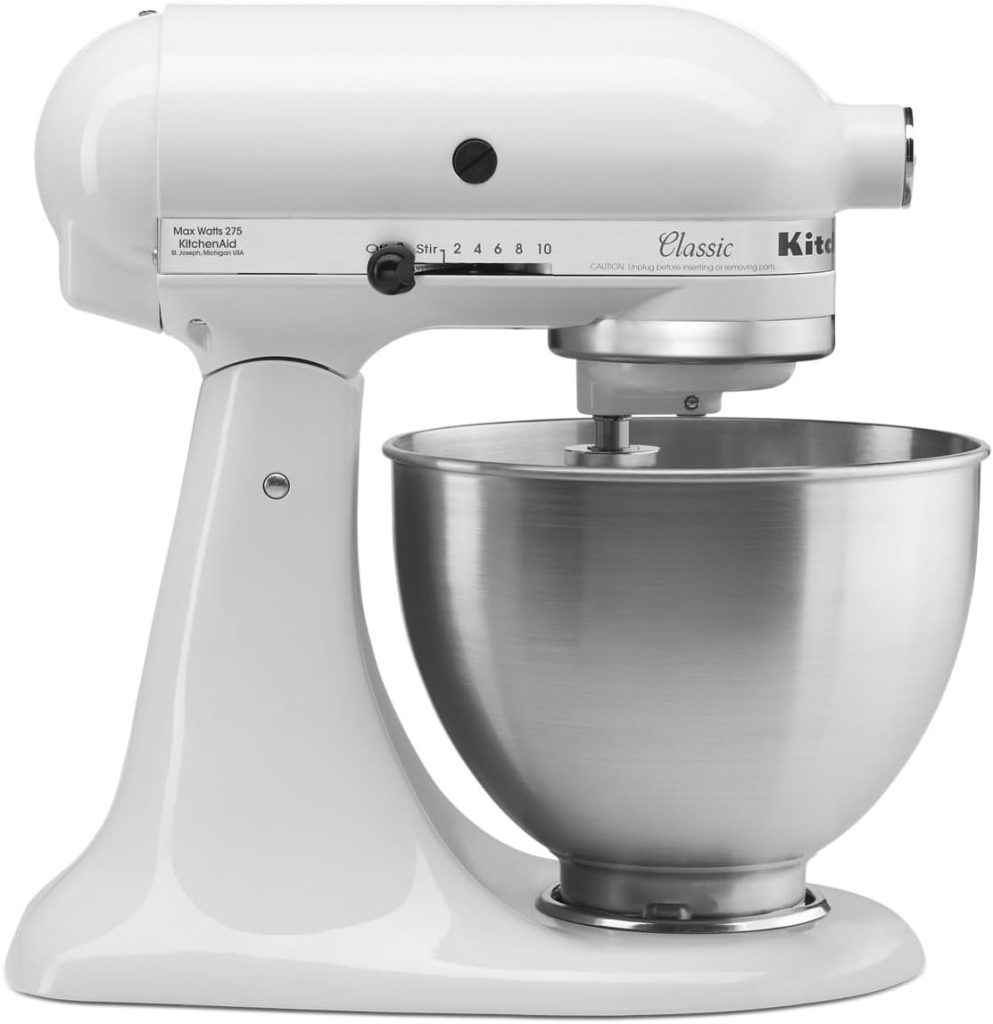
Keep reading: Is the KitchenAid Classic 4.5-Qt Tilt-Head Mixer Worth It? Review · Professional 10-Quart Stand Mixer with 60-Minute Timer: A Review
FAQ
What’s the difference between a tilt head stand mixer and a bowl lift model?
A tilt head stand mixer has a hinged head that tilts back for bowl access, common in smaller home models for ease of use. A bowl-lift mixer has a fixed head, with the bowl raised and lowered by a lever, offering greater stability and ideal for larger capacities and heavy doughs like those processed by a 15-quart unit.
How much wattage do I really need in an electric stand mixer?
For most home bakers, 300-500 watts is sufficient, provided the mixer has good gearing and construction. A 500W motor in a commercial-grade machine like the VEVOR 15Qt Commercial Food Mixer Timing Function 500W delivers significantly more practical power due to its industrial-grade components and torque-focused design, making direct wattage comparisons misleading.
Is a KitchenAid stand mixer worth it for light baking?
For light, occasional baking, a KitchenAid stand mixer worth it isn’t always clear-cut; a less expensive mid-range model might suffice. However, a KitchenAid offers exceptional durability and versatility with its attachment hub, making it a valuable long-term investment even if initial use is light.
Can I use a stand mixer with attachments from a different brand?
Generally, no. Most stand mixer with attachments are brand-specific. While some third-party manufacturers create accessories compatible with popular brands like KitchenAid, it’s rare for an attachment designed for, say, a Hamilton Beach mixer to fit a Cuisinart, or for home attachments to fit a commercial mixer like the VEVOR 15Qt.
What capacity stand mixer 5 quart is good for a family?
A stand mixer 5 quart capacity is considered ideal for most families of 4-6 people, easily handling standard recipes for cookies, cakes, or 2-3 loaves of bread. If you frequently bake double batches or very large quantities, a 6- or 7-quart model might be a better fit.
What should I look for in a budget alternative to KitchenAid mixer?
When seeking a budget alternative to KitchenAid mixer, prioritize mixers with sturdy all-metal gears (if possible at that price point), a decent wattage (300W+), and positive user feedback on durability, particularly with doughs. Brands like Hamilton Beach or Cosori offer compelling entry-level options for occasional bakers.
Are there specific considerations for a stand mixer gift for baker?
When choosing a stand mixer gift for baker, consider their current skill level, baking frequency, and available kitchen space. A tilt head stand mixer in a popular 5-quart size is often a safe choice for home bakers, offering versatility and appealing aesthetics. Avoid commercial models like the VEVOR 15Qt Commercial Food Mixer Timing Function 500W unless you’re certain they run a professional operation.
Final Recommendation
Choosing your stand mixer comes down to honest self-assessment of your baking habits. For the casual or developing home baker, a mid-range to premium 5- to 7-quart electric stand mixer will offer years of reliable service and versatility, often with a rich attachment ecosystem. These machines strike the best balance for daily kitchen tasks, providing both power and aesthetic appeal without overwhelming your space.
However, if you’re a serious commercial operator, baking in large volumes multiple times a day, then a professional stand mixer like the VEVOR 15Qt Commercial Food Mixer Timing Function 500W is the only logical choice. Its specialized capacity, robust construction, and dedicated features like the timing function are built for the demands of a business, where productivity and consistent results are paramount. Don’t underestimate its size and power; it’s a tool for a specific job, and it excels at it.
#VEVOR #15Qt #Commercial #Food #Mixer #Timing #Function #500W
Common Questions About the VEVOR 15Qt Commercial Stand Mixer
Is the VEVOR 15Qt commercial mixer worth it?
The VEVOR 15Qt Commercial Mixer with 500W motor and timer is built for genuine commercial volume — bakeries, catering, and small food businesses — not for typical home kitchens.
Fifteen quarts handles batch sizes that would stall or overflow any home mixer, and the timing function supports continuous production workflows. The trade-off is footprint: this machine demands serious counter space and is overkill for family baking.
Buy it when your batch sizes consistently exceed what a 6 to 7 quart mixer can handle; otherwise a smaller mixer is the smarter purchase.
What makes a commercial stand mixer different from a home mixer?
Commercial mixers use heavy-duty motors and robust all-metal gears designed for maximum torque transmission under constant strain — that is what separates them from home mixers, not just size.
While wattage indicates power consumed, torque is the force that actually turns the attachments through dense dough. A commercial AC motor with metal gearing maintains speed under loads that would overheat a home mixer.
For daily production kneading, this drivetrain durability is the whole value proposition.
Tilt-head or bowl-lift for a commercial mixer?
Choose bowl-lift for commercial and large-capacity mixers, and tilt-head for home mixers up to about 7 quarts — the mechanism follows the size.
Bowl-lift designs lock the bowl onto arms and raise it to a fixed head, providing the superior stability and strength that heavy, continuous dough work demands. Tilt-head designs are more convenient for home use but cannot match bowl-lift rigidity at scale.
At 15 quarts, bowl-lift is the only sensible engineering choice.
What size stand mixer do I need: home vs commercial?
For home bakers, 5 to 7 quarts covers everything from daily recipes to double batches; 15 quarts enters professional territory for bakeries and catering operations.
Moving from 5 to 6 or 7 quarts gives a noticeable jump for larger double batches without overflow. But commercial capacity only pays off when your production genuinely needs it — a 15-quart mixer used for home batches wastes space, power, and money.
Size the mixer to your real batch volumes, not your aspirations.
Does all-metal construction matter in a stand mixer?
High-quality machines use durable all-metal construction — housing, gears, and attachments — which contributes directly to longevity under heavy use.
Budget home mixers often use plastic housings and internal components that are fine for occasional light baking but will not stand up to frequent heavy dough kneading. Metal construction also damps vibration and dissipates heat better.
For a commercial mixer running daily, all-metal build is not a luxury — it is a requirement.