Quick answer: Buy faux pumpkins if you decorate early in October, want a reusable display, or have kids and pets around. Buy real pumpkins if carving jack-o’-lanterns is the tradition — and carve them only a few days before Halloween, because a carved pumpkin lasts just 3–5 days. Many decorators do both: faux pumpkins for the long season, one or two real ones for carving night.
Every October, the same question lands in front of the pumpkin display: grab the real thing, or buy the fake ones that promise to last forever? It’s a genuine buying decision, not just a style preference — the two options differ wildly in lifespan, cost over time, safety, and how much work they demand. Here’s the full comparison, so you can buy once and decorate with confidence.
How Long Does Each One Actually Last?
The short version: A carved real pumpkin lasts 3–5 days; an uncarved real pumpkin lasts weeks to months; a faux pumpkin lasts indefinitely if you store it indoors.
Lifespan is the single biggest difference between the two. Once you cut into a real pumpkin, the protective rind is broken and bacteria and fungi move in — most carved jack-o’-lanterns start to soften and mold within three to five days, stretching to about ten days in cool weather (sources: Taste of Home, Martha Stewart). Warm porches and direct sun speed it up dramatically; one orchard director advises not carving until October 30 if you want it pristine on the 31st.
Uncarved real pumpkins are a different story: kept cool and dry, a whole pumpkin can last two to three months, and agricultural extensions put some varieties at up to six months.
Faux pumpkins — foam, plastic, resin, or fabric-covered — don’t rot at all. They look the same on October 1 and October 31, and they go back in the box for next year.
| Pumpkin type | Typical display life | Best for |
|---|---|---|
| Real, carved | 3–5 days (up to ~10 in cool weather) | Carving night + Halloween week only |
| Real, uncarved/painted | Several weeks to months | Early-October decorating, porch displays |
| Faux (foam/plastic/resin) | Indefinite, reusable yearly | Whole-season decorating, indoor displays |
Which Costs Less in the End?
The short version: Real pumpkins are cheaper per piece up front; faux pumpkins are cheaper if you decorate every single year, because the cost spreads across many seasons.
A real pumpkin from a patch or grocery store is one of the cheapest seasonal decorations you can buy — which is exactly why families carve several. But if you decorate in early October, a carved real pumpkin won’t survive to the 31st, so you end up buying twice: once for the early display, once for carving week.
Faux pumpkins cost more per piece, especially in assorted-size sets — but a set you reuse for five Octobers effectively costs a fraction per season. The math only works if you actually store and reuse them, so buy styles neutral enough that you won’t be bored of them next year (classic white, natural orange, or simple rustic finishes age best).
Carving vs. No-Carve Decorating
The short version: Only real pumpkins give you the classic carving experience — but faux pumpkins win for everything else: painting, stenciling, stacking, and mess-free decorating with kids.
If carving jack-o’-lantern faces is the heart of your Halloween, nothing replaces a real pumpkin: the scoop, the seeds, the smell, the glow. No faux version quite reproduces it.
For every other decorating method, faux has the edge. Carvable foam pumpkins (sold by major retailers each fall) can be cut with standard carving kits and reused next year. Smooth faux surfaces take paint, markers, glitter glue, and stencils beautifully. And there’s no pulp, no seeds, and no slimy cleanup on the kitchen table.
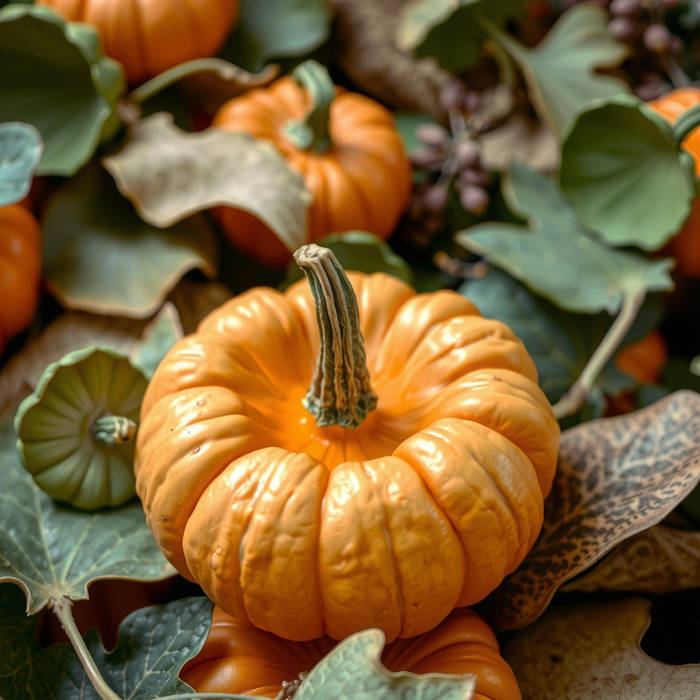
One decorating idea worth knowing: the Teal Pumpkin Project. Setting out a teal-painted pumpkin signals that your house offers allergy-friendly treats — a small, inclusive touch that has become a recognized Halloween tradition.
Our Pick for a Reusable Pumpkin Set: 12-Pc Assorted Rustic White Artificial Pumpkins
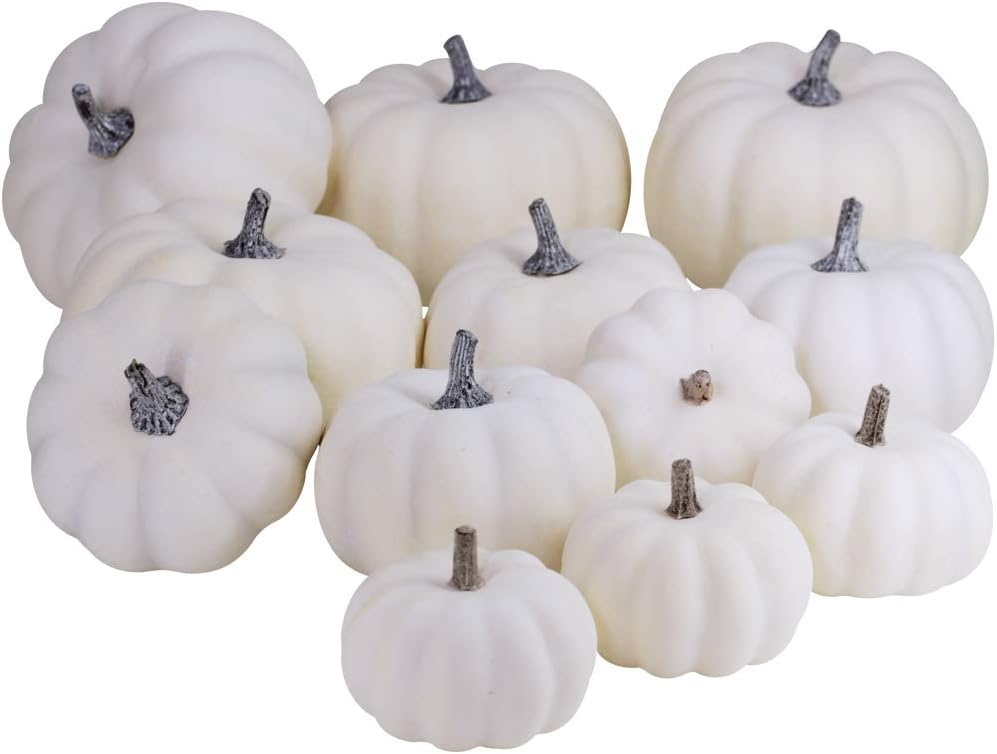
A 12-piece set of white artificial pumpkins in assorted sizes — the classic reusable base for Halloween through Thanksgiving displays. White faux pumpkins work with orange-and-black themes, pink Halloween palettes, and neutral farmhouse styles alike. Read our full review of the assorted white artificial pumpkins for details.
Which Is Safer Around Kids, Pets, and Porches?
The short version: Faux pumpkins are the safer pick — and whichever you choose, light it with LEDs, never a real candle.
Real carved pumpkins are traditionally lit with candles, and that’s the genuine safety gap: the National Fire Protection Association notes that candle-lit decorations contribute to house fires every year. A dry, carved pumpkin with an open flame on a porch is exactly the scenario to avoid.
LED tea lights and battery string lights solve it for both types — they run cool, can’t ignite dried pumpkin flesh or nearby fabric, and many have built-in timers. Faux pumpkins add two more safety advantages: no mold or rotting flesh (better for allergy-prone households and curious pets), and no slippery pumpkin guts on steps and floors.
Which Looks Better for Modern Halloween Styles?
The short version: Real pumpkins win on authentic texture; faux pumpkins win on color range — white, blush, black, and pastel finishes that real pumpkins can’t match.
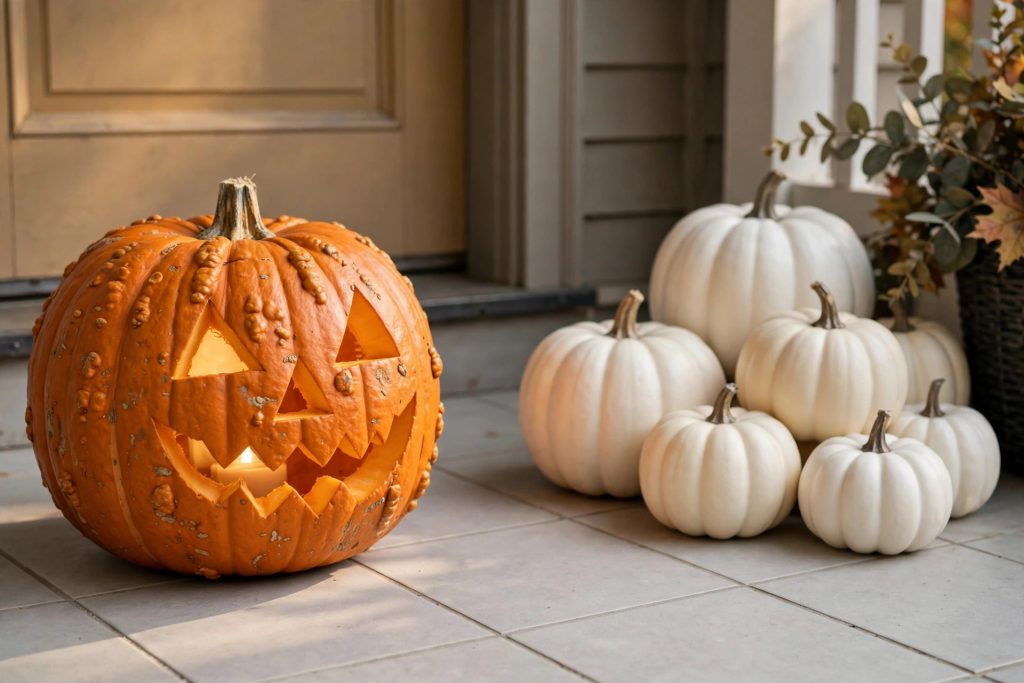
Up close, a real pumpkin’s rind — the warts, ridges, and color variation — still reads as more authentic than foam. For a traditional orange-and-black porch, real is hard to beat.
But modern Halloween has moved past orange-only. Faux pumpkins come in matte white, blush pink, black, metallics, and velvet-covered finishes that slot straight into current trends: pink Halloween tablescapes, dark-academia mantels, and neutral farmhouse fall decor. A cluster of white faux pumpkins with one blush velvet pumpkin is the shortcut to the soft, romantic Halloween look all over social feeds this year — no dyeing or painting required.
Honest caveat: cheap faux pumpkins can look plasticky in bright daylight. They fool the eye best in porch shade or evening light, grouped with real foliage.
Which Is More Sustainable?
The short version: Real pumpkins are compostable; faux pumpkins are reusable — the greener choice depends on what you actually do with them.
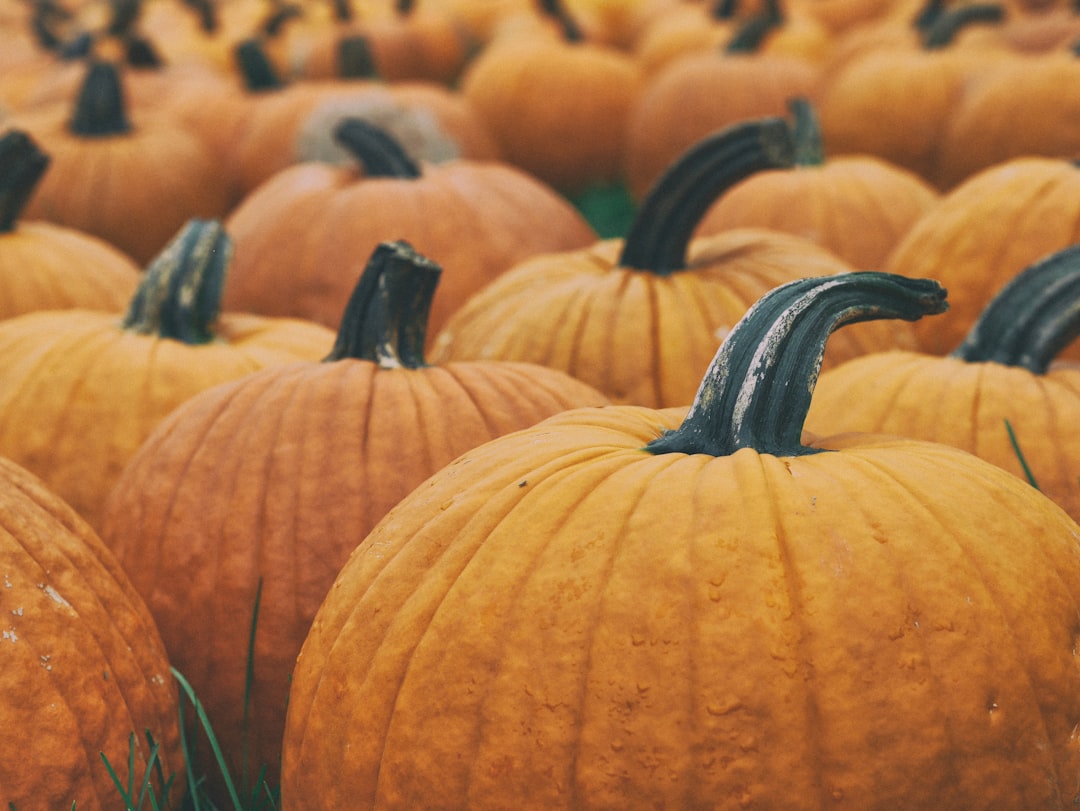
A real pumpkin’s end of life is clean: compost it, and it returns to the soil. Many cities run post-Halloween pumpkin compost drop-offs. That’s a genuine environmental plus over single-use plastic decor.
A faux pumpkin’s green credential is reuse. One foam pumpkin used for eight Halloweens displaces eight real pumpkins’ worth of growing, transport, and waste — but only if it actually survives storage. A faux pumpkin bought, used once, and landfilled is the worst of both worlds. Buy it only if you’ll commit to several seasons.
The Verdict: Which Should You Buy?
The short version: Buy faux for the season, real for carving night — and match the choice to your household.
- Decorating October 1–15: Faux. Anything carved now will be mush by Halloween.
- Carving jack-o’-lanterns with the family: Real — buy them the week of Halloween and carve within a few days of the 31st.
- Kids, pets, or allergies in the house: Faux, lit with LEDs. No mold, no flames, no mess.
- Renters or small storage: A compact set of small faux pumpkins beats a garage full of rotting gourds.
- Budget decorating every year: A neutral faux set amortizes to nearly nothing per season.
- The classic Halloween purist: Real pumpkins, painted early in the month, carved on the 30th.
The most common winning strategy is the hybrid: a reusable faux pumpkin base for the whole month — porch, mantel, and dining table — plus one or two real pumpkins bought late for the carving tradition. You get the long season and the real jack-o’-lantern glow, without buying pumpkins twice.
Frequently Asked Questions
Can you carve fake pumpkins?
Yes — carvable foam pumpkins are sold every fall and cut with standard pumpkin carving kits. They’re denser than real pumpkin flesh, so they suit teen and adult carvers better than small children, who can decorate them with paint or stickers instead.
Do faux pumpkins look real?
Good ones do at normal viewing distance, especially in evening or porch-shade light. Up close in bright sun, foam texture can give them away — grouping them with real leaves, moss, or eucalyptus closes the gap.
Can faux pumpkins stay outside all October?
Most can handle a covered porch fine. In heavy rain or strong sun, bring them in or place them under cover — UV fades colors over seasons, and standing water can seep into hollow foam types.
How do you store artificial pumpkins?
Wipe them clean, let them dry fully, and store indoors in a rigid box or bag with tissue between pieces. Attics that bake in summer heat can warp cheap foam — a closet or basement shelf is safer.
How long before Halloween should I buy real pumpkins?
Buy uncarved pumpkins two to three weeks ahead for the best selection, display them whole or painted, and carve just a few days before the 31st — carved pumpkins last only 3–5 days.
The Bottom Line
Real pumpkins give you the carving ritual and authentic texture, but only for a few days. Faux pumpkins give you the whole month — and the next five Octobers — with zero rot and zero flames. Buy the faux set for the season, the real pumpkins for carving week, and put your decorating energy into the display itself: your front porch, yard, windows, and living room guides all build on the same pumpkins.
Common Questions About Real vs Faux Pumpkins
Should I buy real or fake pumpkins for Halloween?
Buy real pumpkins if carving jack-o'-lanterns is the heart of your Halloween, and buy faux pumpkins if you want decorations that look perfect all October and store for next year.
Real pumpkins win on authentic texture and the classic carving experience — the scoop, the seeds, the glow. Faux pumpkins win on longevity, color range (white, blush, black, metallics, velvet), and mess-free decorating with kids.
Many decorators mix both: real for the porch carving ritual, faux for the reusable tablescape.
How long do real vs fake pumpkins last?
A carved real pumpkin lasts 3 to 5 days before softening and molding; an uncarved real pumpkin kept cool and dry lasts weeks to months; a faux pumpkin lasts indefinitely stored indoors.
Once you cut into a real pumpkin, bacteria and fungi move in fast. Uncarved pumpkins are a different story — some varieties keep up to six months per agricultural extensions. Foam, plastic, resin, or fabric faux pumpkins look the same on October 1 and October 31.
If you decorate in early October, carve close to Halloween or go faux.
Are fake pumpkins cheaper than real pumpkins in the long run?
Real pumpkins are cheaper per piece up front, but faux pumpkins are cheaper if you decorate every year, because the cost spreads across many seasons.
A real pumpkin from a patch or grocery store is one of the cheapest seasonal decorations you can buy — which is why families carve several. A faux set costs more per piece, but a set reused for five Octobers costs a fraction per season.
The faux math only works if you actually store and reuse them, so buy styles you will love for years.
Are fake pumpkins safer than real ones?
Faux pumpkins are the safer pick around kids, pets, and porches — and whichever you choose, light it with LEDs, never a real candle.
Real carved pumpkins are traditionally candle-lit, and that is the genuine safety gap: candle-lit decorations contribute to house fires every year. LED tea lights and battery string lights run cool, cannot ignite dried pumpkin flesh or nearby fabric, and many have built-in timers.
Faux adds two more advantages: no mold or rot, and no attracting pests.
Can you carve fake pumpkins?
Only real pumpkins give you the classic carving experience, but faux pumpkins win for everything else: painting, stenciling, stacking, and mess-free decorating with kids.
Carvable foam pumpkins sold each fall cut cleanly with standard carving kits and can be reused next year. Smooth faux surfaces take paint, markers, and glitter beautifully. One idea worth knowing: the Teal Pumpkin Project — a teal-painted pumpkin signals your house offers allergy-friendly treats.
Carve real for tradition; craft faux for creativity.