Fellow Stagg EKG Review: Is This Gooseneck Kettle Worth the Hype?
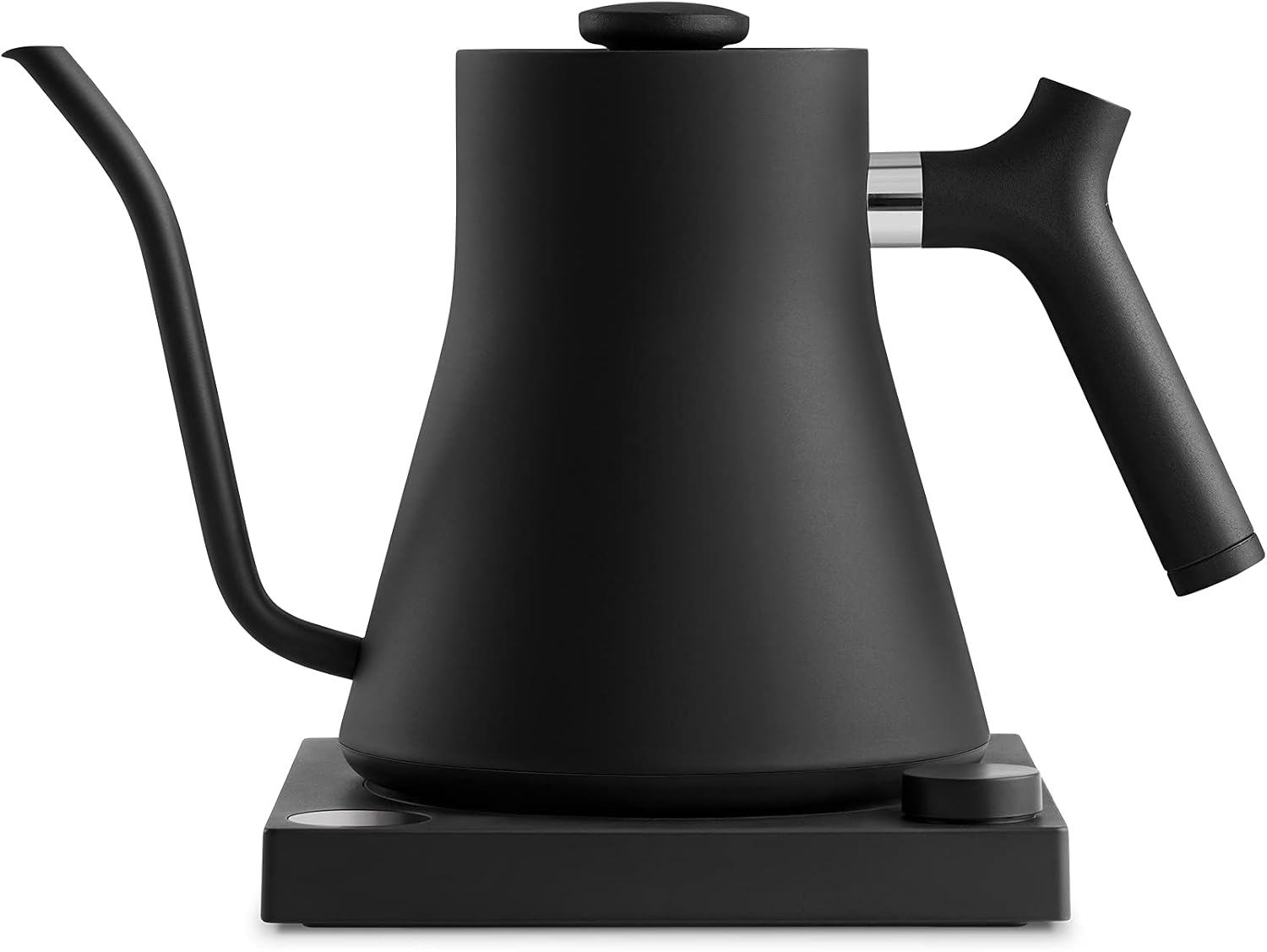
Pour-over coffee turned the humble kettle into a precision instrument. Where a regular kettle just boils, a gooseneck pours — slowly, deliberately, exactly where you want the water. The Fellow Stagg EKG is the design icon of that world: matte black, counterbalanced handle, a spout shaped like a bird’s beak. But icons charge icon prices. This guide covers what actually matters in a gooseneck kettle, who the EKG is really for, and how it stacks up against the budget-friendly COSORI and the variable-temp Breville.
Quick Answer
Related reading: Pour-over isn’t for everyone — our Keurig K-Express review covers the push-button alternative for busy mornings. If you want to go deeper into coffee, our Breville Bambino Plus review is the natural next step up from kettle brewing. Keep that precisely heated water hot — our Ember Smart Mug 2 review looks at temperature-controlled drinking.
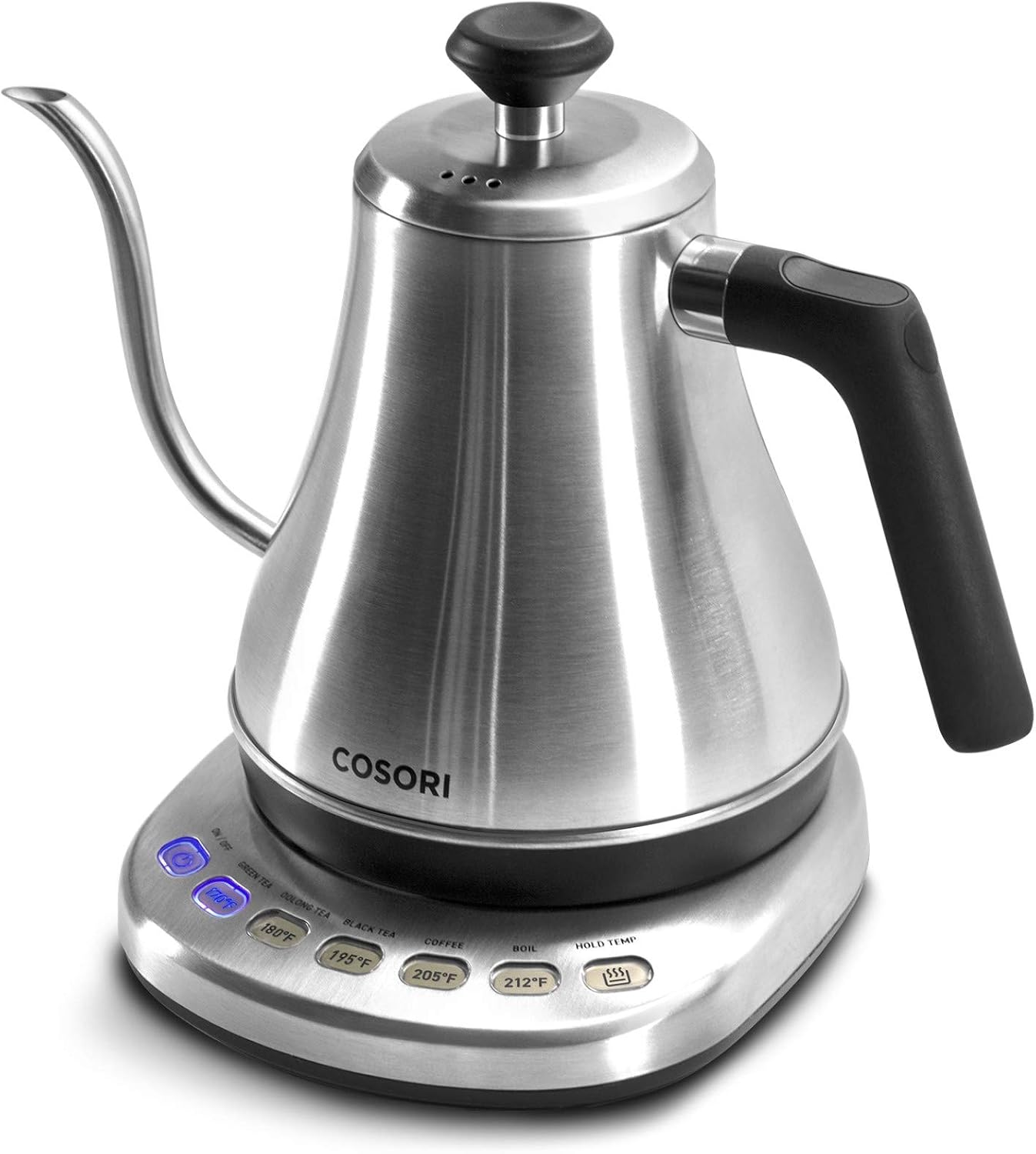
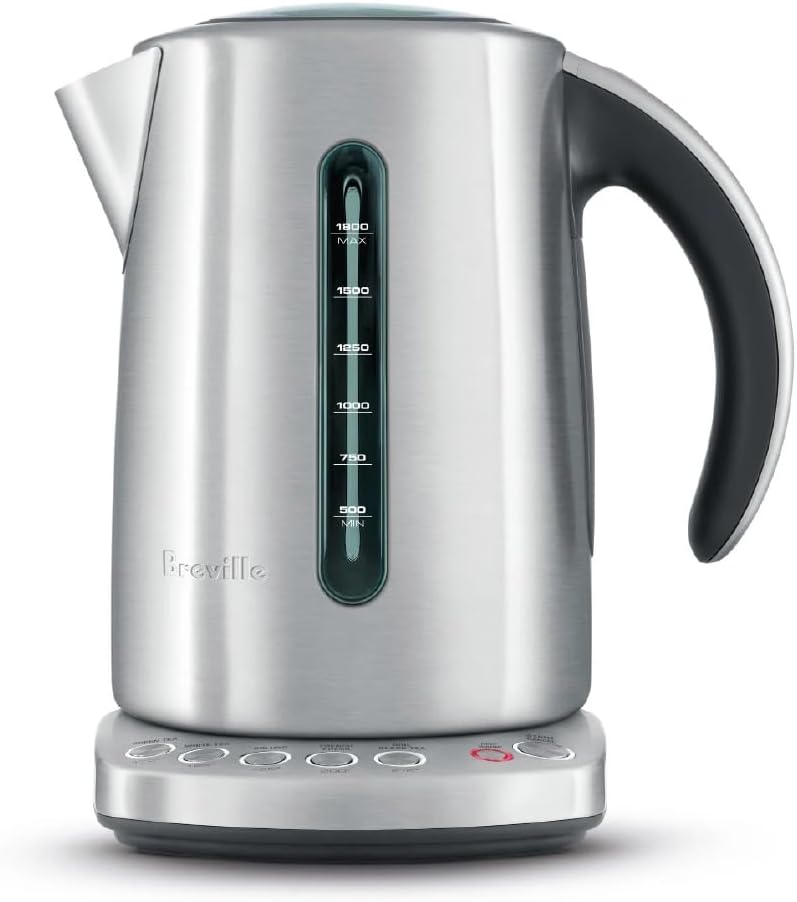
The Stagg EKG is the pour-over enthusiast’s kettle: superb pour control, precise temperature, and looks that earn counter space. It costs a premium. The COSORI gives you temperature control and a gooseneck spout for less with a smaller 0.8L capacity; the Breville suits tea and general use with more capacity but no gooseneck.
Compare Top Gooseneck Kettles
Three proven picks side by side — choose the one that fits your brew.
Breville BKE820XL IQ Kettle
Variable temp · larger capacity · classic spout
Prices and availability may vary — tap any product to check the current listing.
What to Look For When Buying a Gooseneck Kettle
Gooseneck kettles look like sculpture, but every curve is functional. Here’s what separates the icons from the imitations.
Spout design and pour control
This is the whole game. A true gooseneck — thin, curved, precision tip — lets you pour a slow, steady spiral, controlling flow with small wrist movements. A regular spout gushes. The EKG’s spout is the reference: weighted and balanced so the stream stays predictable as the kettle empties. The COSORI pours well for its price, slightly less refined. The Breville has no gooseneck at all — a classic spout built for filling teapots fast. If pour-over is your method, the spout decides everything.
Temperature control and hold
Variable temperature matters more than beginners expect. Coffee extracts well just off the boil; delicate green teas want water far cooler. A kettle that hits an exact temperature — and holds it while you prep — removes a variable you’d otherwise guess at. All three here offer temperature settings; the hold function is the quiet luxury.
Capacity: smaller is a feature here
Counterintuitively, bigger is worse for pour-over: a full heavy kettle wobbles in the hand. Kettles under a liter hit the sweet spot for one or two cups — light enough for control, enough water for the brew. The COSORI’s 0.8L and the EKG’s similar size are honest about this. The Breville’s larger capacity serves a different job — boiling for several — where finesse doesn’t matter.
Build, materials, and the handle
Stainless steel interiors are the standard — no plastic touching hot water. Beyond that, ergonomics: the EKG’s counterbalanced handle shifts weight so the kettle feels lighter during a slow three-minute pour. Matte finishes look sharp but show fingerprints; brushed steel forgives more. And check base stability — a wobbly kettle is a daily annoyance.
Speed and everyday practicality
Goosenecks heat slower than big open kettles — physics, not a flaw. What matters: time to temp for a single brew, memory of your setting, auto shutoff. For one or two cups, all three are quick enough that you’ll never check the clock.
How to Match the Kettle to Your Situation
The right kettle depends on what you brew and how often. Find yourself below.
The pour-over beginner
You own a dripper and decent beans, and your coffee is fine but inconsistent. You need control: a gooseneck spout and a set temperature. The COSORI is the sensible first gooseneck for much less money; the EKG is the aspirational pick you’ll grow into.
The design-conscious brewer
Your kettle lives on the counter, not in a cabinet. The EKG was designed for exactly this — the rare appliance people photograph. If you brew daily and the ritual matters as much as the result, the premium starts feeling like furniture.
The tea drinker or the household brewer
You boil water for tea, oatmeal, French press, a bit of everything — pour-over spirals aren’t your thing. Here the Breville’s larger capacity and variable-temp presets make more sense than any gooseneck. Buy the spout for the job you actually do.
How the Tiers Compare
Gooseneck kettles fall into loose tiers. Match the tier to your brewing, not your aspirations.
| Type / Tier | Best For | Price Tier | Key Feature | Watch Out |
|---|---|---|---|---|
| Basic gooseneck (no temp control) | Trying pour-over cheaply | Budget-friendly | Gooseneck spout on a budget | No temp precision, guesswork brewing |
| Temp-control gooseneck (COSORI’s tier) | Value-seeking brewers | Budget-friendly | 0.8L, presets, real temp control | Smaller capacity, plainer design |
| Premium design gooseneck (EKG’s tier) | Pour-over enthusiasts | Premium | Pour control, precision, looks | Premium price, under-a-liter capacity |
| Variable-temp classic (Breville’s tier) | Tea and general use | Premium | Capacity, build, temp presets | No gooseneck spout |
The premium design tier is where pour-over people should land if they brew daily — the spout is the instrument, and precision compounds over hundreds of brews. The value tier covers everyone who wants temp control without the design tax. The classic variable-temp kettle isn’t a compromise; it’s simply the right tool for non-pour-over kitchens.
Questions People Ask Before Buying
Is the Fellow Stagg EKG worth the money?
Yes — if pour-over coffee is a daily ritual rather than an occasional experiment, because the EKG’s precision spout, exact temperature control, and counterbalanced handle turn a fiddly brewing method into something repeatable and genuinely pleasurable, which is exactly what you’re paying the premium for. If you make drip coffee or use a French press, it’s jewelry on a kettle you don’t need. For V60 and Chemex brewers, though, pour control is the difference between good cups and frustrating ones — and that’s the EKG’s whole reason to exist.
Stagg EKG vs COSORI gooseneck — which should I buy?
Buy the Stagg EKG if pour-over is your daily brewing method and you want the finest pour control with a kettle you’ll happily leave on the counter; buy the COSORI if you want temperature control and a gooseneck spout for much less money and don’t mind a smaller 0.8L capacity and plainer looks. Both hold temperature and both pour better than a regular kettle. The EKG is the enthusiast’s tool; the COSORI is the smart value.
Do I need temperature control for pour-over coffee?
Not strictly — plenty of good coffee was made with water just off the boil — but temperature control removes a real variable, because different roasts extract well at slightly different temperatures, and guessing with a regular kettle introduces exactly the inconsistency that ruins a careful brew. For tea the case is even stronger: green teas genuinely want cooler water. If you only ever boil, a simple kettle works; if you brew with intent, control earns its keep.
Is the Stagg EKG good for tea, or just coffee?
It’s genuinely good for tea — the precise temperature control and hold function are arguably more useful for tea drinkers, since delicate green and white teas want water well below boiling and the EKG hits those temperatures exactly, cup after cup. The only caveat is capacity and spout: for filling a big teapot, a larger regular kettle is faster, and the gooseneck pours slowly by design. For one or two cups of careful tea, though, it’s lovely.
What size kettle do I need for pour-over?
For one or two cups, a kettle under a liter — like the Stagg EKG or the 0.8L COSORI — is the sweet spot, because a lighter, less-full kettle gives you far more pouring precision than a big heavy one, and you can always refill for a second round. The Breville’s larger capacity suits households boiling for several people or filling teapots. Match the kettle to the pour, not the crowd.
Your First Pour-Over Setup
Start with what you have: dripper, filters, decent beans, any kettle. The first upgrade that changes your cup isn’t a grinder — it’s a gooseneck. Pour a slow spiral instead of dumping water and extraction evens out; the muddy notes fade. Temperature control is upgrade two: set it, hold it, stop guessing.
This is where the COSORI earns its reputation — both upgrades in one box, for much less than the icon. And if you fall hard for the ritual, the EKG is waiting: the same upgrades, executed with more precision and a lot more style.
The Morning Routine: Speed vs Ritual
Here’s the honest split. On rushed mornings, nobody does a three-minute spiral pour — you want hot water fast, and any of these kettles delivers a quick boil for one cup. The ritual mornings are the EKG’s territory: weigh the beans, heat to your temp, pour slow circles, watch the bloom. Ten unhurried minutes that beat scrolling your phone.
The hold function is the unsung hero: set your temperature, get distracted, come back to water that’s still right. No reboiling because you walked away.
Tea Afternoons and Guests
Tea is where temperature control quietly pays for itself: green tea at full boil tastes harsh; at the right lower temperature it’s sweet and delicate. For a crowd, though, filling four mugs from an under-a-liter gooseneck means refills — that’s the Breville’s moment: bigger, faster, no finesse required.
Common Mistakes Buyers Make
1. Buying the icon before the habit
The EKG is beautiful enough to buy as decor — and people do, then use it like a regular kettle. If you don’t brew pour-over several times a week, the precision is wasted. Build the habit on a value pick; buy the icon when the ritual is daily.
2. Ignoring capacity reality
An under-a-liter kettle makes about two mugs per fill — ideal solo, a refill chore for four tea drinkers. Count your mugs before your budget.
3. Boiling everything at full blast
Using rolling-boil water for everything: delicate coffees turn harsh, green teas turn bitter. If your kettle has temperature control, use it. Just-off-boil for coffee, noticeably cooler for green tea.
4. Filling to the brim for pour-over
A full kettle pours like a fire hose. For pour-over, fill only what the brew needs plus a little — the lighter the kettle, the steadier the hand.
Why, How, What: Quick Answers
Why does water temperature matter so much for coffee?
Temperature sets extraction speed: too hot pulls bitter compounds; too cool tastes sour and thin. Pour-over is especially sensitive since you control water contact directly — a few degrees genuinely change the cup.
How do you actually pour with a gooseneck?
Slow spirals from the center outward, keeping the water level steady. The thin stream agitates grounds gently without flooding — think watering a delicate plant, not filling a bucket. The EKG’s balance makes this easier.
What water should you put in it?
Filtered, always. Hard tap water scales up any kettle fast, dulling flavor and efficiency. A filter pitcher is the cheapest upgrade in coffee; descale every month or two and any of these kettles runs for years.
Frequently Asked Questions
Does the Stagg EKG keep water at temperature?
Yes — hold mode maintains your set temperature while you prep, so the water is still right when you pour. Owners end up using it daily.
Can I use the Stagg EKG for tea?
Absolutely — precise temperature control is arguably even more useful for tea, since green and white teas want water well below boiling. The hold mode keeps it there while your teapot warms. Just remember the gooseneck pours slowly: it’s suited to one or two cups, not a full teapot.
Is the matte black finish hard to keep clean?
Matte finishes show fingerprints and water spots, so they need a little more care than brushed steel. A soft damp cloth handles daily marks; avoid abrasive scrubbers.
How long does the Stagg EKG take to boil?
A few minutes for a single brew — comparable to other kettles its size. For one or two cups you’ll never find yourself waiting on it.
What’s the difference between the Stagg EKG and the EKG Pro?
The Pro adds scheduling and extra display features for the deep enthusiast. The classic EKG covers what most brewers need: set temp, hold, pour.
Can I put the Stagg EKG on a gas stove?
No — it works only on its powered base, which contains the heating element and controls. The kettle body never touches a flame.
Final Recommendation
So, is the Fellow Stagg EKG worth the hype? For the daily pour-over brewer, yes — spout precision, temperature control, and the daily pleasure of using it justify the premium.
Grab the COSORI for temperature control and a gooseneck spout for much less, if you don’t mind the smaller 0.8L capacity. Grab the Breville BKE820XL for tea and general boiling — bigger, versatile, no gooseneck needed.
Decision Tree: Should You Buy It?
→ Brew pour-over daily? Yes → the EKG’s precision pays off fast.
→ Want temp control for less? Yes → the COSORI covers the essentials.
→ Mostly tea and general boiling? Yes → the Breville’s capacity wins.
→ Kettle lives on the counter? Yes → the EKG’s design earns its spot.
Key Takeaways
• The spout decides pour-over quality — gooseneck precision beats raw boiling power for brewers.
• Temperature control removes the guesswork for both coffee and delicate teas; hold mode is the quiet hero.
• Under a liter is the sweet spot for pouring control — size up only if you brew for a crowd.